
Best Behringer In-Ear Headphones 2026
Alright, so you're looking at Behringer in-ear headphones. Let's be honest, for years, Behringer was the brand you avoided-cheap stuff, questionable build. But they've been pushing hard into audio, and their IEMs are genuinely worth a look, especially if you're on a tight budget and need something reliable for rehearsals or a second set for a gig. They're not going to compete with Shure or Sennheiser, but they offer surprising value.
Last updated: April 11, 2026

Behringer MO240-CL PRO
- • Transparent housing offers a unique aesthetic and subtle visual appeal.
- • Dynamic and balanced armature drivers provide surprisingly detailed sound for the price.
- • 32 Ohm impedance makes them easily drivable from most smartphones and audio interfaces.
- • Includes a variety of silicone ear molds for a customizable and comfortable fit.
- • The plastic construction feels noticeably lightweight and less robust than premium models.
- • Cable, while adequate length, lacks the durability of braided or detachable options.
- • While balanced armature adds detail, the overall sound lacks a truly premium 'refined' quality.

Behringer MO240-CK PRO
- • Dual-driver design offers a surprisingly balanced and detailed sound signature.
- • The insulated housing genuinely reduces external noise, making them usable in moderately loud environments.
- • 32-ohm impedance makes them compatible with smartphones, tablets, and basic audio interfaces.
- • Includes a selection of silicone ear molds for a customizable and comfortable fit.
- • The dynamic driver can introduce a slight muddiness in the lower frequencies at higher volumes.
- • The plastic construction feels budget-oriented and may not withstand heavy use.
- • The included cable, while adequate, lacks the premium feel and durability of higher-end IEMs.
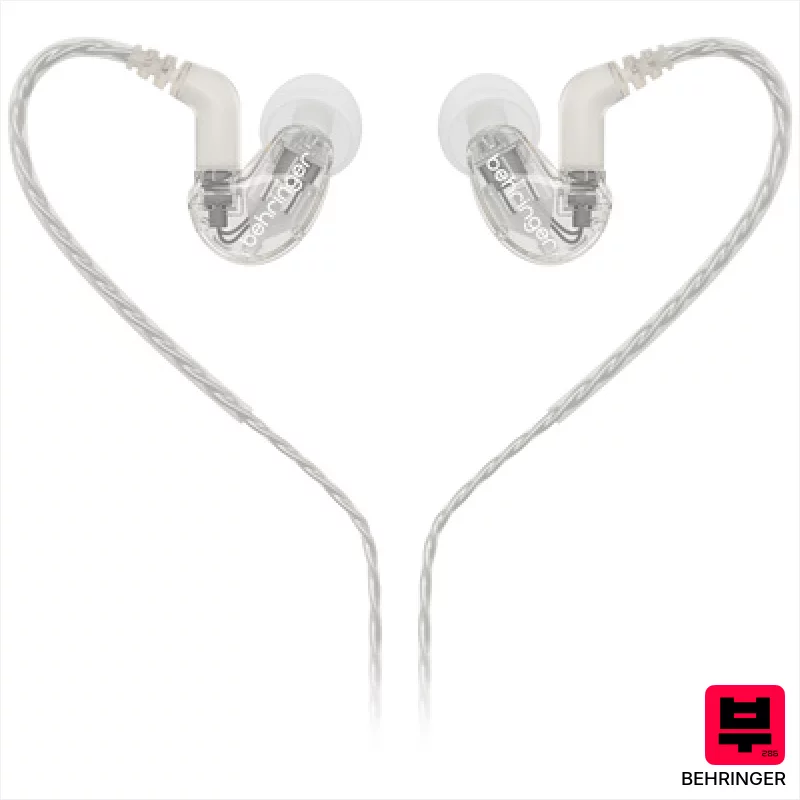
Behringer SD251-CL PRO
- • Transparent housing offers a unique aesthetic and visual inspection of the driver.
- • Gold-plated 6.3mm adapter expands compatibility with professional audio gear.
- • Multiple ear tip sizes ensure a comfortable and secure fit for diverse ear canals.
- • The 6.8mm dynamic driver delivers surprisingly punchy lows for its price point.
- • 22 Ohm impedance requires a powered source for optimal volume and clarity.
- • Plastic construction feels budget-oriented; durability is a potential concern.
- • Sound signature leans towards a slightly recessed midrange; lacks detail.

Behringer SD251-CK PRO
- • Surprisingly robust 6.8mm driver delivers decent clarity.
- • Gold-plated adapter adds a touch of quality for stage use.
- • Lightweight design minimizes fatigue during long gigs.
- • Multiple ear tip sizes ensure a comfortable, secure fit.
- • Thin cable feels fragile and prone to kinking with heavy use.
- • Sound lacks the refined detail of higher-end IEMs.
- • Limited frequency response extension at the bass end.

Behringer SD251-CL
- • Surprisingly robust cable for the price point; feels more durable than expected.
- • The 6.8mm dynamic driver delivers a decent, balanced soundstage.
- • Gold-plated 6.3mm adapter expands compatibility with pro audio gear.
- • Multiple ear tip sizes ensure a more comfortable and secure fit for various ears.
- • Lacks the detail and refinement of higher-end IEMs; a noticeable compromise.
- • The 22-ohm impedance requires a powered monitor or amp for optimal volume.
- • Plastic construction feels budget-oriented; long-term durability is questionable.
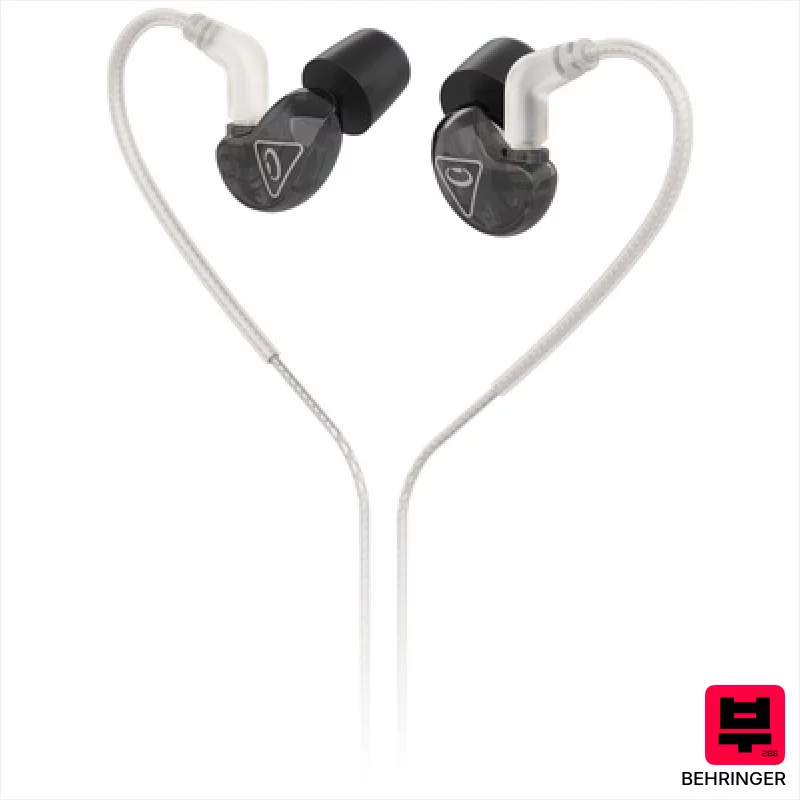
Behringer SD251-CK
- • Surprisingly robust construction for the price point
- • Gold-plated adapter adds a touch of quality and reduces oxidation
- • Decent frequency response for basic monitoring applications
- • Lightweight design minimizes fatigue during extended use
- • Thin cable feels fragile and prone to damage with frequent use
- • Sound lacks detail and refinement compared to higher-end IEMs
- • Limited frequency extension; bass response is noticeably weak
How to Choose the Best In-Ear Headphones
Price
Let's face it, this is the biggest draw. You're getting a usable in-ear monitoring solution for a fraction of what you'd pay from the established brands. This makes them perfect for backup sets or for players just starting out.
Sound Signature
Most Behringer IEMs lean towards a slightly V-shaped response - boosted bass and highs with a bit of a dip in the midrange. It's not a bad thing, it just means you might need to EQ your mix to compensate, especially if you're after a more neutral monitoring experience. The bass is surprisingly punchy, but can get muddy if your mix is already low-mid heavy.
Build Quality
This is where the compromises are most apparent. The cables are often a bit flimsy, and the housings feel a little plasticky. They'll hold up to regular gigging, but don't expect them to survive a dropped kick drum. Replacing the cables is a common upgrade.
Isolation
The passive noise isolation isn't stellar, especially compared to IEMs with multiple tip sizes. You'll hear bleed from the stage monitors, so you'll need to crank the volume. It's fine for rehearsals, but not ideal for loud club gigs.
Comfort & Fit
The included ear tips are often...uninspiring. You'll almost certainly want to invest in some aftermarket tips - foam tips are a must for better isolation and comfort. The housings themselves are generally pretty comfortable, though the shape might not suit everyone.
Buying Guide
Don't expect audiophile-grade sound. These are workhorse IEMs. Focus on models with replaceable cables - that's the biggest potential failure point. Consider buying a couple of sets if you're using them for a band, as they're cheap enough that losing one isn't a huge deal. And seriously, spend the $20 on some decent ear tips.
How This List Is Built
We don't play these instruments — we're a catalog, not a review desk, and we'd rather say so than pretend otherwise. This page ranks 6 in-ear headphones from the Thomann catalogue, which is the largest single source of specification data in this category.
Position is computed, not curated. Four signals, in order of weight: how completely the manufacturer documents the instrument (number of published specifications), where it sits in the price range, how specific the model designation is — which filters out generic accessories — and whether a product image exists. The same inputs always produce the same order, so nothing here is shuffled to look fresh.
What this list is good for: narrowing a category down to a shortlist by spec and budget. What it isn't: a substitute for hearing an instrument. Before you buy, read hands-on reviews and, where you can, play it. Full methodology.

