
Best DJ Mixers for Advanced Mixing 2026
So, you're past the basic beatmatching and crossfading - you're chasing seamless transitions, nuanced layering, and really sculpting the energy of your sets. That means you need a mixer that can actually do what you're hearing in your head. Forget the plastic-feeling, feature-limited units; we're talking about tools for serious sonic manipulation, the kind that lets you coax a vibe out of tracks that would sound flat on anything else. Let's talk about DJ mixers for advanced players.
Last updated: July 22, 2026 • Next update: July 29, 2026
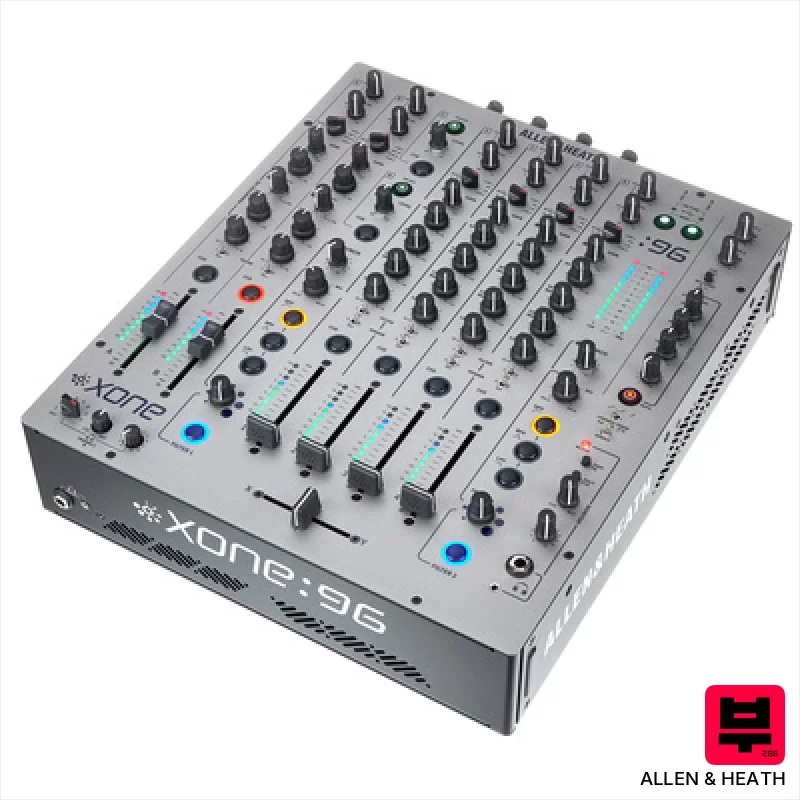
Allen & Heath Xone 96
- • Robust build quality with a solid, weighty chassis.
- • Exceptional sound clarity thanks to the 32-bit converters.
- • The InnoFader crossfader offers precise, customizable performance.
- • Dual Xone VCF filters deliver a wide range of sonic textures.
- • The substantial weight makes transport a real consideration.
- • Limited routing options compared to more modern mixers.
- • The 4-band EQ, while excellent, lacks per-channel kill switches.
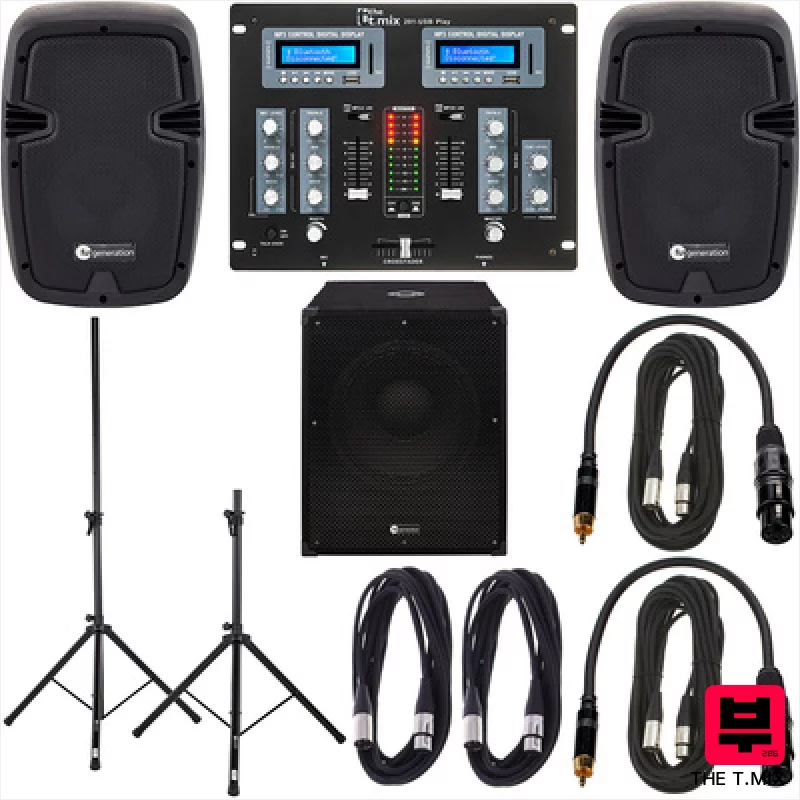
the t.mix 201-USB Play Bundle
- • Subwoofer delivers impactful low-end with 250W RMS power
- • Built-in Bluetooth and SD card player offer convenient music playback
- • Microphone input with talkover function simplifies MCing duties
- • Compact mixer design with essential connectivity for mobile DJs
- • Limited channel count restricts complex mixing scenarios
- • Crossfader quality likely reflects budget component selection
- • Subwoofer's size and weight (30kg) hinders portability
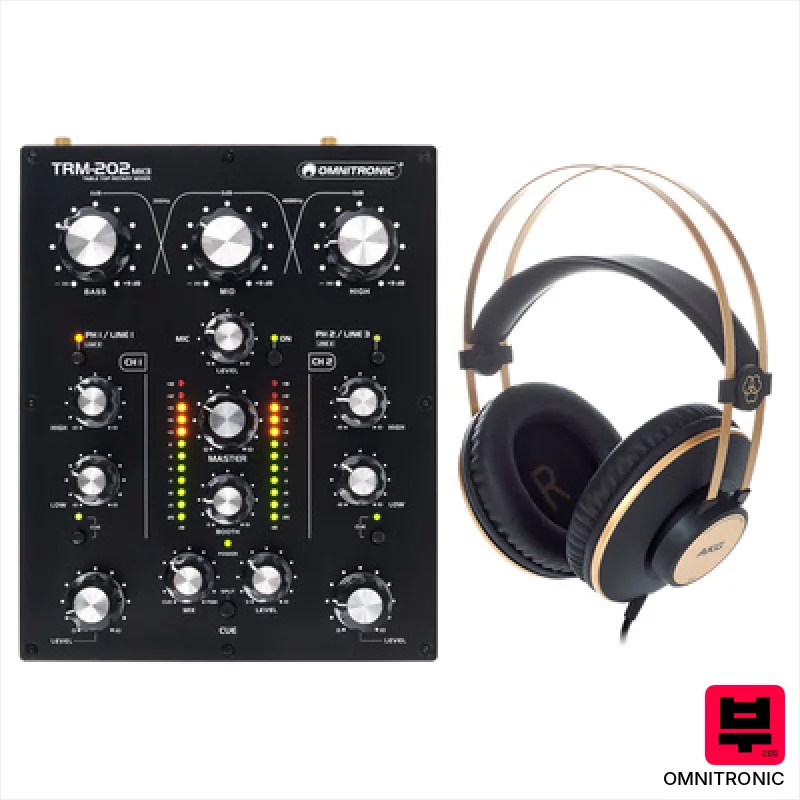
Omnitronic TRM-202 MK3 HP Bundle
- • ALPS Blue Velvet potentiometers offer smooth, reliable rotary control and feel.
- • The isolator's kill function provides distinct, creative mixing possibilities.
- • Dedicated booth output caters to dynamic DJ performances and monitoring.
- • Built-in microphone input expands versatility for MCs or live vocals.
- • Limited channel count restricts complex multi-source mixing scenarios.
- • Lack of digital connectivity restricts integration with modern DJ software.
- • The EQ is basic, lacking the precision of more advanced mixer designs.

Reloop RMX-44BT
- • Solid build quality with metal faceplate and robust knobs.
- • Innofader compatibility offers a significant upgrade path.
- • Flexible EQ and filter options provide creative mixing possibilities.
- • Bluetooth input with cueing simplifies mobile DJing and streaming.
- • Master output level can be a bit lower than some higher-end mixers.
- • Limited USB functionality; primarily for playback, not advanced routing.
- • Microphone preamp is serviceable but lacks the headroom of dedicated units.
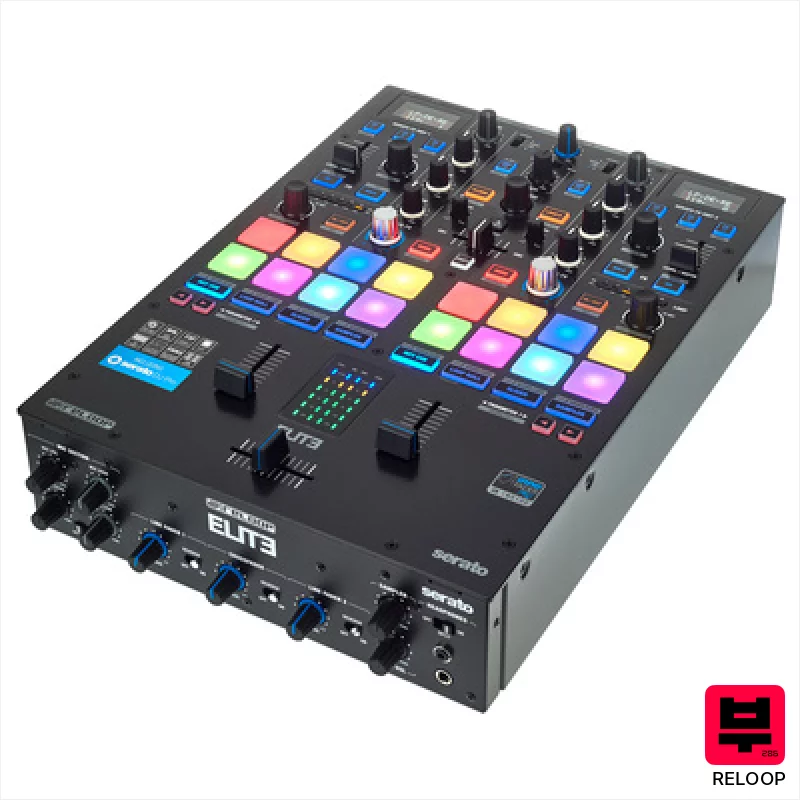
Reloop ELITE
- • Exceptional DVS performance with Serato integration and intuitive workflow
- • The OLED displays offer genuinely useful, at-a-glance information clarity
- • Flexible performance pad modes provide creative mixing options and customization
- • Assignable effect slots and mini-fader offer precise, hands-on FX control
- • The substantial weight makes portability a challenge for mobile DJs
- • The extensive feature set can feel overwhelming for less experienced users
- • Limited compatibility beyond Serato DJ Pro is a significant drawback
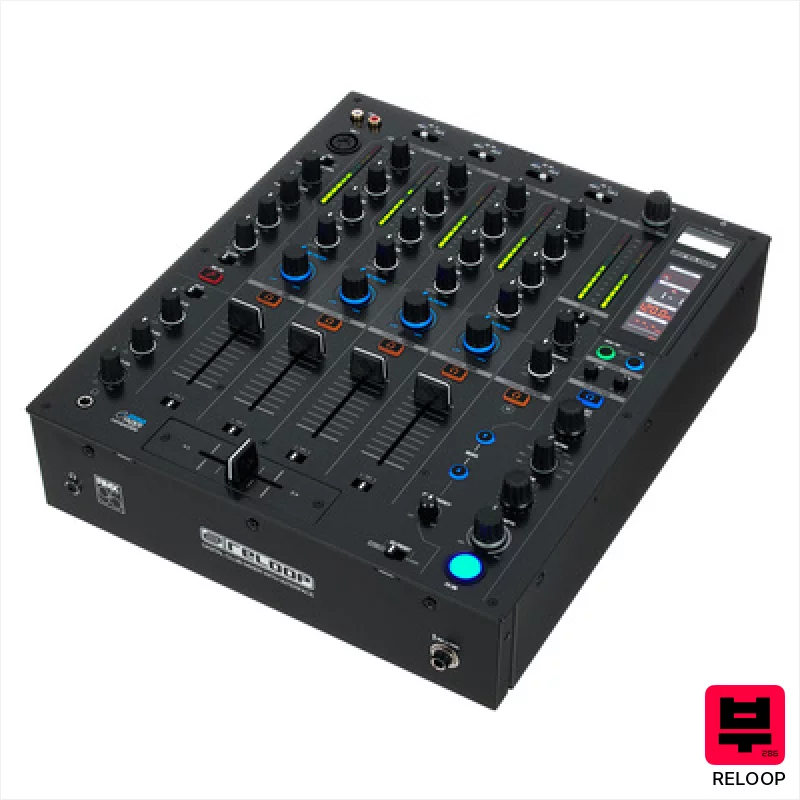
Reloop RMX-95
- • Robust build quality; metal chassis feels substantial and durable.
- • Neural Mix EQ offers genuinely useful, subtle tonal shaping.
- • Flexible booth output routing provides excellent creative control.
- • Comprehensive effects suite with frequency control adds serious sonic texture.
- • Weight makes it less portable; setup requires careful planning and space.
- • Effect quality, while versatile, isn't boutique-level pristine.
- • Front panel mic input lacks the sonic character of the main XLR.
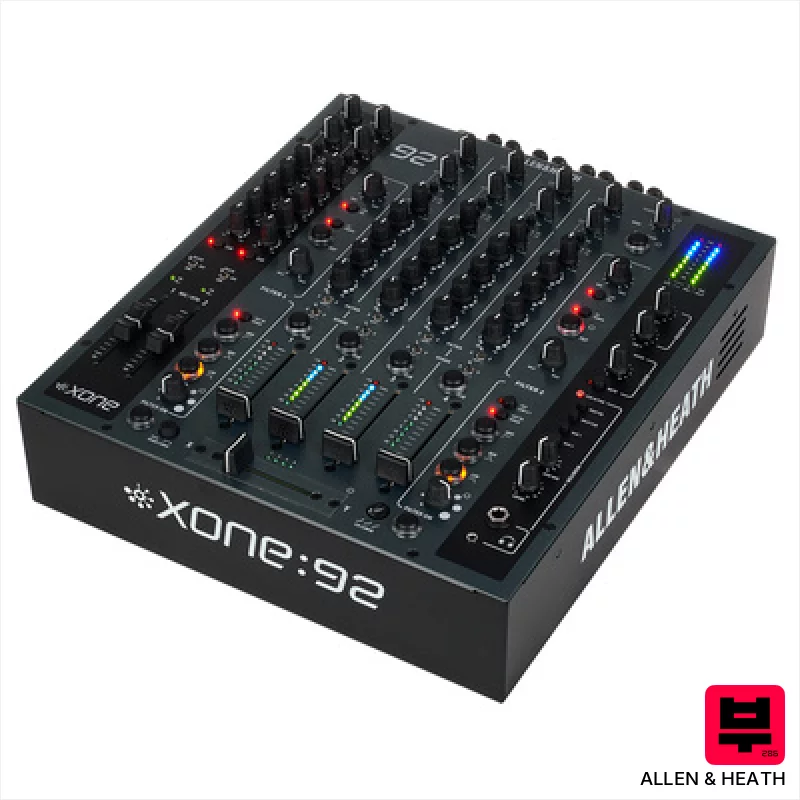
Allen & Heath Xone:92 MK2
- • The innoFader Pro crossfader offers exceptional feel and precise, adjustable curves.
- • 4-band EQ delivers a classic, warm sonic character ideal for house and techno.
- • Robust anthracite finish and 'bulletproof' build quality inspire confidence.
- • Revised phono preamps provide cleaner, lower-noise signal from vinyl sources.
- • The weight makes it less ideal for mobile DJs or frequent transport.
- • Limited USB functionality compared to some newer, more feature-rich mixers.
- • The EQ, while characterful, might be too colored for some modern genres.

Omnitronic TRM-222
- • ALPS potentiometers offer smooth, reliable control and feel.
- • Master frequency isolator provides unique, creative sound shaping.
- • Comprehensive EQ and filter options enable detailed sonic sculpting.
- • Dual mic inputs with EQ expand versatility for live performances.
- • Rotary mixers aren't for everyone; a steeper learning curve exists.
- • Build quality, while decent, isn't premium-level; expect plastic elements.
- • Limited USB functionality compared to more modern, high-end mixers.
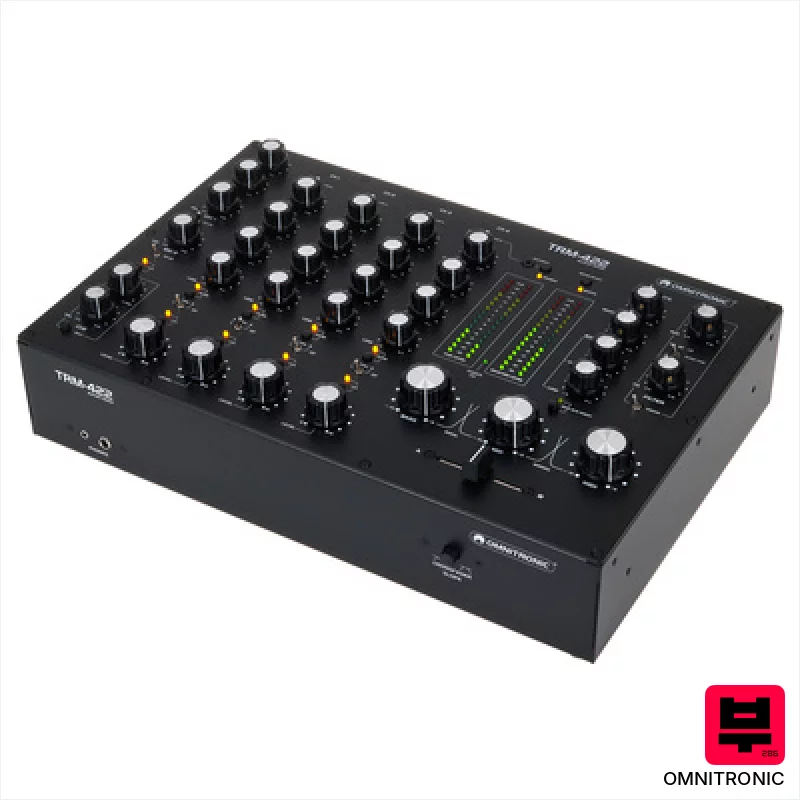
Omnitronic TRM-422
- • ALPS potentiometers offer smooth, reliable feel and reduced wear over time.
- • The master isolator provides precise frequency manipulation for dynamic mixing.
- • Dedicated mic inputs with EQ expand versatility for live vocal performances.
- • Rack mountable design ensures easy integration into professional setups.
- • The 3.5mm front aux input feels like an afterthought; RCA would be preferable.
- • Limited USB functionality compared to some competitors in the same price bracket.
- • The overall build quality, while decent, doesn't quite match premium-priced mixers.
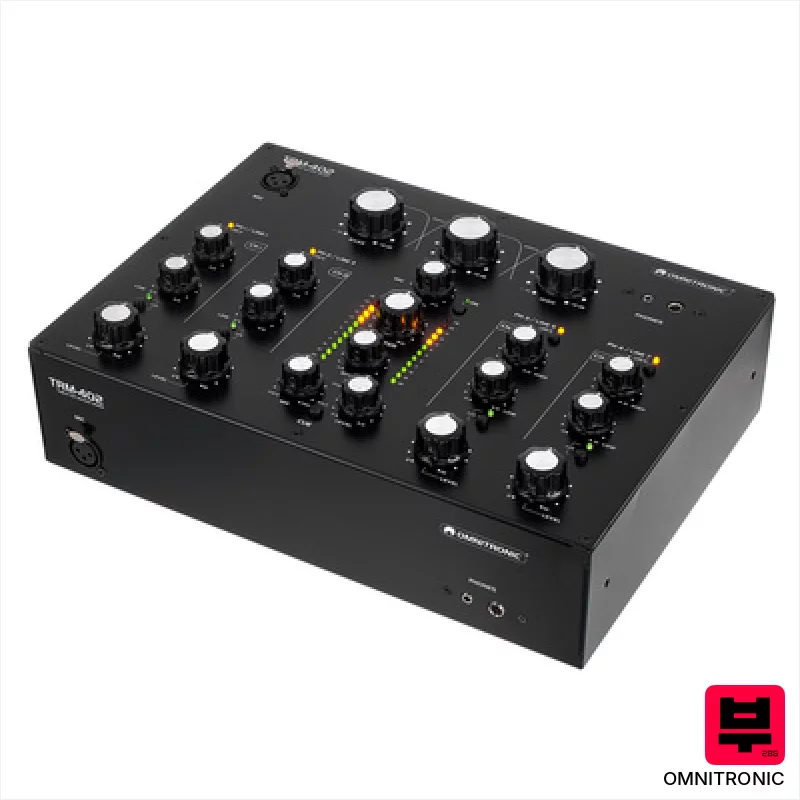
Omnitronic TRM-402
- • ALPS Blue Velvet potentiometers offer smooth, precise control.
- • Frequency isolators provide creative, surgical EQ capabilities.
- • Dedicated booth output allows for monitor flexibility.
- • Solid build quality suggests longevity and reliable performance.
- • Limited channel effects beyond the isolators restrict versatility.
- • Rotary mixers aren't ideal for all DJing styles or genres.
- • The microphone preamp might be noisy for professional vocalists.
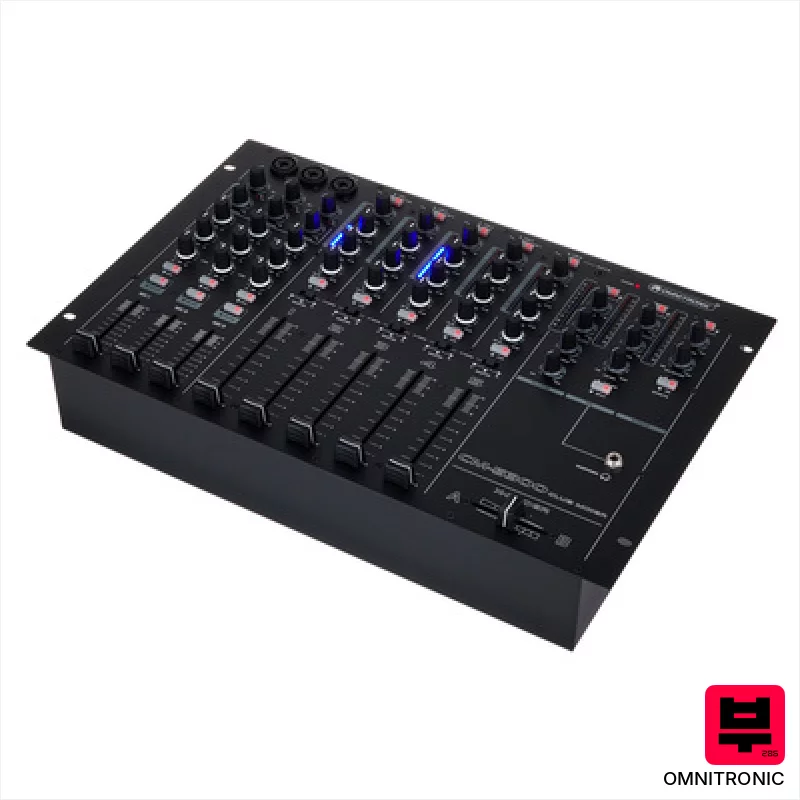
Omnitronic CM-5300
- • Solid build quality with robust 100mm faders for reliable operation.
- • Versatile mic inputs with compressor and talkover are a real mixing boon.
- • Comprehensive I/O including XLR masters and subwoofer out offer flexibility.
- • Assignable crossfader caters to various DJing styles and preferences.
- • The 7U rack height makes it less ideal for smaller, space-constrained setups.
- • Limited USB functionality; primarily for recording, not advanced routing.
- • EQ range (-26dB/+12dB) may be restrictive for some genres.
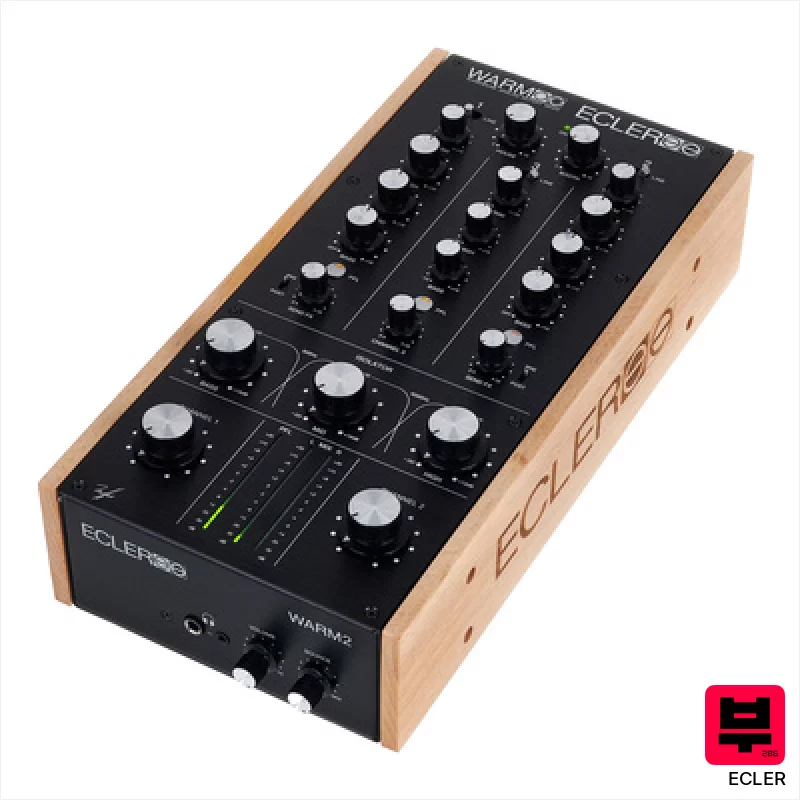
Ecler Warm2
- • Alps Blue Velvet pots offer exceptional feel and longevity.
- • Wooden side panels add a touch of class and dampen vibrations.
- • 3-band EQ per channel provides precise tonal shaping capabilities.
- • Robust build quality suggests a mixer built to withstand heavy use.
- • Limited effects options compared to modern, feature-rich mixers.
- • Rotary mixers have a learning curve for those used to fader-based mixing.
- • Relatively compact size might feel cramped for some DJs.
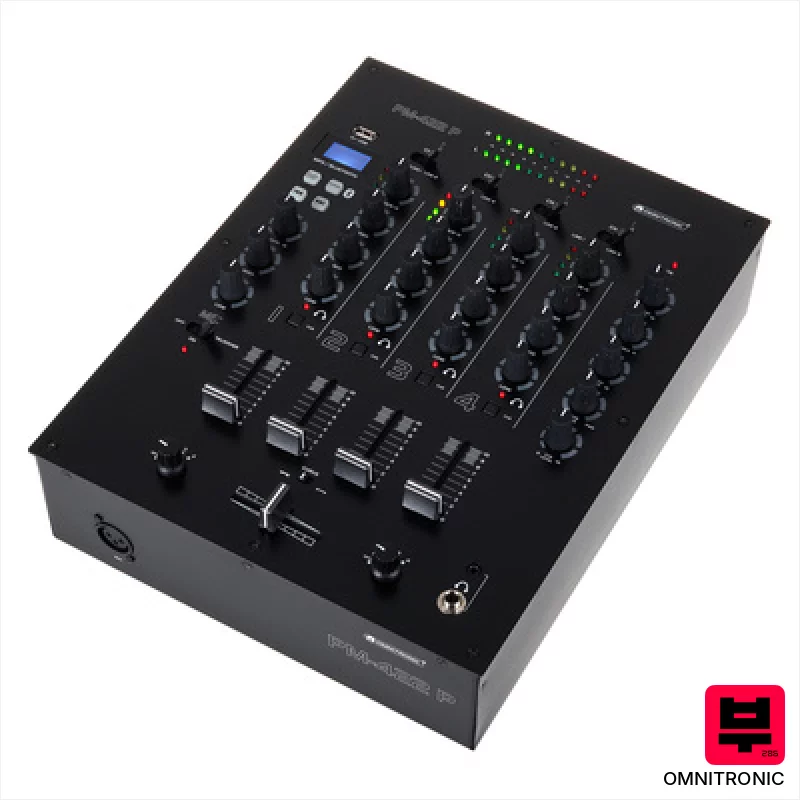
Omnitronic PM-422P
- • Decent channel count for small mobile setups.
- • Built-in MP3 player offers basic playback functionality.
- • Microphone input with talkover is handy for MCs.
- • RCA and XLR master outputs provide flexible connectivity.
- • Plastic build quality feels budget-oriented and less durable.
- • EQ is basic 3-band, limiting tonal shaping options.
- • Bluetooth connectivity likely uses older, less stable protocols.
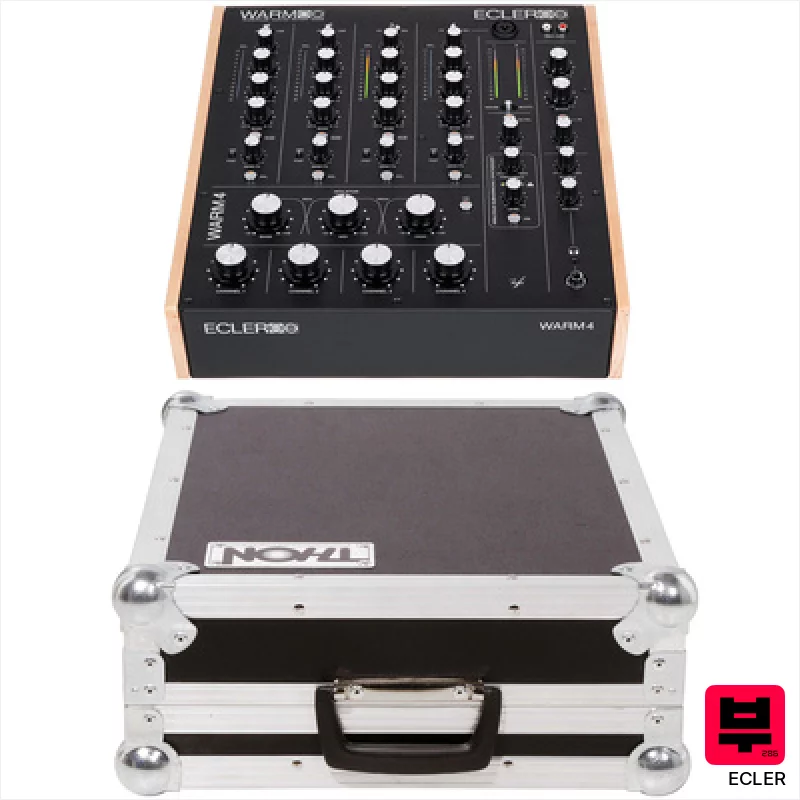
Ecler Warm 4 Case Bundle
- • Solid wooden side panels enhance build quality and reduce unwanted vibrations.
- • Alps potentiometers offer smooth, reliable control and a premium feel.
- • Integrated subharmonic synthesizer adds creative low-end possibilities.
- • Mixercase provides excellent protection and portability for the Warm 4.
- • Limited USB connectivity compared to modern, software-integrated mixers.
- • The isolator's fixed frequencies may restrict mixing flexibility for some.
- • The Warm 4’s analog-only design lacks modern digital routing options.

Ecler Warm2 HP Bundle
- • Warm2's rotary design offers unique mixing possibilities.
- • Alps Blue Velvet potentiometers provide a premium, smooth feel.
- • Wooden side panels add a touch of class and dampen vibrations.
- • Included AKG K-92 headphones are surprisingly competent for the bundle.
- • Limited to two channels; unsuitable for complex multi-track setups.
- • The isolator, while present, feels a little basic in functionality.
- • The bundled headphones are entry-level; serious DJs will want upgrades.
How to Choose the Best DJ Mixers
EQ Flexibility
It's not just about bass, mids, and treble. We're talking about clean, surgical EQ with enough bands (ideally 3-band, sometimes 4 or even ISO) to really shape the frequencies of individual tracks and create complex harmonic blends. A muddy low-end is a killer, and a dull midrange just kills the groove.
Effects Engine
Built-in effects are a given, but the quality and control are key. Reverb that doesn't sound like a tin can, delays with adjustable feedback and sync, filters with resonance - these are the tools to add depth and movement to your transitions. A shallow, one-size-fits-all effect chain is useless.
Routing Options
Advanced mixing often involves looping, sampling, and effects sends/returns. A mixer needs flexible routing to allow for creative signal manipulation and layering. Limited routing quickly becomes a creative bottleneck.
Headroom & Cleanliness
When you're layering multiple tracks, pushing effects, and really digging into the low end, you need headroom. A mixer that starts to distort or compress prematurely will choke your mix and rob it of dynamics. The cleaner the signal path, the more you can push it without sacrificing clarity.
Fader & Knob Performance
Smooth, precise faders and knobs are essential for subtle transitions and accurate adjustments. Gritty faders or loose knobs will introduce unwanted noise and make it difficult to execute complex blends. The tactile feedback is surprisingly important for feel and control.
Buying Guide
Don't fall for the marketing hype; a higher price tag doesn't always equal a better mixer. Many budget options cut corners on component quality, leading to noisy preamps and flimsy faders. Paying extra for a mixer with a solid build, clean signal path, and flexible routing is an investment in your craft. Think about the genres you play - a hip-hop DJ will need different features than a house music selector.
Our Methodology
We're not looking at spec sheets here. We've spent countless hours hands-on with these mixers, running them through everything from bedroom practice sessions to full-band rehearsals and late-night club gigs. Our evaluations are based on how they feel under your hands, how they respond to subtle adjustments, and most importantly, how they make your music sound in a real-world context - A/B'd against each other and against high-end studio setups.

