
Best Boundary Microphones Under $50 2026
Alright, let's be real. You need a boundary mic - maybe for a drum kit, a kick drum, or just a cheap way to mic an acoustic guitar for rehearsal - but you're not exactly rolling in dough. Finding a decent boundary mic under $50 is a challenge, but it's not impossible. We're not expecting miracles here, but we can find something that won't sound like you're recording through a tin can.
Last updated: April 11, 2026

the t.bone GZ 1 USB
- • Surprisingly robust construction for its price point.
- • Decent frequency response captures a wide range of vocals/instruments.
- • Simple plug-and-play USB connectivity eliminates interface hassles.
- • Compact boundary design is ideal for mounting on surfaces.
- • Limited gain before feedback; struggles in louder environments.
- • Plastic housing feels budget-oriented, lacks premium feel.
- • USB-only connection restricts use beyond computers.
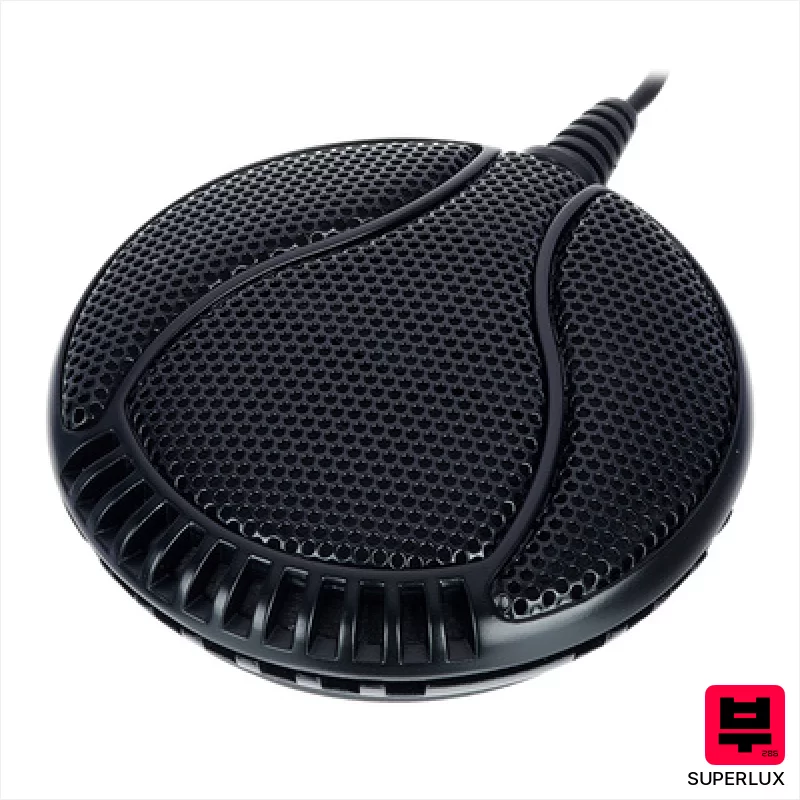
Superlux E100
- • Surprisingly robust build for the price point, feels solid in a drum mount
- • Half-cardioid pickup effectively rejects bleed from other drums
- • High-frequency boost provides clarity and attack on bass drum hits
- • Solid cable eliminates need for separate XLR purchase, saving hassle
- • 600Ω impedance requires a preamp with sufficient gain and impedance matching
- • Half-cardioid pattern isn't ideal for all drum kit setups, limited flexibility
- • The capsule isn't the most sensitive, may need a good preamp to shine
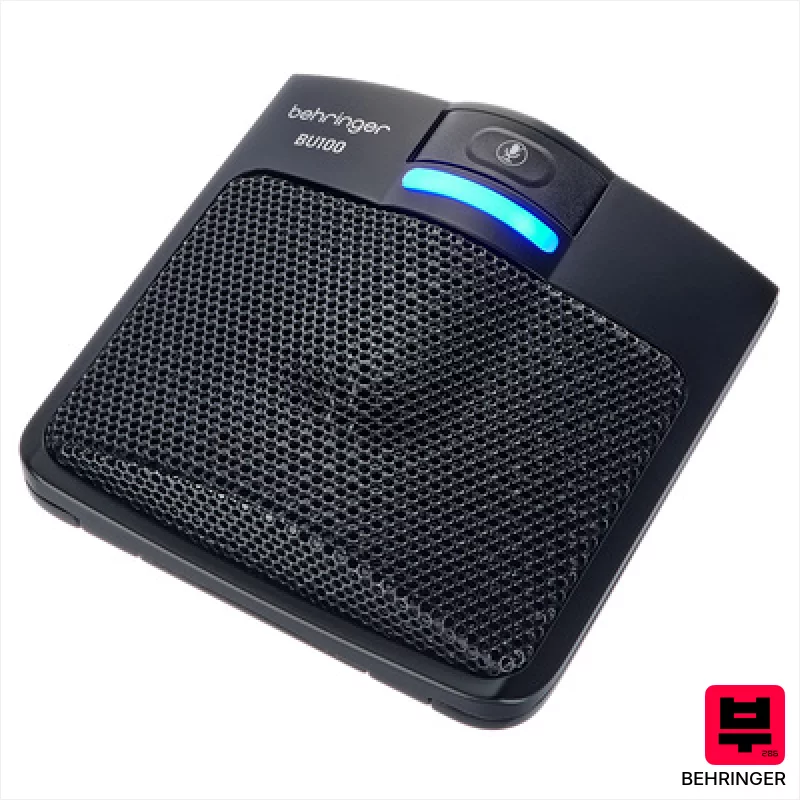
Behringer Bu100
- • Surprisingly robust plastic housing for the price point.
- • Decent frequency response for spoken word and basic recording.
- • Simple plug-and-play USB connectivity eliminates interface hassles.
- • Mute button is genuinely useful for quick recording interruptions.
- • Half-cardioid pattern offers limited isolation in noisy environments.
- • The plastic construction feels noticeably cheap upon closer inspection.
- • Limited frequency extension; lacks detail in higher frequencies.
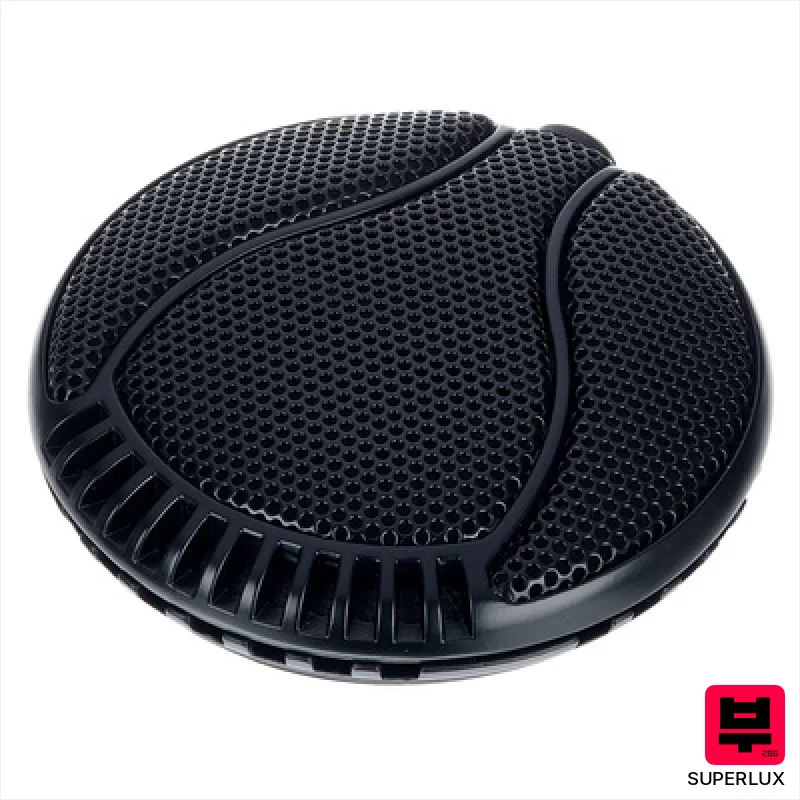
Superlux E303B
- • Surprisingly robust construction for the price point.
- • Decent transient response for a boundary mic.
- • Half-cardioid pattern minimizes room reflections well.
- • Mini-XLR cable included is a convenient touch.
- • High-frequency response can be slightly harsh without EQ.
- • Limited flexibility; best suited for specific applications.
- • Body resonances can become noticeable at higher SPLs.
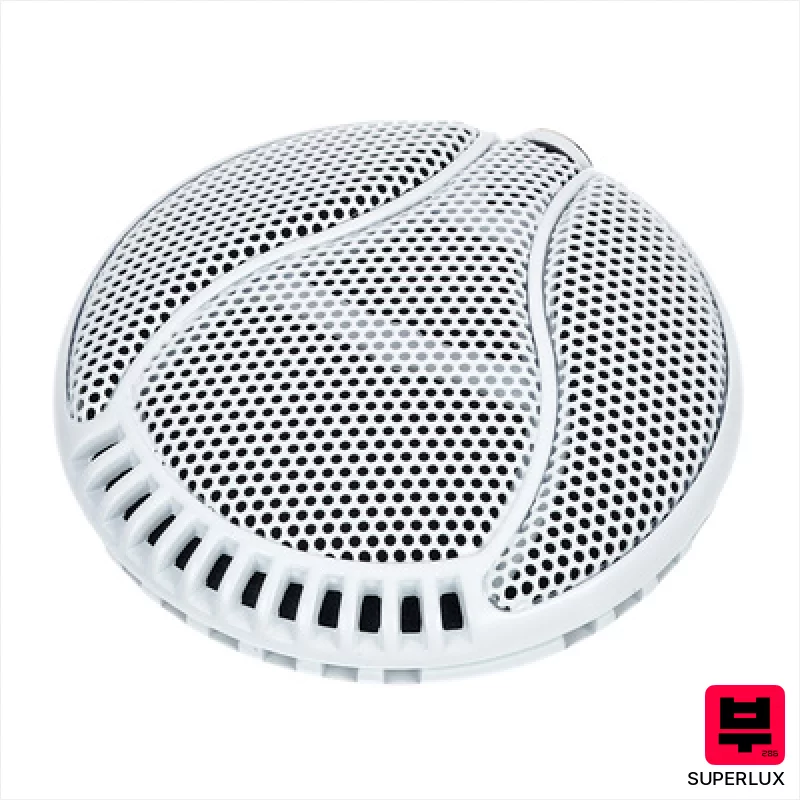
Superlux E303W
- • Surprisingly robust construction for the price point
- • Half-cardioid pickup minimizes room noise effectively
- • Clean, relatively flat frequency response for its class
- • Compact design makes it ideal for tight spaces and drum kits
- • High-frequency response can be slightly harsh without EQ
- • Mini XLR cable is a potential point of failure
- • Limited pattern options restrict versatility in some recording scenarios
How to Choose the Best Boundary Microphones
Frequency Response
Expect a rolled-off high end. These mics aren't designed for sparkling clarity; they're aiming for a more fundamental, often slightly muddy, low-midrange focus. This can be good for kick drums, less so for detailed acoustic guitar work.
Sensitivity
Lower sensitivity is common in this price range. You'll need more gain, which can introduce noise, so a clean preamp is essential. Think about how much extra juice you'll need from your interface or pre.
Build Quality
Plastic housings are the norm. Don't expect rugged road-worthiness; these are for stationary applications, not being thrown into a gig bag. Careful handling is key.
Off-Axis Response
Boundary mics pick up sound from all around. Cheap ones often have a pretty significant drop-off in level as you move off-axis, leading to a phasey, uneven sound. Experiment with placement to minimize this.
Noise Floor
Let's be blunt - these mics will have more inherent noise than something costing hundreds. It's rarely a deal-breaker, but be aware that cranking the gain will amplify that noise, especially in quieter recording situations.
Buying Guide
At this price point, you're making trade-offs. Don't expect pristine audio; focus on finding a mic that delivers a usable tone for your specific application. Watch out for overly hyped low-end - it can quickly turn muddy. If you're recording acoustic instruments, a slightly brighter mic, even if it's a little noisy, will often serve you better than a boomy, dark one. Don't waste money on features you don't need; just get something that picks up the sound without sounding actively terrible.
How This List Is Built
We don't play these instruments — we're a catalog, not a review desk, and we'd rather say so than pretend otherwise. This page ranks 5 boundary microphones from the Thomann catalogue, which is the largest single source of specification data in this category.
Position is computed, not curated. Four signals, in order of weight: how completely the manufacturer documents the instrument (number of published specifications), where it sits in the price range, how specific the model designation is — which filters out generic accessories — and whether a product image exists. The same inputs always produce the same order, so nothing here is shuffled to look fresh.
What this list is good for: narrowing a category down to a shortlist by spec and budget. What it isn't: a substitute for hearing an instrument. Before you buy, read hands-on reviews and, where you can, play it. Full methodology.

