
Best Shure Boundary Microphones 2026
Okay, so you're looking at boundary mics - smart move. They're killer for stage floors, kick drums, even drum kits in smaller spaces. Shure's been the go-to for this type of mic for ages, and for good reason. Let's break down what makes their boundary mics tick, and which one's right for your gig or recording setup.
Last updated: April 11, 2026
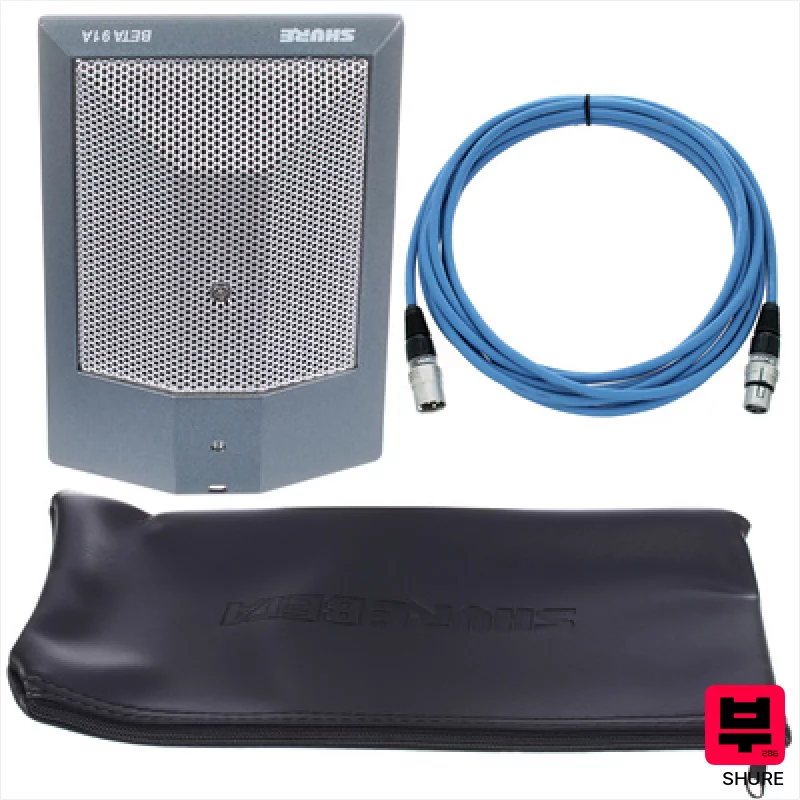
Shure Beta 91A Bundle
- • Excellent transient response for crisp bass drum articulation
- • Sommer Cable provides a premium, quiet connection for pristine audio
- • Switchable frequency response offers versatility for multiple sources
- • Rugged construction ensures reliability for both studio and stage use
- • Boundary mics are inherently less flexible for mic techniques
- • Can be sensitive to floor resonances; proper placement is crucial
- • Higher phantom power requirement might be an issue with some interfaces
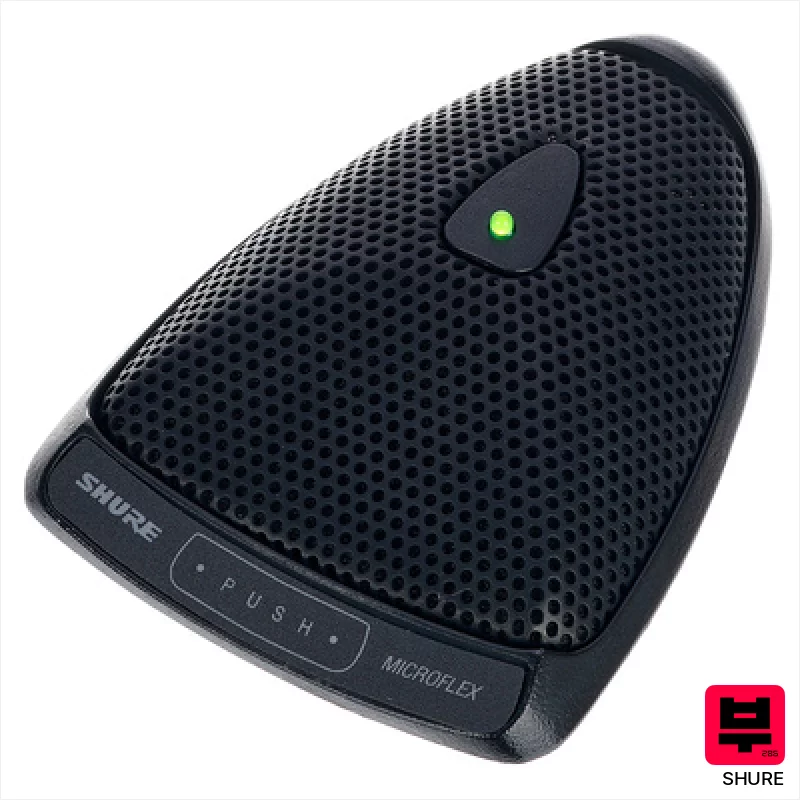
Shure MX393/C
- • Exceptional clarity and detail for speech and music applications
- • Modular capsule design offers future flexibility and upgrade paths
- • Flat housing simplifies installation and discreet integration into surfaces
- • Excellent common-mode rejection minimizes unwanted background noise
- • Half-cardioid pattern isn't ideal for all room acoustics; prone to feedback
- • Requires phantom power, limiting compatibility with some older systems
- • Limited low-frequency response compared to full-sized boundary mics
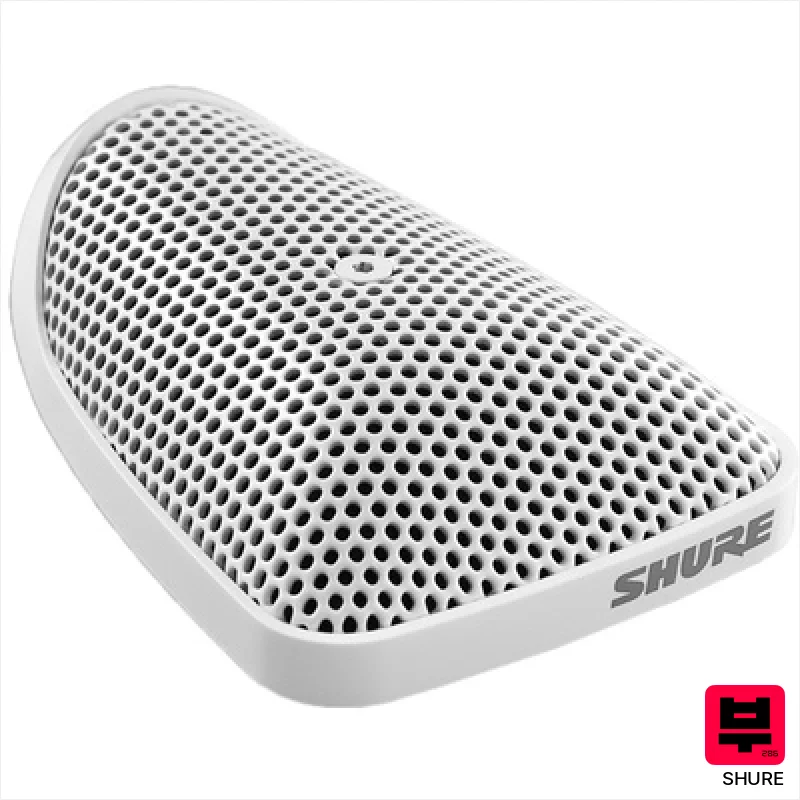
Shure Centraverse CVB W/O
- • Excellent speech clarity with minimal room coloration due to omnidirectional pickup.
- • HF filter effectively reduces stage noise and feedback issues, a real time-saver.
- • Robust, gooseneck design allows for precise positioning on flat surfaces.
- • The included XLR cable is a nice touch, ready to plug and play immediately.
- • Omnidirectional pickup can be a drawback in untreated or noisy environments.
- • Relatively low output sensitivity may require a preamp with good gain.
- • Limited frequency response compared to studio-grade condenser boundary mics.

Shure Centraverse CVB B/C
- • Excellent speech intelligibility thanks to the tailored frequency response.
- • Cardioid pattern effectively rejects off-axis noise and feedback.
- • HF filter minimizes radio frequency interference, crucial for installations.
- • Durable boundary design withstands typical handling and mounting.
- • Limited frequency response makes it unsuitable for detailed music recording.
- • 180Ω impedance may require a preamp for optimal gain.
- • Black finish can show dust and smudges in certain lighting conditions.
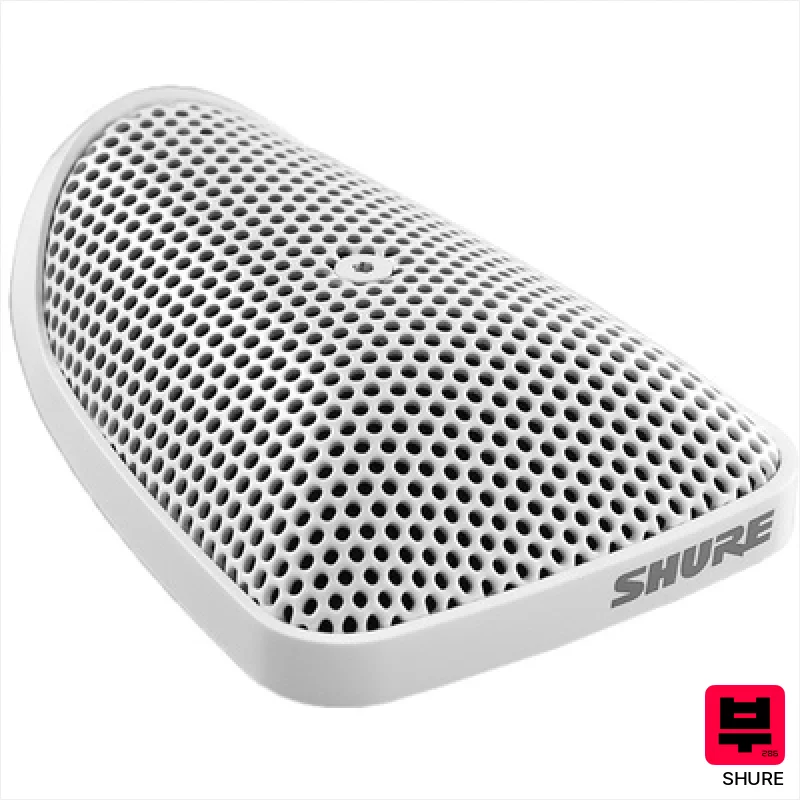
Shure Centraverse CVB W/C
- • Excellent speech intelligibility thanks to the tailored HF filter.
- • Solid, unobtrusive boundary design minimizes visual clutter.
- • Cardioid pattern effectively rejects off-axis noise sources.
- • Durable construction suitable for demanding, permanent installations.
- • Limited frequency response compared to studio condenser mics.
- • 180Ω impedance requires a preamp with adequate gain.
- • White color might not suit all aesthetic preferences.
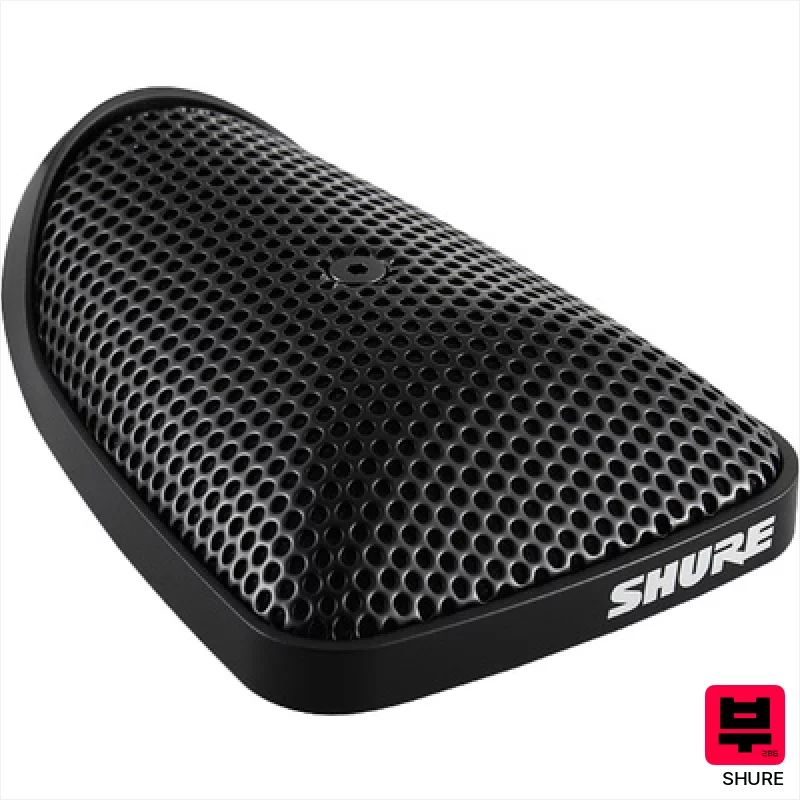
Shure Centraverse CVB B/O
- • Excellent speech intelligibility thanks to the omnidirectional pickup.
- • HF filter significantly reduces unwanted radio frequency interference.
- • Rugged boundary design handles demanding environments well.
- • The included XLR cable is a nice, professional touch.
- • Omnidirectional nature picks up more ambient noise – not ideal for loud spaces.
- • 180Ω impedance requires a decent preamp for optimal gain.
- • Limited frequency response compared to studio condenser mics.

Shure Beta 91A
- • Exceptional low-frequency response for drums and bass.
- • Durable construction with a robust, low-profile design.
- • Versatile switchable frequency response adapts to various sources.
- • Excellent off-axis rejection minimizes room noise effectively.
- • Limited polar pattern choice restricts certain recording scenarios.
- • Requires phantom power, adding complexity to setup.
- • Boundary placement can introduce floor resonances if not careful.
How to Choose the Best Boundary Microphones
Heritage & Design
Shure pioneered the flat-response boundary mic. Their designs, especially the older models, have a certain character - that slightly warmer, more natural response that just sits well in a mix. It's a vibe you don't always find.
Frequency Response & Tone
Don't expect surgical precision. Shure boundary mics generally offer a smooth, fairly even response, but with a subtle emphasis in the midrange that helps instruments cut through without sounding harsh. It's not a bright, sparkly clean; it's a more robust, present tone.
Durability & Build Quality
These are stage-ready mics. The housings are tough, the capsules are designed to withstand abuse, and they'll generally survive years of gigging. It's not invincibility, but it's solid construction that speaks to their intended use.
Feedback Rejection
This is a huge deal for stage. The boundary design inherently helps reject feedback, but Shure's implementation is consistently excellent, giving you more headroom to push the monitors without things getting nasty.
Versatility
From the Beta 91 for serious kick drum work to the PA28 for general floor monitoring, Shure offers a range to cover most applications. The choice depends on the specific sonic character you need and the level of rejection you require.
Buying Guide
Honestly, you're paying for Shure's reputation and reliability. The cheaper models (like the PG42) are perfectly usable, but you'll notice the difference in detail and that subtle tonal richness of the Beta series. Don't cheap out on the cable - a bad cable can ruin a good mic. And remember, boundary mics aren't a magic bullet; proper placement and EQ are still key.
How This List Is Built
We don't play these instruments — we're a catalog, not a review desk, and we'd rather say so than pretend otherwise. This page ranks 7 boundary microphones from the Thomann catalogue, which is the largest single source of specification data in this category.
Position is computed, not curated. Four signals, in order of weight: how completely the manufacturer documents the instrument (number of published specifications), where it sits in the price range, how specific the model designation is — which filters out generic accessories — and whether a product image exists. The same inputs always produce the same order, so nothing here is shuffled to look fresh.
What this list is good for: narrowing a category down to a shortlist by spec and budget. What it isn't: a substitute for hearing an instrument. Before you buy, read hands-on reviews and, where you can, play it. Full methodology.

