AudioFu Chart · October 2026
Best Boundary Microphones for Professional 2026
The top pick is sE Electronics BL8 Cardioid Boundary Microphone ($311). Sennheiser e901 Boundary Microphone gives you the most for the money at $259. Ranked by the AudioFu Index from 17 models across 10 brands, prices checked every night.
Last updated: October 26, 2026
Top 10
Full detail for the 10 highest AudioFu Index scores. Every other model is listed below.
-
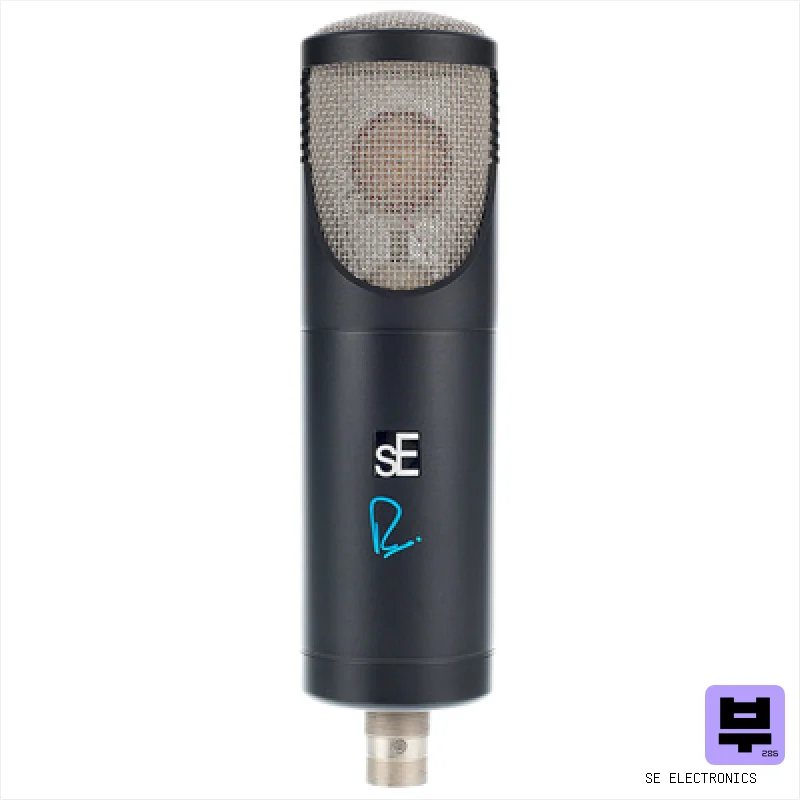
sE Electronics BL8 Cardioid Boundary Microphone
BL8 · sE Electronics
45 for sale on Reverb2 finishes at Thomann
- Weight0.53 kg
The BL8 is a surprisingly capable boundary mic, offering a warm, detailed sound thanks to that Class A circuit. It's a great option for drum overheads, kick drums, or any application needing a wide, flat response and the ability to handle loud sources. Perfect for studio engineers or live sound folks needing a reliable and versatile boundary mic.
Pros
- Robust boundary design handles high SPLs without distortion.
- Class A circuit delivers a surprisingly warm and detailed sound.
- Switchable mid-cut modes offer flexible tonal shaping options.
Cons
- Half-cardioid pattern limits placement flexibility compared to full cardioid.
- The low-cut filter’s 6dB/octave slope is a bit gentle for some applications.
77AudioFu
Index↓ 2.5%since Aug 17 · lowest so far$319 · Aug 17$311 now$311€278 at Thomann · in stockCheck price ↗ -
Shure BETA 52A Supercardioid Dynamic Bass Drum Microphone
Beta 91A · Shure
87 for sale on Reverb1 finish at Thomann
The Beta 91A is a seriously capable boundary mic – a real hybrid of the 91 and Beta 91. It’s fantastic for capturing deep, powerful kick drums or a full, rich piano tone. If you're looking for a reliable, low-profile mic for live or studio work where you want a focused, powerful sound, this is a great option.
Pros
- Exceptional low-frequency response for drums and bass.
- Durable construction with a robust, low-profile design.
- Versatile switchable frequency response adapts to various sources.
Cons
- Limited polar pattern choice restricts certain recording scenarios.
- Requires phantom power, adding complexity to setup.
63AudioFu
IndexStableno change since Aug 17Aug 17$334 now$334€298 at Thomann · in stockCheck price ↗ -
The AKG PCC-160 is a solid choice for drum overheads, kick drums, or any application needing a low-profile boundary mic. Its supercardioid pickup pattern and robust build make it great for live sound or recording situations where isolation is key – just be mindful of mic placement. It’s a very capable mic for the price, offering a good balance of performance and practicality.
Pros
- Robust metal chassis ensures durability for stage or studio use
- Supercardioid pattern excels at isolating sound sources effectively
- Switchable bass cut/boost offers tonal shaping flexibility
Cons
- Limited frequency response compared to higher-end condenser mics
- Supercardioid pattern demands precise mic placement for optimal results
31AudioFu
IndexStableno change since Aug 17Aug 17$480 now$480€429 at Thomann · in stockCheck price ↗ -
The MX393/C is a seriously clean-sounding boundary mic, perfect for conference rooms, lecture halls, or any space where you need focused vocal capture without a lot of room ambience. Its flat profile makes it super easy to mount, and the modular capsule is a smart touch for futureproofing. It's a premium-priced solution, but delivers professional results.
Pros
- Exceptional clarity and detail for speech and music applications
- Modular capsule design offers future flexibility and upgrade paths
- Flat housing simplifies installation and discreet integration into surfaces
Cons
- Half-cardioid pattern isn't ideal for all room acoustics; prone to feedback
- Requires phantom power, limiting compatibility with some older systems
35AudioFu
IndexStableno change since Aug 17Aug 17$402 now$402€359 at Thomann · in stockCheck price ↗ -
The MEB 114-S W is a solid choice for meeting rooms and church setups where clear, focused audio is key. Its robust build and integrated preamp simplify the setup process, and the programmable switch adds a nice touch for adaptable use. It’s a dependable workhorse for consistent, reliable performance.
Pros
- Durable rubber plate minimizes vibrations and feedback effectively.
- Half-cardioid pickup pattern excels at isolating sound sources.
- Integrated preamp delivers a clean, usable signal directly to the mixer.
Cons
- Half-cardioid pattern isn't ideal for wide, open spaces.
- Relatively heavy for a boundary mic, might require secure mounting.
49AudioFu
IndexStableno change since Aug 17Aug 17$391 now$391€349 at Thomann · in stockCheck price ↗ -
The MEB 114 W is a solid choice for situations needing focused sound capture, like conference tables or altar mics. It’s built tough with a rubber base for stability and provides a clean, clear signal, making it a reliable workhorse for those needing minimal feedback and good rejection of surrounding noise. It's a great value for consistent, predictable performance.
Pros
- Excellent off-axis rejection minimizes room noise effectively
- Rubber plate provides robust vibration isolation and damping
- Integrated preamp delivers clean gain without external power
Cons
- Half-cardioid pattern isn't ideal for full-room pickup situations
- Limited frequency response compared to studio condensers
43AudioFu
IndexStableno change since Aug 17Aug 17$323 now$323€289 at Thomann · in stockCheck price ↗ -
The E 901 is a serious workhorse for capturing that massive, defined bass drum sound. It’s a great choice for drummers and engineers needing a focused low-end pickup – think rock, metal, and heavier genres. Its built-in preamp makes it super convenient for live or studio use.
Pros
- Excellent low-frequency response for impactful bass drum recordings
- Robust rubber plate effectively dampens vibrations and handling noise
- Integrated preamp delivers a strong, clean signal directly to the mixer
Cons
- Limited versatility beyond low-frequency instruments and vocals
- The half-cardioid pattern can still pick up unwanted room reflections
49AudioFu
Index↓ 2.5%since Aug 17 · lowest so far$265 · Aug 17$259 now$259€231 at Thomann · in stockCheck price ↗ -
Beyerdynamic TG D71 Semi-cardioid Boundary Condenser Microphone
TG D71 · beyerdynamic
5 for sale on Reverb1 finish at Thomann
The TG D71 is a seriously capable boundary mic, especially for cajon and bass drum. It’s built like a tank, rejects unwanted noise well, and delivers a surprisingly full sound. If you’re looking for a dedicated percussion mic that can handle a gigging lifestyle, this is a fantastic option.
Pros
- Solid metal housing provides excellent durability for stage use
- Half-cardioid pattern minimizes room noise, great for less-than-ideal spaces
- The rubber base is genuinely effective, stays put on cajons and drums
Cons
- Half-cardioid isn't as forgiving as full cardioid for placement
- The 200Ω impedance might require a preamp with sufficient gain
35AudioFu
IndexStableno change since Aug 17Aug 17$301 now$301€269 at Thomann · in stockCheck price ↗ -
The U851RWb is a solid boundary mic—really clean and accurate, especially for applications where you need to capture a wide area of sound. It’s a workhorse for lecterns and tables, and that RF shielding is a genuine lifesaver in noisy environments. If you need a reliable, flat-response boundary mic for speech or ambient sound, this is a great choice.
Pros
- Exceptional transient response for accurate, detailed sound capture
- Robust construction with a chemically-treated aluminum boundary surface
- UniGuard RF shielding effectively minimizes stage interference issues
Cons
- Semi-cardioid pattern offers less isolation than tighter patterns
- Boundary design limits placement options compared to handheld mics
33AudioFu
IndexStableno change since Aug 17Aug 17$308 now$308€275 at Thomann · in stockCheck price ↗ -
Shure BETA 91A Boundary Condenser Microphone
Beta 91A Bundle · Shure
38 for sale on Reverb1 finish at Thomann
The Beta 91A bundle is a fantastic choice for anyone needing a dedicated, high-quality boundary mic for drums or piano. The Sommer cable is a nice touch, delivering clean signal without noise. It's a solid, professional-grade solution for live sound or studio recording, especially if you want a focused, powerful low-end response.
Pros
- Excellent transient response for crisp bass drum articulation
- Sommer Cable provides a premium, quiet connection for pristine audio
- Switchable frequency response offers versatility for multiple sources
Cons
- Boundary mics are inherently less flexible for mic techniques
- Can be sensitive to floor resonances; proper placement is crucial
33AudioFu
IndexStableno change since Aug 17Aug 17$346 now$346€309 at Thomann · in stockCheck price ↗
All 17 boundary microphones
Same index, same nightly prices — compact. Colour options of one model share a row. Tap a photo to zoom.
- 11
PUR CBM-1 Cajon MicrophonePUR31Stable$256€229$256€229Check ↗
- 12
Audio-Technica PRO44 Cardioid Condenser Boundary MicrophonePro 44 · Audio-Technica44Stable$165€147$165€147Check ↗
- 13
the t.bone BD 500 Betathe t.bone46Stable$111€99$111€99Check ↗
- 14
Superlux E303WSuperlux · 2 finishes41Stable$45€40$45€40Check ↗
- 15
Superlux E100Superlux36Stable$50€45$50€45Check ↗
- 16
Superlux E304 BKSuperlux36Stable$76€68$76€68Check ↗
- 17
Behringer BA85A Supercardioid Dynamic Handheld MicrophoneBA 19A · Behringer29Stable$64€57$64€57Check ↗
Boundary Microphones by the numbers
Measured across all 23 models we track, not a sample.
Median $301 — half of all boundary microphones here cost less.
How to choose the best boundary microphones
Frequency Response & Transient Response
A flat, extended low-end response is critical for kick drums and bass amps. You want something that captures the low-end thump without getting muddy, and can handle the transient attack of a snare without sounding dull. Some boundary mics tend to roll off the highs - a tradeoff for the boundary design - so be mindful of that.
Off-Axis Response
Boundary mics are inherently sensitive to reflections and room acoustics. A consistent off-axis response minimizes phase issues and coloration when dealing with spill. This is especially important when miking multiple instruments or vocals in a less-than-ideal acoustic environment.
Gain Before Feedback
For live sound, this is the absolute king. A boundary mic's ability to handle high SPLs without feedback is paramount, particularly when placed close to monitors. Lower-end models often struggle here, sacrificing headroom and introducing distortion at higher volumes.
Durability & Build Quality
Gigs are rough. Boundary mics get stepped on, bumped, and generally abused. Rugged construction and a robust housing are essential for long-term reliability, especially if you're using them on stage.
Polar Pattern Consistency
While most boundary mics are cardioid, the pattern's accuracy and consistency across the frequency spectrum are vital. A poorly designed pattern can create unwanted coloration or feedback loops. Listen carefully for any irregularities, especially in the low-mids.
Buying guide
Let's be honest, boundary mics aren't for everyone. But for the pros - the ones running FOH for a brass section, miking a kick drum from the port, or needing a reliable snare mic in a loud rehearsal space - they're a game changer. Forget the cheesy, one-dimensional tone you might associate with budget boundary mics; we're talking about tools that can actually deliver a usable, and sometimes surprisingly good, sound. This isn't about novelty; it's about solving problems with a unique mic placement.
Don't be fooled by low prices. Cheap boundary mics often compromise on build quality and transient response, resulting in a muffled or boomy sound. Invest in something with a proven track record and a reputation for handling high SPLs.
Consider the intended application - a snare mic needs different characteristics than a kick drum mic. And remember, boundary mics aren't a magic bullet; they're a tool to be used strategically.
How the AudioFu Index works
Five measured signals and nothing else — no stars from strangers, no “tested by experts” we didn’t do. The weights are fixed and public. We don’t play these instruments; we measure the market around them.
This chart covers 23 boundary microphones from the Thomann catalogue. Before you buy, read hands-on reviews and, where you can, play it. Full methodology.
AudioFu earns a commission when you buy through our Thomann links. It never changes the order — the index does.
- Demand40%
How many of this exact model are for sale on Reverb right now — what musicians actually buy and resell.
- Lineup20%
How many finishes Thomann stocks — makers expand the models that sell.
- Price15%
Where the price has moved since we started tracking in August.
- Specs15%
How completely the maker documents it.
- Maker10%
How deep the brand’s range is in this category.
Questions
Can a boundary mic replace a traditional snare mic?
Sometimes. It depends on the kit and the desired sound. They can be surprisingly good for a tight, controlled snare sound, but you'll lose some of the 'crack' and airiness of a traditional mic.
What's the deal with the 'hypercardioid' boundary mic?
Hypercardioid boundaries offer tighter rejection, but they also have a more pronounced rear lobe, which can pick up unwanted stage noise. Use them with caution and careful monitor placement.
Are boundary mics suitable for recording vocals?
Generally no. While they can work in a pinch, the proximity effect and altered stereo image aren't ideal for most vocal applications. They're better suited for instruments.
I'm getting a lot of rumble with my boundary kick mic. What's happening?
It's likely a combination of the mic's inherent low-frequency sensitivity and room acoustics. Try experimenting with mic placement and using a high-pass filter to remove unwanted sub-bass frequencies.
Do I need a dedicated preamp for boundary mics?
It helps. A clean, low-noise preamp with ample headroom will allow you to maximize the mic's dynamic range and capture a more accurate representation of the sound source. A muddy preamp will only exacerbate any shortcomings in the mic itself.