
Best Boundary Microphones for Theater 2026
Alright, so you're running sound for a theatrical production - that's a whole different beast than a rock band. You're not just capturing a single vocalist or a guitar amp; you're trying to mic an entire stage full of actors, often moving around, and you need something that's reliable, discreet, and sounds decent without a ton of fuss. Boundary mics - floor mics, stage mics - are your best bet for a lot of these situations, but not all are created equal. Let's break down what to look for.
Last updated: July 8, 2026 • Next update: July 15, 2026
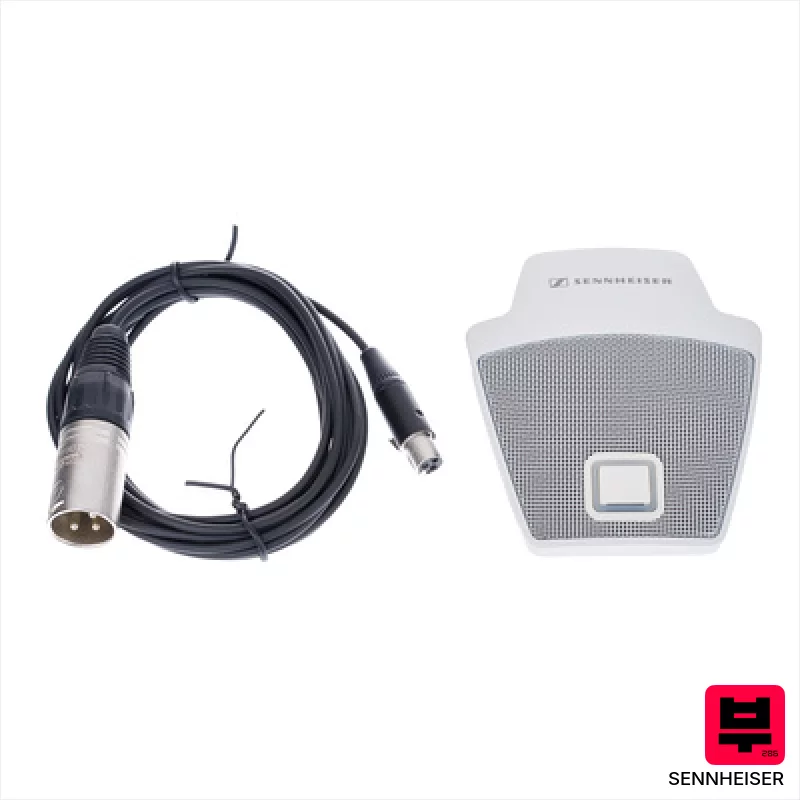
Sennheiser MEB 114-S W
- • Durable rubber plate minimizes vibrations and feedback effectively.
- • Half-cardioid pickup pattern excels at isolating sound sources.
- • Integrated preamp delivers a clean, usable signal directly to the mixer.
- • Programmable switch offers flexible control for varied meeting setups.
- • Half-cardioid pattern isn't ideal for wide, open spaces.
- • Relatively heavy for a boundary mic, might require secure mounting.
- • Limited polar pattern options compared to more versatile mics.
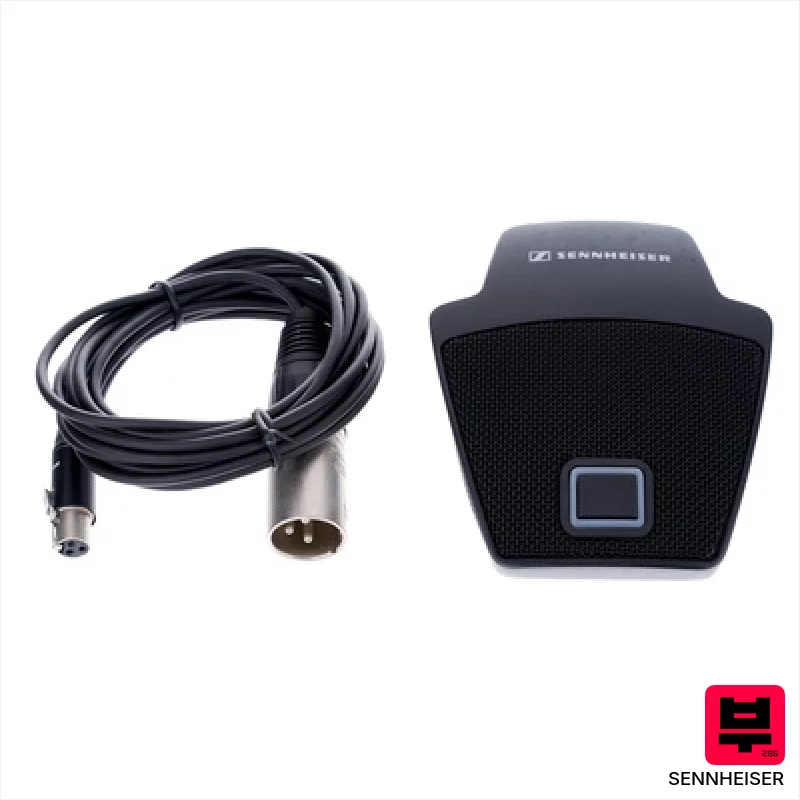
Sennheiser MEB 114-S B
- • Excellent off-axis rejection minimizes room noise effectively.
- • Rubber plate provides excellent damping, reducing unwanted vibrations.
- • Integrated preamp delivers clean gain with low self-noise.
- • Programmable switch offers flexible control for various applications.
- • Half-cardioid pattern limits placement flexibility compared to full cardioid.
- • Relatively heavy for a boundary mic, may require stable mounting.
- • Limited frequency response compared to studio-grade condensers.
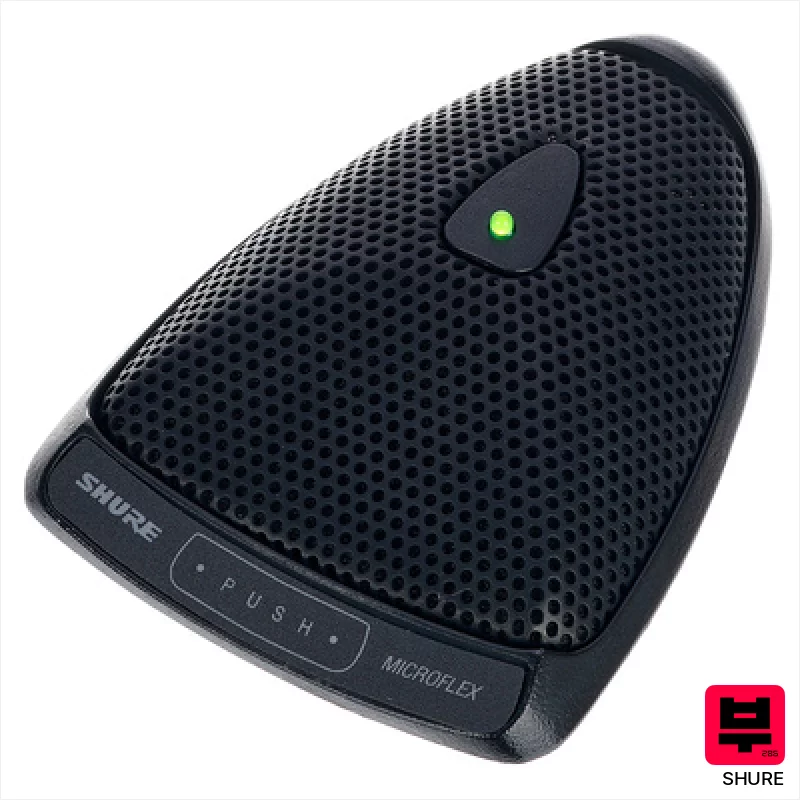
Shure MX393/C
- • Exceptional clarity and detail for speech and music applications
- • Modular capsule design offers future flexibility and upgrade paths
- • Flat housing simplifies installation and discreet integration into surfaces
- • Excellent common-mode rejection minimizes unwanted background noise
- • Half-cardioid pattern isn't ideal for all room acoustics; prone to feedback
- • Requires phantom power, limiting compatibility with some older systems
- • Limited low-frequency response compared to full-sized boundary mics
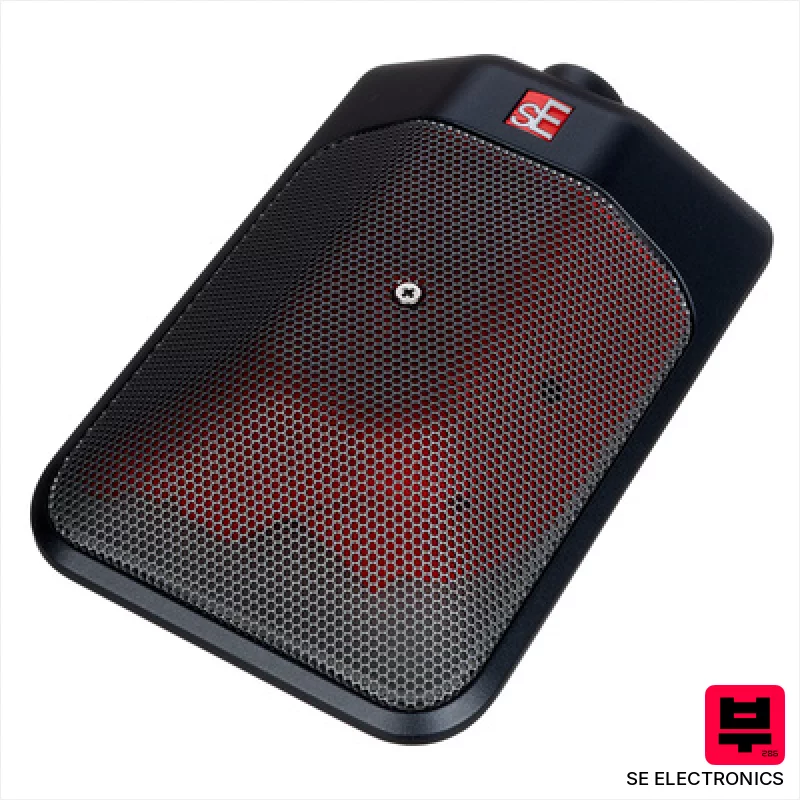
SE Electronics BL8
- • Robust boundary design handles high SPLs without distortion.
- • Class A circuit delivers a surprisingly warm and detailed sound.
- • Switchable mid-cut modes offer flexible tonal shaping options.
- • Solid build quality with a reassuring heft and durable metal housing.
- • Half-cardioid pattern limits placement flexibility compared to full cardioid.
- • The low-cut filter’s 6dB/octave slope is a bit gentle for some applications.
- • Requires 48V phantom power, adding to setup complexity.

Shure Beta 91A
- • Exceptional low-frequency response for drums and bass.
- • Durable construction with a robust, low-profile design.
- • Versatile switchable frequency response adapts to various sources.
- • Excellent off-axis rejection minimizes room noise effectively.
- • Limited polar pattern choice restricts certain recording scenarios.
- • Requires phantom power, adding complexity to setup.
- • Boundary placement can introduce floor resonances if not careful.
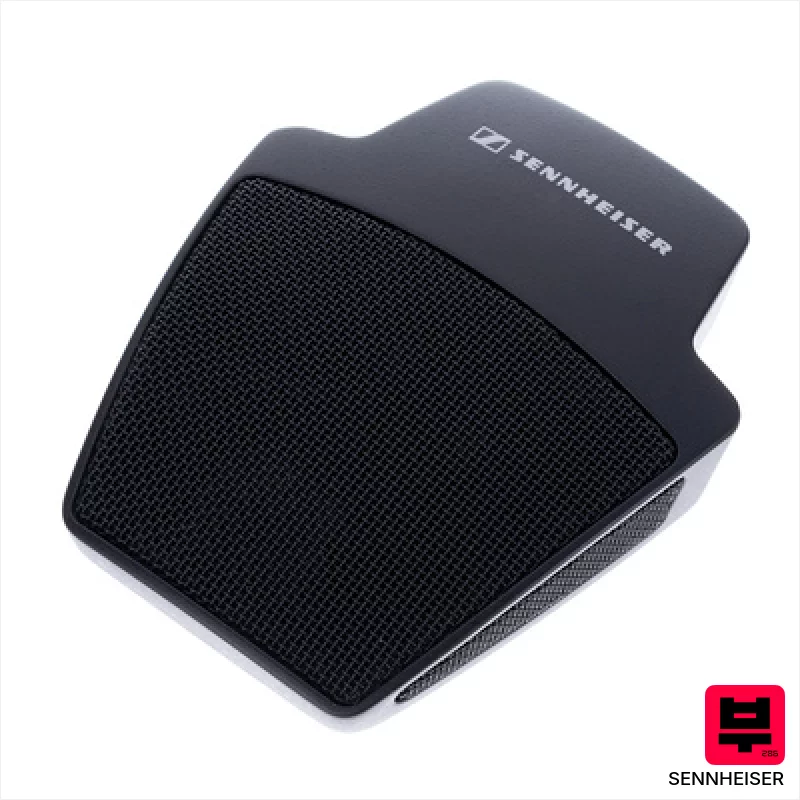
Sennheiser MEB 114 B
- • Durable rubber plate effectively dampens vibrations and feedback
- • Half-cardioid pattern minimizes room noise pickup well
- • Integrated preamp provides a clean, usable signal directly to mixers
- • Compact size makes it unobtrusive for altar or conference table use
- • Half-cardioid pattern isn't ideal for all room acoustics
- • Limited frequency response compared to studio condensers
- • Weight, while manageable, can be noticeable on thinner surfaces
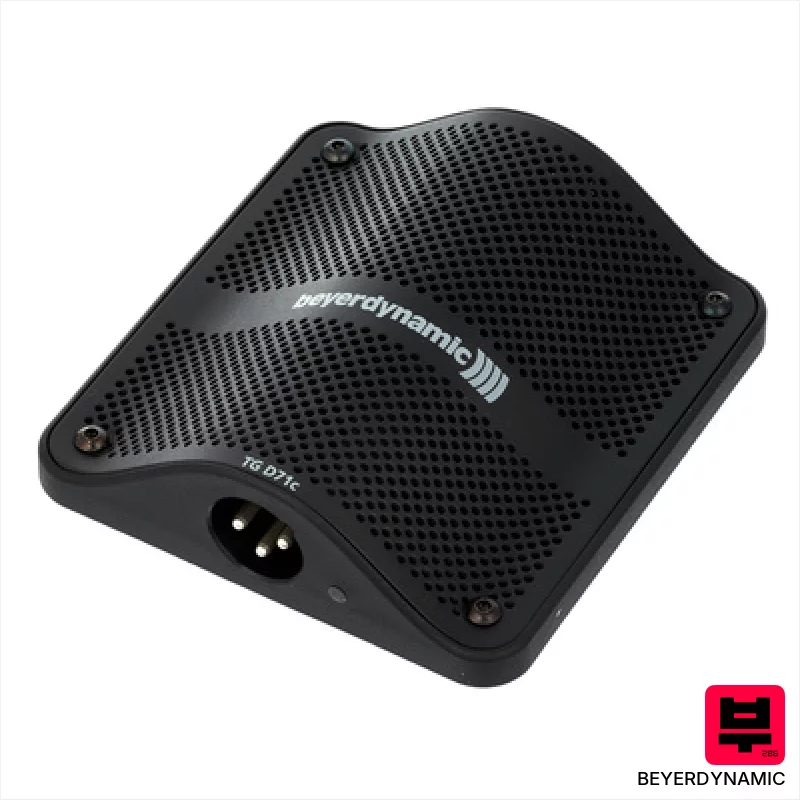
beyerdynamic TG D71
- • Solid metal housing provides excellent durability for stage use
- • Half-cardioid pattern minimizes room noise, great for less-than-ideal spaces
- • The rubber base is genuinely effective, stays put on cajons and drums
- • Frequency response captures a surprisingly detailed low-end for a boundary mic
- • Half-cardioid isn't as forgiving as full cardioid for placement
- • The 200Ω impedance might require a preamp with sufficient gain
- • Limited versatility – really shines with percussion, less ideal for vocals
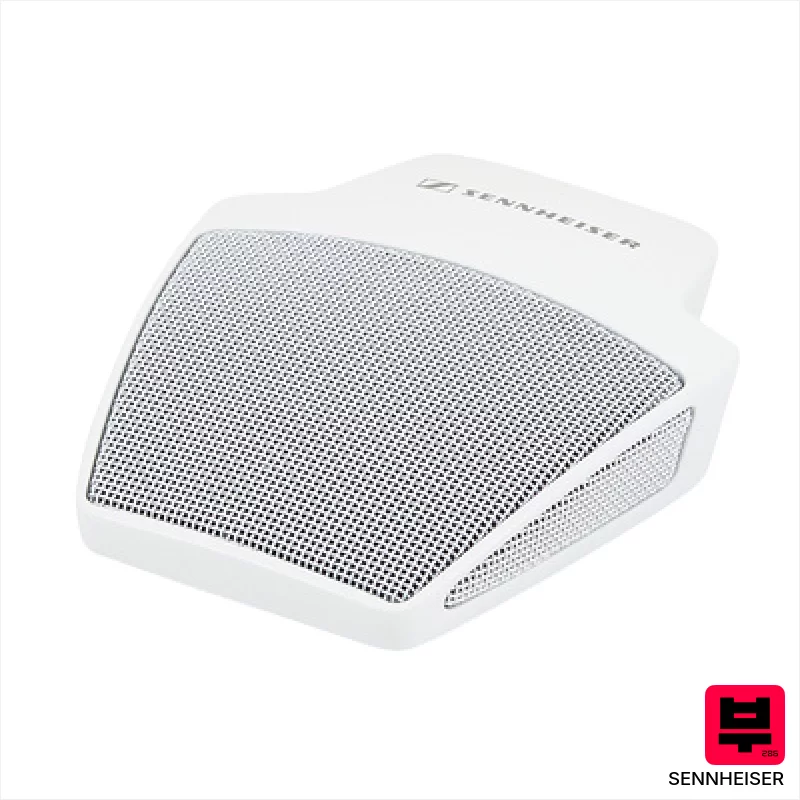
Sennheiser MEB 114 W
- • Excellent off-axis rejection minimizes room noise effectively
- • Rubber plate provides robust vibration isolation and damping
- • Integrated preamp delivers clean gain without external power
- • Compact form factor blends discreetly into various environments
- • Half-cardioid pattern isn't ideal for full-room pickup situations
- • Limited frequency response compared to studio condensers
- • White color may not suit all aesthetic preferences

DPA 4060-OC-D-S01-002
- • Exceptional clarity and detail across the entire frequency spectrum.
- • Robust metal ring provides secure and stable mounting options.
- • Half-omnidirectional pickup minimizes off-axis coloration, sounds natural.
- • Discreet silver finish blends seamlessly into lecterns and stage setups.
- • Premium-priced, a significant investment for budget-conscious users.
- • Cable length (3m) might be limiting in larger spaces.
- • B&K connector requires a dedicated adapter, adding to complexity.
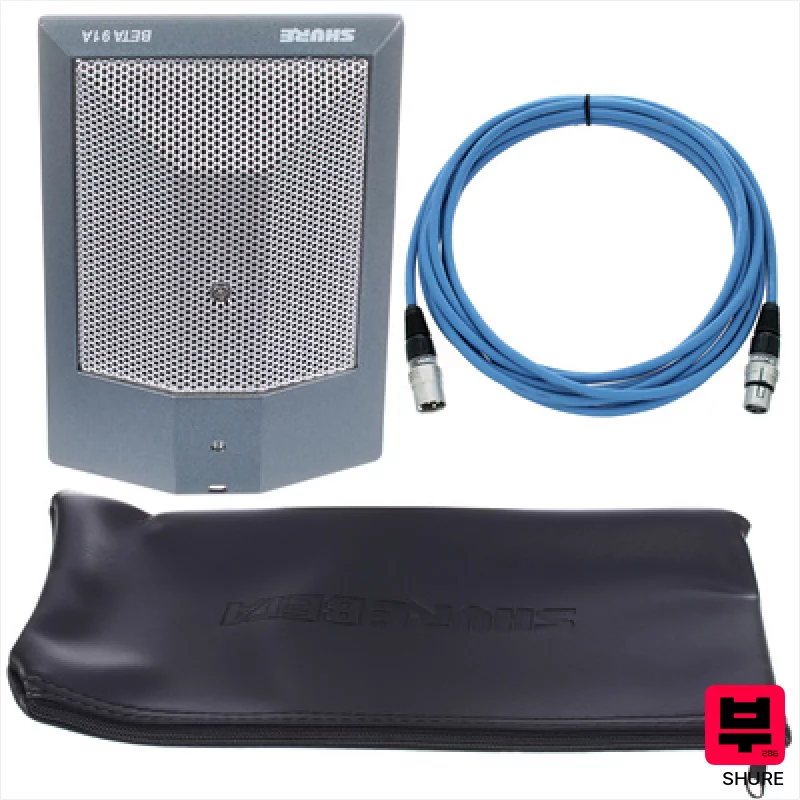
Shure Beta 91A Bundle
- • Excellent transient response for crisp bass drum articulation
- • Sommer Cable provides a premium, quiet connection for pristine audio
- • Switchable frequency response offers versatility for multiple sources
- • Rugged construction ensures reliability for both studio and stage use
- • Boundary mics are inherently less flexible for mic techniques
- • Can be sensitive to floor resonances; proper placement is crucial
- • Higher phantom power requirement might be an issue with some interfaces

Audio-Technica U851RWb
- • Exceptional transient response for accurate, detailed sound capture
- • Robust construction with a chemically-treated aluminum boundary surface
- • UniGuard RF shielding effectively minimizes stage interference issues
- • Switchable low-cut provides flexibility for various acoustic environments
- • Semi-cardioid pattern offers less isolation than tighter patterns
- • Boundary design limits placement options compared to handheld mics
- • Detachable cable adds a potential point of failure; TAF3 connector less common
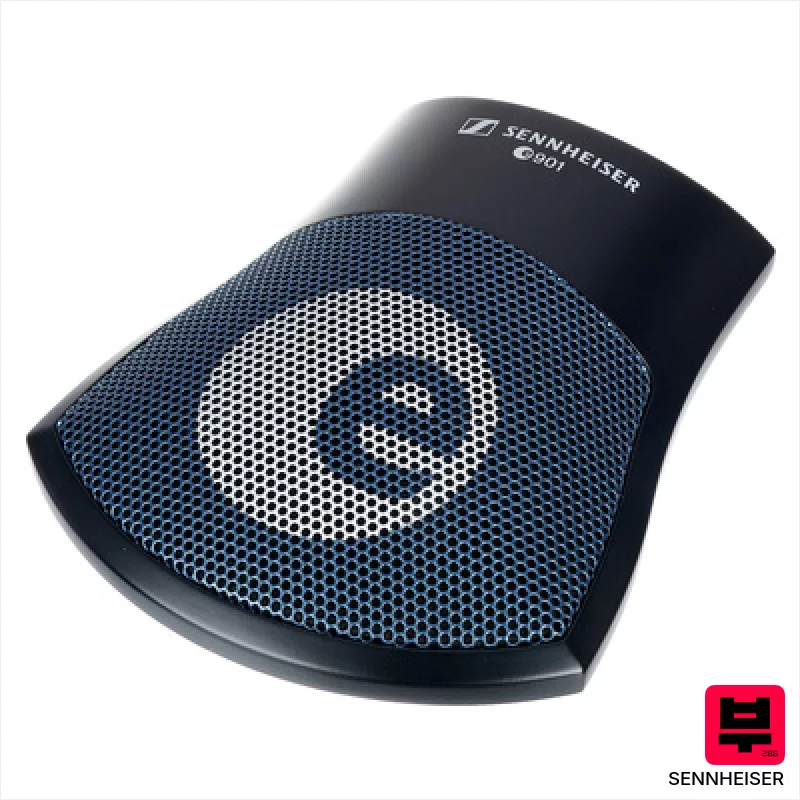
Sennheiser E 901
- • Excellent low-frequency response for impactful bass drum recordings
- • Robust rubber plate effectively dampens vibrations and handling noise
- • Integrated preamp delivers a strong, clean signal directly to the mixer
- • Half-cardioid pattern minimizes bleed from overhead mics
- • Limited versatility beyond low-frequency instruments and vocals
- • The half-cardioid pattern can still pick up unwanted room reflections
- • Relatively heavy for a boundary mic, may require a stable mounting solution
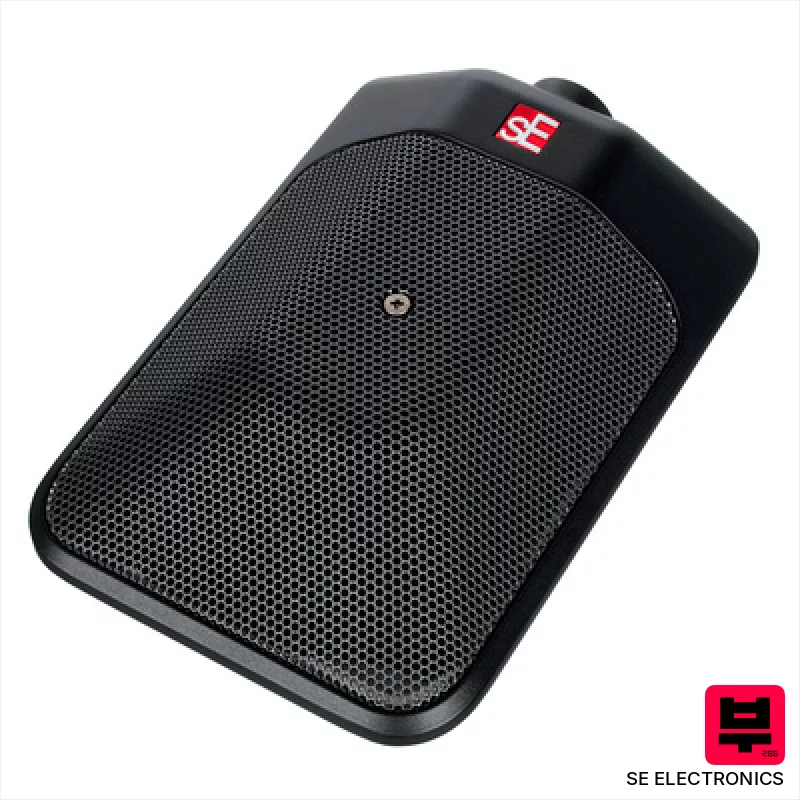
SE Electronics BL8 Omni
- • Excellent omni response for natural room capture.
- • Class A circuit delivers a clean, detailed sound signature.
- • Robust build quality with a solid, practical feel.
- • Flexible pad and low-cut options offer recording versatility.
- • Boundary design limits placement flexibility compared to suspended mics.
- • Somewhat limited tonal character; not ideal for highly colored recordings.
- • Requires phantom power; not compatible with some older interfaces.
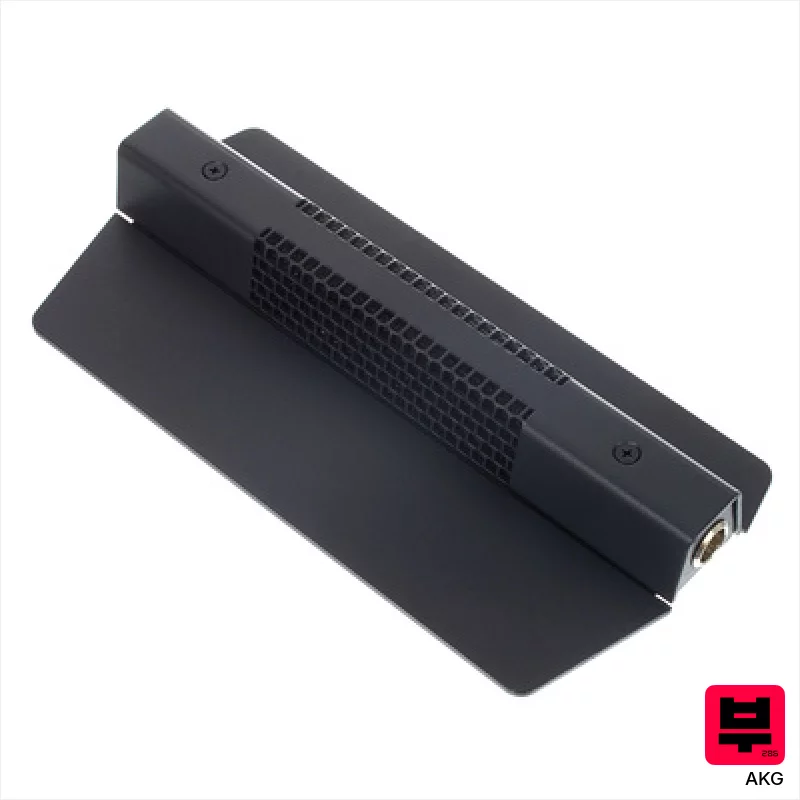
AKG PCC-160
- • Robust metal chassis ensures durability for stage or studio use
- • Supercardioid pattern excels at isolating sound sources effectively
- • Switchable bass cut/boost offers tonal shaping flexibility
- • TQG connector simplifies setup and reduces cable clutter
- • Limited frequency response compared to higher-end condenser mics
- • Supercardioid pattern demands precise mic placement for optimal results
- • TQG connector isn't as universally compatible as standard XLR
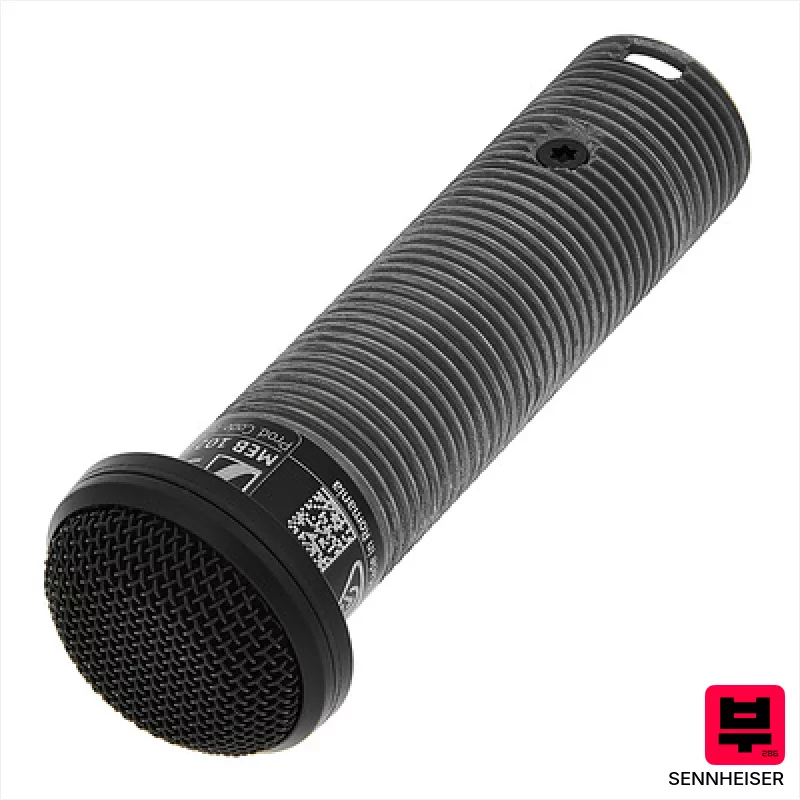
Sennheiser MEB 102B
- • Excellent off-axis rejection minimizes room noise effectively
- • Robust construction with a durable metal housing for reliable use
- • Omnidirectional pickup captures a wide, natural soundstage
- • M20 thread allows for secure, versatile mounting options
- • Somewhat limited frequency response compared to studio condensers
- • Requires phantom power, adding complexity to the setup
- • Can be prone to feedback in untreated, loud environments
How to Choose the Best Boundary Microphones
Durability
Theater is rough. Mics get kicked, stepped on, and generally abused. A robust build - think solid metal construction, not brittle plastic - is essential. Cheap mics will crack, and you don't want that mid-show.
Off-Axis Rejection
Actors move. They don't stand perfectly centered. A mic's ability to reject sounds from the sides is crucial to minimizing bleed from other actors and stage noise. Poor off-axis response will result in a muddy, indistinct sound.
Low-End Response
You need some thump. Dialogue needs clarity, but you also want a little warmth to fill out the space. Too much low-end will sound boomy; too little and everything sounds thin and lifeless. A balanced low-end is key.
Sensitivity & Feedback Rejection
The louder the stage, the more prone you are to feedback. A mic with good feedback rejection will save your sanity. Sensitivity is a factor too - you want to capture quiet dialogue without having to crank the gain so high you're inviting feedback.
Discreetness
Let's be honest, you don't want a massive mic sticking up out of the floor. A low profile is important for aesthetics and to avoid actors tripping over them. A small footprint minimizes visual clutter on stage.
Buying Guide
Don't chase the cheapest option - you'll almost always regret it. Those super-budget boundary mics often skimp on the capsule quality, leading to a harsh, brittle top end and a weak low end. Spending a little more for a mic with a decent diaphragm and a well-designed housing will pay off in a more natural, usable sound. Consider the coverage area - a wider pattern is great for group vocals, but can increase bleed; a tighter pattern is better for isolating individual actors.
Our Methodology
We're not just looking at spec sheets here. We've spent countless hours running these mics in rehearsal rooms, on small stages, and even in a few actual theater productions. We've A/B'd them against traditional stage mics and condensers to see how they stack up in real-world scenarios, focusing on how they handle varying levels of stage volume and the often unpredictable dynamics of a live performance.

