
Best Boundary Microphones for Ambient Recording 2026
So, you're chasing those sprawling, immersive soundscapes - the subtle hum of a city, the rustling leaves in a forest, the quiet pulse of a rehearsal space? Boundary mics are your secret weapon. They ditch the stands and mount directly to a surface, picking up ambient sounds with a surprisingly natural feel. Forget what you think you know about cheap stage mics; we're talking about capturing atmosphere, not just a loud signal.
Last updated: July 8, 2026 • Next update: July 15, 2026
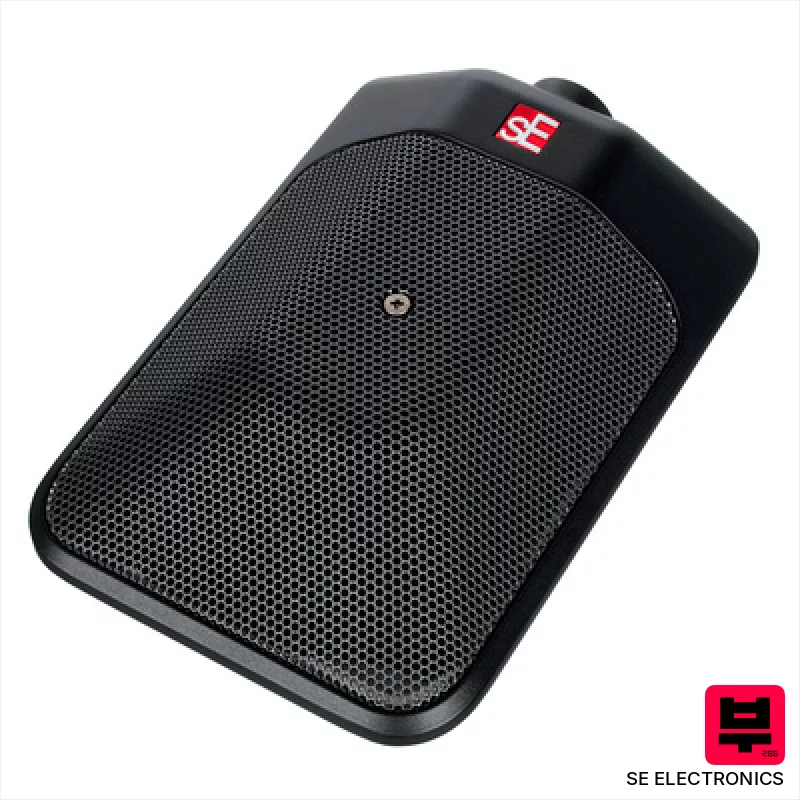
SE Electronics BL8 Omni
- • Excellent omni response for natural room capture.
- • Class A circuit delivers a clean, detailed sound signature.
- • Robust build quality with a solid, practical feel.
- • Flexible pad and low-cut options offer recording versatility.
- • Boundary design limits placement flexibility compared to suspended mics.
- • Somewhat limited tonal character; not ideal for highly colored recordings.
- • Requires phantom power; not compatible with some older interfaces.

Audio-Technica U851RWb
- • Exceptional transient response for accurate, detailed sound capture
- • Robust construction with a chemically-treated aluminum boundary surface
- • UniGuard RF shielding effectively minimizes stage interference issues
- • Switchable low-cut provides flexibility for various acoustic environments
- • Semi-cardioid pattern offers less isolation than tighter patterns
- • Boundary design limits placement options compared to handheld mics
- • Detachable cable adds a potential point of failure; TAF3 connector less common

Shure Beta 91A
- • Exceptional low-frequency response for drums and bass.
- • Durable construction with a robust, low-profile design.
- • Versatile switchable frequency response adapts to various sources.
- • Excellent off-axis rejection minimizes room noise effectively.
- • Limited polar pattern choice restricts certain recording scenarios.
- • Requires phantom power, adding complexity to setup.
- • Boundary placement can introduce floor resonances if not careful.
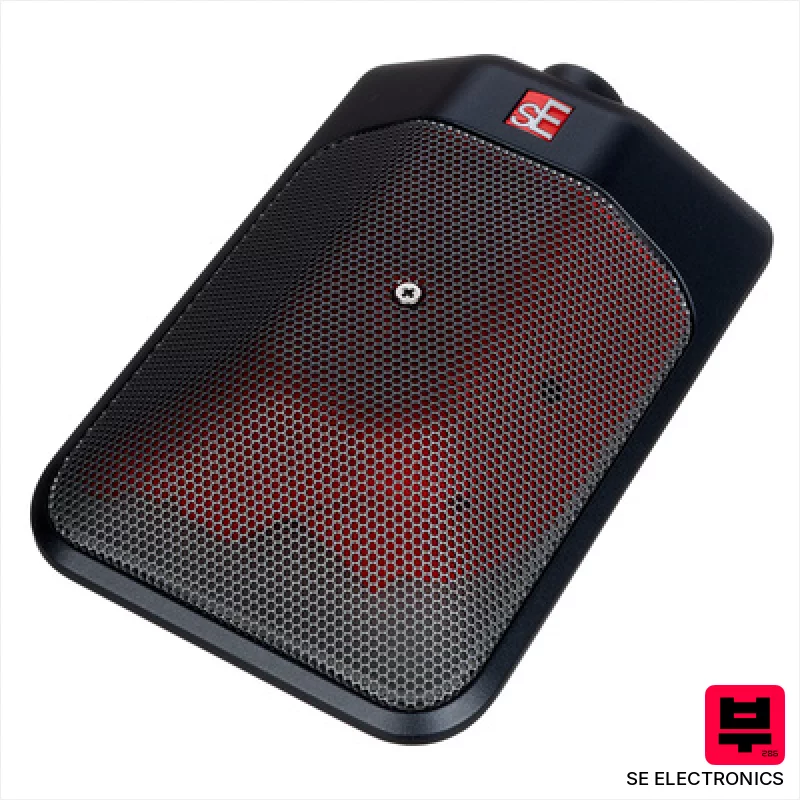
SE Electronics BL8
- • Robust boundary design handles high SPLs without distortion.
- • Class A circuit delivers a surprisingly warm and detailed sound.
- • Switchable mid-cut modes offer flexible tonal shaping options.
- • Solid build quality with a reassuring heft and durable metal housing.
- • Half-cardioid pattern limits placement flexibility compared to full cardioid.
- • The low-cut filter’s 6dB/octave slope is a bit gentle for some applications.
- • Requires 48V phantom power, adding to setup complexity.
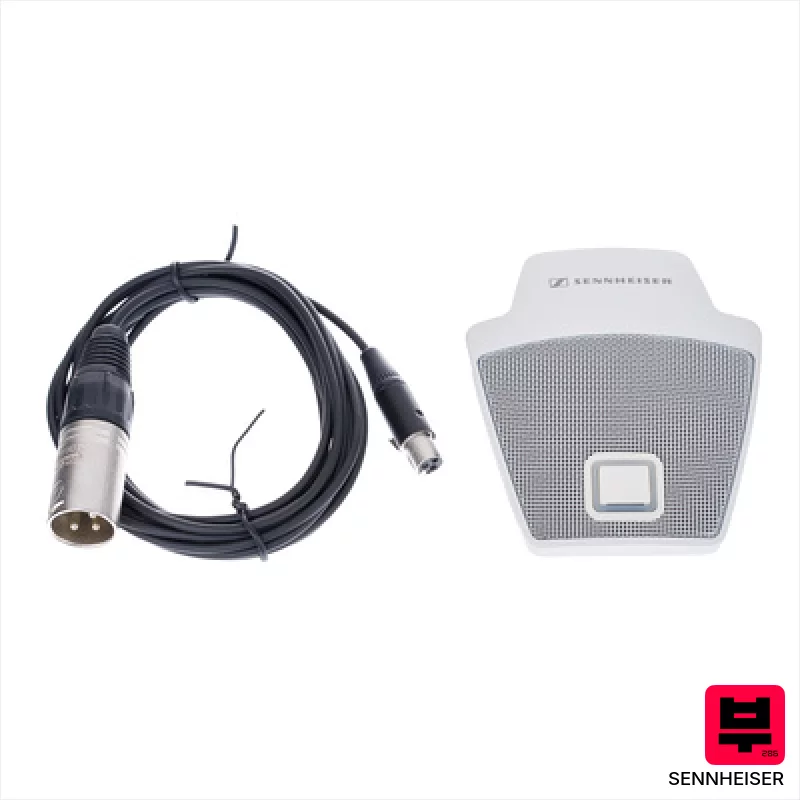
Sennheiser MEB 114-S W
- • Durable rubber plate minimizes vibrations and feedback effectively.
- • Half-cardioid pickup pattern excels at isolating sound sources.
- • Integrated preamp delivers a clean, usable signal directly to the mixer.
- • Programmable switch offers flexible control for varied meeting setups.
- • Half-cardioid pattern isn't ideal for wide, open spaces.
- • Relatively heavy for a boundary mic, might require secure mounting.
- • Limited polar pattern options compared to more versatile mics.
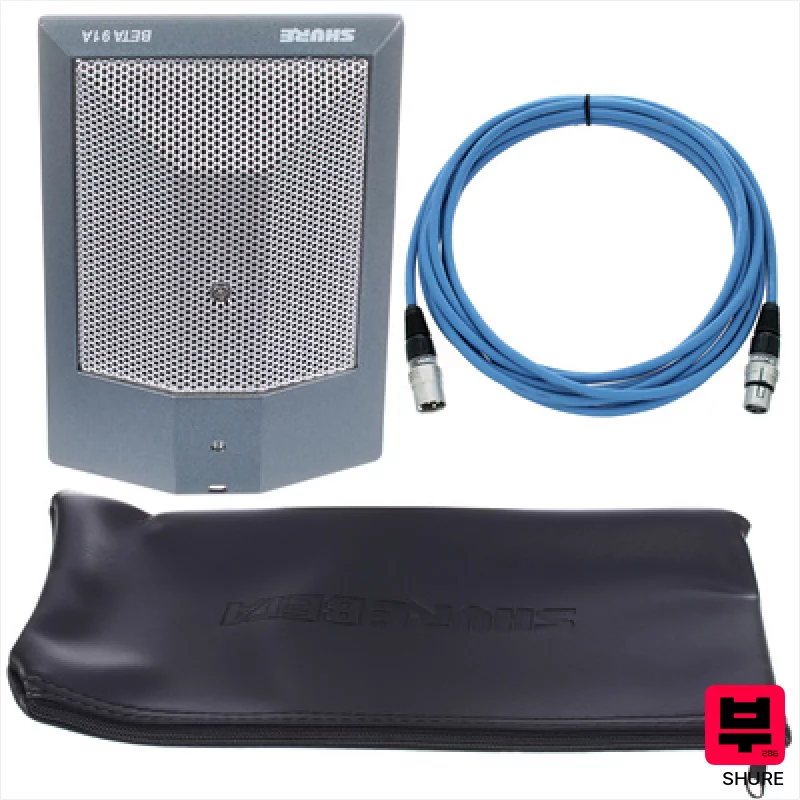
Shure Beta 91A Bundle
- • Excellent transient response for crisp bass drum articulation
- • Sommer Cable provides a premium, quiet connection for pristine audio
- • Switchable frequency response offers versatility for multiple sources
- • Rugged construction ensures reliability for both studio and stage use
- • Boundary mics are inherently less flexible for mic techniques
- • Can be sensitive to floor resonances; proper placement is crucial
- • Higher phantom power requirement might be an issue with some interfaces
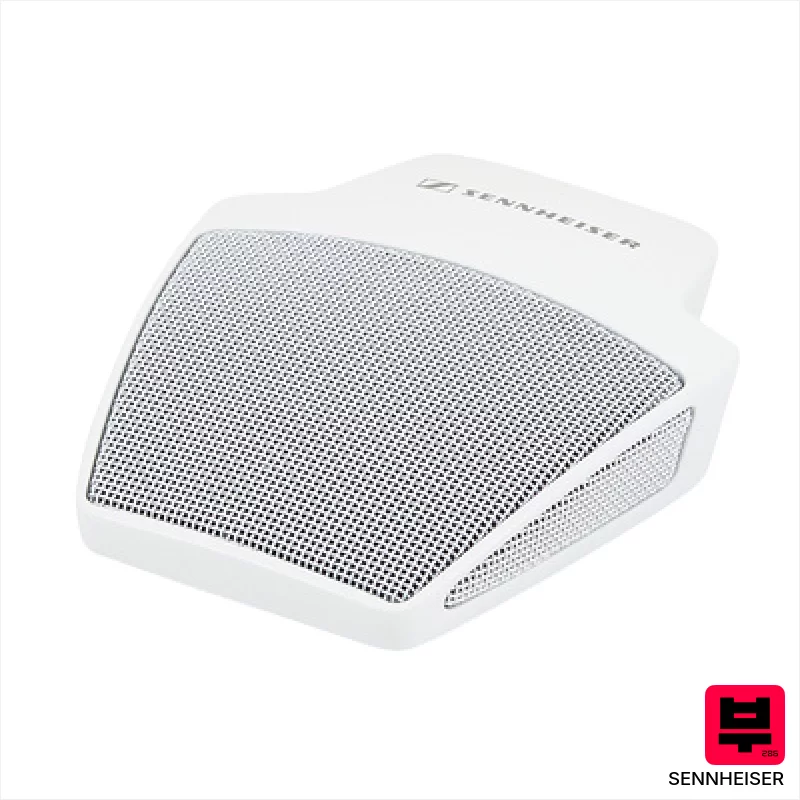
Sennheiser MEB 114 W
- • Excellent off-axis rejection minimizes room noise effectively
- • Rubber plate provides robust vibration isolation and damping
- • Integrated preamp delivers clean gain without external power
- • Compact form factor blends discreetly into various environments
- • Half-cardioid pattern isn't ideal for full-room pickup situations
- • Limited frequency response compared to studio condensers
- • White color may not suit all aesthetic preferences
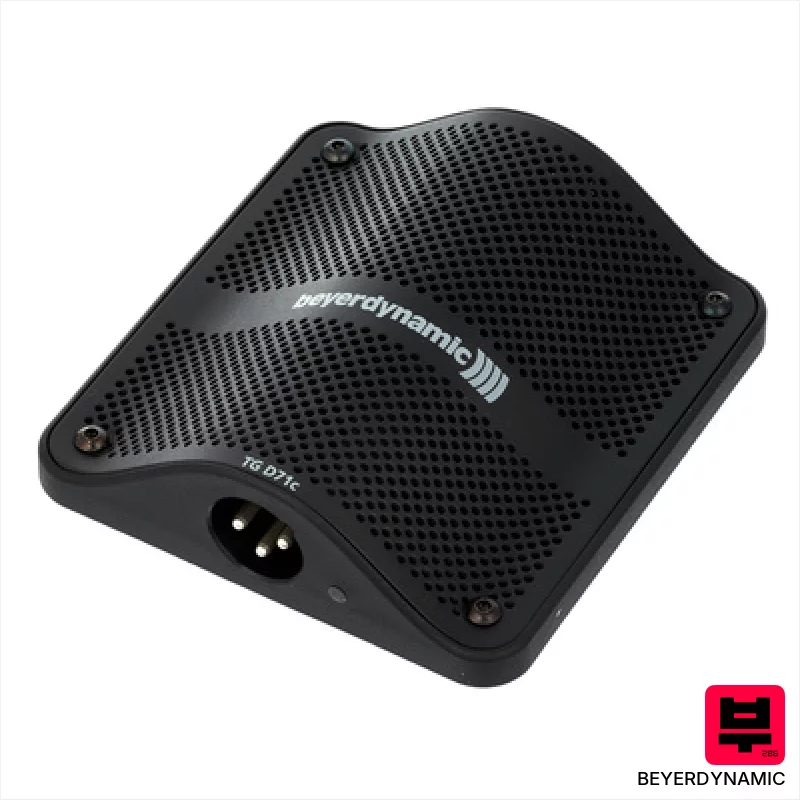
beyerdynamic TG D71
- • Solid metal housing provides excellent durability for stage use
- • Half-cardioid pattern minimizes room noise, great for less-than-ideal spaces
- • The rubber base is genuinely effective, stays put on cajons and drums
- • Frequency response captures a surprisingly detailed low-end for a boundary mic
- • Half-cardioid isn't as forgiving as full cardioid for placement
- • The 200Ω impedance might require a preamp with sufficient gain
- • Limited versatility – really shines with percussion, less ideal for vocals

DPA 4060-OC-D-S01-002
- • Exceptional clarity and detail across the entire frequency spectrum.
- • Robust metal ring provides secure and stable mounting options.
- • Half-omnidirectional pickup minimizes off-axis coloration, sounds natural.
- • Discreet silver finish blends seamlessly into lecterns and stage setups.
- • Premium-priced, a significant investment for budget-conscious users.
- • Cable length (3m) might be limiting in larger spaces.
- • B&K connector requires a dedicated adapter, adding to complexity.
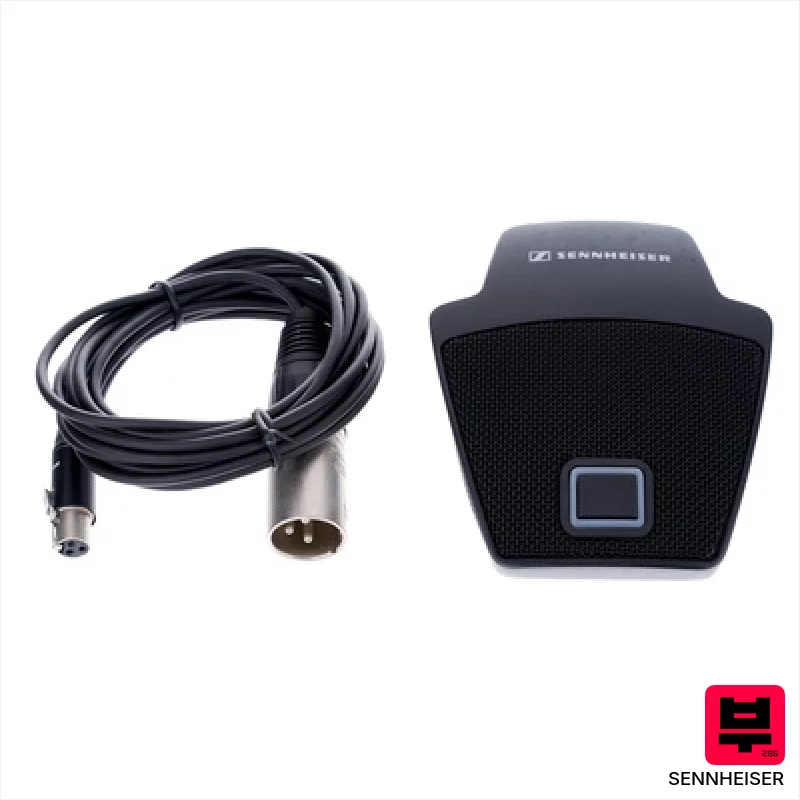
Sennheiser MEB 114-S B
- • Excellent off-axis rejection minimizes room noise effectively.
- • Rubber plate provides excellent damping, reducing unwanted vibrations.
- • Integrated preamp delivers clean gain with low self-noise.
- • Programmable switch offers flexible control for various applications.
- • Half-cardioid pattern limits placement flexibility compared to full cardioid.
- • Relatively heavy for a boundary mic, may require stable mounting.
- • Limited frequency response compared to studio-grade condensers.
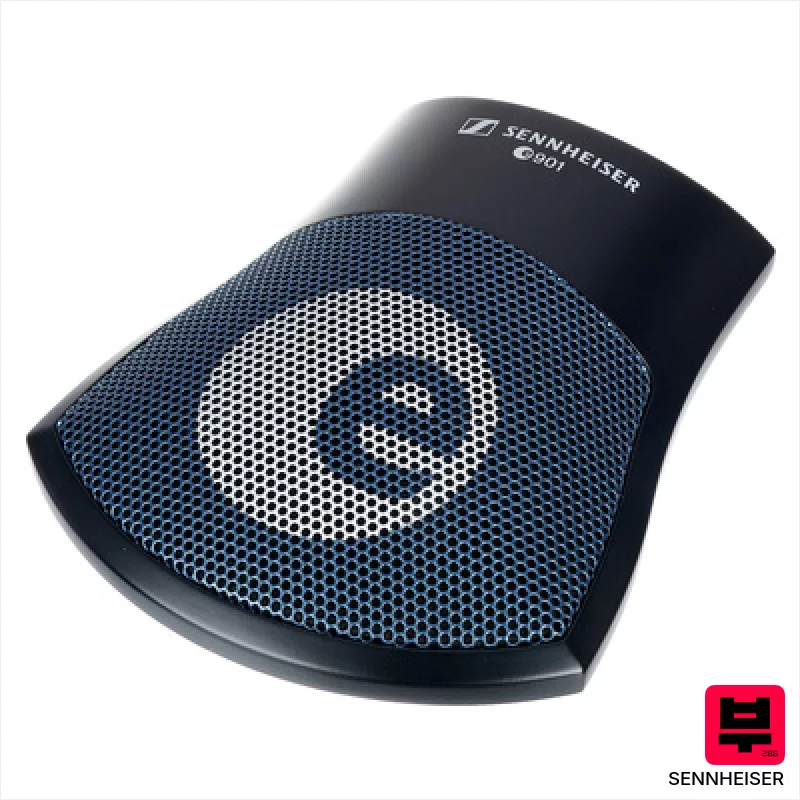
Sennheiser E 901
- • Excellent low-frequency response for impactful bass drum recordings
- • Robust rubber plate effectively dampens vibrations and handling noise
- • Integrated preamp delivers a strong, clean signal directly to the mixer
- • Half-cardioid pattern minimizes bleed from overhead mics
- • Limited versatility beyond low-frequency instruments and vocals
- • The half-cardioid pattern can still pick up unwanted room reflections
- • Relatively heavy for a boundary mic, may require a stable mounting solution
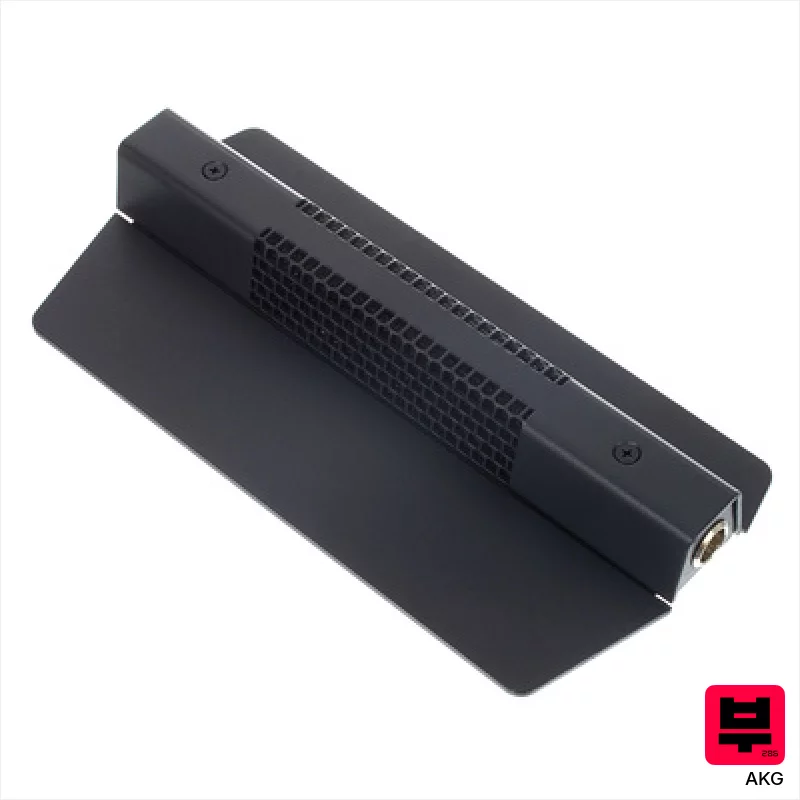
AKG PCC-160
- • Robust metal chassis ensures durability for stage or studio use
- • Supercardioid pattern excels at isolating sound sources effectively
- • Switchable bass cut/boost offers tonal shaping flexibility
- • TQG connector simplifies setup and reduces cable clutter
- • Limited frequency response compared to higher-end condenser mics
- • Supercardioid pattern demands precise mic placement for optimal results
- • TQG connector isn't as universally compatible as standard XLR
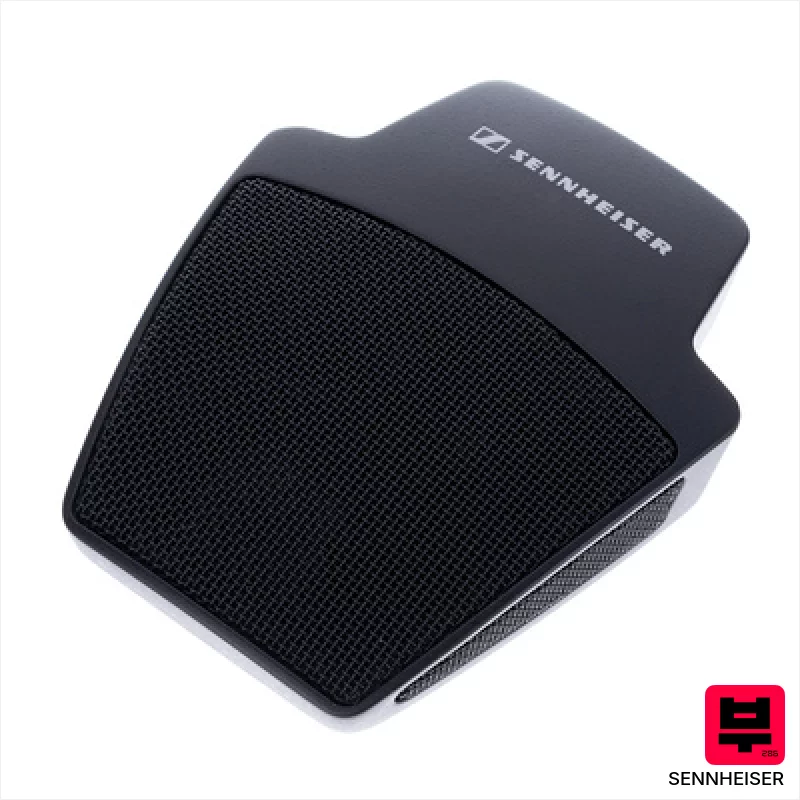
Sennheiser MEB 114 B
- • Durable rubber plate effectively dampens vibrations and feedback
- • Half-cardioid pattern minimizes room noise pickup well
- • Integrated preamp provides a clean, usable signal directly to mixers
- • Compact size makes it unobtrusive for altar or conference table use
- • Half-cardioid pattern isn't ideal for all room acoustics
- • Limited frequency response compared to studio condensers
- • Weight, while manageable, can be noticeable on thinner surfaces
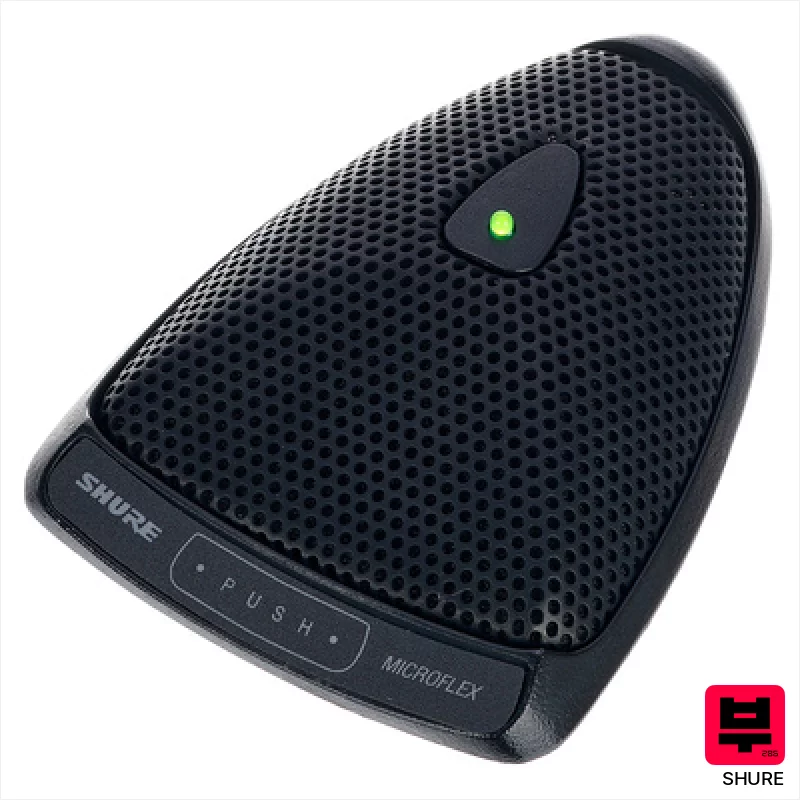
Shure MX393/C
- • Exceptional clarity and detail for speech and music applications
- • Modular capsule design offers future flexibility and upgrade paths
- • Flat housing simplifies installation and discreet integration into surfaces
- • Excellent common-mode rejection minimizes unwanted background noise
- • Half-cardioid pattern isn't ideal for all room acoustics; prone to feedback
- • Requires phantom power, limiting compatibility with some older systems
- • Limited low-frequency response compared to full-sized boundary mics
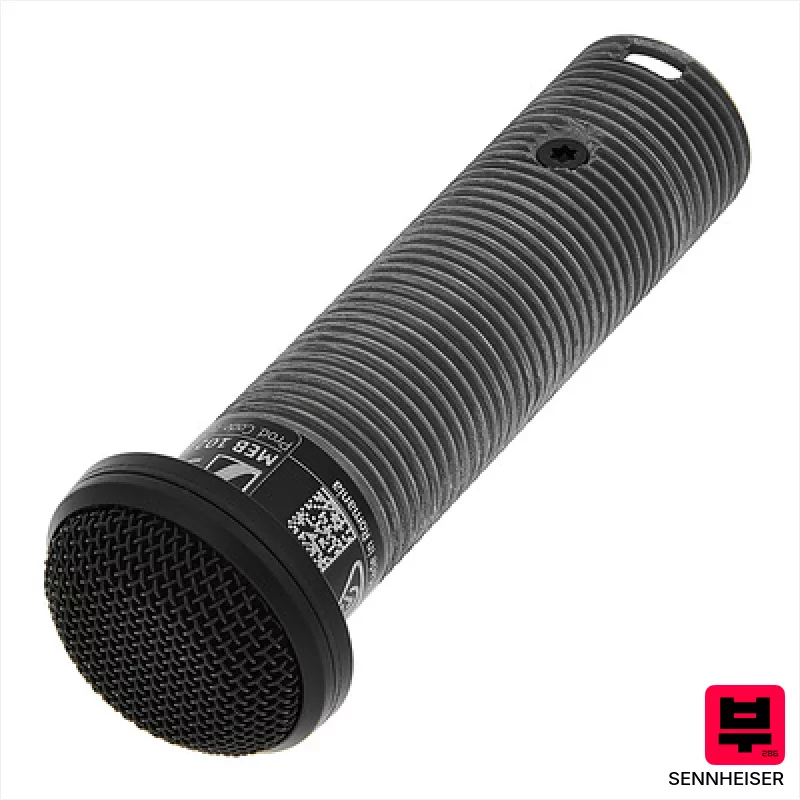
Sennheiser MEB 102B
- • Excellent off-axis rejection minimizes room noise effectively
- • Robust construction with a durable metal housing for reliable use
- • Omnidirectional pickup captures a wide, natural soundstage
- • M20 thread allows for secure, versatile mounting options
- • Somewhat limited frequency response compared to studio condensers
- • Requires phantom power, adding complexity to the setup
- • Can be prone to feedback in untreated, loud environments
How to Choose the Best Boundary Microphones
Frequency Response
A truly flat response is crucial for accurate ambient capture. You want to hear what's there, not a hyped low-end or scooped mids. A slight roll-off above 16kHz is okay - you rarely need that airiness for ambient stuff anyway.
Off-Axis Response
Boundary mics are inherently sensitive to what's around them. A consistent off-axis response prevents weird phasing or a sudden shift in tone as the mic's orientation changes, which is vital for natural-sounding environments.
Self-Noise
Ambient recording is all about subtlety. A noisy mic will bury those delicate sounds. Anything above 15 dBA is going to be noticeable, and that's just not acceptable for capturing quiet textures.
Durability/Mounting Options
Let's be real, these are often getting stuck to floors or walls. Solid construction and reliable mounting options are key for gigging or even just a stable setup in your studio.
Polar Pattern (Cardioid/Omni)
Cardioid boundary mics offer some isolation, good for taming unruly room reflections. Omni mics capture everything - a wider, more immersive sound, but require a cleaner recording environment. It's a trade-off.
Buying Guide
Don't expect miracles from the super-cheap boundary mics. Those often have harsh high-end and a muddy low-end that'll make your recordings sound muffled. Paying a bit more gets you better components, a more accurate frequency response, and a lower noise floor - all things that directly impact the quality of your ambient recordings. Look for models with solid mounting systems too; flimsy clips are a pain.
Our Methodology
We don't just stare at spec sheets here. We've put these boundary mics through the wringer - recording everything from acoustic guitars to full band rehearsals, A/B testing them against condenser mics in controlled environments, and generally trying to break them. Our focus is on how they sound in real-world situations, not just what the numbers say.

