AudioFu Chart · October 2026
Best 1/8, 1/10, 1/16, 1/32 and 1/64 Violins Under $200 2026
The top pick is Stentor SR1400 Violinset 1/8 ($179). Ranked by the AudioFu Index from 6 models across 4 brands, prices checked every night.
Last updated: October 19, 2026
Top 6
Full detail for the 6 highest AudioFu Index scores. Every other model is listed below.
-
- Size1/8 size
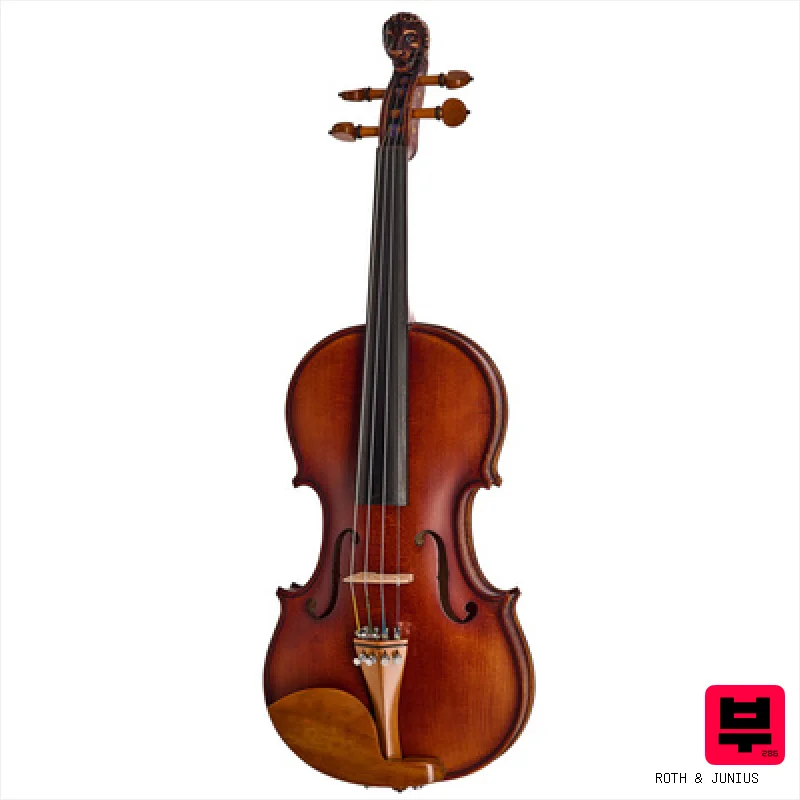
The Stentor SR1400 1/8 is a solid entry-level option for young violin students. It provides a usable, if not exceptional, starting point, and the included case and bow make it a complete package. Expect to upgrade the bow eventually to truly unlock the violin’s potential.
Pros
- Spruce top offers a surprisingly resonant, clear tone for the price.
- Pau Rosa fingerboard and pegs provide a decent level of playability.
- The included case offers basic protection for transport and storage.
Cons
- The bow is basic, lacking responsiveness and requiring considerable rosin.
- Maple back and sides are standard, but the wood quality is unremarkable.
56AudioFu
IndexStableno change since Aug 17Aug 17$179 now$179€159 at Thomann · in stockCheck price ↗ -
- Size1/8 size
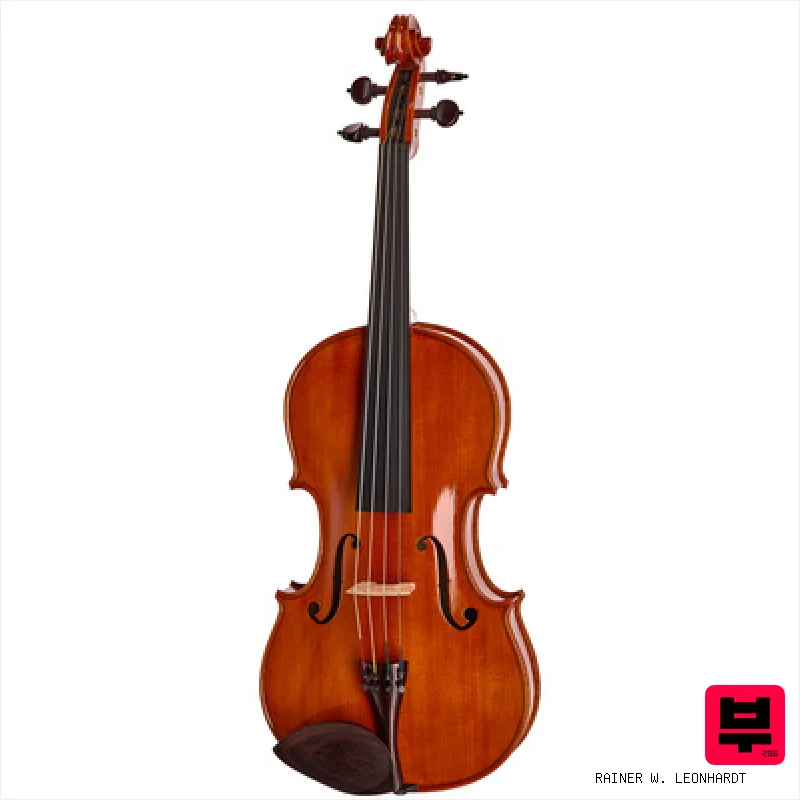
The Stentor SR1018 is a solid entry-level violin set, especially for younger beginners. It’s a well-rounded package offering a decent sound and essential accessories at a budget-friendly price point – a good starting point for a child’s musical journey.
Pros
- Spruce top offers decent projection for a student instrument
- Maple back and sides contribute to a warmer tone than basswood
- Lightweight tailpiece improves tuning stability slightly
Cons
- Bow is quite basic, lacking responsiveness and consistent weight distribution
- Fingerboard finish can feel a bit rough, requiring careful rosin application
54AudioFu
Index↓ 6.7%since Aug 17 · lowest so far$168 · Aug 17$156 now$156€139 at Thomann · in stockCheck price ↗ -
- Size1/8 size
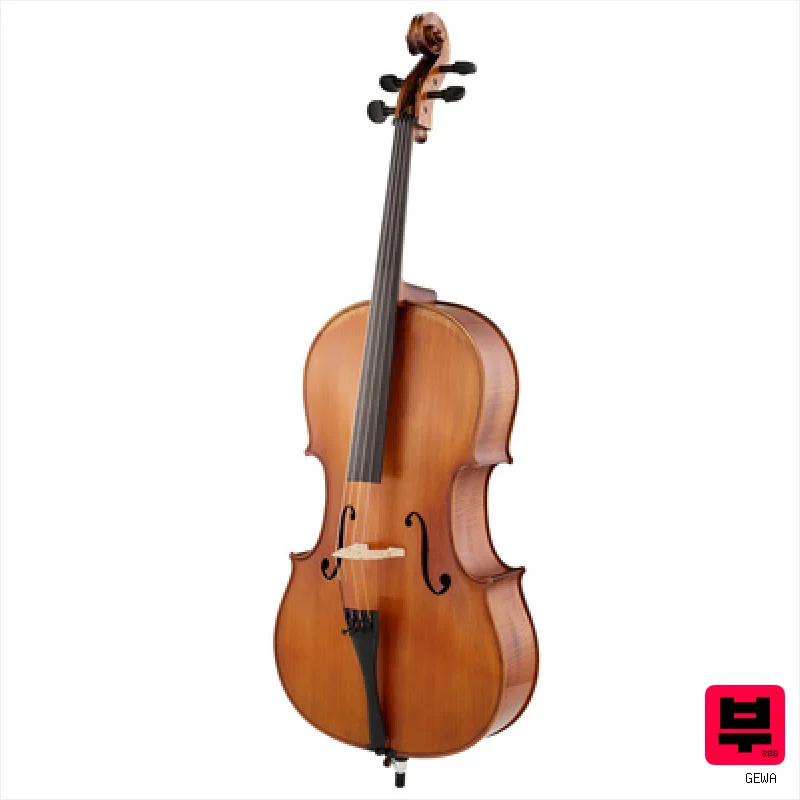
This Gewa Pure set is a solid, budget-friendly option for young beginners. The solid wood construction provides a surprisingly good foundation for developing tone, and the included accessories get them started right away. It's ideal for students just starting out and needing a complete, affordable package.
Pros
- Solid spruce top delivers a surprisingly warm, resonant tone for the price.
- Hardwood fingerboard and pegs offer improved playability compared to plastic alternatives.
- Massaranduba bow provides a decent starting point for tone production.
Cons
- The finish, while attractive, feels a bit thin and may chip with rough handling.
- The included rosin is basic and will likely need upgrading for optimal sound.
-
- Size1/16 size
The Gewa Pure 1/16 is a solid starting point for young violin students. It’s well-equipped with a decent bow, rosin, and case, and the solid wood construction provides a surprisingly good sound for an entry-level instrument. This set is ideal for absolute beginners or those needing a reliable, affordable first violin.
Pros
- Solid spruce top offers a surprisingly bright and resonant tone for the price.
- Massaranduba bow provides decent response, better than many included bows.
- Inlaid purfling adds a touch of class beyond what's typical at this level.
Cons
- The hardwood fingerboard might feel a bit harder than ebony for beginners.
- The finish, while attractive, can be a bit thick and potentially dampen vibration.
-
- Size1/8 size
This Thomann violin set is a fantastic entry point for young learners. The all-solid wood build is a big plus at this price, giving it a warmer tone than many laminate options, and the included case makes it truly ready to play. It's ideal for kids just starting out and needing an affordable, complete package.
Pros
- Solid wood construction offers a surprisingly resonant tone for the price
- Jujube pegs and chinrest provide a decent level of stability and comfort
- The included case with backpack straps makes transport incredibly convenient
Cons
- The composite bow is serviceable but lacks the responsiveness of a proper horsehair bow
- Spruce top, while decent, isn’t of the highest quality—expect a slightly muted tone
37AudioFu
IndexStableno change since Aug 17Aug 17$145 now$145€129 at Thomann · in stockCheck price ↗ -
- Size1/8 size
- Weight1.15 kg
This Hamaril set is a great starting point for young violin students or those on a tight budget. The solid wood construction and decent included accessories provide a surprisingly good foundation, but expect to upgrade the bow as skill progresses. It's a solid value for a complete, ready-to-play package.
Pros
- Solid wood construction offers surprisingly good tonal resonance for the price.
- Jujube pegs and chin rest are a welcome upgrade over plastic alternatives.
- The included Artino shoulder rest provides decent comfort for beginner players.
Cons
- Composite bow lacks responsiveness; a better bow is a worthwhile upgrade later.
- Matte lacquer finish, while aesthetically pleasing, can be prone to minor scratches.
27AudioFu
IndexStableno change since Aug 17Aug 17$156 now$156€139 at Thomann · in stockCheck price ↗
1/8, 1/10, 1/16, 1/32 and 1/64 Violins by the numbers
Measured across all 12 models we track, not a sample.
Median $168 — half of all 1/8, 1/10, 1/16, 1/32 and 1/64 violins here cost less.
most common · 10 models
How to choose the best 1/8, 1/10, 1/16, 1/32 and 1/64 violins
Sound Quality
At this price point, don't expect a rich, complex tone. We're looking for something that's reasonably clear and responsive, without sounding thin or boxy. A little warmth is a plus, but avoid anything with a brittle, harsh high end - that'll be fatiguing to play.
Setup & Playability
The action (string height) is critical for beginners. Too high, and it'll be a struggle to press down the strings. Most budget instruments need a setup - a professional can adjust the action, bridge, and soundpost to make a huge difference.
Materials & Construction
Solid wood is preferable, but at this price, expect a lot of laminated wood. The better instruments will have a solid spruce top, which is crucial for projection. The back and sides are where corners are most often cut - don't sweat it too much.
Intonation
This is tough to judge without a tuner, but even a beginner can tell when something's consistently out of tune. Poor intonation will make learning frustrating. Listen carefully and see if the notes consistently sound right across the fingerboard.
Durability
These instruments are going to take a beating, especially with kids. Look for a robust case and a violin that feels solid, not flimsy. A cheap chin rest or pegs can be upgraded later without breaking the bank.
Buying guide
So, you're looking for a decent violin for a young player, and you're trying to stay under $200? It's a challenge, no doubt. Most of what's in that price range is going to be a compromise, but you can find something that'll get a beginner started and even hold up for a few years if you're smart about it. Let's break down what to look for in 1/8, 1/10, 1/16, 1/32, and 1/64 size instruments without blowing your budget.
Realistically, under $200, you're buying an instrument that will likely need some tweaking. Factor in the cost of a basic setup - it's almost always worth it. Don't be swayed by flashy finishes or excessive ornamentation; those are cosmetic.
Prioritize a decent sound and a playable action. Consider buying from a shop that offers a return policy or at least allows you to try before you buy.
How the AudioFu Index works
Five measured signals and nothing else — no stars from strangers, no “tested by experts” we didn’t do. The weights are fixed and public. We don’t play these instruments; we measure the market around them.
This chart covers 12 1/8, 1/10, 1/16, 1/32 and 1/64 violins from the Thomann catalogue. Before you buy, read hands-on reviews and, where you can, play it. Full methodology.
AudioFu earns a commission when you buy through our Thomann links. It never changes the order — the index does.
- Demand40%
How many of this exact model are for sale on Reverb right now — what musicians actually buy and resell.
- Lineup20%
How many finishes Thomann stocks — makers expand the models that sell.
- Price15%
Where the price has moved since we started tracking in August.
- Specs15%
How completely the maker documents it.
- Maker10%
How deep the brand’s range is in this category.
Questions
What's the difference between a 1/8 and a 1/10 size violin?
1/8 is for ages 8-10, roughly 4'11" to 5'5". A 1/10 is for younger players, typically 6-8 years old, around 3'9" to 4'11". Size is key - a violin that's too big will be unwieldy and discourage learning.
Are student outfits worth buying online, or should I go to a local shop?
Online can be cheaper, but a local shop offers the advantage of trying before you buy and potentially getting a basic setup included. If buying online, research the retailer and check their return policy carefully.
What does 'solid wood' really mean on a budget violin?
It usually means the top (spruce) is solid, while the back and sides are laminated. Laminated wood is cheaper to produce and less resonant, but it's a common compromise in this price range. Don't expect the same tonal complexity as a fully solid instrument.
How important are the rosin and bow that come with the outfit?
They're often the weakest links. The included rosin can be gritty and the bow may be poorly haired, impacting the sound and playability. Budget for upgrading these - a decent rosin and a properly weighted bow make a noticeable difference.
My child is progressing quickly. Should I be thinking about a better violin already?
Absolutely. A beginner instrument has its limits. Once your student is consistently playing and showing real interest, it's time to consider a step-up instrument. Renting is also a great option to avoid a big upfront investment.