AudioFu Chart · November 2026
Best Gewa 1/8, 1/10, 1/16, 1/32 and 1/64 Violins 2026
The top pick is Gewa Pure Violinset EW 1/8 ($260). Gewa Pure Violinset HW 1/16 gives you the most for the money at $182. Gewa Allegro Violin Set 1/16 SC MB leads the high end. Ranked by the AudioFu Index from 7 models, prices checked every night.
Last updated: November 12, 2026
Top 7
Full detail for the 7 highest AudioFu Index scores. Every other model is listed below.
-
- Size1/8 size
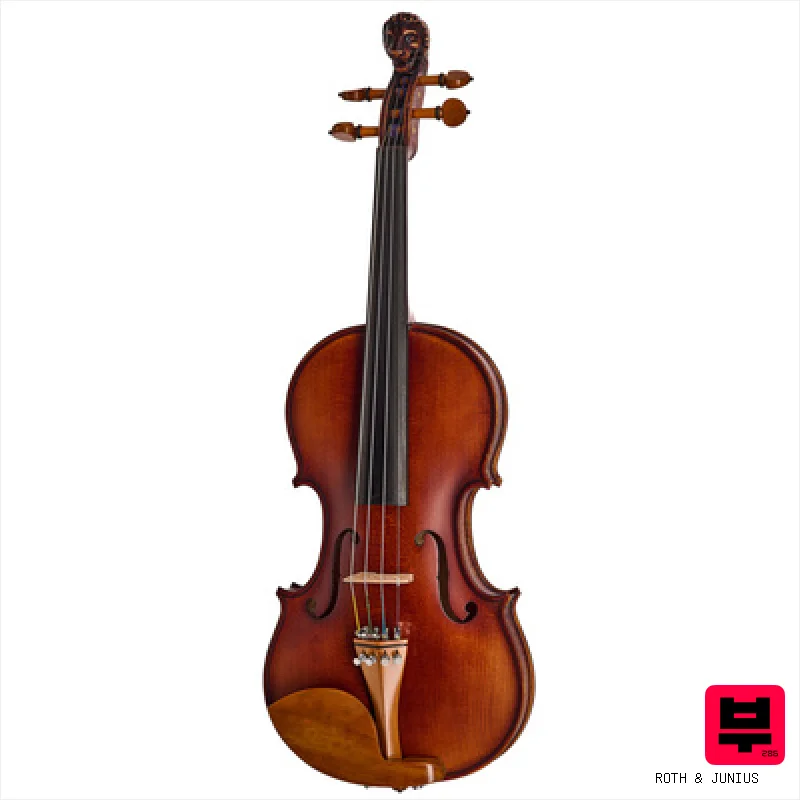
This is a complete violin outfit in a 1/8 size, with a solid spruce top and a solid maple back. It has an ebony fingerboard and pegs, plus a Massaranduba bow, rosin, and a lightweight case with a carrying strap. If you are buying for a young player who fits a 1/8 size, you get everything needed to start in one set.
Pros
- Solid spruce top gives this violin a traditional build for young players
- Solid maple back adds to the solid wood construction
- Ebony fingerboard and pegs are classic, durable-looking materials
45AudioFu
IndexStableno change since Aug 17Aug 17$260 now$260€234 at Thomann · in stockCheck price ↗ -
- Size1/16 size
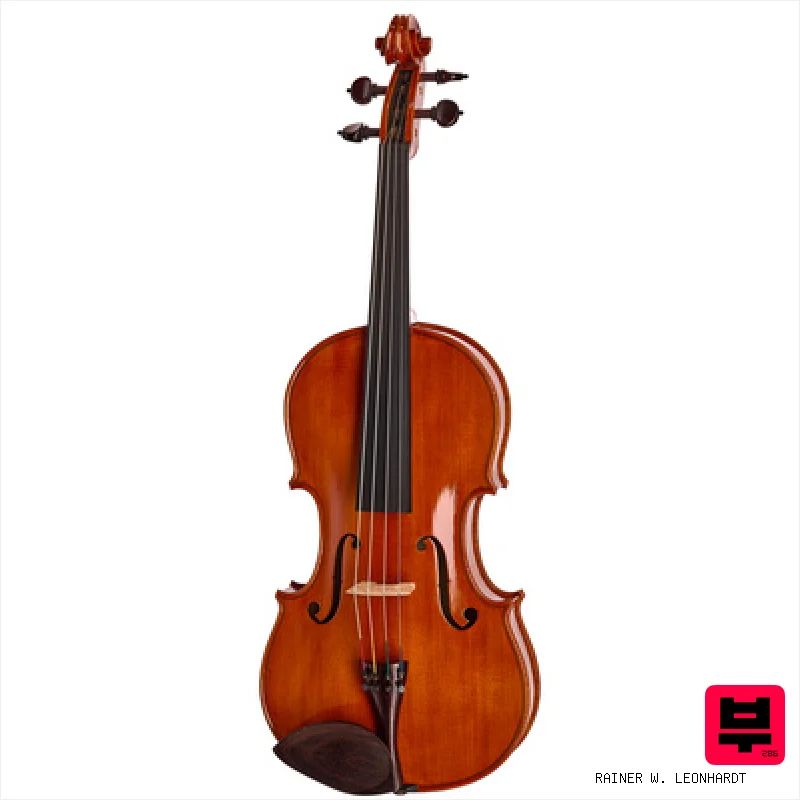
This is a 1/16 violin, so it suits a small child who is just starting out. You get a solid spruce top and solid maple back and sides, along with ebony parts and Larsen Aurora stringing. If you are buying for a young player who needs a fully solid instrument, this one is a good fit.
Pros
- Fully solid violin built from European tonewoods throughout
- Solid European spruce top for the front of the body
- Solid European maple back and sides
45AudioFu
IndexStableno change since Aug 17Aug 17$277 now$277€249 at Thomann · in stockCheck price ↗ -
- Size1/8 size
This is a 1/8 size violin for a young player. You get a solid European spruce top and solid European maple back and sides, with ebony fingerboard, pegs and chinrest. It suits a child who is starting out and wants a real wood instrument with a hand-applied finish.
Pros
- Solid European spruce top gives the violin a solid wood core.
- Solid European maple back and sides are built from solid tonewoods.
- Ebony fingerboard, ebony pegs and ebony chinrest are made of ebony.
45AudioFu
IndexStableno change since Aug 17Aug 17$277 now$277€249 at Thomann · in stockCheck price ↗ -
- Size1/16 size
This is a complete violin set for a small child. You get a solid spruce top, a solid maple back, and a bow, rosin, and light case all in one box. It suits a young player who is just starting out and wants everything needed to play right away.
Pros
- Solid spruce top gives this violin a sturdy, traditional build
- Solid maple back pairs with the spruce top for a classic wood combination
- Hardwood fingerboard and tuning pegs add durable parts to the instrument
-
- Size1/8 size
If you have a young player who is just starting out, this set gives you everything in one box. You get a violin with a solid spruce top and a solid maple back, plus a bow, rosin, and a light case with a handle. It is a good pick for a child who needs a properly sized instrument to learn on.
Pros
- Solid spruce top gives the violin a traditional tonewood top
- Solid maple back and inlaid purfling add a finished, classic look
- Hardwood fingerboard and tuning pegs hold up well for everyday practice
Cons
- Its 1/8 size only fits younger players, so it will need upgrading as they grow
-
- Size1/16 size
The Gewa Allegro 1/16 is a solid starter set for very young violin students. It's surprisingly well-built with all-solid wood, offering a better tonal foundation than many instruments in this class. It’s a great way to introduce a child to the violin without a massive investment.
Pros
- Solid European tonewoods offer surprisingly rich, warm tone for the price.
- Hand-varnished finish enhances resonance and visual appeal.
- Aubert bridge provides a stable platform for improved sound projection.
Cons
- 1/16 size is very small; best suited for very young or petite learners.
- The Massaranduba bow, while decent, won’t match a higher-end pernambuco bow.
33AudioFu
IndexStableno change since Aug 17Aug 17$355 now$355€319 at Thomann · in stockCheck price ↗ -
- Size1/8 size
The Gewa Allegro 1/8 is a solid choice for young, developing violinists. It's surprisingly well-made for the price, offering a good balance of quality materials and playability. The all-solid construction means it’ll mature nicely with the student’s skill level, avoiding that ‘laminate’ sound you often hear from cheaper instruments.
Pros
- Solid European tonewoods offer surprisingly rich tonal projection.
- Hand-applied varnish contributes to a warmer, more responsive sound.
- Aubert bridge enhances clarity and sustain for a beginner’s instrument.
Cons
- The Massaranduba bow, while adequate, won’t offer the responsiveness of a higher-grade bow.
- Ebony fittings, while present, are a more basic grade – expect some wear over time.
33AudioFu
IndexStableno change since Aug 17Aug 17$355 now$355€319 at Thomann · in stockCheck price ↗
1/8, 1/10, 1/16, 1/32 and 1/64 Violins by the numbers
Measured across all 32 models we track, not a sample.
Median $355 — half of all 1/8, 1/10, 1/16, 1/32 and 1/64 violins here cost less.
most common · 30 models
How to choose the best 1/8, 1/10, 1/16, 1/32 and 1/64 violins
Tonewood Selection
Gewa's consistent use of seasoned spruce and maple, even in their smaller sizes, is a big deal. You're getting a more responsive instrument that's less likely to sound boxy or dead compared to cheaper alternatives. The tonal character leans towards a warmer, sweeter sound, which is forgiving for beginners.
Varnish Quality
The Gewa varnish isn't just for looks. It's a thinner, more flexible coating that allows the wood to breathe and vibrate more freely. This contributes to better projection and sustain, a noticeable difference when playing with a band or even just practicing with a backing track.
Setup & Playability
Gewa instruments generally come with a decent setup from the factory. The action is typically manageable for young hands, and the fingerboard isn't overly thick. This is critical for encouraging good technique and preventing frustration - a high action will kill a beginner's motivation fast.
Construction Details
Pay attention to the bass bar and soundpost placement - these are often overlooked in cheaper instruments. Gewa's careful attention to these details contributes to a more balanced and resonant tone across the entire range, avoiding that "weak low end" problem many student violins have.
Size Accuracy & Ergonomics
Getting the right size is crucial for comfort and proper development. Gewa's sizing guidelines are generally accurate, and the neck profile is comfortable even for smaller hands. A poorly sized violin can lead to posture problems and technique issues down the line.
Buying guide
So, you're looking at getting a Gewa violin for a young player? Smart move. Gewa's carved a real niche for themselves in the student instrument world, consistently delivering a level of build and tone that punches way above their price point. These aren't the mass-produced, cookie-cutter instruments you find everywhere; they're genuinely well-considered, and that shows, especially as a beginner progresses.
Don't expect a Gewa 1/64 to sound like a Stradivarius - it's a student instrument. However, you can expect a significant step up from the absolute bottom of the barrel. Spend a little more to get a slightly better wood grade if possible, and always have a luthier check the setup; even a factory setup can be tweaked for optimal playability.
The 1/32 and 1/16 sizes are the sweet spots for most kids starting out.
How the AudioFu Index works
Five measured signals and nothing else — no stars from strangers, no “tested by experts” we didn’t do. The weights are fixed and public. We don’t play these instruments; we measure the market around them.
This chart covers 13 1/8, 1/10, 1/16, 1/32 and 1/64 violins from the Thomann catalogue (of 32 in the category). Before you buy, read hands-on reviews and, where you can, play it. Full methodology.
AudioFu earns a commission when you buy through our Thomann links. It never changes the order — the index does.
- Demand40%
How many of this exact model are for sale on Reverb right now — what musicians actually buy and resell.
- Lineup20%
How many finishes Thomann stocks — makers expand the models that sell.
- Price15%
Where the price has moved since we started tracking in August.
- Specs15%
How completely the maker documents it.
- Maker10%
How deep the brand’s range is in this category.
Questions
Are Gewa violins worth the extra money compared to the super-cheap brands?
Absolutely. The difference in tone and build quality is noticeable, and a better instrument will encourage better playing. Those ultra-cheap violins often have structural issues that can hinder progress.
What's the difference between the Gewa Nova and the Gewa Maestro series?
The Maestro series represents a step up, generally featuring higher-grade tonewoods and a slightly more refined varnish. You'll hear a bit more complexity and responsiveness in the Maestro, but the Nova series still offers excellent value.
Can I replace the strings on a Gewa violin?
Of course! The included strings are serviceable, but upgrading to a set of Pirastro Tonicas or Thomastik-Infeld Dominantes will unlock more of the violin's potential. Experiment to find a voicing you like - brighter, warmer, more projection.
My child is growing fast - which size should I choose?
Consult Gewa's sizing chart, but also have a teacher or experienced player assess the child's arm length and posture. It's better to err on the slightly larger side, as a violin that's too small can be awkward to play.
Do Gewa violins come with a bow?
Most Gewa violin outfits include a basic fiberglass bow. It's functional, but a decent upgrade to a Brazilwood or carbon fiber bow will make a significant difference in tone and responsiveness.