
Best 1/8, 1/10, 1/16, 1/32 and 1/64 Violins for Very Young Children 2026
So, you're looking at getting a tiny violin for a little one? It's a great start, but those fractional sizes - 1/8, 1/10, even down to the 1/64 - aren't all created equal. We're not talking about a critical recording here, but a badly made instrument can kill a kid's enthusiasm faster than a poorly voiced distortion pedal. Let's find something that's playable, sounds decent, and won't feel like a torture device in their tiny hands.
Last updated: July 15, 2026 • Next update: July 22, 2026

Alfred Stingl by Höfner AS-170-V Violin Set 1/8
- • Solid spruce top delivers a surprisingly resonant tone for the price
- • Ebony fingerboard and fittings enhance playability and response
- • Thomastik Alphayue strings offer a warmer, more mature sound
- • Carbon fiber bow provides consistent response and reduces maintenance
- • The spirit varnish, while attractive, can be a bit thick and dampen high frequencies
- • The case, while protective, is basic and lacks premium features
- • The bow, though decent, is the weakest link in an otherwise solid setup

Gewa Allegro Violin Set 1/16 OC MB
- • Solid European tonewoods provide surprisingly rich, warm tonal character.
- • Ebony fittings offer excellent playability and a professional feel.
- • The Massaranduba bow responds well, allowing for decent projection.
- • Included case is practical and offers good protection for transport.
- • 1/16 size is strictly for very young or small players; limited growth potential.
- • The spirit varnish, while attractive, can be a bit thick and dampen the tone slightly.
- • The Aubert bridge is functional, but a higher-end bridge would significantly improve sound.
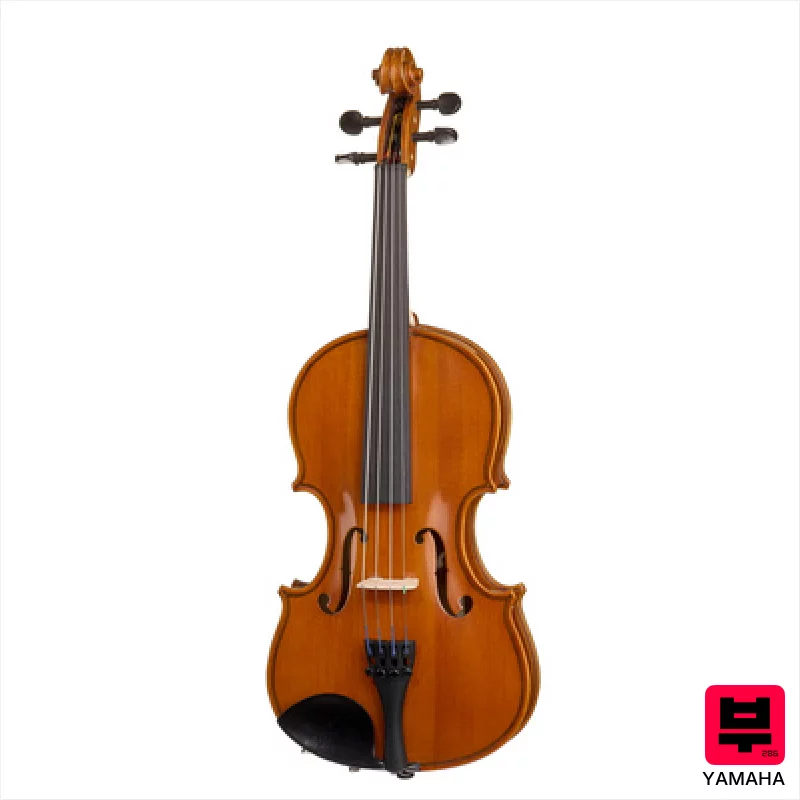
Yamaha V5 SC110 Violin 1/10
- • Solid wood construction provides a warmer, richer tone than laminate options
- • Hand-carved spruce top enhances projection and responsiveness
- • Ebony fingerboard offers smooth playability and consistent intonation
- • Wittner fine tuners allow for precise tuning adjustments, ideal for beginners
- • Oil lacquer finish, while traditional, can be less durable than modern coatings
- • Included bow is likely student-grade and may need eventual replacement
- • 1/10 size is best suited for very young or smaller students, limiting longevity

Gewa Allegro Violin Set 1/8 SC CB
- • Solid European tonewoods deliver a surprisingly rich, warm tone.
- • Ebony fittings enhance playability and contribute to a more refined feel.
- • Hand-varnished finish adds character and allows the wood to resonate freely.
- • Included case offers excellent protection and convenient transport for young players.
- • The carbon fiber bow, while functional, lacks the responsiveness of a higher-end wood bow.
- • The Aubert bridge might require adjustment by a luthier for optimal sound and projection.
- • The natural spirit-based varnish, while attractive, can be slightly sticky in humid climates.
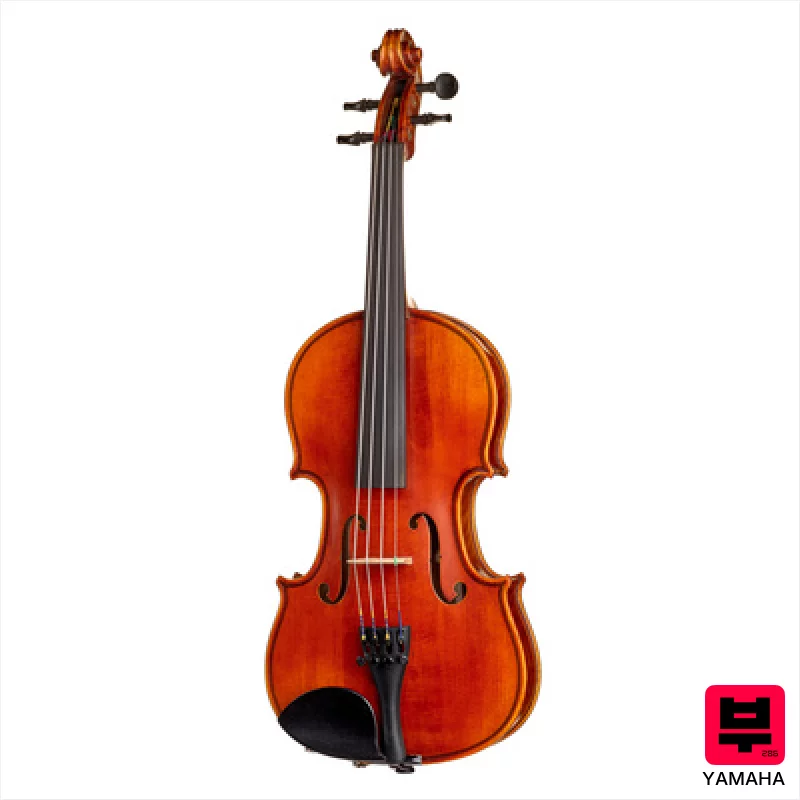
Yamaha V7 SG18 Violin 1/8
- • Solid wood construction enhances tone and resonance significantly.
- • Hand-carved spruce top offers a responsive, bright sound.
- • Ebony fingerboard provides a smooth, comfortable playing experience.
- • Wittner fine tuners allow for precise intonation adjustments.
- • The included bow, while functional, is a basic student model.
- • Oil varnish, while traditional, can be more susceptible to scratches.
- • 1/8 size is best suited for younger or smaller students; may feel cramped.
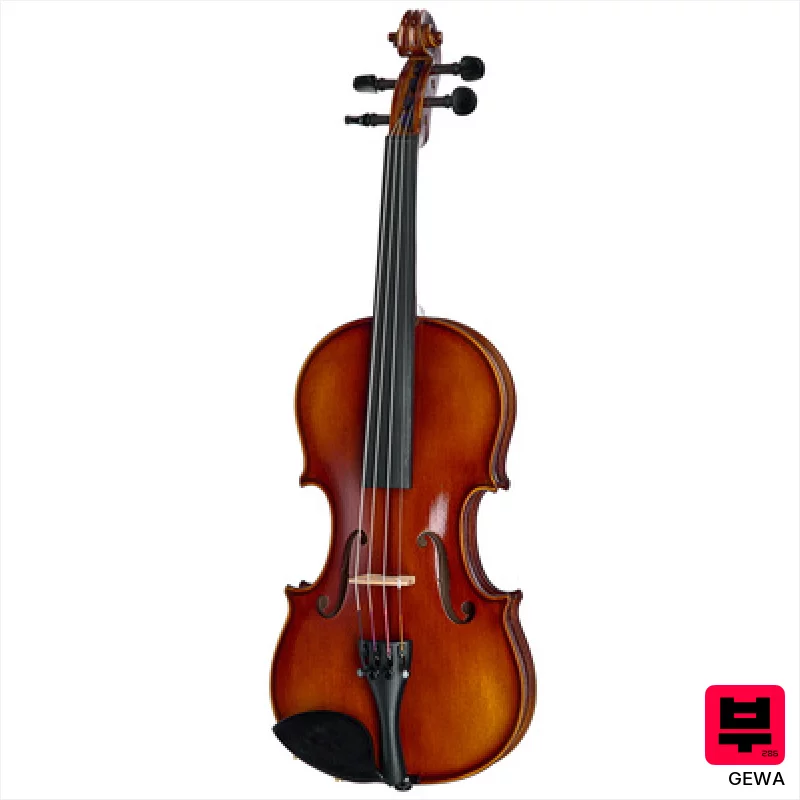
Gewa Allegro Violin Set 1/8 OC CB
- • Solid European tonewoods offer surprisingly good projection for the price.
- • Ebony fittings (fingerboard, pegs, chinrest) improve feel and responsiveness.
- • Aubert bridge provides decent tonal balance for a student instrument.
- • Included case is well-equipped with backpack straps and reflectors for safety.
- • The carbon fiber bow, while functional, lacks the responsiveness of a quality wood bow.
- • Varnish, while attractive, is relatively thick and might dampen higher frequencies.
- • Solid construction means slightly heavier than laminate alternatives for smaller players.

Hidersine Vivente Academy Violin Set 1/8
- • Solid spruce top provides a surprisingly resonant and clear tone.
- • Wittner fine tuners allow for precise intonation adjustments, crucial for young learners.
- • Ebony fingerboard offers a smooth playing surface, minimizing friction.
- • The included case provides adequate protection for transport and storage.
- • The synthetic core strings, while durable, lack the warmth of gut or high-end synthetic alternatives.
- • The wooden bow, typical for this price range, will require regular rosin application and care.
- • The case, while functional, is fairly basic and lacks premium padding.
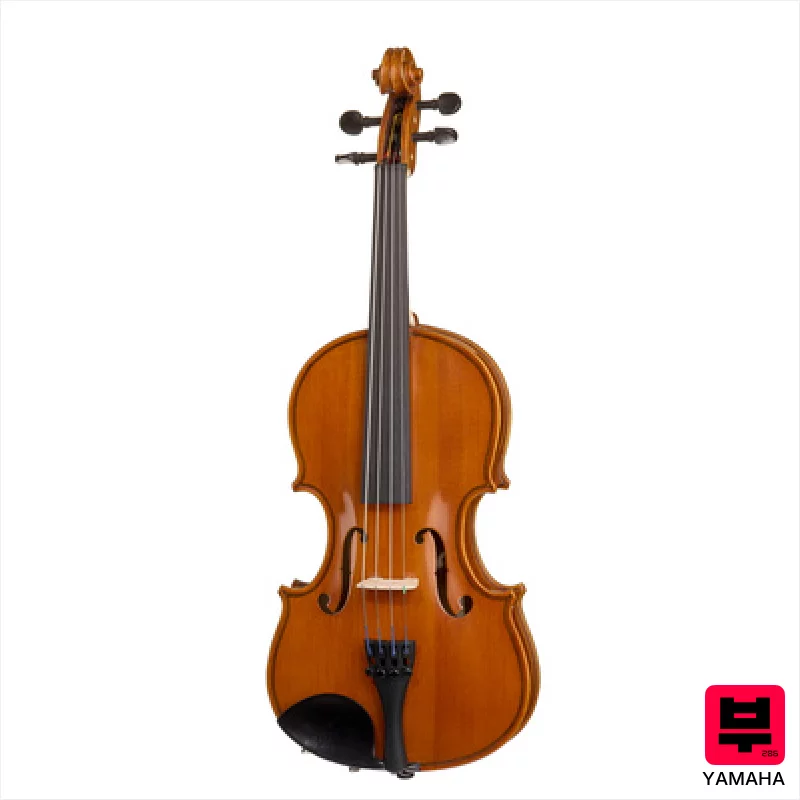
Yamaha V5 SC18 Violin 1/8
- • Solid wood construction offers a surprisingly mature tonal response.
- • Diospyros ebony fingerboard, pegs, and chinrest contribute to stability and feel.
- • Wittner fine tuners simplify intonation for younger or less experienced players.
- • Yamaha's reputation ensures consistent build quality and reliable performance.
- • The included bow is serviceable, but a serious student will quickly want an upgrade.
- • Oil finish, while attractive, may require more careful maintenance to prevent stickiness.
- • 1/8 size is best suited for younger players; larger children may outgrow it quickly.
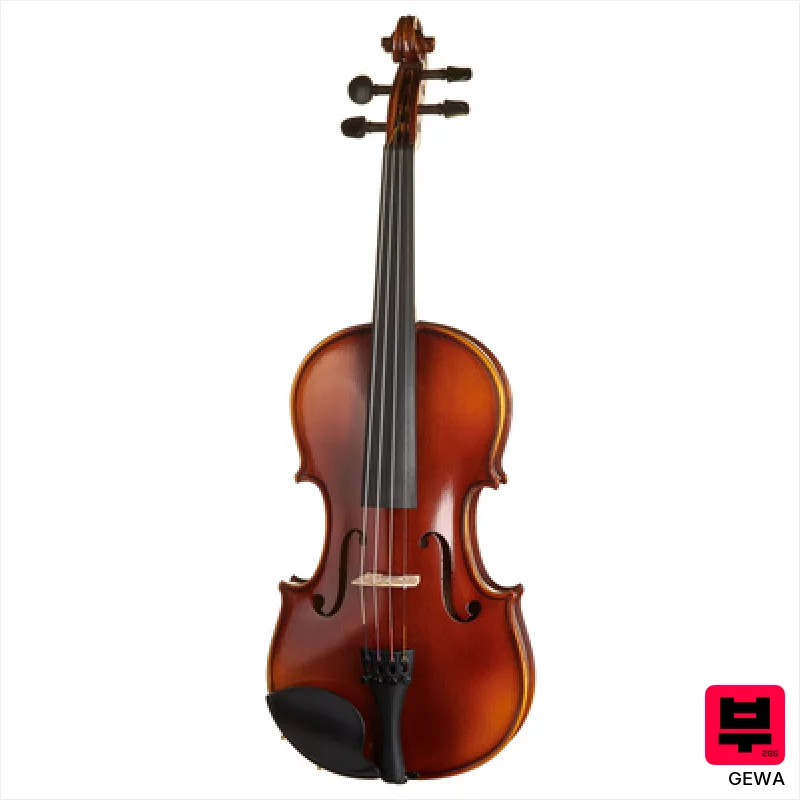
Gewa Allegro Violin 1/8
- • Solid European spruce top delivers a surprisingly resonant tone.
- • Ebony fingerboard and pegs offer improved playability and tuning stability.
- • Hand-applied varnish enhances the wood's natural beauty and responsiveness.
- • Aubert bridge contributes to a clear and focused projection of sound.
- • The varnish, while attractive, can be a little thick for advanced players.
- • The Wittner tailpiece, while functional, isn't the most premium option.
- • The overall tone, while good, lacks the complexity of higher-end instruments.

Gewa Allegro Violin Set 1/16 SC CB
- • Solid European tonewoods deliver surprisingly mature, warm tonal response.
- • Ebony fittings offer excellent playability and durability for a student instrument.
- • The included Larsen Aurora strings are a noticeable upgrade over typical student strings.
- • The Gewa case is genuinely well-constructed and provides excellent protection.
- • The carbon fiber bow, while functional, lacks the responsiveness of a quality wood bow.
- • The brown-amber varnish, while attractive, can be a bit thick and potentially dampen the top's resonance.
- • 1/16 size is very small; careful sizing is crucial for proper development.

Gewa Allegro Violin Set 1/8 OC MB
- • Solid European tonewoods deliver a surprisingly mature, resonant tone.
- • Hand-applied varnish contributes to a warmer, more complex sound than factory finishes.
- • Aubert bridge and Larsen Aurora strings are a noticeable step up from typical student setups.
- • Massaranduba bow offers a decent response for a beginner bow.
- • The Massaranduba bow, while acceptable, won’t inspire advanced players and will likely need replacement eventually.
- • While the case is functional, the Massaranduba bow compartment is a bit cramped.
- • The 1/8 size is limited to a specific age range; rapid growth may require a larger instrument soon.
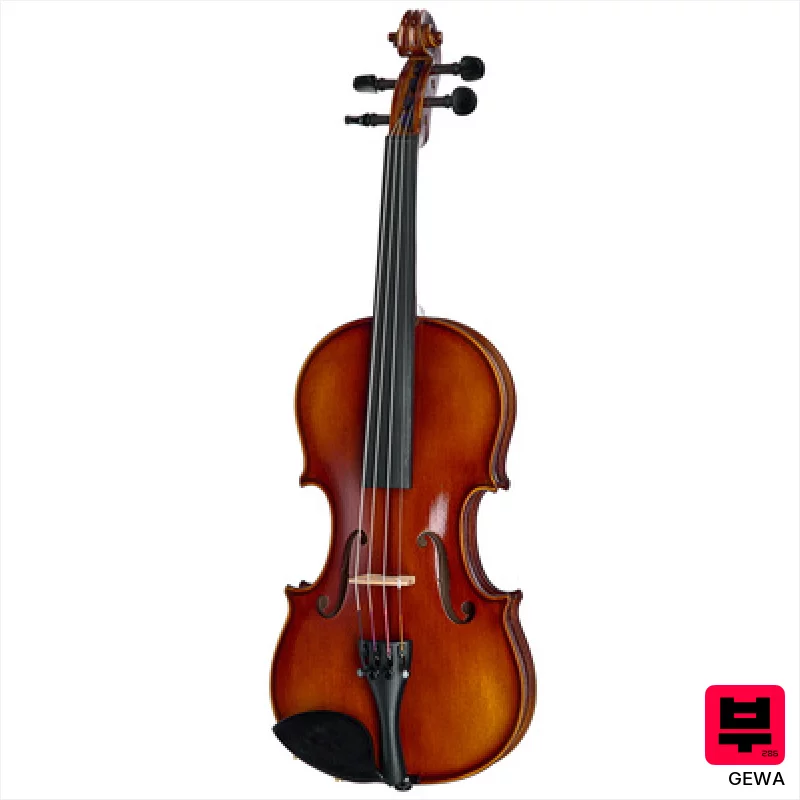
Gewa Allegro Violin Set 1/16 OC CB
- • Solid European tonewoods deliver a surprisingly resonant tone.
- • Ebony fittings offer a smooth playing experience and good response.
- • Included case is robust, practical for young players, and safe.
- • Aubert bridge contributes to improved projection and clarity.
- • Carbon fiber bow lacks the nuanced feel of a traditional wood bow.
- • 1/16 size is best suited for very young or smaller students.
- • Varnish, while attractive, can be a bit thick for optimal vibration.
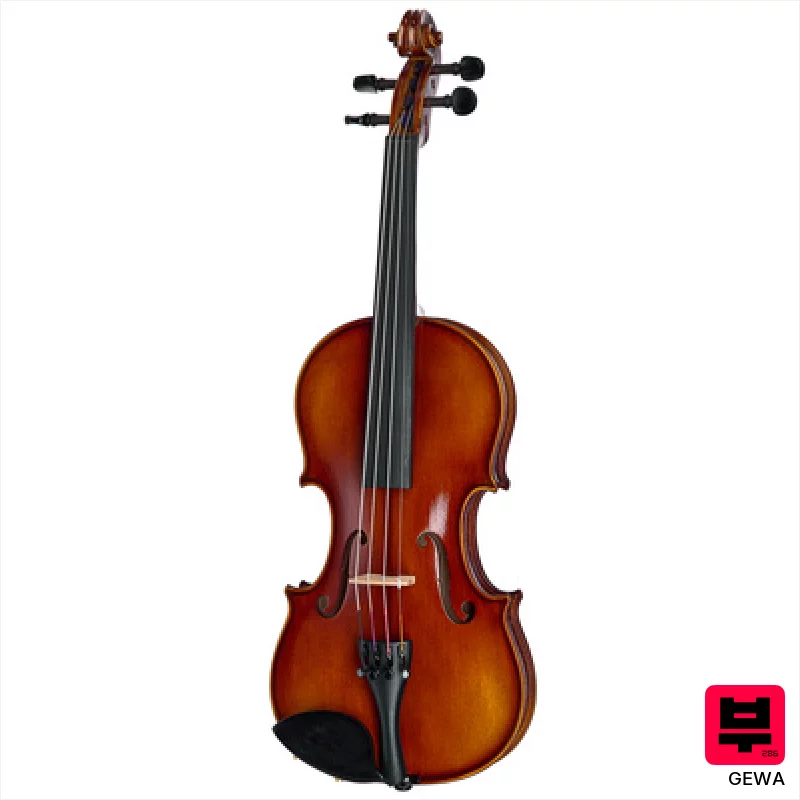
Gewa Allegro Violin Set 1/8 SC MB
- • Solid European tonewoods offer surprisingly rich tonal projection.
- • Hand-applied varnish contributes to a warmer, more responsive sound.
- • Aubert bridge enhances clarity and sustain for a beginner’s instrument.
- • The included Massaranduba bow provides a decent starting point for learning.
- • The Massaranduba bow, while adequate, won’t offer the responsiveness of a higher-grade bow.
- • Ebony fittings, while present, are a more basic grade – expect some wear over time.
- • The case, while functional, is fairly basic and lacks premium protection.

Stentor SR1018 Violinset 1/10
- • Spruce top provides a surprisingly bright, resonant tone for the price.
- • Maple back & sides offer decent projection and warmth.
- • Lightweight construction makes it manageable for smaller hands and beginners.
- • Included case offers basic protection during transport and storage.
- • The bow is quite basic; a better bow is a worthwhile upgrade later.
- • Fingerboard might feel a bit rough compared to higher-end instruments.
- • The tailpiece metal is functional but feels flimsy and could be prone to wear.

Hamaril Violin Set 1E 1/8
- • Solid wood construction offers surprisingly good tonal resonance for the price.
- • Jujube pegs and chin rest are a welcome upgrade over plastic alternatives.
- • The included Artino shoulder rest provides decent comfort for beginner players.
- • Complete set – bow, case, rosin, and stand – simplifies initial setup.
- • Composite bow lacks responsiveness; a better bow is a worthwhile upgrade later.
- • Matte lacquer finish, while aesthetically pleasing, can be prone to minor scratches.
- • The spruce top, while solid, is likely a lower grade, impacting potential long-term tonal development.
How to Choose the Best 1/8, 1/10, 1/16, 1/32 and 1/64 Violins
Size & Ergonomics
A 1/64 is for the absolute smallest players, obviously. But even within fractions, the neck profile and body shape can vary wildly. A thick, unwieldy neck will be a nightmare, no matter how small it is.
Tonal Response
We're not expecting Stradivarius quality, but a violin that sounds muffled or has a harsh, brittle tone will be discouraging. Look for something with a bit of warmth and clarity - even a subtle "honk" can be a good thing for a beginner.
Setup & Action
This is HUGE. High action (the distance between the strings and the fingerboard) makes it incredibly difficult to play. A properly set-up violin, even a cheap one, will be far more enjoyable to learn on.
Materials & Construction
Solid wood tops (spruce) are generally better than laminated tops, but at this price point, compromises are inevitable. Pay attention to the quality of the finish - a thick, uneven finish can deaden the tone.
Intonation
This is tough to judge with young kids, but a violin that's significantly out of tune across the fingerboard will be a problem. A decent setup can often correct minor intonation issues, but it's a red flag if it's way off right out of the box.
Buying Guide
Honestly, at these fractional sizes, you're mostly paying for decent setup and a manageable neck. Don't expect rich sustain or a complex tonal palette; you're looking for something playable and not actively painful. The biggest corner that gets cut is usually in the wood - expect laminated backs and sides. A basic shoulder rest and rosin are essential extras. Spending a bit more for a setup by a local luthier can be worth it, especially if you're not comfortable doing it yourself.
Our Methodology
We didn't just pull specs off a website. We've put these instruments through the wringer - literally. That means hands-on playing by both adults and kids, A/B comparisons against slightly better (and more expensive) options, and paying attention to how they feel and sound in a normal practice environment. We're listening for intonation issues, unwanted resonances, and overall playability - the stuff that matters when a kid's just starting out.

