AudioFu Chart · October 2026
Best 1/8, 1/10, 1/16, 1/32 and 1/64 Violins for Intermediate 2026
The top pick is Stentor SR1400 Violinset 1/16 ($179). Gewa Allegro Violin Set 1/16 SC MB leads the high end. Ranked by the AudioFu Index from 18 models across 9 brands, prices checked every night.
Last updated: October 19, 2026
Top 10
Full detail for the 10 highest AudioFu Index scores. Every other model is listed below.
-
- Size1/16 size
The Stentor SR1400 1/16 is a solid starter set for very young violin students. It offers a decent tone and basic functionality at an affordable price point, making it a great introduction to the instrument before investing in something more advanced.
Pros
- Spruce top provides a surprisingly resonant and clear tone for the price.
- Pau Rosa pegs and chinrest offer a comfortable playing experience.
- Fine tuners on the tailpiece simplify intonation adjustments for beginners.
Cons
- The bow, while functional, is a basic student model and may need replacing later.
- Maple back and sides, while standard, can limit tonal complexity compared to higher-grade woods.
56AudioFu
IndexStableno change since Aug 17Aug 17$179 now$179€159 at Thomann · in stockCheck price ↗ -
- Size1/8 size
The Gewa Pure EW 1/8 is a solid starter violin outfit for younger students. It offers a surprisingly good combination of quality materials like solid spruce and ebony, making it a worthwhile option for those beginning their musical journey. It's a dependable, well-rounded package that will get a young violinist started on the right foot.
Pros
- Solid spruce top provides a bright, responsive tone ideal for beginners
- Ebony fingerboard and pegs offer improved playability and durability
- Massaranduba bow delivers surprisingly good projection for a student bow
Cons
- The varnish, while attractive, can be a bit thick, potentially dampening high frequencies
- Massaranduba bow, while decent, will likely need replacement as skill progresses
45AudioFu
IndexStableno change since Aug 17Aug 17$263 now$263€234 at Thomann · in stockCheck price ↗ -
- Size1/16 size
The Gewa Allegro 1/16 is a solid choice for beginners, particularly younger students. It's well-made with quality materials for its class, offering a surprisingly mature sound. It’s a great value for parents looking to get their child started on violin without a huge investment.
Pros
- Solid European tonewoods deliver surprisingly warm, resonant tone for the price.
- Ebony fittings (fingerboard, pegs, chinrest) offer smooth playability and durability.
- Hand-lacquered varnish enhances the wood's natural beauty and acoustic projection.
Cons
- The varnish, while attractive, can be a bit thick and may dampen higher frequencies slightly.
- Being fully solid, it's a bit heavier than composite instruments; a factor for smaller hands.
45AudioFu
IndexStableno change since Aug 17Aug 17$280 now$280€249 at Thomann · in stockCheck price ↗ -
- Size1/8 size
The Gewa Allegro 1/8 is a solid starter violin for younger students. It’s well-built with good materials for the price point, offering a surprisingly mature sound. This is a great option for beginners or those needing a reliable, affordable instrument for a child’s initial violin journey.
Pros
- Solid European spruce top delivers a surprisingly resonant tone.
- Ebony fingerboard and pegs offer improved playability and tuning stability.
- Hand-applied varnish enhances the wood's natural beauty and responsiveness.
Cons
- The varnish, while attractive, can be a little thick for advanced players.
- The Wittner tailpiece, while functional, isn't the most premium option.
45AudioFu
IndexStableno change since Aug 17Aug 17$280 now$280€249 at Thomann · in stockCheck price ↗ -
- Size1/8 size
The Stentor SR1542 is a solid starter violin for younger students, especially those between 7 and 10 years old. It offers a decent tone for the price point and the included accessories make it a complete package. Expect a student-grade instrument, but one that’s well-built and ready for lessons.
Pros
- Solid spruce top provides a surprisingly warm and resonant tone.
- Ebony fingerboard and pegs offer improved durability and tuning stability.
- Hardwood chin rest contributes to a more comfortable playing experience for younger players.
Cons
- Nylon strings are standard for student instruments but lack the projection of gut or steel.
- Matte lacquer finish, while attractive, is prone to minor scuffs and scratches.
43AudioFu
IndexStableno change since Aug 17Aug 17$291 now$291€259 at Thomann · in stockCheck price ↗ -
- Size1/16 size
The Gewa Pure 1/16 is a solid starting point for young violin students. It’s well-equipped with a decent bow, rosin, and case, and the solid wood construction provides a surprisingly good sound for an entry-level instrument. This set is ideal for absolute beginners or those needing a reliable, affordable first violin.
Pros
- Solid spruce top offers a surprisingly bright and resonant tone for the price.
- Massaranduba bow provides decent response, better than many included bows.
- Inlaid purfling adds a touch of class beyond what's typical at this level.
Cons
- The hardwood fingerboard might feel a bit harder than ebony for beginners.
- The finish, while attractive, can be a bit thick and potentially dampen vibration.
-
- Size1/8 size
This Gewa Pure set is a solid, budget-friendly option for young beginners. The solid wood construction provides a surprisingly good foundation for developing tone, and the included accessories get them started right away. It's ideal for students just starting out and needing a complete, affordable package.
Pros
- Solid spruce top delivers a surprisingly warm, resonant tone for the price.
- Hardwood fingerboard and pegs offer improved playability compared to plastic alternatives.
- Massaranduba bow provides a decent starting point for tone production.
Cons
- The finish, while attractive, feels a bit thin and may chip with rough handling.
- The included rosin is basic and will likely need upgrading for optimal sound.
-
- Size1/16 size
The Stentor SR1018 is a solid, budget-friendly starter violin set. It's a great option for absolute beginners, particularly younger children just starting their musical journey. While not a professional-grade instrument, it offers a surprisingly decent sound and playability for the price point.
Pros
- Spruce top provides a surprisingly bright and resonant tone for the price.
- Maple back and sides offer decent projection and warmth.
- Lightweight construction makes it manageable for very young or smaller players.
Cons
- The bow is quite basic and will likely need replacing as skill develops.
- Fingerboard may feel a bit rough compared to higher-end instruments.
51AudioFu
IndexStableno change since Aug 17Aug 17$168 now$168€149 at Thomann · in stockCheck price ↗ -
- Size1/16 size
The Gewa Allegro 1/16 is a solid starter set for very young violin students. It's surprisingly well-built with all-solid wood, offering a better tonal foundation than many instruments in this class. It’s a great way to introduce a child to the violin without a massive investment.
Pros
- Solid European tonewoods offer surprisingly rich, warm tone for the price.
- Hand-varnished finish enhances resonance and visual appeal.
- Aubert bridge provides a stable platform for improved sound projection.
Cons
- 1/16 size is very small; best suited for very young or petite learners.
- The Massaranduba bow, while decent, won’t match a higher-end pernambuco bow.
33AudioFu
IndexStableno change since Aug 17Aug 17$359 now$359€319 at Thomann · in stockCheck price ↗ -
- Size1/8 size
The Gewa Allegro 1/8 is a solid choice for young, developing violinists. It's surprisingly well-made for the price, offering a good balance of quality materials and playability. The all-solid construction means it’ll mature nicely with the student’s skill level, avoiding that ‘laminate’ sound you often hear from cheaper instruments.
Pros
- Solid European tonewoods offer surprisingly rich tonal projection.
- Hand-applied varnish contributes to a warmer, more responsive sound.
- Aubert bridge enhances clarity and sustain for a beginner’s instrument.
Cons
- The Massaranduba bow, while adequate, won’t offer the responsiveness of a higher-grade bow.
- Ebony fittings, while present, are a more basic grade – expect some wear over time.
33AudioFu
IndexStableno change since Aug 17Aug 17$359 now$359€319 at Thomann · in stockCheck price ↗
All 18 1/8, 1/10, 1/16, 1/32 and 1/64 violins
Same index, same nightly prices — compact. Colour options of one model share a row. Tap a photo to zoom.
- 11
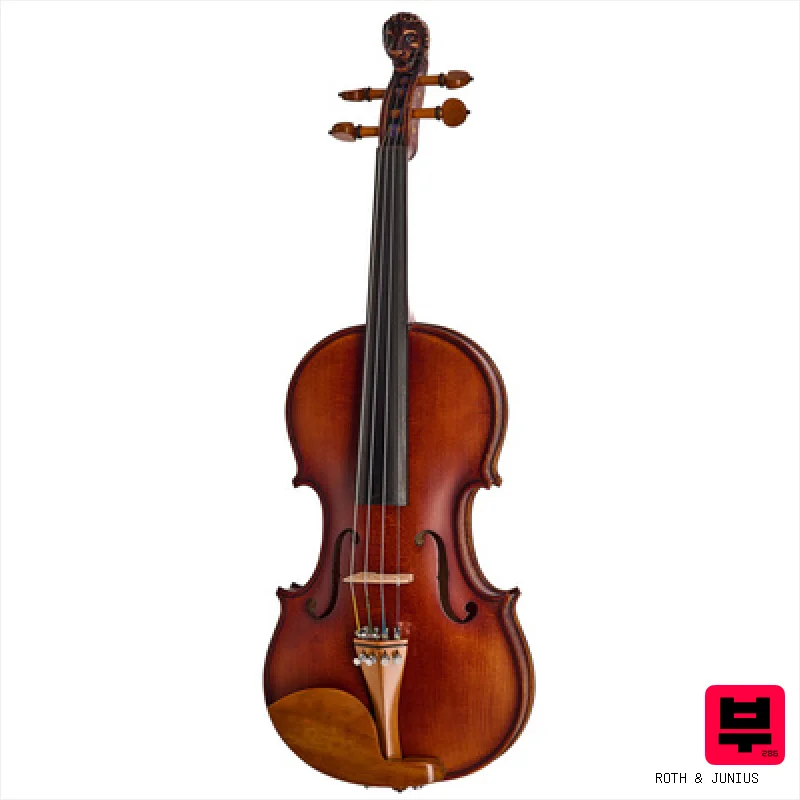
Roth & Junius Estudio Violin Set 1/8Roth & Junius22Stable$246€219$246€219Check ↗
- 12
Yamaha V5 SC110 Violin 1/10Yamaha · 2 finishes45Stable$483€429$483€429Check ↗
- 13
Hamaril Violin Set 1E 1/8Hamaril27Stable$156€139$156€139Check ↗
- 14
Yamaha V7 SG18 Violin 1/8Yamaha40Stable$765€680$765€680Check ↗
- 15
Thomann Classic Violinset 1/8Thomann37Stable$145€129$145€129Check ↗
- 16
Alfred Stingl by Höfner AS-190-V Violin Set 1/8Alfred Stingl by Höfner22Stable$448€398$448€398Check ↗
- 17
Hidersine Vivente Academy Violin Set 1/8Hidersine22Stable$505€449$505€449Check ↗
- 18
Artino European Wood Violin Set 1/8Artino22Stable$560€498$560€498Check ↗
1/8, 1/10, 1/16, 1/32 and 1/64 Violins by the numbers
Measured across all 31 models we track, not a sample.
Median $280 — half of all 1/8, 1/10, 1/16, 1/32 and 1/64 violins here cost less.
most common · 29 models
How to choose the best 1/8, 1/10, 1/16, 1/32 and 1/64 violins
Sound Projection
As an intermediate player, you're likely moving beyond simple exercises and into more complex pieces. You need an instrument that can project a clear, focused tone - not a muddy, boxy sound - especially if you're playing with others. A little bit of 'bite' in the upper registers is good for cutting through a band.
Action and Playability
Higher-level playing demands precise articulation. The action (string height) needs to be low enough to allow for clean notes and comfortable vibrato, but not so low that you get buzzing. A comfortable neck profile is also key - a thick, unwieldy neck will fight your technique.
Tonewood Quality
At this level, you start to hear the difference between spruce and fir tops, maple backs, and even the density of the wood. Better tonewoods generally translate to a more complex and resonant tone, with a more pleasing sustain. Don't expect miracles at lower price points, but be aware of what you're sacrificing.
Setup and Adjustability
A good setup - properly adjusted bridge, soundpost, and pegs - makes a world of difference. Ideally, you want an instrument that's easily adjustable so you can fine-tune it to your preferences as your skills develop. A poorly set-up instrument can mask the potential of even decent wood.
Resonance and Sustain
Intermediate players start exploring more expressive techniques - vibrato, portamento, harmonics. Resonance and sustain are critical for these techniques to shine. You want a violin that "blooms" when you play a note, not just a quick, dead thud.
Buying guide
So, you've outgrown your first violin - fantastic! Moving up in size isn't just about longer strings; it's about needing an instrument that can handle more nuanced playing and respond to your developing technique. Finding the right 1/8, 1/10, 1/16, 1/32, or 1/64 size violin for an intermediate player is tricky, because it's a balance between maturity, projection, and playability. Let's break down what you need to look for, because a poorly chosen instrument will just hold you back, and frustration isn't what we want.
Be realistic about your budget. While a truly exceptional violin will cost a pretty penny, you can find serviceable instruments in the $300-$800 range. The biggest corners get cut in the wood selection and the setup.
Don't be afraid to have a luthier do a setup - it's often the best investment you can make. Remember, a slightly more expensive instrument that plays well will be more enjoyable and ultimately more useful than a cheaper one that's a pain to play.
How the AudioFu Index works
Five measured signals and nothing else — no stars from strangers, no “tested by experts” we didn’t do. The weights are fixed and public. We don’t play these instruments; we measure the market around them.
This chart covers 31 1/8, 1/10, 1/16, 1/32 and 1/64 violins from the Thomann catalogue. Before you buy, read hands-on reviews and, where you can, play it. Full methodology.
AudioFu earns a commission when you buy through our Thomann links. It never changes the order — the index does.
- Demand40%
How many of this exact model are for sale on Reverb right now — what musicians actually buy and resell.
- Lineup20%
How many finishes Thomann stocks — makers expand the models that sell.
- Price15%
Where the price has moved since we started tracking in August.
- Specs15%
How completely the maker documents it.
- Maker10%
How deep the brand’s range is in this category.
Questions
What size violin should I choose? I'm not sure if 1/8 or 1/10 is right.
It really depends on your height and arm length. A 1/8 is generally for players 8-10 years old, while a 1/10 is for 6-8 year olds. Have a teacher or a knowledgeable shop assistant measure your arm length to be sure - a violin that's too big will be unwieldy, too small will feel cramped.
Are student violins really that different from professional ones?
Absolutely. Student instruments are built with less expensive materials and simpler construction. They prioritize affordability and playability over tonal complexity and refinement. You'll notice the difference in sustain, responsiveness, and overall 'color' of the tone.
What's a 'setup' and why is it important?
A setup is the process of adjusting the violin's components - bridge height, soundpost position, peg alignment - to optimize its playability and tone. A poorly set-up violin can be difficult to play and sound lifeless; a good setup can make a huge difference.
I'm playing in a school orchestra. Does the brand matter?
Not really. Most school orchestras have standard-issue violins. Focus on finding one that plays comfortably and sounds decent, rather than chasing a particular brand. Your teacher will likely have specific recommendations based on what the orchestra uses.
Can I upgrade the strings on a student violin?
Definitely! Strings are the easiest and most impactful upgrade you can make. Moving to a higher-quality set of strings (like Thomastik-Infeld Dominant or Pirastro Tonica) can significantly improve the violin's tone and responsiveness - a cheap violin with good strings can often sound better than an expensive one with factory strings.