AudioFu Chart · October 2026
Best 1/8, 1/10, 1/16, 1/32 and 1/64 Violins for Professional 2026
The top pick is Yamaha V7 SG18 Violin 1/8 ($765). Stentor SR1400 Violinset 1/16 gives you the most for the money at $179. Ranked by the AudioFu Index from 18 models across 9 brands, prices checked every night.
Last updated: October 19, 2026
Top 10
Full detail for the 10 highest AudioFu Index scores. Every other model is listed below.
-
- Size1/8 size
The Yamaha V7 SG18 is a fantastic entry-level violin for younger students or those just starting out. It’s a step up from beginner instruments with a composite body—the all-solid wood construction really delivers a warmer, more mature tone. This is a solid choice for building a good foundation.
Pros
- Solid wood construction enhances tone and resonance significantly.
- Hand-carved spruce top offers a responsive, bright sound.
- Ebony fingerboard provides a smooth, comfortable playing experience.
Cons
- The included bow, while functional, is a basic student model.
- Oil varnish, while traditional, can be more susceptible to scratches.
40AudioFu
IndexStableno change since Aug 17Aug 17$765 now$765€680 at Thomann · in stockCheck price ↗ -
- Size1/8 size
The Yamaha V5 SC18 1/8 is a solid entry point for young violin students. The all-solid wood build provides a surprisingly rich tone for an instrument in this category, and the included accessories make it a complete package for beginners – it’s a great starting point for a dedicated student.
Pros
- Solid wood construction offers a surprisingly mature tonal response.
- Diospyros ebony fingerboard, pegs, and chinrest contribute to stability and feel.
- Wittner fine tuners simplify intonation for younger or less experienced players.
Cons
- The included bow is serviceable, but a serious student will quickly want an upgrade.
- Oil finish, while attractive, may require more careful maintenance to prevent stickiness.
-
- Size1/8 size
This is a solid choice for a young beginner who wants real European woods without breaking the bank. The spruce top and maple body should sing nicely right out of the box. It pairs well with a growing child who is ready for more than plastic toys.
Pros
- Solid spruce top ensures strong acoustic projection for the size.
- European maple back and sides provide balanced resonance.
- Premium Thomastik Dominant strings deliver a rich, classic tone.
Cons
- Lack of detailed internal bracing specs limits sound prediction.
- No specific age range guidance for the 1/8 size.
22AudioFu
IndexStableno change since Aug 17Aug 17$560 now$560€498 at Thomann · in stockCheck price ↗ -
- Size1/16 size
The Gewa Allegro 1/16 is a solid starter outfit for very young beginners—typically around 5-6 years old—who are just beginning their violin journey. The all-solid construction and quality components like the Larsen strings make it a step above many budget options, providing a better foundation for learning and a more pleasing tone. It's a well-rounded package that offers good value for the price.
Pros
- Solid European tonewoods deliver surprisingly mature, warm tonal response.
- Ebony fittings offer excellent playability and durability for a student instrument.
- The included Larsen Aurora strings are a noticeable upgrade over typical student strings.
Cons
- The carbon fiber bow, while functional, lacks the responsiveness of a quality wood bow.
- The brown-amber varnish, while attractive, can be a bit thick and potentially dampen the top's resonance.
33AudioFu
IndexStableno change since Aug 17Aug 17$370 now$370€329 at Thomann · in stockCheck price ↗ -
- Size1/8 size
The Gewa Allegro 1/8 is a solid entry-level violin set for younger students. The all-solid construction is a real bonus at this price point, providing a better tone than many laminate options. It's a great starting point for serious young musicians who want a quality instrument without a premium price tag.
Pros
- Solid European tonewoods deliver a surprisingly rich, warm tone.
- Ebony fittings enhance playability and contribute to a more refined feel.
- Hand-varnished finish adds character and allows the wood to resonate freely.
Cons
- The carbon fiber bow, while functional, lacks the responsiveness of a higher-end wood bow.
- The Aubert bridge might require adjustment by a luthier for optimal sound and projection.
33AudioFu
IndexStableno change since Aug 17Aug 17$381 now$381€339 at Thomann · in stockCheck price ↗ -
- Size1/16 size
The Gewa Allegro 1/16 is a solid choice for beginners, particularly younger students. It's well-made with quality materials for its class, offering a surprisingly mature sound. It’s a great value for parents looking to get their child started on violin without a huge investment.
Pros
- Solid European tonewoods deliver surprisingly warm, resonant tone for the price.
- Ebony fittings (fingerboard, pegs, chinrest) offer smooth playability and durability.
- Hand-lacquered varnish enhances the wood's natural beauty and acoustic projection.
Cons
- The varnish, while attractive, can be a bit thick and may dampen higher frequencies slightly.
- Being fully solid, it's a bit heavier than composite instruments; a factor for smaller hands.
45AudioFu
IndexStableno change since Aug 17Aug 17$280 now$280€249 at Thomann · in stockCheck price ↗ -
- Size1/8 size
The Gewa Allegro 1/8 is a solid starter violin for younger students. It’s well-built with good materials for the price point, offering a surprisingly mature sound. This is a great option for beginners or those needing a reliable, affordable instrument for a child’s initial violin journey.
Pros
- Solid European spruce top delivers a surprisingly resonant tone.
- Ebony fingerboard and pegs offer improved playability and tuning stability.
- Hand-applied varnish enhances the wood's natural beauty and responsiveness.
Cons
- The varnish, while attractive, can be a little thick for advanced players.
- The Wittner tailpiece, while functional, isn't the most premium option.
45AudioFu
IndexStableno change since Aug 17Aug 17$280 now$280€249 at Thomann · in stockCheck price ↗ -
- Size1/8 size
The Stentor SR1542 is a solid starter violin for younger students, especially those between 7 and 10 years old. It offers a decent tone for the price point and the included accessories make it a complete package. Expect a student-grade instrument, but one that’s well-built and ready for lessons.
Pros
- Solid spruce top provides a surprisingly warm and resonant tone.
- Ebony fingerboard and pegs offer improved durability and tuning stability.
- Hardwood chin rest contributes to a more comfortable playing experience for younger players.
Cons
- Nylon strings are standard for student instruments but lack the projection of gut or steel.
- Matte lacquer finish, while attractive, is prone to minor scuffs and scratches.
43AudioFu
IndexStableno change since Aug 17Aug 17$291 now$291€259 at Thomann · in stockCheck price ↗ -
- Size1/8 size
The Gewa Pure EW 1/8 is a solid starter violin outfit for younger students. It offers a surprisingly good combination of quality materials like solid spruce and ebony, making it a worthwhile option for those beginning their musical journey. It's a dependable, well-rounded package that will get a young violinist started on the right foot.
Pros
- Solid spruce top provides a bright, responsive tone ideal for beginners
- Ebony fingerboard and pegs offer improved playability and durability
- Massaranduba bow delivers surprisingly good projection for a student bow
Cons
- The varnish, while attractive, can be a bit thick, potentially dampening high frequencies
- Massaranduba bow, while decent, will likely need replacement as skill progresses
45AudioFu
IndexStableno change since Aug 17Aug 17$263 now$263€234 at Thomann · in stockCheck price ↗ -
- Size1/16 size
The Stentor SR1400 1/16 is a solid starter set for very young violin students. It offers a decent tone and basic functionality at an affordable price point, making it a great introduction to the instrument before investing in something more advanced.
Pros
- Spruce top provides a surprisingly resonant and clear tone for the price.
- Pau Rosa pegs and chinrest offer a comfortable playing experience.
- Fine tuners on the tailpiece simplify intonation adjustments for beginners.
Cons
- The bow, while functional, is a basic student model and may need replacing later.
- Maple back and sides, while standard, can limit tonal complexity compared to higher-grade woods.
56AudioFu
IndexStableno change since Aug 17Aug 17$179 now$179€159 at Thomann · in stockCheck price ↗
All 18 1/8, 1/10, 1/16, 1/32 and 1/64 violins
Same index, same nightly prices — compact. Colour options of one model share a row. Tap a photo to zoom.
- 11
Alfred Stingl by Höfner AS-190-V Violin Set 1/8Alfred Stingl by Höfner22Stable$448€398$448€398Check ↗
- 12
Hidersine Vivente Academy Violin Set 1/8Hidersine22Stable$505€449$505€449Check ↗
- 13
Gewa Pure Violinset HW 1/16Gewa42↑ 5.8%$185€164$185€164Check ↗
- 14
Gewa Pure Violinset HW 1/8Gewa42↑ 5.8%$185€164$185€164Check ↗
- 15
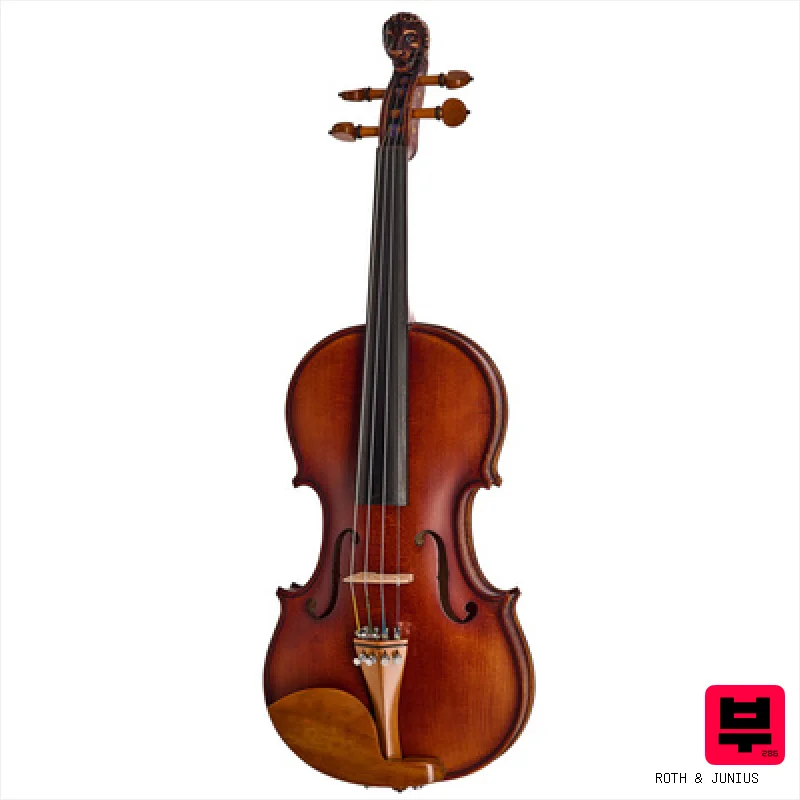
Roth & Junius Estudio Violin Set 1/8Roth & Junius22Stable$246€219$246€219Check ↗
- 16
Stentor SR1018 Violinset 1/8Stentor · 3 finishes54↓ 6.7%$156€139$156€139Check ↗
- 17
Thomann Classic Violinset 1/8Thomann37Stable$145€129$145€129Check ↗
- 18
Hamaril Violin Set 1E 1/8Hamaril27Stable$156€139$156€139Check ↗
1/8, 1/10, 1/16, 1/32 and 1/64 Violins by the numbers
Measured across all 31 models we track, not a sample.
Median $280 — half of all 1/8, 1/10, 1/16, 1/32 and 1/64 violins here cost less.
most common · 29 models
How to choose the best 1/8, 1/10, 1/16, 1/32 and 1/64 violins
Tone & Projection
Forget that thin, reedy sound you often get. We're looking for a core that has some weight and sustain, a richness that cuts through a chamber ensemble or a small band. It's not about booming bass - that's impossible on these sizes - but a focused, clear tone that doesn't disappear.
Playability (Action & Neck Profile)
High action is a non-starter. A comfortable neck profile is crucial for fast passages and complex fingerings. A choked-up feel kills your speed and articulation - and it's not something you can easily compensate for.
Setup & Craftsmanship
The cheaper ones are often a disaster waiting to happen - poorly fitted bridges, uneven varnish, and fingerboards that feel like sandpaper. A good setup can make a huge difference, but it's a red flag if it needs a massive overhaul.
Resonance & Response
These smaller instruments need to vibrate efficiently. Look for a responsiveness that allows for quick dynamic changes and a nuanced touch. A dead spot anywhere on the fingerboard is a dealbreaker.
Material Quality (Wood & Fittings)
Solid spruce top and maple back/sides are a must. Avoid anything with laminated wood - it's a sonic dead end. Decent ebony fittings (fingerboard, pegs, tailpiece) contribute to better tone and stability.
Buying guide
Okay, so you're a pro player, or a serious student pushing towards pro level, and you need a fractional-sized violin. Maybe you're teaching, maybe you're doing period performance, or just want a smaller instrument for travel or ergonomic reasons. Most fractional violins are absolute garbage, but there are a few that can actually hold up to serious playing - we're talking about instruments that need to handle fast passages, nuanced dynamics, and the occasional gig. Let's cut through the noise and find you something that won't make you want to throw it across the room.
Don't expect miracles. These are still smaller instruments with inherent limitations. The biggest trap is buying something 'cheap' thinking you can get away with it - you'll spend more in the long run fixing it.
Invest in a good setup, even if you buy a more expensive model. Watch out for overly bright, harsh tones - that often means poor wood selection or a rushed varnish job. A little warmth and complexity is what you want.
How the AudioFu Index works
Five measured signals and nothing else — no stars from strangers, no “tested by experts” we didn’t do. The weights are fixed and public. We don’t play these instruments; we measure the market around them.
This chart covers 31 1/8, 1/10, 1/16, 1/32 and 1/64 violins from the Thomann catalogue. Before you buy, read hands-on reviews and, where you can, play it. Full methodology.
AudioFu earns a commission when you buy through our Thomann links. It never changes the order — the index does.
- Demand40%
How many of this exact model are for sale on Reverb right now — what musicians actually buy and resell.
- Lineup20%
How many finishes Thomann stocks — makers expand the models that sell.
- Price15%
Where the price has moved since we started tracking in August.
- Specs15%
How completely the maker documents it.
- Maker10%
How deep the brand’s range is in this category.
Questions
Why would a professional player even need a 1/16 or 1/32 violin?
For teaching very young children, for ergonomic reasons if you have hand or wrist issues, or for specialized performance like historically informed performance where smaller instruments are sometimes called for. They're not substitutes for full-size instruments, but they can be useful tools.
Are these fractional sizes standardized? Can I easily swap parts with a full-size violin?
Absolutely not. The dimensions and angles are all different. Swapping parts is generally not possible, and trying to force it will damage the instrument.
What's the deal with carbon fiber fractional violins?
They can be surprisingly good, offering consistent tone and durability. However, they often lack the warmth and complexity of a traditional wood instrument. It's a trade-off - more reliable, less soulful.
I'm a teacher, and I need several fractional violins. What's the best approach?
Prioritize durability and playability over absolute sonic perfection. A slightly less refined tone is acceptable if the instruments are easy to handle and won't fall apart after a few months of student use. Get them professionally set up.
Can a 1/10 size violin be used for solo performances?
It's possible, but you'll need to be very mindful of microphone placement and amplification. The smaller body just doesn't project as well, and you'll need to compensate with technique and careful mixing to avoid sounding thin or reedy.