AudioFu Chart · November 2026
Best 1/8, 1/10, 1/16, 1/32 and 1/64 Violins 2026
The top pick is Stentor SR1400 Violinset 1/16 ($177). Yamaha V7 SG18 Violin 1/8 leads the high end. Ranked by the AudioFu Index from 19 models across 10 brands, prices checked every night.
Last updated: November 12, 2026
Narrow the chart
All 1/8, 1/10, 1/16, 1/32 and 1/64 ViolinsTop 10
Full detail for the 10 highest AudioFu Index scores. Every other model is listed below.
-
- Size1/16 size
The Stentor SR1400 1/16 is a solid starter set for very young violin students. It offers a decent tone and basic functionality at an affordable price point, making it a great introduction to the instrument before investing in something more advanced.
Pros
- Spruce top provides a surprisingly resonant and clear tone for the price.
- Pau Rosa pegs and chinrest offer a comfortable playing experience.
- Fine tuners on the tailpiece simplify intonation adjustments for beginners.
Cons
- The bow, while functional, is a basic student model and may need replacing later.
- Maple back and sides, while standard, can limit tonal complexity compared to higher-grade woods.
56AudioFu
IndexStableno change since Aug 17Aug 17$177 now$177€159 at Thomann · in stockCheck price ↗ -
- Size1/8 size
This is a 1/8 size violin, sized for a small child. It has a spruce top, maple back and sides, and a black stained hardwood fingerboard. You get a case and a bow in the box, so you can start playing right away. It suits a young player who is just starting out on violin.
Pros
- Spruce top, the wood the source names for the top of this violin
- Maple back and sides for a traditional wood build
- Black stained hardwood fingerboard and tuning pegs
54AudioFu
Index↓ 6.7%since Aug 17 · lowest so far$166 · Aug 17$155 now$155€139 at Thomann · in stockCheck price ↗ -
- Size1/8 size
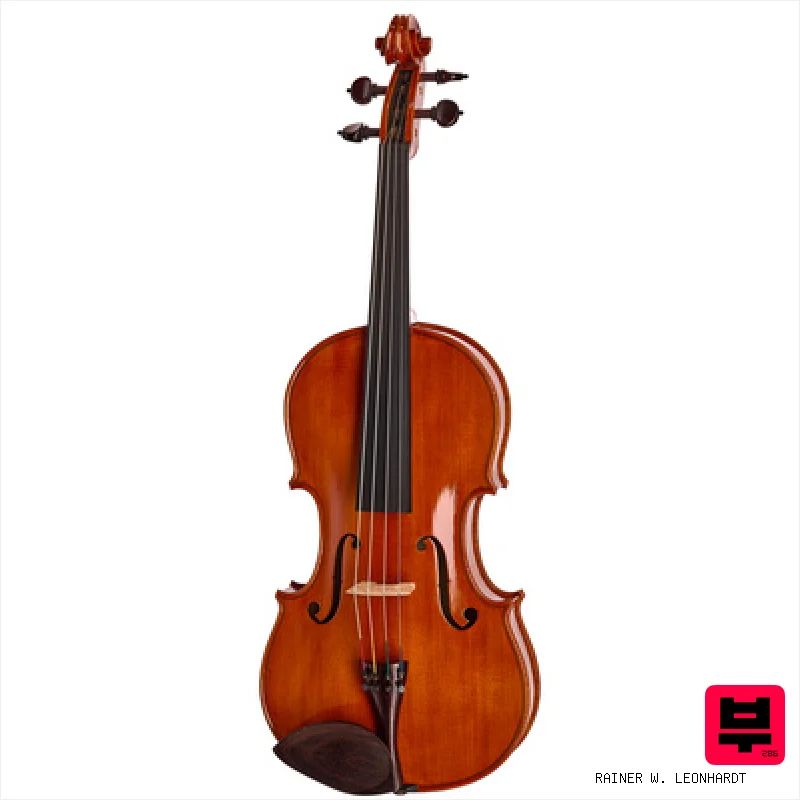
This is a complete violin outfit in a 1/8 size, with a solid spruce top and a solid maple back. It has an ebony fingerboard and pegs, plus a Massaranduba bow, rosin, and a lightweight case with a carrying strap. If you are buying for a young player who fits a 1/8 size, you get everything needed to start in one set.
Pros
- Solid spruce top gives this violin a traditional build for young players
- Solid maple back adds to the solid wood construction
- Ebony fingerboard and pegs are classic, durable-looking materials
45AudioFu
IndexStableno change since Aug 17Aug 17$260 now$260€234 at Thomann · in stockCheck price ↗ -
- Size1/16 size
This is a 1/16 violin, so it suits a small child who is just starting out. You get a solid spruce top and solid maple back and sides, along with ebony parts and Larsen Aurora stringing. If you are buying for a young player who needs a fully solid instrument, this one is a good fit.
Pros
- Fully solid violin built from European tonewoods throughout
- Solid European spruce top for the front of the body
- Solid European maple back and sides
45AudioFu
IndexStableno change since Aug 17Aug 17$277 now$277€249 at Thomann · in stockCheck price ↗ -
- Size1/8 size
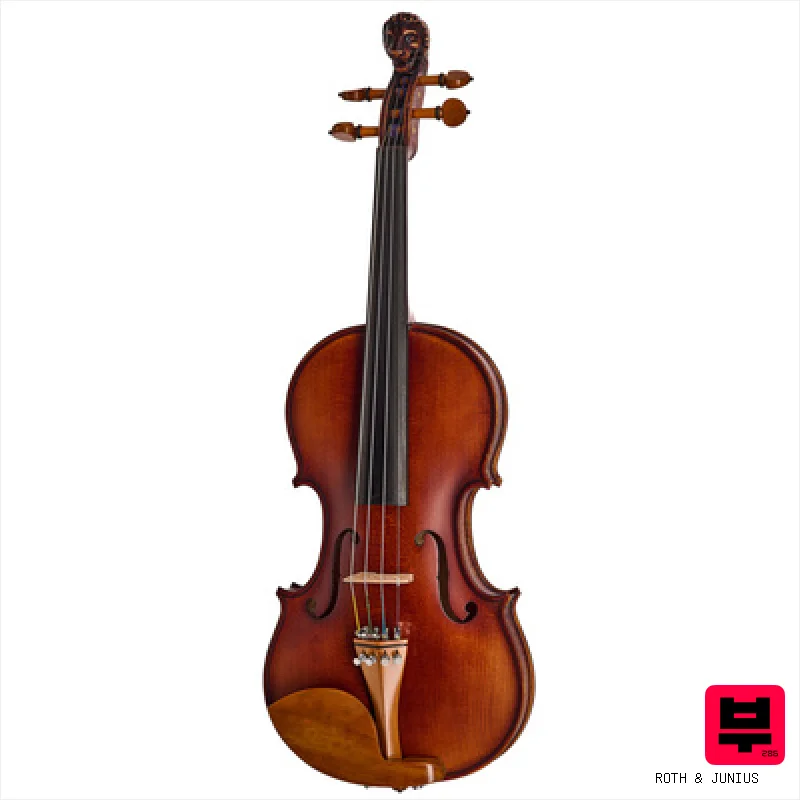
This is a 1/8 size violin for a young player. You get a solid European spruce top and solid European maple back and sides, with ebony fingerboard, pegs and chinrest. It suits a child who is starting out and wants a real wood instrument with a hand-applied finish.
Pros
- Solid European spruce top gives the violin a solid wood core.
- Solid European maple back and sides are built from solid tonewoods.
- Ebony fingerboard, ebony pegs and ebony chinrest are made of ebony.
45AudioFu
IndexStableno change since Aug 17Aug 17$277 now$277€249 at Thomann · in stockCheck price ↗ -
- Size1/10 size
You get a violin built completely out of solid wood, with a hand-carved spruce top and a maple back. It also has an ebony fingerboard, pegs and chinrest, and it comes with D'Addario Prelude strings, a case and a bow. This one suits a young player who needs a 1/10 size violin and wants everything needed in one box.
Pros
- Built completely out of solid wood for a full wooden build
- Hand-carved spruce top, a classic choice for violin tops
- Maple back paired with the spruce top
Cons
- Sized at 1/10, so it only suits young players of a small build
45AudioFu
IndexStableno change since Aug 17Aug 17$477 now$477€429 at Thomann · in stockCheck price ↗ -
- Size1/8 size
You get a handmade 1/8 violin with a solid spruce top and a solid maple body and neck. It has ebony tuning pegs and fingerboard, four fine tuners on the tailpiece, and comes with a bow and case. It suits a young child who is starting to learn and needs a violin sized to fit them.
Pros
- Solid spruce top gives the violin a sturdy wooden face
- Solid maple body and maple neck form the frame of the instrument
- Ebony tuning pegs and fingerboard, made from a dense hardwood
43AudioFu
IndexStableno change since Aug 17Aug 17$288 now$288€259 at Thomann · in stockCheck price ↗ -
- Size1/16 size
This is a complete violin set for a small child. You get a solid spruce top, a solid maple back, and a bow, rosin, and light case all in one box. It suits a young player who is just starting out and wants everything needed to play right away.
Pros
- Solid spruce top gives this violin a sturdy, traditional build
- Solid maple back pairs with the spruce top for a classic wood combination
- Hardwood fingerboard and tuning pegs add durable parts to the instrument
-
- Size1/8 size
If you have a young player who is just starting out, this set gives you everything in one box. You get a violin with a solid spruce top and a solid maple back, plus a bow, rosin, and a light case with a handle. It is a good pick for a child who needs a properly sized instrument to learn on.
Pros
- Solid spruce top gives the violin a traditional tonewood top
- Solid maple back and inlaid purfling add a finished, classic look
- Hardwood fingerboard and tuning pegs hold up well for everyday practice
Cons
- Its 1/8 size only fits younger players, so it will need upgrading as they grow
-
- Size1/8 size
This is a solid wood violin in the 1/8 size, made for a young player. You get a hand-carved spruce top, a maple back, and an ebony fingerboard, plus a case, bow and rosin in the box. It suits a child who is ready for a full wooden instrument and wants everything needed to start practicing.
Pros
- Built completely out of solid wood for a full wooden build
- Hand-carved spruce top and maple back give it a traditional construction
- Ebony fingerboard, tuning pegs and chinrest made of ebony
40AudioFu
IndexStableno change since Aug 17Aug 17$757 now$757€680 at Thomann · in stockCheck price ↗
All 19 1/8, 1/10, 1/16, 1/32 and 1/64 violins
Same index, same nightly prices — compact. Colour options of one model share a row. Tap a photo to zoom.
- 11
Thomann Classic Violinset 1/8Thomann37Stable$144€129$144€129Check ↗
- 12
Karl Höfner H11-V Violin 1/8Karl Höfner37Stable$665€598$665€598Check ↗
- 13
Gewa Allegro Violin Set 1/16 SC MBGewa · 4 finishes33Stable$355€319$355€319Check ↗
- 14
Gewa Allegro Violin Set 1/8 SC MBGewa · 4 finishes33Stable$355€319$355€319Check ↗
- 15
Hamaril Violin Set 1E 1/8Hamaril27Stable$155€139$155€139Check ↗
- 16
Roth & Junius Estudio Violin Set 1/8Roth & Junius22Stable$244€219$244€219Check ↗
- 17
Alfred Stingl by Höfner AS-190-V Violin Set 1/8Alfred Stingl by Höfner22Stable$443€398$443€398Check ↗
- 18
Hidersine Vivente Academy Violin Set 1/8Hidersine22Stable$500€449$500€449Check ↗
- 19
Artino European Wood Violin Set 1/8Artino22Stable$554€498$554€498Check ↗
1/8, 1/10, 1/16, 1/32 and 1/64 Violins by the numbers
Measured across all 32 models we track, not a sample.
Median $288 — half of all 1/8, 1/10, 1/16, 1/32 and 1/64 violins here cost less.
most common · 30 models
How to choose the best 1/8, 1/10, 1/16, 1/32 and 1/64 violins
Size & Fit
Absolutely critical. A violin that's too large or too small will be a struggle. Measure your child's arm length, not just age - a 6-year-old might need a 1/4 or even a 1/8, while an 8-year-old might be ready for a 1/10. An ill-fitting instrument kills motivation faster than anything.
Setup & Playability
This is where a lot of budget instruments fall down. High action (the distance between the strings and the fingerboard) makes it incredibly difficult for little fingers to press down notes cleanly. A decent setup - even a basic one - can make a world of difference. Look for a comfortable neck profile, too.
Wood Quality & Construction
You're not expecting a Stradivarius at this price point, but the quality of the spruce top and maple back/sides does impact the tone. Better wood generally resonates more freely and produces a fuller sound, even if it's still relatively basic. Avoid instruments that feel flimsy or poorly joined.
Tuning Stability
A violin that won't stay in tune is a nightmare for a beginner. Cheaply made pegs are a common culprit. While you can always upgrade pegs later, it's a sign of a generally lower-quality instrument if they're constantly slipping.
Tone & Projection
Even a beginner violin should have a reasonably pleasing tone, not a brittle, lifeless sound. While you won't get a rich, complex tone, it should project well enough to be heard in a small room - important for building confidence and participating in group lessons.
Buying guide
So, your little one's showing an interest in the violin? Awesome! But wading through the options for fractional sizes - 1/8, 1/10, 1/16, 1/32, and 1/64 - can feel overwhelming. It's not just about size; it's about finding an instrument that's playable, encouraging, and doesn't make the learning process a painful slog. Let's break down what to look for to avoid a kiddo quitting before they even find their bow stroke.
Don't chase the cheapest option - it almost always ends up costing more in frustration and potential discouragement. A slightly more expensive, better-set-up instrument will be far more enjoyable to play. Be wary of instruments with overly bright, 'ice-picky' top end - that can be fatiguing for both the player and the listener.
Ultimately, the best violin is the one your child wants to pick up and play, so prioritize playability and a positive experience.
How the AudioFu Index works
Five measured signals and nothing else — no stars from strangers, no “tested by experts” we didn’t do. The weights are fixed and public. We don’t play these instruments; we measure the market around them.
This chart covers 32 1/8, 1/10, 1/16, 1/32 and 1/64 violins from the Thomann catalogue. Before you buy, read hands-on reviews and, where you can, play it. Full methodology.
AudioFu earns a commission when you buy through our Thomann links. It never changes the order — the index does.
- Demand40%
How many of this exact model are for sale on Reverb right now — what musicians actually buy and resell.
- Lineup20%
How many finishes Thomann stocks — makers expand the models that sell.
- Price15%
Where the price has moved since we started tracking in August.
- Specs15%
How completely the maker documents it.
- Maker10%
How deep the brand’s range is in this category.
Questions
What's the difference between a 1/16 and a 1/32 violin?
The smaller sizes (1/32 and 1/64) are really for very young children, often under 4 years old. The difference is subtle, but a 1/32 will be slightly easier to manage than a 1/64. They're more about introducing the concept of a stringed instrument than serious playing.
Can I upgrade the strings on a beginner violin?
Absolutely. Often, the included strings are the weakest link. Upgrading to a decent set of steel or synthetic core strings can significantly improve the tone and playability. It's a cheap and easy upgrade.
Should I buy a complete violin outfit or just the violin?
For beginners, a complete outfit (violin, bow, rosin, case) is almost always the best option. It ensures you have everything you need to get started, and the included accessories are usually adequate for early learning.
My child is growing quickly - should I buy a larger size now?
No! It's better to err on the side of a slightly smaller violin. A violin that's too large will be difficult to control and can lead to bad habits. You can always move up a size as they grow.
What's the deal with 'luthier setup'?
A luthier setup involves a professional adjusting the violin's action, bridge placement, and other factors to optimize playability. It's a worthwhile investment if you're serious about your child's progress, but not essential for a beginner - a basic setup from a music store can often suffice.