AudioFu Chart · October 2026
Best Stentor 1/8, 1/10, 1/16, 1/32 and 1/64 Violins 2026
The top pick is Stentor SR1400 Violinset 1/16 ($179). Stentor SR1542 Violin Graduate 1/8 leads the high end. Ranked by the AudioFu Index from 3 models, prices checked every night.
Last updated: October 19, 2026
Top 3
Full detail for the 3 highest AudioFu Index scores. Every other model is listed below.
-
- Size1/16 size
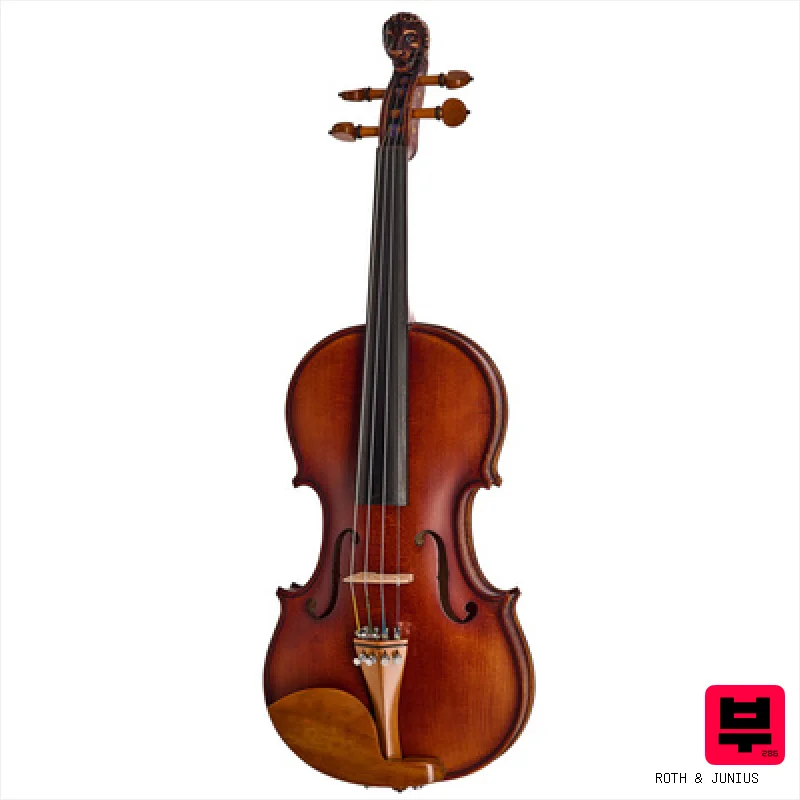
The Stentor SR1400 1/16 is a solid starter set for very young violin students. It offers a decent tone and basic functionality at an affordable price point, making it a great introduction to the instrument before investing in something more advanced.
Pros
- Spruce top provides a surprisingly resonant and clear tone for the price.
- Pau Rosa pegs and chinrest offer a comfortable playing experience.
- Fine tuners on the tailpiece simplify intonation adjustments for beginners.
Cons
- The bow, while functional, is a basic student model and may need replacing later.
- Maple back and sides, while standard, can limit tonal complexity compared to higher-grade woods.
56AudioFu
IndexStableno change since Aug 17Aug 17$179 now$179€159 at Thomann · in stockCheck price ↗ -
- Size1/8 size
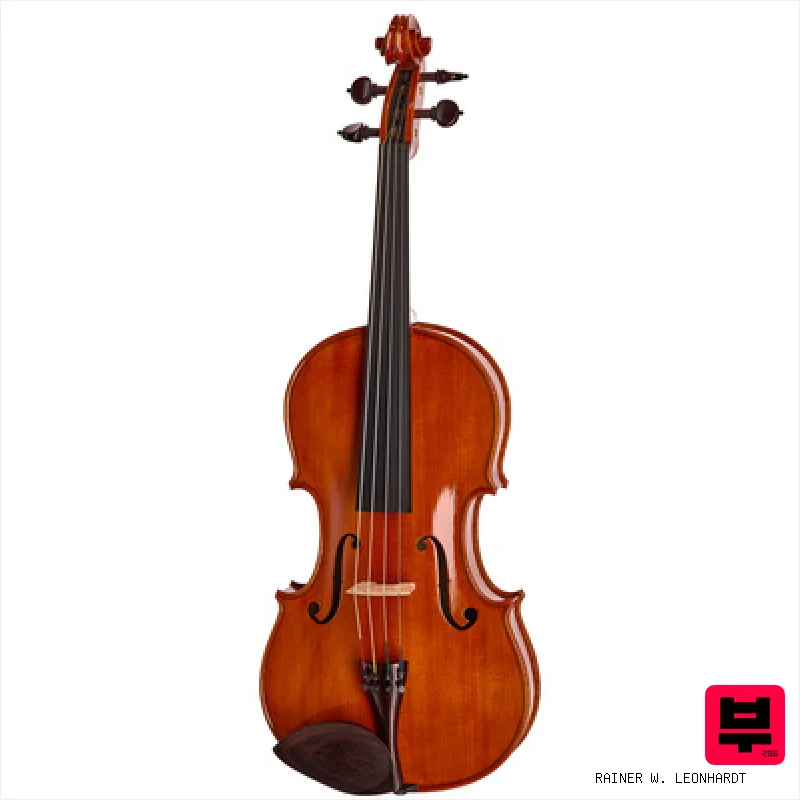
The Stentor SR1018 is a solid entry-level violin set, especially for younger beginners. It’s a well-rounded package offering a decent sound and essential accessories at a budget-friendly price point – a good starting point for a child’s musical journey.
Pros
- Spruce top offers decent projection for a student instrument
- Maple back and sides contribute to a warmer tone than basswood
- Lightweight tailpiece improves tuning stability slightly
Cons
- Bow is quite basic, lacking responsiveness and consistent weight distribution
- Fingerboard finish can feel a bit rough, requiring careful rosin application
54AudioFu
Index↓ 6.7%since Aug 17 · lowest so far$168 · Aug 17$156 now$156€139 at Thomann · in stockCheck price ↗ -
- Size1/8 size
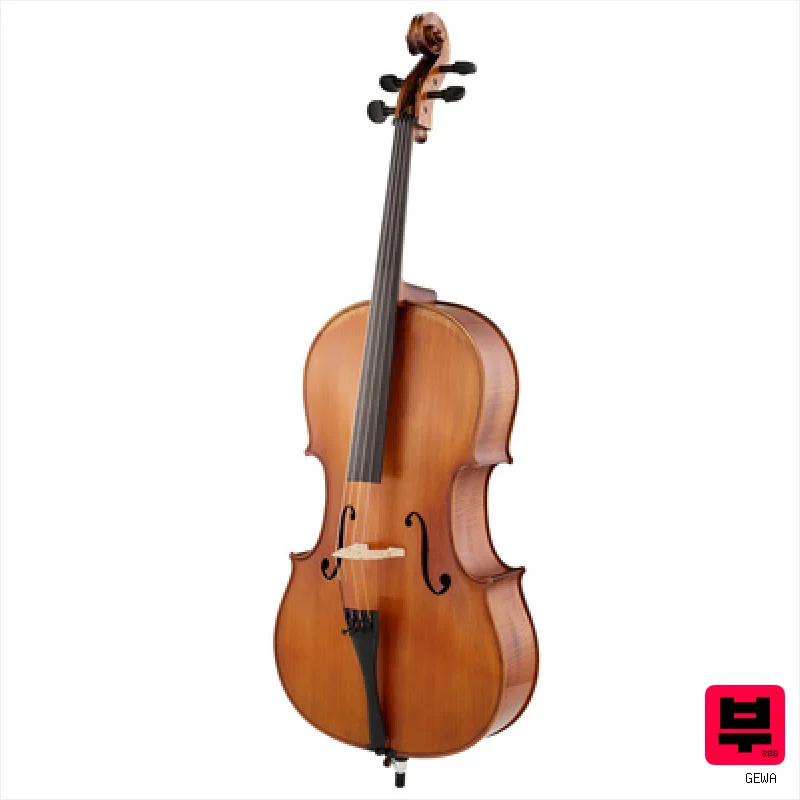
The Stentor SR1542 is a solid starter violin for younger students, especially those between 7 and 10 years old. It offers a decent tone for the price point and the included accessories make it a complete package. Expect a student-grade instrument, but one that’s well-built and ready for lessons.
Pros
- Solid spruce top provides a surprisingly warm and resonant tone.
- Ebony fingerboard and pegs offer improved durability and tuning stability.
- Hardwood chin rest contributes to a more comfortable playing experience for younger players.
Cons
- Nylon strings are standard for student instruments but lack the projection of gut or steel.
- Matte lacquer finish, while attractive, is prone to minor scuffs and scratches.
43AudioFu
IndexStableno change since Aug 17Aug 17$291 now$291€259 at Thomann · in stockCheck price ↗
1/8, 1/10, 1/16, 1/32 and 1/64 Violins by the numbers
Measured across all 31 models we track, not a sample.
Median $168 — half of all 1/8, 1/10, 1/16, 1/32 and 1/64 violins here cost less.
most common · 29 models
How to choose the best 1/8, 1/10, 1/16, 1/32 and 1/64 violins
Tonewood
Stentor generally uses spruce for the top and maple for the back and sides. It's not premium, but it's consistent - expect a fairly balanced tone, leaning slightly towards a warmer character. Don't expect that shimmering, complex resonance of a higher-grade instrument, but it's not muddy either.
Setup & Playability
This is where Stentor shines for students. The action is usually pretty reasonable right out of the box, making it easier for beginners to press down the strings. A quick setup by a luthier can really unlock the potential, though. Higher sizes (1/8, 1/10) benefit most from this.
Construction & Hardware
The fittings are functional, usually ebony or a dark composite. They're not flashy, but they're reliable. The chinrest is often a bit basic, and you might want to upgrade it later for comfort, especially for longer practice sessions.
Size & Scale
This is critical for younger players. Getting the right size is paramount for proper technique and avoiding frustration. The 1/64 is for the absolute smallest players, while the 1/8 is for older children. Don't rush the sizing; a violin that's too big will be a pain to learn on.
Overall Tone Character
Expect a focused, clear tone, not a ton of "air" or complexity. It's a good starting point for developing a solid technique and understanding intonation. The smaller sizes (1/32, 1/64) will naturally sound a bit 'quieter' and less resonant, which is normal.
Buying guide
So, you're looking at a Stentor violin for a young player? Smart move. Stentor's been a workhorse for student instruments for decades, and for good reason - they offer a solid foundation without breaking the bank. We're focusing on the 1/8, 1/10, 1/16, 1/32, and 1/64 sizes, the ones that get kids started, and it's a surprisingly nuanced choice, especially when considering the budget end of the spectrum.
Honestly, you're buying a learning instrument here. The bigger sizes (1/8, 1/10) generally offer a bit more tonal complexity than the smaller ones, but the size must be right. Don't spend a fortune - upgrades like better strings and a chinrest will yield more improvement than chasing a 'better' Stentor.
Watch out for overly low prices, as those often indicate significant compromises in setup or material quality.
How the AudioFu Index works
Five measured signals and nothing else — no stars from strangers, no “tested by experts” we didn’t do. The weights are fixed and public. We don’t play these instruments; we measure the market around them.
This chart covers 9 1/8, 1/10, 1/16, 1/32 and 1/64 violins from the Thomann catalogue (of 31 in the category). Before you buy, read hands-on reviews and, where you can, play it. Full methodology.
AudioFu earns a commission when you buy through our Thomann links. It never changes the order — the index does.
- Demand40%
How many of this exact model are for sale on Reverb right now — what musicians actually buy and resell.
- Lineup20%
How many finishes Thomann stocks — makers expand the models that sell.
- Price15%
Where the price has moved since we started tracking in August.
- Specs15%
How completely the maker documents it.
- Maker10%
How deep the brand’s range is in this category.
Questions
Are Stentor violins made in Europe?
Most Stentor violins are made in the Czech Republic, not Europe's premier violin-making regions. This keeps the price down, but it also means you won't get the same level of craftsmanship as a handmade instrument.
What's the difference between a Stentor 500 and a Stentor 200?
The 500 series generally represents a slight step up in materials and construction, offering a bit more resonance and a slightly improved varnish. It's a subtle difference, though, and often not worth the extra cost for a beginner.
Can I upgrade the strings on a Stentor?
Absolutely! Swapping the factory strings for a decent set of Dominant or Pirastro Tonica strings will make a noticeable difference in tone and playability. It's one of the best upgrades you can make.
My child's violin sounds bad. What's wrong?
It could be a number of things - the setup, the strings, or even just the player's technique. Have a luthier check the setup and consider upgrading the strings. A good teacher can also help identify and correct any technical issues.
What's the best size violin for my 6-year-old?
It's not about age; it's about arm length. Have a teacher or experienced luthier measure your child's arm to determine the correct size. Don't guess!