
Best 1/4 Violins Under $800 2026
So, you're looking at a 1/4 size violin for a young player? Smart move getting them started right. Finding a decent one under $800 isn't impossible, but it requires a little digging - these aren't like guitars where you can easily eyeball quality. We're aiming for instruments that won't stifle a budding musician's progress, even if they aren't heirloom-grade artisan instruments.
Last updated: September 29, 2026

Hamaril Violin Set 1D 1/4
- • Solid spruce top provides a surprisingly resonant and warm tone for the price.
- • Jujube tuning pegs and chinrest offer decent grip and comfort for smaller hands.
- • The included Artino shoulder rest is a comfortable and functional starting point.
- • Complete set-up in Germany suggests attention to basic playability and intonation.
- • Composite bow lacks responsiveness and nuanced control compared to a brazilwood bow.
- • Maple back and sides, while standard, can limit tonal complexity and projection.
- • The case, while functional, is likely a basic molded plastic design, not particularly protective.
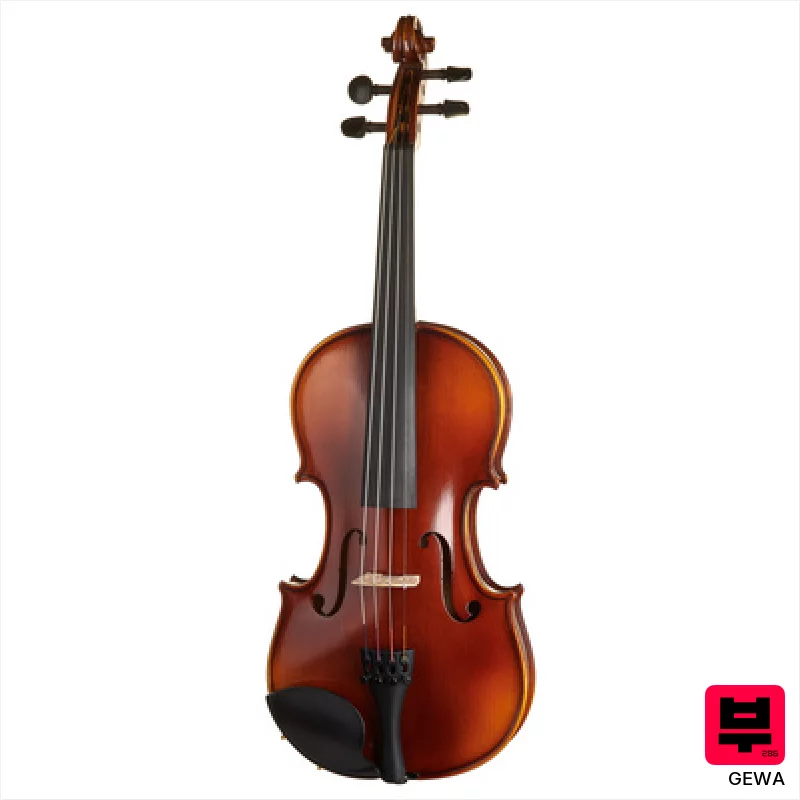
Gewa Allegro Violin Set 1/4 SC MB
- • Solid European tonewoods deliver surprisingly warm, resonant tone.
- • Hand-lacquered finish enhances the wood’s natural beauty and responsiveness.
- • Aubert bridge contributes to improved projection and clarity.
- • Massaranduba bow offers a good balance of stiffness and responsiveness.
- • The Massaranduba bow, while decent, won’t match a premium Pernambuco bow.
- • The case, while functional, is fairly basic and lacks advanced protection.
- • Fingerboard ebony can feel slightly harder than more seasoned varieties.
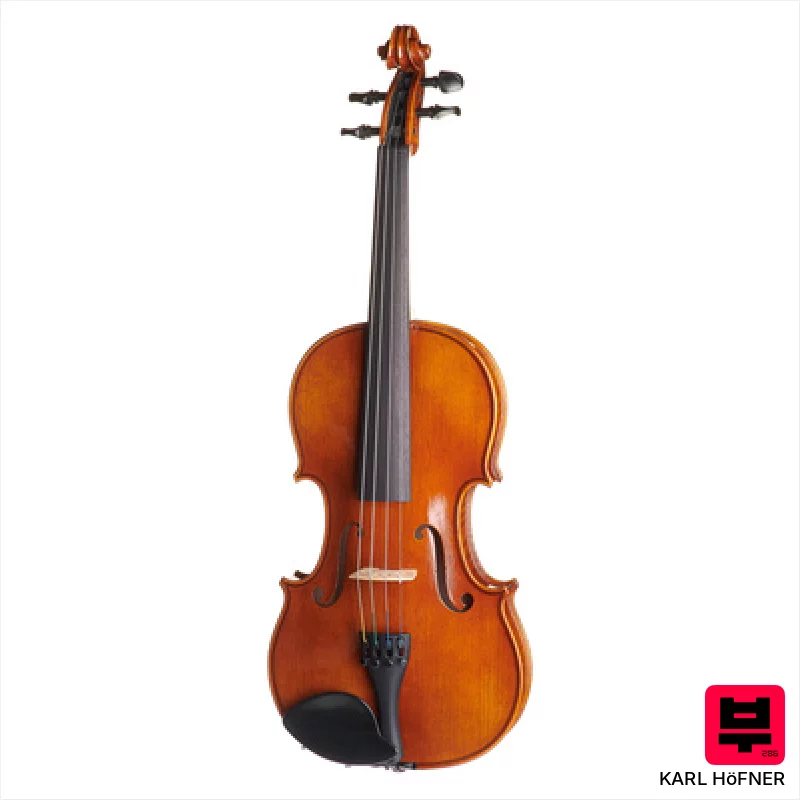
Karl Höfner H11-V Violin 1/4
- • Solid spruce top delivers a surprisingly resonant and bright tone.
- • Flame maple back and sides add warmth and complexity to the sound.
- • Wittner fine tuners allow for precise intonation adjustments, crucial for beginners.
- • Spirit varnish offers a traditional aesthetic and protects the wood well.
- • The 1/4 size can feel a little cramped for older or larger children.
- • Solid wood construction means it requires more careful humidity control than laminate instruments.
- • Spirit varnish, while beautiful, is more susceptible to scratches than modern finishes.

Gewa Maestro 2 Violin Set 1/4 OC CB
- • Solid European spruce top delivers a responsive, bright tone.
- • Well-flamed maple back/sides offer warmth and projection.
- • Aubert 'Mirecourt' bridge enhances clarity and sustain.
- • GEWA carbon bow provides consistent response and bow control.
- • Hand-applied varnish, while beautiful, may exhibit slight inconsistencies.
- • Ebony fittings, while standard, aren't necessarily the highest grade available.
- • The Larsen Aurora strings are good, but a discerning player might upgrade.
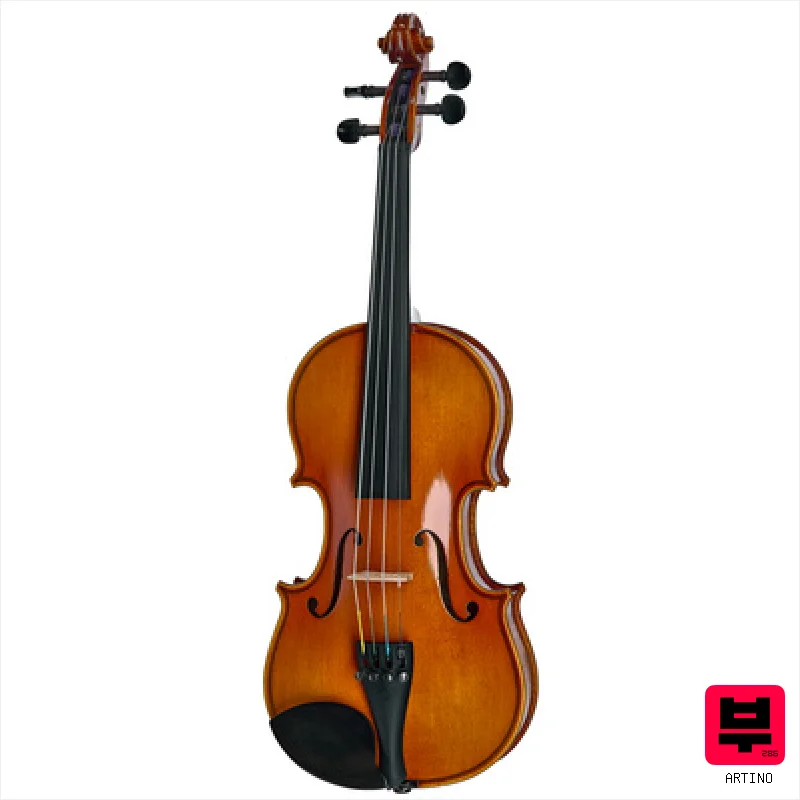
Artino European Wood Violin Set 1/4
- • Solid European spruce top ensures strong acoustic projection
- • Well-seasoned European maple back and sides for stable tuning
- • Premium Otto Musica tailpiece and Thomastik strings included
- • Hand-applied spirit varnish adds depth to the instrument's voice
- • No electronics or pickup system for recording or amplifying
- • No electronic tuner or digital features listed in the kit
- • Missing specific finish color details beyond general gold-brown
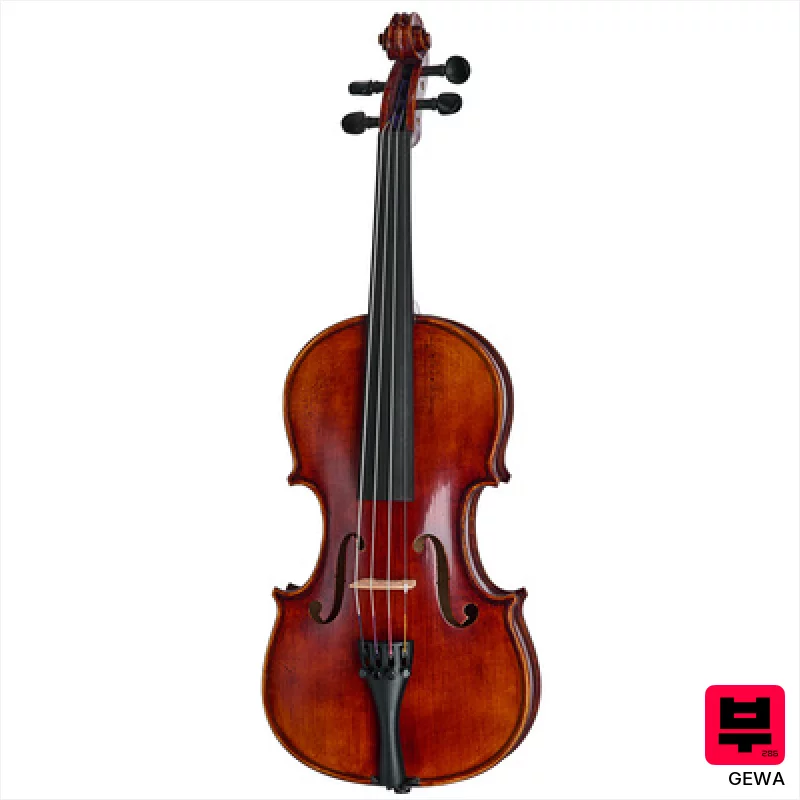
Gewa Maestro 6 Antiqued Violin 1/4
- • Solid spruce top delivers a surprisingly resonant and clear tone
- • Ebony fingerboard and pegs offer smooth playability and consistent tuning
- • The hand-varnished finish enhances the wood's natural acoustic properties
- • Inlaid purfling adds a touch of elegance and visual appeal
- • The antiqued finish might appear overly stylized to some purists
- • Larsen strings are decent, but an upgrade would significantly improve the sound
- • The bow, while functional, is a basic student model and could be improved

Gewa Maestro 1 Violin Set 1/4 OC CB
- • Solid European maple back offers warmth and resonance
- • Hand-applied varnish enhances tonal complexity and beauty
- • Aubert bridge provides excellent string transmission and tone
- • GEWA carbon bow delivers responsiveness and consistent bow feel
- • Varnish finish, while beautiful, can be susceptible to minor scratches
- • 1/4 size is best suited for younger or smaller players; may outgrow quickly
- • Rosin included is a basic model, an upgrade would improve sound
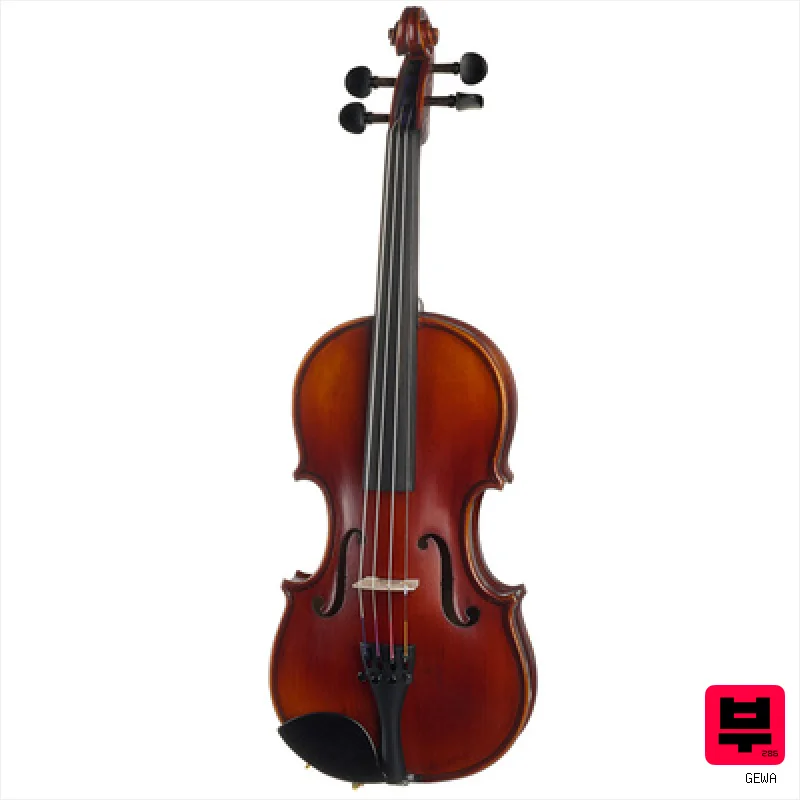
Gewa Sonata Violin Set OC / CB 1/4
- • Handmade European maple back and ribs
- • Solid spruce top for bright tone
- • Includes professional carbon bow
- • Milo Stamm bridge for stability
- • Hand-varnished finish causes slight color changes
- • Limited sound customization options
- • No electronic pickups or digital controls
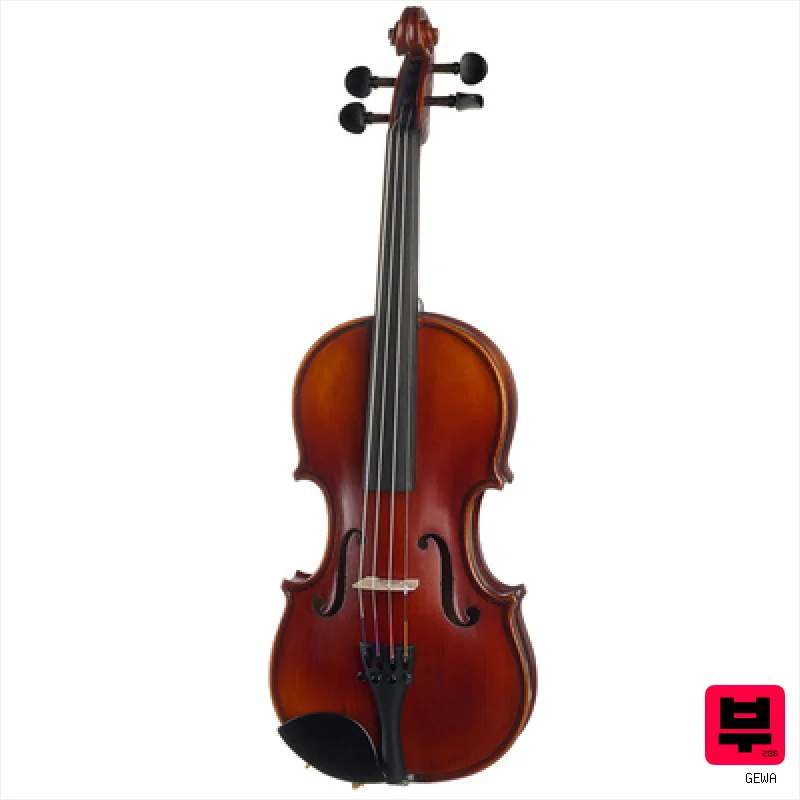
Gewa Sonata Violin Set OC / MB 1/4
- • Handmade in European workshops for quality craftsmanship.
- • Solid European spruce top and flamed maple back.
- • Includes a massaranduba bow for immediate playability.
- • Features ebony fingerboard, pegs, and chinrest stability.
- • Hand-varnished finish may cause slight color deviations.
- • Lacks electronic pickups for amplification or recording.
- • Limited to traditional string-only sound output.
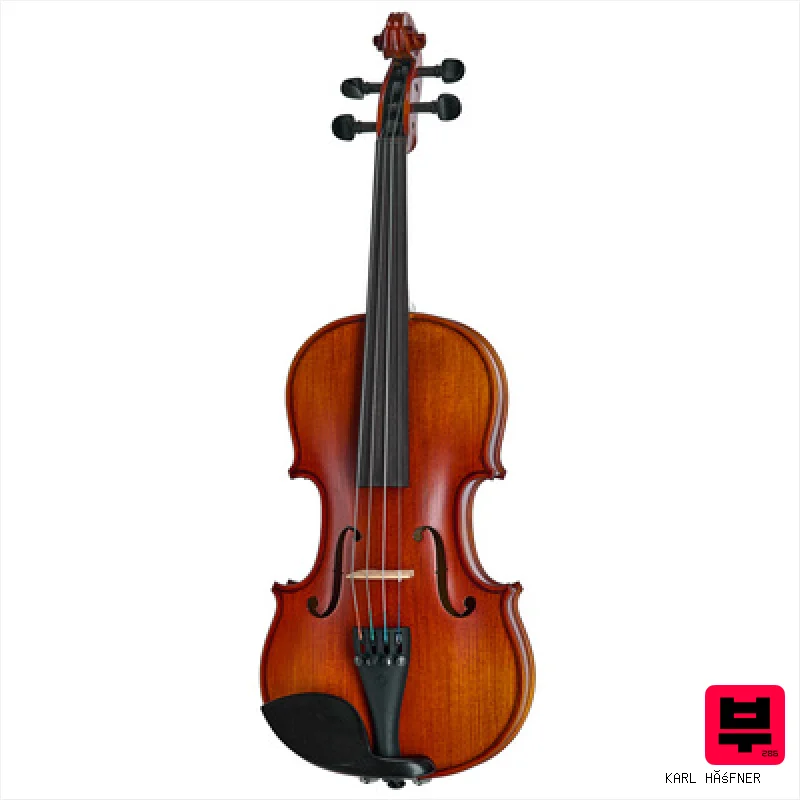
Karl Höfner H7-V Violin Set 1/4
- • Built entirely from solid wood for better resonance
- • Features slightly flamed maple top with nice grain
- • Shaded hand-applied spirit varnish adds depth to tone
- • Includes a bow and a case with backpack straps
- • No specific brand of wood listed for back and sides
- • Sound character is not described in the text
- • Missing details on bridge and fingerboard materials
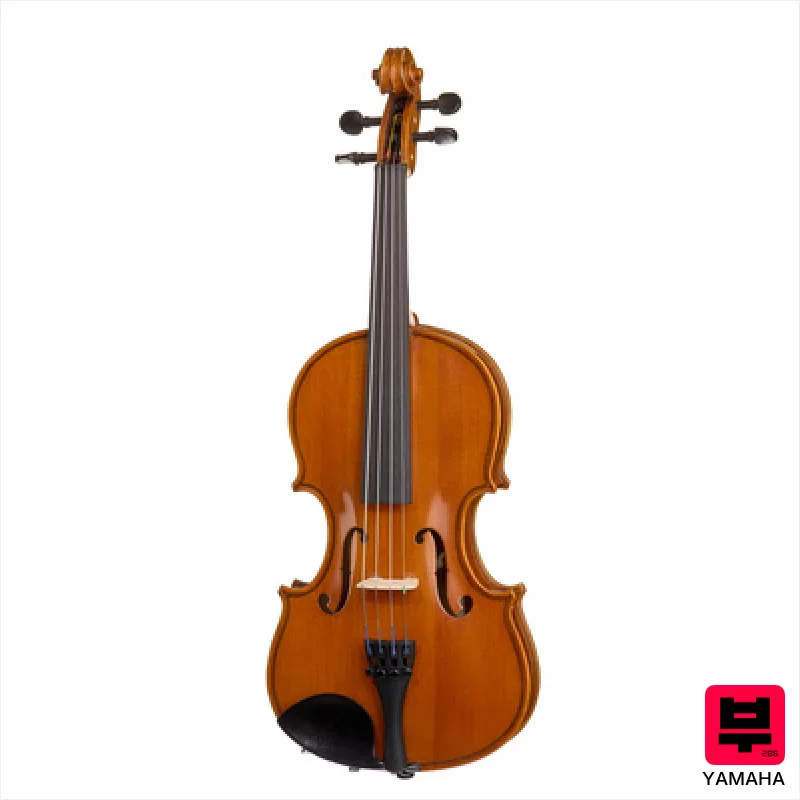
Yamaha V5 SC14 Violin 1/4
- • Solid spruce top delivers a surprisingly rich, resonant tone.
- • Hand-carved construction offers improved projection and responsiveness.
- • Ebony fingerboard provides a smooth, consistent playing surface for young fingers.
- • Wittner fine tuners allow for precise intonation adjustments, crucial for beginners.
- • The included bow is serviceable but a significant upgrade would improve tone.
- • Oil-based finish, while attractive, may require more careful maintenance to prevent stickiness.
- • 1/4 size is limited to a narrow age/size range; rapid growth necessitates future upgrades.
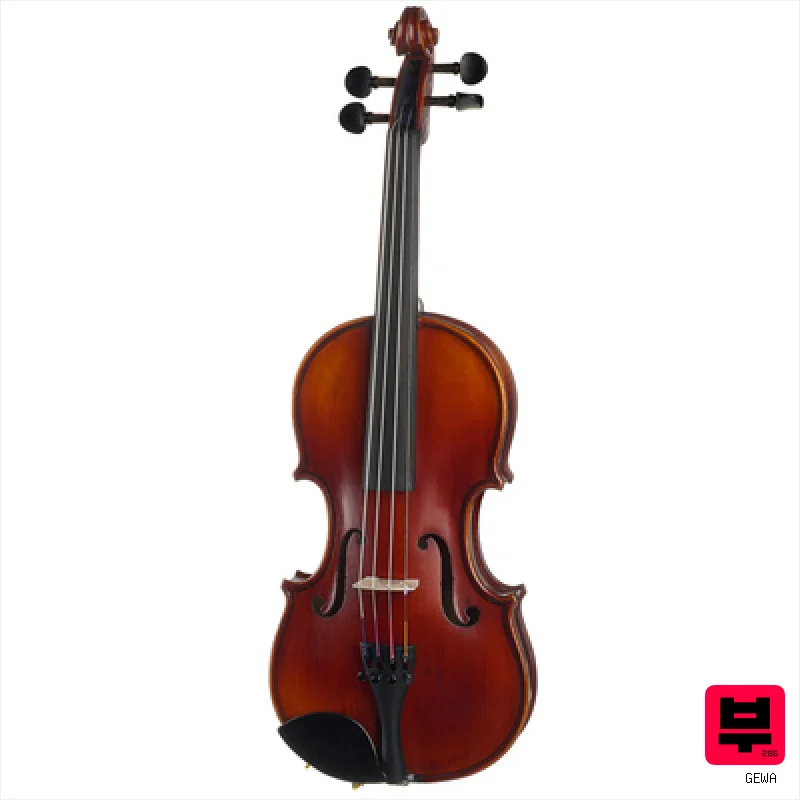
Gewa Sonata Violin Set SC / CB 1/4
- • Handmade in European workshops by skilled luthiers
- • Solid European spruce top for strong projection
- • Well flamed solid European maple back and ribs
- • Includes carbon bow and premium Larsen strings
- • Hand-varnishing causes slight color deviations
- • No electronic pickups or active controls
- • Lacks digital recording or app connectivity
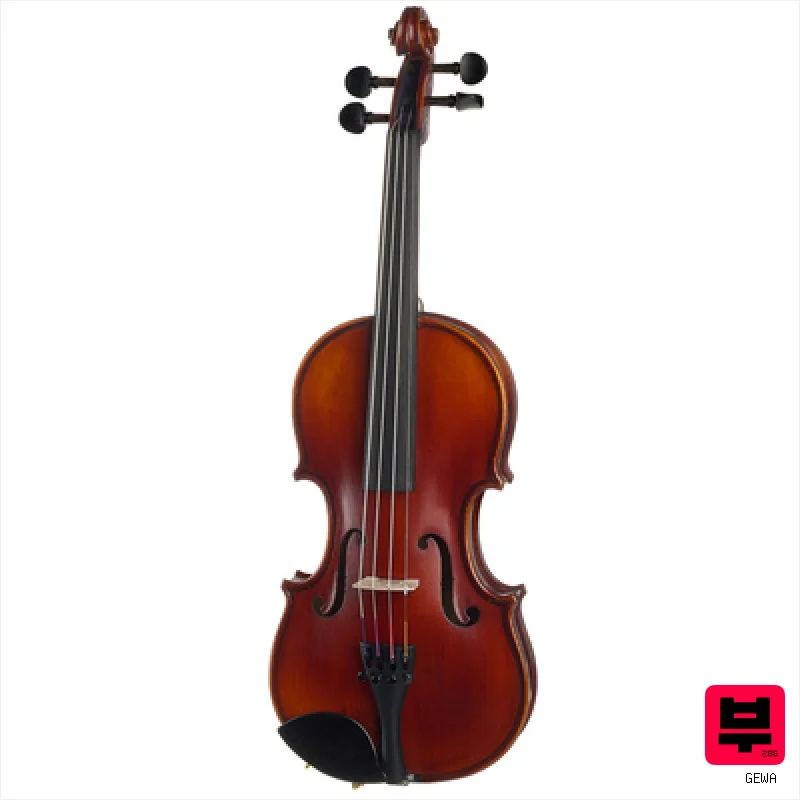
Gewa Sonata Violin Set SC / MB 1/4
- • Handmade in European workshops by Gewa luthiers.
- • Solid European spruce top for strong projection.
- • Well-flamed solid European maple back and ribs.
- • Includes high-quality Larsen Aurora strings.
- • Hand-varnishing causes slight natural color variations.
- • No electronic pickups or digital controls listed.
- • Size is fixed to 1/4 for very young players.

Roth & Junius Europe Antiqued Violin Set 1/4
- • Solid spruce top provides a surprisingly resonant and clear tone.
- • European craftsmanship generally indicates good attention to detail in construction.
- • Ebony fingerboard offers a smooth playing surface for developing technique.
- • Fine tuners on the tailpiece simplify accurate intonation for younger players.
- • The included bow is likely to be a basic model, needing eventual replacement for serious study.
- • Antiqued varnish is purely cosmetic; doesn’t affect the core sound quality.
- • The case will be functional but likely lightweight and not exceptionally durable.
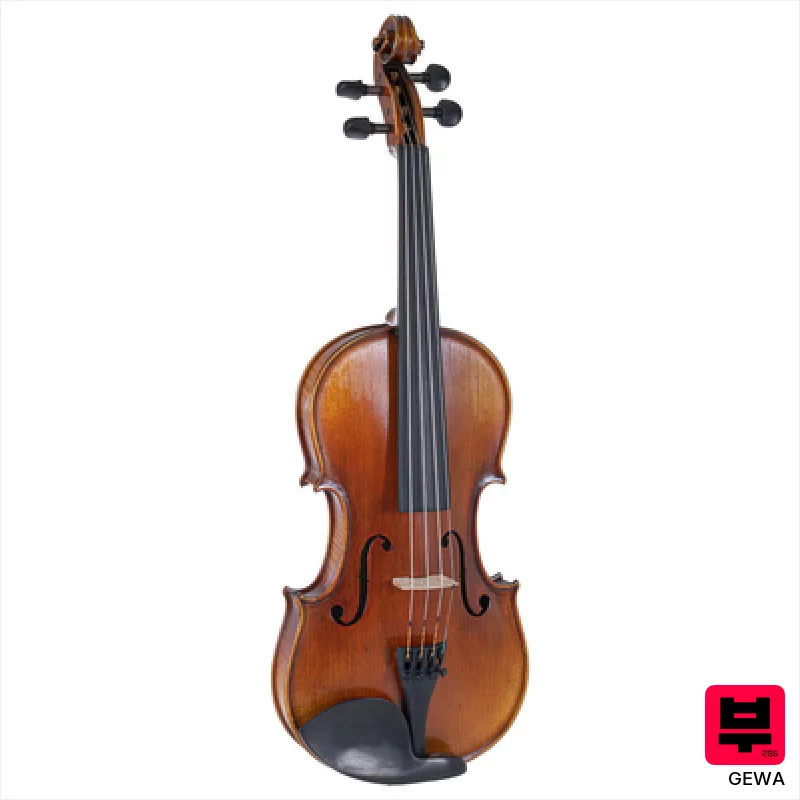
Gewa Maestro 2 Violin 1/4
- • Solid European spruce top delivers a surprisingly resonant and warm tone.
- • Well-flamed maple back and sides add richness and projection.
- • Ebony fittings and Aubert bridge contribute to improved playability and tone.
- • Inlaid purfling adds a touch of elegance and enhances perceived value.
- • Hand-applied varnish, while beautiful, can be inconsistent in finish and sheen.
- • The 'Mirecourt' bridge might require adjustment by a luthier for optimal performance.
- • While a good starter instrument, it lacks the nuanced complexity of higher-end violins.
Every 1/4 violins that matches
45 models match this page. The 15 above are covered in detail; the rest are listed here with their published specifications.
1/4 Violins by the numbers
Measured across all 45 models in this category, so «wide», «short» or «expensive» mean something you can check.
How to Choose the Best 1/4 Violins
Tonewood
Spruce tops and maple backs are standard, but the grade matters. Expect lower grades in this price range - it'll affect sustain and overall resonance. A thicker, stiffer top generally offers better projection.
Setup & Playability
A good setup - proper bridge height, soundpost placement, and nut slotting - is critical. A poorly set-up expensive violin will play worse than a well-set-up budget one. High action (string height) is a common issue and makes learning harder.
Bow Quality
Don't underestimate the bow! A stiff, unresponsive bow will make it impossible to get a good tone. Look for bows with decent horsehair and a responsive feel - it's often the biggest weakness in these kits.
Construction & Finish
Check for clean joints, even varnish, and solid hardware. Sloppy construction translates to potential instability and intonation problems down the road. A thick, goopy varnish can dampen the sound, too.
Overall Resonance & Projection
Listen for a clear, focused tone - not necessarily 'loud,' but able to cut through the mix if they're playing with others. A muddy or boxy sound indicates poor construction or low-quality materials.
Buying Guide
At this price point, you're making trade-offs. Don't expect a violin that's going to record like a professional instrument. Focus on playability - a comfortable neck profile and manageable action are far more important than a 'beautiful' varnish. Consider a reputable dealer who offers setup services; a good setup can dramatically improve an instrument's performance. And seriously, don't skimp on the bow - a better bow will make a bigger difference than a slightly nicer violin.
How This List Is Built
We don't play these instruments — we're a catalog, not a review desk, and we'd rather say so than pretend otherwise. This page covers 45 1/4 violins from the Thomann catalogue, which is the largest single source of specification data in this category: 15 in detail, the rest listed with their specifications.
Position is computed, not curated. We parse the manufacturer's own description into actual values — nut width, scale, fret count, fingerboard radius, size, alloy — and rank on them: how many specifications a model has published, how many of them are measurable numbers, and how precisely it meets this page's criterion. A product image adds a little. Price is not a ranking signal: it tells you nothing about whether a neck fits your hand. The same inputs always produce the same order, so nothing here is shuffled to look fresh.
What this list is good for: narrowing a category down to a shortlist by spec and budget. What it isn't: a substitute for hearing an instrument. Before you buy, read hands-on reviews and, where you can, play it. Full methodology.

