AudioFu Chart · October 2026
Best 1/4 Violins Under $500 2026
The top pick is Gewa Allegro Violin Set 1/4 SC MB ($359). Karl Höfner H5 V Violine 1/4 gives you the most for the money at $123. Ranked by the AudioFu Index from 26 models across 9 brands, prices checked every night.
Last updated: October 19, 2026
Top 10
Full detail for the 10 highest AudioFu Index scores. Every other model is listed below.
-
- FingerboardEbony fingerboard
- Size1/4 size
The Gewa Allegro is a solid entry-level option for younger students or beginners. The all-solid wood construction is a major plus at this price point, offering a better tone than many laminate alternatives. It's a well-rounded package that provides a good starting point for learning the violin.
Pros
- Solid European tonewoods deliver surprisingly warm, resonant tone.
- Hand-lacquered finish enhances the wood’s natural beauty and responsiveness.
- Aubert bridge contributes to improved projection and clarity.
Cons
- The Massaranduba bow, while decent, won’t match a premium Pernambuco bow.
- The case, while functional, is fairly basic and lacks advanced protection.
64AudioFu
IndexStableno change since Aug 17Aug 17$359 now$359€319 at Thomann · in stockCheck price ↗ -
- Size1/4 size
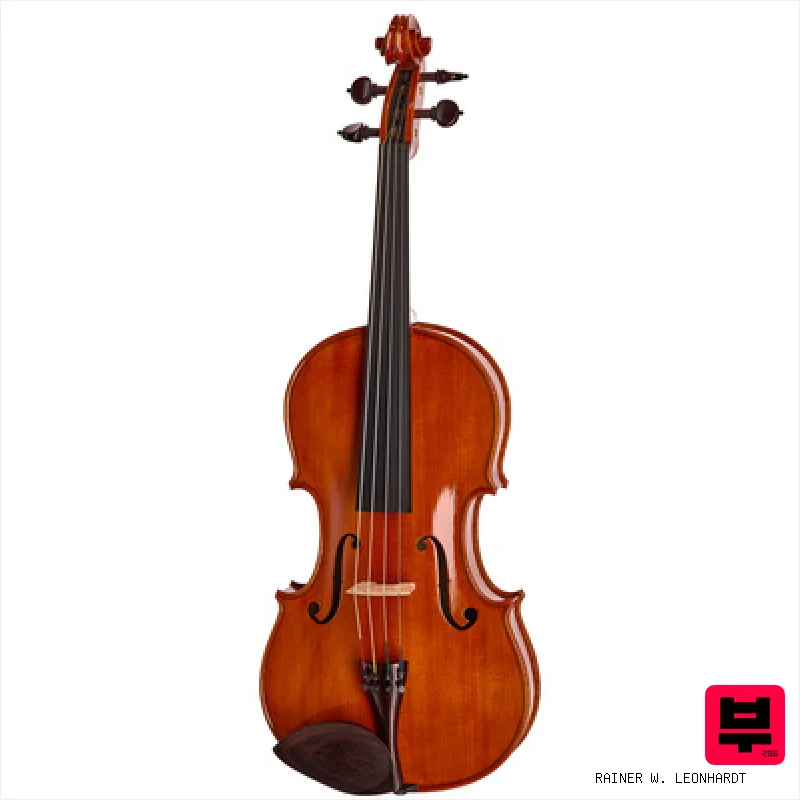
The Gewa Ideale is a solid choice for a beginner student, especially those starting around ages 7-9. The all-solid construction and decent components give it a better sound and feel than many entry-level instruments. It's a well-rounded package that provides a good foundation for learning the violin.
Pros
- Solid European tonewoods deliver a surprisingly resonant and warm tone.
- Hand-applied varnish enhances the wood's natural acoustics and appearance.
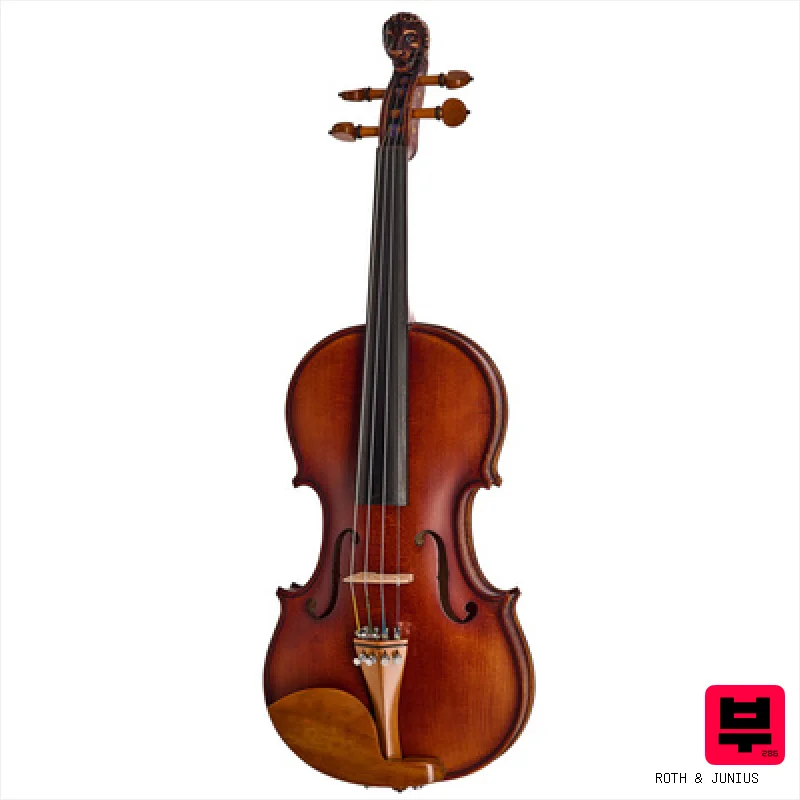
- Aubert bridge and Larsen Aurora strings contribute to a clear, focused sound.
Cons
- The carbon fiber bow, while functional, lacks the responsiveness of a higher-grade wood bow.
- The inlaid purfling, while visually appealing, is a detail that doesn’t impact sound quality.
54AudioFu
IndexStableno change since Aug 17Aug 17$401 now$401€356 at Thomann · in stockCheck price ↗ -
- Size1/4 size
This violin offers a bright voice thanks to its solid spruce top and flamed maple back. The hand-applied varnish gives it a warm, personal character that mass-produced instruments often lack. While the solid build is sturdy, it means you must handle it gently. It suits beginners who want a rich sound without needing a separate case or bow right away.
Pros
- Solid spruce top provides strong projection for young players
- Hand-applied spirit varnish adds unique depth to the tone
- Ebony fingerboard and pegs ensure smooth playability
Cons
- Solid construction limits tonal flexibility compared to laminates
- No bow or case listed in the product details
53AudioFu
Index↓ 26.8%since Aug 17 · lowest so far$168 · Aug 17$123 now$123€109 at Thomann · in stockCheck price ↗ -
Alfred Stingl by Höfner AS185 V1/
4 Violin Set A.S. Not on Reverb yet1 finish at Thomann
- Size1/4 size
This Alfred Stingl is a sturdy 1/4 size violin built with a spruce top and flamed maple body. It comes with a wooden bow and a black case that holds extra accessories. Perfect for young beginners who need a reliable instrument that sounds good right out of the box.
Pros
- Solid flamed maple back and sides for strong resonance
- Spruce top provides bright, responsive string vibration
- Metal tailpiece with fine tuners for easy pitch control
Cons
- No specified brand of wood used for the spruce top
- Missing a bridge in the provided set contents
47AudioFu
Index↓ 11.2%since Aug 17 · lowest so far$201 · Aug 17$179 now$179€159 at Thomann · in stockCheck price ↗ -
Alfred Stingl by Höfner AS 260 V1/
4 Violin Set Not on Reverb yet1 finish at Thomann
- Size1/4 size
This 1/4 size violin has a real solid spruce top and nice flamed maple body. It comes with a matching bow and case, ready for play. It's a solid choice for small kids looking for a sturdy instrument.
Pros
- Solid spruce top from Manchuria provides strong projection
- Beautifully flamed Himalayan maple back and sides
- Dark gold-brown hand-applied spirit varnish looks great
Cons
- No specific back or side wood type listed in description
- Ebony components only mentioned, no other wood details
47AudioFu
Index↓ 12.0%since Aug 17 · lowest so far$280 · Aug 17$246 now$246€219 at Thomann · in stockCheck price ↗ -
- Size1/4 size
This Gewa Pure set is a solid choice for beginners, especially younger students transitioning to a 1/4 size. The spruce top provides a pleasing, mature tone for a budget-friendly instrument, and the included accessories get them started right away. It’s a good foundation to build upon as they progress.
Pros
- Solid spruce top delivers a surprisingly resonant and warm tone.
- Ebony fingerboard and pegs contribute to improved playability and response.
- Massaranduba bow offers a decent starting point for tone production.
Cons
- The massaranduba bow will likely need replacing as skill develops.
- Solid maple back, while good, isn't as tonally complex as flamed maple.
46AudioFu
IndexStableno change since Aug 17Aug 17$263 now$263€234 at Thomann · in stockCheck price ↗ -
- Size1/4 size
The Gewa Allegro 1/4 is a solid starter violin, especially for younger students just beginning their musical journey. The European tonewoods provide a surprisingly good sound for its price point, and the ebony fittings contribute to a refined feel. It's a well-balanced instrument offering decent value for the budget-conscious family.
Pros
- Solid European spruce top delivers a surprisingly resonant tone.
- Ebony fingerboard and pegs offer a smooth playing experience.
- Hand-applied varnish enhances the wood's natural beauty and projection.
Cons
- The spirit varnish, while attractive, can be a bit thick for advanced players.
- The included bow is serviceable but a worthwhile upgrade for serious students.
46AudioFu
IndexStableno change since Aug 17Aug 17$280 now$280€249 at Thomann · in stockCheck price ↗ -
- Size1/4 size
The Gewa Ideale 1/4 is a solid entry point for young violinists. The all-solid construction and quality fittings provide a surprisingly mature sound for an instrument in this class, making it a great choice for students transitioning from fractional sizes or beginners who want a more refined feel and tone than a beginner laminate instrument.
Pros
- Solid European spruce top delivers a surprisingly resonant, mature tone.
- Hand-applied varnish enhances the wood's natural acoustic properties.
- Ebony fittings offer excellent durability and a smooth playing experience.
Cons
- The red-brown varnish can appear a bit heavy or 'orange' under certain lighting.
- While solid wood, the tonewoods are likely sourced from managed forests, not old-growth.
46AudioFu
IndexStableno change since Aug 17Aug 17$325 now$325€289 at Thomann · in stockCheck price ↗ -
- Size1/4 size
This 1/4 size violin uses solid spruce and maple, giving it a bright yet warm sound perfect for young beginners. It comes with a real hair bow and a sturdy case, making it a ready-to-play set. Ideal for children starting their string journey, it offers good value without extra electronics.
Pros
- Solid European spruce top for strong projection
- Solid European maple back and sides for warmth
- Includes a Massaranduba bow with natural hair
Cons
- No electronic pickups for amplification
- Missing a bow hair winder tool
46AudioFu
IndexStableno change since Aug 17Aug 17$393 now$393€349 at Thomann · in stockCheck price ↗ -
- Size1/4 size
The Gewa Maestro 1 1/4 is a solid starter violin for younger students or those just beginning their musical journey. The European tonewoods and hand-applied varnish give it a surprisingly mature voice for its price point. It's a dependable option that provides a good foundation for developing technique.
Pros
- Solid European spruce top delivers a responsive, clear, and balanced tone.
- Well-flamed maple back and sides add warmth and complexity to the sound.
- Aubert 'Mirecourt' bridge offers excellent transfer of string vibration for projection.
Cons
- Hand-applied varnish, while beautiful, might exhibit slight inconsistencies.
- 1/4 size is best suited for younger or smaller players, limiting its long-term use.
46AudioFu
IndexStableno change since Aug 17Aug 17$415 now$415€369 at Thomann · in stockCheck price ↗
All 26 1/4 violins
Same index, same nightly prices — compact. Colour options of one model share a row. Tap a photo to zoom.
- 11
Gewa Maestro 2 Violin 1/4Gewa46Stable$472€419$472€419Check ↗
- 12
Alfred Stingl by Höfner AS160 V1/4 ViolinsetAlfred Stingl by Höfner45↓ 6.7%$156€139$156€139Check ↗
- 13
Hamaril Violin Set 1D 1/4Hamaril45Stable$168€149$168€149Check ↗
- 14
Yamaha V5 SA14 Violin Set 1/4Yamaha · 2 finishes45Stable$448€398$448€398Check ↗
- 15
Gewa Pure Violinset HW 1/4Gewa43↑ 5.8%$185€164$185€164Check ↗
- 16
Alfred Stingl by Höfner AS060 V1/4 Violin SetAlfred Stingl by Höfner42Stable$168€149$168€149Check ↗
- 17
Stentor SR1400 Violinset 1/4Stentor42↓ 2.4%$186€165$186€165Check ↗
- 18
Alfred Stingl by Höfner AS200 V1/4 SE Violin SetAlfred Stingl by Höfner42Stable$269€239$269€239Check ↗
- 19
Alfred Stingl by Höfner AS-190-V Violin Set 1/4Alfred Stingl by Höfner42Stable$448€398$448€398Check ↗
- 20
Stentor SR1018 Violinset 1/4Stentor41Stable$156€139$156€139Check ↗
- 21
Stentor SR1542 Violin Graduate 1/4Stentor41Stable$291€259$291€259Check ↗
- 22
Stentor SR1550 Conservatoire 1/4Stentor41Stable$387€344$387€344Check ↗
- 23
Hidersine Uno Violin Set 1/4Hidersine39Stable$168€149$168€149Check ↗
- 24
Roth & Junius Estudio Violin Set 1/4Roth & Junius39Stable$246€219$246€219Check ↗
- 25
Thomann Classic Violinset 1/4Thomann38Stable$156€139$156€139Check ↗
- 26
Hidersine Vivente Violin Set 1/4Hidersine35↑ 8.7%$280€249$280€249Check ↗
1/4 Violins by the numbers
Measured across all 32 models we track, not a sample.
Median $280 — half of all 1/4 violins here cost less.
most common · 32 models
How to choose the best 1/4 violins
Tone Quality
In this price range, don't expect a warm, complex tone like a professional instrument. You're looking for something that's reasonably balanced - not overly bright or muddy. A little bit of sustain is a bonus, allowing notes to linger and be more expressive.
Playability (Action & Neck Profile)
A high action (distance between strings and fretboard) makes it a pain to play, especially for beginners. The neck profile should be comfortable for smaller hands; a thick, unwieldy neck will discourage practice.
Construction & Materials
Solid wood tops (typically spruce) are preferable to laminated tops, as they vibrate more freely and offer better tonal response. The bass bar and soundpost are crucial for tone projection; cheap instruments often skimp here.
Setup & Adjustability
A poorly set-up violin will sound and feel awful, no matter the quality. Being able to adjust the bridge, soundpost, and pegs is essential for optimizing playability and tone.
Durability & Hardware
Let's be honest, a student's instrument is going to take a beating. Sturdy chin rests, pegs that hold tune reasonably well, and a case that offers some protection are all important considerations.
Buying guide
So, your kiddo's taking up the violin? Fantastic! But dropping five figures on a Stradivarius isn't exactly realistic. Finding a decent 1/4 size violin under $500 that won't sound like a strangled cat is a challenge, but not impossible.
At this price point, you're making trade-offs. Expect a thinner, less resonant tone compared to higher-end instruments. Don't be fooled by overly glossy finishes or fancy inlays - those are cosmetic.
Prioritize a comfortable neck, a reasonable setup, and a solid top. A good luthier can often tweak a budget violin to improve its playability and tone, so factor that into your budget if you're not comfortable doing it yourself.
How the AudioFu Index works
Five measured signals and nothing else — no stars from strangers, no “tested by experts” we didn’t do. The weights are fixed and public. We don’t play these instruments; we measure the market around them.
This chart covers 32 1/4 violins from the Thomann catalogue. Before you buy, read hands-on reviews and, where you can, play it. Full methodology.
AudioFu earns a commission when you buy through our Thomann links. It never changes the order — the index does.
- Demand40%
How many of this exact model are for sale on Reverb right now — what musicians actually buy and resell.
- Lineup20%
How many finishes Thomann stocks — makers expand the models that sell.
- Price15%
Where the price has moved since we started tracking in August.
- Specs15%
How completely the maker documents it.
- Maker10%
How deep the brand’s range is in this category.
Questions
What's the difference between a solid top and a laminated top?
Solid tops are made from a single piece of wood and vibrate more freely, resulting in better tone. Laminated tops are made from layers of wood glued together - they're cheaper but sound duller and less responsive.
Are beginner violin outfits worth buying?
Absolutely. They typically include a violin, bow, rosin, and a case - a much better deal than buying each item separately. Just be aware that the bow and case are often the lowest-quality components.
How important is the bow?
Critically important. A bad bow will make even a decent violin sound terrible. Look for a bow with good balance and a responsive feel - it shouldn't be too stiff or too floppy.
Can I upgrade parts later?
Yes, definitely. The bow and strings are the easiest and most impactful upgrades. A better chin rest can also improve comfort. The bridge is another common upgrade point.
What about electric violins?
While tempting, electric violins in this price range often compromise too much on acoustic tone. It's better to get a decent acoustic violin and add a pickup later if you need amplification.