AudioFu Chart · October 2026
Best 1/4 Violins 2026
The top pick is Gewa Allegro Violin Set 1/4 SC MB ($359). Karl Höfner H5 V Violine 1/4 gives you the most for the money at $123. Ranked by the AudioFu Index from 38 models across 10 brands, prices checked every night.
Last updated: October 19, 2026
Narrow the chart
All 1/4 ViolinsTop 10
Full detail for the 10 highest AudioFu Index scores. Every other model is listed below.
-
- FingerboardEbony fingerboard
- Size1/4 size
The Gewa Allegro is a solid entry-level option for younger students or beginners. The all-solid wood construction is a major plus at this price point, offering a better tone than many laminate alternatives. It's a well-rounded package that provides a good starting point for learning the violin.
Pros
- Solid European tonewoods deliver surprisingly warm, resonant tone.
- Hand-lacquered finish enhances the wood’s natural beauty and responsiveness.
- Aubert bridge contributes to improved projection and clarity.
Cons
- The Massaranduba bow, while decent, won’t match a premium Pernambuco bow.
- The case, while functional, is fairly basic and lacks advanced protection.
64AudioFu
IndexStableno change since Aug 17Aug 17$359 now$359€319 at Thomann · in stockCheck price ↗ -
- Size1/4 size
The Gewa Ideale is a solid choice for a beginner student, especially those starting around ages 7-9. The all-solid construction and decent components give it a better sound and feel than many entry-level instruments. It's a well-rounded package that provides a good foundation for learning the violin.
Pros
- Solid European tonewoods deliver a surprisingly resonant and warm tone.
- Hand-applied varnish enhances the wood's natural acoustics and appearance.
- Aubert bridge and Larsen Aurora strings contribute to a clear, focused sound.
Cons
- The carbon fiber bow, while functional, lacks the responsiveness of a higher-grade wood bow.
- The inlaid purfling, while visually appealing, is a detail that doesn’t impact sound quality.
54AudioFu
IndexStableno change since Aug 17Aug 17$401 now$401€356 at Thomann · in stockCheck price ↗ -
- Size1/4 size
This violin offers a bright voice thanks to its solid spruce top and flamed maple back. The hand-applied varnish gives it a warm, personal character that mass-produced instruments often lack. While the solid build is sturdy, it means you must handle it gently. It suits beginners who want a rich sound without needing a separate case or bow right away.
Pros
- Solid spruce top provides strong projection for young players
- Hand-applied spirit varnish adds unique depth to the tone
- Ebony fingerboard and pegs ensure smooth playability
Cons
- Solid construction limits tonal flexibility compared to laminates
- No bow or case listed in the product details
53AudioFu
Index↓ 26.8%since Aug 17 · lowest so far$168 · Aug 17$123 now$123€109 at Thomann · in stockCheck price ↗ -
Alfred Stingl by Höfner AS185 V1/
4 Violin Set A.S. Not on Reverb yet1 finish at Thomann
- Size1/4 size
This Alfred Stingl is a sturdy 1/4 size violin built with a spruce top and flamed maple body. It comes with a wooden bow and a black case that holds extra accessories. Perfect for young beginners who need a reliable instrument that sounds good right out of the box.
Pros
- Solid flamed maple back and sides for strong resonance
- Spruce top provides bright, responsive string vibration
- Metal tailpiece with fine tuners for easy pitch control
Cons
- No specified brand of wood used for the spruce top
- Missing a bridge in the provided set contents
47AudioFu
Index↓ 11.2%since Aug 17 · lowest so far$201 · Aug 17$179 now$179€159 at Thomann · in stockCheck price ↗ -
Alfred Stingl by Höfner AS 260 V1/
4 Violin Set Not on Reverb yet1 finish at Thomann
- Size1/4 size
This 1/4 size violin has a real solid spruce top and nice flamed maple body. It comes with a matching bow and case, ready for play. It's a solid choice for small kids looking for a sturdy instrument.
Pros
- Solid spruce top from Manchuria provides strong projection
- Beautifully flamed Himalayan maple back and sides
- Dark gold-brown hand-applied spirit varnish looks great
Cons
- No specific back or side wood type listed in description
- Ebony components only mentioned, no other wood details
47AudioFu
Index↓ 12.0%since Aug 17 · lowest so far$280 · Aug 17$246 now$246€219 at Thomann · in stockCheck price ↗ -
- Size1/4 size
This Gewa Pure set is a solid choice for beginners, especially younger students transitioning to a 1/4 size. The spruce top provides a pleasing, mature tone for a budget-friendly instrument, and the included accessories get them started right away. It’s a good foundation to build upon as they progress.
Pros
- Solid spruce top delivers a surprisingly resonant and warm tone.
- Ebony fingerboard and pegs contribute to improved playability and response.
- Massaranduba bow offers a decent starting point for tone production.
Cons
- The massaranduba bow will likely need replacing as skill develops.
- Solid maple back, while good, isn't as tonally complex as flamed maple.
46AudioFu
IndexStableno change since Aug 17Aug 17$263 now$263€234 at Thomann · in stockCheck price ↗ -
- Size1/4 size
The Gewa Allegro 1/4 is a solid starter violin, especially for younger students just beginning their musical journey. The European tonewoods provide a surprisingly good sound for its price point, and the ebony fittings contribute to a refined feel. It's a well-balanced instrument offering decent value for the budget-conscious family.
Pros
- Solid European spruce top delivers a surprisingly resonant tone.
- Ebony fingerboard and pegs offer a smooth playing experience.
- Hand-applied varnish enhances the wood's natural beauty and projection.
Cons
- The spirit varnish, while attractive, can be a bit thick for advanced players.
- The included bow is serviceable but a worthwhile upgrade for serious students.
46AudioFu
IndexStableno change since Aug 17Aug 17$280 now$280€249 at Thomann · in stockCheck price ↗ -
- Size1/4 size
The Gewa Ideale 1/4 is a solid entry point for young violinists. The all-solid construction and quality fittings provide a surprisingly mature sound for an instrument in this class, making it a great choice for students transitioning from fractional sizes or beginners who want a more refined feel and tone than a beginner laminate instrument.
Pros
- Solid European spruce top delivers a surprisingly resonant, mature tone.
- Hand-applied varnish enhances the wood's natural acoustic properties.
- Ebony fittings offer excellent durability and a smooth playing experience.
Cons
- The red-brown varnish can appear a bit heavy or 'orange' under certain lighting.
- While solid wood, the tonewoods are likely sourced from managed forests, not old-growth.
46AudioFu
IndexStableno change since Aug 17Aug 17$325 now$325€289 at Thomann · in stockCheck price ↗ -
- Size1/4 size
This 1/4 size violin uses solid spruce and maple, giving it a bright yet warm sound perfect for young beginners. It comes with a real hair bow and a sturdy case, making it a ready-to-play set. Ideal for children starting their string journey, it offers good value without extra electronics.
Pros
- Solid European spruce top for strong projection
- Solid European maple back and sides for warmth
- Includes a Massaranduba bow with natural hair
Cons
- No electronic pickups for amplification
- Missing a bow hair winder tool
46AudioFu
IndexStableno change since Aug 17Aug 17$393 now$393€349 at Thomann · in stockCheck price ↗ -
- Size1/4 size
The Gewa Maestro 1 1/4 is a solid starter violin for younger students or those just beginning their musical journey. The European tonewoods and hand-applied varnish give it a surprisingly mature voice for its price point. It's a dependable option that provides a good foundation for developing technique.
Pros
- Solid European spruce top delivers a responsive, clear, and balanced tone.
- Well-flamed maple back and sides add warmth and complexity to the sound.
- Aubert 'Mirecourt' bridge offers excellent transfer of string vibration for projection.
Cons
- Hand-applied varnish, while beautiful, might exhibit slight inconsistencies.
- 1/4 size is best suited for younger or smaller players, limiting its long-term use.
46AudioFu
IndexStableno change since Aug 17Aug 17$415 now$415€369 at Thomann · in stockCheck price ↗
All 38 1/4 violins
Same index, same nightly prices — compact. Colour options of one model share a row. Tap a photo to zoom.
- 11
Gewa Maestro 2 Violin 1/4Gewa46Stable$472€419$472€419Check ↗
- 12
Gewa Sonata Violin Set SC / MB 1/4Gewa46Stable$505€449$505€449Check ↗
- 13
Gewa Sonata Violin Set SC / CB 1/4Gewa46Stable$528€469$528€469Check ↗
- 14
Gewa Sonata Violin Set OC / MB 1/4Gewa46Stable$560€498$560€498Check ↗
- 15
Gewa Sonata Violin Set OC / CB 1/4Gewa46Stable$584€519$584€519Check ↗
- 16
Gewa Maestro 1 Violin Set 1/4 OC CBGewa46Stable$591€525$591€525Check ↗
- 17
Gewa Maestro 6 Antiqued Violin 1/4Gewa46Stable$595€529$595€529Check ↗
- 18
Gewa Maestro 2 Violin Set 1/4 OC CBGewa46Stable$618€549$618€549Check ↗
- 19
Alfred Stingl by Höfner AS160 V1/4 ViolinsetAlfred Stingl by Höfner45↓ 6.7%$156€139$156€139Check ↗
- 20
Hamaril Violin Set 1D 1/4Hamaril45Stable$168€149$168€149Check ↗
- 21
Yamaha V5 SA14 Violin Set 1/4Yamaha · 2 finishes45Stable$448€398$448€398Check ↗
- 22
Gewa Pure Violinset HW 1/4Gewa43↑ 5.8%$185€164$185€164Check ↗
- 23
Alfred Stingl by Höfner AS060 V1/4 Violin SetAlfred Stingl by Höfner42Stable$168€149$168€149Check ↗
- 24
Stentor SR1400 Violinset 1/4Stentor42↓ 2.4%$186€165$186€165Check ↗
- 25
Alfred Stingl by Höfner AS200 V1/4 SE Violin SetAlfred Stingl by Höfner42Stable$269€239$269€239Check ↗
- 26
Alfred Stingl by Höfner AS-190-V Violin Set 1/4Alfred Stingl by Höfner42Stable$448€398$448€398Check ↗
- 27
Stentor SR1018 Violinset 1/4Stentor41Stable$156€139$156€139Check ↗
- 28
Stentor SR1542 Violin Graduate 1/4Stentor41Stable$291€259$291€259Check ↗
- 29
Stentor SR1550 Conservatoire 1/4Stentor41Stable$387€344$387€344Check ↗
- 30
Karl Höfner H7-V Violin Set 1/4Karl Höfner41Stable$560€498$560€498Check ↗
- 31
Karl Höfner H11-V Violin 1/4Karl Höfner41Stable$673€598$673€598Check ↗
- 32
Yamaha V7 SG14 Violin 1/4Yamaha40Stable$888€789$888€789Check ↗
- 33
Hidersine Uno Violin Set 1/4Hidersine39Stable$168€149$168€149Check ↗
- 34
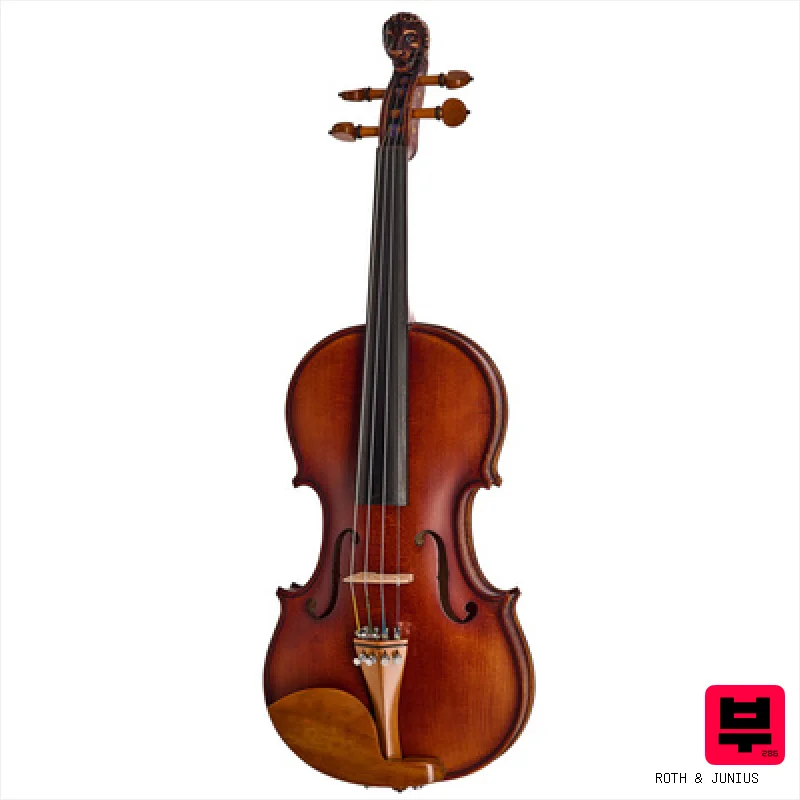
Roth & Junius Estudio Violin Set 1/4Roth & Junius39Stable$246€219$246€219Check ↗
- 35
Roth & Junius Europe Antiqued Violin Set 1/4Roth & Junius39Stable$505€449$505€449Check ↗
- 36
Thomann Classic Violinset 1/4Thomann38Stable$156€139$156€139Check ↗
- 37
Artino European Wood Violin Set 1/4Artino38Stable$595€529$595€529Check ↗
- 38
Hidersine Vivente Violin Set 1/4Hidersine35↑ 8.7%$280€249$280€249Check ↗
1/4 Violins by the numbers
Measured across all 45 models we track, not a sample.
Median $393 — half of all 1/4 violins here cost less.
most common · 45 models
How to choose the best 1/4 violins
Tonewood
Spruce tops and maple backs are standard, but the grade of wood matters. Higher-grade spruce generally offers better projection and a more responsive feel. Lower grades can sound a bit dull and lifeless - not ideal for keeping a student engaged.
Setup & Action
This is critical. A 1/4 violin needs a low, comfortable action (string height) so small hands can press the strings without excessive effort. A high action leads to frustration and bad habits. Many cheaper instruments ship with ridiculously high action; factor in a setup from a luthier if you're not comfortable doing it yourself.
Bassbar & Soundpost
These internal components are vital for tone. A poorly fitted or low-quality bassbar will result in a weak, muddy low-end. The soundpost's placement dramatically impacts resonance - a bad placement kills sustain and overall responsiveness.
Chinrest & Shoulder Rest
Comfort is key. A poorly shaped chinrest or an uncomfortable shoulder rest can make playing unbearable. While these are often aftermarket add-ons, consider the included options and be prepared to upgrade for better ergonomics.
Bow Quality
Don't neglect the bow! A stiff, poorly balanced bow makes bowing difficult and limits tone production. A decent bow will allow for smoother bow strokes and a more controlled sound - it's as important as the instrument itself.
Buying guide
So, your budding musician needs a 1/4 size violin? It's a crucial step, and trust me, a bad instrument can kill the joy of learning. We've seen it happen. You want something that's playable, sounds decent enough to keep them motivated, and won't drive you crazy as the parent/teacher. Let's break down what to look for in a 1/4 violin that won't leave you regretting your investment.
Honestly, expect to spend at least $150-$200 for something remotely acceptable. The biggest corners cut on cheaper instruments are in the wood quality and the setup. Don't be swayed by flashy finishes or included accessories; focus on playability and tone.
A good luthier's setup can dramatically improve even a modest instrument, but factor that cost in upfront. A little extra spent now can prevent years of frustration later.
How the AudioFu Index works
Five measured signals and nothing else — no stars from strangers, no “tested by experts” we didn’t do. The weights are fixed and public. We don’t play these instruments; we measure the market around them.
This chart covers 45 1/4 violins from the Thomann catalogue. Before you buy, read hands-on reviews and, where you can, play it. Full methodology.
AudioFu earns a commission when you buy through our Thomann links. It never changes the order — the index does.
- Demand40%
How many of this exact model are for sale on Reverb right now — what musicians actually buy and resell.
- Lineup20%
How many finishes Thomann stocks — makers expand the models that sell.
- Price15%
Where the price has moved since we started tracking in August.
- Specs15%
How completely the maker documents it.
- Maker10%
How deep the brand’s range is in this category.
Questions
What's the difference between a 'student' and a 'beginner' violin?
Marketing. They're often the same thing. 'Student' usually implies a slightly more basic construction and materials, but the terms are often used interchangeably.
Can I buy a used 1/4 violin?
Absolutely! Used instruments can be a great value, but always have a luthier check the setup and soundpost before buying. A cracked top or poorly fitted components can be costly to repair.
My child is growing quickly - should I buy a larger size?
No. Jumping sizes too soon can lead to poor posture and technique. Let them grow into the 1/4 size; rushing it is more likely to create bad habits than to save money later.
What about electric violins for kids?
Electric violins can be fun and engaging, but ensure the pickup voicing is natural and doesn't introduce unwanted harshness. A poor pickup can make even a good acoustic violin sound awful amplified - think ice-picky high end instead of a warm, balanced tone.
How do I know if the soundpost is properly placed?
You don't unless you're a luthier. It's a delicate adjustment that affects the instrument's tone dramatically. If the violin sounds weak or has an uneven tone, the soundpost might be the culprit - it's worth having a professional check it.