
Best 1/4 Violins Under $200 2026
So, you're looking for a 1/4 size violin for a young player without breaking the bank? It's a tricky spot - you want something that'll inspire them, not frustrate them with poor tone and uncomfortable playability. Forget the super-cheap plastic toys; we've tracked down a few options that offer genuine value under $200, balancing affordability with something resembling a decent playing experience. Let's be real, you're not getting a Stradivarius here, but we can find something that won't make you cringe.
Last updated: September 30, 2026

Hamaril Violin Set 1D 1/4
- • Solid spruce top provides a surprisingly resonant and warm tone for the price.
- • Jujube tuning pegs and chinrest offer decent grip and comfort for smaller hands.
- • The included Artino shoulder rest is a comfortable and functional starting point.
- • Complete set-up in Germany suggests attention to basic playability and intonation.
- • Composite bow lacks responsiveness and nuanced control compared to a brazilwood bow.
- • Maple back and sides, while standard, can limit tonal complexity and projection.
- • The case, while functional, is likely a basic molded plastic design, not particularly protective.
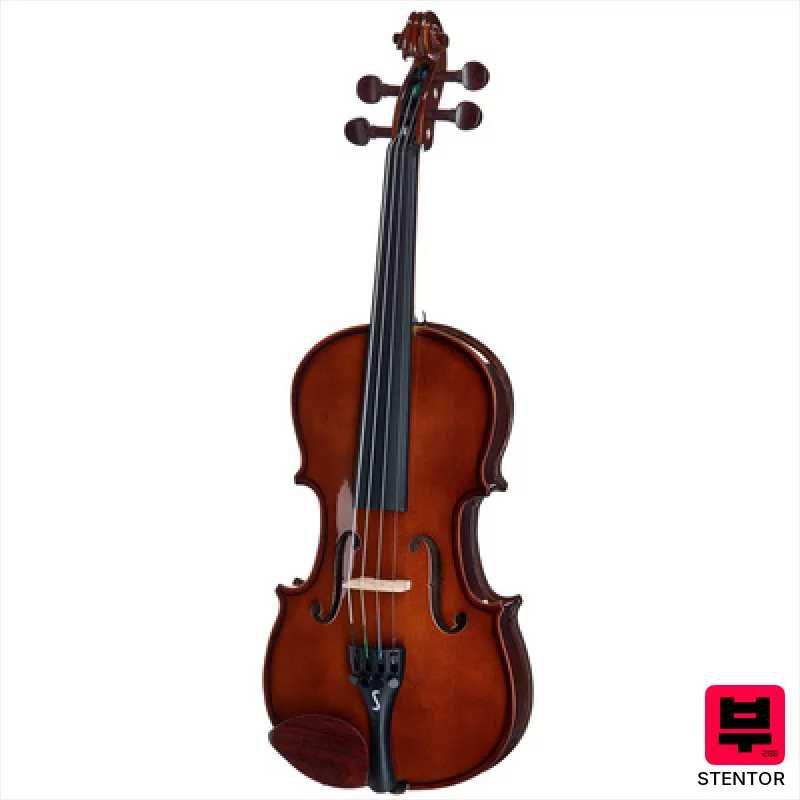
Stentor SR1400 Violinset 1/4
- • Spruce top delivers a surprisingly resonant and clear tone for the price.
- • Pau Rosa pegs offer smooth, reliable tuning adjustments.
- • Malas fingerboard provides a decent playing surface for beginner hands.
- • Included case offers basic protection and portability for lessons.
- • The bow is quite basic, lacking responsiveness and requiring more effort to produce a good sound.
- • Maple back and sides are standard, but the finish is quite thin and utilitarian.
- • Fine tuners can feel a bit flimsy and may require replacement over time.
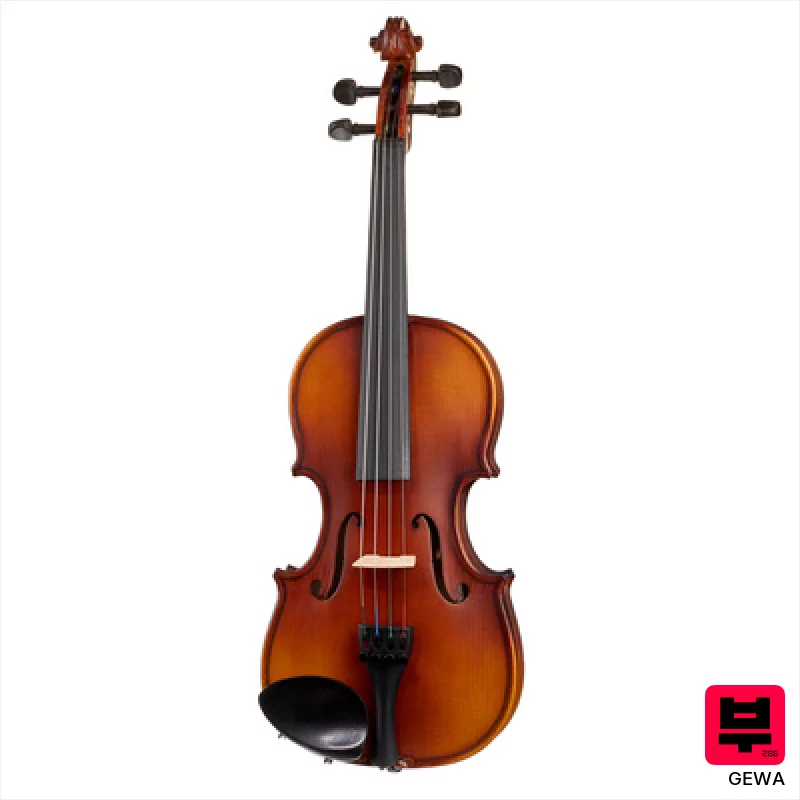
Gewa Pure Violinset HW 1/4
- • Solid spruce top offers a surprisingly bright, resonant tone.
- • Massaranduba bow provides a decent starting point for bow control.
- • Inlaid purfling adds a touch of visual elegance, uncommon at this price.
- • Lightweight case makes transport easier for younger students.
- • The hardwood fingerboard can feel a bit harder than ebony, impacting playability.
- • The included rosin might require frequent application to maintain bow response.
- • Solid maple back, while functional, lacks the tonal complexity of flamed maple.

Alfred Stingl by Höfner AS185 V1/4 Violin Set A.S.
- • Solid flamed maple back and sides for strong resonance
- • Spruce top provides bright, responsive string vibration
- • Metal tailpiece with fine tuners for easy pitch control
- • Wooden bow with round stick offers comfortable grip
- • No specified brand of wood used for the spruce top
- • Missing a bridge in the provided set contents
- • No rosin or cleaning cloth included with purchase
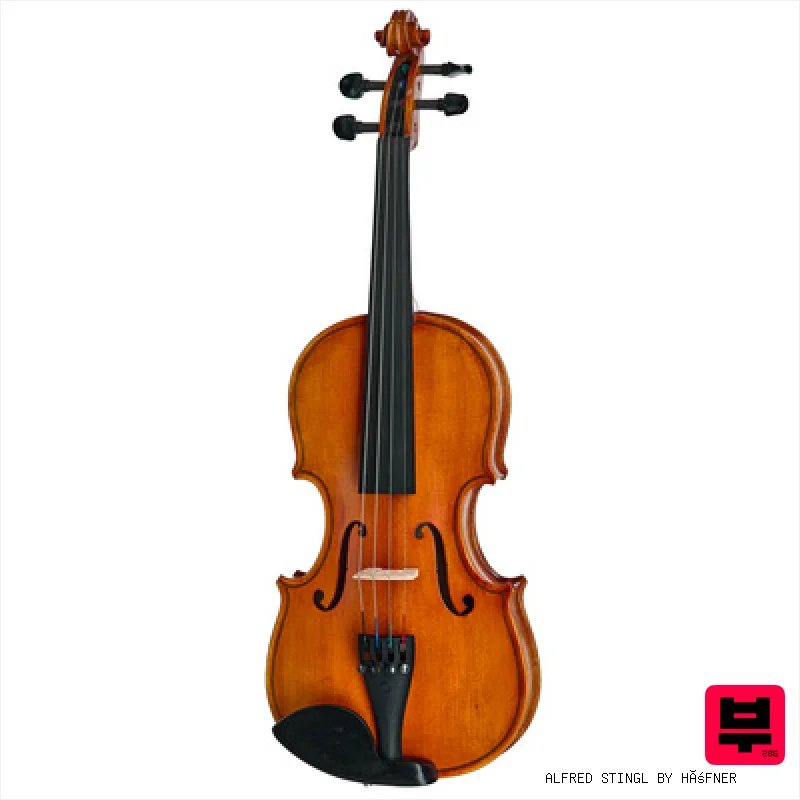
Alfred Stingl by Höfner AS-170-V Violin Set 1/4
- • Solid wood body with slightly flamed grain pattern
- • Gold-brown hand-applied spirit varnish finish
- • Ebony fingerboard and carbon bow included
- • Fine tuners on the tailpiece for pitch accuracy
- • No wood type specified for back and sides
- • Chinrest and pegs are not described in detail
- • Bridge material is only listed as maple

Alfred Stingl by Höfner AS060 V1/4 Violin Set
- • Solid spruce top provides genuine resonance for young players
- • Maple back and sides add structural strength and warmth
- • Metal tailpiece with fine tuners aids intonation control
- • Wooden chin rest and pegs offer comfortable support
- • No electronics or pickups included for amplified play
- • Bow has a round stick which may lack modern grip
- • Case interior lacks dedicated storage for extra accessories
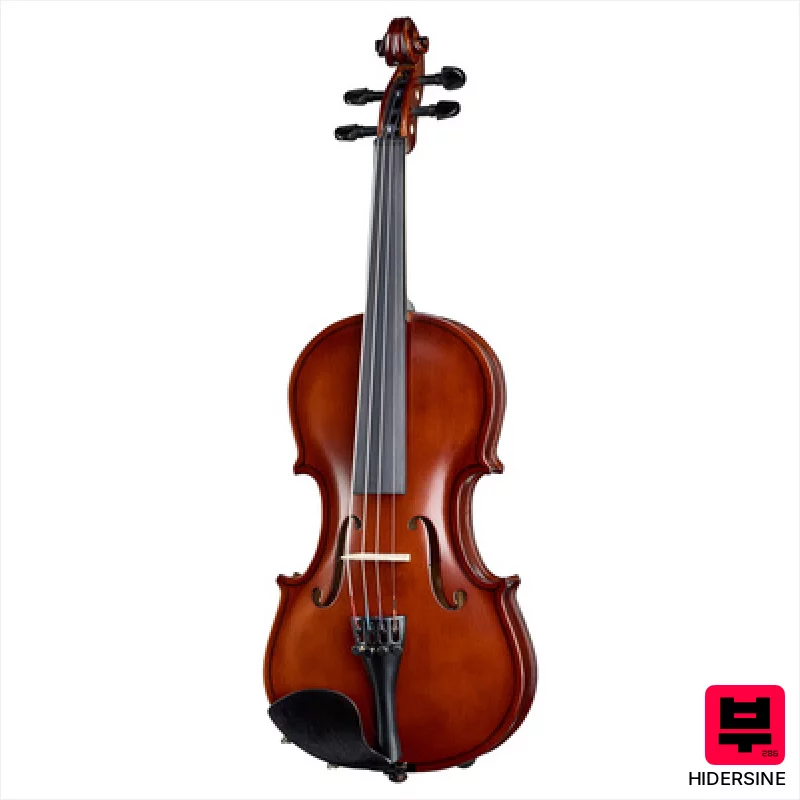
Hidersine Uno Violin Set 1/4
- • Solid spruce top offers surprisingly good projection for the price.
- • Ebony fingerboard provides a smoother playing experience than many in this range.
- • Well-fitted ebony pegs allow for reasonably stable tuning, a key for beginners.
- • The included case, while basic, offers adequate protection for transport.
- • Laminated back and sides limit tonal complexity compared to solid wood instruments.
- • The included bow is functional, but lacks responsiveness and advanced player feel.
- • Steel strings can be harsh for sensitive ears; consider upgrading for comfort.
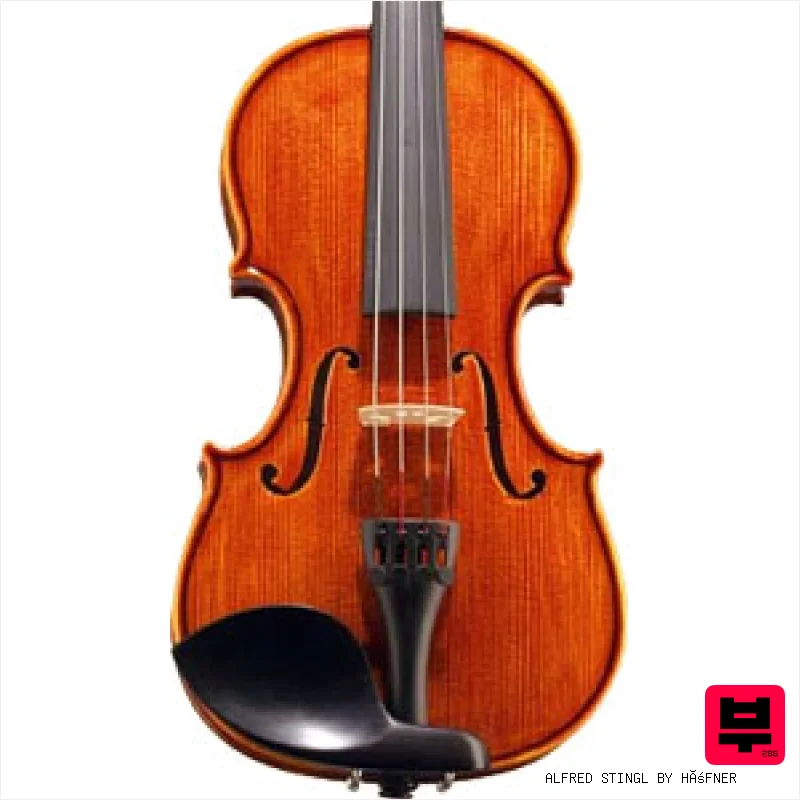
Alfred Stingl by Höfner AS160 V1/4 Violinset
- • Solid spruce top from Manchuria provides strong projection
- • Himalayan maple back and sides offer rich resonance
- • Ebony components add a premium feel to the instrument
- • Shaped hard foam case protects the violin well
- • No specific finish description beyond gold-brown color
- • Fine tuners are on the tailpiece only
- • Polished steel strings may not suit all players
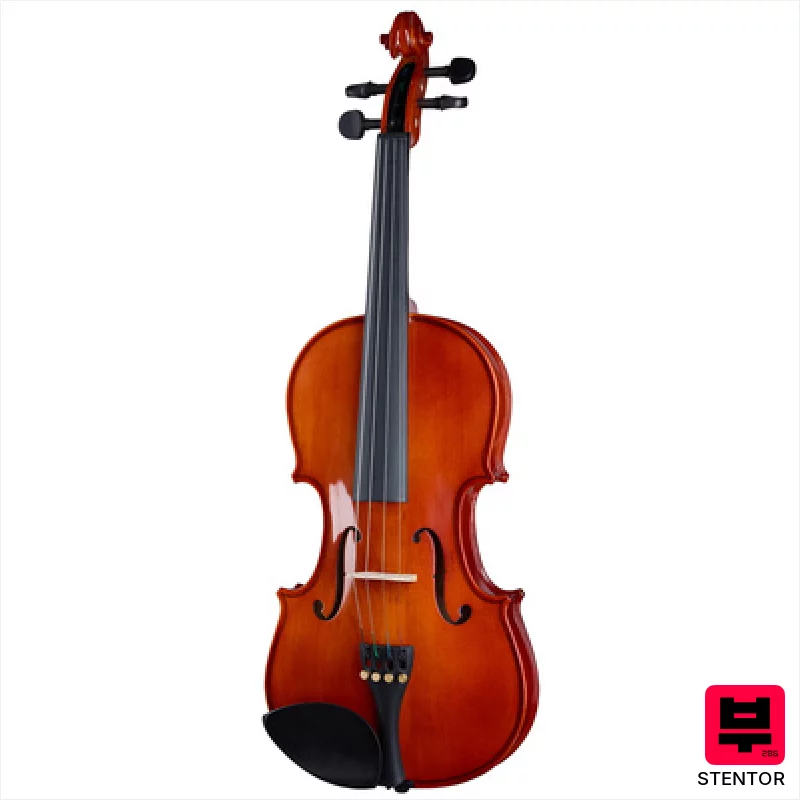
Stentor SR1018 Violinset 1/4
- • Spruce top delivers a surprisingly resonant, clear tone for the price.
- • Maple back and sides contribute to a warm, focused sound projection.
- • Lightweight construction makes it manageable for smaller students.
- • Included bow, while basic, allows immediate playability for beginners.
- • The black stained fingerboard can feel slightly slick, impacting intonation for some.
- • The included bow lacks responsiveness and requires significant rosin application.
- • Case is functional but offers minimal protection against significant impacts.
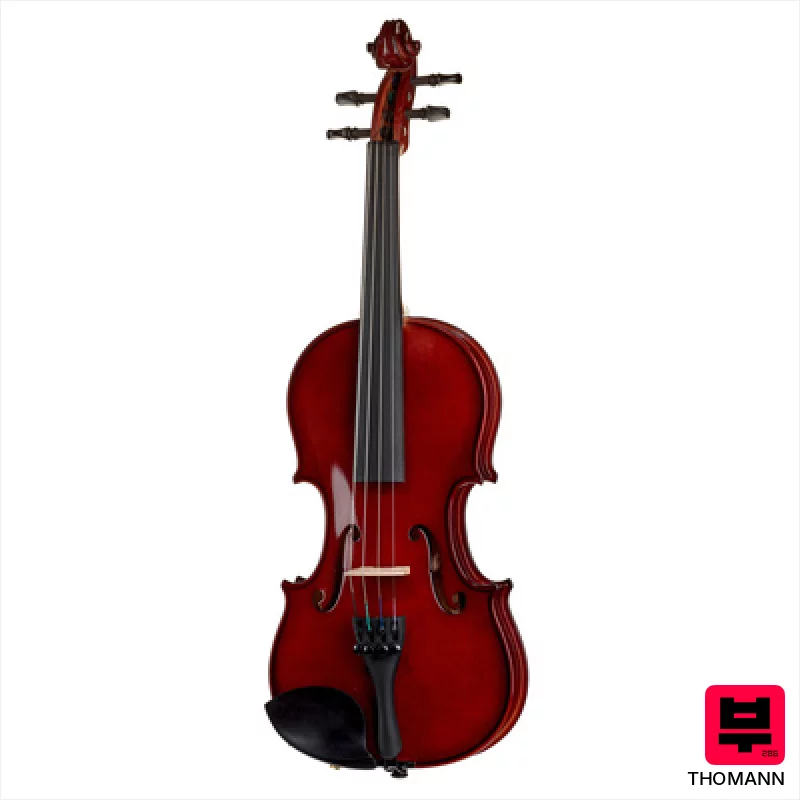
Thomann Classic Violinset 1/4
- • Solid spruce top offers surprisingly good projection for the price.
- • Ebony fingerboard provides a playable surface for developing technique.
- • Jujube tuning pegs and chinrest are a decent upgrade over basic plastic.
- • Included case with backpack straps adds significant value and portability.
- • Composite bow is basic; expect a softer tone and more rosin usage.
- • Maple back/sides are likely lower-grade, impacting tonal complexity.
- • Matt lacquer finish can feel a little plasticky and less refined.
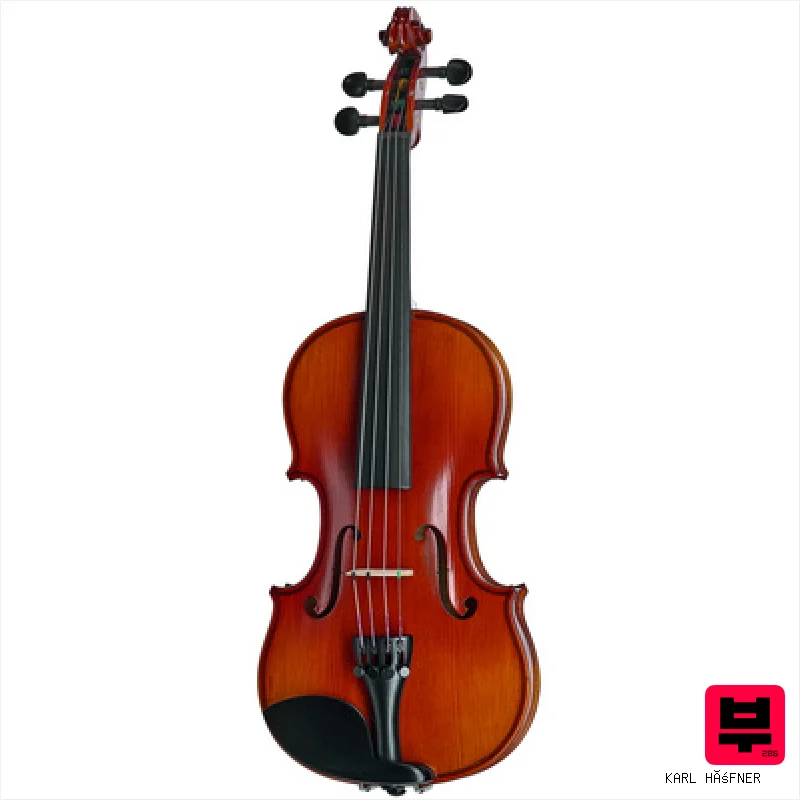
Karl Höfner H5 V Violine 1/4
- • Solid spruce top provides strong projection for young players
- • Hand-applied spirit varnish adds unique depth to the tone
- • Ebony fingerboard and pegs ensure smooth playability
- • Fine tuners on tailpiece help maintain perfect pitch
- • Solid construction limits tonal flexibility compared to laminates
- • No bow or case listed in the product details
- • Solid wood body requires careful handling to avoid cracks
1/4 Violins by the numbers
Measured across all 11 models in this category, so «wide», «short» or «expensive» mean something you can check.
How to Choose the Best 1/4 Violins
Tone Quality
At this price point, you're mostly looking for a balanced, usable sound - not necessarily a rich, complex tone. We prioritized instruments that avoid being overly shrill or muddy, aiming for something that can be adjusted with proper technique. A little warmth is better than ice-pick harshness.
Playability (Action & Neck Profile)
A high action (the string height) will make learning a nightmare. We checked for reasonable action and a comfortable neck profile, as these significantly impact a beginner's experience. A neck that's too thick or thin can make it difficult to develop proper finger placement.
Construction & Materials
Solid wood tops (spruce) are ideal, but at this price, expect a lot of laminated back and sides (often maple). We looked for instruments with decent bracing - that's the internal structure - as it contributes to the violin's resonance and stability.
Setup & Adjustability
A proper setup - bridge height, soundpost placement - can make a huge difference. Instruments that allow for easy adjustments are a plus, as they can be tweaked to improve playability.
Durability
Student instruments take a beating. We assessed the overall build quality, looking for things like a secure tailpiece, a sturdy chinrest, and a bow with decent horsehair tension. A fragile instrument won't last long through lessons.
Buying Guide
Realistically, at this price point, you're making trade-offs. Expect the tone to be somewhat limited - it won't cut through a band rehearsal like a professional instrument. The biggest corner cut is usually in the wood - laminated wood sounds thinner and less resonant than solid wood. Pay attention to the action; a high action is a major deterrent for beginners. Don't be afraid to have a local luthier (violin repair person) take a look and make some minor adjustments - it's often worth the small investment.
How This List Is Built
We don't play these instruments — we're a catalog, not a review desk, and we'd rather say so than pretend otherwise. This page covers 11 1/4 violins from the Thomann catalogue, which is the largest single source of specification data in this category: 11 in detail, the rest listed with their specifications.
Position is computed, not curated. We parse the manufacturer's own description into actual values — nut width, scale, fret count, fingerboard radius, size, alloy — and rank on them: how many specifications a model has published, how many of them are measurable numbers, and how precisely it meets this page's criterion. A product image adds a little. Price is not a ranking signal: it tells you nothing about whether a neck fits your hand. The same inputs always produce the same order, so nothing here is shuffled to look fresh.
What this list is good for: narrowing a category down to a shortlist by spec and budget. What it isn't: a substitute for hearing an instrument. Before you buy, read hands-on reviews and, where you can, play it. Full methodology.

