
Best 1/4 Violins Under $2,000 2026
So, you're looking for a 1/4 size violin for a young player but don't want to drop a fortune? Smart move. Finding a decent instrument in this size range that won't sound like a strangled cat is tougher than it looks, but there are some solid options under $2000 that'll actually inspire a beginner. We're focusing on bang-for-the-buck here - instruments that offer the best tone, playability, and overall feel for the price.
Last updated: April 11, 2026

Gewa Maestro 1 Violin Set 1/4 OC CB
- • Solid European maple back offers warmth and resonance
- • Hand-applied varnish enhances tonal complexity and beauty
- • Aubert bridge provides excellent string transmission and tone
- • GEWA carbon bow delivers responsiveness and consistent bow feel
- • Varnish finish, while beautiful, can be susceptible to minor scratches
- • 1/4 size is best suited for younger or smaller players; may outgrow quickly
- • Rosin included is a basic model, an upgrade would improve sound

Gewa Maestro 2 Violin Set 1/4 OC CB
- • Solid European spruce top delivers a responsive, bright tone.
- • Well-flamed maple back/sides offer warmth and projection.
- • Aubert 'Mirecourt' bridge enhances clarity and sustain.
- • GEWA carbon bow provides consistent response and bow control.
- • Hand-applied varnish, while beautiful, may exhibit slight inconsistencies.
- • Ebony fittings, while standard, aren't necessarily the highest grade available.
- • The Larsen Aurora strings are good, but a discerning player might upgrade.
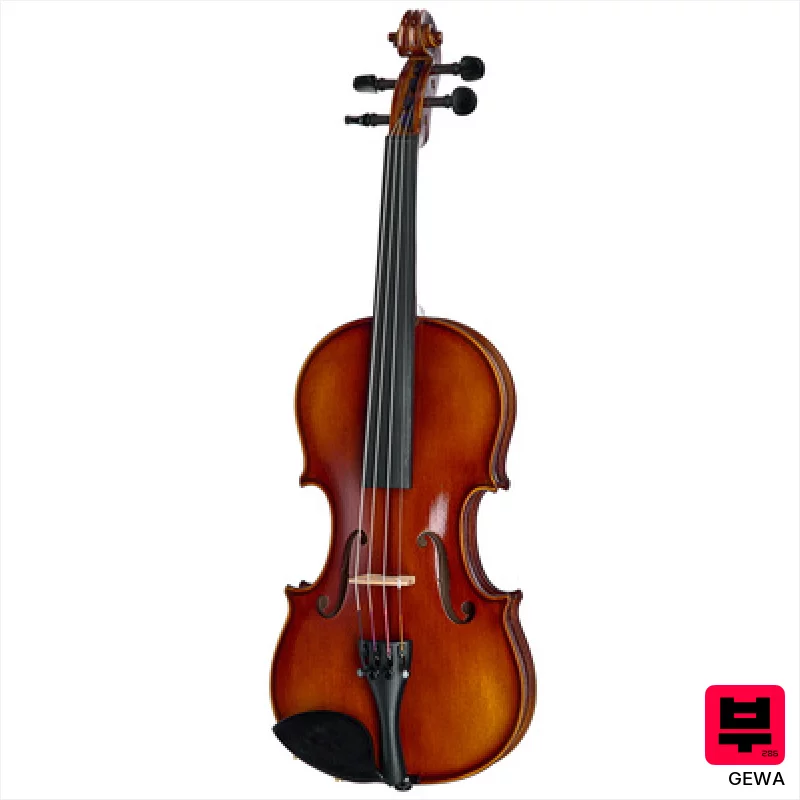
Gewa Allegro Violin Set 1/4 OC CB
- • Solid European spruce top delivers a surprisingly warm, resonant tone.
- • Ebony fingerboard and pegs offer improved playability and response.
- • Hand-applied varnish enhances the wood's natural beauty and tonal projection.
- • The included case with backpack straps makes transport significantly easier.
- • The carbon fiber bow, while functional, lacks the responsiveness of a higher-grade wood bow.
- • The Aubert bridge, while decent, might benefit from an upgrade for advanced players.
- • The varnish, though attractive, could be slightly more robust for long-term durability.

Gewa Ideale Violin Set 1/4 OC CB
- • Solid European tonewoods deliver surprisingly rich, warm tonal projection.
- • Hand-applied varnish enhances resonance and responsiveness, a noticeable upgrade.
- • Aubert bridge provides good transfer of string vibration for improved sound.
- • Wittner fine tuners allow for precise intonation adjustments for young players.
- • Carbon fiber bow, while functional, lacks the nuanced feel of a quality pernambuco bow.
- • The case, while practical, is a bit bulky for frequent transport by smaller children.
- • The medium flame maple back/sides, while attractive, aren't the highest grade available.
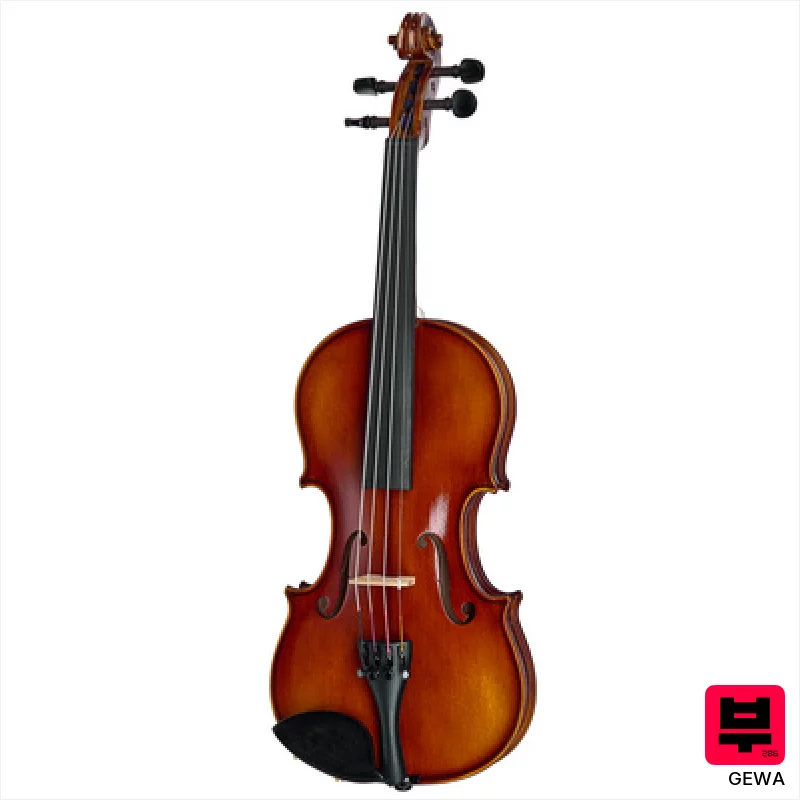
Gewa Allegro Violin Set 1/4 OC MB
- • Solid European tonewoods deliver a surprisingly mature, resonant tone.
- • Hand-lacquered finish enhances the wood's natural beauty and responsiveness.
- • The Aubert bridge contributes to improved projection and clarity.
- • The Massaranduba bow offers a decent starting point for developing bow control.
- • The Massaranduba bow, while adequate, won’t offer the same responsiveness as a higher-grade pernambuco bow.
- • The case, while functional, is relatively basic and lacks premium protection.
- • The 'natural' amber varnish might appear a bit thick for some players' preferences.

Gewa Ideale Violin Set 1/4 SC CB
- • Solid European tonewoods deliver a surprisingly resonant and warm tone.
- • Hand-applied varnish enhances the wood's natural acoustics and appearance.
- • Aubert bridge and Larsen Aurora strings contribute to a clear, focused sound.
- • The Gewa case with backpack straps is genuinely practical for young students.
- • The carbon fiber bow, while functional, lacks the responsiveness of a higher-grade wood bow.
- • The inlaid purfling, while visually appealing, is a detail that doesn’t impact sound quality.
- • The 1/4 size may be restrictive for taller or rapidly growing children.
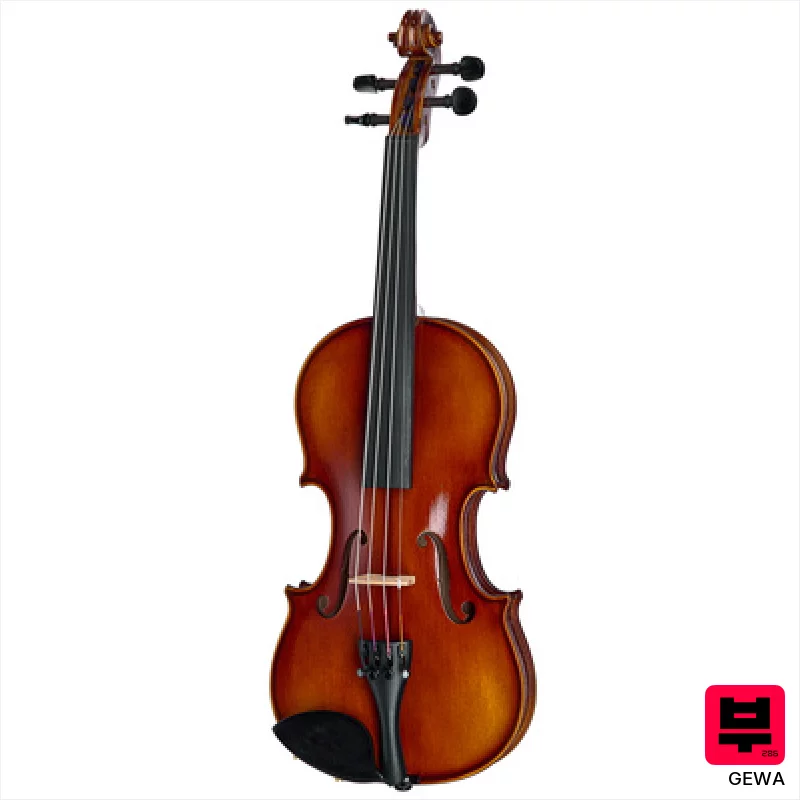
Gewa Allegro Violin Set 1/4 SC CB
- • Solid European tonewoods deliver a surprisingly rich and resonant tone.
- • Ebony fittings (fingerboard, pegs, chinrest) offer excellent playability and durability.
- • Aubert bridge contributes to improved projection and sustain.
- • The included case with backpack straps is genuinely practical for young students.
- • The carbon fiber bow, while functional, lacks the responsiveness of a quality horsehair bow.
- • The brown-amber varnish, though attractive, may be a bit thick for optimal vibration.
- • While well-made, the overall sound might lack the complexity of higher-end instruments.

Gewa Ideale Violin Set 1/4 SC MB
- • Solid European tonewoods deliver a surprisingly resonant tone for the price.
- • Hand-lacquered finish enhances the wood's natural beauty and responsiveness.
- • The Wittner fine tuners allow for precise intonation adjustments, crucial for young players.
- • Massaranduba bow offers a decent starting point for bow control and tone.
- • The Massaranduba bow, while included, won't match a higher-grade pernambuco bow.
- • The 'medium flaming' aesthetic might be considered less refined by experienced players.
- • The case, while functional, is fairly basic and lacks premium features.
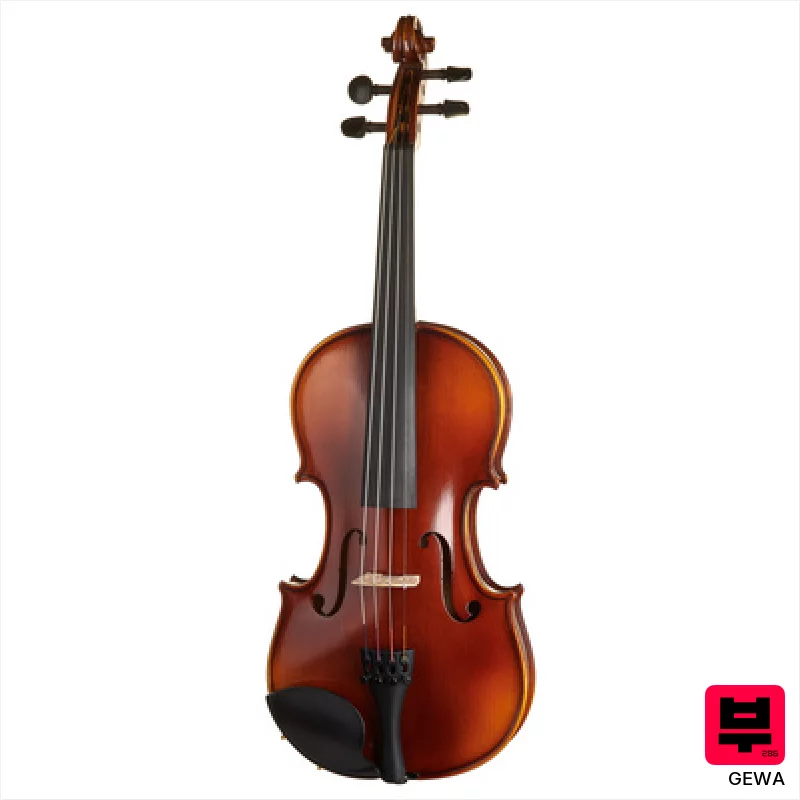
Gewa Allegro Violin Set 1/4 SC MB
- • Solid European tonewoods deliver surprisingly warm, resonant tone.
- • Hand-lacquered finish enhances the wood’s natural beauty and responsiveness.
- • Aubert bridge contributes to improved projection and clarity.
- • Massaranduba bow offers a good balance of stiffness and responsiveness.
- • The Massaranduba bow, while decent, won’t match a premium Pernambuco bow.
- • The case, while functional, is fairly basic and lacks advanced protection.
- • Fingerboard ebony can feel slightly harder than more seasoned varieties.
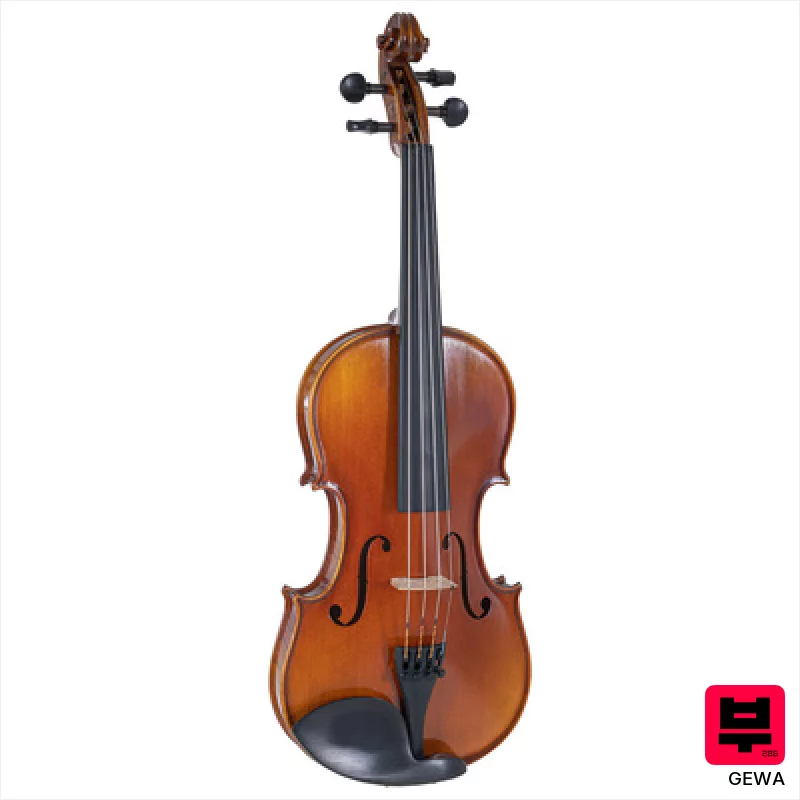
Gewa Maestro 1 Violin 1/4
- • Solid European spruce top delivers a responsive, clear, and balanced tone.
- • Well-flamed maple back and sides add warmth and complexity to the sound.
- • Aubert 'Mirecourt' bridge offers excellent transfer of string vibration for projection.
- • Ebony fittings provide durability and a refined aesthetic feel in the hand.
- • Hand-applied varnish, while beautiful, might exhibit slight inconsistencies.
- • 1/4 size is best suited for younger or smaller players, limiting its long-term use.
- • While well-made, it's not a professional-grade instrument; expect some limitations.
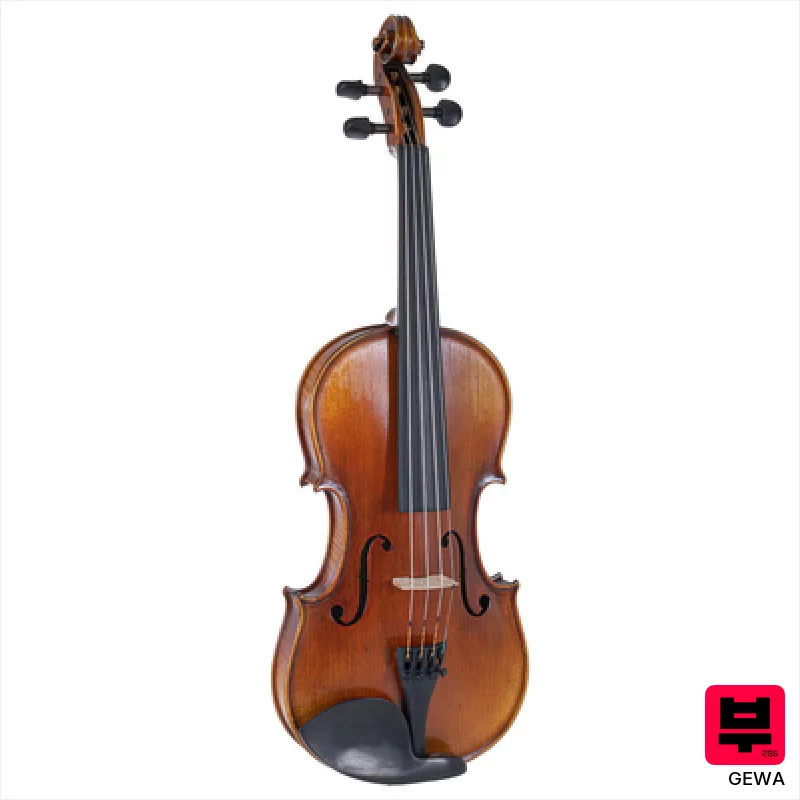
Gewa Maestro 2 Violin 1/4
- • Solid European spruce top delivers a surprisingly resonant and warm tone.
- • Well-flamed maple back and sides add richness and projection.
- • Ebony fittings and Aubert bridge contribute to improved playability and tone.
- • Inlaid purfling adds a touch of elegance and enhances perceived value.
- • Hand-applied varnish, while beautiful, can be inconsistent in finish and sheen.
- • The 'Mirecourt' bridge might require adjustment by a luthier for optimal performance.
- • While a good starter instrument, it lacks the nuanced complexity of higher-end violins.
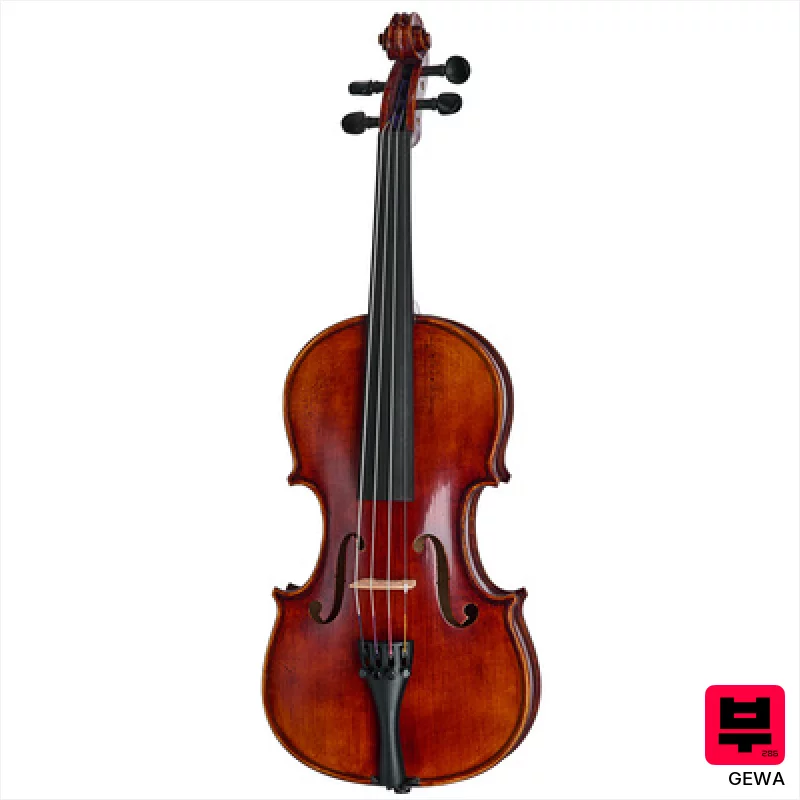
Gewa Maestro 6 Antiqued Violin 1/4
- • Solid spruce top delivers a surprisingly resonant and clear tone
- • Ebony fingerboard and pegs offer smooth playability and consistent tuning
- • The hand-varnished finish enhances the wood's natural acoustic properties
- • Inlaid purfling adds a touch of elegance and visual appeal
- • The antiqued finish might appear overly stylized to some purists
- • Larsen strings are decent, but an upgrade would significantly improve the sound
- • The bow, while functional, is a basic student model and could be improved

Hamaril Violin Set 1D 1/4
- • Solid spruce top provides a surprisingly resonant and warm tone for the price.
- • Jujube tuning pegs and chinrest offer decent grip and comfort for smaller hands.
- • The included Artino shoulder rest is a comfortable and functional starting point.
- • Complete set-up in Germany suggests attention to basic playability and intonation.
- • Composite bow lacks responsiveness and nuanced control compared to a brazilwood bow.
- • Maple back and sides, while standard, can limit tonal complexity and projection.
- • The case, while functional, is likely a basic molded plastic design, not particularly protective.

Roth & Junius Europe Antiqued Violin Set 1/4
- • Solid spruce top provides a surprisingly resonant and clear tone.
- • European craftsmanship generally indicates good attention to detail in construction.
- • Ebony fingerboard offers a smooth playing surface for developing technique.
- • Fine tuners on the tailpiece simplify accurate intonation for younger players.
- • The included bow is likely to be a basic model, needing eventual replacement for serious study.
- • Antiqued varnish is purely cosmetic; doesn’t affect the core sound quality.
- • The case will be functional but likely lightweight and not exceptionally durable.

Alfred Stingl by Höfner THO-175-V SE Violin Set 1/4
- • Solid spruce top delivers a surprisingly resonant, warm tone.
- • Ebony fingerboard and pegs offer smooth playability and tuning stability.
- • Despiau bridge contributes to efficient sound transmission and projection.
- • Roth & Junius case provides excellent protection and portability.
- • Spirit varnish, while attractive, can be susceptible to scratches and wear.
- • Thomastik Dominant strings are decent, but a worthwhile upgrade for experienced players.
- • The carbon fiber bow, while functional, lacks the nuanced response of a higher-end wood bow.
How to Choose the Best 1/4 Violins
Tone
This is the big one. Expect a warmer, less complex tone than full-size instruments, but it should still have some clarity and projection. We're looking for a balance - not too shrill, not too muddy. A bit of sustain helps too, especially for younger players building technique.
Playability (Action & Neck Profile)
A high action (strings too far from the fingerboard) will make it a struggle, especially for smaller hands. The neck profile should be comfortable and allow for easy shifting. This is where a lot of cheap instruments fall down - they're just plain hard to play.
Construction Quality
Look for solid spruce tops and maple backs and sides. Cheap plywood construction will sound thin and lifeless. Even at this price point, you can find instruments with decent fittings (pegs, tailpiece, chin rest) - anything less will be a constant frustration.
Setup
A good setup is critical. This means properly adjusted bridge height, soundpost placement, and string height. Many instruments come needing adjustment, so factor in the cost of a luthier if you're not comfortable doing it yourself.
Resonance & Projection
A 1/4 size violin needs to project well enough to be heard in a group setting, like a school orchestra or even a casual jam. We listened for a clear fundamental tone and a decent amount of resonance without excessive buzzing or wolf tones.
Buying Guide
At this price range, you're going to be making some trade-offs. Don't expect the rich, complex tone of a professional instrument. The biggest corner cut is usually in the wood - you're unlikely to find truly aged tonewoods. Prioritize playability - a comfortable neck and manageable action are more important than a slightly 'better' wood if it means the student isn't enjoying playing. A professional setup is almost always worth the extra expense.
How This List Is Built
We don't play these instruments — we're a catalog, not a review desk, and we'd rather say so than pretend otherwise. This page ranks 15 1/4 violins from the Thomann catalogue, which is the largest single source of specification data in this category.
Position is computed, not curated. Four signals, in order of weight: how completely the manufacturer documents the instrument (number of published specifications), where it sits in the price range, how specific the model designation is — which filters out generic accessories — and whether a product image exists. The same inputs always produce the same order, so nothing here is shuffled to look fresh.
What this list is good for: narrowing a category down to a shortlist by spec and budget. What it isn't: a substitute for hearing an instrument. Before you buy, read hands-on reviews and, where you can, play it. Full methodology.

