
Best Wireless Microphones for Instruments Under $1,000 2026
So, you're tired of wrestling cables at gigs, huh? Wireless instrument mics are a game-changer, but they don't have to break the bank. Finding a system that cuts through the mix and doesn't sound like you're playing through a tin can under $1000 is totally doable - you just need to know what to look for. We're breaking down the best options for guitar, bass, keys, and more without emptying your gig bag.
Last updated: April 11, 2026
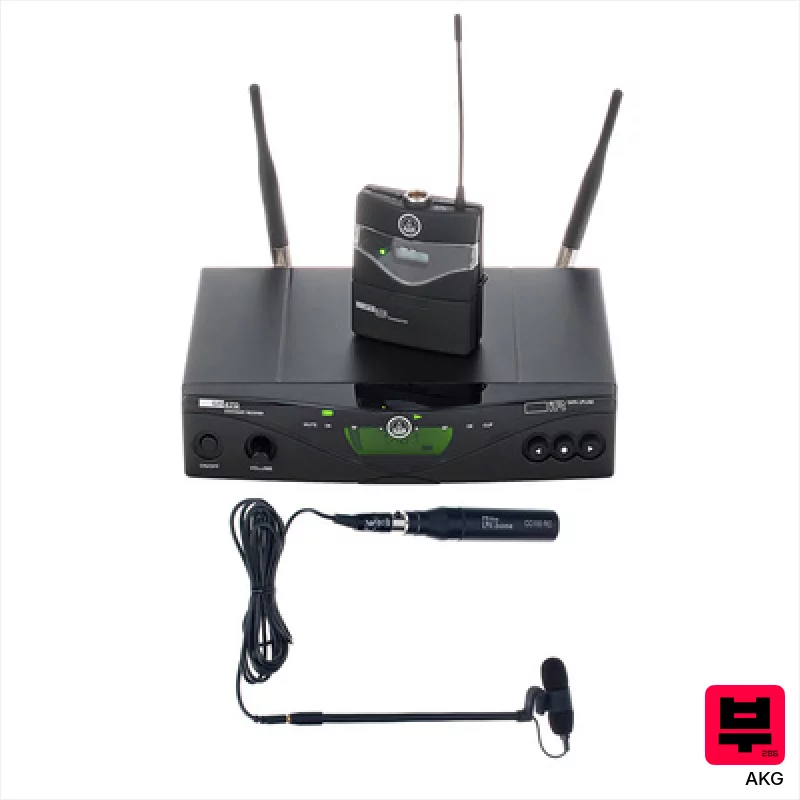
AKG WMS 470 Ovid Bundle Band 10
- • Robust metal receiver casing provides excellent protection during gigging.
- • Infrared frequency transmission simplifies channel setup and avoids interference.
- • Pocket transmitter design offers comfortable handheld operation for guitarists.
- • Rack-mountable receiver saves space in a studio or live rig.
- • AA battery power can be inconvenient compared to rechargeable options.
- • Band 10 frequency range may have limited availability in some regions.
- • Limited channel count compared to higher-end wireless systems.
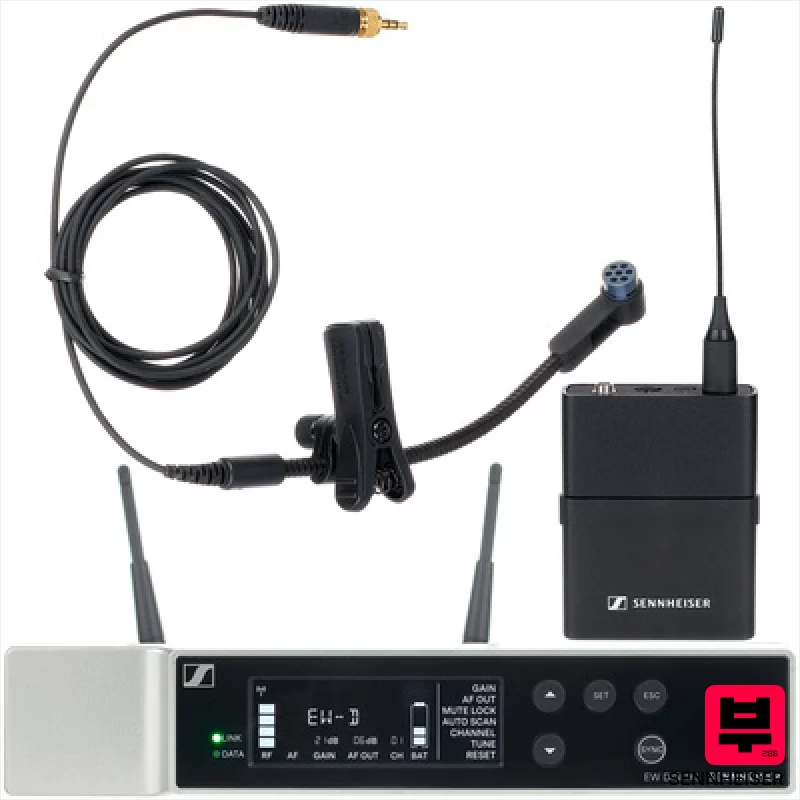
Sennheiser EW-D E 908 S7-10 Bundle
- • Rock-solid Sennheiser build quality ensures lasting reliability on stage.
- • E 908 condenser mic captures detailed, nuanced wind instrument tones.
- • Digital system provides clean, interference-free audio transmission.
- • Smart Assist App simplifies setup and troubleshooting significantly.
- • The 32 MHz bandwidth, while decent, might require frequency coordination in crowded RF environments.
- • AA battery dependency can be inconvenient for long gigs; rechargeable packs recommended.
- • Gooseneck design limits mic placement flexibility compared to handheld options.

AKG PW45 Ovid Accordion Pro Set
- • Robust UHF transmission offers reliable performance on stage.
- • Ovid clip mics deliver clear, detailed accordion tone capture.
- • Dual microphone setup expands sonic possibilities for layering.
- • Compact transmitter and receiver simplify setup and transport.
- • Frequency range is relatively narrow, potential for interference in crowded RF environments.
- • AA battery operation can be inconvenient for extended performances.
- • Ovid clip mic mounting requires careful adjustment for optimal placement.

AKG PW45 Ovid Violin Bundle Band M
- • Solid UHF transmission minimizes dropouts common in crowded RF environments.
- • t.bone Ovid CC 100 RC delivers clear, detailed violin tone with good transient response.
- • Compact pocket transmitter simplifies stage setup and reduces cable clutter.
- • Receiver’s integrated antennas offer decent coverage without external antenna needs.
- • Limited frequency range might cause interference in densely populated areas.
- • AA battery power in the transmitter can be inconvenient for long performances.
- • Cardioid pickup pattern on the mic can be sensitive to stage volume and feedback.

Sennheiser EW-D E 908 Q1-6 Bundle
- • Excellent RF stability; avoids dropouts common in wireless systems.
- • E 908 condenser mic captures wind instrument detail beautifully.
- • SK base offers flexible connectivity via XLR and jack outputs.
- • Smart Assist App simplifies configuration and troubleshooting significantly.
- • The 470-526 MHz band may face regulatory limitations in some regions.
- • AA battery reliance can be inconvenient compared to rechargeable options.
- • While versatile, it’s primarily optimized for wind instruments, limiting broader mic use.
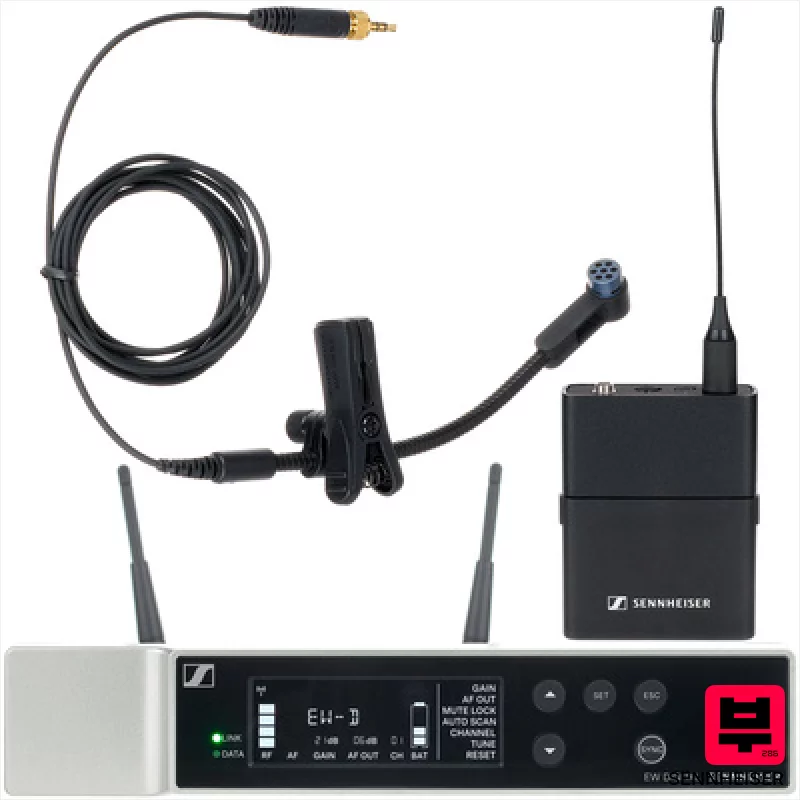
Sennheiser EW-D E 908 R1-6 Bundle
- • Excellent RF performance minimizes dropouts on stage.
- • E 908 condenser mic captures nuanced wind instrument detail.
- • Digital system offers reliable, low-latency wireless transmission.
- • SK Base provides flexible connectivity with XLR and jack outputs.
- • AA battery dependency can be inconvenient for long gigs.
- • The receiver’s size and weight might be a factor for some.
- • Limited frequency band compared to some higher-end wireless systems.
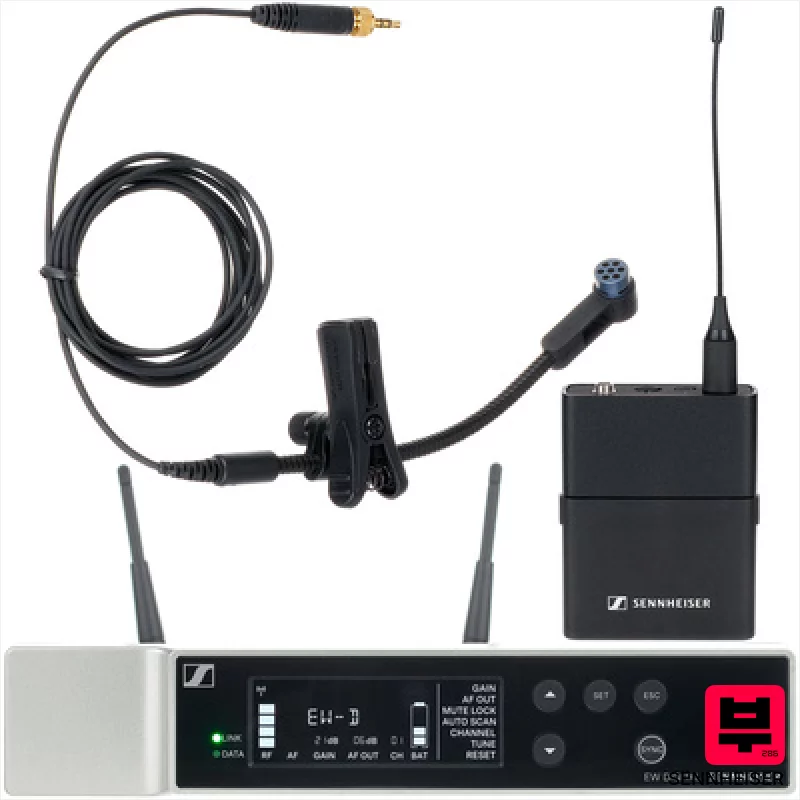
Sennheiser EW-D E 908 R4-9 Bundle
- • Rock-solid build quality; feels like it'll survive a gig's worth of abuse.
- • E 908 condenser mic delivers clear, detailed wind instrument capture.
- • Digital wireless offers excellent reliability and interference rejection.
- • Smart Assist App simplifies complex system configuration and monitoring.
- • The receiver can be a bit bulky for smaller, mobile setups.
- • AA battery reliance can be inconvenient for long performances.
- • Frequency range might be restrictive in densely populated wireless environments.
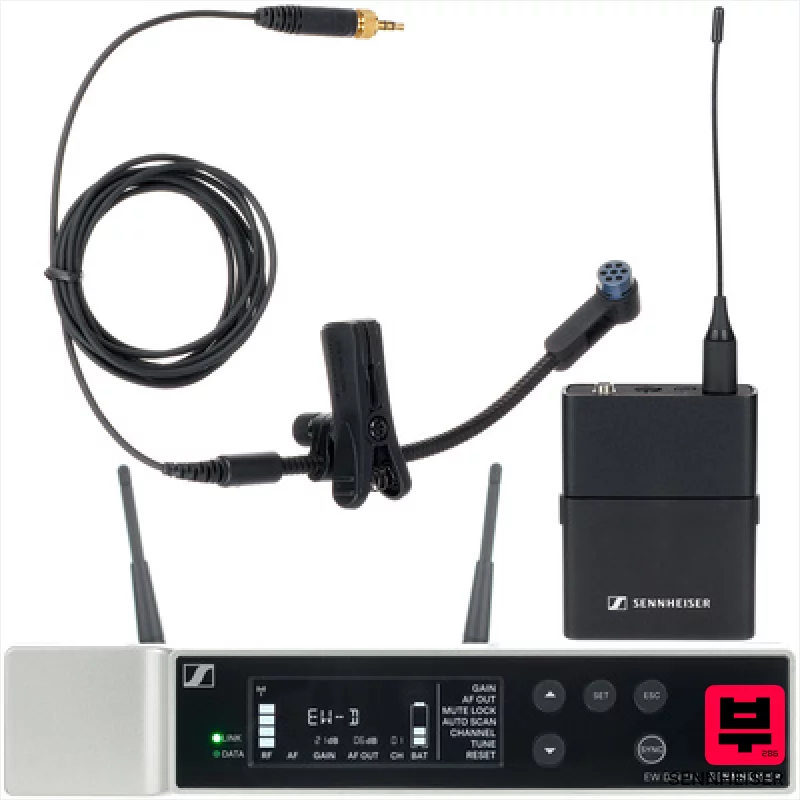
Sennheiser EW-D E 908 S1-7 Bundle
- • Rock-solid Sennheiser build quality inspires confidence on stage.
- • E 908 condenser mic captures nuanced wind instrument detail.
- • Digital system offers clean, reliable signal with minimal interference.
- • Smart Assist App simplifies complex system configuration and troubleshooting.
- • The SK base unit's 3.5mm connector limits high-end cable options.
- • AA battery power adds bulk and requires frequent replacement.
- • Frequency band (606-662 MHz) might face regulatory restrictions in some regions.
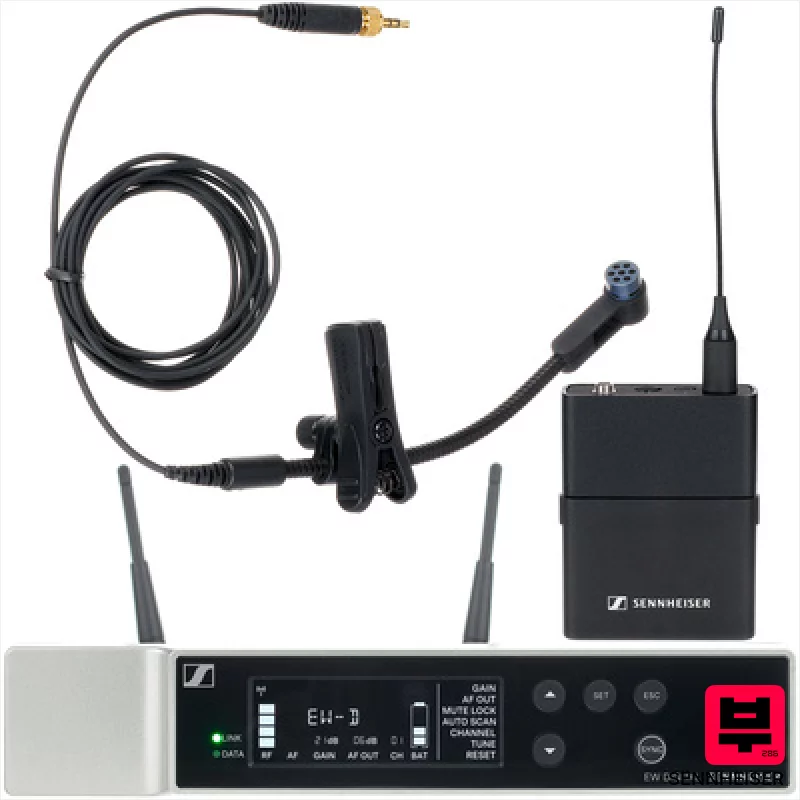
Sennheiser EW-D E 908 U1/5 Bundle
- • Excellent digital clarity; minimizes RF interference common in wireless systems.
- • E 908's tailored frequency response captures wind instrument nuances effectively.
- • Robust SK base unit offers reliable performance and extended operating time.
- • Smart Assist App simplifies setup and troubleshooting; very user-friendly.
- • AA battery dependency can be inconvenient for long performances; consider rechargeable packs.
- • Limited channel count (U1/5) might restrict use in crowded RF environments.
- • Gooseneck design restricts mic placement flexibility compared to handheld options.
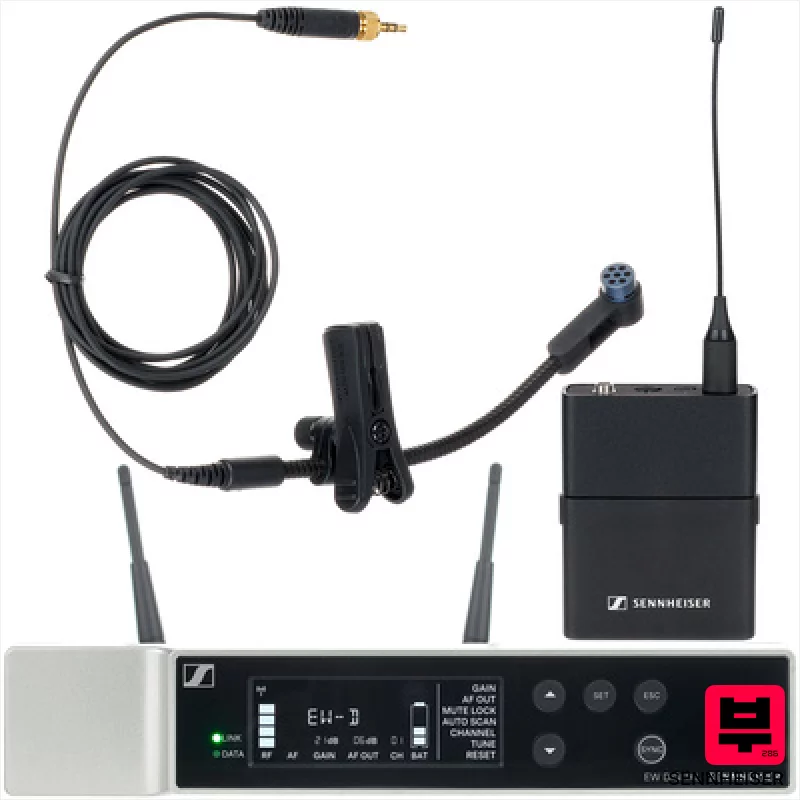
Sennheiser EW-D E 908 Y1-3 Bundle
- • Rock-solid build quality; feels exceptionally durable for gigging.
- • E 908 delivers clear, focused sound, great for brass.
- • Digital clarity minimizes feedback issues on stage.
- • Smart Assist App simplifies complex wireless system management.
- • Frequency range is relatively narrow, potential licensing limitations.
- • Receiver size can be a bit bulky for smaller setups.
- • E 908's condenser design isn't ideal for all wind instruments.
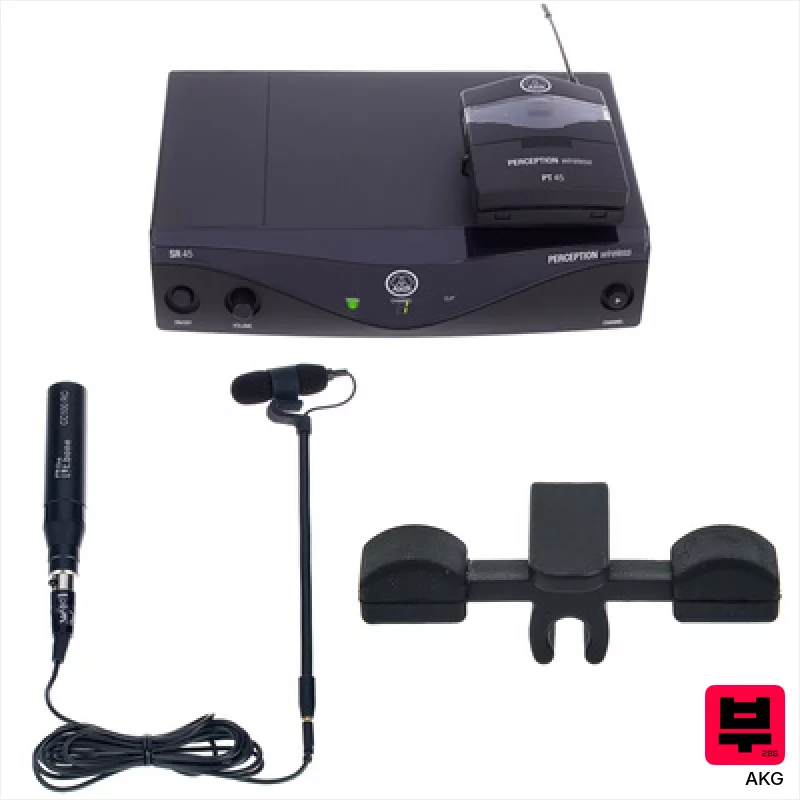
AKG PW45 Ovid Brass Bundle Band M
- • Solid build quality for a budget-friendly wireless system
- • Ovid system offers decent range and parallel operation
- • Pocket transmitter is compact and comfortable for stage use
- • t.bone CC 100 RC condenser mic provides clear, detailed brass tone
- • Frequency range is limited, potential for interference in crowded RF environments
- • AA battery operation can be inconvenient for long gigs; rechargeable option helps
- • Cardioid pattern limits flexibility for certain performance scenarios
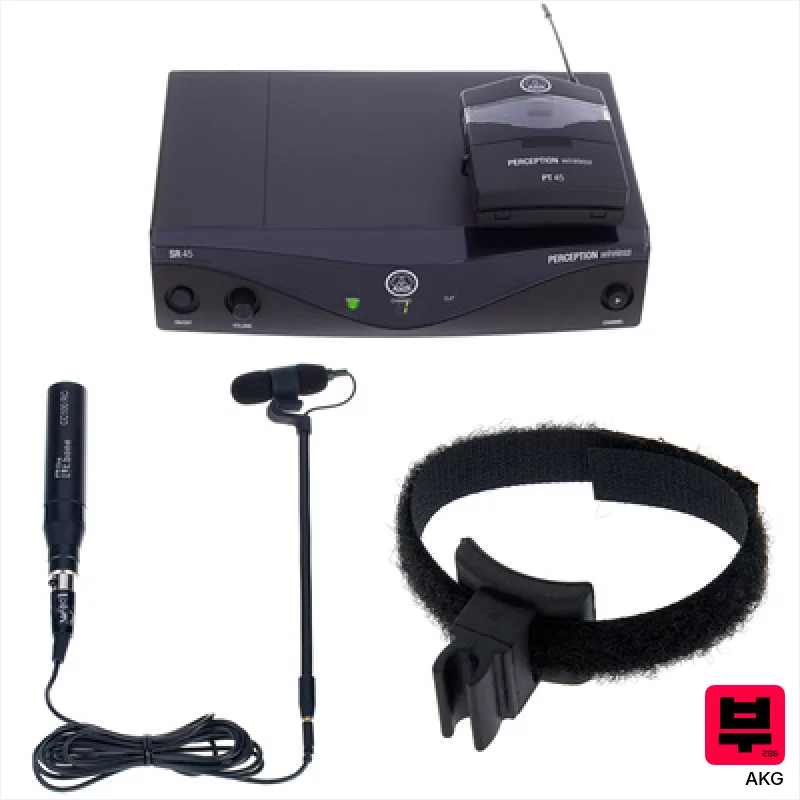
AKG PW45 Ovid Flute Bundle Band M
- • Solid UHF transmission, minimizing dropouts on stage.
- • The Ovid CC 100 RC condenser mic captures flute detail accurately.
- • Compact pocket transmitter offers convenient portability and discreet use.
- • Integrated antennas in the receiver provide reliable signal reception.
- • Limited frequency band requires careful channel selection in crowded RF environments.
- • AA battery operation can be inconvenient for long performances; rechargeable option is a plus.
- • Cardioid pickup pattern may pick up unwanted stage noise if not positioned carefully.

the t.bone free solo PT 1.8 CC 915 Bundle
- • Solid 1.8 GHz frequency avoids common interference issues
- • Compact bodypack is lightweight and comfortable for stage use
- • Infrared sync simplifies pairing, a real time-saver
- • Multiple parallel transmission paths offer flexibility for larger setups
- • Plastic bodypack housing feels a little less robust than metal alternatives
- • AA battery power isn't ideal; rechargeable packs are a must
- • Limited frequency range restricts use in heavily congested RF environments
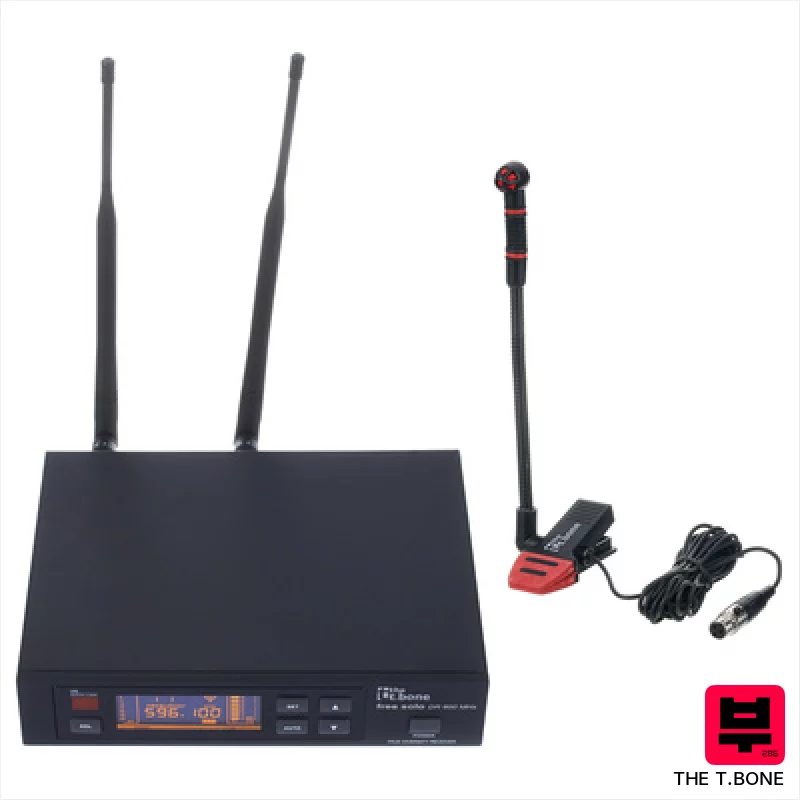
the t.bone free solo PT 600 CC 915 Bundle
- • Solid build quality for the price point; feels surprisingly robust.
- • Infrared sync simplifies channel matching; a real time-saver.
- • 14 pre-programmed frequency groups offer decent channel flexibility.
- • Adjustable transmission power helps overcome some range limitations.
- • Plastic transmitter housing feels a little cheap; could be more durable.
- • AA batteries are a recurring cost; consider rechargeable alternatives.
- • Limited frequency range; may encounter interference in crowded RF environments.

the t.bone free solo PT 823 CC 915 Bundle
- • Infrared sync simplifies channel matching, a genuine time-saver.
- • Plastic transmitter housing keeps it lightweight and gig-ready.
- • Frequency scan helps avoid interference in crowded RF environments.
- • Adjustable transmission power extends range and optimizes signal strength.
- • Plastic transmitter housing feels less robust than metal alternatives.
- • AA batteries mean ongoing cost and potential for mid-gig failure.
- • Limited frequency band can restrict use in areas with heavy RF congestion.
How to Choose the Best Wireless Microphones for Instruments
Frequency Response
A flat response is great for accuracy, but often you'll want a slight boost in the upper mids to cut through a loud band. Beware systems that sound muffled or overly harsh - that's a sign of poor EQ or capsule design.
Dynamic Range
More dynamic range means more headroom before distortion - crucial if you're a player with a lot of dynamics or play loud. Cheap systems often clip easily.
Range and Latency
Range is obvious, but latency (delay) is a killer. Anything over 10ms is noticeable and can mess with your timing. Lower latency is always better, especially for rhythm players.
Build Quality & Durability
Gigs are rough. You need a system that can take a beating. Check the mic capsule's construction and the receiver's overall feel - flimsy plastic isn't going to last.
Channel Count & Flexibility
A system with multiple channels lets you add more instruments later. Some systems also offer different modulation types (like D-Link) to avoid interference, which is a big deal in crowded RF environments.
Buying Guide
At this price point, you're making trade-offs. Expect to compromise a bit on range compared to higher-end systems, and the capsule might not be the absolute cream of the crop. Look for systems that prioritize low latency and a decent frequency response over raw range - you can always move closer to the receiver. Don't fall for marketing hype; a system that promises 'studio quality' for under $1000 is likely overselling itself.
How This List Is Built
We don't play these instruments — we're a catalog, not a review desk, and we'd rather say so than pretend otherwise. This page ranks 15 wireless microphones for instruments from the Thomann catalogue, which is the largest single source of specification data in this category.
Position is computed, not curated. Four signals, in order of weight: how completely the manufacturer documents the instrument (number of published specifications), where it sits in the price range, how specific the model designation is — which filters out generic accessories — and whether a product image exists. The same inputs always produce the same order, so nothing here is shuffled to look fresh.
What this list is good for: narrowing a category down to a shortlist by spec and budget. What it isn't: a substitute for hearing an instrument. Before you buy, read hands-on reviews and, where you can, play it. Full methodology.

