
Best Wireless Microphones for Instruments for Wind Instruments 2026
So, you're ditching the mic stand for your sax or trumpet? Smart move - freedom on stage is a huge deal. But wireless instrument mics aren't all created equal; you need something that captures the nuances of your horn, doesn't sound like a tin can, and can handle the stage volume. Let's break down the best wireless options for wind instruments, because a muddy, lifeless sound is the last thing you want when you're laying down a solo.
Last updated: July 22, 2026 • Next update: July 29, 2026

Sennheiser EW-D MCM 114 S1-7 Bundle
- • Neumann MCM 114 delivers exceptional clarity and detail for brass instruments.
- • Digital wireless system offers rock-solid reliability and minimal interference.
- • Smart Assist App simplifies configuration and troubleshooting for ease of use.
- • KK 14 capsule provides a tailored frequency response for wind instruments.
- • The system's weight can be a factor for extended handheld use.
- • Limited channel count within the S1-7 band restricts simultaneous users.
- • The 3.5mm connector feels somewhat fragile compared to more robust options.
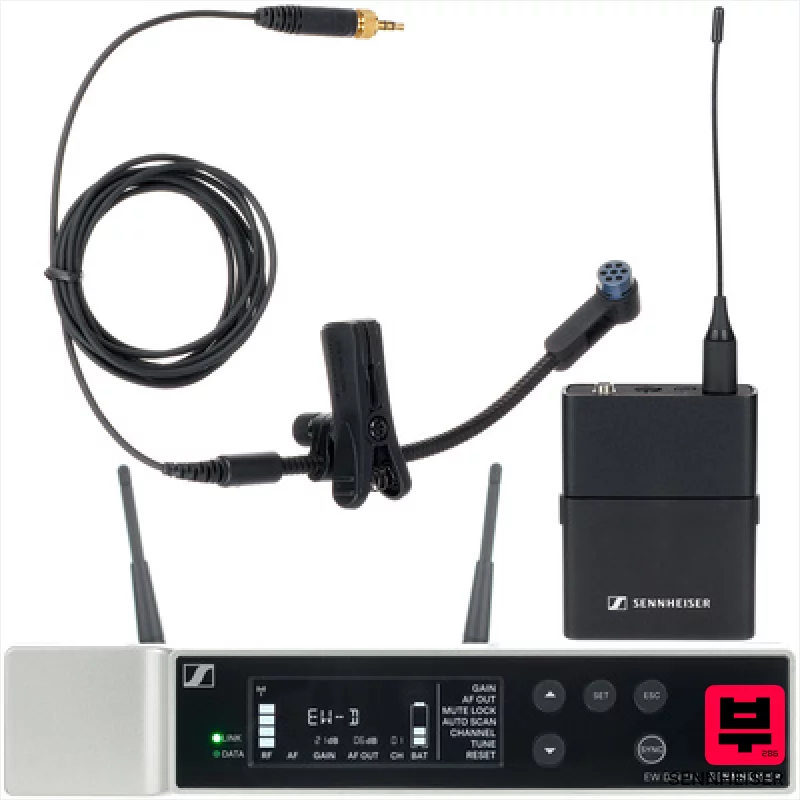
Sennheiser EW-D E 908 S1-7 Bundle
- • Rock-solid Sennheiser build quality inspires confidence on stage.
- • E 908 condenser mic captures nuanced wind instrument detail.
- • Digital system offers clean, reliable signal with minimal interference.
- • Smart Assist App simplifies complex system configuration and troubleshooting.
- • The SK base unit's 3.5mm connector limits high-end cable options.
- • AA battery power adds bulk and requires frequent replacement.
- • Frequency band (606-662 MHz) might face regulatory restrictions in some regions.
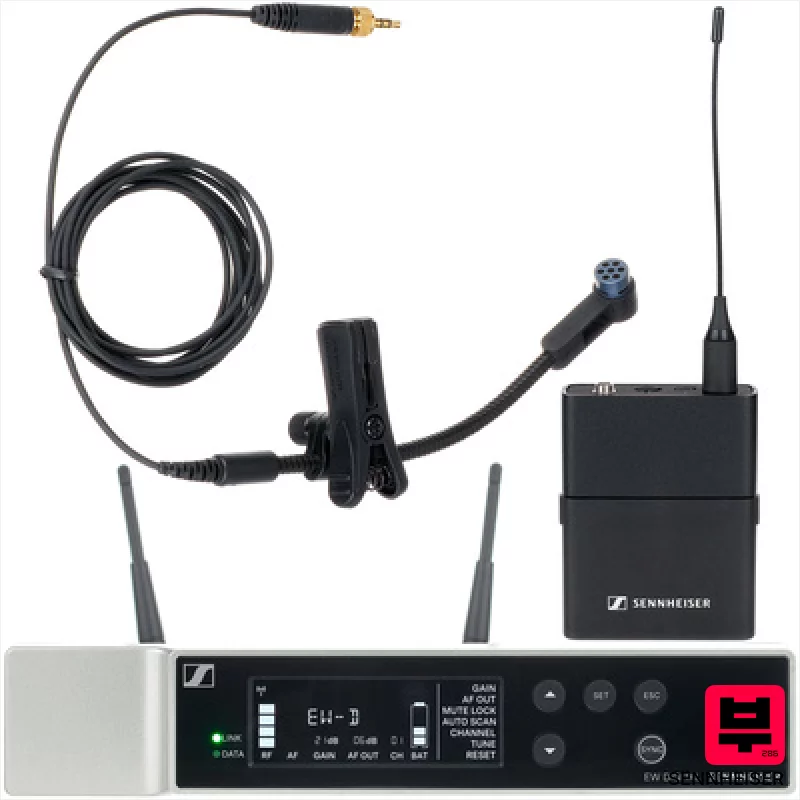
Sennheiser EW-D E 908 R4-9 Bundle
- • Rock-solid build quality; feels like it'll survive a gig's worth of abuse.
- • E 908 condenser mic delivers clear, detailed wind instrument capture.
- • Digital wireless offers excellent reliability and interference rejection.
- • Smart Assist App simplifies complex system configuration and monitoring.
- • The receiver can be a bit bulky for smaller, mobile setups.
- • AA battery reliance can be inconvenient for long performances.
- • Frequency range might be restrictive in densely populated wireless environments.
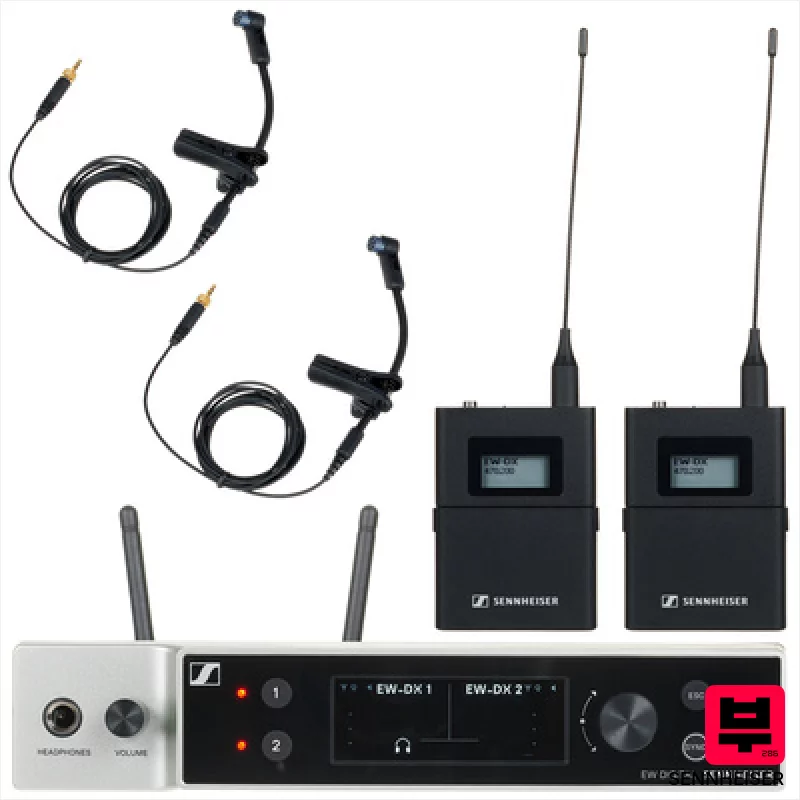
Sennheiser EW-DX 2x E908 B Dante U1/5
- • Rock-solid build quality; feels like it’ll withstand years of gigging.
- • E908 B mics deliver Sennheiser's signature clarity and warmth.
- • Dante connectivity offers seamless integration with modern digital workflows.
- • SK Q1-9 transmitters are remarkably compact and lightweight for pocket use.
- • The receiver is fairly bulky, might be challenging in very tight rack spaces.
- • AA battery dependency can be inconvenient for long performances; rechargeable pack extra.
- • Price places it in the premium-priced tier, a significant investment.
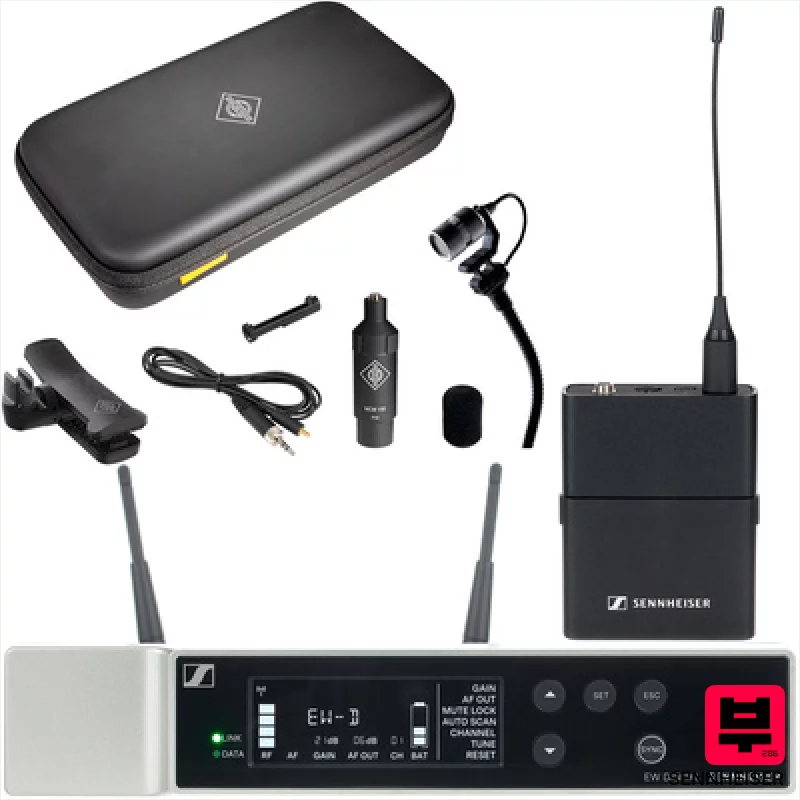
Sennheiser EW-D MCM 114 Q1-6 Bundle
- • Neumann MCM 114 offers exceptionally clean, detailed brass/sax sound.
- • EW-D digital system provides rock-solid wireless reliability and low latency.
- • KK 14 capsule delivers focused sound rejection for stage use.
- • Smart Assist App simplifies complex system configuration and monitoring.
- • Premium-priced investment; may be overkill for casual or home use.
- • SK transmitter's battery life is decent but could be longer with heavier use.
- • Limited channel count (6) might restrict use in very crowded RF environments.
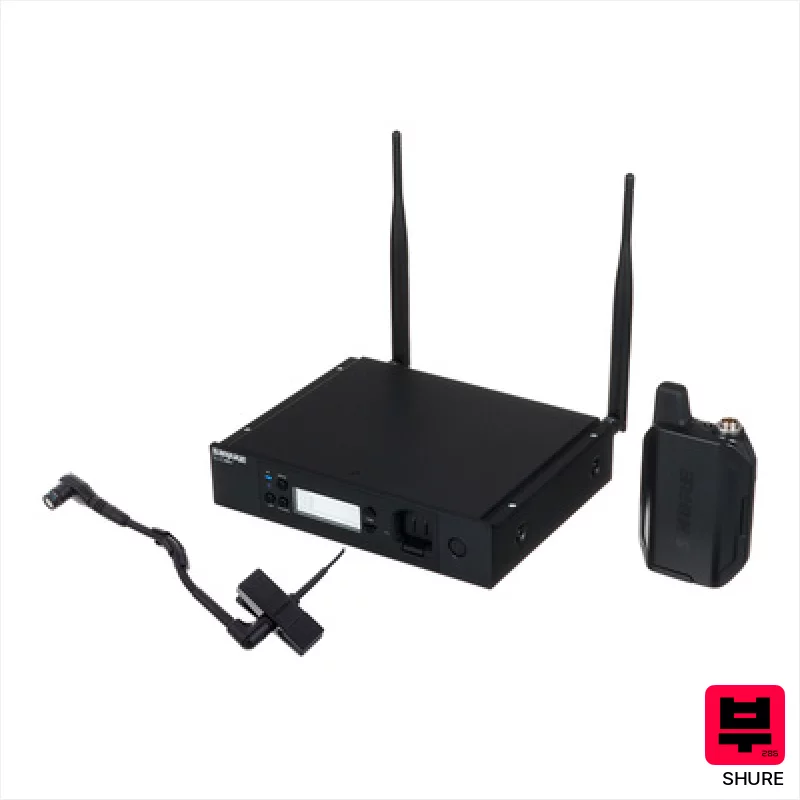
Shure GLXD14R+/B98
- • Robust metal transmitter provides reliable stage performance.
- • Dual-band operation minimizes interference in crowded RF environments.
- • Beta98 delivers clear, detailed instrument capture with a natural tone.
- • Integrated charging simplifies workflow and eliminates battery anxiety.
- • Plastic receiver construction feels less premium compared to all-metal options.
- • Limited channel count compared to higher-end Shure systems.
- • Rackmount ears aren't included, adding to the overall cost.

Sennheiser EW-D E 908 Q1-6 Bundle
- • Excellent RF stability; avoids dropouts common in wireless systems.
- • E 908 condenser mic captures wind instrument detail beautifully.
- • SK base offers flexible connectivity via XLR and jack outputs.
- • Smart Assist App simplifies configuration and troubleshooting significantly.
- • The 470-526 MHz band may face regulatory limitations in some regions.
- • AA battery reliance can be inconvenient compared to rechargeable options.
- • While versatile, it’s primarily optimized for wind instruments, limiting broader mic use.
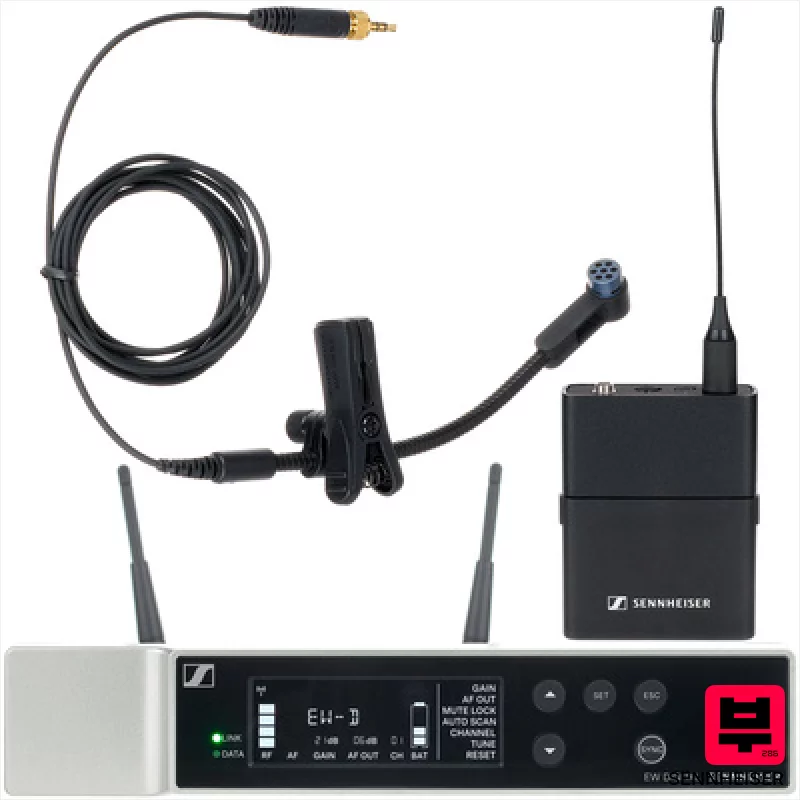
Sennheiser EW-D E 908 R1-6 Bundle
- • Excellent RF performance minimizes dropouts on stage.
- • E 908 condenser mic captures nuanced wind instrument detail.
- • Digital system offers reliable, low-latency wireless transmission.
- • SK Base provides flexible connectivity with XLR and jack outputs.
- • AA battery dependency can be inconvenient for long gigs.
- • The receiver’s size and weight might be a factor for some.
- • Limited frequency band compared to some higher-end wireless systems.
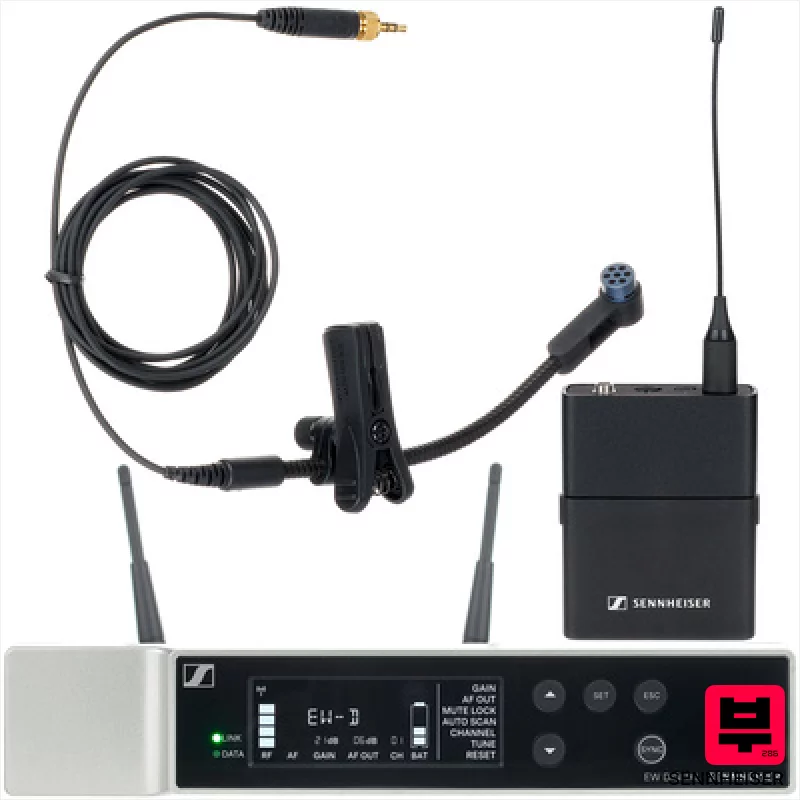
Sennheiser EW-D E 908 Y1-3 Bundle
- • Rock-solid build quality; feels exceptionally durable for gigging.
- • E 908 delivers clear, focused sound, great for brass.
- • Digital clarity minimizes feedback issues on stage.
- • Smart Assist App simplifies complex wireless system management.
- • Frequency range is relatively narrow, potential licensing limitations.
- • Receiver size can be a bit bulky for smaller setups.
- • E 908's condenser design isn't ideal for all wind instruments.

Sennheiser EW-D MCM 114 U1/5 Bundle
- • Neumann MCM 114 delivers exceptional brass/sax clarity and detail.
- • Robust KK 14 capsule handles high SPLs without distortion.
- • EW-D digital system offers clean, interference-free audio transmission.
- • Smart Assist App simplifies complex wireless system configuration.
- • The MCM 114 capsule’s directional pattern can be limiting for some applications.
- • System’s weight (receiver + bodypack) can become fatiguing during extended use.
- • High-end price point makes it a significant investment for smaller budgets.
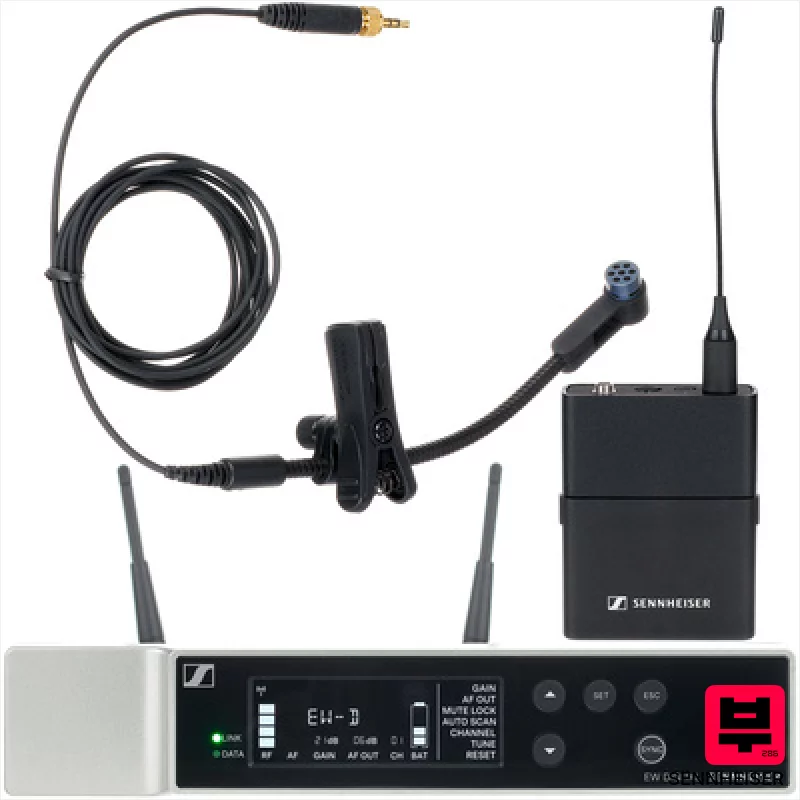
Sennheiser EW-D E 908 U1/5 Bundle
- • Excellent digital clarity; minimizes RF interference common in wireless systems.
- • E 908's tailored frequency response captures wind instrument nuances effectively.
- • Robust SK base unit offers reliable performance and extended operating time.
- • Smart Assist App simplifies setup and troubleshooting; very user-friendly.
- • AA battery dependency can be inconvenient for long performances; consider rechargeable packs.
- • Limited channel count (U1/5) might restrict use in crowded RF environments.
- • Gooseneck design restricts mic placement flexibility compared to handheld options.
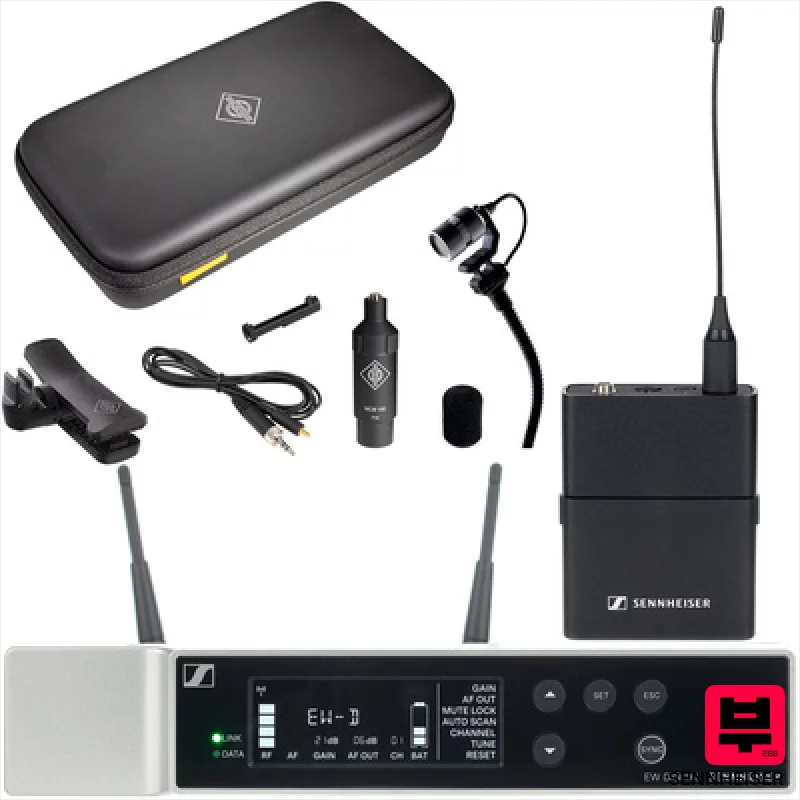
Sennheiser EW-D MCM 114 R1-6 Bundle
- • Neumann MCM 114 delivers exceptional brass/sax clarity and detail.
- • EW-D digital system offers rock-solid reliability and low latency.
- • Smart Assist App simplifies configuration and troubleshooting significantly.
- • KK 14 capsule provides a tailored frequency response for wind instruments.
- • The bundle is premium-priced, a significant investment for many performers.
- • Limited channel availability within the R1-6 frequency band can be restrictive.
- • The SK transmitter's size and weight might be noticeable for some performers.

Shure SLXD14E/98H K59
- • Rock-solid Shure build quality; feels incredibly durable.
- • Excellent audio clarity with a wide 120dB dynamic range.
- • Intuitive infrared frequency syncing simplifies channel management.
- • The WB98H clip mic handles high SPLs – great for brass/drums.
- • AA battery operation can be inconvenient for long gigs.
- • The system’s 44 MHz bandwidth, while good, is less than some competitors.
- • Limited frequency band (606-650 MHz) might restrict availability in some regions.

Shure SLXD14E/98H G59
- • Rock-solid Shure build quality; feels incredibly durable.
- • Excellent audio clarity with 24-bit/48kHz resolution.
- • Infrared syncing simplifies channel management significantly.
- • Cardioid clip mic effectively rejects stage bleed.
- • The AA battery power can be a logistical concern for long gigs.
- • Limited frequency band compared to broader UHF systems.
- • The WB98H clip mic’s capsule isn’t ideal for all instrument types.

Sennheiser EW-D MCM 114 Y1-3 Bundle
- • Neumann MCM 114 delivers exceptional brass/wind clarity and detail.
- • Digital wireless system offers rock-solid reliability and low latency.
- • Smart Assist App simplifies configuration and troubleshooting significantly.
- • KK 14 capsule provides tailored frequency response for brass instruments.
- • The MCM 114 capsule's sensitivity might require gain adjustments.
- • The system's frequency range (Y1-3) may face regulatory restrictions.
- • High-end wireless bundles represent a premium investment for performers.
How to Choose the Best Wireless Microphones for Instruments
Frequency Response
Wind instruments, especially brass, need a wide and even frequency response to capture the full spectrum - from the low-end thump of a tuba to the high-end sizzle of a flute. You want clarity without harshness; that ice-picky top end can be brutal. A tailored response can help avoid boominess or a lack of presence.
Dynamic Range
A good dynamic range is essential for capturing both the quiet breathy passages and the full-throttle blasts. Cheap systems often clip easily, squashing the dynamics and making everything sound compressed and lifeless. You need headroom to play.
Feedback Rejection
This is critical on stage. Wind instruments are prone to feedback, especially in loud band settings. Look for systems with good RF filtering and adjustable gain to minimize unwanted squeals and hum. A well-designed system won't make you fight for every note.
Transmitter Size & Durability
Let's be real, you're attaching this to your instrument. Size and weight matter, especially for smaller horns. Durability is key too - these things take a beating on the road. A flimsy clip or fragile capsule isn't going to last.
Latency
Wireless systems introduce a slight delay. Too much latency can throw off your timing and feel, especially when playing with other musicians. While most modern systems are pretty good, it's worth checking reviews for any noticeable lag.
Buying Guide
Don't fall for the 'budget' wireless mic trap. The cheap ones always cut corners - usually in the capsule's tonal quality or the receiver's dynamic range. Paying a bit more for a reputable brand will get you a system that sounds better, is more reliable, and won't leave you frustrated mid-gig. Consider the frequency band - 2.4 GHz is common but can be crowded, while UHF offers more stability, though with potential licensing issues in some areas.
Our Methodology
We don't just look at spec sheets here. We've spent countless hours playing these systems live, in rehearsal rooms, and in studio settings. Our evaluations involve A/B comparisons against wired mics, critical listening for tonal accuracy, and assessing how well each system handles dynamic range and feedback rejection - all the stuff that actually matters when you're on stage or tracking.

