AudioFu Chart · October 2026
Best Journey Instruments Travel Guitars 2026
The top pick is Journey Instruments OE990CB Travel El. Guitar CB ($560). Journey Instruments OF882C Acacia Acoustic leads the high end. Ranked by the AudioFu Index from 3 models, prices checked every night.
Last updated: October 21, 2026
Top 3
Full detail for the 3 highest AudioFu Index scores. Every other model is listed below.
-
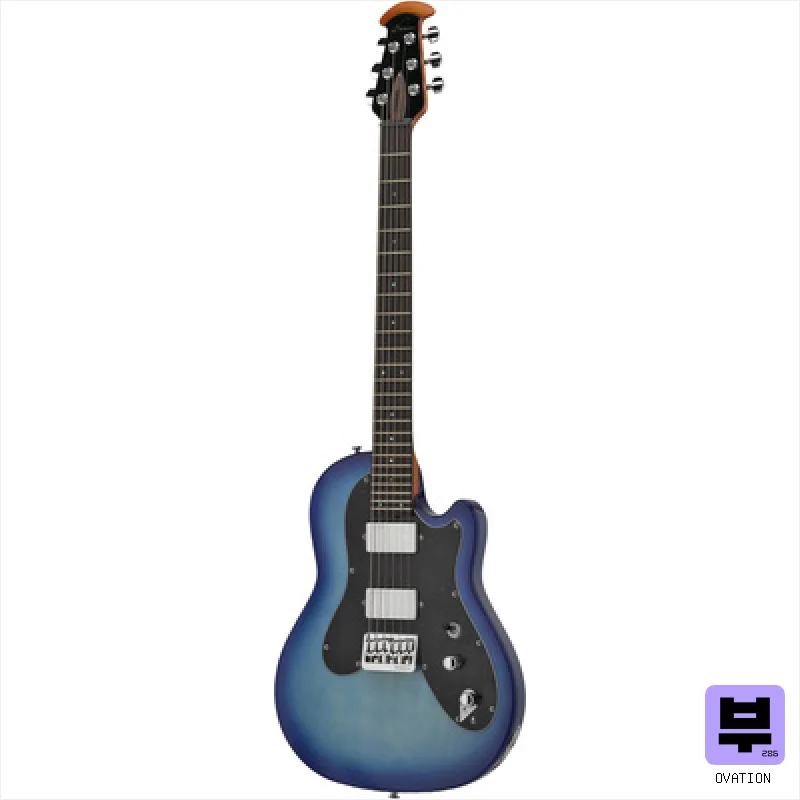
Journey Instruments OE990CB Travel El. Guitar CB
Not on Reverb yet3 finishes at Thomann
- Nut width42.9 mm (1.69")
- Scale635 mm (25")
- Fingerboard radius406 mm (15.98")
- Neck profileC-shape neck
- BodyPoplar body
The OE990CB is a seriously clever bit of kit for gigging musicians needing portability. The collapsible design is genuinely useful, and the humbuckers give you a surprising amount of tonal flexibility. It's ideal for songwriters, buskers, or anyone needing a travel-friendly electric with a solid, playable feel.
Pros
- Flamed maple top adds visual appeal and subtle warmth
- Richlite fretboard offers a stable, smooth playing surface
- Humbucker/coil-split versatility covers blues, rock, and more
Cons
- Poplar body can sound a bit 'plain' compared to mahogany or ash
- Shorter 25in scale limits low-end extension and sustain
52AudioFu
IndexStableno change since Aug 17Aug 17$560 now$560€499 at Thomann · in stockCheck price ↗ -
- Nut width43 mm (1.69")
- Scale762 mm (30")
- BodyPoplar body
- FingerboardRosewood fingerboard
The OEB990B is a clever design – genuinely portable and surprisingly playable. It’s a fantastic option for gigging musicians needing a reliable travel bass or for students wanting a compact instrument. The build quality is solid for its category, and the split coil pickup adds a bit of versatility you don’t always find in travel basses.
Pros
- Poplar body offers a surprisingly resonant and warm tonal foundation.
- 16” radius fingerboard provides comfortable playability, especially for smaller hands.
- Split coil neck pickup delivers a thick, usable low-end for varied tones.
Cons
- 3.5kg weight, while reasonable, can be fatiguing during longer playing sessions.
- Passive electronics limit tonal sculpting options compared to active basses.
47AudioFu
IndexStableno change since Aug 17Aug 17$593 now$593€529 at Thomann · in stockCheck price ↗ -
- Nut width44.5 mm (1.75")
- Scale622 mm (24.49")
- FingerboardRosewood fingerboard
The OF882C is a seriously clever instrument – a full-sized acoustic experience crammed into a surprisingly portable package. The acacia wood gives it a rich, mellow voice, and the detachable neck makes it a dream for traveling musicians or anyone with limited storage space. It’s perfect for singer-songwriters or weekend warriors who need a reliable, quality guitar on the go.
Pros
- Acacia top/back delivers a surprisingly warm, resonant tone for its size.
- Detachable neck is genuinely clever and secure; travel is incredibly convenient.
- Carbon-reinforced mahogany neck provides excellent stability and minimal flex.
Cons
- Acacia, while pleasant, lacks the complexity of more premium tonewoods like mahogany or rosewood.
- The shorter scale length might feel cramped for players with larger hands or longer fingers.
40AudioFu
IndexStableno change since Aug 17Aug 17$986 now$986€879 at Thomann · in stockCheck price ↗
Travel Guitars by the numbers
Measured across all 46 models we track, not a sample.
median of 43 models · 41.4 mm (1.63")–45 mm (1.77")
median of 43 models · 432 mm (17.01")–658 mm (25.91")
median of 16 models · 305 mm (12.01")–406 mm (15.98")
most common · 7 models
How the AudioFu Index works
Five measured signals and nothing else — no stars from strangers, no “tested by experts” we didn’t do. The weights are fixed and public. We don’t play these instruments; we measure the market around them.
This chart covers 6 travel guitars from the Thomann catalogue (of 46 in the category). Before you buy, read hands-on reviews and, where you can, play it. Full methodology.
AudioFu earns a commission when you buy through our Thomann links. It never changes the order — the index does.
- Demand40%
How many of this exact model are for sale on Reverb right now — what musicians actually buy and resell.
- Lineup20%
How many finishes Thomann stocks — makers expand the models that sell.
- Price15%
Where the price has moved since we started tracking in August.
- Specs15%
How completely the maker documents it.
- Maker10%
How deep the brand’s range is in this category.
Questions
What should I look for when buying travel guitars?
Key factors include build quality, sound characteristics, playability, brand reputation, warranty coverage, and value for money. Consider your musical style, skill level, and intended use to find the best match.
How much should I spend on travel guitars?
Budget depends on your needs and experience level. Beginners can find quality options for $200-500, intermediate players should consider $500-1500 range, while professionals often invest $1500+ for premium features.
Are expensive travel guitars worth the investment?
Higher-priced travel guitars typically offer better materials, craftsmanship, and performance. They're worth it if you're serious about music, perform regularly, or need professional-grade features.
What are the best brands for travel guitars?
Top brands combine quality, innovation, and reliability. We evaluate brands based on build quality, sound performance, durability, and customer satisfaction to recommend the best options for different budgets.
Should I buy travel guitars online or in-store?
Both have advantages. Online offers better prices and selection, while stores allow hands-on testing. We recommend researching online first, then testing in stores if possible. Many online retailers offer excellent return policies.