AudioFu Chart · October 2026
Best Travel Guitars Under $300 2026
The top pick is Ibanez AUP10N-OPN ($210). Harley Benton GS-Travel Spruce Bundle gives you the most for the money at $163. Guild Travel Spruce leads the high end. Ranked by the AudioFu Index from 7 models across 3 brands, prices checked every night.
Last updated: October 21, 2026
Top 7
Full detail for the 7 highest AudioFu Index scores. Every other model is listed below.
-
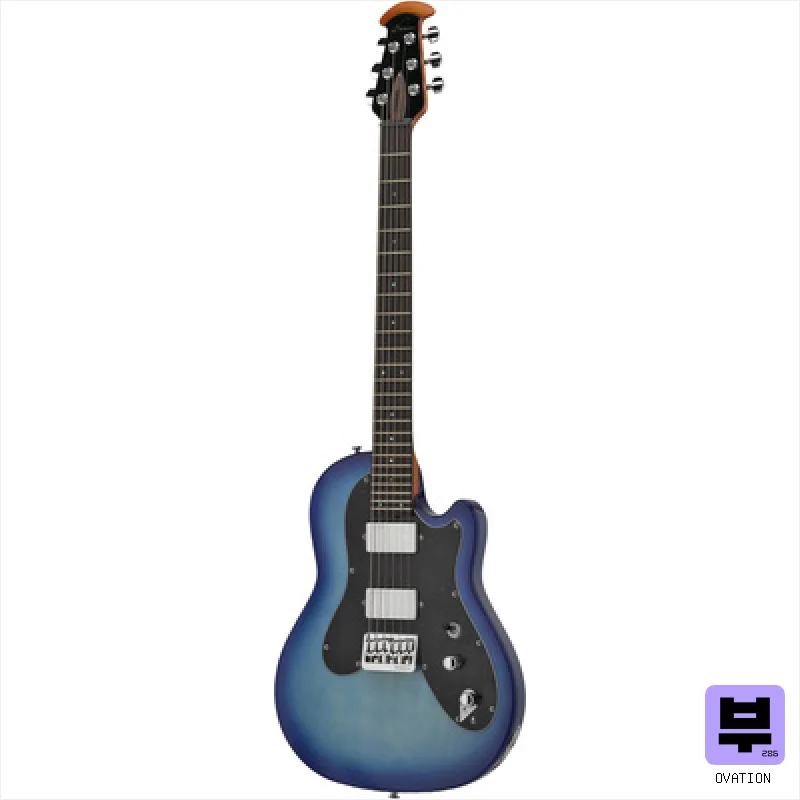
- Nut width48 mm (1.89")
- Scale432 mm (17.01")
- Frets19 frets
- FingerboardPurpleheart fingerboard
The AUP10N-OPN is a surprisingly capable little guitar. It’s ideal for travelers, students, or anyone wanting a comfortable, compact instrument with a warm, focused tone. While not a powerhouse, it's a solid choice for fingerpicking and lighter playing – a really neat package for the price.
Pros
- Solid paulownia back/sides offer surprisingly rich tonal response.
- Purpleheart fingerboard provides a smooth, fast playing experience.
- Compact tenor size is exceptionally comfortable for travel and smaller players.
Cons
- Spruce top, while decent, won't deliver the projection of higher-grade woods.
- Open pore finish, while attractive, requires more careful handling to avoid blemishes.
48AudioFu
IndexStableno change since Aug 17Aug 17$210 now$210€187 at Thomann · in stockCheck price ↗ -
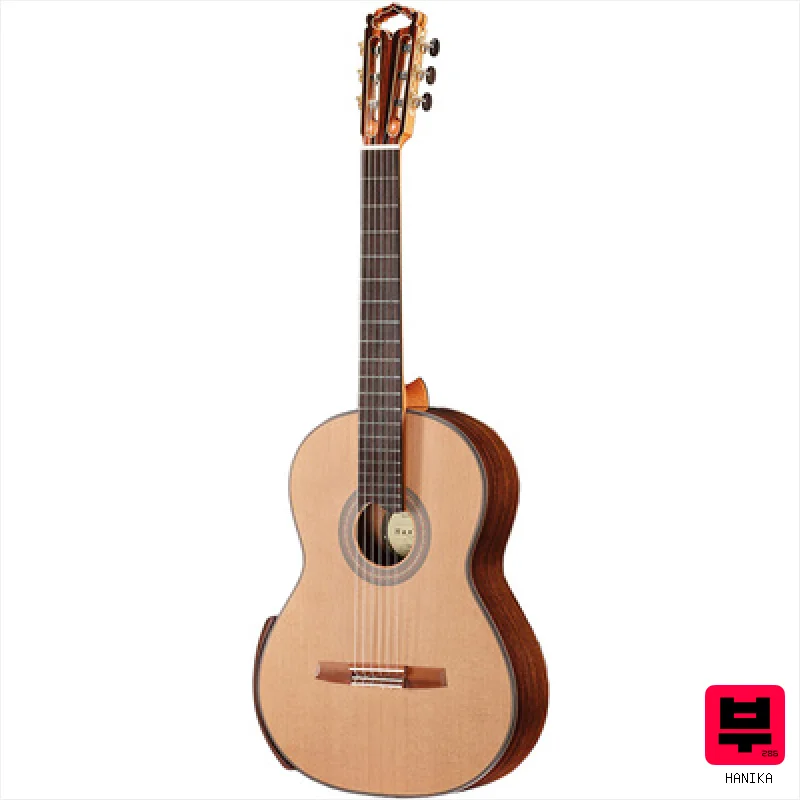
- Nut width43 mm (1.69")
- Scale658 mm (25.91")
- Frets19 frets
The Guild Travel Spruce is a surprisingly capable little guitar. It’s fantastic for students, travelers, or anyone wanting a comfortable, easily portable instrument with a surprisingly good voice for its size. Don’t expect a concert-hall tone, but it’s a joy to play and a solid value.
Pros
- Spruce top delivers surprisingly rich, resonant tone for a travel guitar.
- Mahogany back and sides offer warmth and a pleasing, focused character.
- Compact scale and nut width make it exceptionally comfortable for smaller hands or travel.
Cons
- Short scale limits low-end response; not ideal for complex chord voicings.
- Spruce top finish is quite thin, susceptible to scratches and dings.
36AudioFu
IndexStableno change since Aug 17Aug 17$279 now$279€249 at Thomann · in stockCheck price ↗ -
- Nut width43 mm (1.69")
- Scale596 mm (23.46")
- Frets20 frets
- Fingerboard radius381 mm (15")
- Neck profileV-shape neck
This Harley Benton GS-Travel-E is a surprisingly capable little guitar. The mahogany body gives it a warmer tone than many travel guitars, and the built-in pickup system is a real boon for buskers or anyone needing a quick, amplified acoustic. It’s perfect for students, beginners, or anyone needing a reliable and affordable travel companion.
Pros
- Mahogany body delivers a warm, focused tone with pleasant overtones.
- HB-03 preamp and tuner offer convenient amplified performance and tuning.
- Purple heart fingerboard provides a smooth, fast playing experience.
Cons
- The shorter scale length limits low-end response and string tension.
- Nato neck, while stable, lacks the premium feel of mahogany or maple.
29AudioFu
IndexStableno change since Aug 17Aug 17$257 now$257€229 at Thomann · in stockCheck price ↗ -
- Nut width43 mm (1.69")
- Scale596 mm (23.46")
- Frets20 frets
- Fingerboard radius305 mm (12.01")
- Neck profileV-shape neck
This little Harley Benton is a clever package. It’s ideal for students, travelers, or anyone needing a compact acoustic that still sounds decent. The spruce top delivers a surprising amount of projection, making it a fun and affordable option for casual playing.
Pros
- Spruce top provides a surprisingly bright and resonant tone for its size.
- Mahogany back and sides offer warmth and a pleasing mid-range focus.
- Okoume neck provides good stability and a comfortable V-shaped profile.
Cons
- The 'V' neck profile isn't for everyone; might feel bulky to some players.
- Factory strings are basic; upgrading will significantly improve the sound.
28AudioFu
IndexStableno change since Aug 17Aug 17$163 now$163€145 at Thomann · in stockCheck price ↗ -
- Nut width43 mm (1.69")
- Scale596 mm (23.46")
- Frets20 frets
- Neck profileV-shape neck
- BodySpruce body
This little Harley Benton is a surprisingly capable travel companion. The spruce top gives it a decent acoustic voice, and the built-in pickup and tuner are genuinely useful for practice and songwriting on the go. It's a great option for students, travelers, or anyone needing a compact, affordable instrument.
Pros
- Spruce top delivers surprisingly full, resonant tone for a travel guitar.
- The HB-03 pickup system provides a usable amplified sound and integrated tuner.
- Mahogany back and sides add warmth and complexity to the spruce's brightness.
Cons
- The 'V' neck profile isn't universally comfortable; may feel chunky.
- Short scale length limits low-end response and string tension.
28AudioFu
IndexStableno change since Aug 17Aug 17$257 now$257€229 at Thomann · in stockCheck price ↗ -
- Nut width42 mm (1.65")
- Scale595 mm (23.43")
- Frets18 frets
- FingerboardJatoba fingerboard
- Weight1 kg
This little Traveler-E-Steel is a clever package. It's surprisingly playable and sounds decent amplified, making it a great grab-and-go option for students, beginners, or anyone needing a compact instrument. Don't expect a high-end tone, but for the price, it's a remarkably practical solution.
Pros
- Spruce top delivers a surprisingly bright and resonant acoustic tone.
- Nyatoh neck provides a comfortable, familiar feel for experienced players.
- Integrated pickup system offers basic amplification with decent clarity.
Cons
- Sapele back and sides limit the overall tonal complexity and projection.
- Factory strings are basic and will likely need an immediate upgrade.
26AudioFu
IndexStableno change since Aug 17Aug 17$178 now$178€159 at Thomann · in stockCheck price ↗ -
- Nut width43 mm (1.69")
- Scale596 mm (23.46")
- Frets20 frets
- Neck profileV-shape neck
- BodySapele body
This little Harley Benton is a real surprise. It's perfect for students, travelers, or anyone needing a compact, playable acoustic with a genuinely pleasant voice. The solid top and quality hardware make it feel like a much more expensive instrument.
Pros
- Solid Sitka spruce top delivers surprisingly rich, resonant acoustic tone.
- Sapele back and sides offer warmth and projection uncommon in travel guitars.
- Okoume neck provides comfortable playability with a comfortable 'V' profile.
Cons
- Arched back, while aesthetically pleasing, can slightly impact sustain.
- 596mm scale length limits versatility; not ideal for complex fingerstyle.
26AudioFu
IndexStableno change since Aug 17Aug 17$178 now$178€159 at Thomann · in stockCheck price ↗
Travel Guitars by the numbers
Measured across all 8 models we track, not a sample.
Median $219 — half of all travel guitars here cost less.
median of 8 models · 42 mm (1.65")–48 mm (1.89")
median of 8 models · 432 mm (17.01")–596 mm (23.46")
median of 8 models · 18–20
How the AudioFu Index works
Five measured signals and nothing else — no stars from strangers, no “tested by experts” we didn’t do. The weights are fixed and public. We don’t play these instruments; we measure the market around them.
This chart covers 8 travel guitars from the Thomann catalogue. Before you buy, read hands-on reviews and, where you can, play it. Full methodology.
AudioFu earns a commission when you buy through our Thomann links. It never changes the order — the index does.
- Demand40%
How many of this exact model are for sale on Reverb right now — what musicians actually buy and resell.
- Lineup20%
How many finishes Thomann stocks — makers expand the models that sell.
- Price15%
Where the price has moved since we started tracking in August.
- Specs15%
How completely the maker documents it.
- Maker10%
How deep the brand’s range is in this category.
Questions
What should I look for when buying travel guitars?
Key factors include build quality, sound characteristics, playability, brand reputation, warranty coverage, and value for money. Consider your musical style, skill level, and intended use to find the best match.
How much should I spend on travel guitars?
Budget depends on your needs and experience level. Beginners can find quality options for $200-500, intermediate players should consider $500-1500 range, while professionals often invest $1500+ for premium features.
Are expensive travel guitars worth the investment?
Higher-priced travel guitars typically offer better materials, craftsmanship, and performance. They're worth it if you're serious about music, perform regularly, or need professional-grade features.
What are the best brands for travel guitars?
Top brands combine quality, innovation, and reliability. We evaluate brands based on build quality, sound performance, durability, and customer satisfaction to recommend the best options for different budgets.
Should I buy travel guitars online or in-store?
Both have advantages. Online offers better prices and selection, while stores allow hands-on testing. We recommend researching online first, then testing in stores if possible. Many online retailers offer excellent return policies.