
Best Travel Guitars for Camping 2026
Alright, so you want to shred around a campfire? Smart move. A travel guitar isn't just about portability; it's about having something reliable that can handle bumps, temperature changes, and maybe a few spilled beers. We're not talking about guitars you'll record a studio album with, but you can get something that'll inspire a few singalongs and give you that late-night blues vibe under the stars.
Last updated: July 22, 2026 • Next update: July 29, 2026

Journey Instruments OF882C Acacia Acoustic
- • Acacia top/back delivers a surprisingly warm, resonant tone for its size.
- • Detachable neck is genuinely clever and secure; travel is incredibly convenient.
- • Carbon-reinforced mahogany neck provides excellent stability and minimal flex.
- • EP001K pickup system offers a usable amplified tone without being overly bright.
- • Acacia, while pleasant, lacks the complexity of more premium tonewoods like mahogany or rosewood.
- • The shorter scale length might feel cramped for players with larger hands or longer fingers.
- • While compact, the overall weight is noticeable when carrying for extended periods.
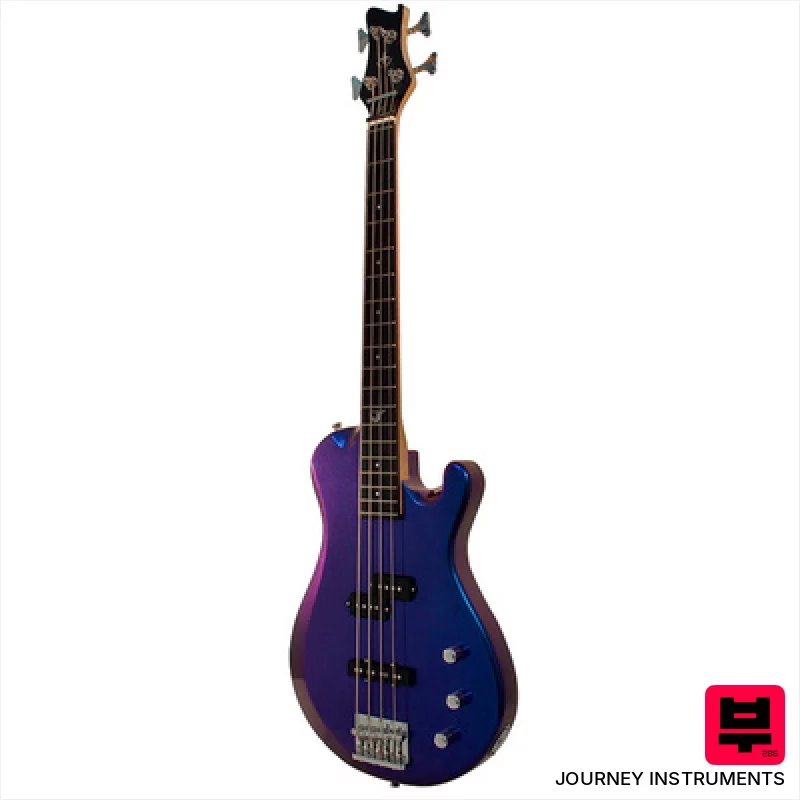
Journey Instruments OEB990B Travel Bass BP
- • Poplar body offers a surprisingly resonant and warm tonal foundation.
- • 16” radius fingerboard provides comfortable playability, especially for smaller hands.
- • Split coil neck pickup delivers a thick, usable low-end for varied tones.
- • Journey’s 18:1 locking tuners ensure stable tuning even with frequent travel.
- • 3.5kg weight, while reasonable, can be fatiguing during longer playing sessions.
- • Passive electronics limit tonal sculpting options compared to active basses.
- • 762mm scale length might feel slightly cramped for players accustomed to longer scales.
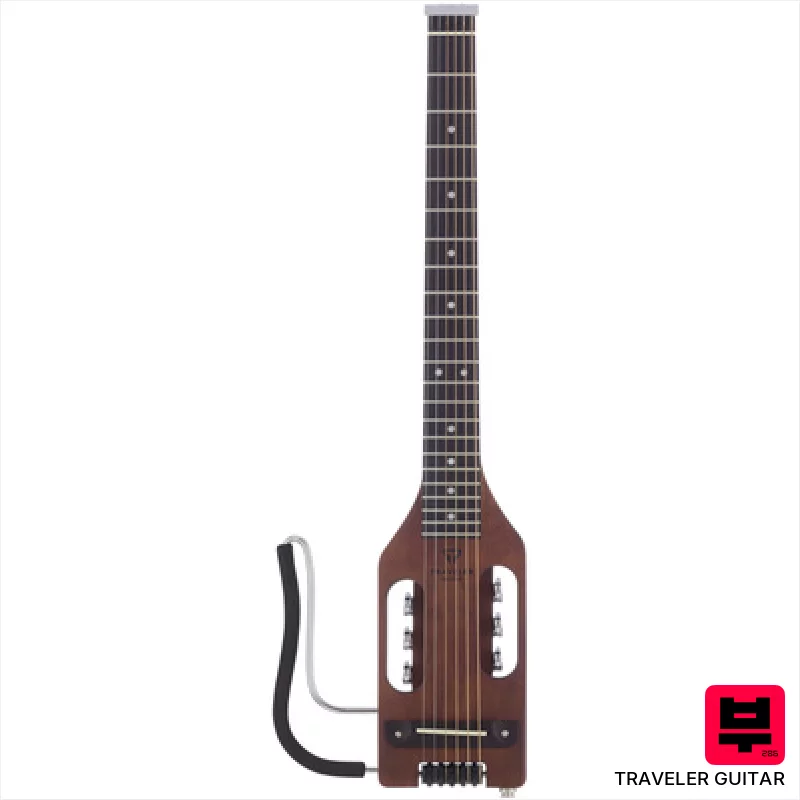
Traveler Guitar Ultra-Light Acoustic Lefty AB
- • Maple body offers bright, focused acoustic tone with good projection.
- • Neck-thru design enhances sustain and provides comfortable access across the fretboard.
- • Passive piezo pickup delivers surprisingly usable amplified sound for travel.
- • Compact size and light weight (1.3kg) make it incredibly portable and convenient.
- • Black walnut fingerboard can feel slightly harder than rosewood or ebony.
- • Passive piezo pickup lacks the warmth and nuance of more advanced systems.
- • Shorter 24.75” scale limits low-end response compared to full-size guitars.
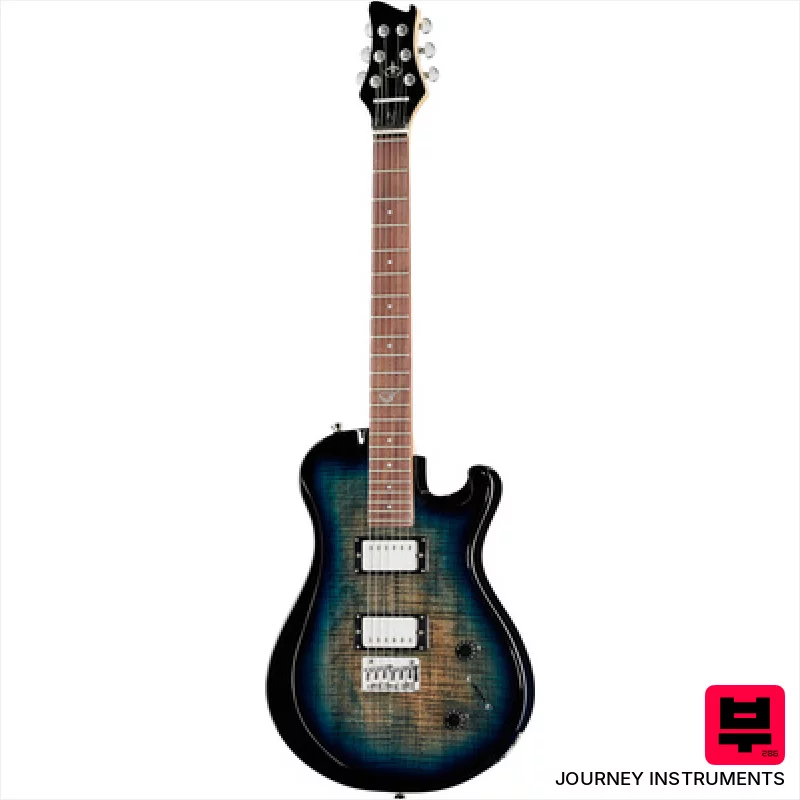
Journey Instruments OE990BL Travel El. Guitar FB
- • Flame maple top adds visual flair and a touch of brightness
- • Richlite fingerboard offers a consistently smooth playing experience
- • Humbucker/coil-split versatility covers blues, rock, and more
- • Compact design and backpack make travel incredibly convenient
- • Poplar body can lack the sustain of more premium tonewoods
- • Shorter scale length impacts low-end response compared to full-size guitars
- • Detachable neck, while innovative, may feel less stable to some players
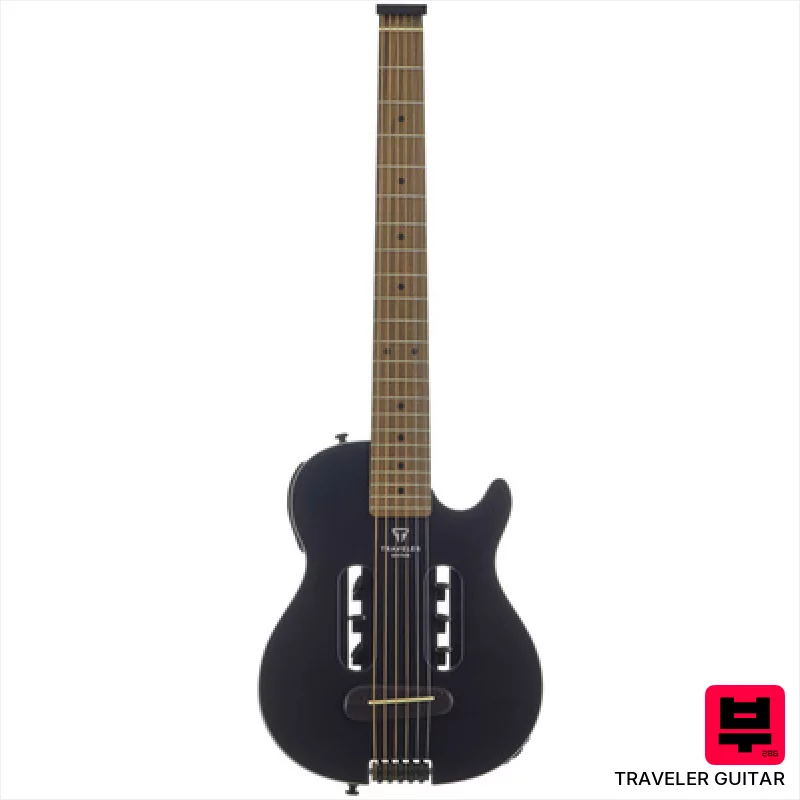
Traveler Guitar Escape Mark III Steel BK Satin
- • Mahogany body delivers a warm, focused acoustic tone with good sustain.
- • Shadow Nanoflex pickup system captures surprisingly natural amplified sound.
- • Built-in tuner and headphone amp offer silent practice convenience.
- • Compact size and lightweight design (1.9kg) make it truly travel-friendly.
- • The 9.5” fingerboard radius might feel a little flat for players accustomed to vintage necks.
- • While capable, the onboard EQ is basic and lacks nuanced tonal shaping.
- • The shorter 25.5” scale impacts string tension, affecting lower-register response.
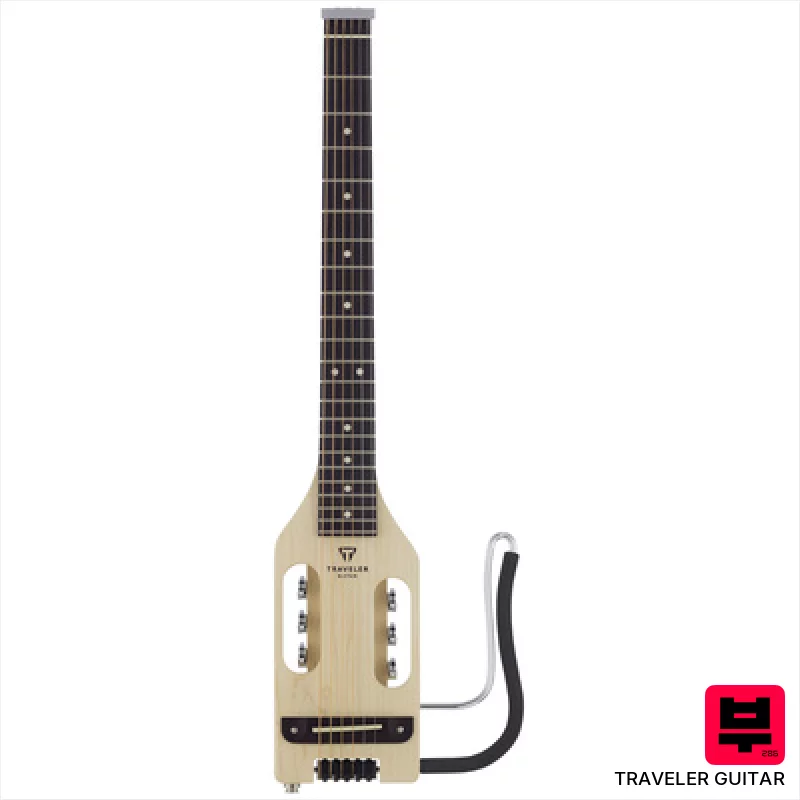
Traveler Guitar Ultra Light Acoustic Maple
- • Maple body delivers a bright, articulate tone with surprising sustain
- • Compact scale (24.75 in) simplifies chords and offers comfortable playability
- • Under-saddle piezo pickup provides usable amplified sound for basic performance
- • Sealed machine heads ensure stable tuning, a welcome touch for a travel guitar
- • Maple's brightness can sound thin without careful EQ or playing style adjustments
- • Under-saddle pickups often lack the nuance of more premium acoustic systems
- • Limited body size impacts projection and low-end response compared to full-size guitars
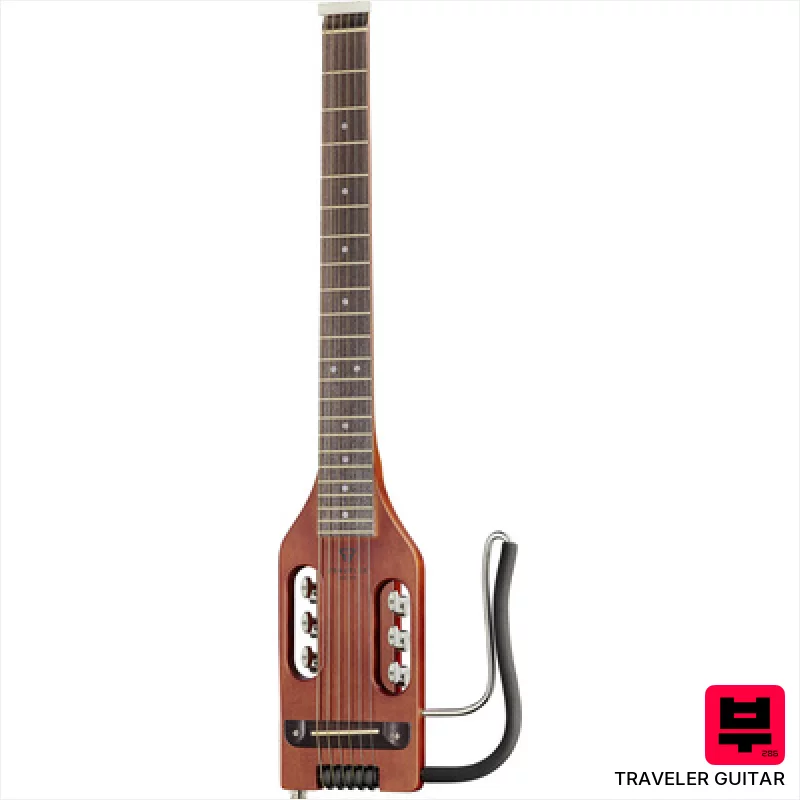
Traveler Guitar Ultra Light Acoustic AB
- • Maple body provides a surprisingly bright and articulate acoustic tone.
- • Neck-thru construction enhances sustain and contributes to a comfortable playing feel.
- • Traveler Under-Saddle Piezo pickup offers decent amplified sound for basic gigs.
- • Compact size and lightweight design (1.30 kg) make it ideal for travel and small spaces.
- • Under-saddle piezo pickup lacks the warmth and nuance of a more premium system.
- • Shorter 628 mm scale limits low-end response and string tension.
- • Brown matte finish, while aesthetically pleasing, can be prone to fingerprints.

Furch LJ 10-MM Mahogany Little Jane
- • Solid mahogany construction delivers a warm, focused, and woody tone.
- • Ebony fingerboard and bridge offer excellent clarity and sustain.
- • Folding design is remarkably stable and surprisingly playable for a travel guitar.
- • Czech Republic craftsmanship ensures high build quality and attention to detail.
- • Mahogany's tonal character might lack the brightness preferred by some players.
- • Folding mechanism, while clever, adds slight complexity and potential fragility.
- • Smaller body size limits projection and low-end response compared to full-size guitars.

Journey Instruments OEB990BK Travel Bass BK
- • Solid poplar body delivers a surprisingly warm, resonant low-end.
- • Maple neck with a comfortable medium-U profile plays very well.
- • Split coil neck pickup offers a usable, mellow tone for versatility.
- • Locking tuners and through-body string guide enhance tuning stability on the road.
- • Passive electronics limit tonal shaping options compared to active basses.
- • At 3.5kg, it's heavier than many other travel basses, especially when packed.
- • Solid poplar, while decent, isn’t a premium tonewood like mahogany or ash.
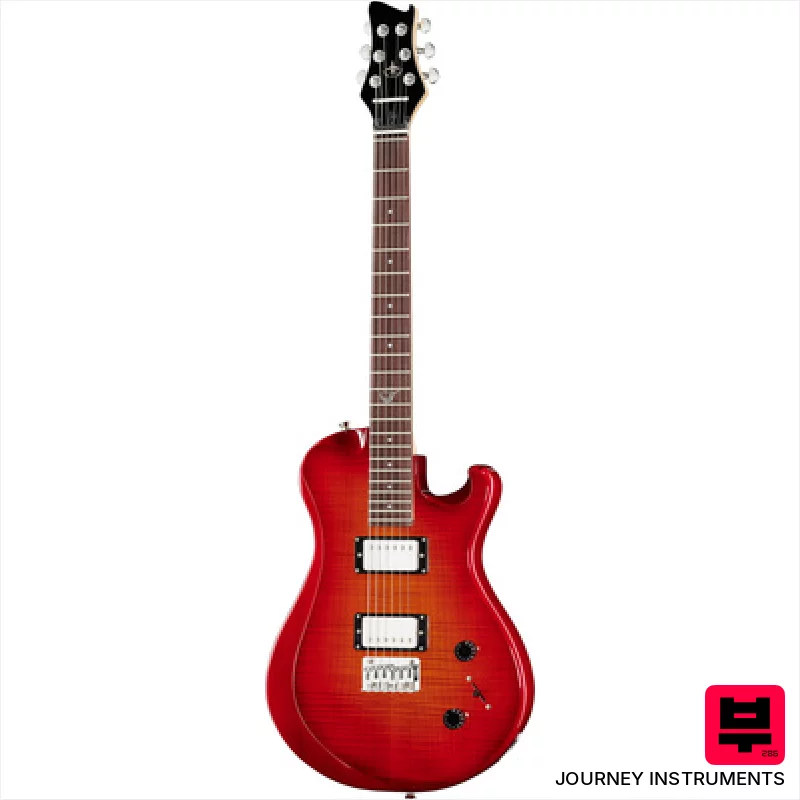
Journey Instruments OE990CB Travel El. Guitar CB
- • Flamed maple top adds visual appeal and subtle warmth
- • Richlite fretboard offers a stable, smooth playing surface
- • Humbucker/coil-split versatility covers blues, rock, and more
- • Journey locking tuners ensure accurate, reliable tuning stability
- • Poplar body can sound a bit 'plain' compared to mahogany or ash
- • Shorter 25in scale limits low-end extension and sustain
- • Collapsible design adds complexity, potentially impacting long-term durability
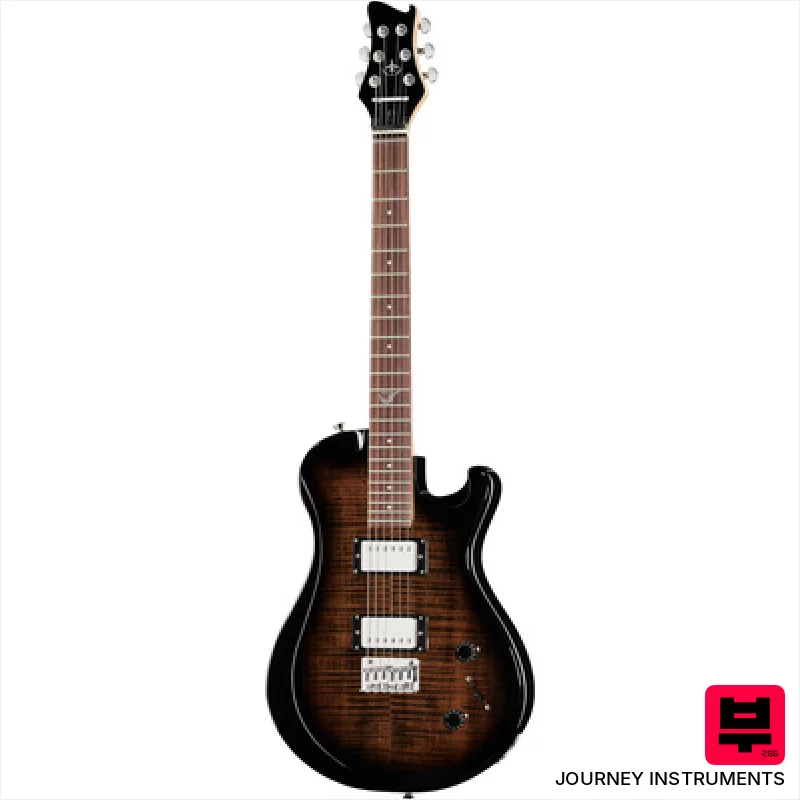
Journey Instruments OE990BK Travel El. Guitar BK
- • Flame maple top adds a touch of class and visual appeal
- • Richlite fingerboard offers a smooth, consistent playing surface
- • Humbucker/coil split versatility covers blues, rock, and jazz tones
- • Compact design and backpack make travel incredibly convenient
- • Poplar body lacks the resonance of mahogany or alder
- • Short scale length limits low-end extension and string tension
- • Detachable neck, while innovative, may require careful handling and maintenance
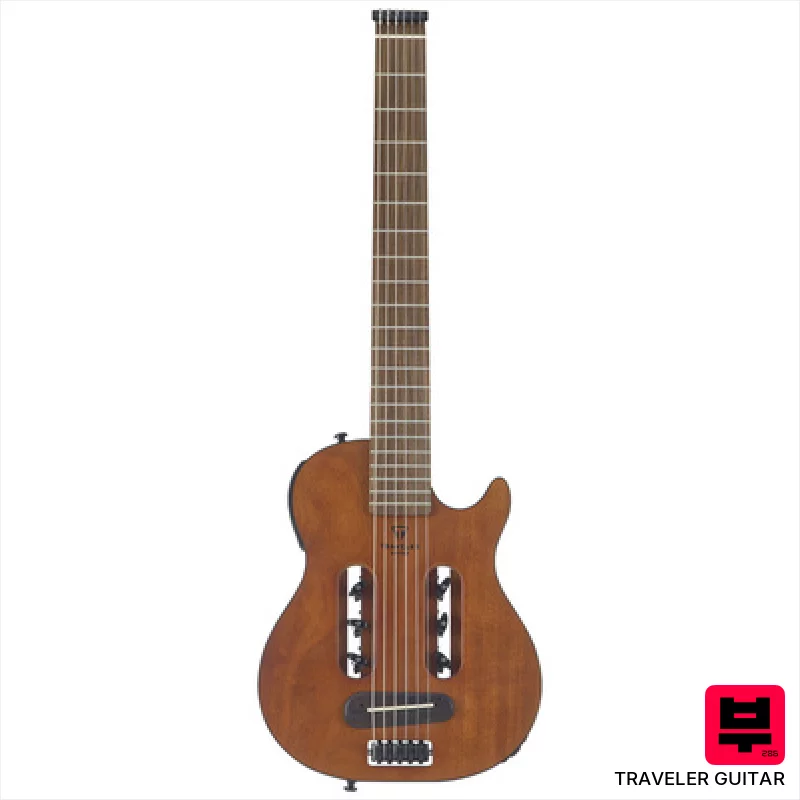
Traveler Guitar Escape Mark III Nylon Natural
- • Mahogany body delivers a warm, resonant acoustic tone.
- • Shadow Nanoflex pickup captures a surprisingly natural amplified sound.
- • Integrated tuner and preamp offer convenient practice and performance features.
- • Compact design and gig bag make it ideal for travel and limited spaces.
- • Open-gear tuners aren't as precise as sealed tuners, potentially impacting tuning stability.
- • Bolt-on neck, while practical, lacks the sustain of a set neck.
- • Flat fingerboard might not appeal to players accustomed to more rounded profiles.
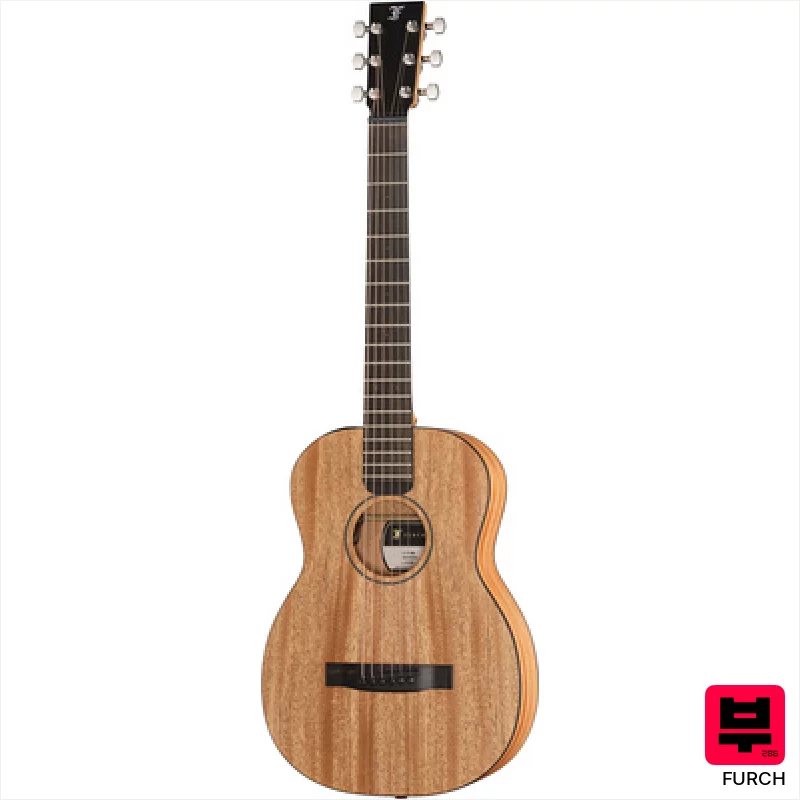
Furch LJ 10-MM EAS-VTC Little Jane
- • Solid mahogany construction delivers a warm, focused, and surprisingly resonant tone.
- • L.R. Baggs EAS-VTC system provides a natural amplified sound with excellent feedback rejection.
- • Ebony fingerboard and bridge offer exceptional clarity and sustain for precise playing.
- • Compact size and locking tuners make it exceptionally travel-friendly and reliably in tune.
- • Mahogany body limits tonal versatility; less bright than spruce-topped guitars.
- • Smaller body size sacrifices some projection and low-end response compared to full-size guitars.
- • Premium-priced for a travel guitar, requiring careful consideration of budget.
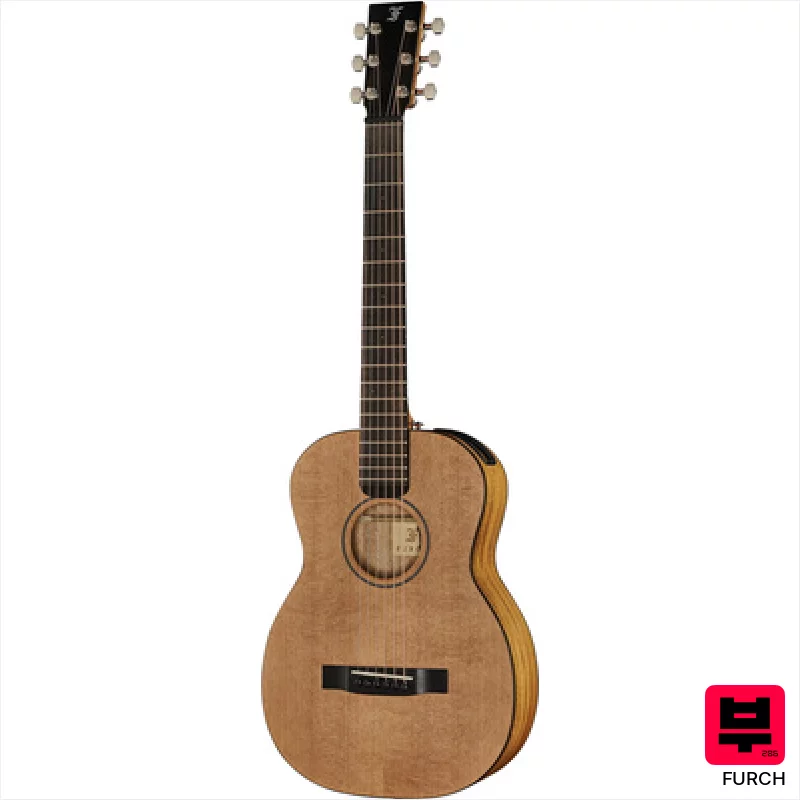
Furch LJ-10-CM LH w/EAS-VTC
- • Solid cedar top delivers a warm, responsive, and articulate voice.
- • Mahogany back and sides provide a focused, woody resonance.
- • LR Baggs EAS-VTC pickup system offers clear amplified tone with excellent feedback rejection.
- • Czech craftsmanship ensures exceptional build quality and attention to detail.
- • Foldable design, while convenient, slightly compromises overall resonance compared to full-size guitars.
- • Ebony fingerboard, while luxurious, may feel a bit harder than rosewood for some players.
- • Limited body size restricts low-end response for very bass-heavy playing styles.
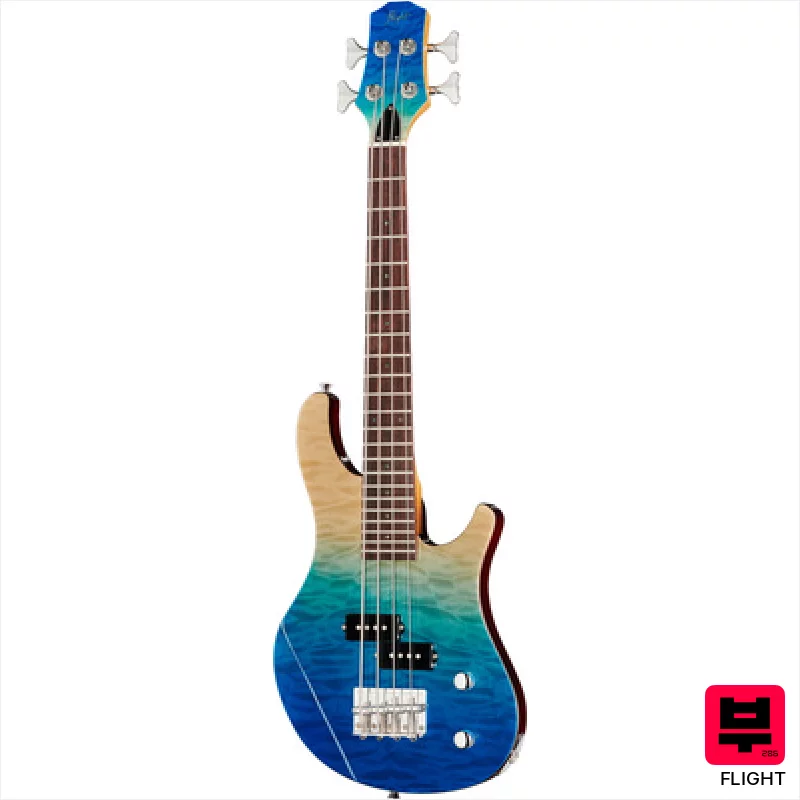
Flight Mini Bass TBL Solid Body
- • Mahogany body provides a warm, resonant low-end foundation.
- • Roasted maple neck offers excellent stability and smooth playability.
- • Alnico 5 split coil delivers a surprisingly punchy, P-style tone.
- • Quilted maple top adds visual appeal and a touch of brightness.
- • Scale length limits low-end extension compared to full-size basses.
- • Rosewood fretboard might feel a bit dry for some players.
- • Solid mahogany body can become a bit weighty for extended playing.
How to Choose the Best Travel Guitars
Durability
Camping isn't gentle. We're talking about how well the guitar handles knocks, humidity, and temperature swings. A thin, nitro finish is gonna be a problem; something with a poly finish or even a straightforward laminate top is a better bet.
Portability/Size
Obvious, right? But it's not just about weight. A guitar that's too small can feel cramped and uncomfortable, impacting playability. Finding the sweet spot between compact and playable is key.
Tonal Versatility
You might want to play blues, folk, or even some campfire rock. A guitar that's too specialized - like a super-bright, thin-bodied electric - won't cut it. Something with a bit of warmth and headroom is preferable.
Playability (Action & Neck Profile)
A high action and a neck that feels like a baseball bat won't be fun after a long day of hiking. Comfortable ergonomics are essential, especially if you're playing for extended periods.
Pickup Voicing (If Electric)
A lot of travel guitars lean towards brighter, thinner sounds. While that can be nice, it often lacks warmth and sustain. Look for pickups with a bit more low-end thump to help cut through the mix - even acoustic guitars benefit from a bit of punch.
Buying Guide
Don't expect miracles. Travel guitars inherently make compromises - often in wood quality or bracing. A solid top is always better than laminate, but be prepared to pay a premium. Watch out for overly-thin bodies that resonate like a tin can; a little extra thickness actually improves the tone and feel. Ultimately, prioritize playability and durability over chasing a 'vintage' tone - you're in the wilderness, not a recording studio.
Our Methodology
We've spent a lot of time playing these things - in bedrooms, around campfires, and even tried to coax decent sounds out of them through cheap PA systems. Our evaluations aren't based on spec sheets; we're looking for how they feel in your hands, how they respond to different playing styles, and how they hold up to the realities of being tossed in a backpack.

