
Best Travel Guitars for Convenient Playing 2026
So, you need a guitar that travels well? Maybe you're a session player bouncing between studios, a gigging musician crammed into a van, or just want something easy to keep in the bedroom without taking over the space. It's a tricky balance - you want convenience without sacrificing too much tone or playability. These aren't just mini-guitars; they're instruments designed to actually work when you need them to.
Last updated: July 22, 2026 • Next update: July 29, 2026
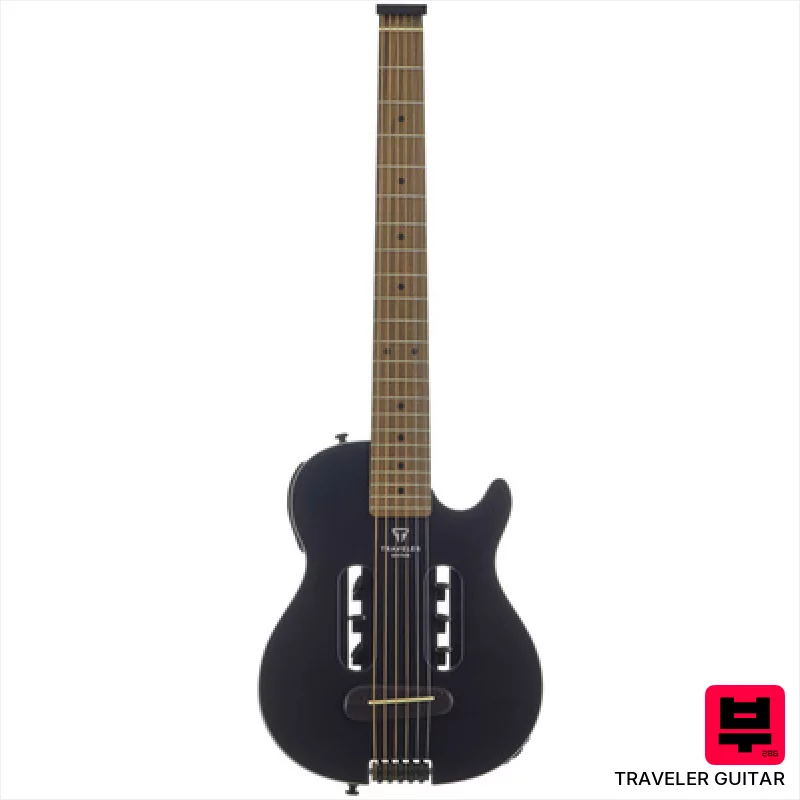
Traveler Guitar Escape Mark III Steel BK Satin
- • Mahogany body delivers a warm, focused acoustic tone with good sustain.
- • Shadow Nanoflex pickup system captures surprisingly natural amplified sound.
- • Built-in tuner and headphone amp offer silent practice convenience.
- • Compact size and lightweight design (1.9kg) make it truly travel-friendly.
- • The 9.5” fingerboard radius might feel a little flat for players accustomed to vintage necks.
- • While capable, the onboard EQ is basic and lacks nuanced tonal shaping.
- • The shorter 25.5” scale impacts string tension, affecting lower-register response.
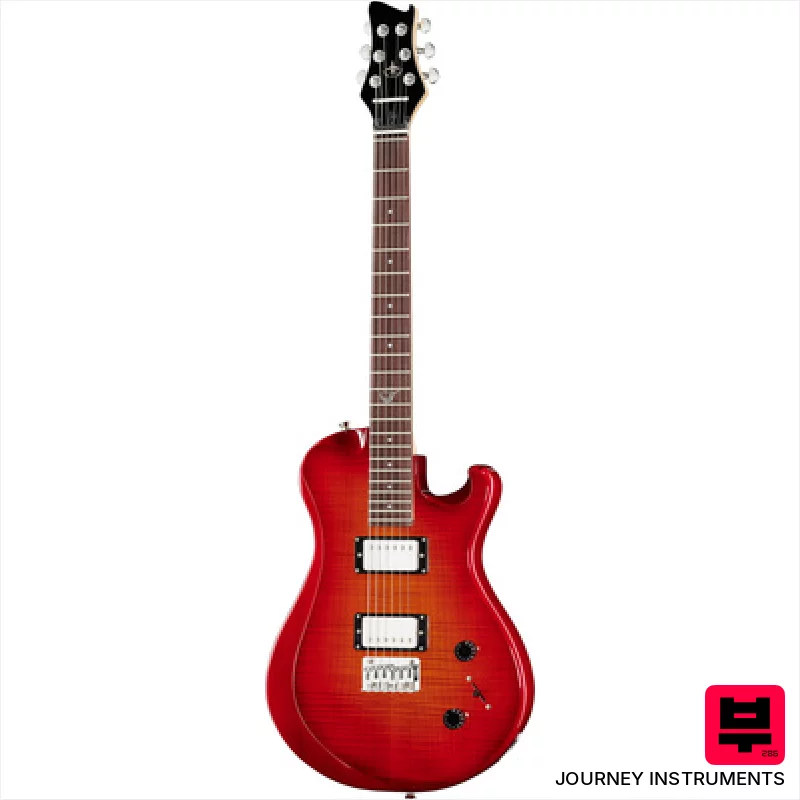
Journey Instruments OE990CB Travel El. Guitar CB
- • Flamed maple top adds visual appeal and subtle warmth
- • Richlite fretboard offers a stable, smooth playing surface
- • Humbucker/coil-split versatility covers blues, rock, and more
- • Journey locking tuners ensure accurate, reliable tuning stability
- • Poplar body can sound a bit 'plain' compared to mahogany or ash
- • Shorter 25in scale limits low-end extension and sustain
- • Collapsible design adds complexity, potentially impacting long-term durability
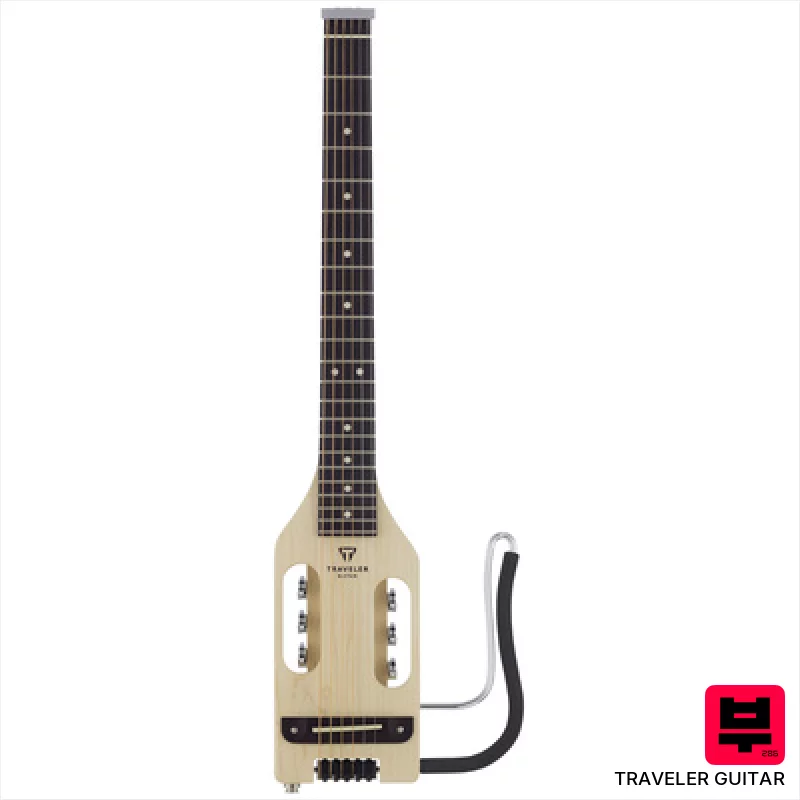
Traveler Guitar Ultra Light Acoustic Maple
- • Maple body delivers a bright, articulate tone with surprising sustain
- • Compact scale (24.75 in) simplifies chords and offers comfortable playability
- • Under-saddle piezo pickup provides usable amplified sound for basic performance
- • Sealed machine heads ensure stable tuning, a welcome touch for a travel guitar
- • Maple's brightness can sound thin without careful EQ or playing style adjustments
- • Under-saddle pickups often lack the nuance of more premium acoustic systems
- • Limited body size impacts projection and low-end response compared to full-size guitars

Furch LJ 10-MM Mahogany Little Jane
- • Solid mahogany construction delivers a warm, focused, and woody tone.
- • Ebony fingerboard and bridge offer excellent clarity and sustain.
- • Folding design is remarkably stable and surprisingly playable for a travel guitar.
- • Czech Republic craftsmanship ensures high build quality and attention to detail.
- • Mahogany's tonal character might lack the brightness preferred by some players.
- • Folding mechanism, while clever, adds slight complexity and potential fragility.
- • Smaller body size limits projection and low-end response compared to full-size guitars.
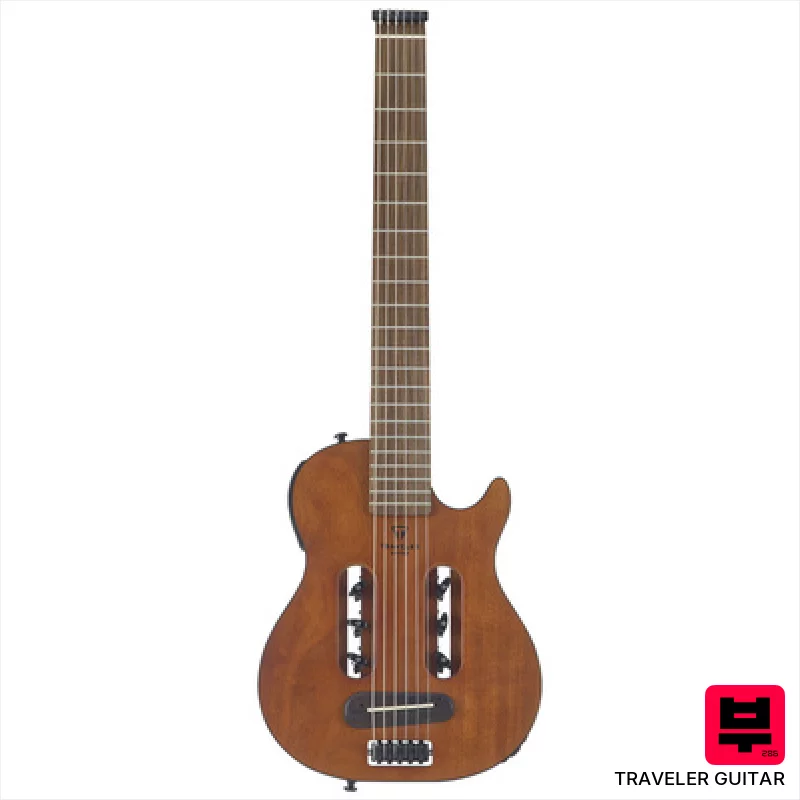
Traveler Guitar Escape Mark III Nylon Natural
- • Mahogany body delivers a warm, resonant acoustic tone.
- • Shadow Nanoflex pickup captures a surprisingly natural amplified sound.
- • Integrated tuner and preamp offer convenient practice and performance features.
- • Compact design and gig bag make it ideal for travel and limited spaces.
- • Open-gear tuners aren't as precise as sealed tuners, potentially impacting tuning stability.
- • Bolt-on neck, while practical, lacks the sustain of a set neck.
- • Flat fingerboard might not appeal to players accustomed to more rounded profiles.
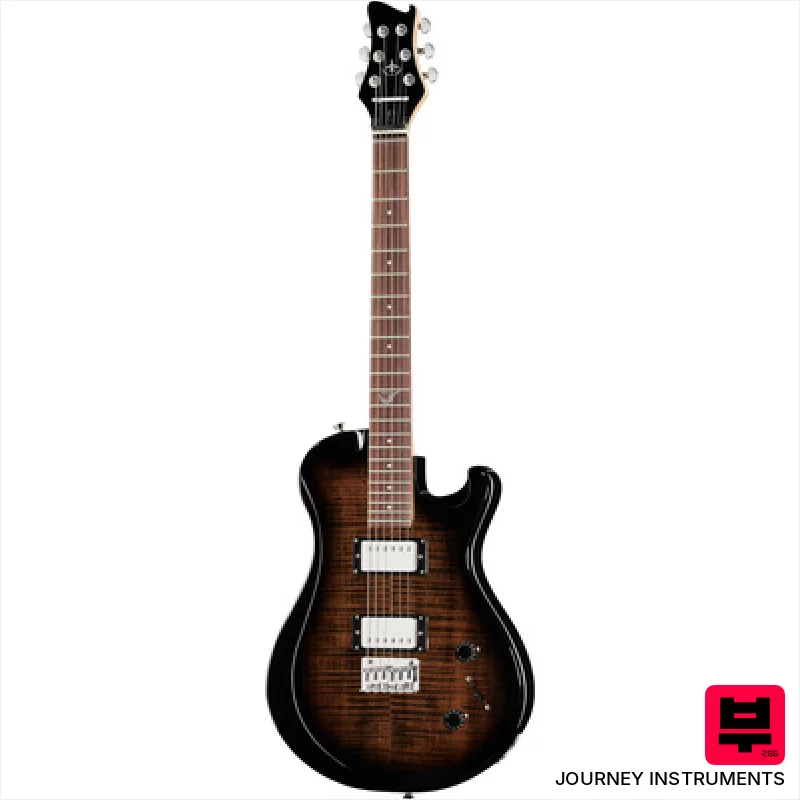
Journey Instruments OE990BK Travel El. Guitar BK
- • Flame maple top adds a touch of class and visual appeal
- • Richlite fingerboard offers a smooth, consistent playing surface
- • Humbucker/coil split versatility covers blues, rock, and jazz tones
- • Compact design and backpack make travel incredibly convenient
- • Poplar body lacks the resonance of mahogany or alder
- • Short scale length limits low-end extension and string tension
- • Detachable neck, while innovative, may require careful handling and maintenance
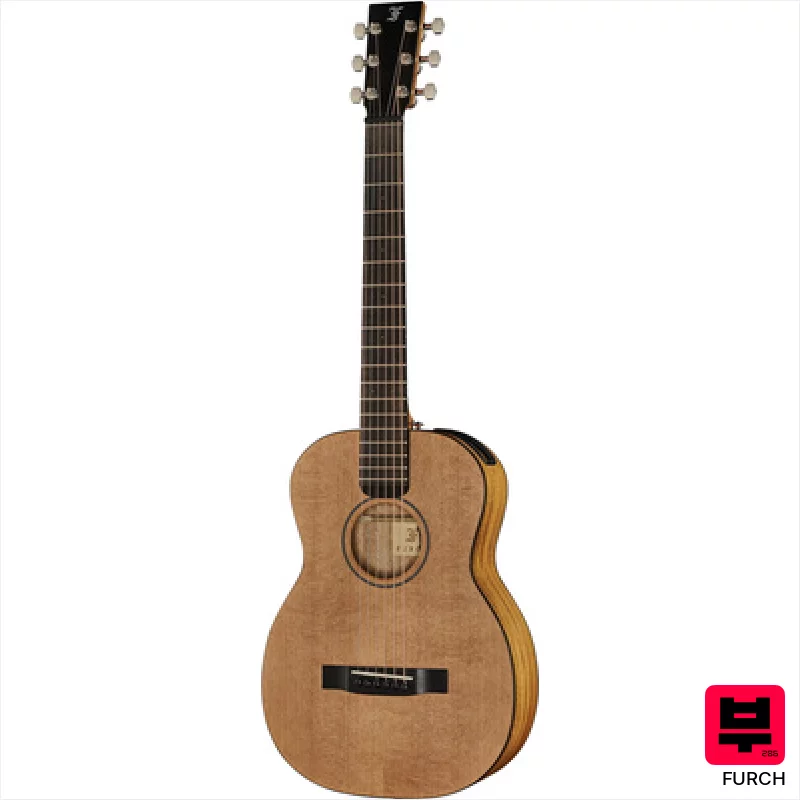
Furch LJ-10-CM LH w/EAS-VTC
- • Solid cedar top delivers a warm, responsive, and articulate voice.
- • Mahogany back and sides provide a focused, woody resonance.
- • LR Baggs EAS-VTC pickup system offers clear amplified tone with excellent feedback rejection.
- • Czech craftsmanship ensures exceptional build quality and attention to detail.
- • Foldable design, while convenient, slightly compromises overall resonance compared to full-size guitars.
- • Ebony fingerboard, while luxurious, may feel a bit harder than rosewood for some players.
- • Limited body size restricts low-end response for very bass-heavy playing styles.
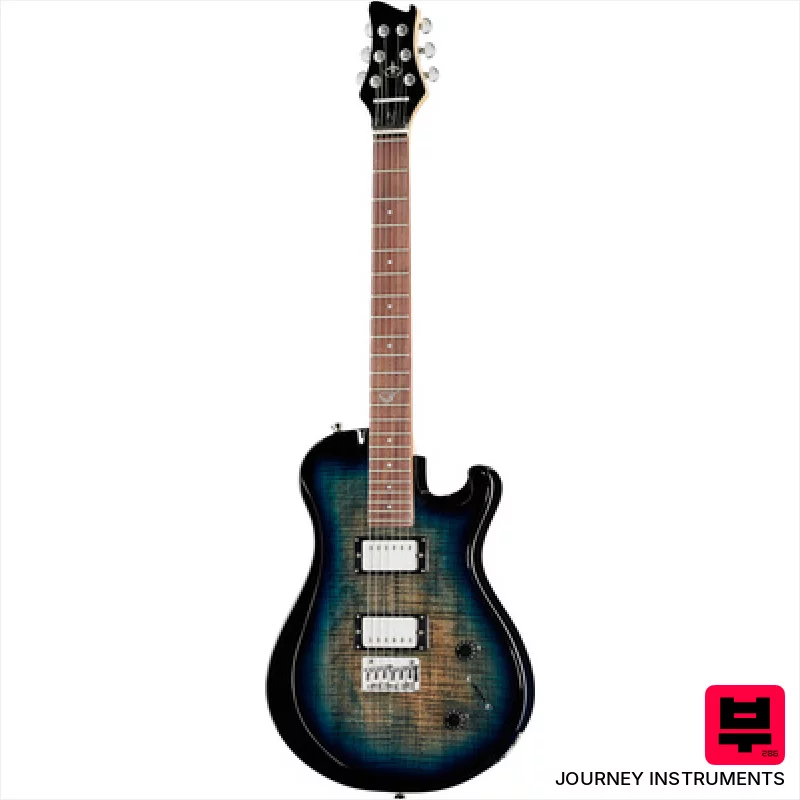
Journey Instruments OE990BL Travel El. Guitar FB
- • Flame maple top adds visual flair and a touch of brightness
- • Richlite fingerboard offers a consistently smooth playing experience
- • Humbucker/coil-split versatility covers blues, rock, and more
- • Compact design and backpack make travel incredibly convenient
- • Poplar body can lack the sustain of more premium tonewoods
- • Shorter scale length impacts low-end response compared to full-size guitars
- • Detachable neck, while innovative, may feel less stable to some players
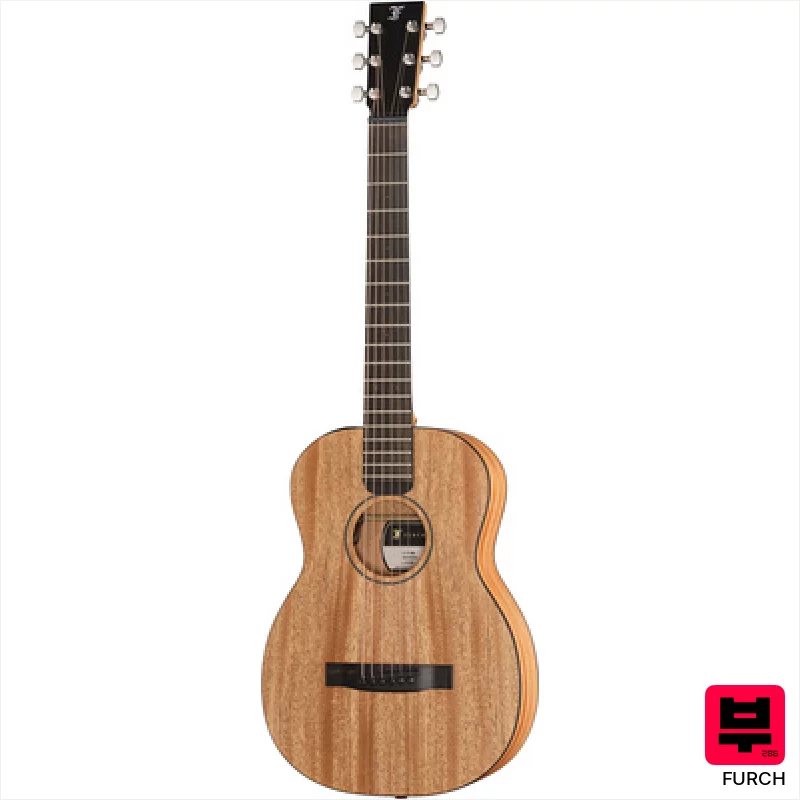
Furch LJ 10-MM EAS-VTC Little Jane
- • Solid mahogany construction delivers a warm, focused, and surprisingly resonant tone.
- • L.R. Baggs EAS-VTC system provides a natural amplified sound with excellent feedback rejection.
- • Ebony fingerboard and bridge offer exceptional clarity and sustain for precise playing.
- • Compact size and locking tuners make it exceptionally travel-friendly and reliably in tune.
- • Mahogany body limits tonal versatility; less bright than spruce-topped guitars.
- • Smaller body size sacrifices some projection and low-end response compared to full-size guitars.
- • Premium-priced for a travel guitar, requiring careful consideration of budget.

Journey Instruments OF882C Acacia Acoustic
- • Acacia top/back delivers a surprisingly warm, resonant tone for its size.
- • Detachable neck is genuinely clever and secure; travel is incredibly convenient.
- • Carbon-reinforced mahogany neck provides excellent stability and minimal flex.
- • EP001K pickup system offers a usable amplified tone without being overly bright.
- • Acacia, while pleasant, lacks the complexity of more premium tonewoods like mahogany or rosewood.
- • The shorter scale length might feel cramped for players with larger hands or longer fingers.
- • While compact, the overall weight is noticeable when carrying for extended periods.
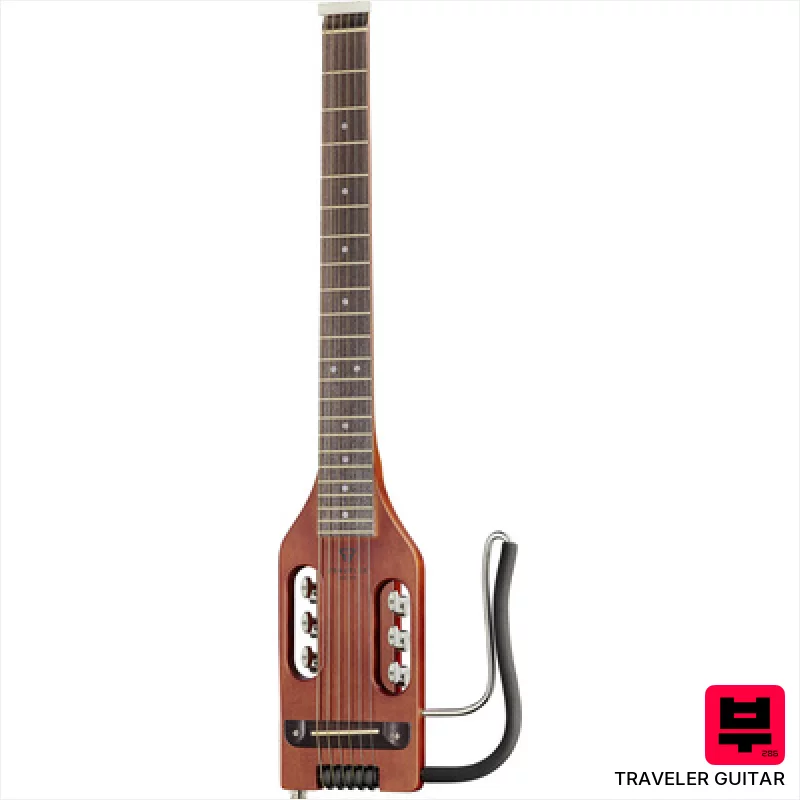
Traveler Guitar Ultra Light Acoustic AB
- • Maple body provides a surprisingly bright and articulate acoustic tone.
- • Neck-thru construction enhances sustain and contributes to a comfortable playing feel.
- • Traveler Under-Saddle Piezo pickup offers decent amplified sound for basic gigs.
- • Compact size and lightweight design (1.30 kg) make it ideal for travel and small spaces.
- • Under-saddle piezo pickup lacks the warmth and nuance of a more premium system.
- • Shorter 628 mm scale limits low-end response and string tension.
- • Brown matte finish, while aesthetically pleasing, can be prone to fingerprints.
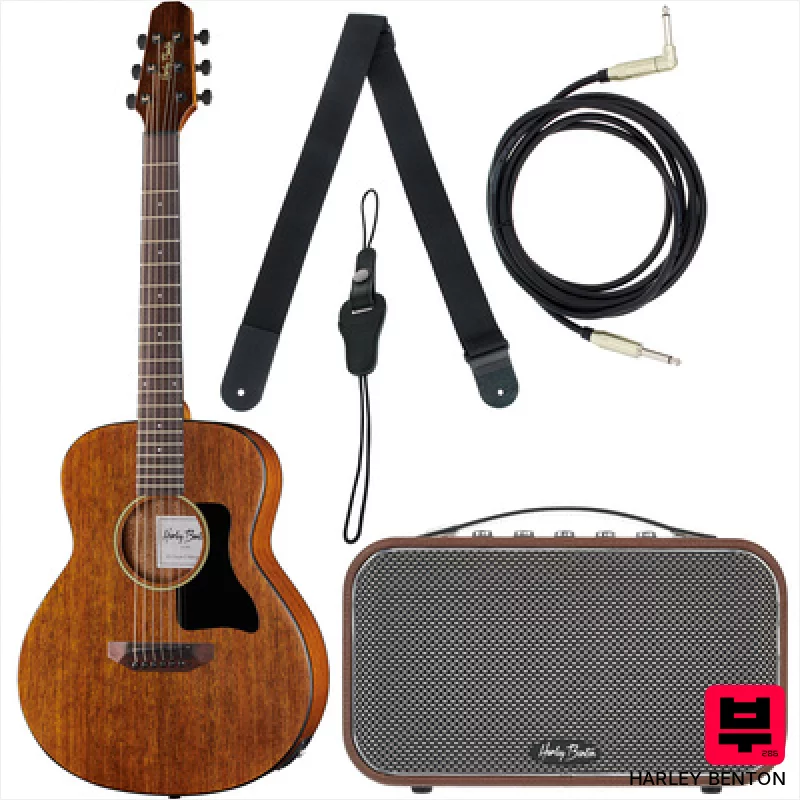
Harley Benton GS-Travel-E Mahogany Bundle
- • Mahogany body delivers a warm, focused tone with pleasant overtones.
- • HB-03 preamp and tuner offer convenient amplified performance and tuning.
- • Purple heart fingerboard provides a smooth, fast playing experience.
- • Compact size and gig bag make it genuinely travel-friendly and portable.
- • The shorter scale length limits low-end response and string tension.
- • Nato neck, while stable, lacks the premium feel of mahogany or maple.
- • Integrated electronics, while convenient, are basic and may limit advanced tonal shaping.

Harley Benton GS-Travel-E Spruce Bundle
- • Spruce top delivers surprisingly full, resonant tone for a travel guitar.
- • The HB-03 pickup system provides a usable amplified sound and integrated tuner.
- • Mahogany back and sides add warmth and complexity to the spruce's brightness.
- • Compact size and gig bag make it genuinely travel-friendly and portable.
- • The 'V' neck profile isn't universally comfortable; may feel chunky.
- • Short scale length limits low-end response and string tension.
- • Binding and finish quality are acceptable, but not premium-grade.
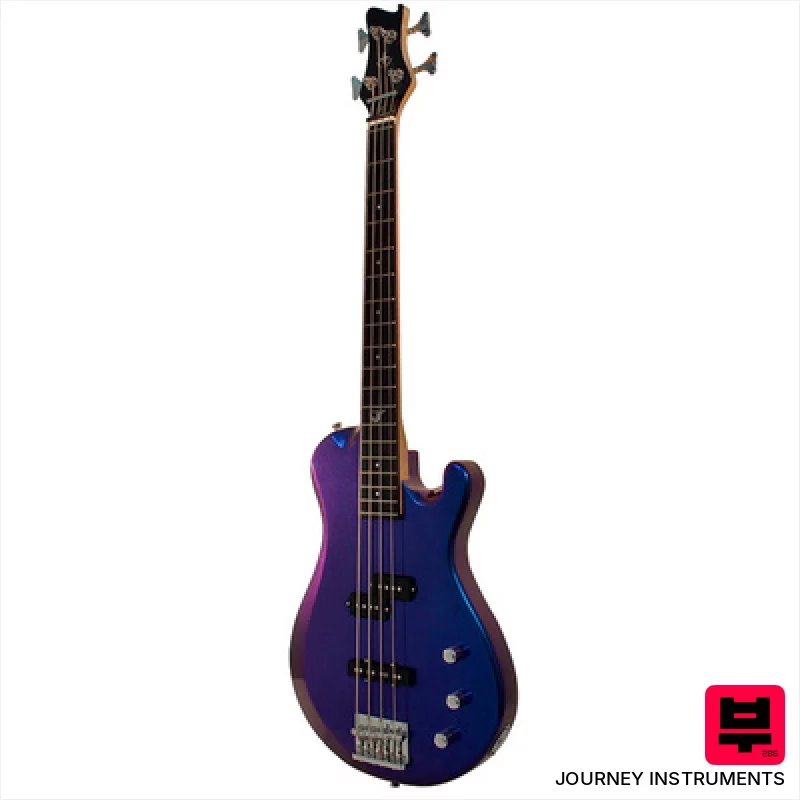
Journey Instruments OEB990B Travel Bass BP
- • Poplar body offers a surprisingly resonant and warm tonal foundation.
- • 16” radius fingerboard provides comfortable playability, especially for smaller hands.
- • Split coil neck pickup delivers a thick, usable low-end for varied tones.
- • Journey’s 18:1 locking tuners ensure stable tuning even with frequent travel.
- • 3.5kg weight, while reasonable, can be fatiguing during longer playing sessions.
- • Passive electronics limit tonal sculpting options compared to active basses.
- • 762mm scale length might feel slightly cramped for players accustomed to longer scales.
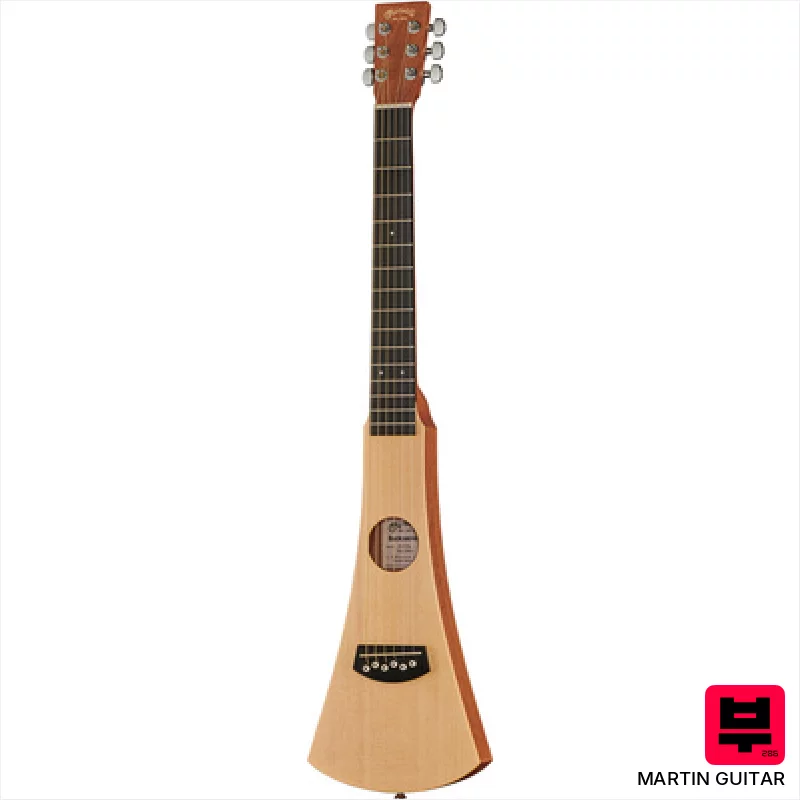
Martin Guitar Steel String Backpacker Guitar
- • Solid spruce top delivers a surprisingly rich, balanced tone.
- • Sapele back and sides offer warmth and projection for its size.
- • Richlite fingerboard provides a smooth, consistent playing surface.
- • Compact design and gig bag make it genuinely travel-friendly.
- • Shorter scale length limits low-end response and string tension.
- • 15 frets restrict upper register access for more advanced players.
- • Sapele’s appearance can be a bit plain compared to more figured woods.
How to Choose the Best Travel Guitars
Size & Weight
Obviously, portability is key. We're looking at overall dimensions and how they pack up, but also how comfortable the weight is after hours of playing - a small guitar can still be a back-breaker.
Tonal Character
Smaller bodies often mean less low-end thump and a tendency towards a brighter, sometimes thinner tone. We evaluate how well they maintain warmth and fullness, and how easily they can be EQ'd to compensate.
Playability (Neck Profile & Action)
A cramped neck profile or high action can make a travel guitar a frustrating experience. We assess neck feel, string spacing, and how easily the guitar can be set up for comfortable playing.
Construction & Materials
Travel guitars often cut corners to save weight and cost. We look at the quality of the woods, bracing, and hardware - are we talking about a flimsy instrument destined for the pawn shop, or something that can handle regular use?
Versatility
Can it handle more than just campfire strumming? We test them through different genres - blues, rock, even some jazz - to see how well they translate across styles and if they offer enough tonal flexibility.
Buying Guide
Don't expect a travel guitar to completely replace your main axe. They're compromises, and the biggest compromise is usually in low-end response and overall sustain. Solid-top models will always sound better than laminate, but you're paying a premium. Be realistic about your needs - if you're a serious gigging guitarist, a really good, full-size instrument is still going to be your best bet. But for occasional travel or bedroom practice, a well-chosen travel guitar can be a surprisingly satisfying option.
Our Methodology
We're not just looking at specs here. We've spent weeks playing these guitars through a variety of amps - from Fender cleans to cranked Marshalls - and A/B'ing them against full-size guitars in the same scenarios. The real test is how they feel in your hands, how they cut through a band mix, and if they'll inspire you to actually pick them up and play.

