
Best Transmitters for Broadcast 2026
So, you're stepping up your broadcast game? Wireless is almost mandatory these days, but not all transmitters are created equal. We're not talking about cheap stage wireless here; broadcast demands a different level of reliability, clarity, and frankly, a sound that doesn't suck. Let's break down what you need to look for to get a clean, professional signal on air.
Last updated: July 8, 2026 • Next update: July 15, 2026
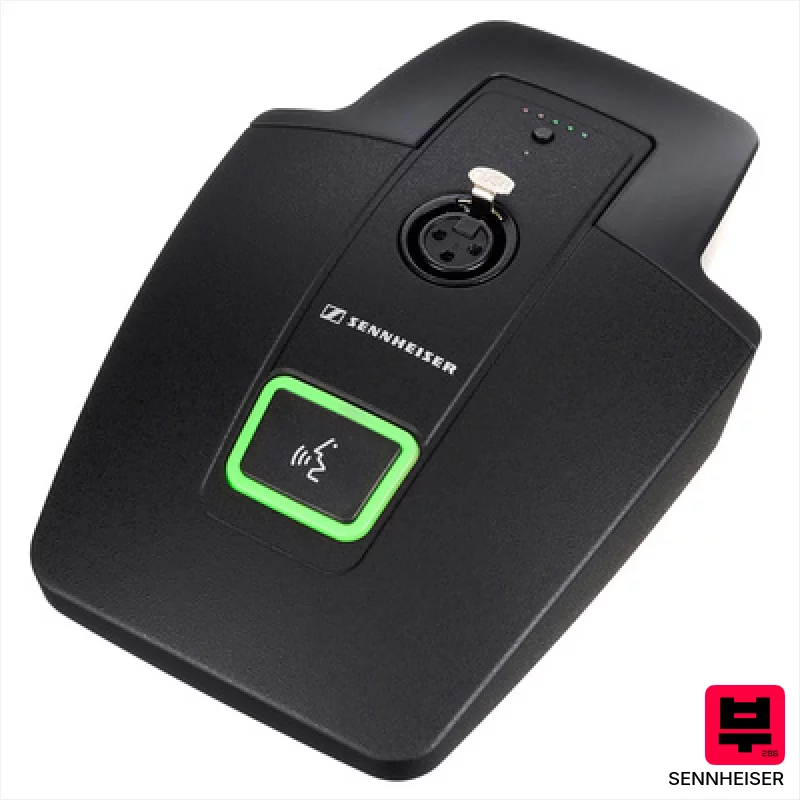
Sennheiser EW-DX TS 3-pin Q1-9
- • Solid build quality with robust metal housing and durable connectors.
- • Wireless charging via Qi is genuinely convenient and a modern touch.
- • Excellent frequency response clarity for vocals and instruments, minimal noise.
- • Intuitive On/Off/Mute button streamlines performance and stage management.
- • Relatively bulky size compared to some competitors, impacts portability.
- • Limited channel count necessitates careful frequency coordination in crowded RF environments.
- • Dependent on Sennheiser’s ecosystem for optimal performance and pairing.
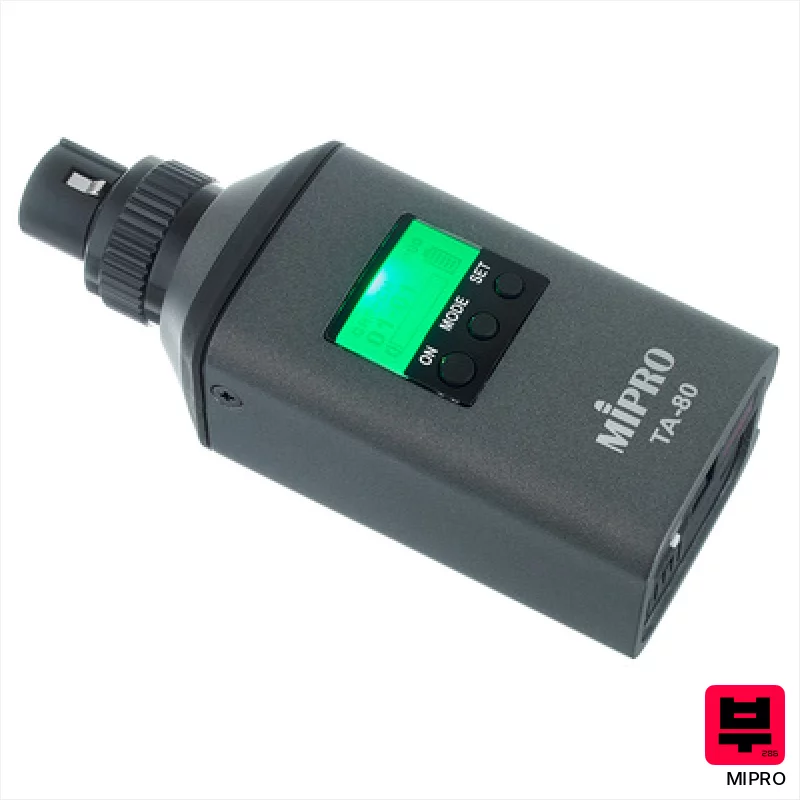
Mipro ACT-800 TA-80 5UA
- • ACT-Sync provides reliable frequency coordination, avoiding interference in crowded RF spaces.
- • Lockable XLR connector secures mics, preventing accidental disconnects during performance.
- • Adjustable input sensitivity caters to various microphone output levels and gain staging.
- • Compact size and lightweight design (165g) minimize stage clutter and fatigue.
- • Frequency band (482-554 MHz) might face regulatory restrictions in certain regions.
- • Battery life at 48V phantom power (5 hours) is noticeably shorter than standard operation.
- • While versatile, lacks dedicated features for highly specialized vocal applications.

Shure QLXD2/N8S H51
- • Robust metal build feels incredibly durable for stage use.
- • Nexadyne capsule delivers Shure’s signature vocal clarity and presence.
- • AES-256 encryption provides a high level of security for sensitive performances.
- • Wide 72 MHz bandwidth allows for flexible channel selection and interference avoidance.
- • Battery life with standard AAs can be limiting during long shows.
- • The infrared pairing system can occasionally be finicky in bright sunlight.
- • QLXD series is premium-priced, a significant investment for many vocalists.
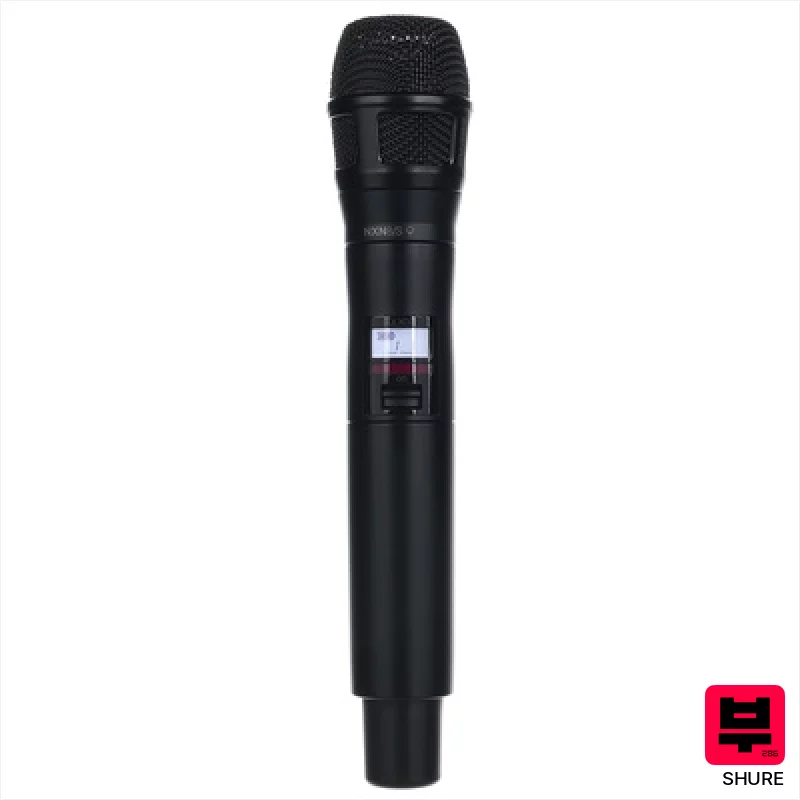
Shure QLXD2/N8S G51
- • Robust metal build provides excellent stage durability.
- • Nexadyne 8/S capsule delivers clear vocal presence with controlled feedback.
- • AES-256 encryption ensures secure, interference-free performance.
- • Wide 72 MHz bandwidth allows for flexible channel selection.
- • The transmitter body can feel a bit weighty during extended performances.
- • SB900 battery is an additional expense, impacting overall cost.
- • Limited frequency band compared to some competing systems.
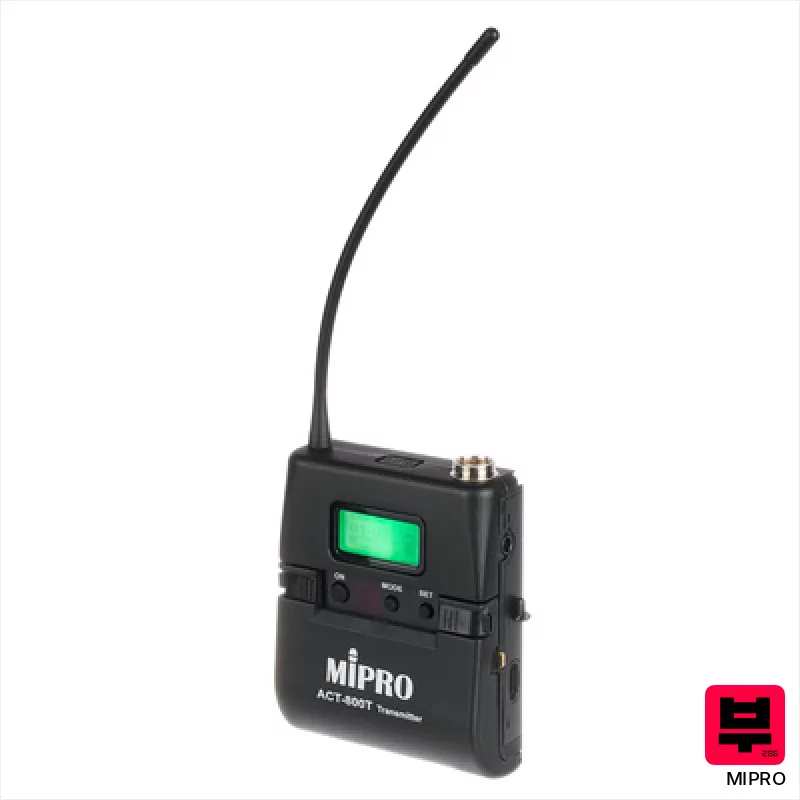
Mipro ACT-800T 5UA
- • Solid build quality; feels robust despite the compact size.
- • Adjustable gain offers excellent flexibility with varying mics.
- • USB-C charging is modern and convenient for quick top-ups.
- • The included 18500 battery provides impressive runtime.
- • Limited frequency range compared to broader UHF systems.
- • Mini-XLR connector, while secure, can be a bit fiddly in live settings.
- • No AES digital transmission; utilizes analog UHF signal.
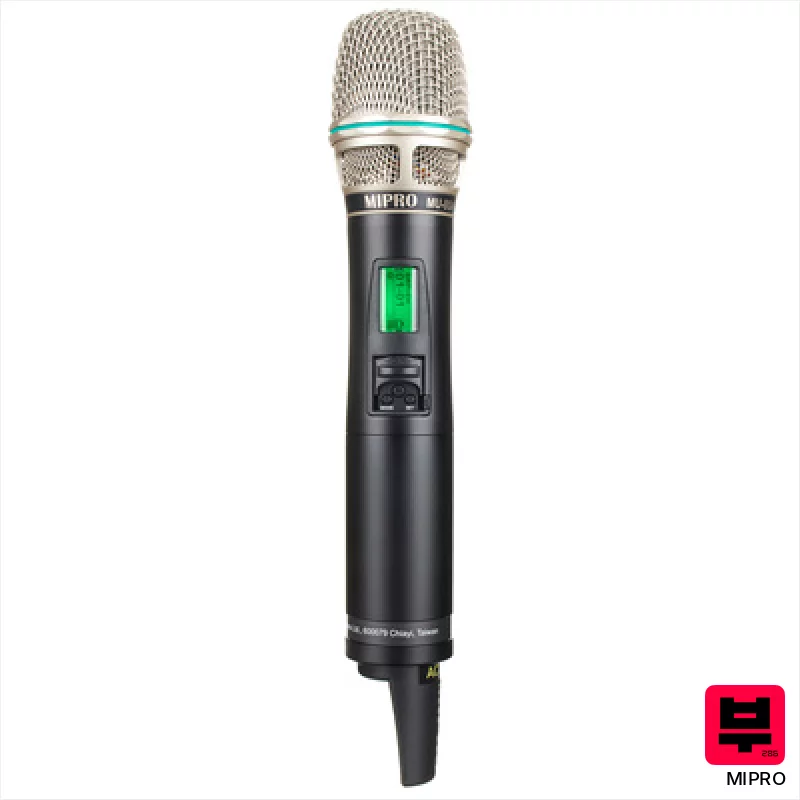
Mipro ACT-800H-80 5UA
- • Excellent sound clarity with the MU-59 capsule; natural and detailed.
- • Robust metal construction feels very durable for stage use.
- • Interchangeable capsule system offers surprising versatility and future-proofing.
- • USB-C charging is a welcome modern convenience; quick and reliable.
- • The weight (292g) might be fatiguing for extended performances.
- • Limited frequency range compared to some higher-end wireless systems.
- • While compatible with Shure capsules, full functionality isn't guaranteed.
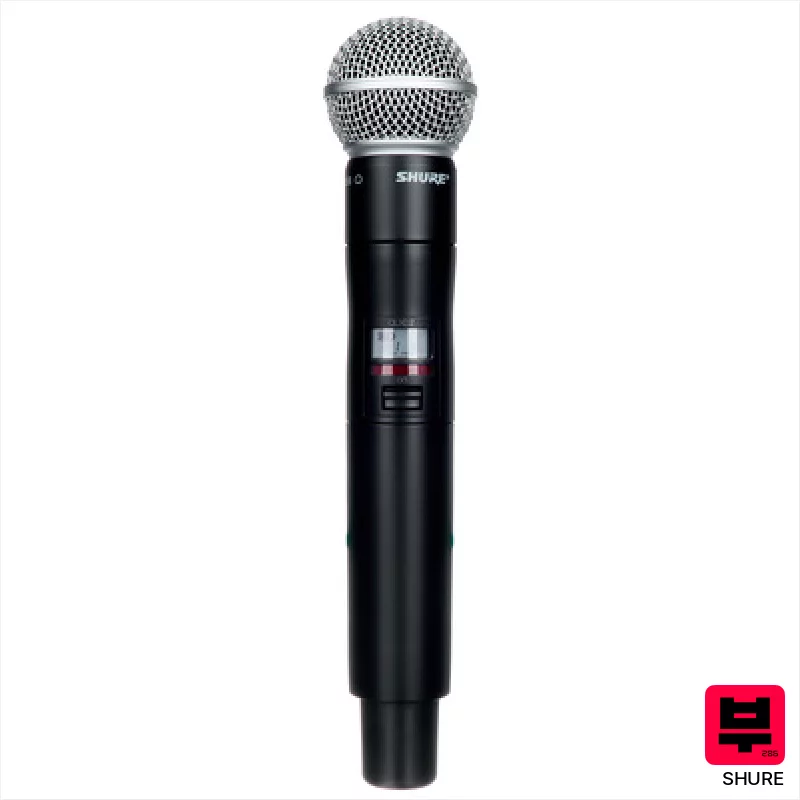
Shure QLXD2/SM58 G51
- • Rock-solid Shure build quality, feels like a tank in hand.
- • Classic SM58 capsule delivers that recognizable, reliable vocal tone.
- • AES-256 encryption provides genuinely secure, tap-proof transmission.
- • Wide 72 MHz bandwidth allows for flexible channel selection and interference avoidance.
- • The metal body adds significant weight, can be fatiguing for extended use.
- • G51 band availability varies geographically, check local regulations.
- • SB900 battery is an optional extra, increasing the overall investment.

Sennheiser EW-DX TS 3-pin U1/5
- • Robust metal housing inspires confidence and durability on stage.
- • Excellent battery life allows for extended performances without interruption.
- • Programmable on/off/mute simplifies stage management and reduces errors.
- • Seamless Bluetooth integration allows for discreet monitoring and control.
- • The size and weight can be cumbersome for extended handheld use.
- • Dependent on compatible Sennheiser EW-DX receiver for full functionality.
- • Qi wireless charging is optional, adding to the overall investment.

Sennheiser EW-DX TS 3-pin R1-9
- • Robust metal housing provides excellent durability for stage use.
- • Qi wireless charging is a genuinely convenient modern touch.
- • Impressive 11-hour battery life minimizes downtime during events.
- • The programmable On/Off/Mute button streamlines performance workflow.
- • Limited frequency range restricts use in densely populated RF environments.
- • Dependence on the EW-DX receiver system adds to the overall investment.
- • The 3-pin XLR connector restricts microphone choices significantly.
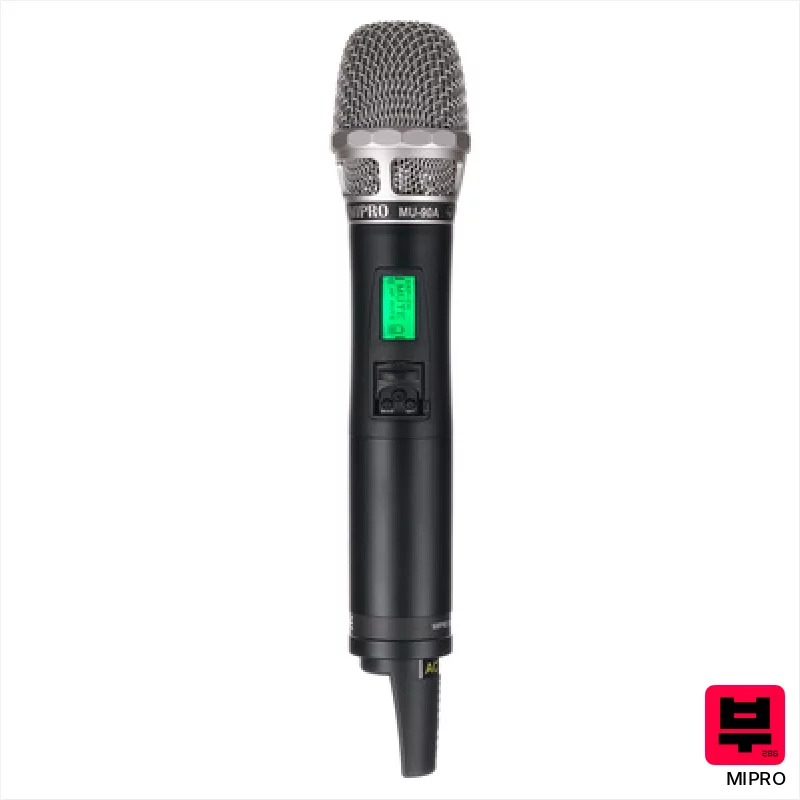
Mipro ACT-800H-90 5UB
- • Excellent MU-90 capsule delivers clear, detailed vocal reproduction.
- • Robust metal construction feels significantly more durable than competitors.
- • Adjustable power allows for flexible range and interference mitigation.
- • USB-C charging is modern and convenient, boosting battery longevity.
- • Weight (292g) might be fatiguing for extended performance use.
- • Capsule compatibility is limited to Mipro and some Shure models.
- • Lacks a dedicated frequency scan function for complex RF environments.
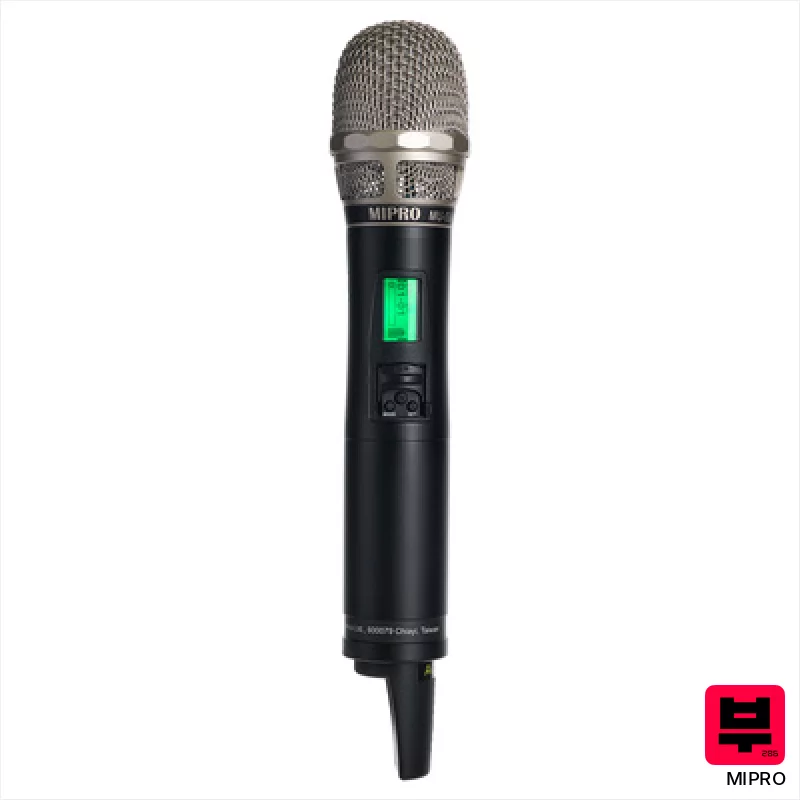
Mipro ACT-800H-59 5UA
- • MU-59 capsule delivers tight, focused sound with excellent clarity.
- • Interchangeable capsule system expands versatility for various vocal styles.
- • Robust build quality; feels solid and reliable in the hand.
- • USB-C charging is modern and convenient; battery life is impressive.
- • The weight, while not excessive, can be noticeable during extended performances.
- • UHF frequency range can be susceptible to interference in crowded RF environments.
- • Limited channel options within the specified frequency band may require coordination.
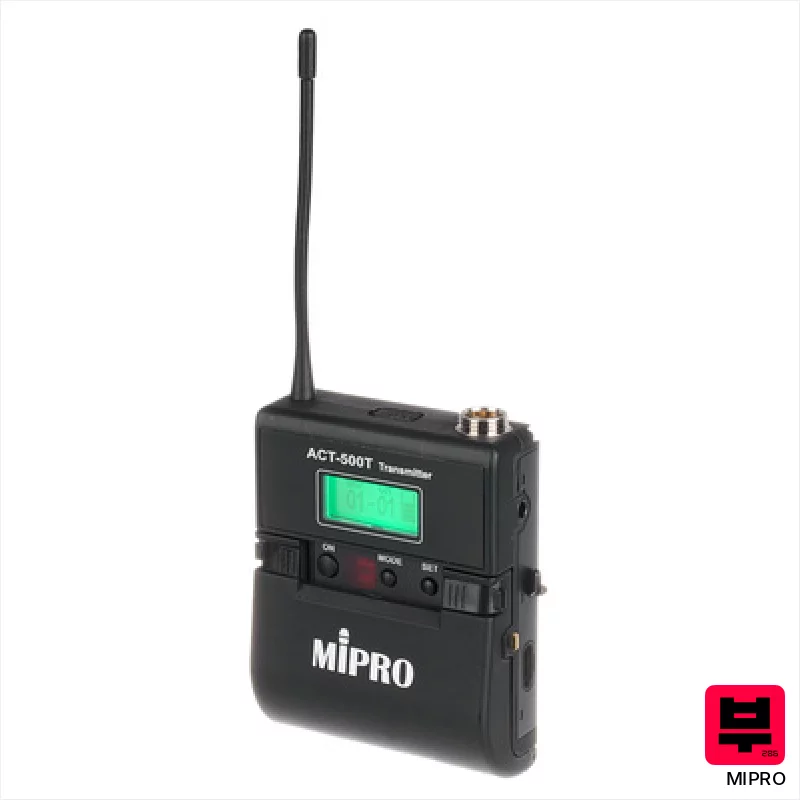
Mipro ACT-500T 8AD
- • Solid build quality for a pocket-sized transmitter; feels robust in hand.
- • Adjustable input sensitivity offers crucial flexibility with varied mic types.
- • USB-C charging and included 18500 battery provide excellent convenience.
- • Backlit LCD is clear and informative, even in low-light performance situations.
- • Limited frequency band compared to broader UHF systems; potential crowding in dense RF environments.
- • Mini-XLR connector, while secure, isn't as universally compatible as standard XLR.
- • The 823-832 MHz band may require licensing depending on your location.
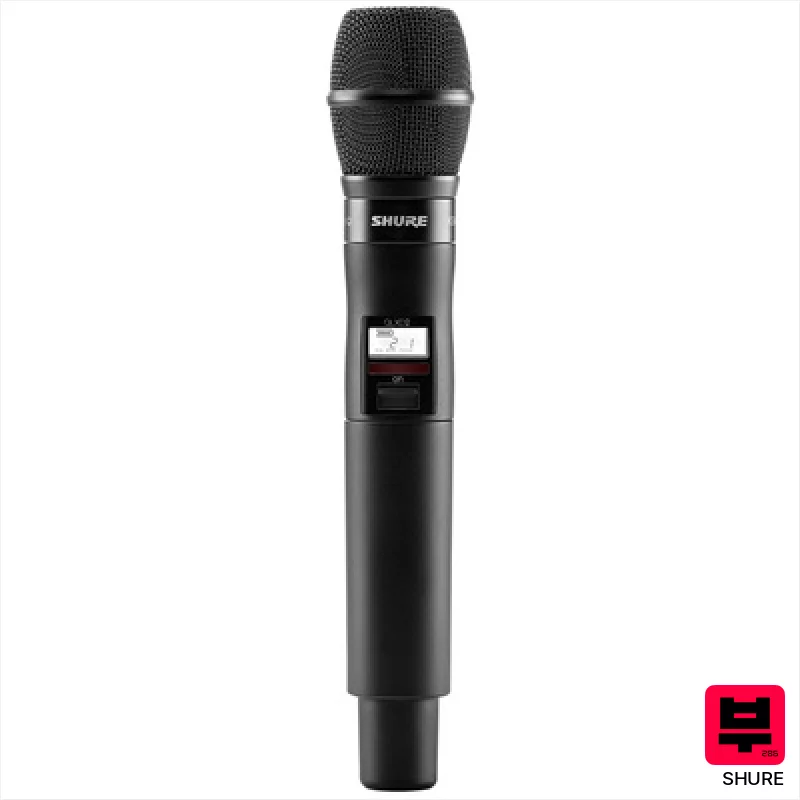
Shure QLXD2/KSM9B S50
- • KSM9 capsule delivers Shure's signature clarity and detail.
- • Robust metal build feels exceptionally durable for stage use.
- • AES-256 encryption provides a genuinely secure wireless link.
- • Wide 72 MHz bandwidth offers substantial frequency flexibility.
- • The unit's weight, due to the metal construction, can be fatiguing during long performances.
- • Premium-priced, placing it out of reach for budget-conscious performers.
- • Limited frequency band availability can be a constraint in crowded RF environments.

Shure QLXD2/N8C K51
- • Robust metal build feels incredibly solid and roadworthy.
- • Nexadyne 8/C capsule delivers a focused, controlled vocal presence.
- • AES-256 encryption provides excellent security against interference.
- • Wide 72 MHz bandwidth offers ample channel flexibility in crowded RF environments.
- • The transmitter body can feel a bit bulky for extended use.
- • SB 900 battery is an additional expense; AA's are a temporary fix.
- • Limited capsule options restrict tonal versatility compared to some other systems.
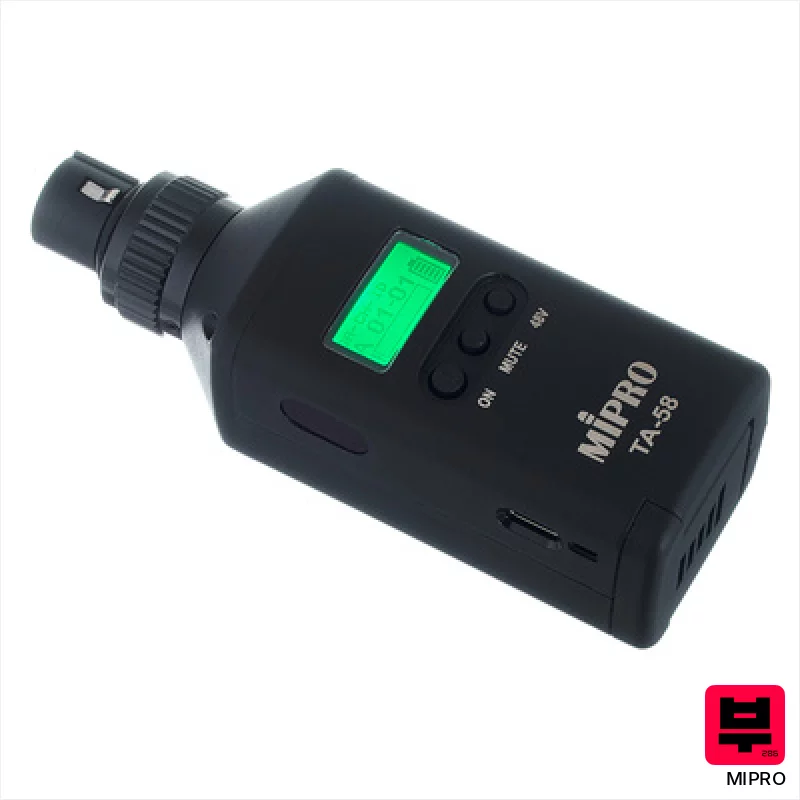
Mipro ACT-5800 TA-58
- • 5.8GHz band avoids common RF congestion, crucial for live stages.
- • ACT-Sync simplifies frequency coordination, a real time-saver.
- • USB-C charging is modern, convenient, and avoids proprietary adapters.
- • Lockable XLR minimizes accidental disconnects – a thoughtful touch for reliability.
- • The compact size might feel a little cramped for those with larger hands.
- • While versatile, the lack of AES digital output limits professional studio integration.
- • Plastic construction, while lightweight, doesn't convey a premium, robust feel.
How to Choose the Best Transmitters
Frequency Stability
Broadcast signals are tightly regulated. Drift can lead to interference and legal headaches. Look for transmitters with exceptional frequency stability and locking capabilities - that's non-negotiable.
Audio Transparency
You want the mic's character, not the transmitter's. The best transmitters are virtually transparent, preserving the natural tonal balance of your microphone. Anything coloring the sound is a failure; we're listening for that natural vocal articulation.
Dynamic Range & Headroom
Broadcast often involves wide dynamic ranges - quiet whispers to loud exclamations. Insufficient headroom leads to clipping and a harsh, brittle sound. We need a transmitter that can handle it without compression artifacts.
RF Performance & Range
Broadcast environments can be tricky - walls, stage setups, other wireless gear. Robust RF performance and reliable range are essential to avoid dropouts and signal degradation. A good transmitter will cut through the RF clutter.
Battery Life & Power Management
Long recording sessions or live broadcasts don't leave room for battery anxiety. Efficient power management and long battery life are crucial for uninterrupted performance; you don't want to be scrambling for fresh batteries mid-segment.
Buying Guide
Don't chase the cheapest option; you'll pay for it in headaches. Broadcast-grade wireless is an investment. Be wary of transmitters that promise the world at a bargain price - they almost always cut corners on frequency stability or audio quality. Prioritize frequency locking, a wide dynamic range, and a reputation for clean signal transmission. Spend a little more now and save yourself a lot of grief later.
Our Methodology
We don't just look at spec sheets - we put these transmitters through their paces. That means running them in real-world broadcast scenarios, A/B comparisons against wired mics, and assessing how they handle dynamic vocals and complex audio landscapes. It's about hearing the difference, not just seeing the numbers.

