AudioFu
AudioFu Chart · October 2026
Best Austrian Audio Studio Headphones 2026
The top pick is Austrian Audio Hi-X65 Open Back Reference Headphones ($313). Austrian Audio Hi-X15 Professional Headphones gives you the most for the money at $111. Ranked by the AudioFu Index from 5 models, prices checked every night.
Last updated: October 12, 2026
Top 5
Full detail for the 5 highest AudioFu Index scores. Every other model is listed below.
-
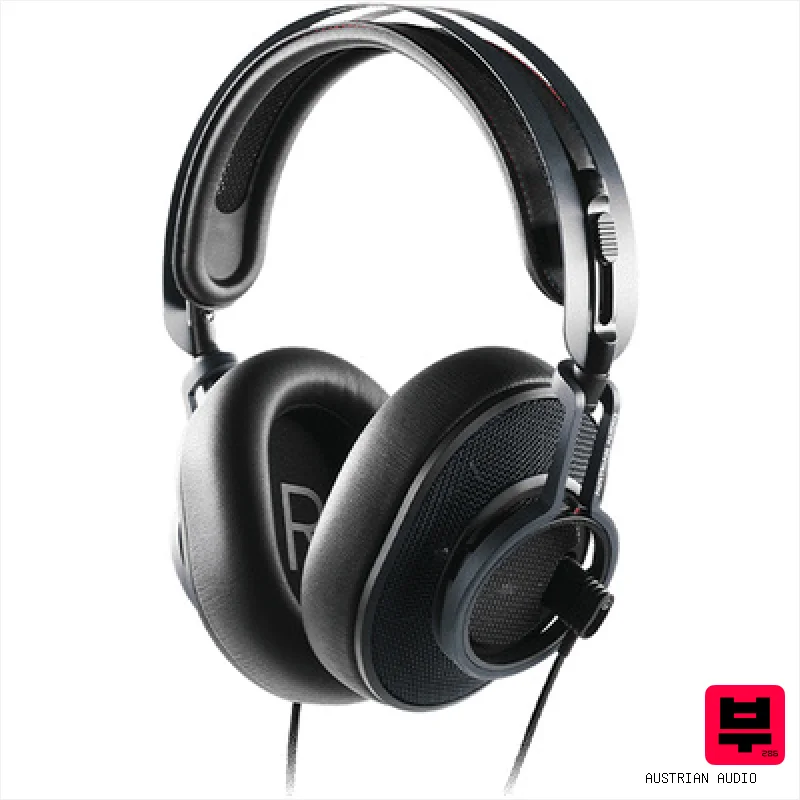
Austrian Audio Hi-X65 Open Back Reference Headphones
Hi-X65 · Austrian Audio
6 for sale on Reverb1 finish at Thomann
The Hi-X65s are a serious contender for accurate studio monitoring. They're built like a tank with those metal accents, and the open-back design really creates a spacious sound. If you're a mixing engineer, mastering engineer, or producer needing a neutral and reliable reference, these are hard to beat.
Pros
- Robust metal hinges and headband enhance long-term durability.
- Open-back design delivers a wide, natural soundstage for critical listening.
- 25-ohm impedance is easily driven by most audio interfaces and headphones amps.
Cons
- Open-back design leaks sound, unsuitable for noisy environments or tracking vocals.
- 310g weight may become fatiguing during extended listening sessions.
45AudioFu
Index↓ 12.5%since Aug 14 · lowest so far$357 · Aug 14$313 now$313€279 at Thomann · in stockCheck price ↗ -
Austrian Audio Hi-X15 Professional Headphones
Hi-X15 · Austrian Audio
8 for sale on Reverb1 finish at Thomann
The Hi-X15s are a real surprise – a remarkably well-built and accurate closed-back headphone for the price. They're a great option for budding producers, podcasters, or anyone needing a reliable and comfortable monitoring solution without a huge investment. The build quality punches way above its class.
Pros
- Robust metal hinges & earpieces ensure exceptional long-term durability.
- Comfortable memory foam ear pads allow for extended tracking sessions.
- Surprisingly neutral frequency response for accurate monitoring and mixing.
Cons
- 255g weight can become fatiguing during prolonged use.
- Closed-back design limits airiness and natural soundstage.
-
Austrian Audio Hi-X60 Closed Back Headphones - 25 Ohms
Hi-X60 · Austrian Audio
5 for sale on Reverb1 finish at Thomann
The Hi-X60s are seriously impressive for the price. They offer a remarkably flat and detailed response, making them ideal for critical mixing and mastering work. If you need reliable, accurate headphones for studio use and don't want to spend a fortune, these are a solid choice.
Pros
- Robust metal hinges and earpieces ensure long-term durability.
- Excellent transient response for accurate monitoring and mixing.
- Comfortable clamping force minimizes fatigue during extended use.
Cons
- Closed-back design can create a slightly claustrophobic feel for some users.
- While neutral, the sound might lack 'excitement' for casual listening.
42AudioFu
Index↓ 8.2%since Aug 14 · lowest so far$357 · Aug 14$328 now$328€293 at Thomann · in stockCheck price ↗ -
Austrian Audio Hi-X25BT Professional Over-Ear Bluetooth Headphones
Hi-X25BT · Austrian Audio
4 for sale on Reverb1 finish at Thomann
These Hi-X25BTs are surprisingly solid for a Bluetooth studio headphone. The build quality is genuinely impressive with that metal headband and hinges—they feel like they'll last. They're a great choice for content creators, podcasters, or anyone needing a comfortable, reliable pair for monitoring on the go, but serious mixing engineers might prefer a fully wired option.
Pros
- Robust metal hinges and headband ensure long-term durability.
- Excellent passive isolation for focused studio work and critical listening.
- Comfortable memory foam earcups allow for extended wear sessions.
Cons
- The 270g weight can become fatiguing during very long listening sessions.
- While capable, Bluetooth audio quality isn't ideal for critical mixing/mastering.
36AudioFu
IndexStableno change since Aug 14Aug 14$156 now$156€139 at Thomann · in stockCheck price ↗ -
These Hi-X20s are a serious contender in the budget-friendly studio headphone space. The build quality is surprisingly solid, and the neutral sound profile makes them great for mixing and critical listening – especially for engineers and producers needing accurate representation. They're not the flashiest, but they get the job done reliably.
Pros
- Robust metal hinges and headband offer exceptional long-term durability.
- Closed-back design provides excellent isolation for critical tracking and mixing.
- Memory foam ear cushions ensure comfortable extended listening sessions.
Cons
- 255g weight can feel fatiguing during prolonged use.
- 25 Ohm impedance might require a dedicated headphone amplifier for optimal power.
34AudioFu
Index↓ 1.6%since Aug 14 · lowest so far$145 · Aug 14$142 now$142€127 at Thomann · in stockCheck price ↗
How the AudioFu Index works
Five measured signals and nothing else — no stars from strangers, no “tested by experts” we didn’t do. The weights are fixed and public. We don’t play these instruments; we measure the market around them.
This chart covers 5 studio headphones from the Thomann catalogue (of 136 in the category). Before you buy, read hands-on reviews and, where you can, play it. Full methodology.
AudioFu earns a commission when you buy through our Thomann links. It never changes the order — the index does.
- Demand40%
How many of this exact model are for sale on Reverb right now — what musicians actually buy and resell.
- Lineup20%
How many finishes Thomann stocks — makers expand the models that sell.
- Price15%
Where the price has moved since we started tracking in August.
- Specs15%
How completely the maker documents it.
- Maker10%
How deep the brand’s range is in this category.
Questions
What should I look for when buying studio headphones?
Key factors include build quality, sound characteristics, playability, brand reputation, warranty coverage, and value for money. Consider your musical style, skill level, and intended use to find the best match.
How much should I spend on studio headphones?
Budget depends on your needs and experience level. Beginners can find quality options for $200-500, intermediate players should consider $500-1500 range, while professionals often invest $1500+ for premium features.
Are expensive studio headphones worth the investment?
Higher-priced studio headphones typically offer better materials, craftsmanship, and performance. They're worth it if you're serious about music, perform regularly, or need professional-grade features.
What are the best brands for studio headphones?
Top brands combine quality, innovation, and reliability. We evaluate brands based on build quality, sound performance, durability, and customer satisfaction to recommend the best options for different budgets.
Should I buy studio headphones online or in-store?
Both have advantages. Online offers better prices and selection, while stores allow hands-on testing. We recommend researching online first, then testing in stores if possible. Many online retailers offer excellent return policies.