Best True Wireless Headphones 2026

Alright, so you're in the market for true wireless headphones. Let's be real, you're not just looking for something to listen to podcasts on while you're mowing the lawn. You need something that can handle monitoring tracks in the studio, hearing your click track clearly on stage, or just getting some focused practice time in without bothering your roommates. Finding a pair that delivers on those fronts - with decent sound, reliable connectivity, and enough juice to last through a gig - can be a pain, so let's break down what to look for.

Last updated: April 29, 2026 • Next update: May 6, 2026

Audio-Technica ATH-TWX9 - Professional Music Instrument Photo
#1

Audio-Technica ATH-TWX9

Commuting Mobile Listening Hands-Free Calls
Key Feature:
These ATH-TWX9s are a solid choice if you value accurate audio reproduction and a comfortable fit. They're particularly good for musicians needing reliable wireless monitoring or anyone who appreciates a balanced sound signature—not overly hyped, just clean and clear. They’re a premium-priced option that delivers on sound quality and versatility.
PROS
  • • Excellent soundstage for earbuds; noticeable separation and clarity across frequencies.
  • • Adaptive aptX provides robust, low-latency wireless audio for critical listening.
  • • IPX4 rating offers reliable splash protection for workouts and daily use.
  • • Comfortable fit with multiple ear tip sizes; lightweight design minimizes fatigue.
CONS
  • • ANC performance is good, but not class-leading compared to Sony or Bose.
  • • Charging box feels a little plasticky; build quality could be more premium.
  • • Bass response leans slightly neutral; might lack punch for bass-heavy genres.
4.8/5 Expert Rating
Sound:
8/10
Build:
7/10
Value:
7/10
Audio-Technica ATH-CKS50TW - Professional Music Instrument Photo
#2

Audio-Technica ATH-CKS50TW

Mobile Listening Sports and Fitness Ultimate Portability
Key Feature:
These ATH-CKS50TWs are a really smart choice if you’re after a well-rounded, comfortable true wireless experience. They deliver a clean, detailed sound that’s surprisingly full, and the multipairing is a game-changer for those of us bouncing between phones and laptops. A great option for commuters or anyone wanting a reliable daily driver.
PROS
  • • Detailed, balanced sound signature with surprisingly impactful bass.
  • • Solid ANC performance, effectively taming consistent background noise.
  • • Comfortable for extended listening; lightweight design and secure fit.
  • • Multipairing is genuinely useful for switching between devices seamlessly.
CONS
  • • ANC isn't class-leading; struggles with sudden, sharp noises.
  • • The Audio-Technica Connect app feels somewhat basic and uninspired.
  • • IPX4 rating means they're splash-resistant, not submersible.
4.7/5 Expert Rating
Sound:
7/10
Build:
7/10
Value:
7/10
OneOdio OpenRock X Orange - Professional Music Instrument Photo
#3

OneOdio OpenRock X Orange

Mobile Listening Commuting Sports and Fitness
Key Feature:
The OpenRock X Orange is a solid choice if you prioritize situational awareness and loud, energetic sound. The open-ear design is great for runners or cyclists who need to hear their surroundings, but don’t expect audiophile-grade sound reproduction. It's a fun, functional option for those who want a reliable, loud-playing, and convenient everyday headphone.
PROS
  • • Open-ear design allows excellent environmental awareness for safety.
  • • Impressive 119dB SPL delivers significant volume without distortion.
  • • Multi-point pairing simplifies switching between devices seamlessly.
  • • Quick charge feature provides usable power in emergency situations.
CONS
  • • Plastic construction feels somewhat budget-oriented, lacking premium feel.
  • • Open-ear design compromises noise isolation; not ideal for loud environments.
  • • Sound profile, while dynamic, lacks nuanced detail for critical listening.
4.7/5 Expert Rating
Sound:
7/10
Build:
8/10
Value:
9/10
OneOdio OpenRock X Black - Professional Music Instrument Photo
#4

OneOdio OpenRock X Black

Mobile Listening Hands-Free Calls Commuting
Key Feature:
These OpenRock X’s are a solid choice if you want to hear your music *and* your surroundings. The open-ear design is great for runners or anyone who needs to stay aware of traffic, and the battery life is fantastic. They won’t blow you away with audiophile detail, but for everyday use and a bit of bass, they're surprisingly good.
PROS
  • • Open-ear design allows environmental awareness, ideal for active lifestyles.
  • • Multi-point pairing is genuinely useful for switching between devices seamlessly.
  • • USB-C charging and quick charge offer excellent convenience for on-the-go use.
  • • The 14.2mm drivers deliver surprising bass response for open-ear headphones.
CONS
  • • Plastic construction feels somewhat budget-oriented; lacks premium feel.
  • • Soundstage is limited due to the open-ear design; lacks immersive qualities.
  • • IPX5 rating offers decent splash protection, but not fully waterproof.
4.6/5 Expert Rating
Sound:
9/10
Build:
8/10
Value:
9/10
Audio-Technica ATH-TWX7 WH - Professional Music Instrument Photo
#5

Audio-Technica ATH-TWX7 WH

Mobile Listening Hands-Free Calls Commuting
Key Feature:
These ATH-TWX7 WHs are a solid choice for someone who values audio quality and a comfortable fit. Audio-Technica's tuning shines through, providing a balanced and enjoyable listening experience, especially if you're streaming high-resolution audio via LDAC. They're great for daily commutes and casual listening – not a critical audiophile's choice, but a very capable all-rounder.
PROS
  • • LDAC codec support delivers exceptional audio fidelity for discerning listeners
  • • Well-balanced sound signature with clear highs and controlled bass response
  • • IPX4 rating provides reliable protection against sweat and splashes
  • • Comfortable fit thanks to included XS-L ear tip options and lightweight design
CONS
  • • ANC performance is adequate, but not class-leading compared to premium competitors
  • • Wireless charging speed is relatively slow compared to some rivals
  • • Microphone quality is decent for calls, but not ideal for serious recording
4.5/5 Expert Rating
Sound:
7/10
Build:
7/10
Value:
8/10
Sennheiser ACCENTUM Open Cream - Professional Music Instrument Photo
#6

Sennheiser ACCENTUM Open Cream

Ultimate Portability Commuting Mobile Listening
Key Feature:
These Sennheisers are a surprisingly good value for the sound quality you get. The open design provides a more natural, airy feel – perfect for casual listening at home or in quiet environments. If you prioritize sound over noise cancellation and want a comfortable, versatile everyday earphone, these are a solid choice.
PROS
  • • Excellent clarity and detail thanks to the 11mm dynamic drivers.
  • • Comfortable, lightweight design ideal for extended listening sessions.
  • • Multi-Point connectivity simplifies switching between devices seamlessly.
  • • Impressive battery life provides extended use without frequent charging.
CONS
  • • SBC/AAC codec support limits high-resolution audio potential.
  • • Open design leaks sound and offers minimal noise isolation.
  • • IPX4 rating provides basic splash protection, not full waterproofing.
4.5/5 Expert Rating
Sound:
7/10
Build:
5/10
Value:
8/10
Audio-Technica ATH-CKS30TW+ BK - Professional Music Instrument Photo
#7

Audio-Technica ATH-CKS30TW+ BK

Mobile Listening Hands-Free Calls Sports and Fitness
Key Feature:
These ATH-CKS30TW+ are a really good all-around option. The sound is clean and detailed, the ANC is surprisingly effective for the price point, and they're comfortable for long listening sessions. Perfect for commuters or anyone who wants a reliable, balanced sound without spending a fortune.
PROS
  • • Solid ANC performance for the price; noticeably cuts out ambient noise.
  • • Audio-Technica’s signature clarity shines through, balanced and detailed sound.
  • • IP55 rating provides reliable dust and moisture protection for everyday use.
  • • Comfortable fit thanks to lightweight design and multiple ear tip options.
CONS
  • • Bass response can feel slightly restrained for bass-heavy music genres.
  • • ANC isn’t class-leading; struggles with very loud, low-frequency sounds.
  • • Multi-pairing functionality is limited; pairing can be occasionally finicky.
4.7/5 Expert Rating
Sound:
8/10
Build:
7/10
Value:
7/10
JVC HA-A7T2 Black - Professional Music Instrument Photo
#8

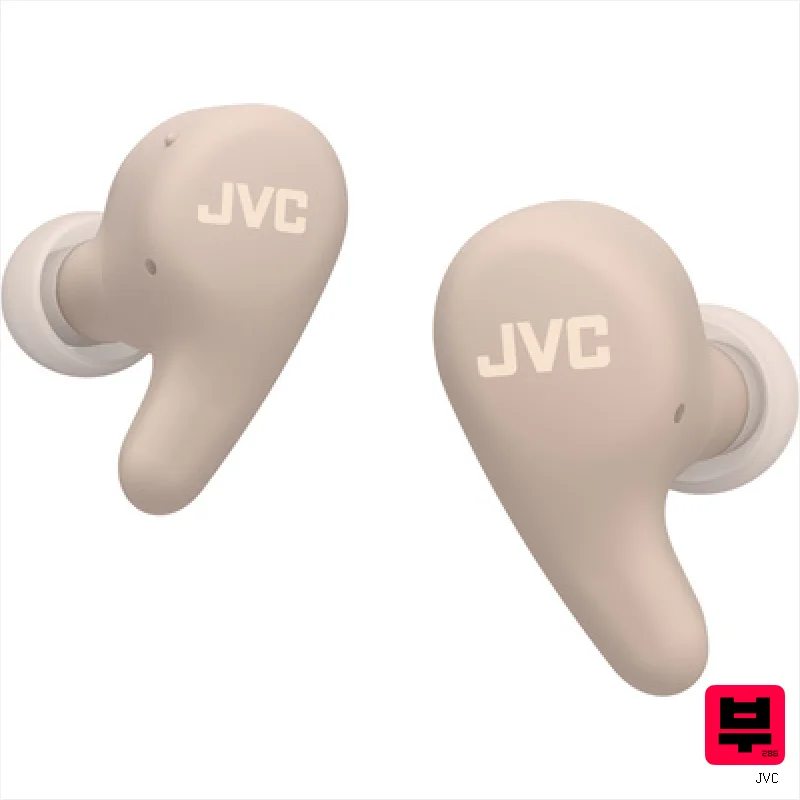
JVC HA-A7T2 Black

Mobile Listening Hands-Free Calls Sports and Fitness
Key Feature:
These JVCs are a solid choice if you're on a tight budget and need something reliable for everyday use – gym, commute, running errands. Don’t expect audiophile performance, but the sound is surprisingly listenable, and they're comfortable enough for long sessions. Perfect for students or anyone needing a no-fuss, budget-friendly pair.
PROS
  • • Surprisingly balanced sound for the price, decent bass response.
  • • Compact and lightweight design offers comfortable extended wear.
  • • Reliable Bluetooth 5.3 connection; minimal dropouts observed.
  • • IP4 rating provides basic splash and sweat resistance.
CONS
  • • Plastic build feels a little cheap; lacks premium materials.
  • • Limited codec support (SBC only) restricts audio quality potential.
  • • Soundstage is narrow; lacks immersive spatial presentation.
4.8/5 Expert Rating
Sound:
6/10
Build:
6/10
Value:
10/10
Sennheiser ACCENTUM Open Black - Professional Music Instrument Photo
#9

Sennheiser ACCENTUM Open Black

Commuting Ultimate Portability Mobile Listening
Key Feature:
These Sennheisers are a pleasant surprise. The sound is clean and detailed, making them great for critical listening or podcasts. They're a solid choice for everyday use, especially if you value comfort and seamless device switching, but audiophiles wanting booming bass or advanced codecs might want to look elsewhere.
PROS
  • • Excellent clarity across frequencies, surprisingly detailed for the price.
  • • Comfortable fit even during extended listening sessions.
  • • Solid build quality; feels durable despite the lightweight design.
  • • Multi-point pairing is genuinely useful for switching devices.
CONS
  • • Codec support limited to SBC and AAC – lacks aptX or LDAC.
  • • Bass response a little lacking for bass-heavy genres; feels somewhat anemic.
  • • IPX4 rating offers only splash protection, not full submersion.
4.8/5 Expert Rating
Sound:
6/10
Build:
5/10
Value:
10/10
JVC HA-NP50T Black - Professional Music Instrument Photo
#10

JVC HA-NP50T Black

Mobile Listening Commuting Hands-Free Calls
Key Feature:
These JVCs are a solid choice if you want reliable, comfortable true wireless buds for everyday use and video calls. The sound leans a bit bass-heavy, but it's surprisingly detailed for the price and the long battery life is fantastic – a real workhorse for commuters or anyone on the go.
PROS
  • • Solid bass response for modern genres, surprisingly detailed mids
  • • Comfortable fit thanks to lightweight design and ergonomic shape
  • • Impressive battery life with quick charge capability is a huge plus
  • • Clear call quality with dual-mic noise reduction for remote work
CONS
  • • SBC/AAC codec support limits high-resolution audio potential
  • • ANC performance is adequate, not best-in-class for noisy environments
  • • Plastic build feels budget-conscious, lacks premium feel
4.8/5 Expert Rating
Sound:
7/10
Build:
8/10
Value:
8/10
OneOdio OpenRock X White - Professional Music Instrument Photo
#11

OneOdio OpenRock X White

Sports and Fitness Mobile Listening Hands-Free Calls
Key Feature:
These OpenRock X headphones are a solid choice if you prioritize awareness while listening – think runners, cyclists, or anyone needing to hear their surroundings. The sound is surprisingly dynamic for open-ear headphones, leaning towards a more energetic presentation. They’re a great option for those who want convenience and a comfortable fit without the isolation of traditional earbuds.
PROS
  • • Open-ear design offers excellent situational awareness for running and cycling.
  • • Multi-point connectivity simplifies switching between phone and laptop use.
  • • Quick charge function delivers a usable hour of playtime in just five minutes.
  • • Plastic construction keeps the headphones exceptionally lightweight for extended wear.
CONS
  • • Open-ear design sacrifices noise isolation; not ideal for loud environments.
  • • Plastic build, while light, feels less premium compared to metal alternatives.
  • • 22-ohm impedance might require amplification for optimal volume with some devices.
5.0/5 Expert Rating
Sound:
9/10
Build:
9/10
Value:
7/10
JVC HA-A7T2 White - Professional Music Instrument Photo
#12

JVC HA-A7T2 White

Commuting Hands-Free Calls Mobile Listening
Key Feature:
These JVCs are a solid, budget-friendly option if you need reliable, everyday wireless buds. The sound is clean and balanced, perfectly fine for podcasts, audiobooks, or casual music listening on the go. They're a great choice for students or anyone needing a dependable backup pair.
PROS
  • • Surprisingly robust build for the price point, feels more premium than expected.
  • • Clear, balanced sound signature, decent detail retrieval for casual listening.
  • • Reliable Bluetooth 5.3 connection with a genuinely useful 10-meter range.
  • • Compact charging case adds significant battery life for extended use.
CONS
  • • Soundstage is noticeably narrow; lacks immersive spatial qualities.
  • • SBC codec only limits audio quality; no aptX or LDAC support.
  • • Plastic construction feels less durable compared to higher-end alternatives.
5.0/5 Expert Rating
Sound:
6/10
Build:
5/10
Value:
9/10
JVC HA-A9T Black - Professional Music Instrument Photo
#13

JVC HA-A9T Black

Mobile Listening Hands-Free Calls Ultimate Portability
Key Feature:
These JVC HA-A9Ts are a solid choice if you're looking for dependable, affordable true wireless earbuds. The sound is surprisingly balanced, leaning slightly towards a warmer profile, and the quick charge is a nice bonus. Perfect for everyday listening and casual use – a good value for the price.
PROS
  • • Surprisingly robust build quality for the price point; feels sturdier than many competitors.
  • • The 6mm drivers deliver a surprisingly full low-end for budget true wireless earbuds.
  • • Quick charge feature is genuinely useful for short bursts of playback when you're in a hurry.
  • • Bluetooth 5.1 provides a stable connection and decent range, avoiding common dropouts.
CONS
  • • Soundstage is fairly narrow; lacks the immersive feel of higher-end models.
  • • Limited codec support (SBC only) restricts audio fidelity for discerning listeners.
  • • IP5 rating offers basic splash protection, but not ideal for intense workouts.
4.8/5 Expert Rating
Sound:
7/10
Build:
7/10
Value:
10/10

How to Choose the Best True Wireless Headphones

1

Sound Quality

It's not just about 'bass' or 'treble'. We're looking for a balanced frequency response with good articulation and detail, so you can hear the nuances in your mixes and performances. A muddy low-end will bury your kick drum; harsh highs will make cymbals sound like ice picks. That sweet spot of clarity and warmth is what we're chasing.

2

Connectivity & Latency

Bluetooth latency is a killer for tracking or playing with a click. Even a few milliseconds of delay can throw off your timing and make recording a nightmare. We're testing for dropouts and consistent connection, especially in environments with a lot of wireless signals.

3

Battery Life & Charging

Gigging for three hours straight? Tracking an all-night session? You need headphones that can keep up. We're looking beyond the advertised numbers - real-world battery life under demanding conditions is the key. Fast charging is a bonus, because nobody wants to wait hours for a full charge.

4

Comfort & Fit

You can have the best sounding headphones in the world, but if they're uncomfortable, you won't use them. We're evaluating the ergonomics, ear tip options, and overall feel - especially for extended wear during long sessions or performances.

5

Noise Isolation/Transparency

For studio work or rehearsals, noise isolation can be a lifesaver. For live performance, transparency mode (allowing ambient sound in) is crucial for stage awareness. We're assessing both aspects and how well they perform in various environments.

Buying Guide

Don't fall for the marketing hype. A lot of these cheap options cut corners on driver quality, resulting in a muddy, compressed sound. Paying a bit more often gets you better drivers, improved Bluetooth codecs (like aptX or LDAC for lower latency), and a more comfortable fit. Consider what you'll primarily be using them for - tracking, mixing, live performance - and prioritize accordingly. And remember, a 'bass boost' isn't always a good thing; it often masks important details.

Our Methodology

We're not relying on spec sheets here. We've spent countless hours putting these headphones through the wringer - comparing them side-by-side with studio monitors, using them for tracking and mixing, and even throwing them into the chaos of live band rehearsals. Our focus is always on real-world performance and how these headphones translate to actual musical situations, not just lab results.

Frequently Asked Questions

These are Bluetooth codecs that promise better audio quality and lower latency. aptX is fairly common, LDAC is a bit more niche but offers higher bitrate audio. For tracking or playing with a click, lower latency is paramount; for casual listening, the difference might be subtle.
It's tricky. The isolation can be a plus, but transparency mode is vital for hearing the band. Ultimately, wired IEMs are still the gold standard for live drums, but good true wireless can work in a pinch if you prioritize transparency.
Generally, no. They're not a substitute for studio headphones. The latency and potential for bleed into the microphone make them unsuitable for serious vocal tracking. Use them for playback and reference, not for recording.
IP ratings are great for peace of mind, especially if you're prone to sweating during gigs or practicing in less-than-ideal conditions. Just don't go dunking them in a swimming pool.
Play a simple, repetitive riff with a click track. If you notice a consistent delay between what you're playing and what you're hearing, the latency is too high. It should feel like the click is happening with you, not after.

We use cookies to improve your experience. Learn more