AudioFu
AudioFu Chart · October 2026
Best Studio Headphones for Music Production 2026
The top pick is AKG K240 Studio Headphones ($76). Superlux HD-681 gives you the most for the money at $26. Steven Slate Audio VSX Immersion One Upgrade leads the high end. Ranked by the AudioFu Index from 105 models across 30 brands, prices checked every night.
Last updated: October 12, 2026
Top 10
Full detail for the 10 highest AudioFu Index scores. Every other model is listed below.
-
The AKG K-240 Studio is a solid workhorse for tracking, mixing, and critical listening on a budget. They provide a surprisingly accurate and revealing sound, especially considering the price point. Great for home studios, students, or anyone needing a reliable, comfortable pair of headphones without breaking the bank.
Pros
- XXL capsule delivers surprisingly wide and detailed soundstage
- Semi-open design offers a more natural, less isolating listening experience
- Detachable mini-XLR cable adds durability and reduces cable clutter
Cons
- Plastic headband and earcups feel a bit budget-oriented for serious studio work
- Semi-open design isn’t ideal for noise isolation in loud environments
70AudioFu
Index↓ 9.3%since Aug 14 · lowest so far$84 · Aug 14$76 now$76€68 at Thomann · in stockCheck price ↗ -
Beyerdynamic DT 990 Pro 250 Ohm Open-Back Over-Ear Monitoring…
DT-990 Pro 80 Ohms · beyerdynamic
33 for sale on Reverb3 finishes at Thomann
These DT-990 Pros are a workhorse for tracking and critical listening. They've got a lively, slightly aggressive sound that really highlights detail – think bright acoustic guitars or crisp percussion. They're a solid choice for musicians needing a reliable, affordable reference headphone.
Pros
- Velour earpads offer long-term comfort, even during extended tracking or mixing sessions.
- Open-back design delivers a wide, airy soundstage, enhancing instrument separation.
- 80 Ohm impedance is readily driven by most consumer audio devices and interfaces.
Cons
- The treble can be quite pronounced and fatiguing for some listeners’ tastes.
- Circumaural design can feel bulky and hot during long listening periods.
66AudioFu
Index↓ 0.7%since Aug 14 · lowest so far$167 · Aug 14$166 now$166€148 at Thomann · in stockCheck price ↗ -
RODE NTH-100 Professional Over Ear Headphones
NTH-100 W · Rode
21 for sale on Reverb3 finishes at Thomann
These are surprisingly good for the price. The Alcantara and CoolTech gel make them comfortable even for hours in the studio, and the build quality feels solid. Great for podcasters, sound engineers, and anyone needing accurate monitoring without a huge investment.
Pros
- Luxurious Alcantara ear cushions provide exceptional comfort for long sessions.
- FitLok system ensures a secure and consistent fit, crucial for tracking.
- CoolTech gel keeps ear pads remarkably cool, minimizing sweat and fatigue.
Cons
- The 344g weight can become noticeable during extended use.
- While versatile, the 32 Ohm impedance may require amplification for optimal performance.
65AudioFu
Index↓ 29.0%since Aug 14 · lowest so far$189 · Aug 14$134 now$134€120 at Thomann · in stockCheck price ↗ -
Neumann NDH 20 Dynamic Studio Monitoring Headphones
NDH 20 Black Edition · Neumann
46 for sale on Reverb2 finishes at Thomann
These NDH 20 Black Editions are a serious step up for critical listening. Neumann's nailed the neutrality here – incredibly revealing for tracking and mixing, but they're not for casual listening. If you're a producer or engineer needing accurate monitoring, these are a fantastic choice.
Pros
- Exceptional transient response for detailed tracking and mixing.
- Aluminum earcups offer robust build quality and comfortable clamping force.
- Balanced cable provides cleaner signal and reduced noise floor noticeably.
Cons
- Relatively heavy for extended use, may fatigue some users.
- 150 Ohm impedance requires a decent headphone amp for optimal performance.
65AudioFu
Index↓ 7.6%since Aug 14 · lowest so far$593 · Aug 14$548 now$548€489 at Thomann · in stockCheck price ↗ -
Audio-Technica ATH-M40x Studio Monitor Headphones
ATH-M40X · Audio-Technica
69 for sale on Reverb1 finish at Thomann
The ATH-M40X is a solid choice for musicians, podcasters, and audio enthusiasts needing a reliable, accurate, and affordable monitoring solution. They offer a clean, neutral sound profile ideal for critical listening and mixing, and the swivel cups make them comfortable for long sessions. These are a great entry point into serious studio headphones without breaking the bank.
Pros
- CCAW voice coils deliver a surprisingly detailed and balanced sound signature
- 90-degree swivel earcups offer comfortable and adaptable positioning
- Detachable cables enhance portability and allow for easy replacement
Cons
- The plastic construction, while lightweight, feels somewhat budget-oriented
- Soundstage can feel a bit constricted for critical mixing applications
63AudioFu
IndexStableno change since Aug 14Aug 14$120 now$120€107 at Thomann · in stockCheck price ↗ -
AIAIAI TMA-2 Studio Wireless+ Modular Headphones
TMA-2 Studio · AIAIAI
10 for sale on Reverb5 finishes at Thomann
These AIAIAI TMA-2 Studios are a solid choice for producers, mixing engineers, and musicians needing reliable closed-back monitoring. The build quality is impressive, the sound is detailed without being overly colored, and the comfortable ear pads make long sessions a breeze. They’re a really well-rounded option for someone wanting professional-grade performance without breaking the bank.
Pros
- The S05 MKII drivers deliver a surprisingly neutral and detailed sound signature.
- Alcantara earpads provide excellent comfort even during extended tracking sessions.
- The CO2 spiral cable minimizes tangling and feels robust for studio use.
Cons
- At 280g, they can feel a bit heavy after a few hours of continuous use.
- 32-ohm impedance requires a decent headphone amp for optimal performance.
60AudioFu
Index↓ 8.5%since Aug 14 · lowest so far$223 · Aug 14$204 now$204€182 at Thomann · in stockCheck price ↗ -
Audio-Technica ATH-M30x Closed Back Headphones
ATH-M30X · Audio-Technica
47 for sale on Reverb1 finish at Thomann
The ATH-M30X are a solid entry-level studio headphone. They offer a surprisingly clean and accurate sound for the price, making them great for budding producers, podcasters, or anyone needing reliable monitoring. The swivel design is a nice touch for mixing and tracking.
Pros
- Clear, balanced soundstage ideal for critical listening
- Durable construction with robust headband and earcups
- 90-degree swivel allows for comfortable monitoring and single-ear use
Cons
- Bass response can feel slightly lacking for bass-heavy genres
- Cable, while long, is not detachable, increasing risk of damage
-
Audio-Technica ATH-M50x-WH Professional Studio Monitor Headphones
ATH-M50X · Audio-Technica
23 for sale on Reverb2 finishes at Thomann
The ATH-M50X are a workhorse for tracking, mixing, and critical listening. They deliver a clear, detailed sound with a bit of extra low-end that's great for modern genres, and their build quality is genuinely impressive for the price. Perfect for producers, audio engineers, and serious music enthusiasts needing reliable, accurate headphones.
Pros
- Excellent transient response for accurate monitoring
- Robust construction with well-secured headband swivel joints
- Comfortable for extended use thanks to the faux leather earpads
Cons
- Bass can be slightly emphasized, potentially muddying mixes
- Closed-back design limits soundstage and natural ambience
57AudioFu
IndexStableno change since Aug 14Aug 14$167 now$167€149 at Thomann · in stockCheck price ↗ -
These Superlux HD-681s are a seriously impressive value for anyone needing a decent studio reference pair without spending a fortune. The clarity and detail you get are remarkable for their price point, making them ideal for budding producers, podcasters, or anyone needing a reliable, revealing closed-back option. Just be aware of the sound leakage – they're best for home or studio use.
Pros
- Surprisingly detailed sound for the price; revealing for critical listening.
- Lightweight and comfortable for extended use, even with the self-adjusting headband.
- 32 Ohm impedance makes them easily driven by phones, laptops, and basic interfaces.
Cons
- Semi-open design leaks sound, making them unsuitable for quiet environments.
- Plastic build feels budget-oriented; longevity a potential concern.
53AudioFu
Index↓ 8.0%since Aug 14 · lowest so far$28 · Aug 14$26 now$26€23 at Thomann · in stockCheck price ↗ -
- Weight0.44 kg
This is a great pick if you already own the VSX software and want better hardware. The 1-micron diaphragm gives you a clean, natural sound without that closed-back pressure. You get 24 different room models to mix in, but you must already have the license. It fits anyone who wants realistic spatial imaging without paying for new software.
Pros
- 1-micron diaphragm delivers precise sound reproduction
- Open-back design reduces ear pressure for comfort
- Software creates 24+ modelled studio environments
Cons
- No software included in the box
- Requires existing VSX Platinum or Essentials license
53AudioFu
Index↓ 15.6%since Aug 17 · lowest so far$862 · Aug 17$727 now$727€649 at Thomann · in stockCheck price ↗
All 105 studio headphones
Same index, same nightly prices — compact. Colour options of one model share a row. Tap a photo to zoom.
- 11
RODE NTH-50 On Ear Headphones - 32 OhmsNTH-50 · Rode51↓ 18.6%$103€92$103€92Check ↗
- 12
Sony MDR-7506 Studio HeadphonesMDR-7506 · Sony51↓ 1.0%$110€98$110€98Check ↗
- 13
Avantone Pro MP-1 MixPhones Over-Ear HeadphonesMixphones MP-1 · Avantone · 2 finishes51↓ 6.7%$156€139$156€139Check ↗
- 14
Neumann NDH-30 Open Back Headphones - 120 OhmsNDH 30 Black Edition · Neumann · 2 finishes51↑ 3.5%$671€599$671€599Check ↗
- 15
PreSonus HD7 Professional On-Ear Monitoring HeadphonesHD7 · Presonus50Stable$48€43$48€43Check ↗
- 16
PreSonus HD9 Professional Closed-Back Over-Ear Monitoring HeadphonesHD9 · Presonus50↓ 3.4%$64€57$64€57Check ↗
- 17
Superlux HD-662 BK EvoSuperlux · 5 finishes49Stable$34€30$34€30Check ↗
- 18
AKG K 271 MKIIK-271 MKII · AKG49Stable$133€119$133€119Check ↗
- 19
beyerdynamic DT-770 Pro 32 Ohmbeyerdynamic · 5 finishes49Stable$167€149$167€149Check ↗
- 20
Focal Listen Professional Closed Back Headphones - 32 OhmsListen Professional · Focal48↓ 3.9%$219€195$219€195Check ↗
- 21
Audeze MM-500 Open Back Planar Magnetic Headphones - 18 OhmsMM-500 · Audeze48Stable$2,016€1,799$2,016€1,799Check ↗
- 22
Warm Audio WA-HRT HeadRoom TanWarm Audio47↓ 6.5%$145€129$145€129Check ↗
- 23
Audio-Technica ATH-R70XA Open Back HeadphonesATH-R70xa · Audio-Technica47Stable$391€349$391€349Check ↗
- 24
Superlux HD-669Superlux45↓ 24.2%$28€25$28€25Check ↗
- 25
Superlux HD-660 Pro 32 OhmsSuperlux · 2 finishes45↓ 7.7%$40€36$40€36Check ↗
- 26
Kali Audio HP-1Kali Audio45Stable$185€165$185€165Check ↗
- 27
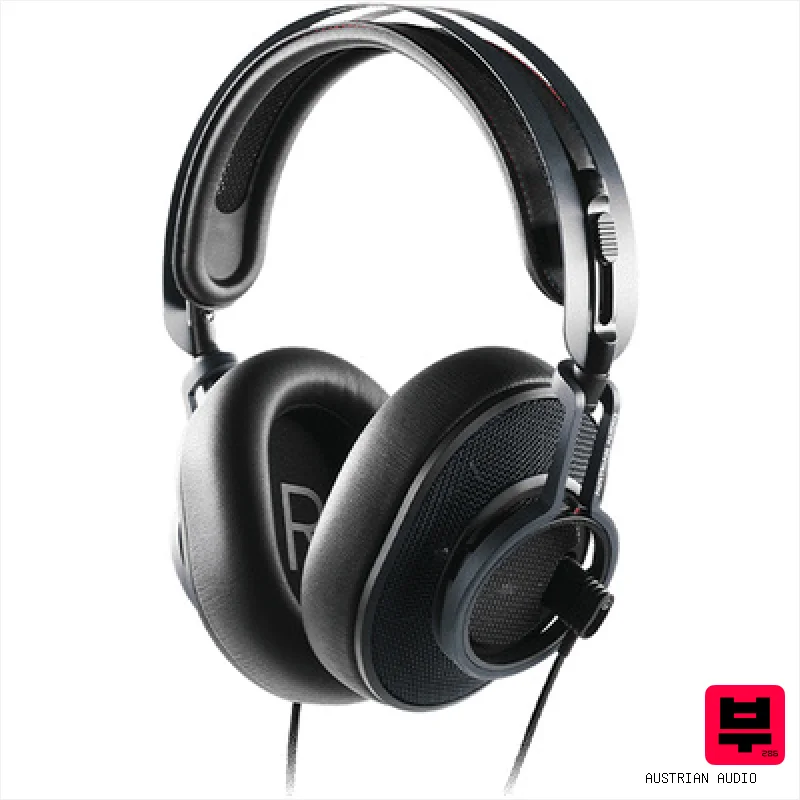
Austrian Audio Hi-X65 Open Back Reference HeadphonesHi-X65 · Austrian Audio45↓ 12.5%$313€279$313€279Check ↗
- 28
Audeze MM-100 Open Back Planar Magnetic Headphones - 18 OhmsMM-100 · Audeze44↓ 3.4%$503€449$503€449Check ↗
- 29
AKG K371 BT Wireless Closed Back HeadphonesK-371 · AKG43Stable$167€149$167€149Check ↗
- 30
Beyerdynamic DT 250 Closed Back Headphones - 80 OhmsDT-250/250 · beyerdynamic · 2 finishes43Stable$268€239$268€239Check ↗
- 31
Fostex T50RPmk4Fostex43↓ 20.7%$275€245$275€245Check ↗
- 32
Fostex T60RPmk2 HeadphoneFostex43↓ 15.0%$611€545$611€545Check ↗
- 33
Fostex TH808Fostex43↓ 26.7%$1,230€1,098$1,230€1,098Check ↗
- 34
Superlux HD-668 BSuperlux · 2 finishes42Stable$33€29$33€29Check ↗
- 35
Superlux HD-330 Pro 150 OhmsSuperlux · 2 finishes42Stable$44€39$44€39Check ↗
- 36
Austrian Audio Hi-X15 Professional HeadphonesHi-X15 · Austrian Audio42Stable$111€99$111€99Check ↗
- 37
Austrian Audio Hi-X60 Closed Back Headphones - 25 OhmsHi-X60 · Austrian Audio42↓ 8.2%$328€293$328€293Check ↗
- 38
Fostex T60RPmk2CLFostex42↓ 14.2%$611€545$611€545Check ↗
- 39
AKG K872 Master Reference Closed-Back Studio HeadphonesK-872 · AKG41Stable$1,455€1,298$1,455€1,298Check ↗
- 40
OneOdio Monitor 80OneOdio40↓ 13.3%$95€85$95€85Check ↗
- 41
AKG K361 Closed Back Headphones - 32 OhmsK-361 · AKG40↑ 17.5%$105€94$105€94Check ↗
- 42
Audio-Technica ATH-M60xaAudio-Technica40↓ 11.8%$193€172$193€172Check ↗
- 43
AKG K812K-812 · AKG40↑ 9.0%$1,342€1,198$1,342€1,198Check ↗
- 44
Behringer HPM1100-BKBehringer39↓ 21.7%$10€9$10€9Check ↗
- 45
Sennheiser HD-300 ProSennheiser · 2 finishes39Stable$185€165$185€165Check ↗
- 46
Sony MDR-M1Sony39↓ 15.3%$236€211$236€211Check ↗
- 47
beyerdynamic DT 900 PRO Xbeyerdynamic39↓ 4.6%$256€228$256€228Check ↗
- 48
Sennheiser HD-480 PROSennheiser · 2 finishes39↓ 1.0%$443€395$443€395Check ↗
- 49
Sony MDR-MV1 Open Back Headphones - 24 OhmsMDR-MV1 · Sony39Stable$443€395$443€395Check ↗
- 50
Audeze LCD-S20Audeze39↓ 11.3%$615€549$615€549Check ↗
- 51
Focal Lensys ProfessionalFocal39↓ 15.0%$666€594$666€594Check ↗
- 52
beyerdynamic DT 700 PRO Xbeyerdynamic38↓ 1.7%$263€235$263€235Check ↗
- 53
OLLO Audio X1 1.0 2024OLLO Audio38↓ 16.7%$503€449$503€449Check ↗
- 54
Superlux HD-667Superlux37Stable$44€39$44€39Check ↗
- 55
Superlux HD-665Superlux37Stable$62€55$62€55Check ↗
- 56
beyerdynamic DT-270 Probeyerdynamic37Stable$111€99$111€99Check ↗
- 57
beyerdynamic DT 275 Probeyerdynamic37Stable$133€119$133€119Check ↗
- 58
beyerdynamic DT-100/400-Bbeyerdynamic37Stable$257€229$257€229Check ↗
- 59
beyerdynamic DT-150beyerdynamic37Stable$273€244$273€244Check ↗
- 60
Roland VMH-S100 Closed Back HeadphonesVMH-S100 · Roland37↓ 15.2%$313€279$313€279Check ↗
- 61
beyerdynamic DT 1990 Pro MKIIbeyerdynamic37Stable$604€539$604€539Check ↗
- 62
beyerdynamic DT 1770 Pro MKIIbeyerdynamic37Stable$604€539$604€539Check ↗
- 63
Austrian Audio Hi-X25BT Professional Over-Ear Bluetooth HeadphonesHi-X25BT · Austrian Audio36Stable$156€139$156€139Check ↗
- 64
Fostex T20RP-Mk3 HeadphoneFostex36Stable$196€175$196€175Check ↗
- 65
Sennheiser HD-400 ProSennheiser36↓ 4.4%$245€219$245€219Check ↗
- 66
Fostex T50RPmk4CLFostex36Stable$275€245$275€245Check ↗
- 67
Fostex T60RP HeadphoneFostex36Stable$391€349$391€349Check ↗
- 68
Sennheiser HD-490 PRO PlusSennheiser36↓ 3.3%$461€411$461€411Check ↗
- 69
Fostex T60RPmk2aiFostex36Stable$1,377€1,229$1,377€1,229Check ↗
- 70
Fostex TH-900 mk2LEFostex36Stable$2,078€1,854$2,078€1,854Check ↗
- 71
Fostex TH909LEFostex36Stable$2,313€2,064$2,313€2,064Check ↗
- 72
Fostex TH910Fostex36Stable$3,585€3,199$3,585€3,199Check ↗
- 73
Fostex TH919Fostex36Stable$3,808€3,398$3,808€3,398Check ↗
- 74
OneOdio Monitor 40OneOdio35↓ 3.9%$55€49$55€49Check ↗
- 75
Audio-Technica ATH-R30xAudio-Technica35Stable$111€99$111€99Check ↗
- 76
Audio-Technica ATH-R50xAudio-Technica35Stable$189€169$189€169Check ↗
- 77
AKG K-712 ProAKG35Stable$308€275$308€275Check ↗
- 78
OneOdio Pro 20 BlackOneOdio34Stable$44€39$44€39Check ↗
- 79
OneOdio Pro 40 SilverOneOdio34Stable$50€45$50€45Check ↗
- 80
OneOdio Pro 60OneOdio34Stable$55€49$55€49Check ↗
- 81
Austrian Audio Hi-X20Austrian Audio34↓ 1.6%$142€127$142€127Check ↗
- 82
ADAM Audio H200ADAM Audio34↓ 9.4%$161€144$161€144Check ↗
- 83
Audeze LCD-XC Leather FreeAudeze34Stable$1,624€1,449$1,624€1,449Check ↗
- 84
Audeze LCD-XCAudeze34Stable$1,624€1,449$1,624€1,449Check ↗
- 85
OneOdio Monitor 60OneOdio33↑ 1.5%$77€69$77€69Check ↗
- 86
Behringer HPS3000Behringer32Stable$11€10$11€10Check ↗
- 87
Behringer BH 470Behringer32↓ 1.0%$22€20$22€20Check ↗
- 88
AKG K-612 ProAKG32↑ 5.7%$166€148$166€148Check ↗
- 89
HEDD HEDDphone D1HEDD32Stable$761€679$761€679Check ↗
- 90
HEDD HEDDphone Two UnpluggedHEDD32Stable$1,624€1,449$1,624€1,449Check ↗
- 91
HEDD HEDDphone TwoHEDD32Stable$2,128€1,899$2,128€1,899Check ↗
- 92
the t.bone HD 515the t.bone31Stable$33€29$33€29Check ↗
- 93
the t.bone HD 815the t.bone31Stable$36€32$36€32Check ↗
- 94
Shure SRH440A-EFSShure31Stable$111€99$111€99Check ↗
- 95
OLLO Audio R1 1.0OLLO Audio31Stable$447€399$447€399Check ↗
- 96
Steven Slate Audio VSX Immersion OneSteven Slate Audio31Stable$929€829$929€829Check ↗
- 97
Maono MH601 Studio Monitor HeadphoneMaono30Stable$39€35$39€35Check ↗
- 98
ESI eXtra 10ESI30Stable$58€52$58€52Check ↗
- 99
Focal Clear MG ProfessionalFocal30↑ 3.2%$1,444€1,289$1,444€1,289Check ↗
- 100
Audeze LCD-XAudeze30↑ 8.4%$1,512€1,349$1,512€1,349Check ↗
- 101
Shure SRH840A-EFSShure29↑ 4.7%$174€155$174€155Check ↗
- 102
Sennheiser HD26 Pro On Ear Headphones - 100 OhmsHD-26 · Sennheiser29Stable$331€295$331€295Check ↗
- 103
Audeze LCD-X Leather FreeAudeze29↑ 11.6%$1,624€1,449$1,624€1,449Check ↗
- 104
Tascam TH-11Tascam24↑ 11.4%$55€49$55€49Check ↗
- 105
KRK KNS-8402 Closed Back Headphones - 36 OhmsKNS 8402 · KRK24Stable$111€99$111€99Check ↗
Studio Headphones by the numbers
Measured across all 136 models we track, not a sample.
Median $185 — half of all studio headphones here cost less.
How the AudioFu Index works
Five measured signals and nothing else — no stars from strangers, no “tested by experts” we didn’t do. The weights are fixed and public. We don’t play these instruments; we measure the market around them.
This chart covers 136 studio headphones from the Thomann catalogue. Before you buy, read hands-on reviews and, where you can, play it. Full methodology.
AudioFu earns a commission when you buy through our Thomann links. It never changes the order — the index does.
- Demand40%
How many of this exact model are for sale on Reverb right now — what musicians actually buy and resell.
- Lineup20%
How many finishes Thomann stocks — makers expand the models that sell.
- Price15%
Where the price has moved since we started tracking in August.
- Specs15%
How completely the maker documents it.
- Maker10%
How deep the brand’s range is in this category.
Questions
What should I look for when buying studio headphones?
Key factors include build quality, sound characteristics, playability, brand reputation, warranty coverage, and value for money. Consider your musical style, skill level, and intended use to find the best match.
How much should I spend on studio headphones?
Budget depends on your needs and experience level. Beginners can find quality options for $200-500, intermediate players should consider $500-1500 range, while professionals often invest $1500+ for premium features.
Are expensive studio headphones worth the investment?
Higher-priced studio headphones typically offer better materials, craftsmanship, and performance. They're worth it if you're serious about music, perform regularly, or need professional-grade features.
What are the best brands for studio headphones?
Top brands combine quality, innovation, and reliability. We evaluate brands based on build quality, sound performance, durability, and customer satisfaction to recommend the best options for different budgets.
Should I buy studio headphones online or in-store?
Both have advantages. Online offers better prices and selection, while stores allow hands-on testing. We recommend researching online first, then testing in stores if possible. Many online retailers offer excellent return policies.