Best AIAIAI Studio Headphones 2026

Premium AIAIAI studio headphones - legendary tone and craftsmanship

Last updated: August 31, 2026

The best studio headphones in 2026 are AIAIAI TMA-2 Studio XE MiniLab 3 BDL (top pick), AIAIAI TMA-2 Studio XE for tighter budgets, and AIAIAI TMA-2 Studio Wireless White for pros — selected from 5 options, priced $173–$348, ranked by brand, price and popularity.
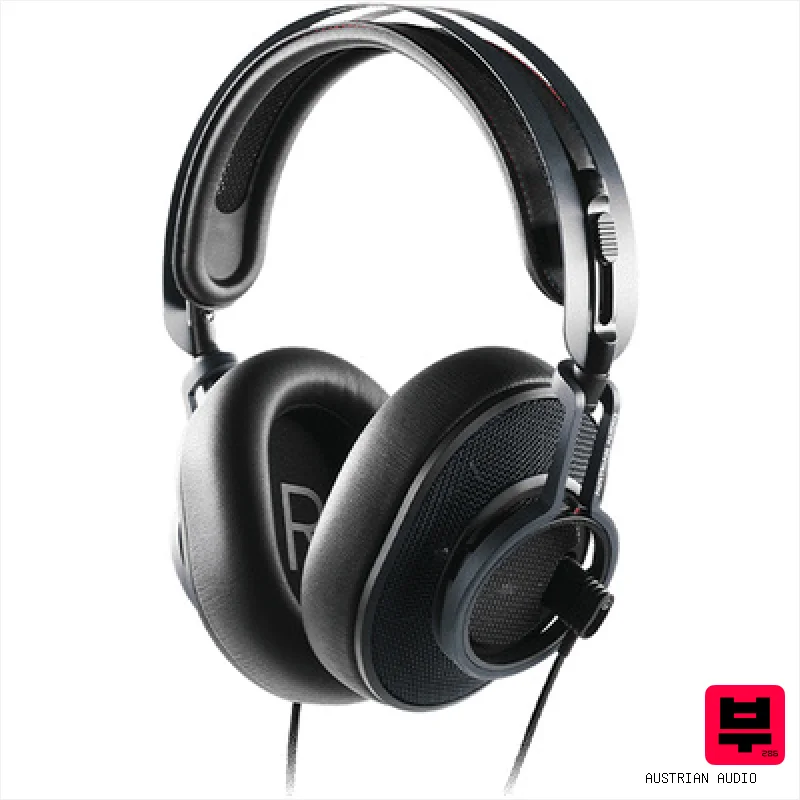
AIAIAI TMA-2 Studio XE MiniLab 3 BDL - Professional Music Instrument Photo
#1

AIAIAI TMA-2 Studio XE MiniLab 3 BDL

Professional Audio Critical Listening Music Production
Key Feature:
These headphones use a bio-cellulose diaphragm to keep your tracks sounding true. The closed-back style stops room noise while the 40mm driver pushes clear detail through the air. Paired with a full keyboard controller, this bundle lets you compose and record everything from one place. Great for studio work where accuracy matters most.
PROS
  • • Closed-back design blocks outside noise for clean recording
  • • Bio-cellulose diaphragm ensures accurate sound reproduction
  • • 40mm neodymium driver delivers strong, detailed output
  • • Keyboard bundle includes useful pitch bend and modulation strips
CONS
  • • Sensitivity rating is completely missing from the specs
  • • No cable length is provided for the headphone connection
  • • Weight of the entire bundle is not listed anywhere
4.4/5 AudioFu Score
Specs:
1/10
Detail:
9/10
Value:
7/10
Art. 643276
$210
AIAIAI TMA-2 Studio XE - Professional Music Instrument Photo
#2

AIAIAI TMA-2 Studio XE

Audio Mixing Music Production Professional Audio
Key Feature:
This pair feels great on your ears with soft padding and a light build. The big driver moves air well for mixing, though you can't tell exactly how loud it gets. It works best for studios or quiet rooms where you need clean audio without distractions.
PROS
  • • Lightweight bio-cellulose diaphragm for fast, accurate sound
  • • 40 mm high grade neodymium driver handles low frequencies well
  • • 1.5 m straight cable keeps desk space clean and tidy
  • • PU padded headband and ear cushions for long listening sessions
CONS
  • • No sensitivity rating makes volume matching impossible
  • • Single 3.5 mm jack limits connection options
  • • Closed-back design blocks outside music completely
4.4/5 AudioFu Score
Specs:
1/10
Detail:
8/10
Value:
8/10
Art. 643268
$173
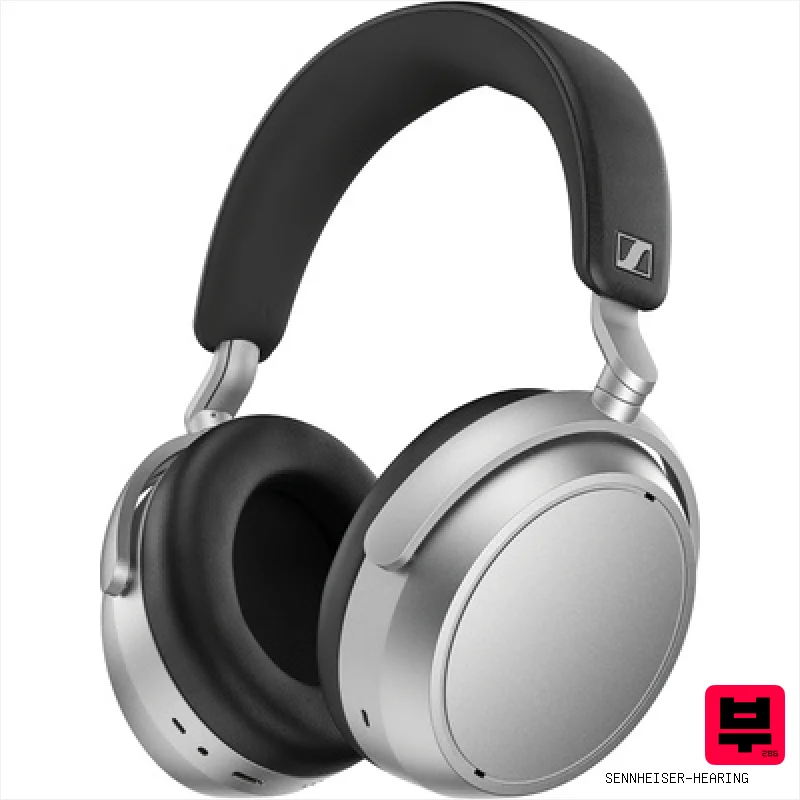
AIAIAI TMA-2 Studio Wireless White - Professional Music Instrument Photo
#3

AIAIAI TMA-2 Studio Wireless White

Critical Listening Recording Monitoring Music Production
Key Feature:
This pair lets you stream music without lag, which is great for mixing. The long battery life means you can work all day without recharging. It suits both beginners and pros who need clear sound on the go.
PROS
  • • Uncompressed audio keeps sound crisp and detailed.
  • • Extremely low latency makes tracking feel natural.
  • • Long 20+ hour battery life for long sessions.
  • • Bluetooth 5.3 offers fast and stable wireless connections.
CONS
  • • 225 grams feels heavier than standard wired models.
  • • No specific studio sound character is described.
  • • Limited to 320 Kbps wireless audio quality.
4.4/5 AudioFu Score
Specs:
1/10
Detail:
10/10
Value:
6/10
Art. 648553
$348
AIAIAI TMA-2 Studio Wireless - Professional Music Instrument Photo
#4

AIAIAI TMA-2 Studio Wireless

Professional Audio Music Production Critical Listening
Key Feature:
These AIAIAI TMA-2 Studio Wireless headphones are a clever blend of portability and studio functionality. The W+ Link is a real game-changer for tracking, and the modularity is a huge plus for longevity. They’re perfect for producers who need reliable wireless monitoring and a decent sound for critical listening on the go.
PROS
  • • Modular design allows for easy ear pad and headband replacement.
  • • W+ Link offers exceptionally low latency for tracking and mixing.
  • • 40mm drivers deliver a surprisingly balanced and detailed sound signature.
  • • Bluetooth 5.3 provides a stable connection and broad device compatibility.
CONS
  • • The 225g weight can become fatiguing during extended listening sessions.
  • • While versatile, the sound lacks the outright 'wow' factor of high-end studio headphones.
  • • The AIAIAI app, while functional, feels somewhat basic compared to competitors.
4.4/5 AudioFu Score
Specs:
1/10
Detail:
10/10
Value:
6/10
Art. 620638
$348
AIAIAI TMA-2 Studio - Professional Music Instrument Photo
#5

AIAIAI TMA-2 Studio

Music Production Recording Monitoring Critical Listening
Key Feature:
These AIAIAI TMA-2 Studios are a solid choice for producers, mixing engineers, and musicians needing reliable closed-back monitoring. The build quality is impressive, the sound is detailed without being overly colored, and the comfortable ear pads make long sessions a breeze. They’re a really well-rounded option for someone wanting professional-grade performance without breaking the bank.
PROS
  • • The S05 MKII drivers deliver a surprisingly neutral and detailed sound signature.
  • • Alcantara earpads provide excellent comfort even during extended tracking sessions.
  • • The CO2 spiral cable minimizes tangling and feels robust for studio use.
  • • Nylon headband with microfiber padding offers a secure, comfortable, and premium feel.
CONS
  • • At 280g, they can feel a bit heavy after a few hours of continuous use.
  • • 32-ohm impedance requires a decent headphone amp for optimal performance.
  • • While versatile, they aren't the absolute flattest response for critical mastering.
4.4/5 AudioFu Score
Specs:
1/10
Detail:
8/10
Value:
7/10
Art. 520789
$212

Studio Headphones by the numbers

Measured across all 138 models in this category, so «wide», «short» or «expensive» mean something you can check.

Price
median $185
from $33 to $1,687

How This List Is Built

We don't play these instruments — we're a catalog, not a review desk, and we'd rather say so than pretend otherwise. This page covers 5 of 138 studio headphones from the Thomann catalogue, which is the largest single source of specification data in this category: 5 in detail, the rest listed with their specifications.

Position is computed, not curated. We parse the manufacturer's own description into actual values — nut width, scale, fret count, fingerboard radius, size, alloy — and rank on them: how many specifications a model has published, how many of them are measurable numbers, and how precisely it meets this page's criterion. A product image adds a little. Price is not a ranking signal: it tells you nothing about whether a neck fits your hand. The same inputs always produce the same order, so nothing here is shuffled to look fresh.

What this list is good for: narrowing a category down to a shortlist by spec and budget. What it isn't: a substitute for hearing an instrument. Before you buy, read hands-on reviews and, where you can, play it. Full methodology.

How to Choose the Best Studio Headphones

Budget Planning

  • • Under $200: Entry-level
  • • $200-$500: Intermediate
  • • $500-$1000: Advanced
  • • $1000+: Professional

Quality Check

  • • Sound clarity & tone
  • • Build materials & finish
  • • Hardware durability
  • • Overall craftsmanship

Key Features

  • • Your musical style
  • • Skill level match
  • • Intended use case
  • • Brand reputation

Frequently Asked Questions

Key factors include build quality, sound characteristics, playability, brand reputation, warranty coverage, and value for money. Consider your musical style, skill level, and intended use to find the best match.
Budget depends on your needs and experience level. Beginners can find quality options for $200-500, intermediate players should consider $500-1500 range, while professionals often invest $1500+ for premium features.
Higher-priced studio headphones typically offer better materials, craftsmanship, and performance. They're worth it if you're serious about music, perform regularly, or need professional-grade features.
Top brands combine quality, innovation, and reliability. We evaluate brands based on build quality, sound performance, durability, and customer satisfaction to recommend the best options for different budgets.
Both have advantages. Online offers better prices and selection, while stores allow hands-on testing. We recommend researching online first, then testing in stores if possible. Many online retailers offer excellent return policies.
We use cookies to improve your experience. Learn more