AudioFu
AudioFu Chart · October 2026
Best Sennheiser Studio Headphones 2026
The top pick is Sennheiser HD-300 Pro ($185). Sennheiser HD-490 PRO Plus leads the high end. Ranked by the AudioFu Index from 5 models, prices checked every night.
Last updated: October 12, 2026
Top 5
Full detail for the 5 highest AudioFu Index scores. Every other model is listed below.
-
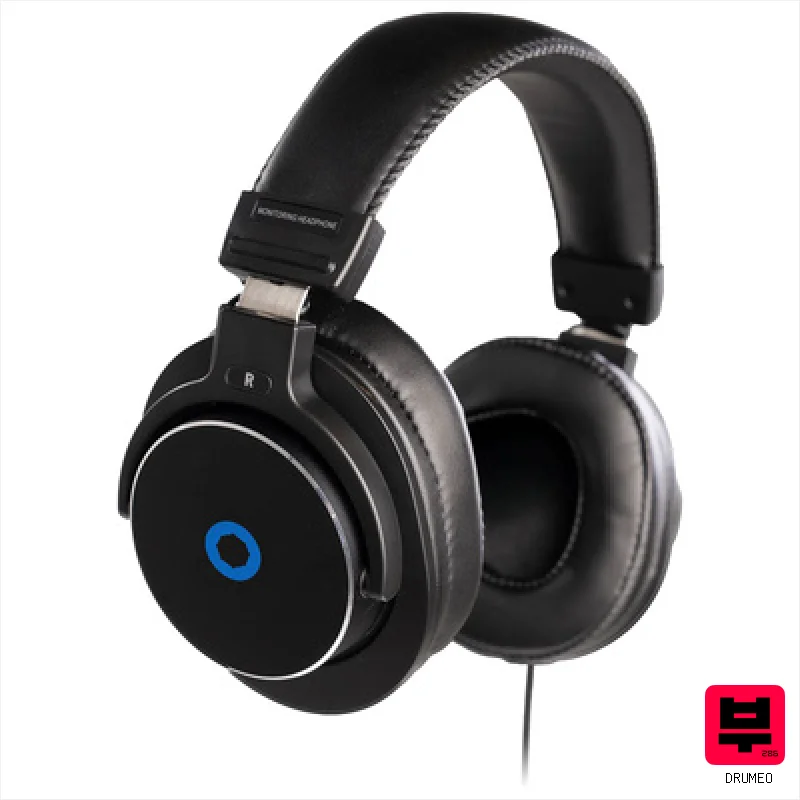
These Sennheisers are a solid choice for serious tracking and mixing. They deliver a neutral, detailed sound with great isolation, making them perfect for drummers, vocalists, or anyone needing to block out distractions. They’re a workhorse headphone that won’t break the bank.
Pros
- Robust build quality with a comfortable, adjustable clamping force
- Excellent isolation for tracking and critical listening environments
- Clear, balanced sound signature with well-defined low-end response
Cons
- Can feel a little weighty during extended use, especially for smaller heads
- Soundstage isn't as expansive as open-back alternatives
39AudioFu
IndexStableno change since Aug 14Aug 14$185 now$185€165 at Thomann · in stockCheck price ↗ -
These headphones use big drivers to push deep, thick bass right into your chest. The plush ear pads make them comfortable for hours of mixing work. However, the high impedance means you need a strong amp to get the loudest sound. They are a solid, no-nonsense choice for studios that need reliable monitoring.
Pros
- 38 mm dynamic drivers deliver deep bass response down to 3 Hz.
- Artificial leather pads with velour contact surface feel comfortable for long sessions.
- Closed-back design prevents outside noise and reduces bleed in the studio.
Cons
- 130 ohm impedance requires a powerful amplifier for full volume.
- Single-sided spiral cable makes the unit unbalanced and prone to signal loss.
39AudioFu
Index↓ 1.0%since Aug 17 · lowest so far$447 · Aug 17$443 now$443€395 at Thomann · in stockCheck price ↗ -
These HD-400 Pros are a solid choice for serious tracking and mixing. They deliver a remarkably accurate and detailed soundstage without being overly colored – a real workhorse for engineers and musicians needing a reliable reference. If you prioritize neutrality and detail over a bass-heavy or overly bright sound, these are a great pick.
Pros
- Excellent detail retrieval across the frequency spectrum, revealing subtle nuances.
- Comfortable clamping pressure; well-padded earcups minimize fatigue during long sessions.
- Robust build quality with durable headband and angled driver design for accurate imaging.
Cons
- Sound signature leans slightly neutral; may lack excitement for casual listening.
- Relatively heavy for extended use, especially compared to lighter models.
36AudioFu
Index↓ 4.4%since Aug 14 · lowest so far$257 · Aug 14$245 now$245€219 at Thomann · in stockCheck price ↗ -
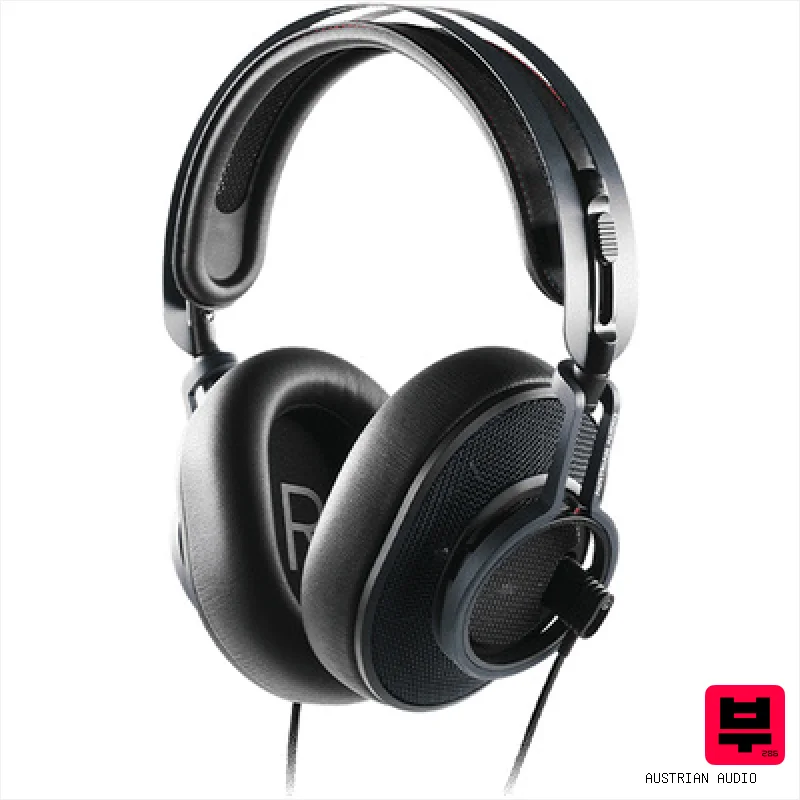
These Sennheisers are a serious contender for tracking and mixing. They present a very clear and balanced soundstage, ideal for critical listening and detail work. If you're a producer or engineer needing accurate monitoring without a hugely premium-priced tag, this is a solid choice.
Pros
- Velour earpads offer exceptional comfort for extended mixing sessions.
- The 38mm drivers deliver a remarkably neutral and detailed sound signature.
- Included producer/mixing earpads allow for tailored frequency response.
Cons
- The 260g weight can become fatiguing during very long listening periods.
- Open-back design leaks sound, making them unsuitable for noisy environments.
36AudioFu
Index↓ 3.3%since Aug 14 · lowest so far$476 · Aug 14$461 now$461€411 at Thomann · in stockCheck price ↗ -
Sennheiser HD26 Pro On Ear Headphones - 100 Ohms
HD-26 · Sennheiser
1 for sale on Reverb1 finish at Thomann
The HD-26 is a solid workhorse for broadcast monitoring – think radio stations and TV studios. It's built to take a beating, and that ActiveGard feature is a real lifesaver. Don't expect audiophile sound, but for reliable, accurate monitoring in a noisy environment, they get the job done.
Pros
- Robust build quality with durable plastic and metal headband.
- Effective ActiveGard protection prevents sudden, damaging volume spikes.
- Closed-back design provides decent isolation for broadcast environments.
Cons
- Soundstage is noticeably narrow; lacks spaciousness for critical mixing.
- Treble response can be slightly harsh, fatiguing over extended use.
29AudioFu
IndexStableno change since Aug 14Aug 14$331 now$331€295 at Thomann · in stockCheck price ↗
How the AudioFu Index works
Five measured signals and nothing else — no stars from strangers, no “tested by experts” we didn’t do. The weights are fixed and public. We don’t play these instruments; we measure the market around them.
This chart covers 7 studio headphones from the Thomann catalogue (of 136 in the category). Before you buy, read hands-on reviews and, where you can, play it. Full methodology.
AudioFu earns a commission when you buy through our Thomann links. It never changes the order — the index does.
- Demand40%
How many of this exact model are for sale on Reverb right now — what musicians actually buy and resell.
- Lineup20%
How many finishes Thomann stocks — makers expand the models that sell.
- Price15%
Where the price has moved since we started tracking in August.
- Specs15%
How completely the maker documents it.
- Maker10%
How deep the brand’s range is in this category.
Questions
What should I look for when buying studio headphones?
Key factors include build quality, sound characteristics, playability, brand reputation, warranty coverage, and value for money. Consider your musical style, skill level, and intended use to find the best match.
How much should I spend on studio headphones?
Budget depends on your needs and experience level. Beginners can find quality options for $200-500, intermediate players should consider $500-1500 range, while professionals often invest $1500+ for premium features.
Are expensive studio headphones worth the investment?
Higher-priced studio headphones typically offer better materials, craftsmanship, and performance. They're worth it if you're serious about music, perform regularly, or need professional-grade features.
What are the best brands for studio headphones?
Top brands combine quality, innovation, and reliability. We evaluate brands based on build quality, sound performance, durability, and customer satisfaction to recommend the best options for different budgets.
Should I buy studio headphones online or in-store?
Both have advantages. Online offers better prices and selection, while stores allow hands-on testing. We recommend researching online first, then testing in stores if possible. Many online retailers offer excellent return policies.