
Best Gretsch Resonator Guitars 2026
Alright, so you're looking into a Gretsch resonator? Smart move. They've got a vibe and a tone you just don't find anywhere else - that dry, woody snap, a surprising amount of projection, and a character that screams vintage blues and roots music. But not all Gretsch resonators are created equal; they've shifted models and specs over the years, so let's break down what makes a good one tick and which models are worth your time and money.
Last updated: October 8, 2026
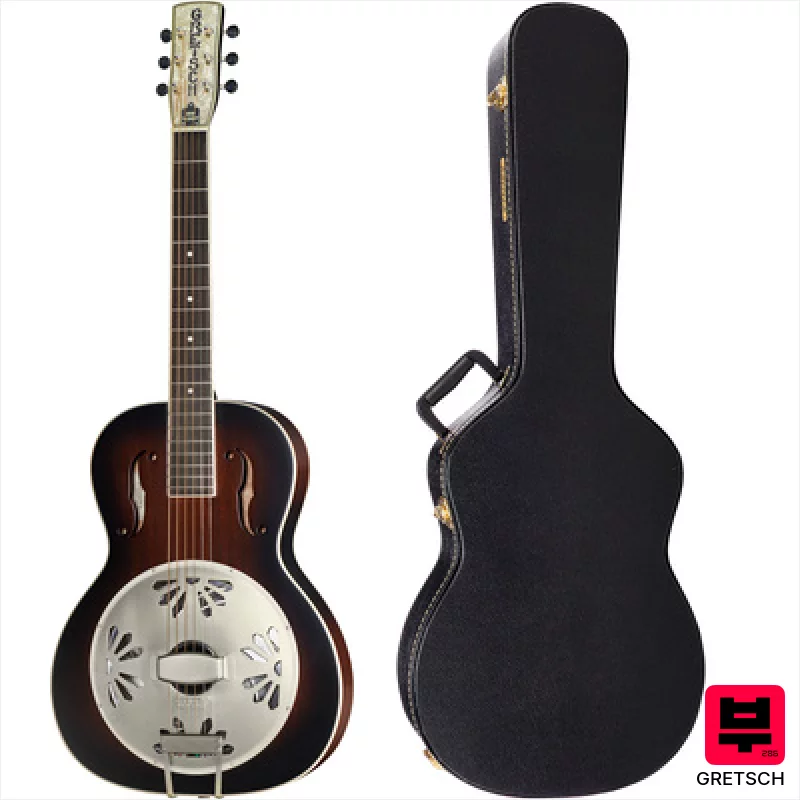
Gretsch G9240 Alligator Biscuit Bundle
- • Mahogany body provides a warm, resonant foundation for the tone
- • Katalox fretboard offers a smooth, fast playing experience with excellent note definition
- • Biscuit bridge enhances sustain and contributes to a classic resonator sound
- • Included hardshell case protects the instrument during transport and storage
- • Medium 'V' neck profile isn't universally preferred; might not suit all hand shapes
- • Limited tonal versatility compared to electric guitars; primarily bluegrass/country focused
- • Mahogany body can be relatively heavy, potentially causing fatigue during extended playing sessions
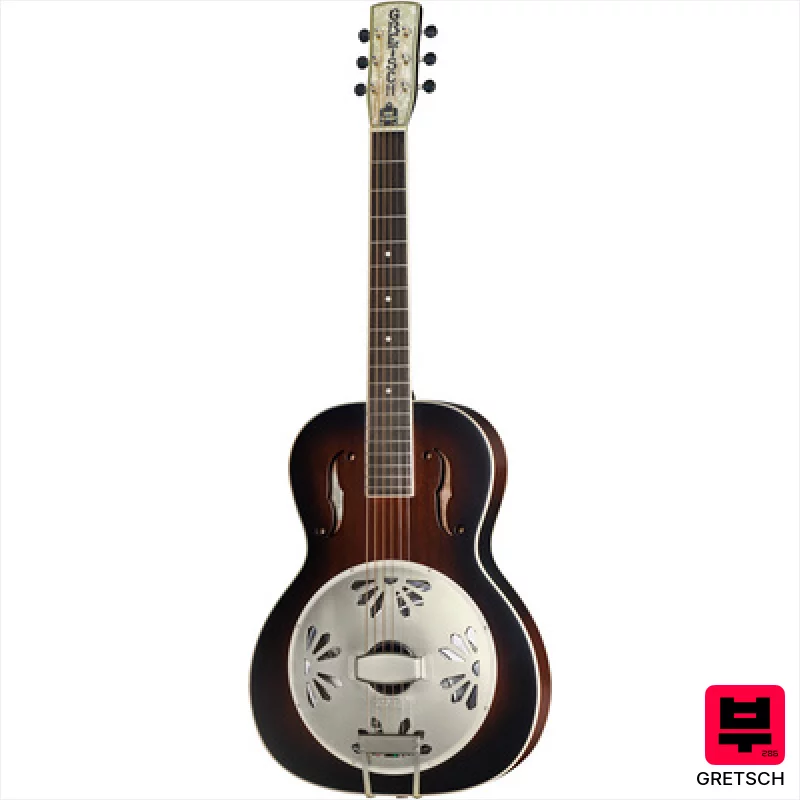
Gretsch G9240 Alligator Biscuit
- • Mahogany body delivers warm, resonant tone with excellent sustain
- • Katalox fretboard offers a smooth playing experience and unique look
- • Biscuit bridge enhances clarity and responsiveness of the resonator cone
- • Grover Sta-Tite tuners provide reliable tuning stability for gigging
- • Medium V neck profile isn't for everyone; might feel bulky to some
- • Limited tonal versatility compared to a full-bodied acoustic or electric
- • Mahogany construction can be prone to feedback at higher volumes
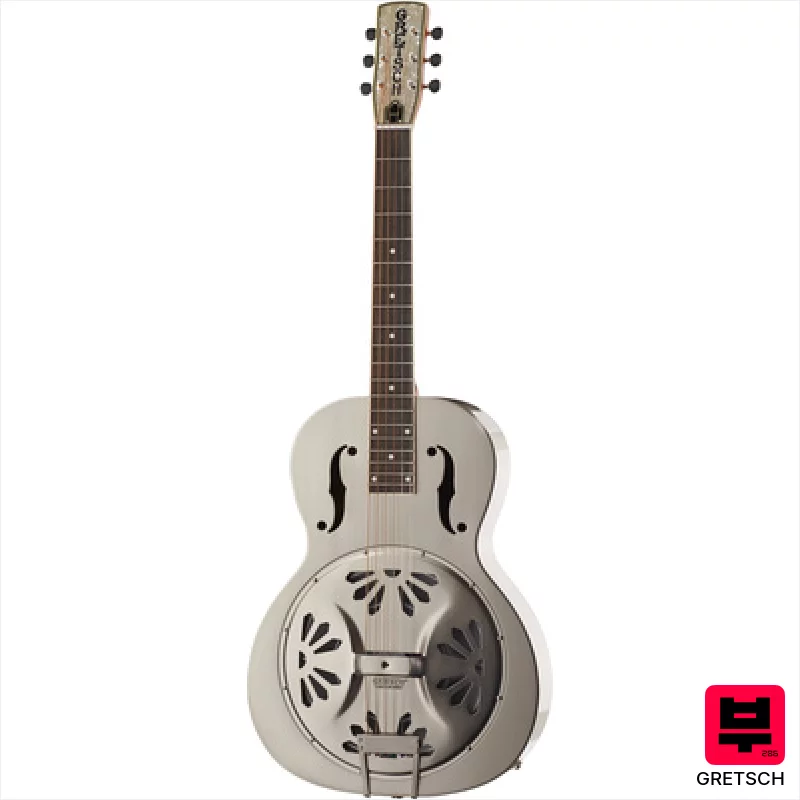
Gretsch G9221 Bobtail Steel RN AE
- • Amplified tone is remarkably clear thanks to the Fishman Nashville pickup
- • Katalox fretboard offers a smooth playing experience and beautiful aesthetics
- • The medium-V neck profile is comfortable for a wide range of playing styles
- • Gretsch's spider cone delivers that classic, focused resonator sound.
- • Steel body makes it noticeably heavier than a traditional acoustic guitar
- • The shorter scale length might feel cramped for players used to longer scales
- • Limited tonal versatility; shines in bluegrass, less so for other genres
- • Aged pearloid headstock aesthetic isn't for everyone – can appear busy.
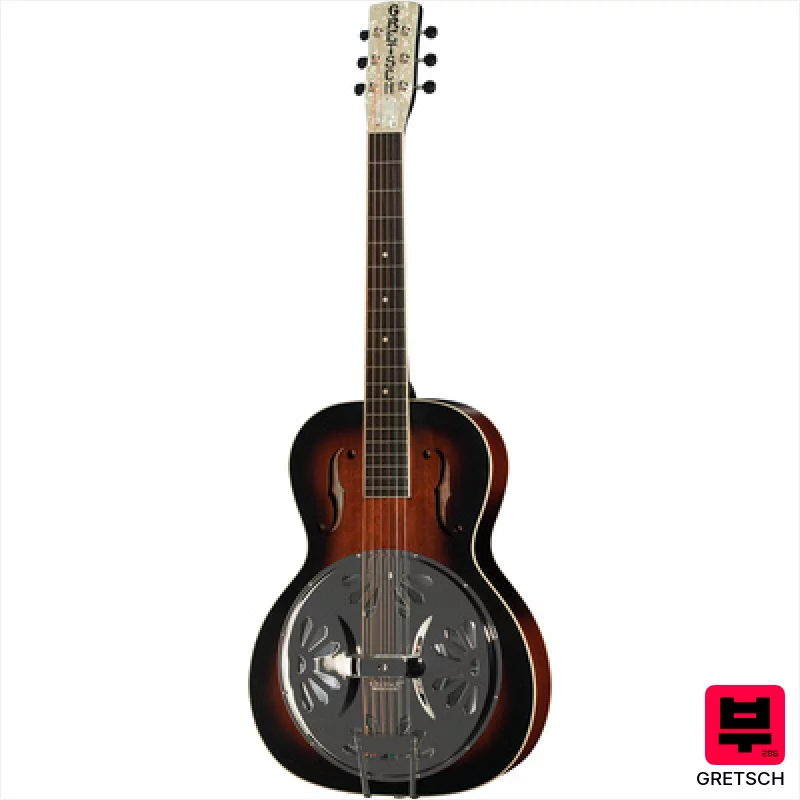
Gretsch G9220 Bobtail Roundneck
- • The Fishman Nashville pickup delivers a surprisingly clean and articulate amplified tone.
- • Mahogany body provides a warm, resonant foundation with a pleasing woody character.
- • Katalox fretboard offers a smooth playing experience with excellent note definition.
- • Bobtail design creates a more compact and comfortable playing experience for bluegrass styles.
- • The shorter scale length limits low-end extension compared to standard guitars.
- • Katalox can be a harder wood to maintain; occasional oiling is recommended.
- • While versatile, its core sound is geared toward bluegrass and Americana genres.
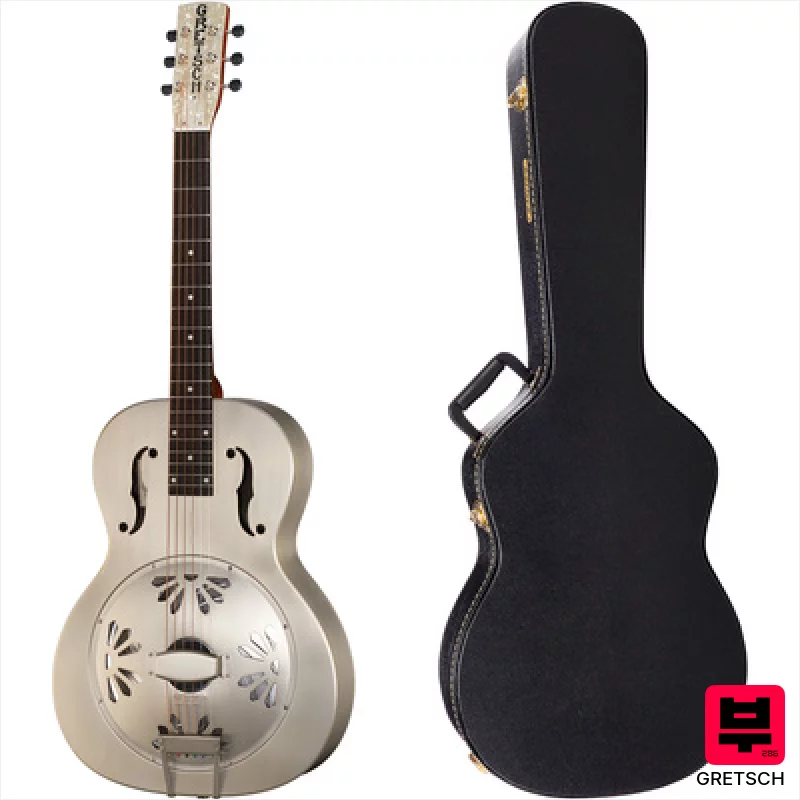
Gretsch G9201 Honey Dipper Bundle
- • Solid brass body delivers a warm, resonant, and surprisingly powerful tone.
- • Katalox fretboard provides a smooth playing experience and excellent note definition.
- • Ampli-Sonic cone offers a classic, focused resonator sound, ideal for bluegrass.
- • Gretsch G6296 case provides robust protection and convenient portability for gigging.
- • Round neck design limits versatility; slide playing requires adaptation.
- • Brass body can be relatively heavy, potentially fatiguing during long sessions.
- • 19 frets restrict higher register access for some playing styles.
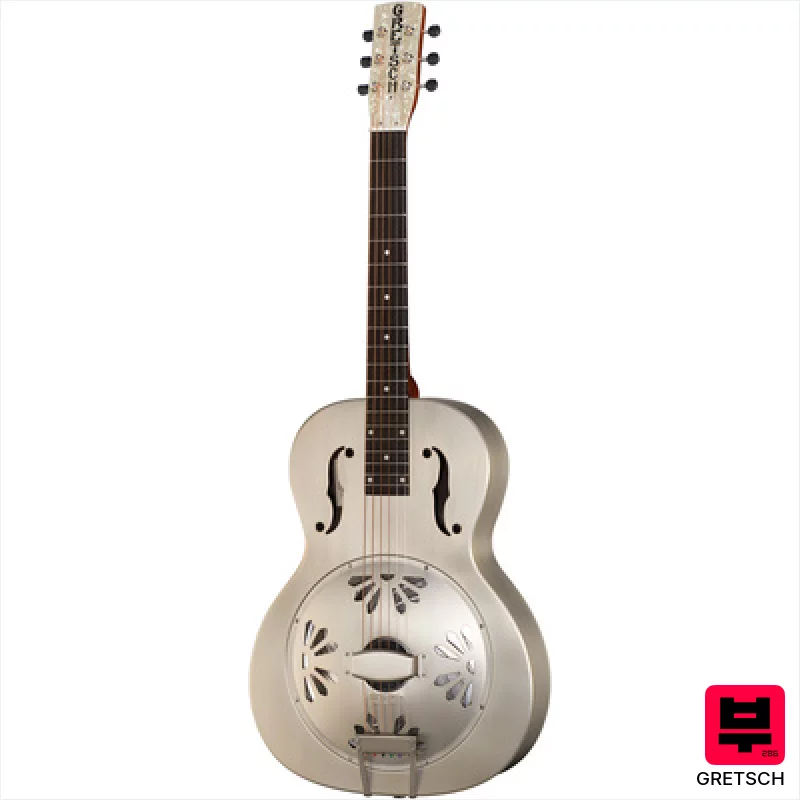
Gretsch G9201 Honey Dipper
- • Solid brass body delivers a uniquely bright, metallic tone.
- • Katalox fretboard offers a smooth playing experience and great note definition.
- • Round neck design facilitates comfortable chording and open tunings.
- • Ampli-Sonic cone provides exceptional projection and a focused, vintage resonance.
- • Round neck limits versatility compared to square neck resonators for slide playing.
- • Relatively heavy due to the brass body construction – can be tiring for extended playing.
- • Katalox can be prone to dryness, requiring occasional fretboard oiling.
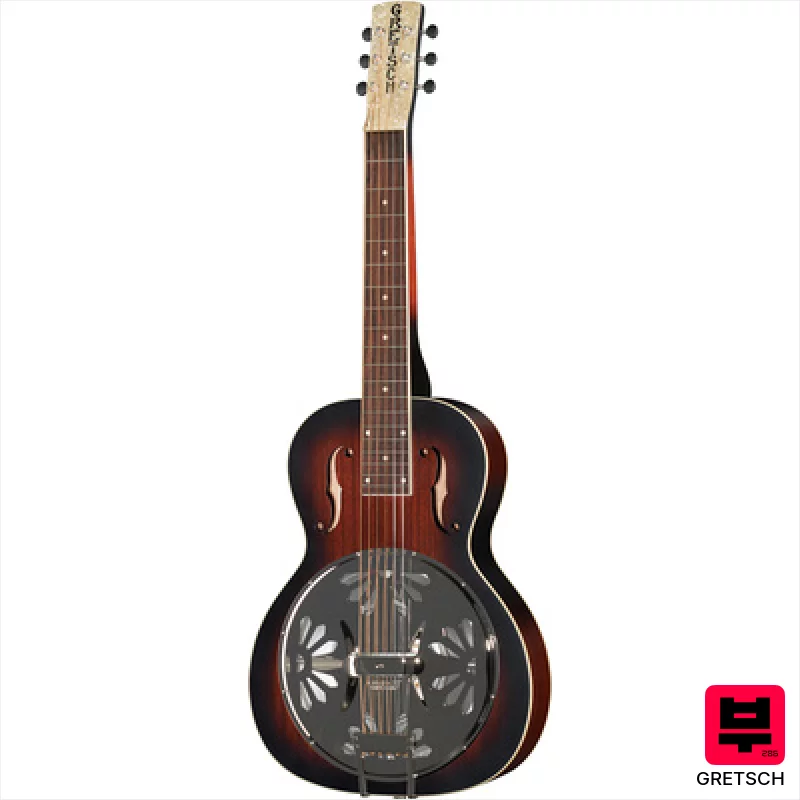
Gretsch G9230 Bobtail Squareneck
- • Mahogany body provides a warm, woody tonal foundation.
- • Ampli-Sonic cone delivers focused, ringing bluegrass projection.
- • Katalox fretboard offers a smooth, fast playing experience.
- • Fishman Nashville pickup system captures a balanced, amplified tone.
- • The shorter scale length limits versatility outside of bluegrass.
- • Mahogany construction can be somewhat prone to feedback at higher volumes.
- • The Bobtail design limits string spacing, potentially challenging for wider fingerstyles.
Resonator Guitars by the numbers
Measured across all 64 models in this category, so «wide», «short» or «expensive» mean something you can check.
How to Choose the Best Resonator Guitars
Cone Material
The heart of the resonator's tone. Biscuit-pot resonators use a metal cone (usually aluminum or bronze), giving you that bright, percussive attack. Spider-bridge resonators (less common on Gretsch now) tend to be warmer and more mellow. The metal cone gives that characteristic Gretsch chime.
Body Construction
Gretsch resonators are typically built with a mahogany body - a solid choice for warmth and sustain. The bracing pattern, and the quality of the wood itself, impact the overall resonance and responsiveness. Lighter bodies are easier to play for long gigs.
Neck Profile & Action
Gretsch has used a few different neck profiles over the years. Some can be chunky, others surprisingly slim. The action (string height) is crucial; a too-high action will choke the tone and make it a chore to play, while a too-low action can lead to fret buzz. It's often something you can adjust, but it's worth checking.
Hardware & Finish
Gretsch's vintage-inspired hardware - the tailpieces, tuners, and binding - contributes to the overall feel and aesthetic. The finish, while mostly cosmetic, can affect the wood's resonance to a minor degree. Don't expect flawless finishes on older models; that's part of the charm.
Pickup Voicing (if equipped)
Many Gretsch resonators come with a single-coil pickup. These are generally voiced for a warm, bluesy tone - not searing leads, but they add a nice layer of complexity when mic'd. Pay attention to how the pickup interacts with the resonator's natural tone; it shouldn't sound harsh or brittle.
Buying Guide
A well-maintained vintage Gretsch resonator is a thing of beauty, but be prepared to pay a premium. Newer models offer a more affordable entry point, but often compromise on wood quality or hardware. Watch out for cracks in the body or resonator cone - those are tough to repair and significantly impact the tone. The neck is the most important thing to check; a straight neck and comfortable action will make a world of difference.
How This List Is Built
We don't play these instruments — we're a catalog, not a review desk, and we'd rather say so than pretend otherwise. This page covers 7 of 64 resonator guitars from the Thomann catalogue, which is the largest single source of specification data in this category: 7 in detail, the rest listed with their specifications.
Position is computed, not curated. We parse the manufacturer's own description into actual values — nut width, scale, fret count, fingerboard radius, size, alloy — and rank on them: how many specifications a model has published, how many of them are measurable numbers, and how precisely it meets this page's criterion. A product image adds a little. Price is not a ranking signal: it tells you nothing about whether a neck fits your hand. The same inputs always produce the same order, so nothing here is shuffled to look fresh.
What this list is good for: narrowing a category down to a shortlist by spec and budget. What it isn't: a substitute for hearing an instrument. Before you buy, read hands-on reviews and, where you can, play it. Full methodology.

