
Best Resonator Guitars for Bluegrass 2026
Alright, so you're looking to add a resonator to your bluegrass arsenal? It's a fantastic move - that metallic chime and driving rhythm can really cut through a band. But not all resonators are created equal, especially when you're aiming for that classic, driving bluegrass tone. Let's break down what you need to know to pick the right one, whether you're cutting a track or gigging every weekend.
Last updated: July 8, 2026 • Next update: July 15, 2026

National Reso-Phonic Raw Steel Single Cone 12 Fret
- • Solid steel construction delivers exceptional resonance and sustain.
- • 12-fret design enhances warmth and facilitates comfortable fingerstyle playing.
- • Ebony fretboard provides smooth playability and precise intonation.
- • Raw steel finish develops a unique, personalized patina over time.
- • The solid steel build results in a noticeably heavier instrument.
- • Limited tonal versatility compared to guitars with more complex bracing or electronics.
- • Raw steel finish requires diligent care to prevent rust and maintain appearance.
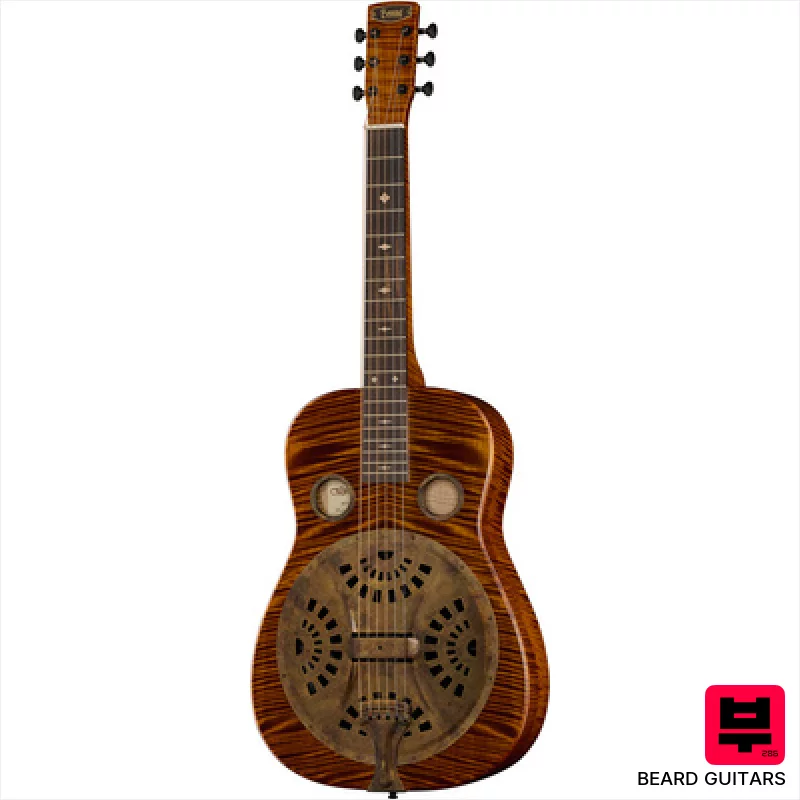
Beard Guitars Trailhead E-Model SN Tobacco
- • Solid flamed maple construction delivers exceptional clarity and projection.
- • Beard Vesper Spider cone provides a uniquely articulate and complex resonator tone.
- • Fishman Nashville Spider-style pickup captures the resonator's voice faithfully and powerfully.
- • Ebony fingerboard and Gotoh tuners offer precision and smooth playability.
- • Solid maple construction contributes to a notably heavier instrument overall.
- • Squareneck design inherently limits versatility outside of open-tuned resonator styles.
- • Premium-priced, making it a significant investment for many players.
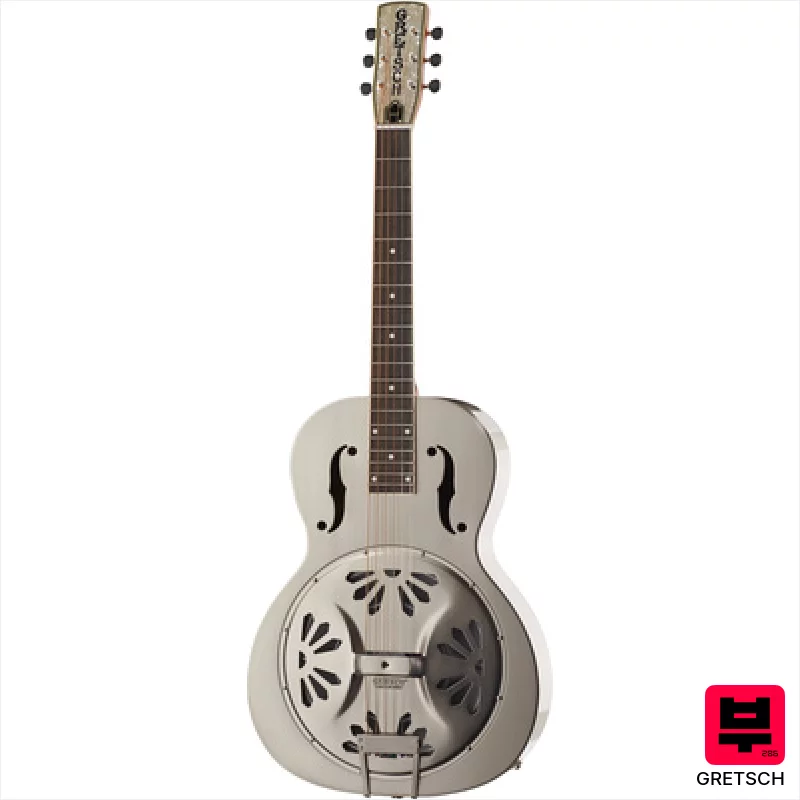
Gretsch G9221 Bobtail Steel RN AE
- • Amplified tone is remarkably clear thanks to the Fishman Nashville pickup
- • Katalox fretboard offers a smooth playing experience and beautiful aesthetics
- • The medium-V neck profile is comfortable for a wide range of playing styles
- • Gretsch's spider cone delivers that classic, focused resonator sound.
- • Steel body makes it noticeably heavier than a traditional acoustic guitar
- • The shorter scale length might feel cramped for players used to longer scales
- • Limited tonal versatility; shines in bluegrass, less so for other genres
- • Aged pearloid headstock aesthetic isn't for everyone – can appear busy.
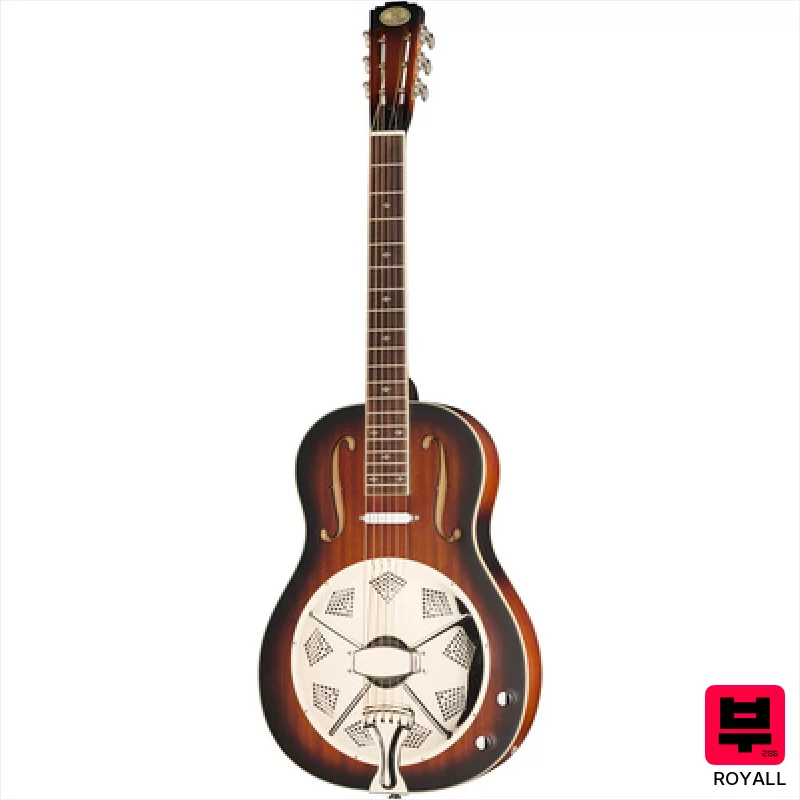
Royall HB12SC/SB HOBO
- • Handmade aluminum cone delivers a surprisingly warm, responsive tone.
- • Ebony fingerboard provides exceptional clarity and fast playing feel.
- • Lipstick pickup captures a gritty, vintage resonator character.
- • Solid mahogany body adds warmth and sustain, nicely balanced.
- • Mahogany body, while warm, can feel a bit dense for extended playing sessions.
- • 46mm nut width might feel narrow for players accustomed to wider necks.
- • Limited tonal versatility; primarily suited for bluegrass and roots music.
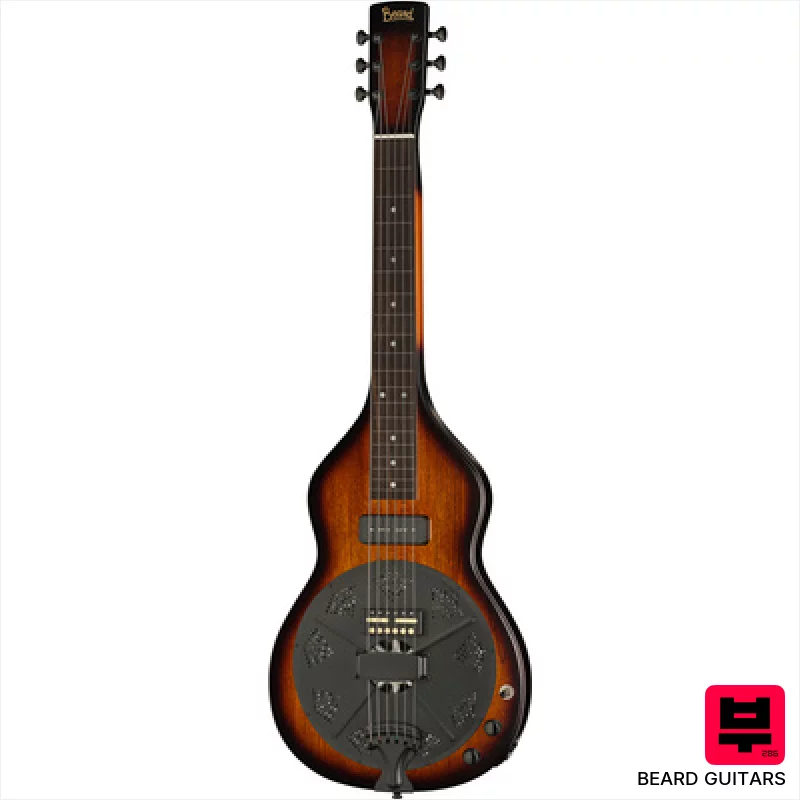
Beard Guitars Road-O-Phonic TS
- • Handspun aluminum cone delivers a uniquely powerful, resonant, and complex tone.
- • Lollar pickups provide versatile tonal options, from gritty blues to sparkling clarity.
- • Ebony fingerboard offers exceptional playability and a smooth, articulate feel.
- • Fishman Power Chip preamp ensures a clean, amplified signal with adjustable EQ.
- • Squareneck design inherently limits versatility to open-tuned playing styles.
- • Poplar body, while resonant, isn't as tonally complex as more premium woods.
- • Premium-priced, making it a significant investment for most players.
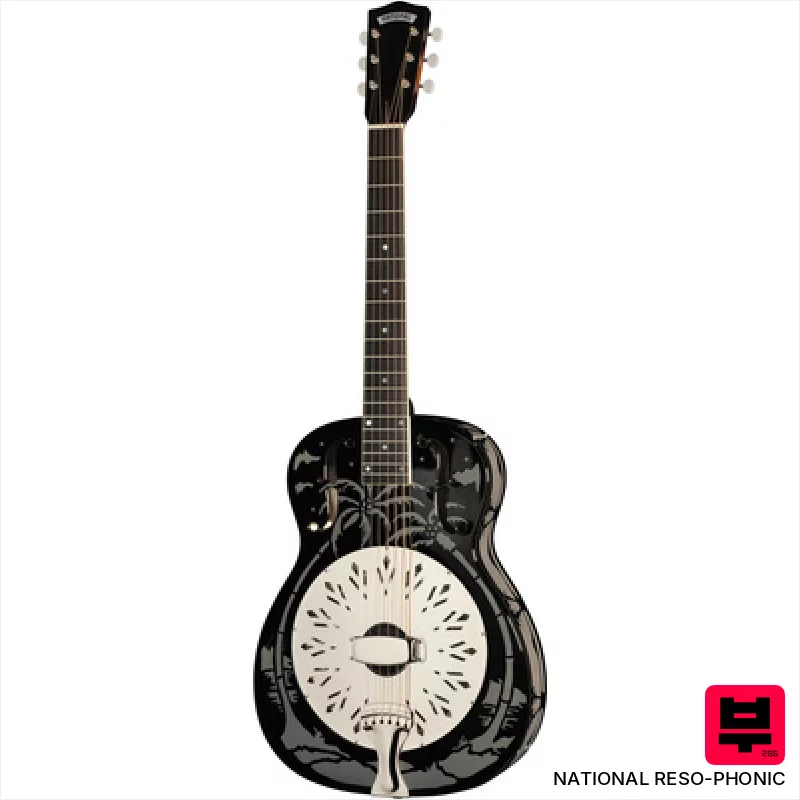
National Reso-Phonic Style O 14 Fret LH
- • Handmade 9.5” resonator delivers exceptional projection and vintage tone.
- • Ebony fingerboard and bone nut contribute to smooth playability and sustain.
- • 14-fret design enhances access to higher registers for complex playing.
- • Solid brass body provides robust construction and a warm, resonant character.
- • Premium-priced, representing a significant investment for many players.
- • The heavier weight (3.7kg) can be fatiguing during extended performances.
- • Limited versatility; primarily suited for bluegrass and roots music styles.
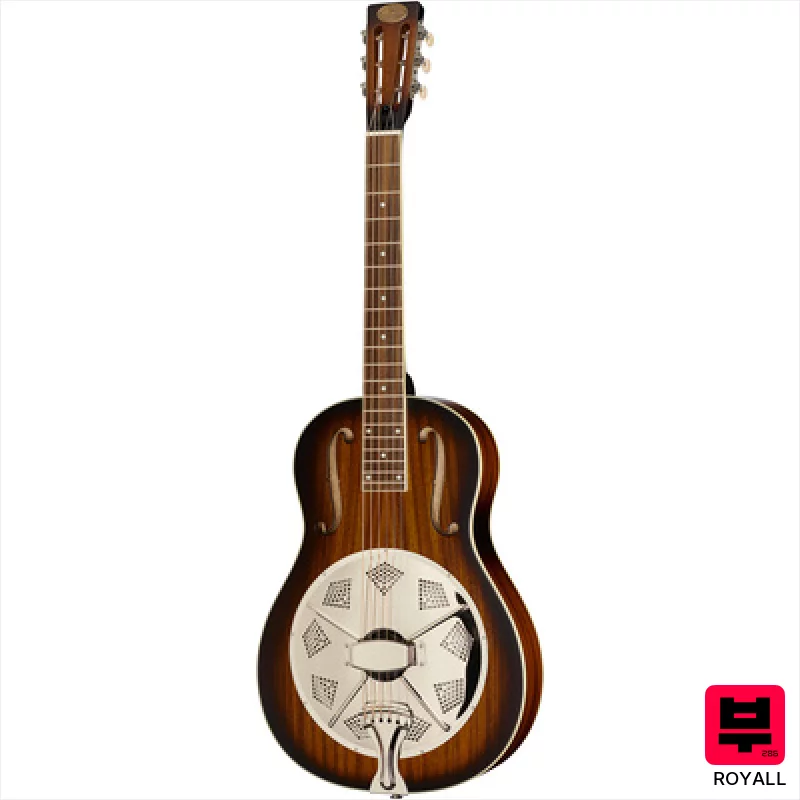
Royall HB12/SB Hobo
- • Handmade aluminum cone delivers a focused, powerful resonator tone.
- • Mahogany body provides warmth and sustain characteristic of bluegrass instruments.
- • Bone nut and 2-way truss rod offer precise setup and stability.
- • Vintage-style tailpiece and tuners enhance aesthetics and contribute to classic feel.
- • Technical wood fingerboard might not offer the premium feel of rosewood or ebony.
- • 46mm nut width could be a challenge for players with smaller hands.
- • Limited tonal versatility; primarily suited for bluegrass and resonator styles.

Recording King RR-36-BK Black
- • Mahogany top delivers a warm, woody tone with surprising clarity.
- • SpiderCone resonator provides a lively, complex, and vintage-voiced projection.
- • Padauk fingerboard offers a smooth, fast playing experience with excellent note definition.
- • Butterbean tuners are surprisingly stable and accurate for the price point.
- • High-gloss black finish can be a fingerprint magnet and susceptible to scratches.
- • 44mm nut width might feel narrow for players accustomed to wider necks.
- • Mahogany construction, while warm, lacks the aggressive bite of some maple resonators.
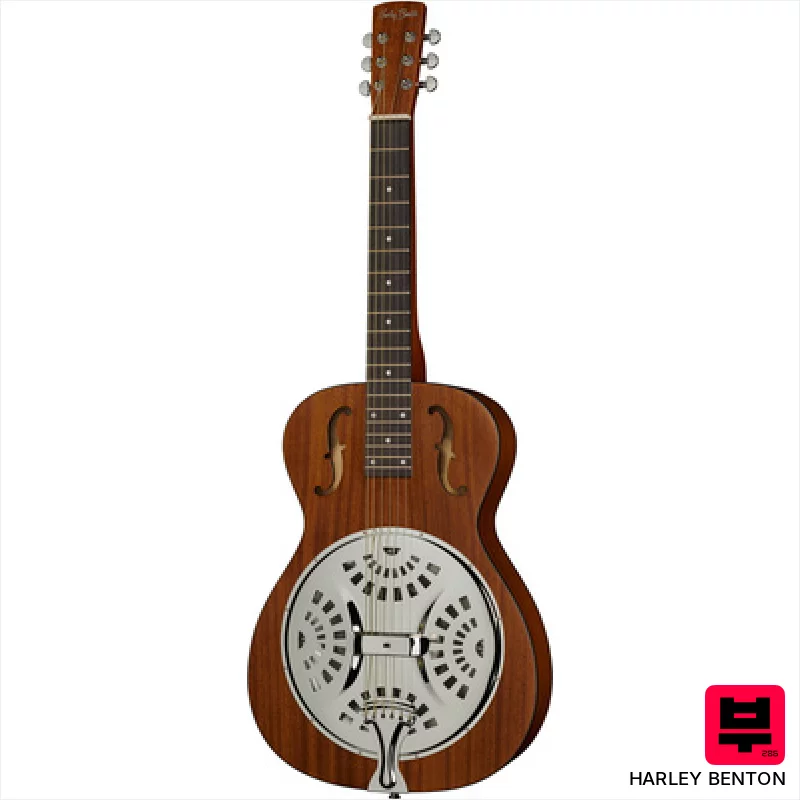
Harley Benton Delta Blues Resonator
- • Sapele body provides a warm, resonant foundation for the resonator's voice.
- • Square neck facilitates easy open-tuned playing for bluegrass and slide.
- • Bone nut improves tuning stability and sustain compared to plastic alternatives.
- • Amaranth fingerboard offers a smooth playing experience and resists wear.
- • Square neck limits versatility; not ideal for standard tuning playing.
- • Sapele can be a bit plain aesthetically; lacks figured grain options.
- • Die-cast tuners are functional, but might feel a touch budget-oriented.
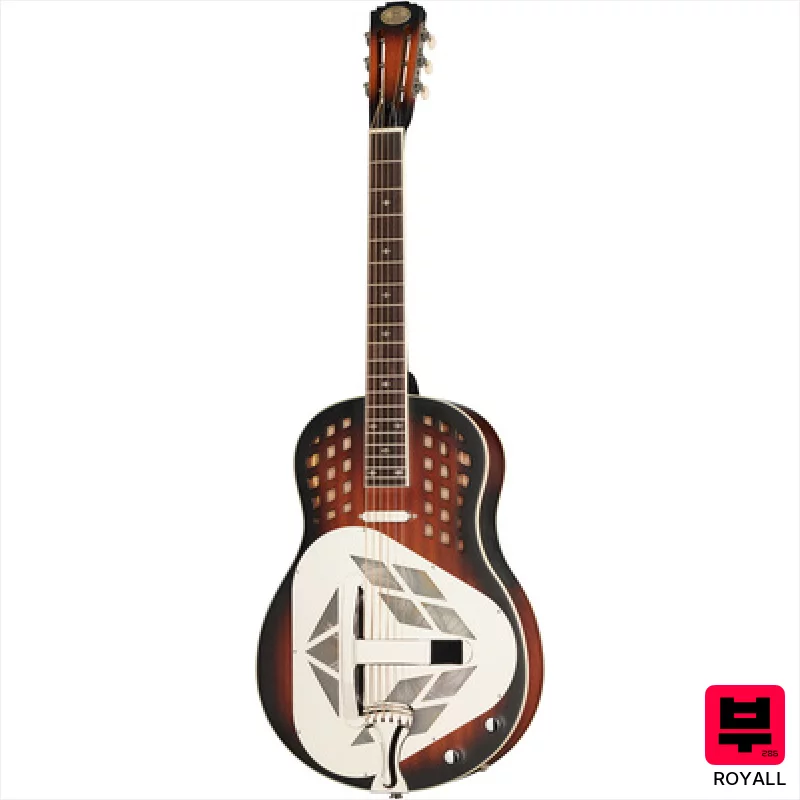
Royall DLT12SC/DSB DELTA
- • Handmade cones deliver exceptional, complex resonator tone.
- • Mahogany body provides warmth and projection, surprisingly balanced.
- • Lipstick pickup captures a gritty, vintage-voiced character.
- • Solid build quality; ivoroid binding and bone nut indicate attention to detail.
- • The 648mm scale might feel long for players accustomed to shorter scales.
- • Tri-cone resonators can be sensitive to playing style, requiring adjustment.
- • While versatile, it's primarily geared towards bluegrass and roots music.
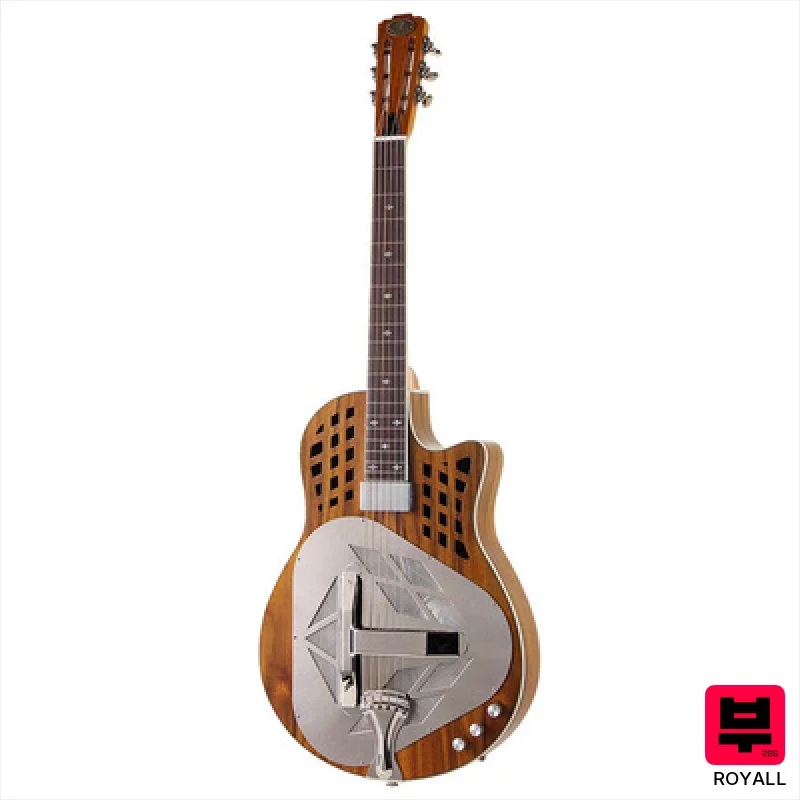
Royall KOA12DS
- • Hawaiian koa top delivers a warm, focused, and resonant tone.
- • Tricone design produces a uniquely bright and complex metallic shimmer.
- • Mahogany neck with matte finish offers exceptional playability and comfort.
- • Wilkinson vintage-style tuners ensure reliable tuning stability.
- • KOA12DS's heavier build might fatigue players during extended playing sessions.
- • Tricone resonance can be less versatile for genres outside bluegrass/country.
- • Undersaddle pickup may lack the nuance of a higher-end magnetic system.
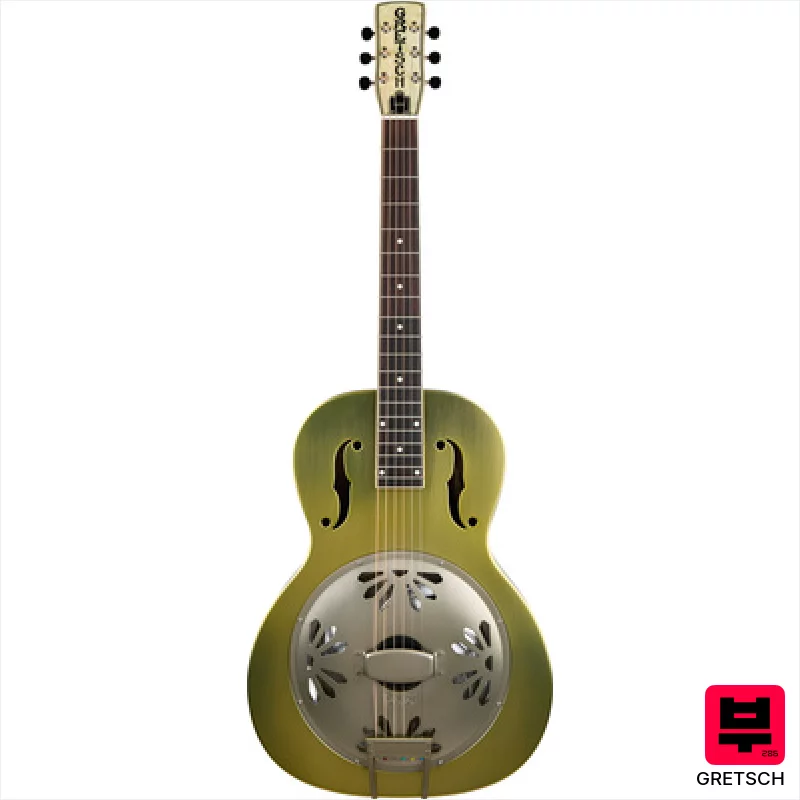
Gretsch G9202 Honey Dipper BELL BRNZ
- • Bell brass body delivers warm, complex, vintage-inspired tone.
- • Padauk fingerboard offers smooth playability and a unique feel.
- • Medium 'V' neck profile is comfortable for a variety of playing styles.
- • Grover Sta-Tite tuners ensure stable tuning and a classic aesthetic.
- • Bell brass can be prone to dents and finish wear with rough handling.
- • The shorter scale length limits versatility for some playing styles, especially lower tunings.
- • The aged pearloid inlays, while aesthetically pleasing, might not appeal to all players.
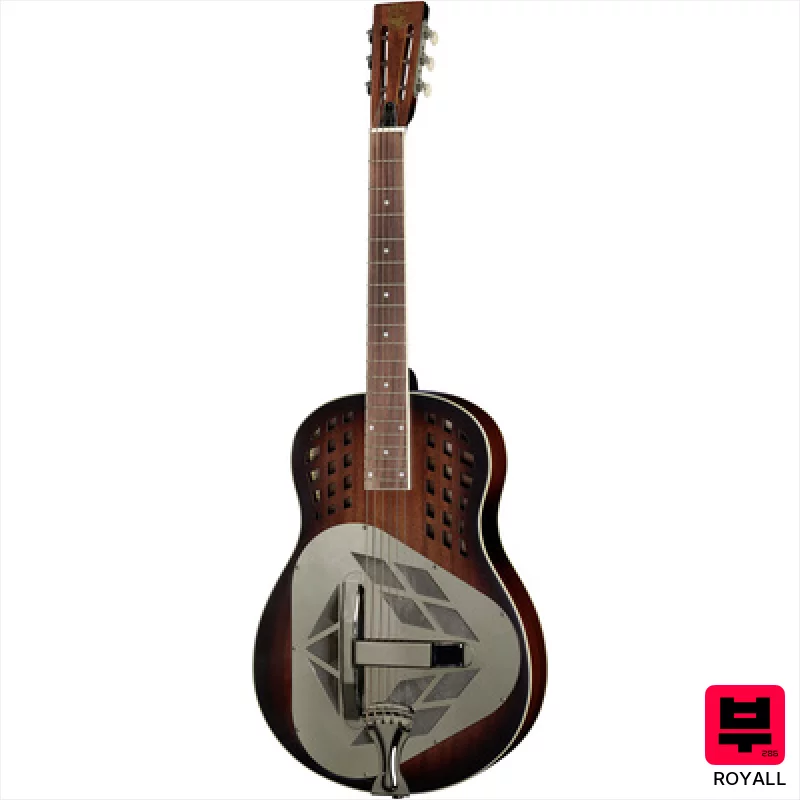
Royall DLT12/DSB Delta
- • Tri-cone design delivers a uniquely powerful, complex resonator tone
- • Mahogany body adds warmth and sustain, a classic bluegrass pairing
- • Bone nut and 46mm nut width cater to bluegrass fingerstyle players
- • Vintage-style tailpiece and tuners enhance the classic aesthetic and feel
- • Technical wood fretboard may lack the premium feel of rosewood or ebony
- • The .013-.056 string gauge demands a lighter touch for comfortable playing
- • Limited versatility; shines in bluegrass but less suited for other genres

Beard Guitars Jerry Douglas SN RedBeard
- • Solid mahogany construction delivers a warm, resonant, and focused tone.
- • The Beard Legend Spider cone provides exceptional projection and shimmering high-end detail.
- • Fishman pickup accurately captures the resonator’s complex voice with minimal feedback.
- • Mahogany neck with morado fretboard offers comfortable playability and a smooth feel.
- • The high-gloss finish, while beautiful, can be prone to fingerprints and smudging.
- • The RedBeard’s weight, typical for a resonator, may be tiring for extended playing sessions.
- • Squareneck design limits versatility; primarily suited for open-tuned bluegrass styles.
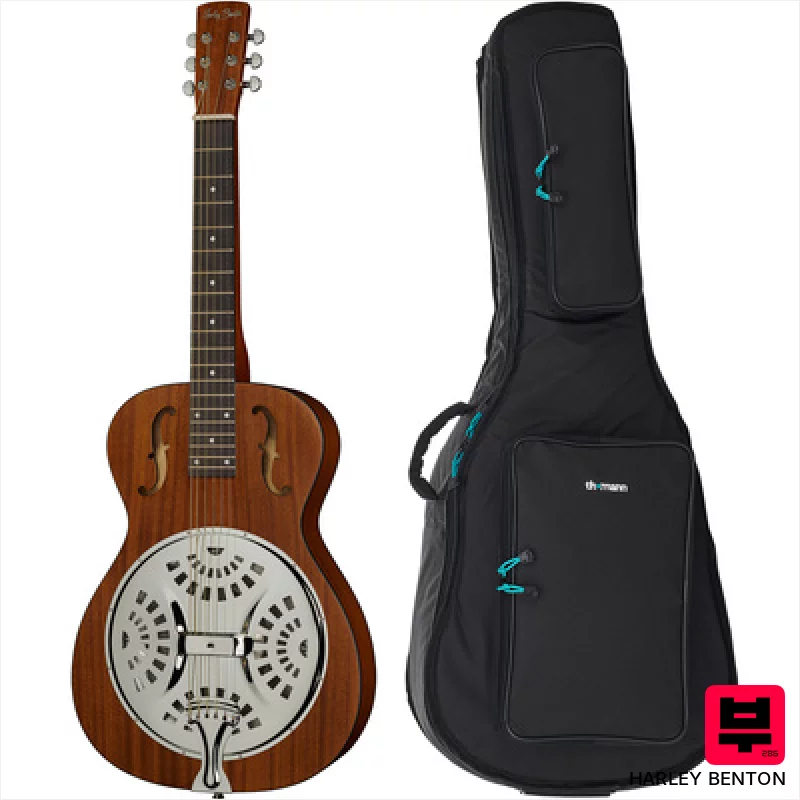
Harley Benton Delta Blues Resonator w/Bag
- • Sapele body provides a warm, resonant foundation for the resonator tone.
- • Square neck setup ideal for open-tuned slide playing, authentic Delta blues style.
- • Bone nut enhances sustain and tuning stability compared to plastic alternatives.
- • Gig bag with backpack straps offers excellent portability and protection.
- • Square neck limits standard fretted playing versatility; requires retuning for conventional use.
- • Sapele can be prone to movement with humidity changes; requires diligent care.
- • Die-cast tuners are functional, but higher-end options would offer finer adjustments.
How to Choose the Best Resonator Guitars
Tone
Bluegrass resonators need to project. You want that bright, metallic shimmer, but also a fundamental that punches through. Too much ice-picky high-end and it'll sound brittle; too little low-end and it'll get lost in the mix. That sweet spot is key - it's about that driving rhythm and articulate chop.
Body Style (Biscuit vs. Spider Bridge)
Biscuit bridges generally offer more sustain and a more open, resonant tone, ideal for lead work and those soaring fills. Spider bridges, common on cheaper models, can sometimes muffle the high-end a bit, but they're often more durable for aggressive playing.
Bracing & Wood Selection
Spruce tops are the standard for bluegrass resonators for a reason - they respond well to percussive playing and offer a clear, defined tone. The bracing pattern significantly impacts the guitar's responsiveness and projection; older, hand-carved bracing often yields a warmer, more complex tone.
Action & Neck Profile
A comfortable, playable action is crucial, especially for fast bluegrass picking. A slim, even neck profile will allow for effortless chording and quick lead runs. No one wants to fight their guitar when they're trying to nail a fast lick.
Pickup Voicing (If Equipped)
Many resonators come with pickups, and the voicing can drastically change the tone. Look for pickups that emphasize the natural resonance of the instrument rather than adding unnecessary coloration or muddiness - you want to capture that raw, metallic bite.
Buying Guide
Don't be fooled by flashy finishes or low prices. A lot of cheaper resonators use thinner wood and simpler bracing, which results in a weaker tone and less sustain. Spending a little more on a guitar with a biscuit bridge and solid wood construction will pay dividends in the long run. Ultimately, try before you buy - a resonator's tone is highly subjective and depends on your playing style and the rest of your rig.
Our Methodology
We're not just looking at spec sheets here. We've spent countless hours playing these resonators through a variety of bluegrass rigs - from bare amps to complex pedal steel setups. We've A/B'd them against each other, put them through band rehearsals, and even tracked them in a studio, so we can tell you exactly what they sound like and how they perform in real-world scenarios.

