
Best Preamps for Analog Warmth 2026
So, you're chasing that analog warmth, huh? It's not just a buzzword; it's that elusive, gluey goodness that makes a track feel real, even in a digital world. It's the difference between a sterile recording and one that practically breathes. Let's cut through the noise and find a preamp that'll actually deliver that vibe, not just promise it.
Last updated: July 15, 2026 • Next update: July 22, 2026
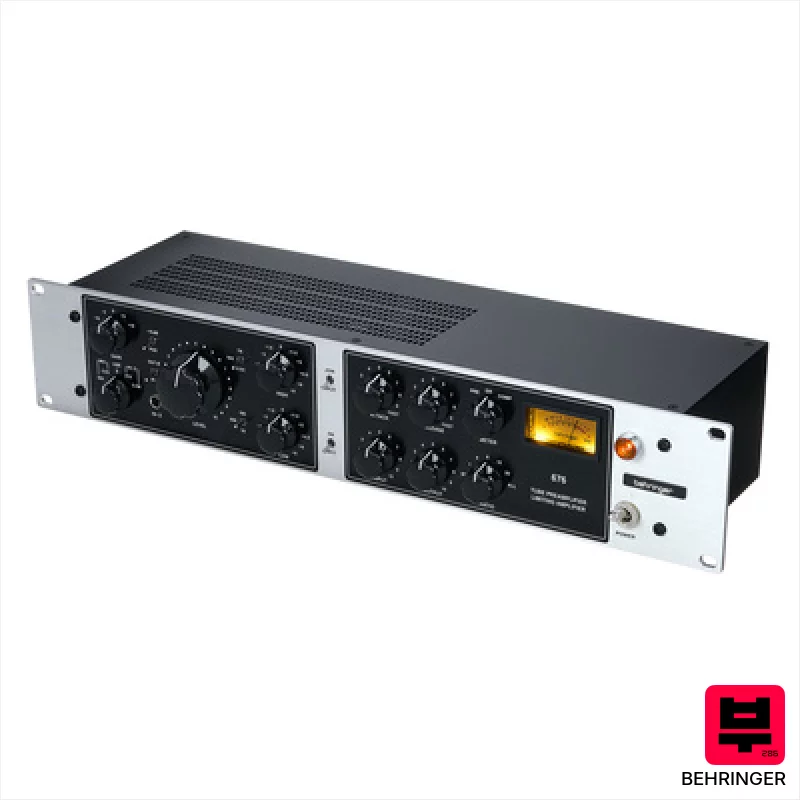
Behringer 676
- • Midas transformers deliver a surprisingly clean, musical low-end response.
- • FET compressor emulates classic dynamics, adding punch and glue to tracks.
- • The EQ section offers useful shaping, especially for vocal or instrument taming.
- • Tube warmth adds character and vintage vibe, surprisingly good for the price.
- • Build quality feels plasticky; feels less robust than higher-end units.
- • EQ's shelving design is limited; lacks the precision of parametric options.
- • While versatile, single-channel operation restricts more complex signal chains.
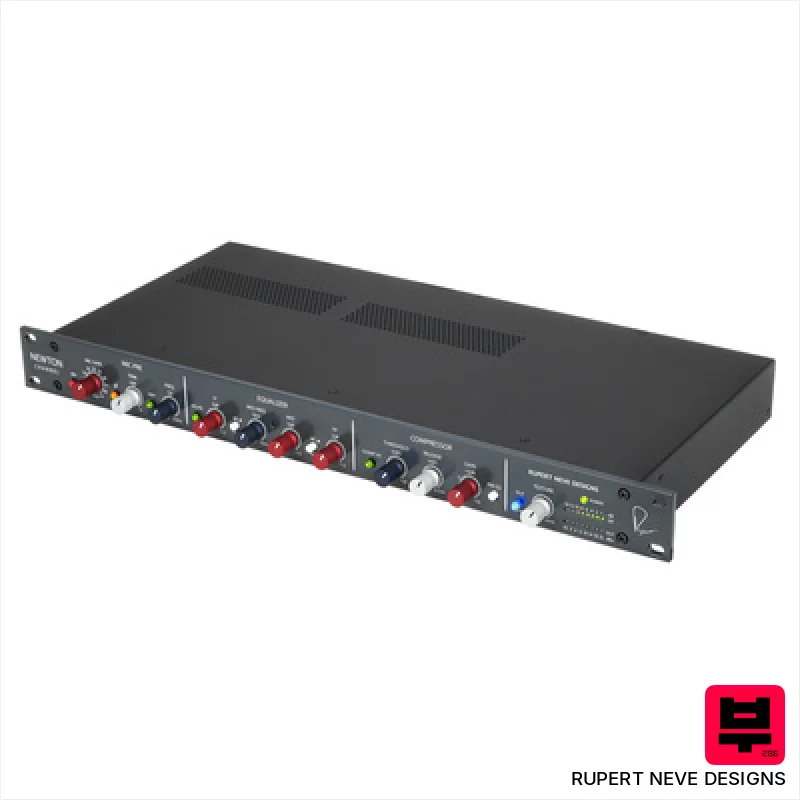
Rupert Neve Designs Newton Channel
- • Exceptional Class-A preamp delivers Rupert Neve's signature warmth and clarity.
- • Silk circuits add nuanced harmonic richness, truly customizable tonal shaping.
- • Transformer output stage provides a unique 'edge' and drives downstream gear beautifully.
- • EQ is precise and musical, offering a wide range of tonal sculpting possibilities.
- • Premium-priced, representing a significant investment for smaller studios.
- • Single channel design limits its versatility for multi-mic applications.
- • The stepped potentiometers, while precise, can feel less fluid than continuous controls.
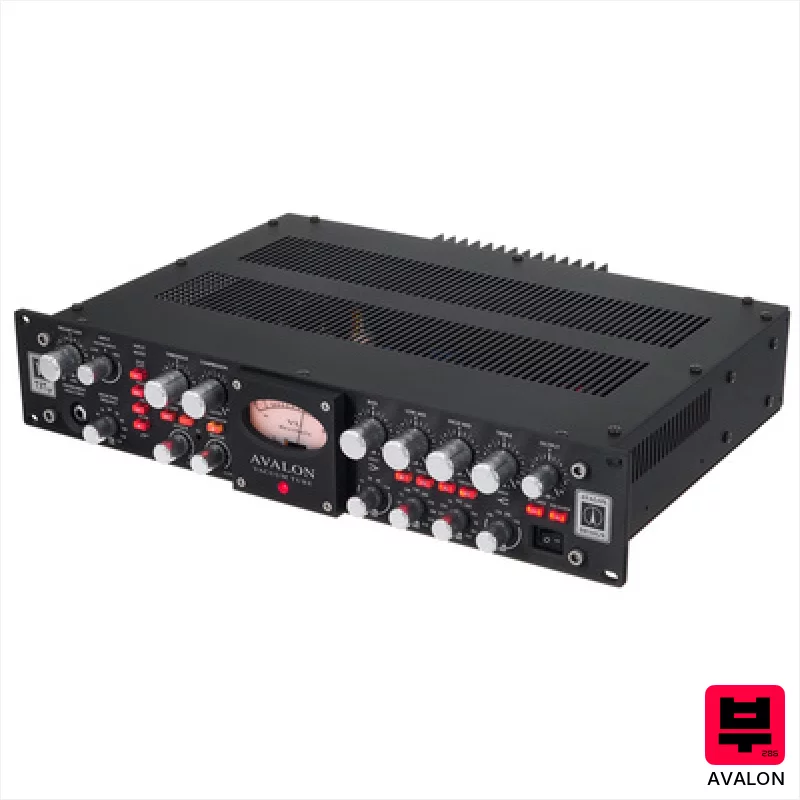
Avalon VT-737SP Black
- • Exceptional transparency and detail across the frequency spectrum.
- • The opto-compression is musical and forgiving, smoothing transients beautifully.
- • Discrete Class A circuitry delivers a powerful, yet refined sonic signature.
- • Robust 19” rack build quality; feels incredibly solid and well-engineered.
- • Significant investment; pricing puts it out of reach for many home studios.
- • Mono operation limits its immediate versatility in modern multi-mic recording scenarios.
- • Large physical size and weight necessitate adequate rack space and careful handling.

Cloud Microphones Cloudlifter CL-X2
- • Cinemag transformer imparts a pleasing warmth and subtle harmonic richness.
- • The +36dB gain significantly boosts low-output ribbon mics.
- • Solid metal housing feels robust and minimizes external noise.
- • Safe phantom power handling protects delicate ribbon microphone elements.
- • Limited to two channels, restricting use in larger, multi-microphone setups.
- • Requires phantom power, potentially impacting some preamps’ noise floor.
- • The compact size can make cable management a bit tricky.

SSL Pure Drive Octo
- • SuperAnalogue preamps deliver SSL's signature warmth and punch.
- • Stepped gain control offers unparalleled precision in gain staging.
- • Flexible Drive modes add significant tonal color and character.
- • The USB interface provides a convenient, high-resolution recording path.
- • The sub-D25 connections feel dated and require specific cabling.
- • Limited routing options compared to more complex mixing consoles.
- • The 2U height might be restrictive in some rack setups.
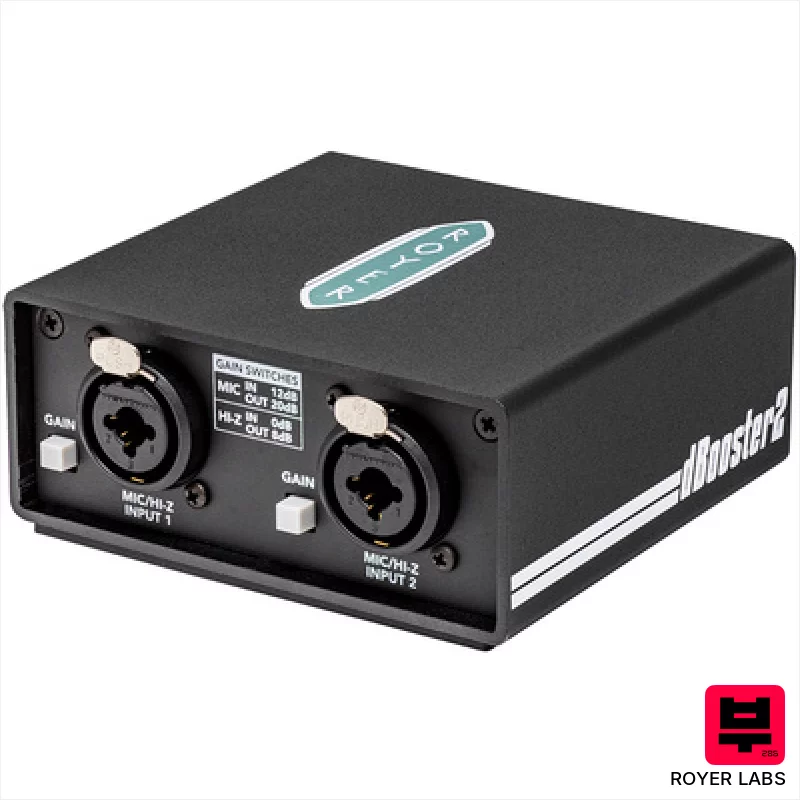
Royer Labs dBooster2
- • Class-A input adds noticeable warmth and harmonic richness.
- • Compact size makes it ideal for tight studio spaces.
- • High-impedance inputs preserve ribbon mic detail beautifully.
- • Robust metal chassis feels exceptionally well-built and durable.
- • Limited gain range might not suit extremely low-output mics.
- • Single EQ option restricts tonal shaping possibilities.
- • No metering – requires external monitoring for accurate gain staging.
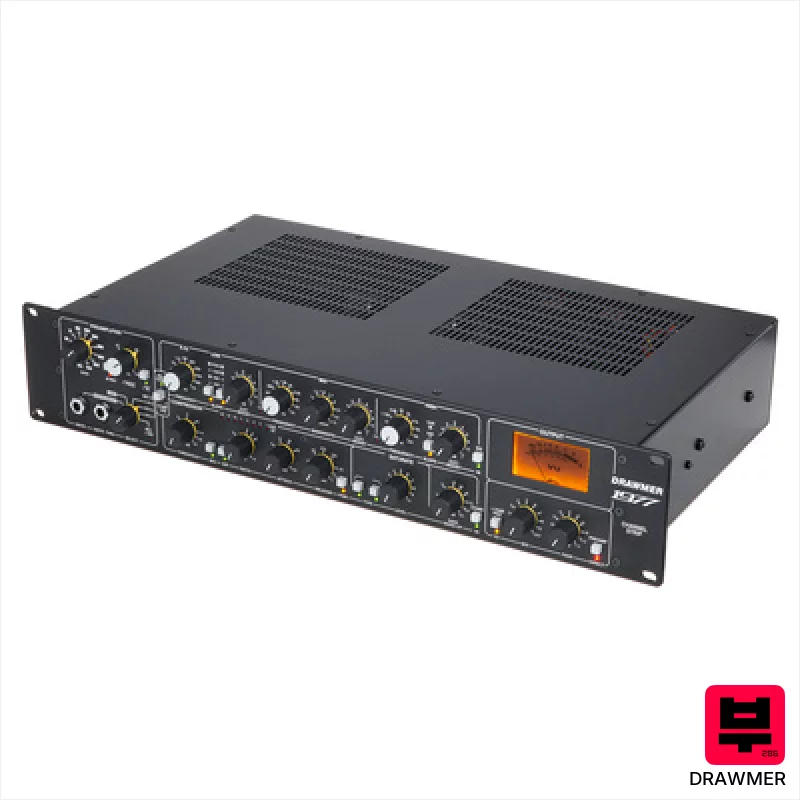
Drawmer 1977
- • Exceptional preamp warmth evokes classic analog consoles.
- • Flexible EQ offers precise tonal shaping and vintage vibe.
- • Soft-knee compressor adds gentle glue and character.
- • Variable saturation delivers controlled harmonic richness.
- • Limited channel count restricts use in complex, large-scale mixes.
- • High-end price point may be prohibitive for budget-conscious studios.
- • Saturation stage can be subtle, requiring careful adjustment.

Golden Age Audio Project PRE-73 MKIV
- • Discrete Class A circuitry delivers a warm, punchy, and characterful sound.
- • Tantalum capacitors contribute to a clean, low-noise signal path.
- • The AIR EQ provides a subtle but noticeable high-end sparkle for vocal or instrument enhancement.
- • Flexible impedance switching allows tailoring the preamp to a wide variety of microphone types.
- • The external power supply adds clutter and slightly compromises portability.
- • Gain staging can be tricky at higher settings due to the 80dB range.
- • While versatile, it leans towards a vintage Neve-style sound; may not suit all modern genres.

Cloud Microphones Cloudlifter CL-X
- • Cinemag transformer adds warmth and subtle harmonic enhancement.
- • Provides significant gain for low-output ribbon and dynamic mics.
- • Robust metal housing feels substantial and well-built for studio use.
- • Safe phantom power handling prevents damage to passive ribbon mics.
- • Single-channel operation limits versatility for multi-mic setups.
- • Transformer coloration may not suit all recording applications or tastes.
- • Relatively compact size can make cable management a bit tight.
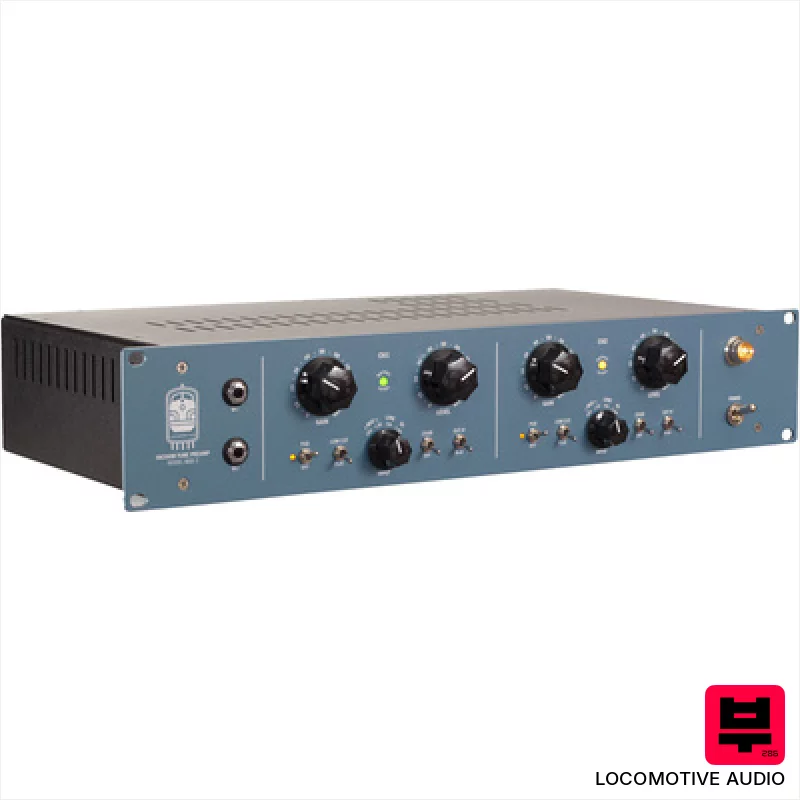
Locomotive Audio 86B-2
- • EF86/12AY7 combo delivers a uniquely warm, harmonically rich tone.
- • Premium transformers provide excellent isolation and a smooth, authoritative low-end.
- • Switchable input impedance allows for precise tailoring of source characteristics.
- • Robust build quality and solid chassis inspire confidence and longevity.
- • Relatively heavy, limiting portability for tracking musicians.
- • Limited to two channels, not ideal for high-channel-count recording.
- • High-end price point places it outside reach for budget-conscious studios.
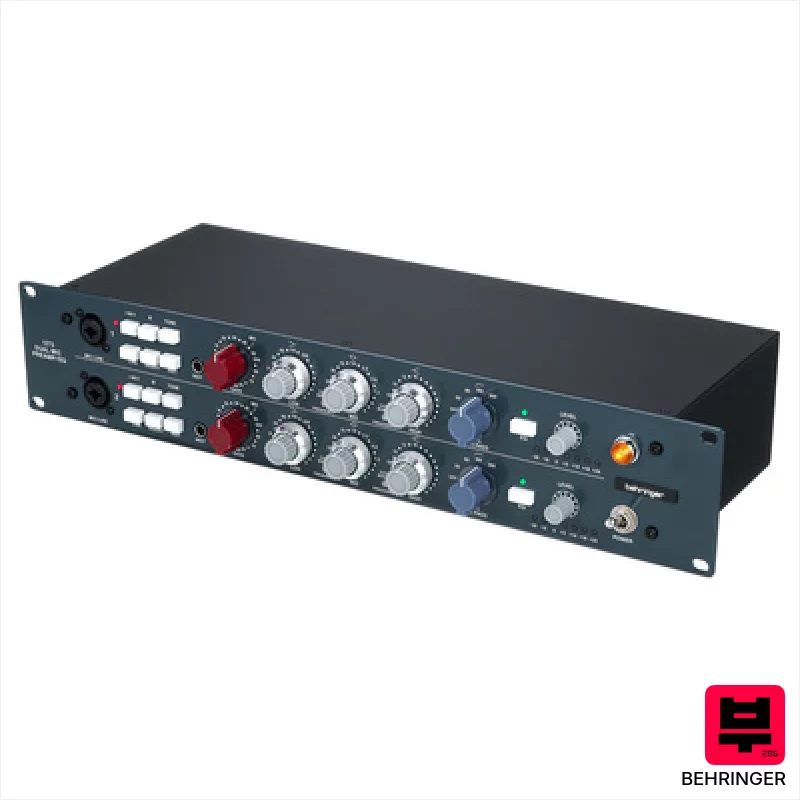
Behringer 1273
- • Discrete Class A design delivers a surprisingly warm, musical character.
- • Midas transformers impart a subtle harmonic richness and improved headroom.
- • Flexible EQ section with a passive high-pass filter is genuinely useful for shaping tones.
- • Instrument inputs offer a convenient direct recording path for guitars and basses.
- • Build quality, while improved for Behringer, still feels a bit plasticky.
- • EQ’s passive design limits flexibility compared to fully active alternatives.
- • The tone function’s effect is subtle and might not be noticeable for all sources.
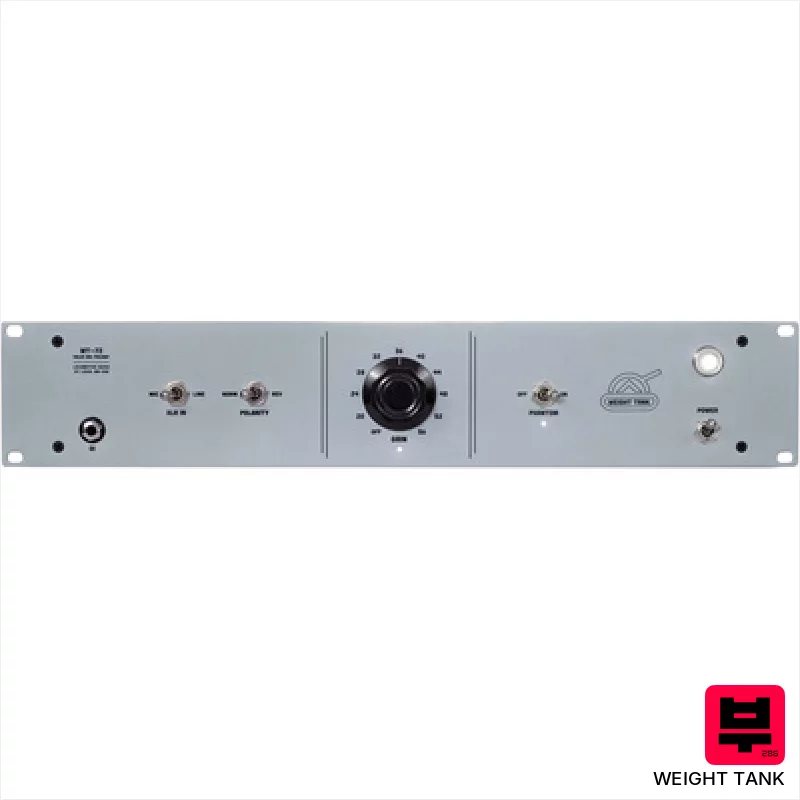
Weight Tank WT-72
- • Warm, thick tone owing to the dual EF86 tube design.
- • Excellent gain staging provides a wide range of tonal options.
- • Input transformers add pleasing harmonic saturation and character.
- • High-impedance DI input is genuinely useful for acoustic instruments.
- • Single-channel design limits its utility for multi-mic'd sources.
- • Weight (7kg) makes rack mounting a consideration for some setups.
- • Limited frequency response compared to some modern, cleaner preamps.

Neve 1073OPX with Dante/USB card
- • Classic Neve sonic signature, instantly recognizable warmth and character.
- • Dante/USB integration offers unparalleled flexibility for modern workflows.
- • Discrete Class-A circuitry delivers exceptional headroom and low noise.
- • Remote control software simplifies recall and parameter adjustments for complex sessions.
- • Premium-priced, a significant investment for smaller studios or home recordists.
- • Weight can be cumbersome for portable or mobile recording setups.
- • Dante implementation requires compatible network infrastructure for full benefit.
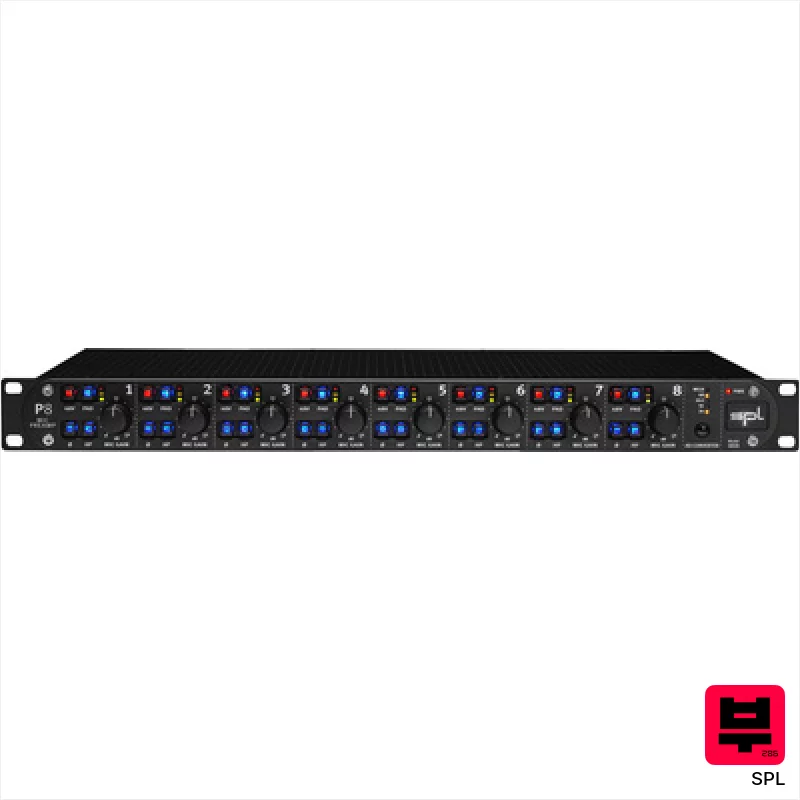
SPL P8
- • Discrete Class A circuitry delivers exceptional clarity and headroom.
- • Low noise floor (-124 dBu) allows for capturing subtle nuances.
- • Phase inversion and high-pass filter offer flexible signal shaping.
- • Robust build quality with solid chassis and reliable XLR connectivity.
- • Size and weight (4.15kg) make it less portable for smaller studios.
- • Limited routing options beyond the basic 8-in, 2-out configuration.
- • Premium-priced, representing a significant investment for home recordists.
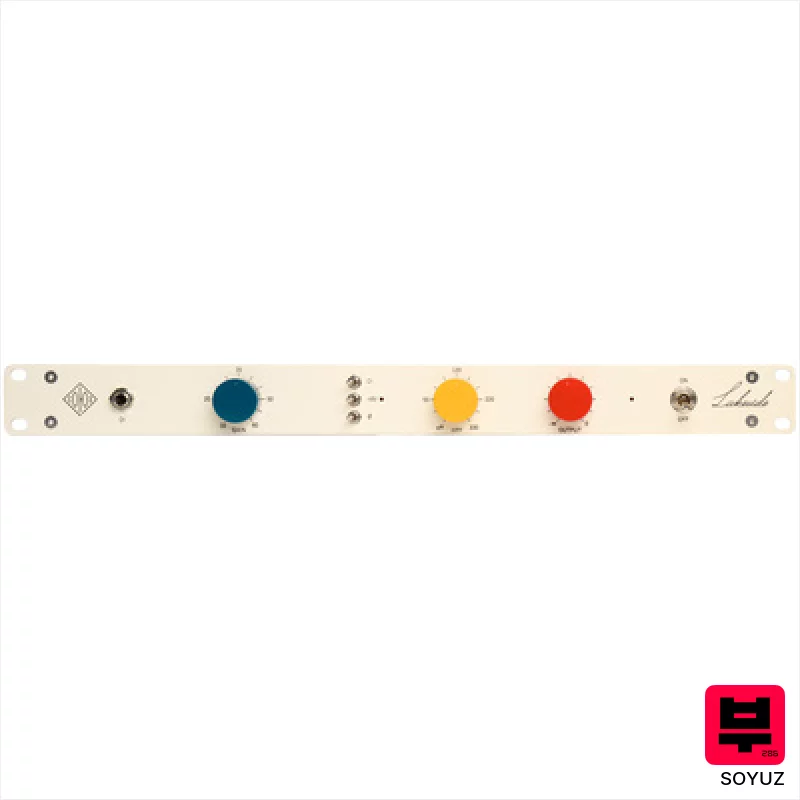
Soyuz Lakeside Preamp
- • Discrete Class A design delivers a warm, harmonically rich tone.
- • Specially wound transformers impart a pleasing vintage character and saturation.
- • The DI input is genuinely useful, expanding recording options significantly.
- • Robust build quality; feels solid and well-engineered, hinting at longevity.
- • Single channel limits its immediate utility for stereo tracking.
- • Premium-priced, representing a significant investment for smaller studios.
- • The high-pass filter steps are somewhat coarse, lacking fine-grained control.
How to Choose the Best Preamps
Harmonic Distortion
This isn't about harsh clipping; it's about the pleasing, musical overtones a good preamp adds. Think subtle fatness in the low-mids, a touch of sweetness in the upper registers-it's what gives instruments sustain and character.
Transient Response
Warmth shouldn't mean mushiness. A great preamp preserves the snap and attack of a snare drum or the clarity of an acoustic guitar while still adding that analog sheen.
Gain Staging & Headroom
A preamp that runs clean but can gracefully handle a little drive is versatile. You want to be able to push it just past that sweet spot for subtle saturation without descending into harsh distortion.
Noise Floor
Analog warmth comes with a price - inherent noise. But a preamp with a respectable noise floor ensures that added character doesn't get buried in hiss.
Transformer Design (if applicable)
Many classic preamps use transformers to shape the tone. Different transformer designs impart different flavors - some are more aggressive, others more mellow. It's a key ingredient in the sonic recipe.
Buying Guide
Don't fall for marketing hype. A lot of preamps claim 'vintage mojo' but deliver nothing but colored noise. Used gear is your friend - you can often snag a high-quality preamp for a fraction of the new price. Be realistic about your needs; a simple, clean preamp with a subtle warmth is often better than a complex, noisy one trying to be something it's not.
Our Methodology
We don't rely on spec sheets here. We've spent years A/B'ing preamps through various mics and sources - everything from vintage Neumanns to modern ribbon mics - and putting them through the ringer in band rehearsals and recording sessions. We're listening for that feel, that subtle harmonic richness, and how it interacts with different instruments and vocals.

