AudioFu
AudioFu Chart · October 2026
Best Rupert Neve Designs Preamps 2026
The top pick is Rupert Neve Designs Shelford Channel ($4,304). Rupert Neve Designs Portico 5017 Desktop Preamp / Compressor gives you the most for the money at $1,598. Rupert Neve Designs RMP-D8 leads the high end. Ranked by the AudioFu Index from 6 models, prices checked every night.
Last updated: October 13, 2026
Top 6
Full detail for the 6 highest AudioFu Index scores. Every other model is listed below.
-
- Size19"
The Shelford Channel is a beautifully voiced, high-end channel strip that delivers the classic Rupert Neve sound. It's ideal for engineers and producers seeking a refined preamp, flexible EQ, and characterful compression—perfect for vocals, guitars, and anything needing a touch of vintage magic.
Pros
- Transformer gain imparts a palpable warmth and subtle harmonic richness.
- Inductor EQ delivers musical, vintage-inspired tonal shaping capabilities.
- Diode bridge compression provides a characterful, punchy dynamic control.
Cons
- Premium-priced, a significant investment for most home studios.
- Channel count is limited, requiring multiple units for full tracking.
68AudioFu
Index↓ 10.5%since Aug 14 · lowest so far$4,807 · Aug 14$4,304 now$4,304€3,849 at Thomann · in stockCheck price ↗ -
Rupert Neve Designs 5211 2-Channel Microphone Preamp
5211 · Rupert Neve Designs
13 for sale on Reverb1 finish at Thomann
The 5211 delivers that unmistakable Rupert Neve sound—warm, punchy, and incredibly musical. It's a fantastic choice for vocal tracking, acoustic instruments, or adding some serious character to drum overheads, especially if you’re after that classic analog vibe. This is a premium-priced preamp that will elevate your recordings.
Pros
- Neve's classic transformer imparts a rich, vintage warmth and harmonic character.
- The stepped gain control allows for precise gain staging and repeatable results.
- Silk mode offers subtle to aggressive saturation for added texture and excitement.
Cons
- The fixed EQ options limit versatility for highly specific tonal shaping.
- Limited I/O compared to more feature-rich, similarly priced preamps.
55AudioFu
Index↓ 9.5%since Aug 14 · lowest so far$2,347 · Aug 14$2,123 now$2,123€1,899 at Thomann · in stockCheck price ↗ -
Rupert Neve Designs Newton Channel Rackmount Channel Strip
Newton Channel · Rupert Neve Designs
17 for sale on Reverb1 finish at Thomann
The Newton Channel is a serious piece of kit – it's like having a classic Rupert Neve console in a compact format. It's perfect for engineers and producers who want to add a touch of vintage magic and serious punch to vocals, instruments, or drum tracks. It's a focused tool, not a jack-of-all-trades, but what it *does*, it does exceptionally well.
Pros
- Exceptional Class-A preamp delivers Rupert Neve's signature warmth and clarity.
- Silk circuits add nuanced harmonic richness, truly customizable tonal shaping.
- Transformer output stage provides a unique 'edge' and drives downstream gear beautifully.
Cons
- Premium-priced, representing a significant investment for smaller studios.
- Single channel design limits its versatility for multi-mic applications.
54AudioFu
Index↓ 3.3%since Aug 14 · lowest so far$2,403 · Aug 14$2,325 now$2,325€2,079 at Thomann · in stockCheck price ↗ -
Rupert Neve Designs Portico 5017 Desktop Preamp / Compressor
5017 · Rupert Neve Designs
11 for sale on Reverb1 finish at Thomann
The 5017 is a seriously impressive preamp – that Neve sound, but with a modern, flexible twist. It’s a great choice for engineers and producers tracking vocals, acoustic instruments, or anything needing that extra polish. The DI and compressor really round out its utility, making it a valuable addition to any high-end studio.
Pros
- Neve’s signature sonic warmth and character are beautifully present.
- Silk circuit adds subtle harmonic richness, very controllable.
- The DI box is genuinely excellent, transparent and low-noise.
Cons
- Relatively high price point puts it out of reach for many home studios.
- Limited routing options compared to more complex mixing consoles.
51AudioFu
Index↓ 4.0%since Aug 14 · lowest so far$1,665 · Aug 14$1,598 now$1,598€1,429 at Thomann · in stockCheck price ↗ -
Rupert Neve Designs 5025 Dual Shelford Mic Pre
Not on Reverb yet1 finish at Thomann
- Size19"
This preamp sounds warm thanks to its Class A stage and custom transformers. The Silk Red and Blue modes let you boost highs or bass without changing the mic. It works well in a studio if you only need two channels.
Pros
- Class A input stage with custom transformers for warmth
- Silk Red and Blue modes shape harmonic content
- Continuously adjustable Low Cut from 20 Hz to 250 Hz
Cons
- Only two input channels available for mixing
- No specific weight or dimensions listed in text
45AudioFu
IndexStableno change since Aug 17Aug 17$4,471 now$4,471€3,999 at Thomann · in stockCheck price ↗ -
- Size19"
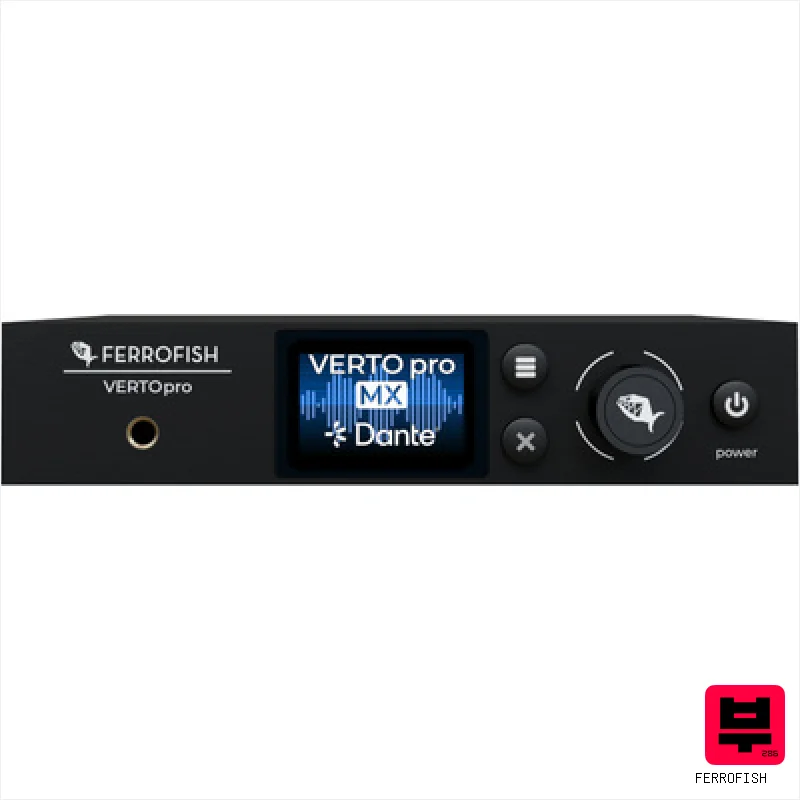
The RMP-D8 delivers that classic Rupert Neve sound in a modern, networked package. It's a serious upgrade for professional studios needing pristine preamps and flexible routing – think broadcast facilities, high-end tracking rooms, or anyone craving that Neve magic without a massive console.
Pros
- Neve's signature sonic warmth and character, undeniably present.
- Transformer-based inputs add pleasing harmonic richness and density.
- Dante networking offers unparalleled flexibility and scalability for modern studios.
Cons
- High-end price point puts it out of reach for many smaller studios.
- Dante dependency limits compatibility with older, non-networked systems.
45AudioFu
IndexStableno change since Aug 14Aug 14$7,042 now$7,042€6,298 at Thomann · in stockCheck price ↗
Preamps by the numbers
Measured across all 360 models we track, not a sample.
median of 131 models · 0.16 kg–7 kg
median of 90 models · 9.5"–19"
How to choose the best preamps
Heritage & Circuit Design
Rupert Neve's original designs (Class A, Class A/B) are legendary for a reason. RND isn't just copying; they're building on that foundation with modern components and refinements, often incorporating his signature transformer designs for that unique harmonic character.
Transformer Magic
Those transformers are a huge part of the Neve sound. They add a subtle saturation and compression that just glues things together - a fat midrange honk that cuts through without being harsh. It's not just a clean gain stage; it's a tonal shaping tool.
Dynamic Range & Headroom
Neve preamps generally offer excellent headroom, especially the Class A models. This means you can really push them without immediate distortion, allowing for a more natural-sounding saturation when you do want to hear some grit. That's crucial for getting a powerful vocal or a tight, punchy kick drum.
Build Quality & Reliability
These are built to last, period. The components are high-quality, the chassis is solid, and the overall construction screams professional. You're investing in something that's going to be with you for years, gigging or in the studio.
Tone Characteristics
It's that elusive 'Neve' sound - a warmth and richness that's often described as 'vintage' but isn't muddy. It's a combination of subtle harmonic distortion, a smooth top end, and a focused low-end that adds sustain and body to instruments. It's about articulation and dynamics, making things feel alive.
Buying guide
Okay, let's talk Rupert Neve Designs preamps. If you're chasing that classic, warm, punchy sound - the kind that made countless iconic records - you've probably heard the name. They're not cheap, but when it comes to getting that 'something special' in your recordings, Neve's legacy is hard to ignore. This isn't just about marketing hype; it's about a lineage of incredible mic preamps that defined a generation of studio sound.
Look, these aren't impulse buys. You're paying for a legacy and a distinct sonic character. The Class A models are the 'holy grail' for many, but they draw a lot of power.
Consider your power situation and your budget - the Portico II models offer a similar vibe at a slightly lower price point, though you'll miss some of the Class A magic. Don't fall for clones; the real deal has a certain feel and response that's hard to replicate.
How the AudioFu Index works
Five measured signals and nothing else — no stars from strangers, no “tested by experts” we didn’t do. The weights are fixed and public. We don’t play these instruments; we measure the market around them.
This chart covers 6 preamps from the Thomann catalogue (of 360 in the category). Before you buy, read hands-on reviews and, where you can, play it. Full methodology.
AudioFu earns a commission when you buy through our Thomann links. It never changes the order — the index does.
- Demand40%
How many of this exact model are for sale on Reverb right now — what musicians actually buy and resell.
- Lineup20%
How many finishes Thomann stocks — makers expand the models that sell.
- Price15%
Where the price has moved since we started tracking in August.
- Specs15%
How completely the maker documents it.
- Maker10%
How deep the brand’s range is in this category.
Questions
Are Rupert Neve Designs preamps worth the money?
That's entirely subjective. If you're chasing a specific vintage sound and are willing to invest, absolutely. If you're on a tight budget, there are other good options, but you'll be missing that unique Neve character.
What's the difference between Class A and Class A/B?
Class A runs the entire amplification circuit constantly, resulting in a warmer, more saturated tone and higher power draw. Class A/B is more efficient and provides more headroom before distortion, offering a cleaner sound with the ability to push harder.
Can I use a Rupert Neve preamp for any instrument?
While they shine on vocals and acoustic instruments, they're incredibly versatile. Guitars, bass, drums-anything can benefit from that Neve warmth. Just be mindful of how the saturation affects different sources.
Do I need a power conditioner for Rupert Neve gear?
It's always a good idea for sensitive electronics, but especially for Neve gear which can be sensitive to noise. Clean power helps ensure you're getting the cleanest signal possible and protects your investment.
Are Rupert Neve preamps difficult to integrate into a digital workflow?
Not at all. They're designed to be flexible. You can use them as standalone preamps, integrate them into hybrid setups, or even use them with digital converters for a 'vintage' vibe in your digital recordings.