
Best Preamps Under $50 2026
Affordable preamps under $50 - great value without compromising quality
Last updated: April 11, 2026
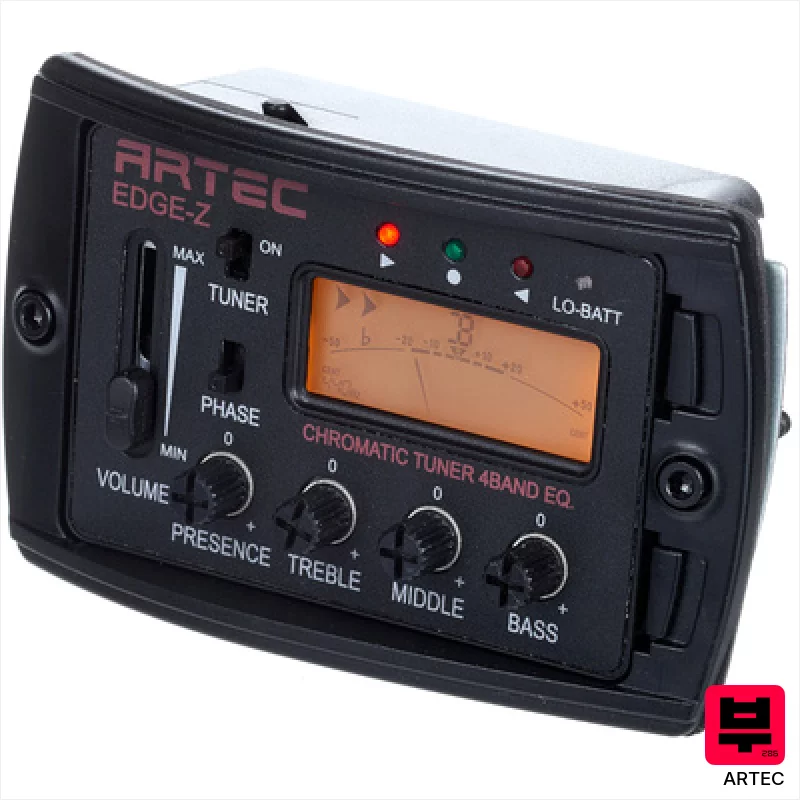
Artec Edge Z
- • Compact size minimizes acoustic guitar body resonance disruption
- • Flip-Hood battery access is genuinely quick and convenient
- • 3-band EQ offers useful tonal shaping for live performance
- • Built-in tuner is surprisingly accurate and easy to use onstage
- • Plastic construction feels noticeably cheap for prolonged use
- • Phase switch's effect is subtle, often negligible
- • Upper bout mounting can be tricky on guitars with thick rims
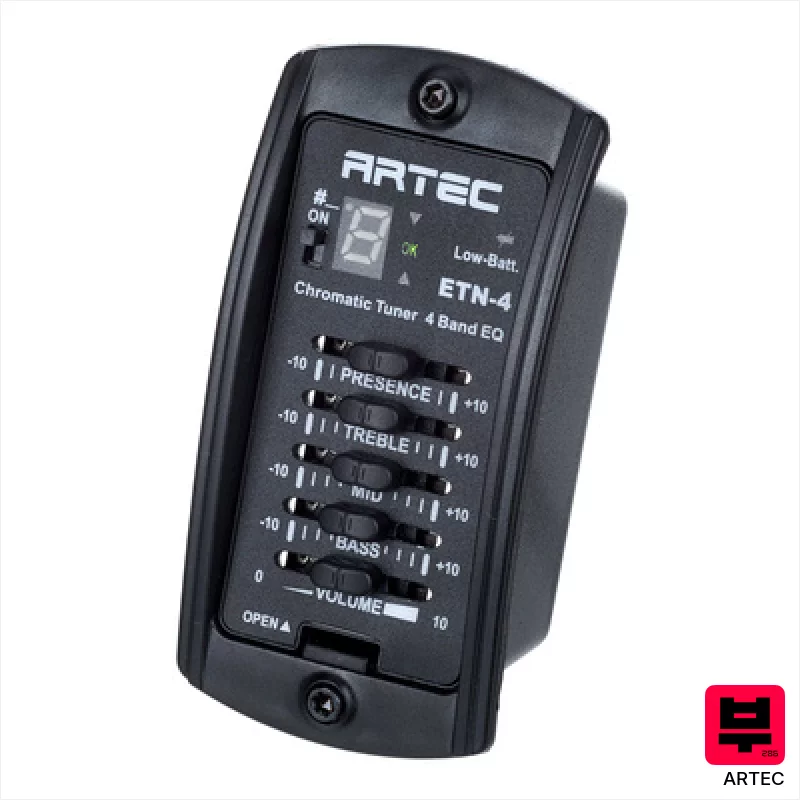
Artec ETN-4 Preamp
- • Slim profile minimizes upper bout obstruction during playing.
- • Chromatic tuner is surprisingly accurate and convenient.
- • 4-band EQ offers decent tonal shaping for basic adjustments.
- • Aux input allows for easy blending with external sound sources.
- • Mini-jack connections feel flimsy and potentially unreliable long-term.
- • EQ range is limited, lacking finesse for complex tone sculpting.
- • Battery life is average, requiring frequent changes.
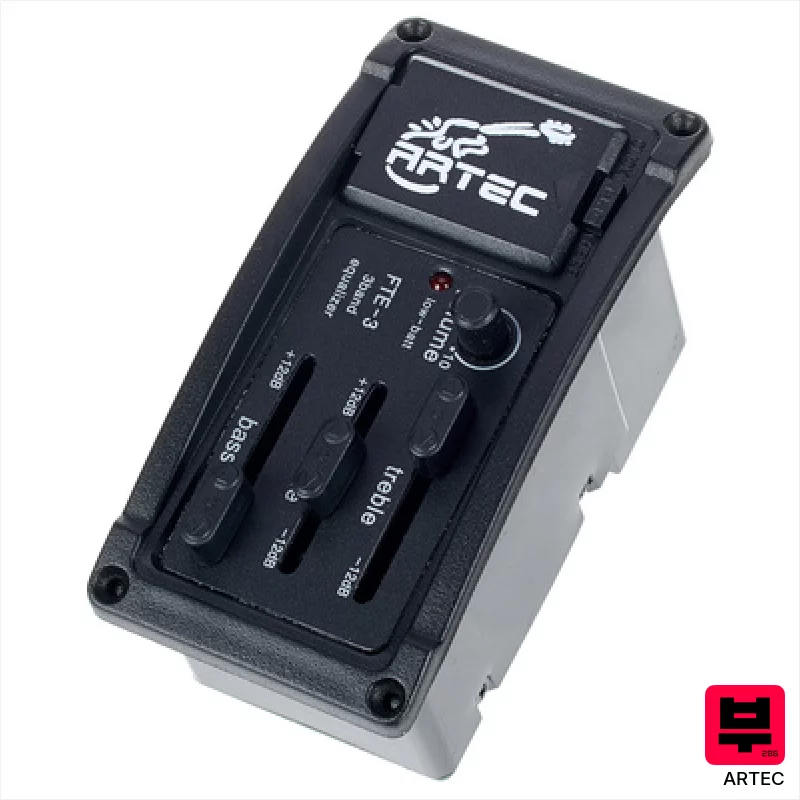
Artec FTE-3
- • Extremely affordable entry point for acoustic preamp needs.
- • Compact upper bout design minimizes impact on acoustic resonance.
- • Simple 3-band EQ offers basic tonal shaping capabilities.
- • Battery status indicator prevents unexpected signal dropouts during performance.
- • Plastic housing feels noticeably cheap and less durable.
- • Limited EQ range may not satisfy more discerning tonal preferences.
- • Requires a 9V battery, adding to ongoing operating costs.

IMG Stageline SPR-6
- • Metal housing effectively minimizes noise and interference
- • Enclosed power supply reduces external hum and potential faults
- • Respectable signal-to-noise ratio for budget-conscious setups
- • Compact size allows for easy integration into tight spaces
- • Limited gain might struggle with low-output cartridges
- • Basic build quality; don't expect premium componentry
- • No adjustable loading options for cartridge optimization

Behringer V-Tone Bass BDI21
- • Surprisingly decent amp modeling for the price point.
- • Gold-plated XLR provides clean, noise-free DI signal.
- • Ground lift switch effectively eliminates hum issues.
- • Compact size makes it ideal for pedalboard travel.
- • Plastic enclosure feels flimsy and not very roadworthy.
- • Modeling sounds are a caricature, not true vintage emulation.
- • Limited EQ control restricts tonal shaping flexibility.

Klark Teknik Mic Booster CT1
- • Tiny footprint ideal for crowded racks and mobile setups
- • Provides a clean, transparent gain boost for weak signals
- • Solid build quality for its size; feels surprisingly robust
- • Simple, straightforward design; easy to integrate into any workflow
- • Limited to a single channel; not suitable for multi-mic applications
- • 25dB gain may not be sufficient for very low-output ribbons
- • Lacks advanced features like EQ or phase inversion

Klark Teknik Mic Booster CM-1
- • Clean gain boosting weak signals with minimal noise
- • Compact size makes it ideal for portable recording setups
- • Solid build quality for a budget-friendly device
- • Simple, straightforward design; easy to integrate into any chain
- • Limited to single channel operation; no stereo capability
- • Requires phantom power, adding complexity for some users
- • Gain range, while useful, isn't suited for high-output mics
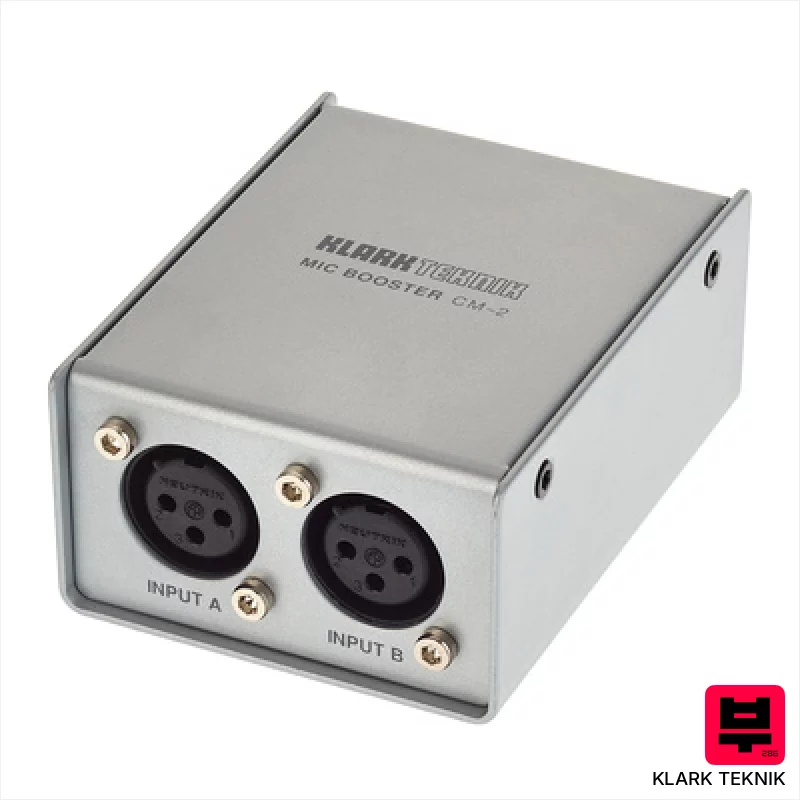
Klark Teknik Mic Booster CM-2
- • Clean gain boosts weak signals without noticeable noise
- • Compact size makes it ideal for portable rigs and tight spaces
- • Solid build quality for its price point – feels surprisingly robust
- • Provides a simple, effective solution for low-level mic signals
- • Limited headroom – pushing it can introduce distortion
- • No adjustable EQ or tone shaping capabilities
- • XLR only – lacks 1/4 in options for some mics

Behringer TM300 Tube Amp Modeler
- • Surprisingly decent amp voicings for the price point.
- • Compact size makes it ideal for pedalboards or small rigs.
- • Multiple gain modes offer a surprising range of tones.
- • Battery powered operation provides gigging flexibility.
- • Plastic enclosure feels noticeably cheap and less durable.
- • Microplacement adjustments are subtle and difficult to dial in precisely.
- • Limited EQ controls restrict tonal shaping possibilities.

TritonAudio AirHead V2
- • Excellent value for taming hot mics, drastically reducing preamp noise floor.
- • Passive design ensures pristine signal path, no added coloration or distortion.
- • Robust XLR construction provides reliable connectivity and durability for studio use.
- • Allows safe phantom power to sensitive mics that might overload a preamp.
- • Limited attenuation options; -6dB and -18dB may not cover all scenarios.
- • Passive design requires a preamp with sufficient gain to compensate for attenuation.
- • Adds another physical component to the signal chain, potential for cable clutter.
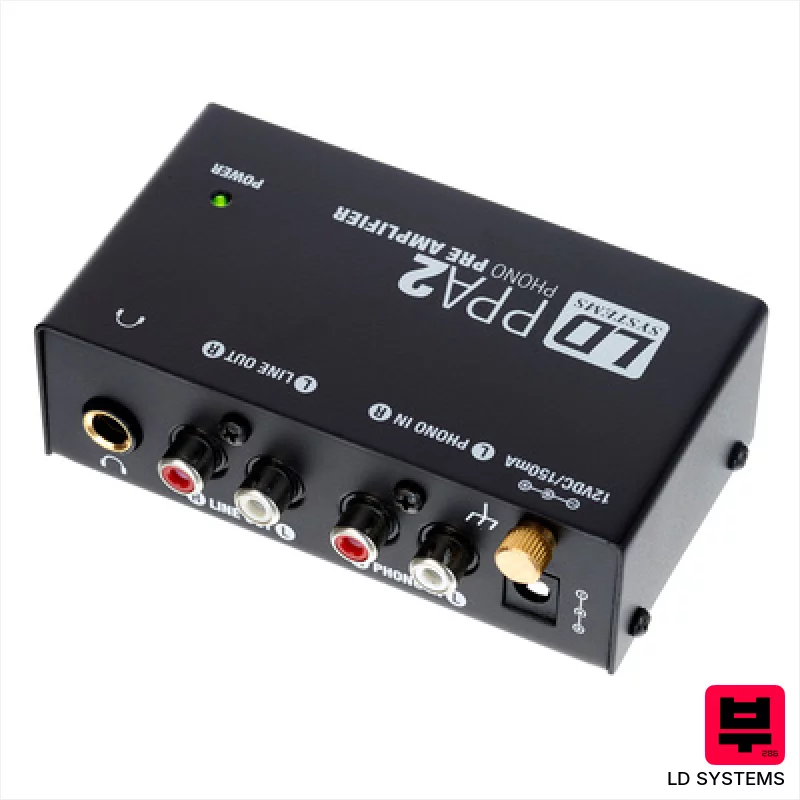
LD Systems PPA 2
- • Solid metal housing provides excellent shielding from interference.
- • RIAA equalization accurate enough for most vinyl playback scenarios.
- • Headphone output allows for private monitoring during mixing.
- • Compact size makes it suitable for space-constrained DJ setups.
- • Lacks adjustable gain, potentially problematic for low-output cartridges.
- • External power supply adds clutter and a potential point of failure.
- • Basic functionality; no advanced features like ground lift or filters.

Behringer Mic Link
- • Clean gain for dynamic mics, surprising clarity for the price
- • Solid phantom power delivery for ribbon mics – no noise issues
- • Compact size makes it easy to integrate into tight spaces
- • Balanced XLR connections ensure minimal signal degradation.
- • Plastic enclosure feels budget-oriented, lacks premium build feel
- • Limited headroom; not ideal for extremely hot signals
- • No adjustable EQ or tone shaping capabilities.

Millenium PHP 2
- • Includes a power supply, simplifying setup and eliminating noise issues.
- • Compact size makes it ideal for tight DJ booths or home setups.
- • RCA inputs/outputs offer standard connectivity for most DJ gear.
- • Provides a clean, functional signal boost for older or lower-output cartridges.
- • Construction feels decidedly budget-oriented; plastic housing lacks premium feel.
- • Limited gain adjustment restricts compatibility with high-output turntables.
- • Basic RIAA equalization might lack refinement for critical listening.

Behringer PP400
- • Clean signal conversion, surprisingly effective for budget vinyl setups
- • Compact size makes it easy to integrate into tight DJ booths
- • Robust build for a product in its price bracket – feels solid
- • Acceptable noise floor; won't introduce significant hiss with decent cartridges
- • Limited headroom; struggles with higher-output moving coil cartridges
- • Plastic enclosure feels budget, lacks premium feel of higher-end units
- • No grounding post; can be an issue with noisy turntables or environments
How This List Is Built
We don't play these instruments — we're a catalog, not a review desk, and we'd rather say so than pretend otherwise. This page ranks 14 preamps from the Thomann catalogue, which is the largest single source of specification data in this category.
Position is computed, not curated. Four signals, in order of weight: how completely the manufacturer documents the instrument (number of published specifications), where it sits in the price range, how specific the model designation is — which filters out generic accessories — and whether a product image exists. The same inputs always produce the same order, so nothing here is shuffled to look fresh.
What this list is good for: narrowing a category down to a shortlist by spec and budget. What it isn't: a substitute for hearing an instrument. Before you buy, read hands-on reviews and, where you can, play it. Full methodology.
How to Choose the Best Preamps
Budget Planning
- • Under $200: Entry-level
- • $200-$500: Intermediate
- • $500-$1000: Advanced
- • $1000+: Professional
Quality Check
- • Sound clarity & tone
- • Build materials & finish
- • Hardware durability
- • Overall craftsmanship
Key Features
- • Your musical style
- • Skill level match
- • Intended use case
- • Brand reputation

