
Best Fender Other Acoustic Guitars 2026
Okay, so you're looking beyond the Strat and Tele acoustic world from Fender? Smart move. They've been quietly building some seriously interesting acoustic guitars for years, often overlooked but packing a unique vibe. Forget the marketing hype - we're diving into what makes these Fenders tick, whether you're tracking a fingerpicked ballad or need something that cuts through a loud band rehearsal.
Last updated: April 11, 2026
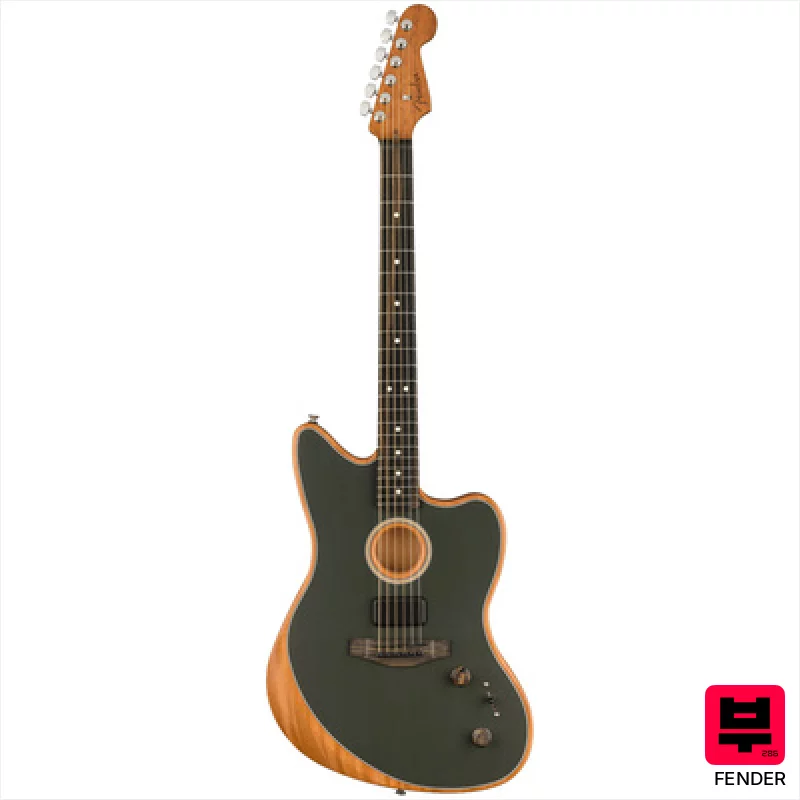
Fender AM Acoustasonic Jazzmaster TU
- • Mahogany body delivers warm, focused acoustic tones.
- • Acoustasonic Shawbucker offers versatile amplified sounds.
- • Ebony fretboard provides smooth playability and sustain.
- • Bolt-on neck enhances responsiveness and modern feel.
- • Tungsten finish might not appeal to all aesthetic preferences.
- • Jazzmaster’s unique ergonomics aren’t universally comfortable.
- • Mahogany construction can be somewhat heavier than other tonewoods.

Fender Acoustasonic Player Tele BB
- • Mahogany body delivers warmth and focused mid-range tones.
- • Sitka spruce top provides clarity and dynamic response.
- • Modern 'C' neck profile enhances playability and comfort.
- • Versatile pickup system covers acoustic and electric styles effectively.
- • Brushed Black finish might show fingerprints and minor scratches easily.
- • Rosewood fretboard can be prone to drying and cracking over time.
- • Limited tonal palette compared to more traditional acoustic guitars.

Fender Acoustasonic Standard Tele HSB
- • Nyatoh body offers a surprisingly warm, balanced acoustic tone.
- • Shawbucker pickup delivers convincing humbucker grit and clarity.
- • Bolt-on neck provides comfortable, modern playability and easy adjustments.
- • Graph Tech TUSQ nut enhances tuning stability and sustain.
- • Nyatoh body, while pleasant, lacks the premium resonance of mahogany or rosewood.
- • Blend knob offers limited tonal shaping compared to dedicated EQ controls.
- • Bolt-on neck, while comfortable, may not appeal to players seeking a vintage feel.
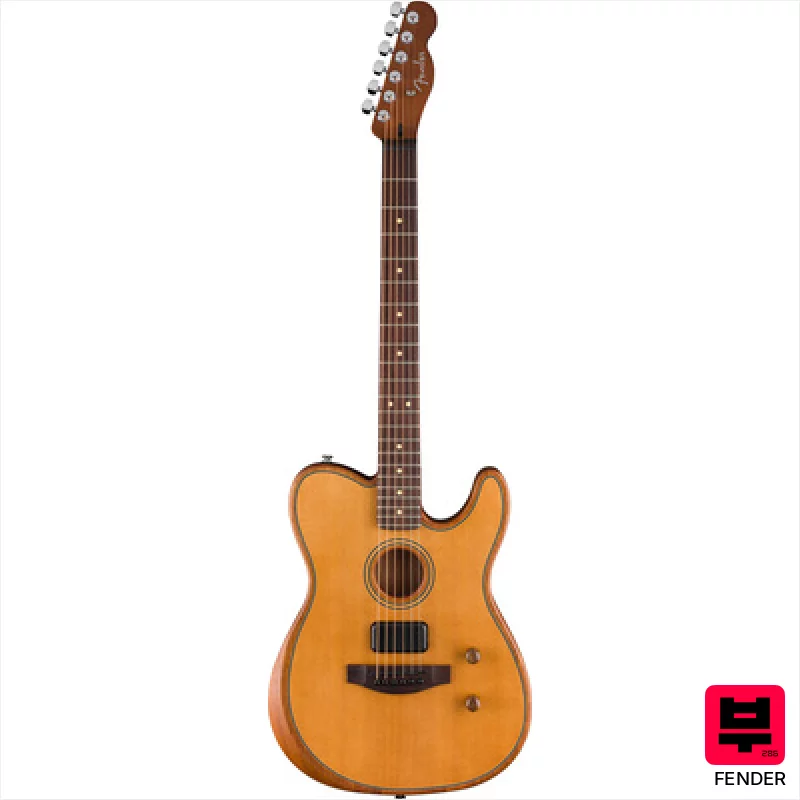
Fender Acoustasonic Standard Tele AGN
- • Nyatoh body delivers a surprisingly warm and balanced acoustic tone.
- • Shawbucker pickup offers a convincing electric humbucker response and clarity.
- • Modern 'Deep C' neck profile provides comfortable playability for various hand sizes.
- • Graph Tech TUSQ nut minimizes friction and improves tuning stability.
- • Nyatoh, while decent, lacks the tonal complexity of premium tonewoods like mahogany or maple.
- • Blend control can feel limiting for nuanced acoustic shaping; lacks dedicated EQ.
- • Bolt-on neck construction, while stable, doesn't offer the resonance of a set neck.
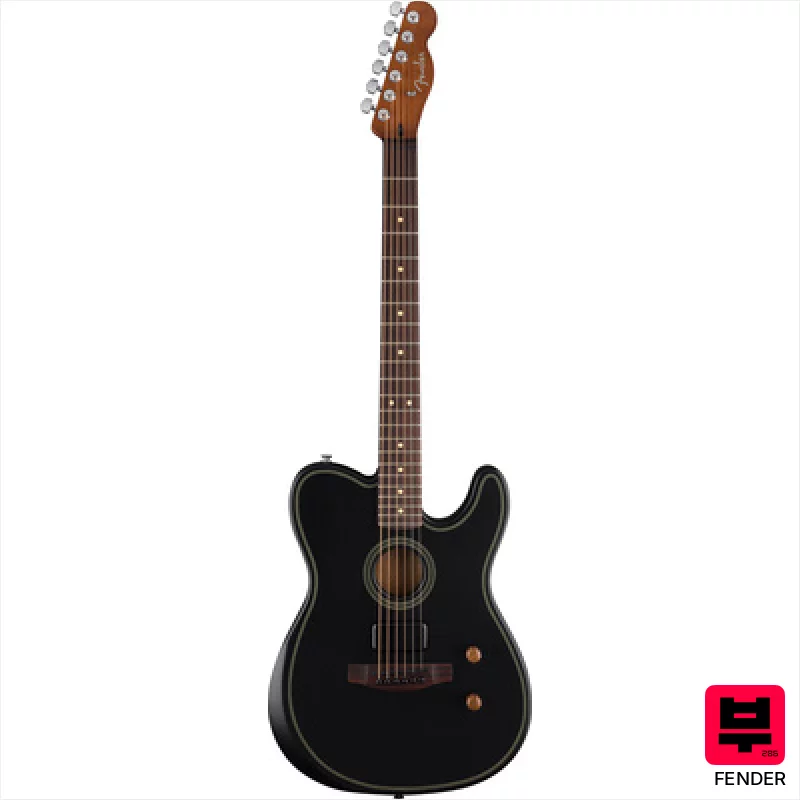
Fender Acoustasonic Standard Tele BLK
- • Nyatoh body provides a warm, balanced acoustic tone.
- • Shawbucker pickup delivers surprisingly authentic electric humbucker response.
- • Modern 'inDeep C' neck profile offers comfortable playability for various hand sizes.
- • Enclosed machine heads provide precise tuning stability, a welcome upgrade.
- • Nyatoh, while warm, lacks the complexity of more premium tonewoods like mahogany.
- • Blend control can be finicky, requiring careful adjustment for optimal sound.
- • Bolt-on neck, while stable, doesn't offer the same resonance as a set neck.
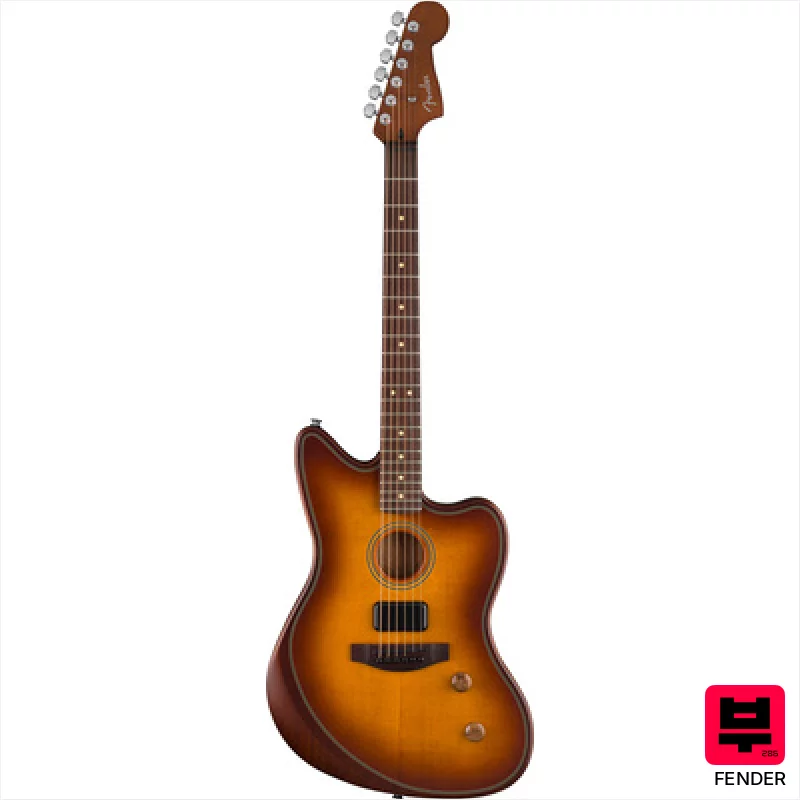
Fender Acoustasonic Std Jazzm HSB
- • Nyatoh body provides a surprisingly warm, balanced acoustic tone.
- • Shawbucker pickup delivers convincing humbucker grit for electric sounds.
- • Modern 'Deep C' neck profile offers comfortable playability for various hand sizes.
- • Graph Tech TUSQ nut minimizes friction and improves tuning stability.
- • Nyatoh isn't a tonewood known for exceptional resonance or complexity.
- • Bolt-on neck construction, while stable, lacks the warmth of a set neck.
- • Blend control limits versatility; a dedicated acoustic voice is missing.
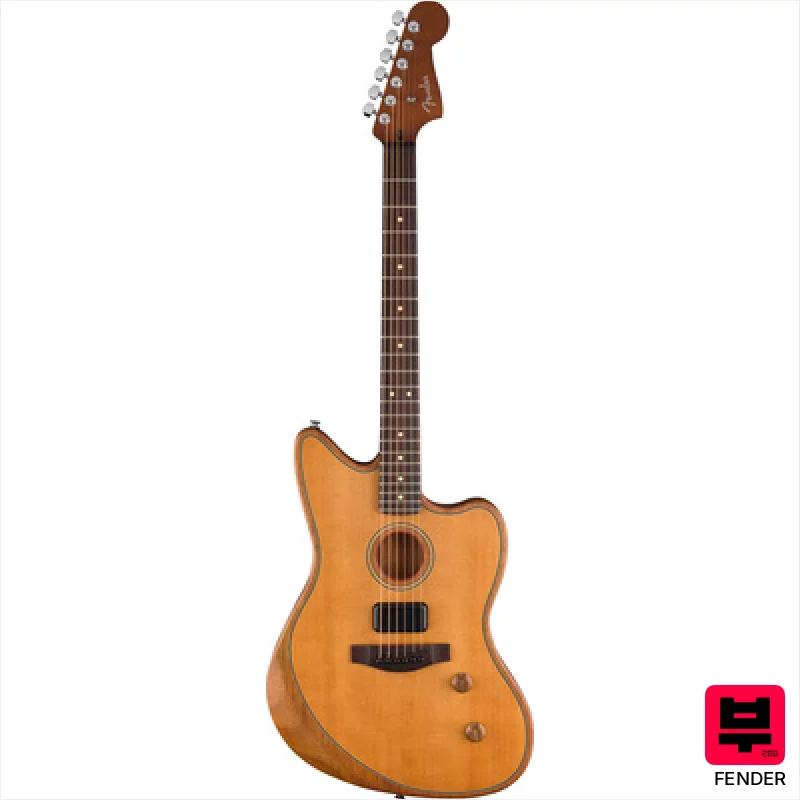
Fender Acoustasonic Std Jazzm AGN
- • Nyatoh body offers a warm, balanced tone with surprising projection.
- • Shawbucker pickup delivers authentic humbucker grit ideal for rhythm work.
- • Modern 'Deep C' neck profile provides comfortable, fast playability.
- • Graph Tech TUSQ nut minimizes friction and enhances tuning stability.
- • Nyatoh isn't as tonally complex as more premium tonewoods like mahogany.
- • Bolt-on neck construction, while stable, lacks the resonance of a set neck.
- • Blend control limits versatility; dedicated EQ would be beneficial.

Fender Acoustasonic Std Jazzm BLK
- • Nyatoh body offers a warm, focused acoustic tone.
- • Shawbucker pickup delivers surprisingly authentic electric humbucker response.
- • Modern 'inDeep C' neck profile is comfortable for extended playing.
- • Graph Tech TUSQ nut improves tuning stability and sustain.
- • Nyatoh lacks the tonal complexity of more premium tonewoods like mahogany or maple.
- • Bolt-on neck construction, while stable, doesn't offer the resonance of a set neck.
- • Limited tonal palette compared to guitars with more pickup options.
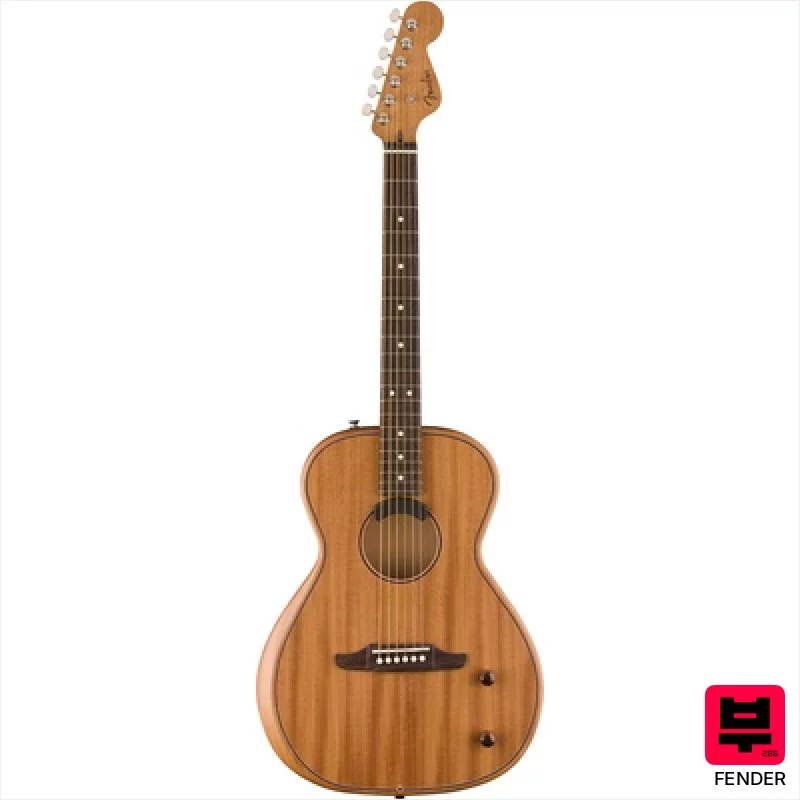
Fender Highway Parlor MAH RW
- • Solid mahogany construction delivers warm, focused, and woody tone.
- • Fishman Fluence Acoustic pickup offers exceptional amplified clarity and versatility.
- • The 'C' neck profile provides a comfortable and familiar playing experience.
- • Modern Viking bridge enhances sustain and provides reliable intonation.
- • Mahogany can be a bit 'boxy' – lacks the brightness of spruce tops.
- • Shorter scale length limits low-end extension compared to dreadnoughts.
- • Dura-Tone strings are decent, but an upgrade is highly recommended.
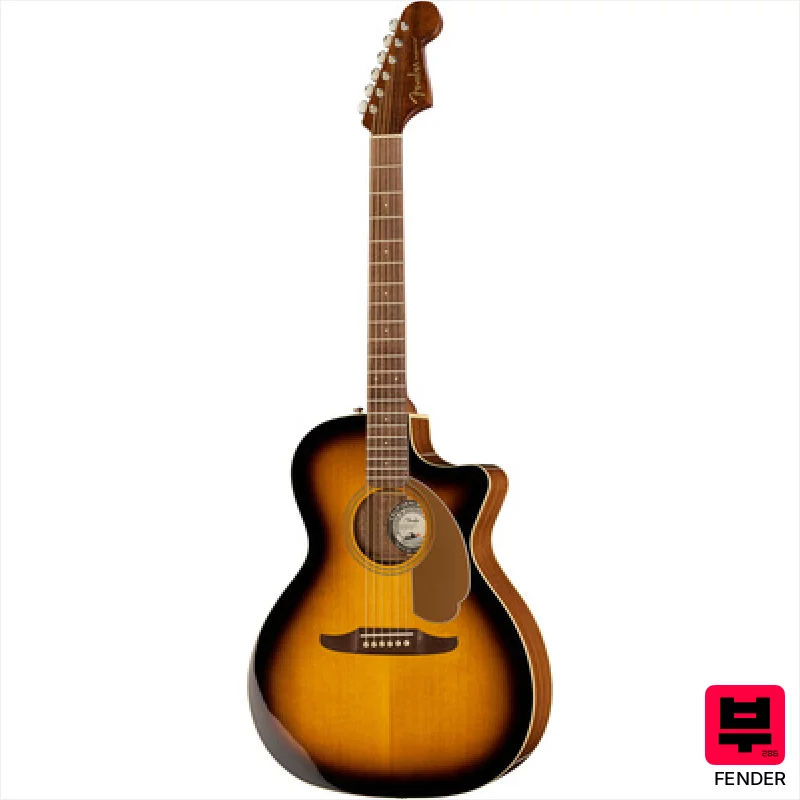
Fender Newporter Player Sunburst WN
- • Solid Spruce top delivers a bright, responsive tone with good projection.
- • Sapele back and sides add warmth and sustain, balancing the Spruce.
- • Slim 'C' neck profile is comfortable for a wide range of playing styles.
- • Integrated electronics offer a usable amplified sound for stage or recording.
- • Satin Nato neck, while comfortable, lacks the premium feel of rosewood.
- • Dura-Tone strings are serviceable but will likely need upgrading soon.
- • Sapele construction can be prone to slight movement with humidity changes.
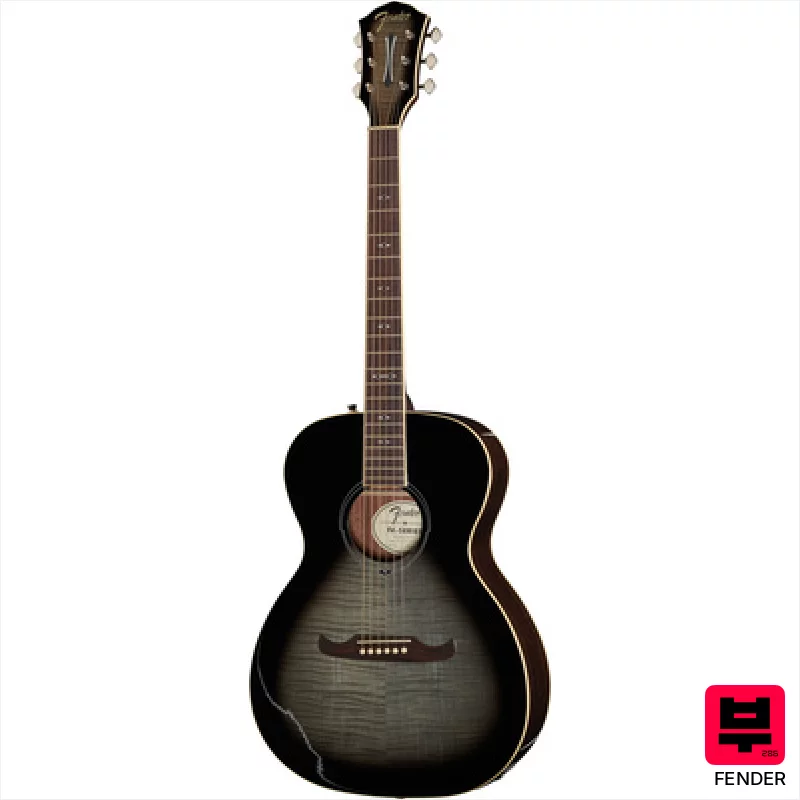
Fender FA-235E Concert MoonlightBurst
- • Flamed maple top delivers a surprisingly bright and articulate tone.
- • Mahogany back & sides add warmth, balancing the maple’s brightness.
- • Fishman pickup system offers a usable amplified sound straight out of the box.
- • Nato neck provides comfortable playability and good stability under tension.
- • Laminated construction limits the overall resonance and complexity of the tone.
- • Open-back tuners can be slightly less precise than geared tuners for absolute tuning stability.
- • Moonlight Burst finish, while attractive, can show fingerprints easily.
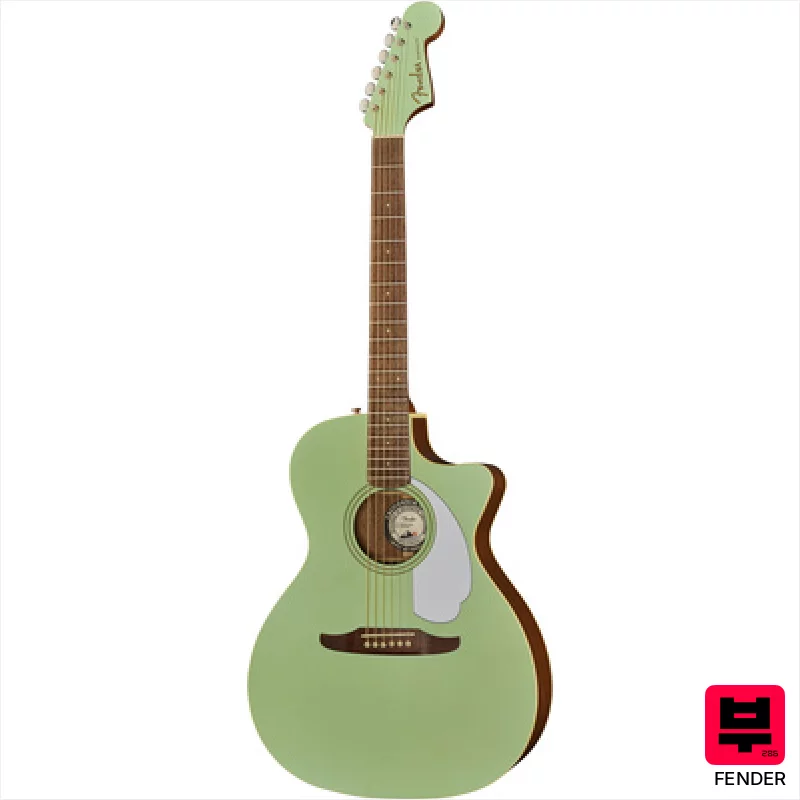
Fender Newporter Player SFG WN
- • Solid Spruce top delivers a bright, responsive acoustic tone.
- • Sapele back and sides add warmth and sustain.
- • Slim 'C' neck profile offers comfortable playability for various hand sizes.
- • Built-in Fender electronics provide convenient amplified performance.
- • Satin Nato neck, while comfortable, lacks the premium feel of rosewood.
- • Dura-Tone strings are serviceable, but an upgrade is highly recommended.
- • Surf Green finish might not appeal to players seeking a more traditional look.

Fender Newporter Player NAT WN
- • Solid spruce top delivers a bright, responsive tone with surprising projection.
- • Slim 'C' neck profile offers comfortable playability for a wide range of players.
- • Graph Tech NuBone nut improves tuning stability and sustain compared to standard plastic.
- • Integrated electronics provide a usable amplified signal for practice and small gigs.
- • Sapele back and sides limit the tonal complexity compared to more premium tonewoods.
- • Polyester lacquer finish, while attractive, isn't as durable or resonant as a gloss nitro finish.
- • Dura-Tone strings are decent but will likely be swapped out by more discerning players.

Fender Newporter Player TPL WN
- • Solid spruce top delivers bright, articulate tone with good projection.
- • Sapele back and sides add warmth and sustain, balancing the spruce.
- • Slim 'C' neck profile offers comfortable playability for various hand sizes.
- • Built-in electronics provide convenient amplified performance for gigs or practice.
- • Polyester lacquer finish, while durable, can feel less resonant than a gloss nitro finish.
- • Dura-Tone strings are decent stock strings, but a quick swap improves the sound.
- • Sapele can occasionally exhibit a slightly 'woody' tone, lacking the complexity of mahogany.
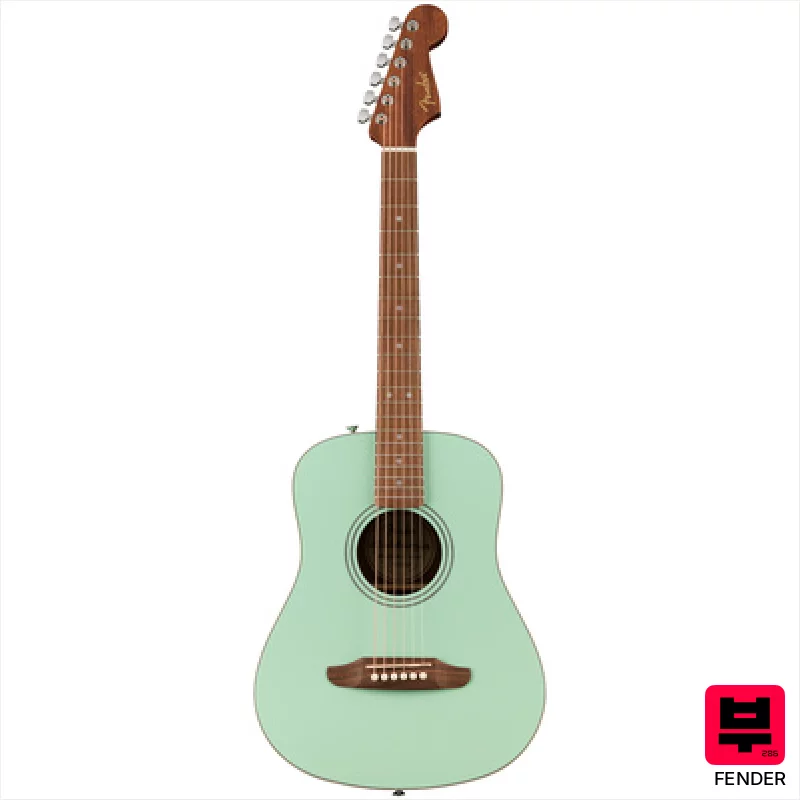
Fender CA STD Redondo Mini WB IB SFG
- • Sapele back/sides deliver warmth and projection, surprisingly full for its size
- • Spruce top offers bright articulation, responsive to a light touch
- • Okoume neck provides comfortable playability and good sustain
- • Modern Viking bridge enhances stability and tone transfer
- • Surf Green finish might not appeal to everyone's aesthetic preference
- • Micarta nut isn't quite the same as bone, a subtle tonal difference
- • Smaller body limits low-end response compared to full-size dreadnoughts
How to Choose the Best Other Acoustic Guitars
Heritage & Design Philosophy
Fender's electric guitar DNA subtly influences their acoustics. You get a certain forwardness and clarity that's different from the warmer, more traditional sound you'd find in a lot of other brands. It's not a bad thing, just a distinct flavor - think a bit more 'bite' to the midrange.
Neck Profile & Playability
Fender's neck profiles are generally comfortable, often falling in the modern 'C' shape range. They tend to be a bit slimmer than some vintage-style acoustics, which can be a plus for faster playing, but might feel a little less substantial for players used to chunkier necks. Action is often lower from the factory, which is great for playability but can require a setup adjustment if you like a higher string tension.
Tonewood Selection & Resonance
Fender's acoustic lines often utilize Sitka Spruce tops paired with Mahogany, Sapele, or layered back and sides. This combination leans towards a balanced tone with good projection, but sometimes lacks the deep low-end thump you'd get from a Rosewood-backed instrument. The layered construction, while practical for cost, can slightly dampen sustain compared to solid wood options.
Electronics & Pickup Voicing (where applicable)
Fender's acoustic-electric systems are generally decent, but rarely groundbreaking. They're functional and provide a clean amplified signal, but don't expect boutique-level acoustic nuance. Pickup voicing tends to be fairly neutral, leaning toward a bright, clear tone - great for cutting through a mix, but might need EQ adjustments to avoid a harsh, ice-picky top end.
Build Quality & Hardware
Fender's build quality on their acoustic lines is generally solid, though not always flawless. You might find minor cosmetic imperfections on lower-priced models. Hardware, like tuners and bridges, are usually functional but don't always feel as premium as those found on higher-end instruments from other brands.
Buying Guide
Look, you're paying for the Fender name, and you're getting a playable, well-built acoustic with a distinctive character. Don't expect a vintage Martin tone - these Fenders have their own thing going on. Spend a little more for solid wood construction if your budget allows; the difference in sustain and resonance is noticeable. And get a proper setup - a little tweaking can transform a decent Fender acoustic into a really great one.
How This List Is Built
We don't play these instruments — we're a catalog, not a review desk, and we'd rather say so than pretend otherwise. This page ranks 15 other acoustic guitars from the Thomann catalogue, which is the largest single source of specification data in this category.
Position is computed, not curated. Four signals, in order of weight: how completely the manufacturer documents the instrument (number of published specifications), where it sits in the price range, how specific the model designation is — which filters out generic accessories — and whether a product image exists. The same inputs always produce the same order, so nothing here is shuffled to look fresh.
What this list is good for: narrowing a category down to a shortlist by spec and budget. What it isn't: a substitute for hearing an instrument. Before you buy, read hands-on reviews and, where you can, play it. Full methodology.

