
Best Other Acoustic Guitars 2026
Okay, so you're past the dreadnought and the grand auditorium. Good. You're looking for something with a bit more character, something that'll sit differently in a mix or just feel different in your hands. This "Other Acoustic Guitars" category is where things get interesting - parlor guitars, 12-strings, jumbos, travel guitars, and all sorts of hybrids. Let's break down what to look for when you're chasing that specific vibe.
Last updated: April 11, 2026
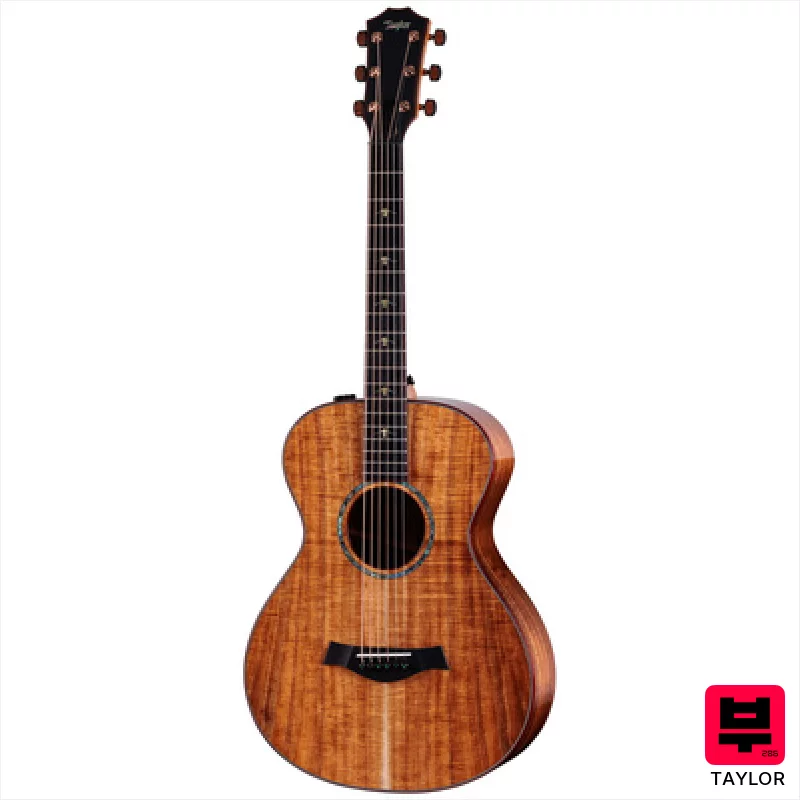
Taylor Custom #40: C22e 12-Fret B5040
- • Hawaiian koa top and back deliver exceptional warmth and complex overtones.
- • 12-fret design enhances resonance and provides a more intimate feel.
- • Expression System 2 pickup offers natural amplified tone with excellent clarity.
- • Crelicam ebony fingerboard and nut provide smooth playability and sustain.
- • Hawaiian koa makes it a premium-priced instrument, limiting accessibility.
- • The shorter scale length might feel cramped for players with larger hands.
- • Koa's visual character can vary significantly between individual instruments.

Taylor K24ce V-Class Builders Edition
- • Solid koa construction delivers rich, complex tonal character.
- • V-Class bracing provides exceptional volume and sustain, noticeably improved intonation.
- • Ebony fingerboard offers smooth playability and a refined feel.
- • Taylor ES2 pickup system delivers a usable amplified tone with tonal shaping controls.
- • The solid koa build makes it a premium-priced instrument, a significant investment.
- • Koa's inherent brightness might not suit all playing styles or musical genres.
- • Solid koa guitars can be susceptible to humidity changes, requiring careful maintenance.
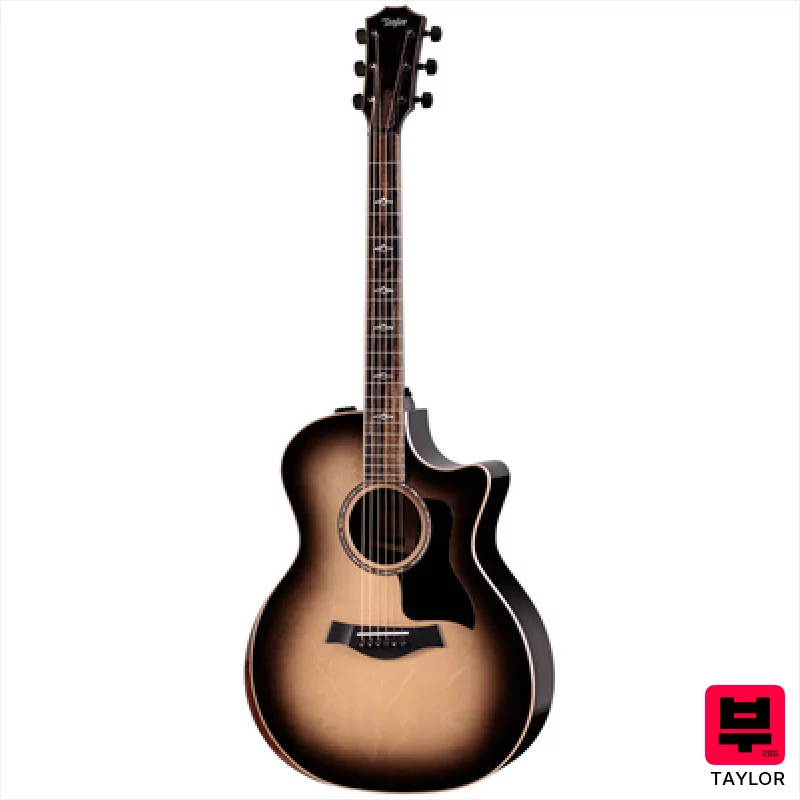
Taylor 814ce Special Edition Charcoal
- • V-Class bracing delivers exceptional projection and sustain.
- • Solid rosewood back/sides provide rich, complex overtones.
- • Expression System 2 pickup offers natural amplified tone and clarity.
- • Graphite nut and Micarta bridge enhance stability and intonation.
- • The Charcoal Burst finish, while striking, may not appeal to all tastes.
- • Grand Auditorium body can feel slightly large for players with smaller frames.
- • Premium-priced, representing a significant investment for many players.
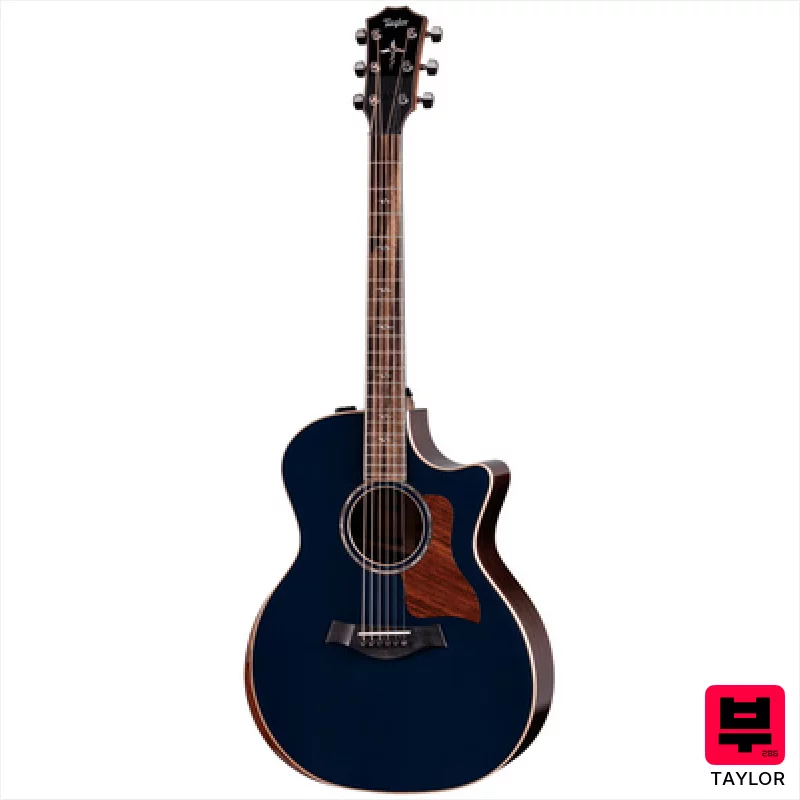
Taylor 814ce Special Edition Sapphire
- • V-Class bracing delivers exceptional sustain and harmonic complexity.
- • Solid rosewood back/sides provide a rich, mature tonal foundation.
- • Expression System 2 pickup offers transparent amplified sound and feedback resistance.
- • Graphite nut and Micarta bridge enhance stability and intonation accuracy.
- • The Sapphire finish, while beautiful, may be prone to minor cosmetic imperfections.
- • Grand Auditorium body, while versatile, isn't ideal for deeply resonant bass tones.
- • Premium-priced, representing a significant investment for many players.
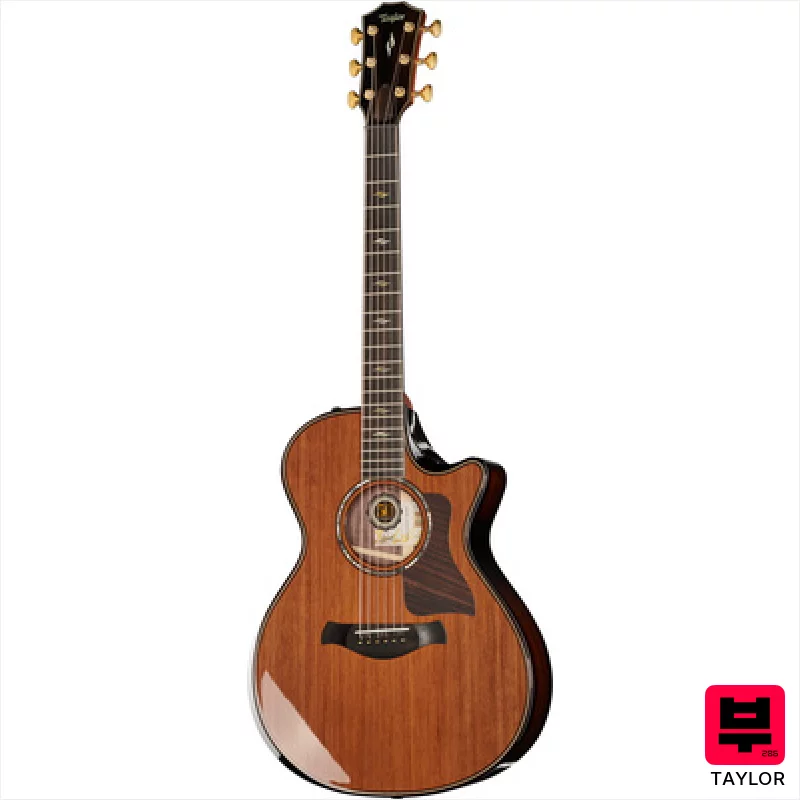
Taylor Builder's Edition 812ce LTD 50
- • Sinker redwood top delivers complex, responsive dynamics and warmth.
- • V-Class bracing creates exceptional sustain and projection.
- • Expression System 2 pickup provides natural, amplified tone with clarity.
- • Rosewood armrest enhances playing comfort during extended sessions.
- • Kona Edgeburst finish might not appeal to players seeking more traditional aesthetics.
- • Grand Concert body is comfortable, but may lack low-end thump for some genres.
- • Premium-priced, representing a significant investment for many players.

Martin Guitar Custom Shop OM Italian Spruce
- • Italian Alpine Spruce top delivers exceptional clarity and shimmering overtones.
- • Flamed myrtle back and sides provide a warm, complex, and responsive tone.
- • Ebony fingerboard and nut enhance sustain and contribute to a smooth playing experience.
- • Custom Shop build quality ensures meticulous attention to detail and superior craftsmanship.
- • The premium price point puts it out of reach for many players.
- • Flamed myrtle, while beautiful, can be somewhat less tonally versatile than rosewood.
- • The 1 7/8in nut width may feel cramped for players with larger hands.
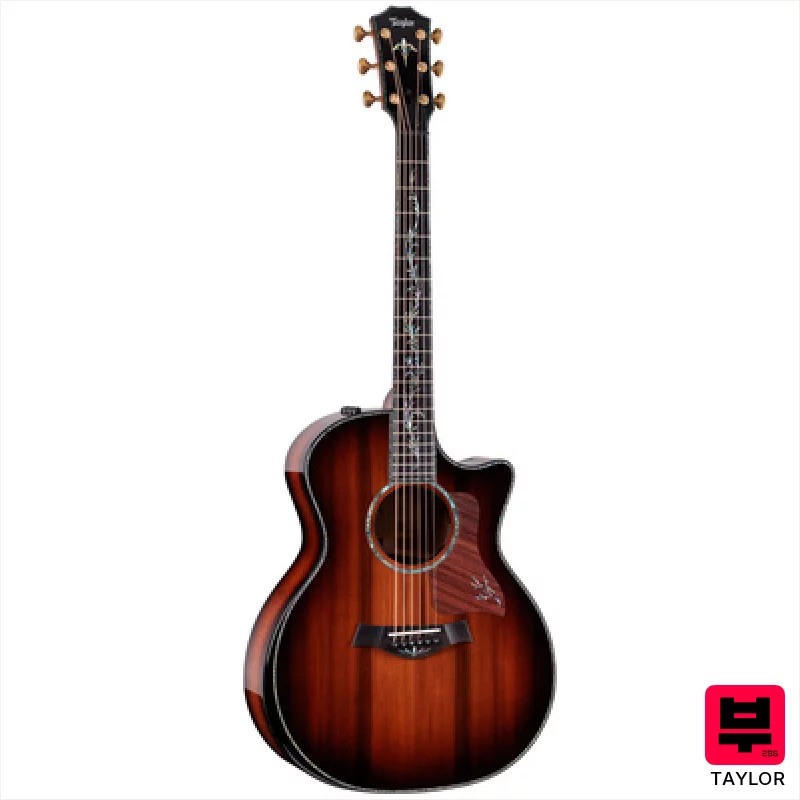
Taylor PS14ce Figured Urban Ironback
- • Urban Ironbark delivers a uniquely warm, complex, and resonant tone.
- • Redwood top provides exceptional clarity and shimmering high-end response.
- • Expression System 2 pickup captures nuanced dynamics with exceptional fidelity.
- • West African ebony fingerboard offers a slick, comfortable playing experience.
- • The Urban Ironbark construction makes it notably heavier than standard models.
- • The elaborate inlays and premium materials contribute to a premium-priced investment.
- • Redwood top can be susceptible to humidity changes, requiring diligent care.
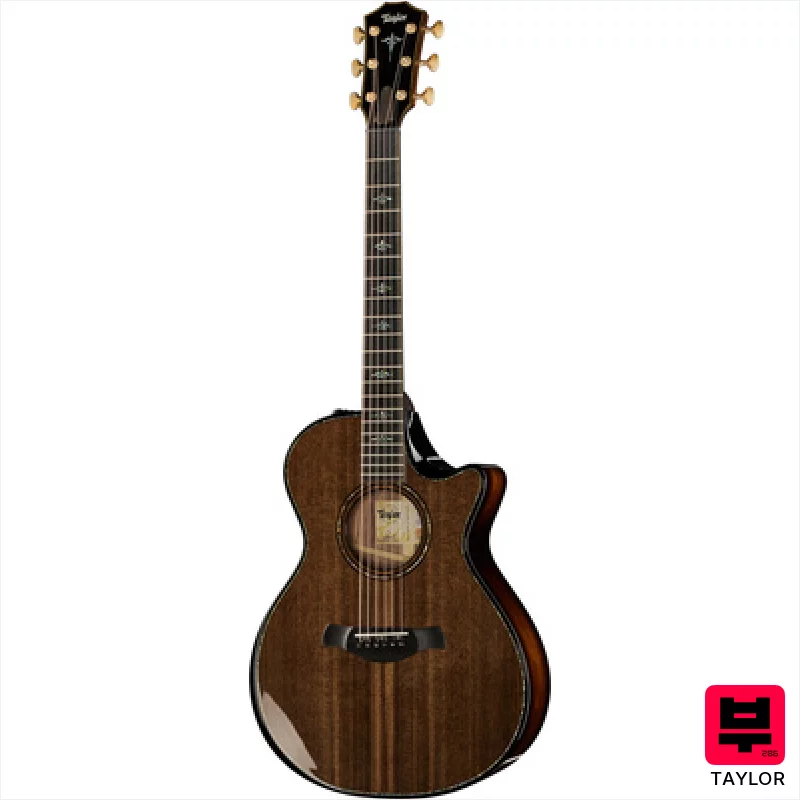
Taylor Builders Edition 912ce Sinker
- • Sinker redwood top delivers a uniquely responsive and complex tonal character.
- • V-Class bracing provides exceptional sustain and improved projection across the spectrum.
- • Honduran rosewood back and sides add warmth and depth to the already vibrant tone.
- • Expression System 2 pickup accurately captures the guitar's natural voice with impressive clarity.
- • The sinker redwood can exhibit unique figuring which some players may find visually unappealing.
- • The grand concert body, while comfortable, might lack the absolute bass response of a dreadnought.
- • Premium-priced, representing a significant investment for most players.
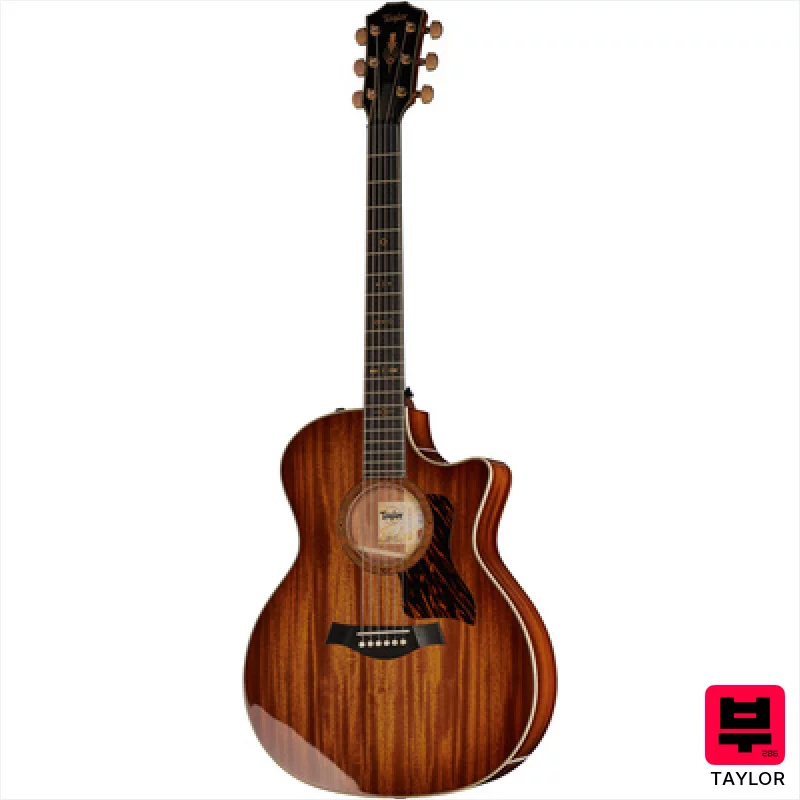
Taylor C24ce Grand Auditorium Custom
- • Solid mahogany top delivers a warm, focused, and mature tone.
- • V-Class bracing provides exceptional volume and sustain with balanced response.
- • Expression System 2 pickup offers transparent amplified sound with nuanced dynamics.
- • Custom Euro Deco inlays add a touch of artistry and visual distinction.
- • Mahogany construction can lack the bright shimmer some players prefer.
- • The 45mm nut width might feel wide for players accustomed to narrower necks.
- • Premium-priced, limiting accessibility for many players.
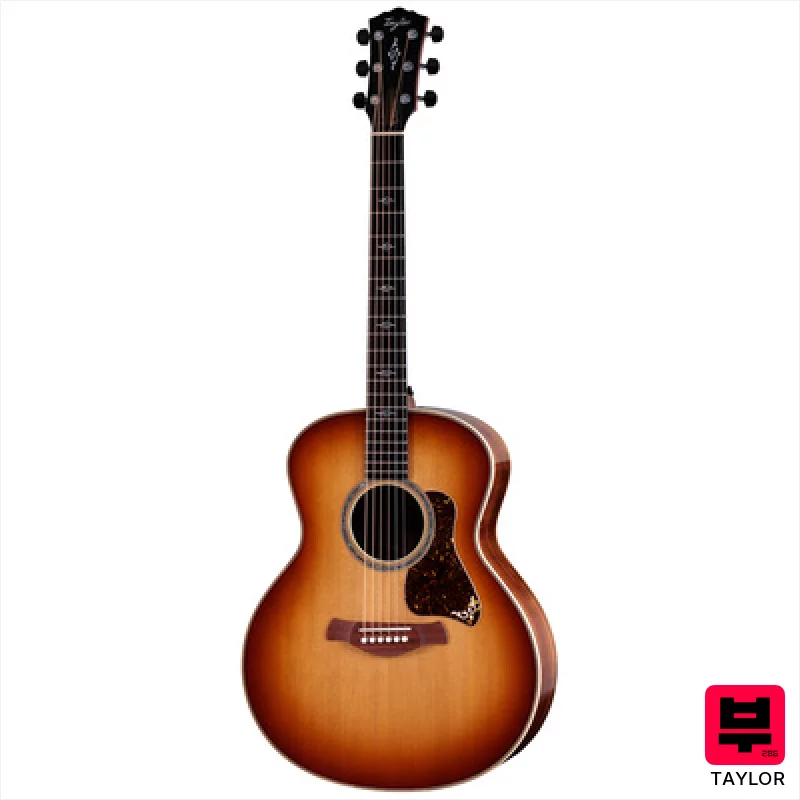
Taylor Gold Label 814e Koa Sunburst
- • Koa back/sides deliver a rich, warm tone with shimmering overtones.
- • Torrefied Sitka top provides enhanced projection and responsiveness.
- • L.R. Baggs Element VTC offers a natural, amplified sound with excellent feedback rejection.
- • Ebony fingerboard and 15” radius facilitate effortless playability and comfortable chording.
- • High-gloss finish can be a fingerprint magnet and feel less 'organic' to some.
- • Koa construction makes it a premium-priced instrument, limiting accessibility.
- • 25.5” scale leans towards a brighter, less 'woody' sound than some prefer.
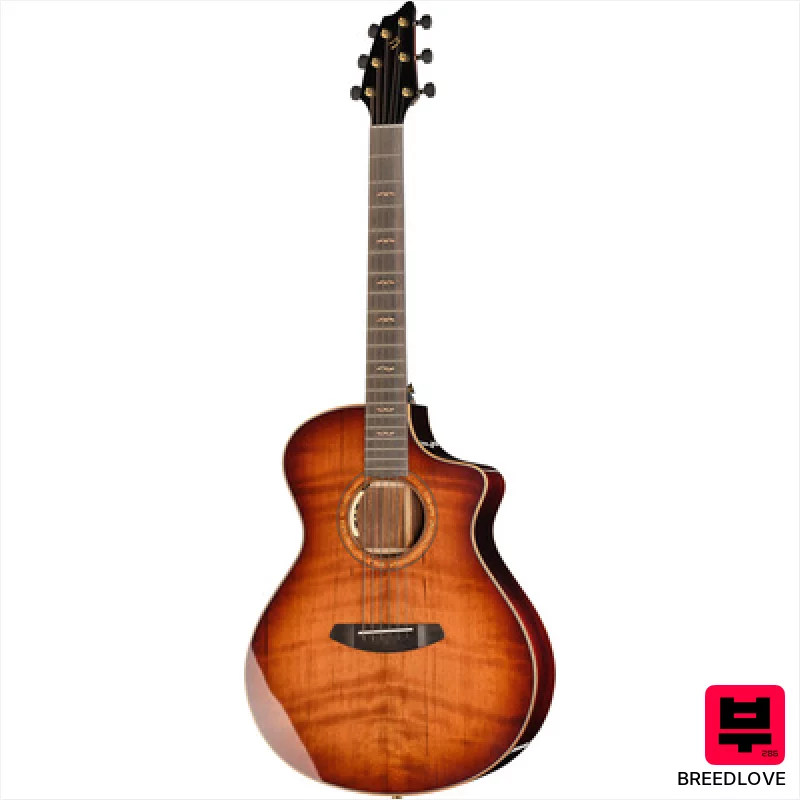
Breedlove Legacy Concert SB CE Redwood
- • Flamed redwood top delivers exceptional clarity and shimmering overtones.
- • Cocobolo back & sides provide rich, warm bass response and projection.
- • L.R. Baggs Anthem Tru-Mic system offers a remarkably natural amplified tone.
- • Honduran mahogany neck ensures comfortable playability and sustain.
- • Cocobolo's density can make the guitar feel somewhat heavy for extended playing.
- • The high-gloss Shadowburst finish may be prone to fingerprints and care requirements.
- • The 25.5” scale might feel slightly less comfortable for players used to shorter scales.
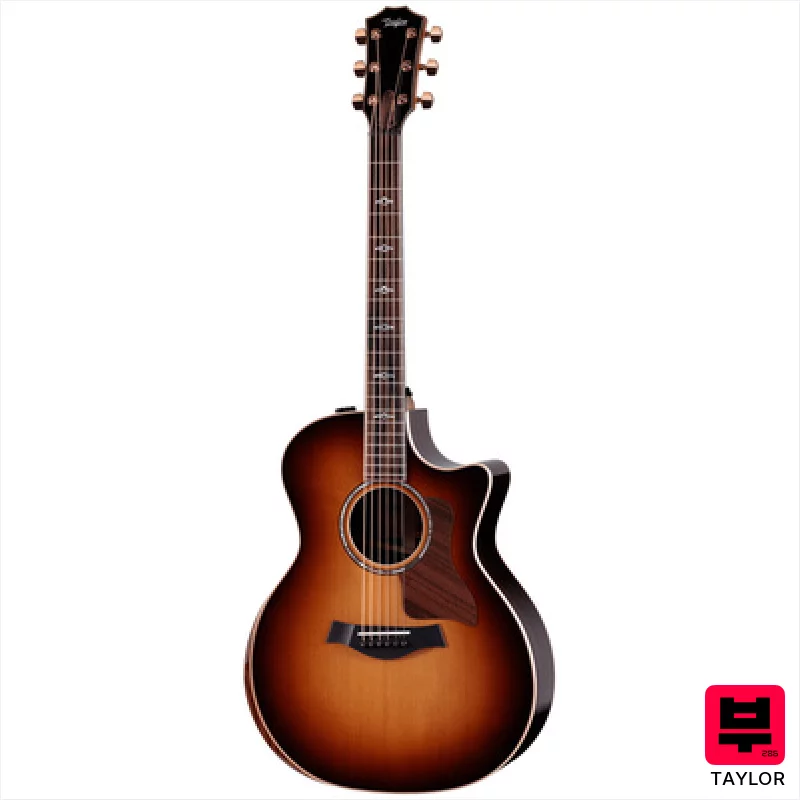
Taylor 814ce Special Edition Sedona
- • Exceptional rosewood back/sides deliver rich, complex overtones.
- • V-Class bracing provides unprecedented sustain and volume.
- • Expression System 2 pickup offers remarkably natural amplified tone.
- • Ebony fingerboard enhances playability with smooth, articulate feel.
- • Sedona Burst finish might not appeal to players preferring understated aesthetics.
- • Grand Auditorium body, while versatile, isn’t ideal for aggressive percussive playing.
- • Premium-priced, representing a significant investment for many players.
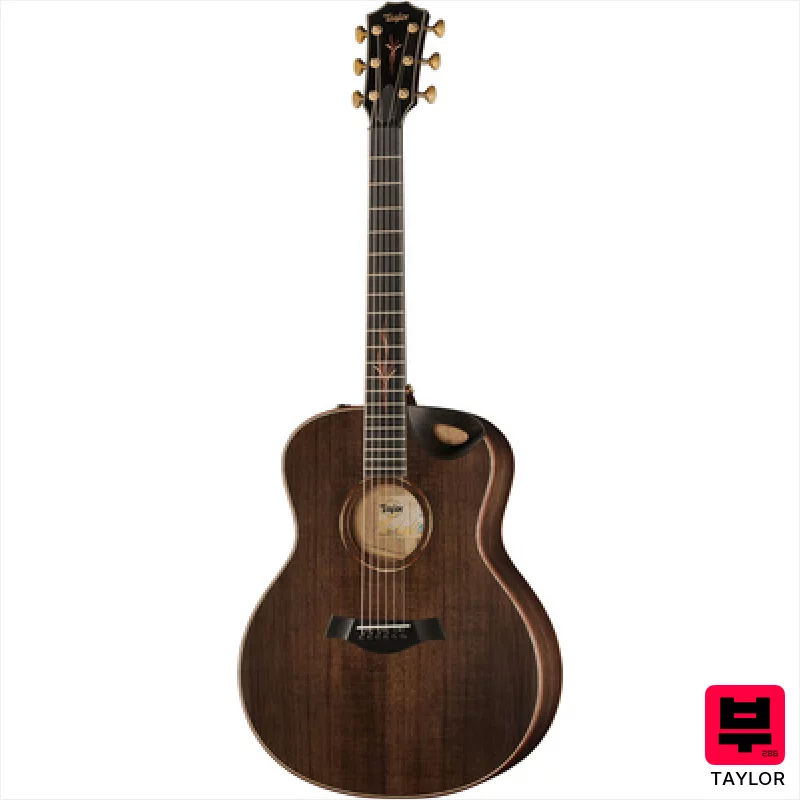
Taylor C26ce Grand Symphony Custom
- • Tasmanian blackwood provides exceptional warmth and complex overtones.
- • Expression System 2 offers remarkably natural amplified tone and feedback resistance.
- • V-Class bracing delivers impressive volume and sustain with balanced response.
- • Bloodwood accents add stunning visual appeal and contribute to a refined aesthetic.
- • The all-blackwood construction can result in a slightly darker, less bright tone profile.
- • The Grand Symphony body makes it a larger guitar, potentially less comfortable for smaller players.
- • Premium-priced, limiting accessibility for many players despite its exceptional quality.
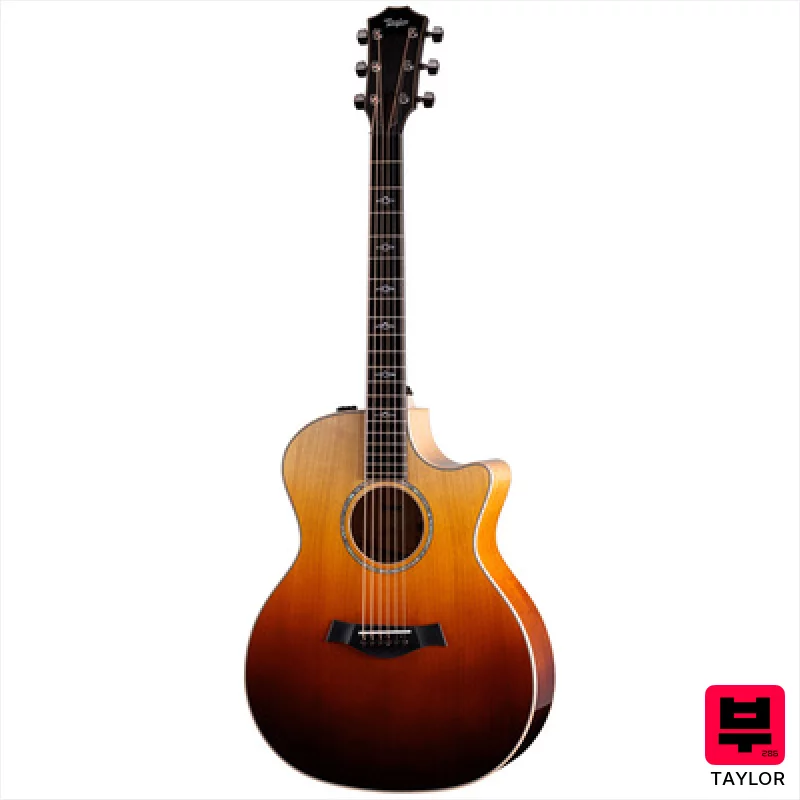
Taylor Custom #11: Whiskey Sunrise
- • Urban ash top and back deliver a uniquely balanced, articulate tone.
- • V-Class bracing enhances sustain and projection, a noticeable improvement.
- • Expression System 2 pickup provides exceptionally natural amplified sound.
- • Crelicam ebony fingerboard offers a smooth, refined playing experience.
- • Urban ash, while beautiful, might not appeal to players seeking a traditional tonewood.
- • The premium-priced nature limits accessibility for many players.
- • Grand Auditorium body may be slightly large for smaller players or travel.

Martin Guitar Custom Shop 000 Black Walnut
- • Black walnut back/sides deliver a uniquely warm, complex tonal palette.
- • Solid spruce top provides excellent projection and responsiveness across the spectrum.
- • Ebony fingerboard and 16” radius offer smooth playability and comfortable action.
- • Custom Shop construction ensures meticulous attention to detail and superior build quality.
- • Black walnut can be less common, potentially impacting resale value.
- • The 1.75” nut width may feel narrow for players accustomed to wider necks.
- • Premium-priced, representing a significant investment for many players.
How to Choose the Best Other Acoustic Guitars
Body Shape & Size
This is huge. A jumbo will have more low-end thump and projection than a parlor, obviously. But a smaller body might be more comfortable for smaller players or easier to mic cleanly in a studio. Think about where you'll be playing and what kind of tone you're after.
Bracing Pattern
Different bracing patterns (X-bracing, scalloped X-bracing, fan bracing) dramatically affect the guitar's responsiveness and tonal color. Scalloped bracing generally offers a more open, resonant sound with longer sustain, but can be less structurally rigid - something to consider if you're a hard strummer.
Tonewood Combinations
Mahogany tends to be warmer and more focused, while spruce offers a brighter, more articulate response. Rosewood adds complexity and overtones, often described as 'richness.' Don't get caught up in marketing hype; listen for how these combinations actually interact and whether they suit your playing style.
Neck Profile & Scale Length
A chunky neck profile might be comfortable for some, a slim taper for others. Scale length (the distance from the nut to the bridge) impacts string tension and feel - a shorter scale feels slinkier, while a longer scale provides more clarity and projection, but requires more finger strength.
Pickup Voicing (If Applicable)
If you're looking for an acoustic-electric, the pickup system is critical. A piezo can sound brittle and harsh if not voiced carefully; a magnetic pickup might lack the nuance of a true acoustic. Listen for naturalness and how well the pickup captures the guitar's inherent tonal qualities.
Buying Guide
Don't chase the looks alone. A beautiful guitar that sounds like a tin can is still a disappointment. Be honest with yourself about your playing style and what you need from an acoustic - gigging needs are different than bedroom practice. Corners get cut most often in bracing quality and hardware; cheap tuners will drive you crazy onstage. Paying a little more for a solid top and a decent setup is almost always worth it.
How This List Is Built
We don't play these instruments — we're a catalog, not a review desk, and we'd rather say so than pretend otherwise. This page ranks 15 other acoustic guitars from the Thomann catalogue, which is the largest single source of specification data in this category.
Position is computed, not curated. Four signals, in order of weight: how completely the manufacturer documents the instrument (number of published specifications), where it sits in the price range, how specific the model designation is — which filters out generic accessories — and whether a product image exists. The same inputs always produce the same order, so nothing here is shuffled to look fresh.
What this list is good for: narrowing a category down to a shortlist by spec and budget. What it isn't: a substitute for hearing an instrument. Before you buy, read hands-on reviews and, where you can, play it. Full methodology.

