
Best Yamaha Other Acoustic Guitars 2026
Alright, so you're looking past the ubiquitous FG800 and LL16 - smart move. Yamaha's 'other' acoustics often get overlooked, but they're seriously solid instruments, especially if you're chasing a reliable workhorse that doesn't break the bank. We're talking about guitars that can handle a gig, lay down a clean track, or just be a comfortable practice partner without leaving you feeling like you overspent. Let's dive into what makes these guitars tick.
Last updated: April 11, 2026
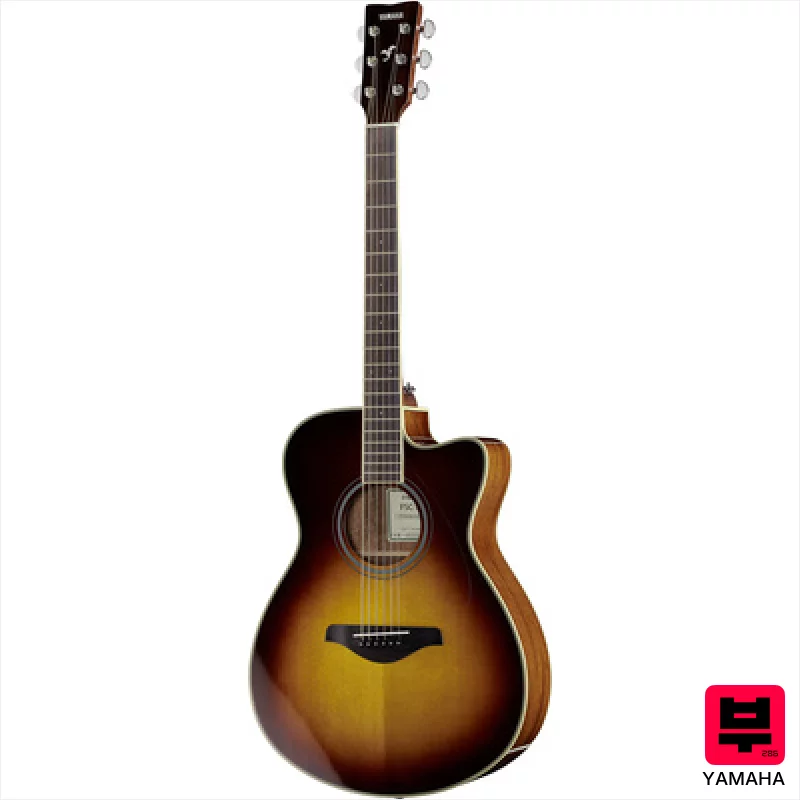
Yamaha FSC-TA Brown Sunburst
- • Solid spruce top delivers a bright, responsive, and articulate tone.
- • Mahogany body provides warmth and a focused midrange character.
- • System 70+SRT pickup offers surprisingly natural amplified sound and effects.
- • Die-Cast tuners ensure stable tuning and reliable performance.
- • Shorter scale length may feel cramped for players with larger hands.
- • Mahogany construction can lack the complexity of rosewood back/sides.
- • The onboard effects, while good, are ultimately a digital enhancement.

Yamaha Transacoustic LS-TA BS
- • Engelmann spruce top delivers a responsive, balanced tone with clear projection.
- • Rosewood back and sides add warmth and sustain, excellent for fingerstyle.
- • System 70 TransAcoustic technology offers impressive built-in amplification without external power.
- • Ebony fingerboard and mahogany/rosewood neck provide smooth playability and comfortable feel.
- • Rosewood can be prone to cracking in very dry climates, requiring careful humidity control.
- • The TransAcoustic system, while convenient, isn’t a replacement for a high-end acoustic amp.
- • The brown sunburst finish, while attractive, might not appeal to players seeking a more traditional look.

Yamaha Transacoustic LS-TA VT
- • Engelmann spruce top delivers a responsive, articulate voice.
- • Rosewood back/sides add warmth and sustain beautifully.
- • System70 Transacoustic technology eliminates the need for external amps.
- • Ebony fretboard and 44mm nut provide comfortable, professional playability.
- • Rosewood can be a bit brittle for aggressive playing styles.
- • Vintage Tint finish might not appeal to players preferring a modern aesthetic.
- • Transacoustic functionality, while innovative, has a learning curve.

Yamaha FSC-TA Vintage Tint
- • Solid spruce top delivers a bright, responsive, and articulate tone.
- • Mahogany body provides warmth and focused mid-range frequencies.
- • System 70+SRT pickup offers surprisingly natural amplified sound with adjustable effects.
- • Die-cast tuners ensure stable tuning and precise intonation.
- • Vintage tint finish might appear a bit dated for some players’ tastes.
- • Mahogany body can be slightly heavier than guitars with lighter tonewoods.
- • System 70+SRT while good, isn't a substitute for a high-end acoustic pickup system.
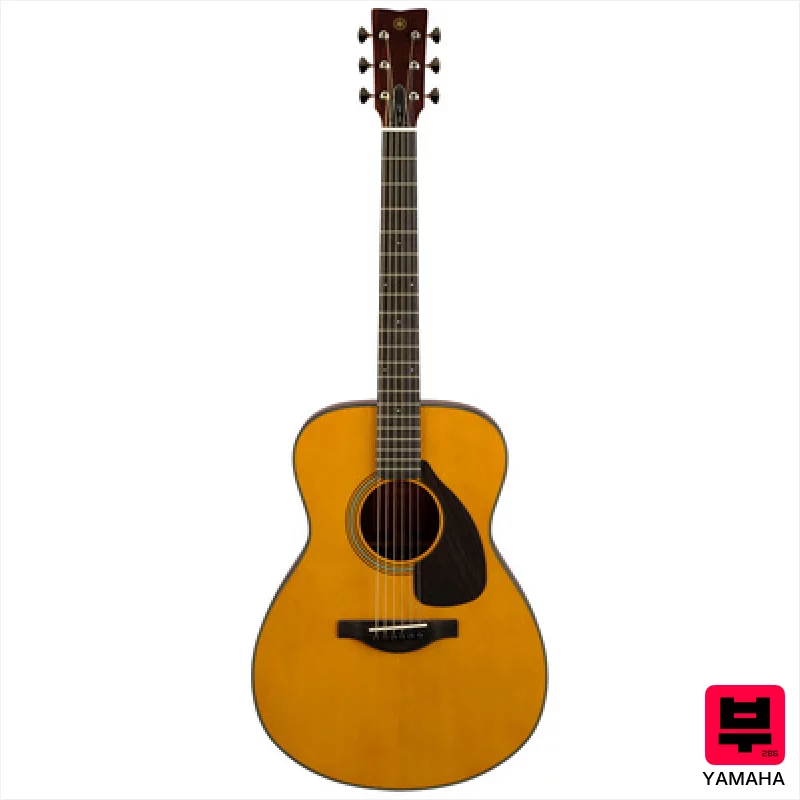
Yamaha FS5G NT Gloss
- • A.R.E. treatment noticeably enhances resonance and projection, adding warmth.
- • Solid mahogany back and sides deliver a focused, balanced tonal character.
- • Ebony fingerboard provides a slick, responsive playing experience for fast runs.
- • Japanese craftsmanship ensures excellent build quality and consistent fretwork.
- • High-gloss finish might be a fingerprint magnet and less appealing to some.
- • Mahogany construction limits versatility; less bright than maple or rosewood.
- • The shorter scale length can feel a bit cramped for players with larger hands.
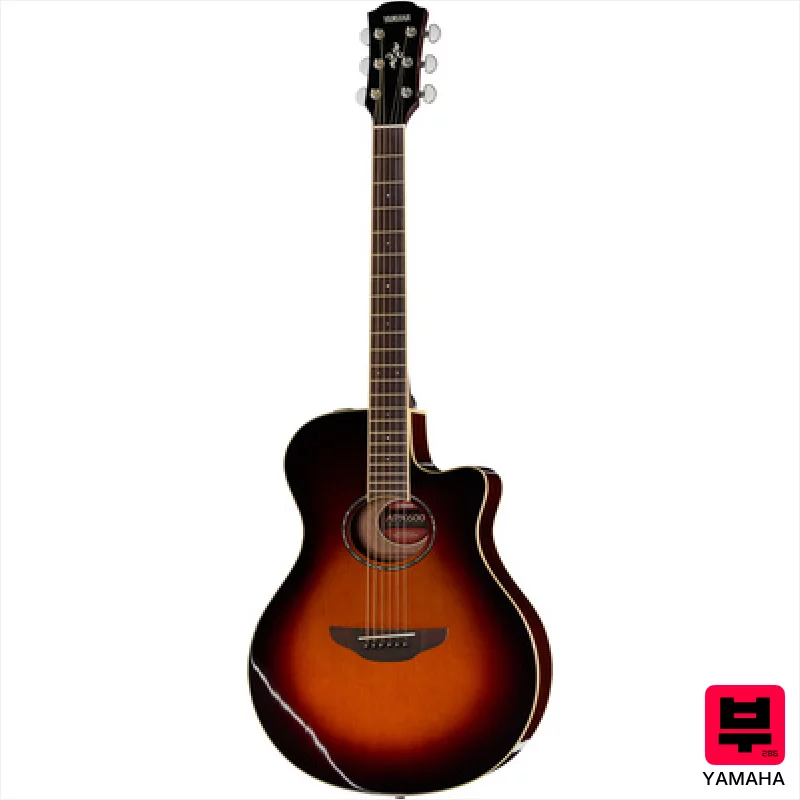
Yamaha APX 600 Old Violin Sunburst
- • Spruce top delivers a bright, responsive acoustic tone.
- • Nato back and sides offer a balanced, warm foundation.
- • System 65 + SRT pickup provides surprisingly natural amplified sound.
- • Rosewood fingerboard and bridge enhance sustain and tonal complexity.
- • Nato body construction limits high-end clarity compared to all-spruce models.
- • 43mm nut width may feel wide for players accustomed to narrower necks.
- • Old Violin Sunburst finish can appear somewhat plain for some tastes.
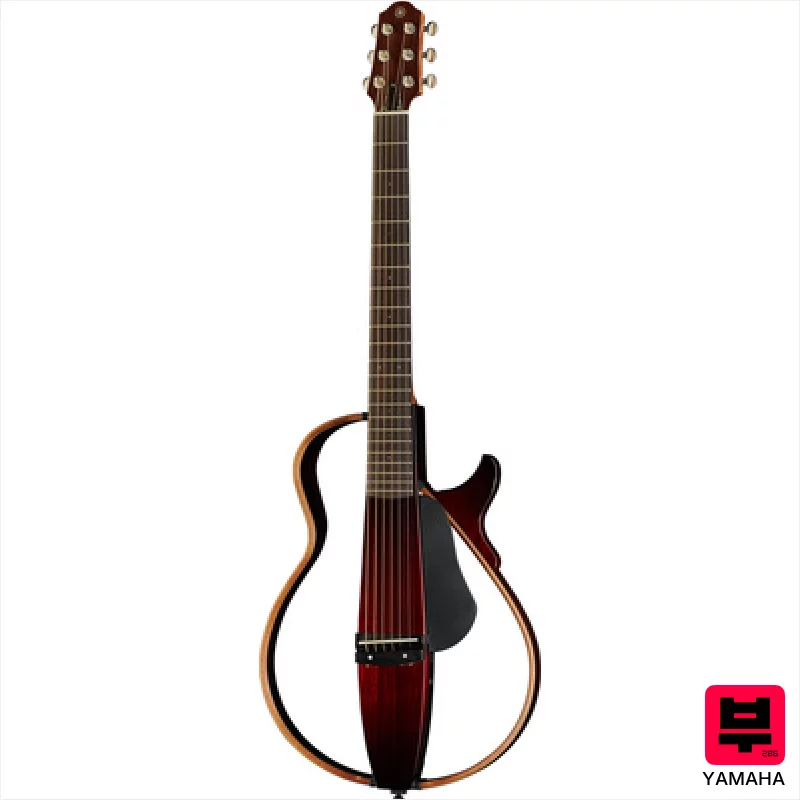
Yamaha SLG200S CRB
- • Mahogany body delivers warm, focused acoustic tone.
- • SRT Piezo pickup system offers surprisingly natural amplified sound.
- • Compact design and silent practice capabilities are incredibly convenient.
- • Rosewood frame and fingerboard add a touch of premium feel and playability.
- • The smaller scale length might feel cramped for players with larger hands.
- • Limited tonal versatility compared to traditional acoustic guitars.
- • The 'silent' feature is best for practice, not stage performance.

Yamaha SLG200S TBK
- • Mahogany body delivers a warm, focused acoustic tone.
- • SRT Piezo pickups and Royer R-122 modeling offer surprisingly realistic amp tones.
- • Silent operation is genuinely effective for practice and recording.
- • Maple/Rosewood neck provides comfortable playability and good sustain.
- • The 'silent' nature inherently limits acoustic resonance and projection.
- • Mahogany construction lacks the bright, airy character of some other tonewoods.
- • Blend control effects are decent but lack nuance compared to dedicated pedals.
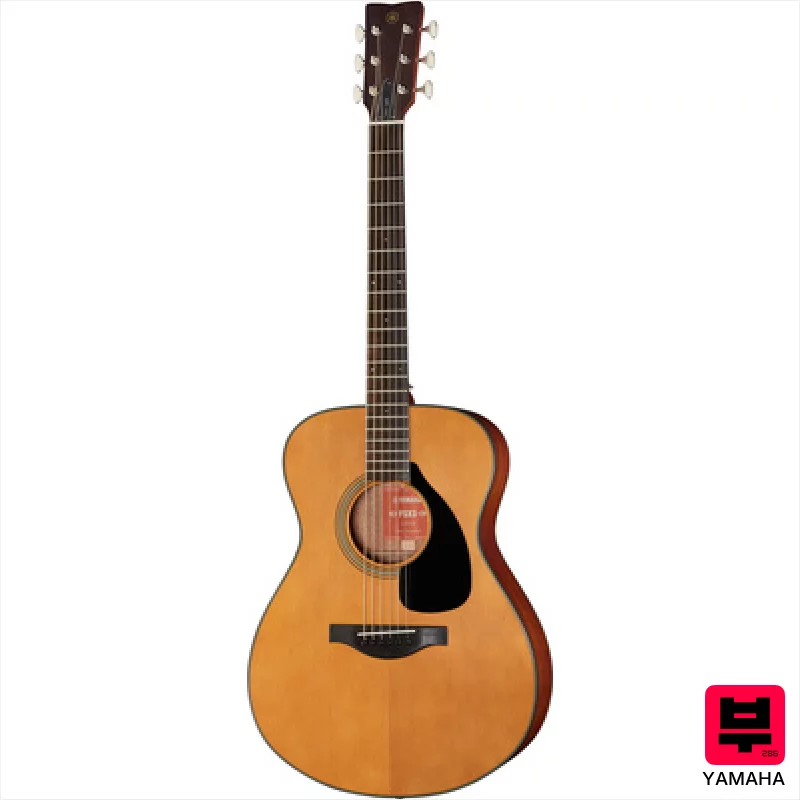
Yamaha FSX3 NT
- • Solid spruce top with A.R.E. treatment delivers a mature, responsive tone.
- • Mahogany back and sides contribute warmth and focused mid-range presence.
- • Atmosfeel pickup system offers surprisingly natural amplified sound and blending options.
- • Ebony fingerboard provides a smooth, fast playing experience with excellent note definition.
- • Solid mahogany construction might lack the ultimate projection of a rosewood alternative.
- • The black pickguard feels a bit visually stark against the natural finish.
- • While versatile, it's best suited for fingerstyle and lighter strumming; not a full-on bluegrass powerhouse.

Yamaha SLG200S TBS
- • Mahogany body provides a warm, focused acoustic tone.
- • SRT Piezo pickups and Royer R-122 modeling offer surprisingly realistic amp tones.
- • Maple/Rosewood frame enhances resonance and adds a touch of elegance.
- • Silent operation via headphones is perfect for practice and quiet environments.
- • Mahogany construction limits high-end sparkle compared to brighter woods.
- • SRT modeling, while good, won’t fully replicate a high-end acoustic amplifier.
- • The neck profile, while comfortable, may not suit all playing styles.

Yamaha SLG200S NA
- • Mahogany body delivers a warm, focused acoustic tone.
- • SRT Piezo pickups and Royer modeling offer surprisingly realistic amp sounds.
- • Maple/Rosewood frame provides excellent rigidity and resonance.
- • Includes essential accessories: bag, headphones, batteries for immediate use.
- • Mahogany construction can limit high-end sparkle; lacks bright articulation.
- • Blend control’s smooth effect can sometimes sound artificial.
- • Silent operation is best for practice; lacks the projection of a traditional acoustic.
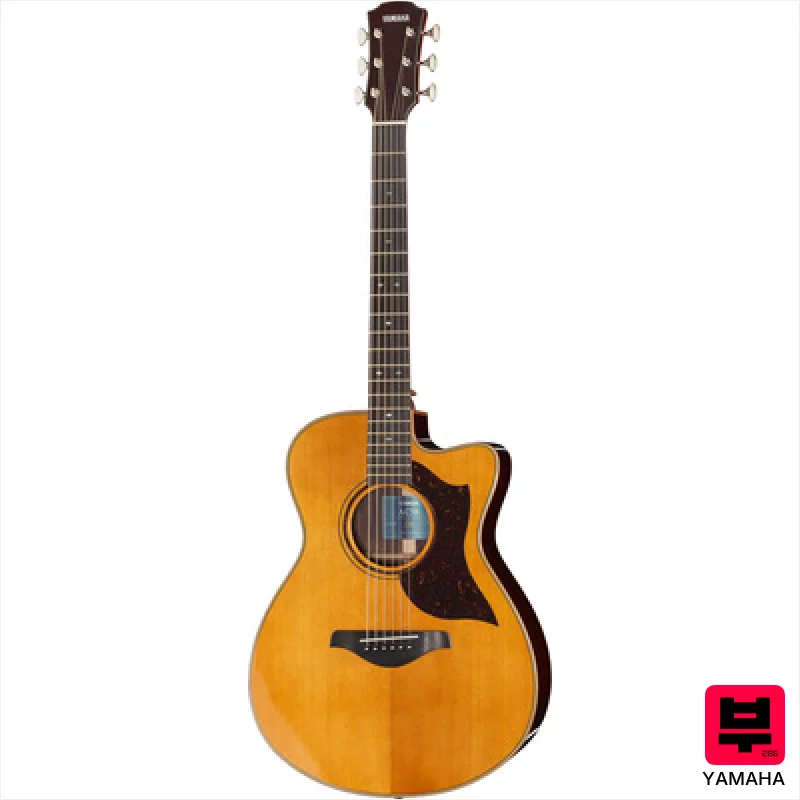
Yamaha AC5R ARE
- • Solid ARE spruce top delivers a responsive, aged-in tone.
- • Rosewood back/sides provide rich overtones and sustain.
- • Gotoh open-gear tuners offer smooth, precise tuning stability.
- • System 71 preamp with SRT piezo offers surprisingly natural amplified sound.
- • Rosewood can be a bit 'woody' initially; requires break-in.
- • Vintage natural high gloss finish may show fingerprints easily.
- • Scale length might feel slightly longer for players with smaller hands.

Yamaha FS3 NT
- • Solid spruce top with A.R.E. delivers surprisingly mature resonance.
- • Mahogany back and sides provide a warm, focused tone.
- • Ebony fretboard and Gotoh tuners offer excellent playability and stability.
- • Compact concert body size is comfortable for smaller players and travel.
- • Mahogany construction can lack the broad dynamic range of rosewood.
- • Black pickguard feels a bit utilitarian, aesthetically.
- • Limited upper-midrange sparkle might not suit all playing styles.
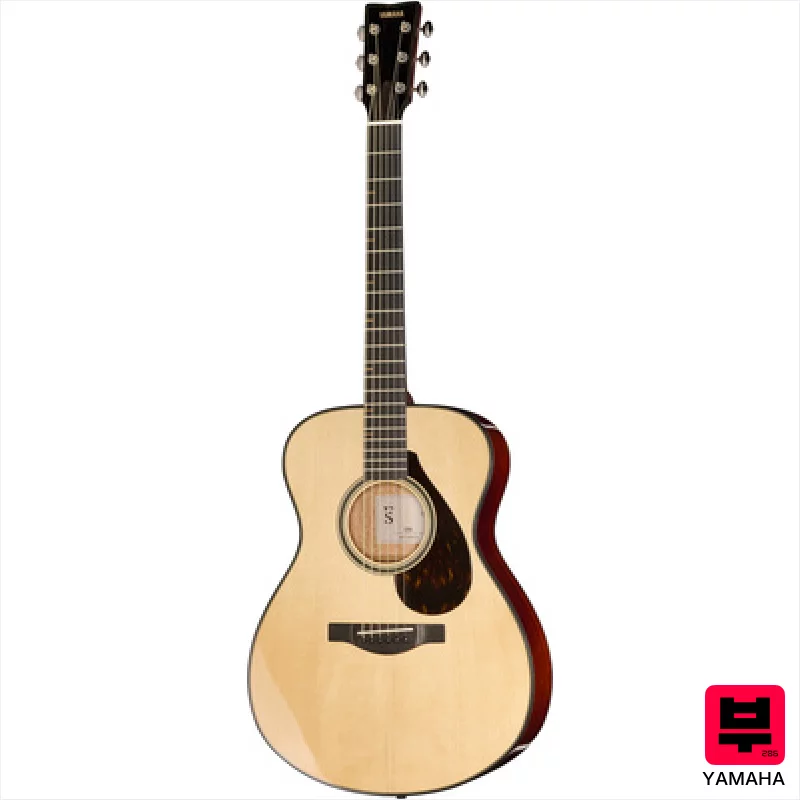
Yamaha FS 9M NT
- • Spruce top delivers a clear, articulate tone with excellent projection.
- • African mahogany back/sides provide warmth and sustain, balancing the brightness.
- • Ebony fingerboard offers a smooth, responsive playing experience and great note definition.
- • Japanese craftsmanship ensures exceptional build quality and long-term reliability.
- • Modified V neck profile may not suit players preferring a more modern 'C' shape.
- • Premium-priced, representing a significant investment for many players.
- • While versatile, its tonal character leans towards a more focused, less overtly 'bright' acoustic voice.

Yamaha APX 600 Vintage White
- • Spruce top delivers clear, articulate projection with warmth
- • Nato back and sides offer surprising resonance for the price point
- • System 65 + SRT pickup system provides usable amplified tones
- • Rosewood fingerboard and bridge contribute to a smooth playing feel and sustain
- • Nato body lacks the tonal complexity of mahogany or rosewood
- • Vintage White finish might be a bit too flashy for some players
- • The 'tone wood' neck description is vague; likely a composite or treated nato
How to Choose the Best Other Acoustic Guitars
Build Quality & Materials
Yamaha consistently delivers excellent build quality for the price. You're getting solid spruce tops (usually Sitka, sometimes Engelmann) and layered back and sides, which means decent projection and a mature tone that improves with age. The bracing patterns are well-considered - not as fancy as some boutique builders, but efficient and reliable.
Tone Characteristics
Yamaha's signature sound is often described as balanced and articulate. It's not going to have that Martin 'boom' or Taylor 'sparkle' - it's more even across the frequency spectrum, with a clear midrange. This makes them surprisingly versatile, cutting through a band mix without getting muddy, and translating well to recordings.
Playability
Neck profiles are generally comfortable - often a slim to medium C shape - making them accessible to players of various hand sizes. The action is usually set up well from the factory, though a professional setup can always elevate the playing experience. Lower action means easier chording, but too low and you risk buzzing.
Headroom & Dynamics
These guitars have good headroom. They can handle a good amount of strumming and percussive playing without immediately distorting. That's important for live gigs or when you're laying down a driving rhythm part. It's not a delicate instrument; it's built to be played.
Electronics (Where Applicable)
Yamaha's pickup systems, like the SRT series, are surprisingly good for what they are. They don't magically transform the guitar into a studio-grade acoustic-electric, but they offer a natural and usable amplified tone - not overly processed or brittle. The voicing tends to be accurate to the acoustic sound, which is a big plus.
Buying Guide
Don't expect exotic tonewoods or intricate inlays on the lower-priced models. Those corners get cut with simpler finishes and less ornate binding. However, even the more affordable Yamahas offer incredible value. Spend a bit extra for a model with a solid spruce top - the tonal improvement is noticeable, especially as it ages. A professional setup is almost always worth the investment, no matter the price point.
How This List Is Built
We don't play these instruments — we're a catalog, not a review desk, and we'd rather say so than pretend otherwise. This page ranks 15 other acoustic guitars from the Thomann catalogue, which is the largest single source of specification data in this category.
Position is computed, not curated. Four signals, in order of weight: how completely the manufacturer documents the instrument (number of published specifications), where it sits in the price range, how specific the model designation is — which filters out generic accessories — and whether a product image exists. The same inputs always produce the same order, so nothing here is shuffled to look fresh.
What this list is good for: narrowing a category down to a shortlist by spec and budget. What it isn't: a substitute for hearing an instrument. Before you buy, read hands-on reviews and, where you can, play it. Full methodology.

