
Best MIDI Interfaces Under $500 2026
So, you're looking to expand your MIDI setup without dropping a grand? Smart move. A solid MIDI interface isn't just for synth nerds; it's essential for tight drum programming, controlling virtual instruments, and getting a clean signal to your audio interface. We've hunted down the best MIDI interfaces under $500 that actually deliver on performance and reliability, not just marketing hype.
Last updated: April 11, 2026
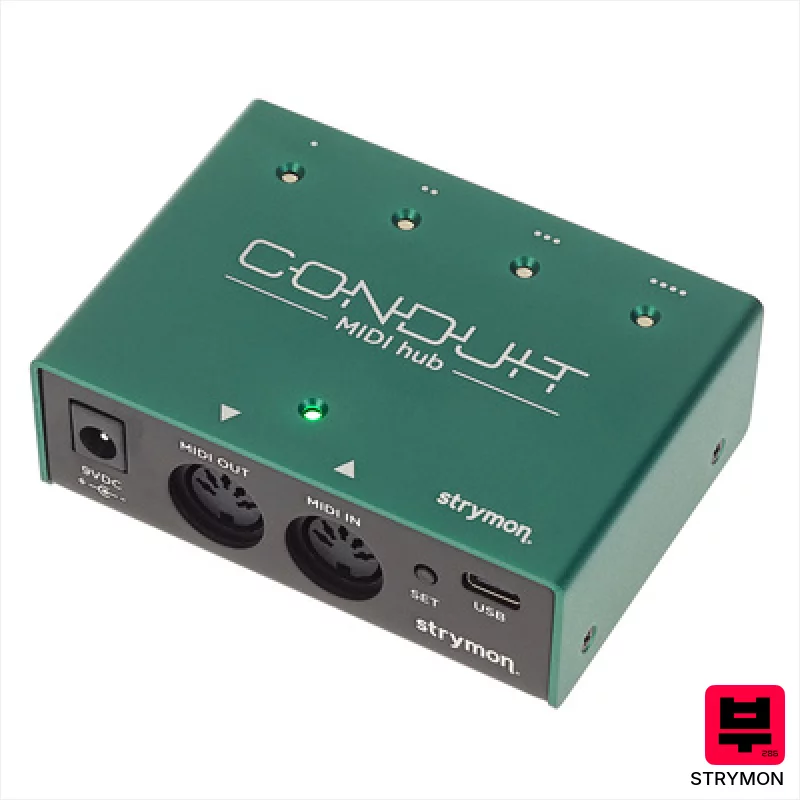
Strymon Conduit MIDI Hub
- • Four 6.3mm jacks simplify pedal chaining, a Strymon hallmark.
- • Robust build quality reflects Strymon's reputation for durability.
- • Seamless computer integration for advanced preset manipulation and SysEx.
- • Unified MIDI merging streamlines complex pedalboard setups effectively.
- • Limited channel count compared to more expensive, full-featured interfaces.
- • Power adapter dependency restricts portability and adds a cable.
- • 6.3mm jacks can be less secure than standard MIDI DIN connectors.
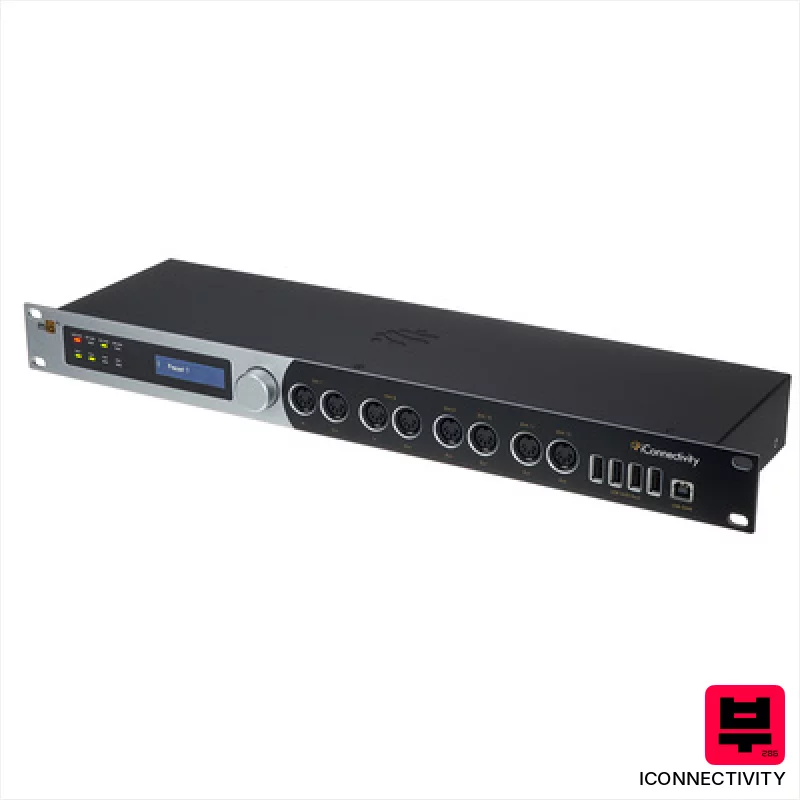
iConnectivity mioXL
- • Extensive MIDI I/O provides unmatched routing flexibility.
- • RTP-MIDI networking simplifies complex multi-computer setups.
- • Touch-sensitive control panel offers intuitive, immediate adjustments.
- • Robust 19in rackmount design ensures secure studio integration.
- • Price point places it beyond budget-conscious MIDI users.
- • Reliance on external Wi-Fi hub for wireless functionality is inconvenient.
- • Steep learning curve for mastering advanced routing matrix.
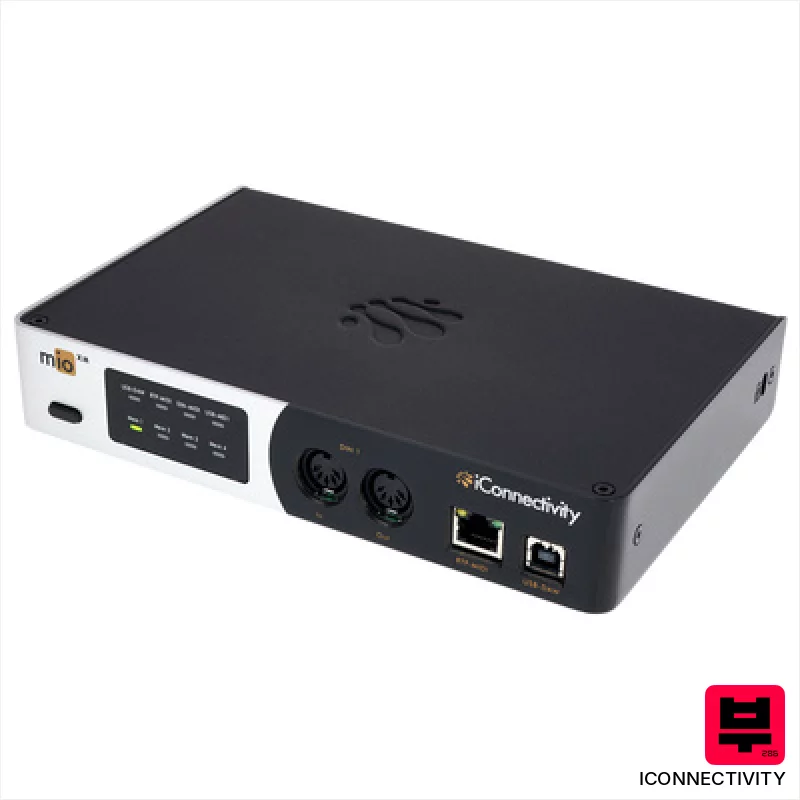
iConnectivity mioXM
- • Rock-solid MIDI routing, essential for complex setups.
- • RTP-MIDI networking a huge boon for mobile workflows.
- • Touch-sensitive controls offer intuitive, tactile adjustments.
- • Class-compliant operation simplifies connection to various devices.
- • The touch panel can be a little finicky with complex gestures.
- • WIFI functionality needs a separate hub, adding to the cost and complexity.
- • Limited physical controls beyond the touch panel.
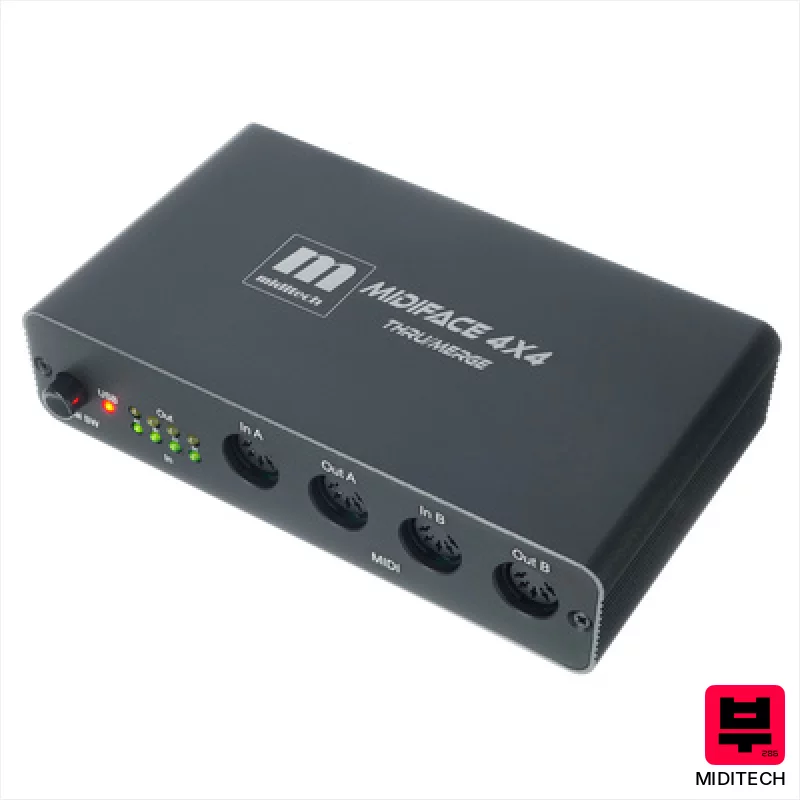
Miditech MIDIface 4x4 thru/merge
- • Four MIDI inputs offer flexibility for complex setups.
- • Standalone merge/thru functionality is genuinely useful and convenient.
- • Compact size makes it easy to integrate into tight studio spaces.
- • Class-compliant USB simplifies connection to modern computers.
- • Plastic enclosure feels a bit cheap for prolonged, gigging use.
- • Standalone mode requires external power, adding to cable clutter.
- • Limited channel count (64) could be restrictive for very large rigs.
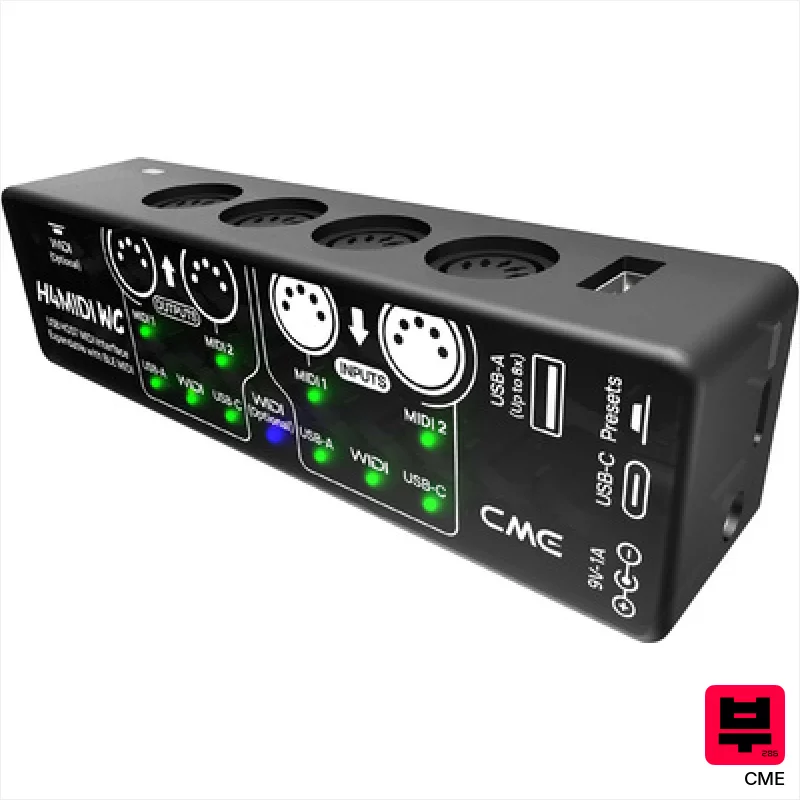
CME H4MIDI WC
- • Dual MIDI In/Out simplifies complex studio routing setups.
- • HxMIDI Tools software provides genuinely useful routing flexibility.
- • Compact size and lightweight design are ideal for travel or pedalboard use.
- • USB-C power option allows seamless integration with existing pedalboard power supplies.
- • Plastic enclosure feels somewhat fragile compared to metal alternatives.
- • Limited MIDI channel count (16) might restrict larger setups.
- • Bluetooth MIDI requires separate WIDI Core module, adding to overall cost.

CME U4MIDI WC
- • Excellent value for the number of MIDI ports offered.
- • HxMIDI Tools software provides surprisingly deep routing capabilities.
- • Compact size makes it ideal for mobile setups and pedalboards.
- • USB-C power option simplifies integration with modern equipment.
- • Plastic enclosure feels a bit flimsy for frequent travel or heavy use.
- • Bluetooth MIDI requires the separate WIDI Core extension, adding cost.
- • Limited physical controls beyond the LED indicators.
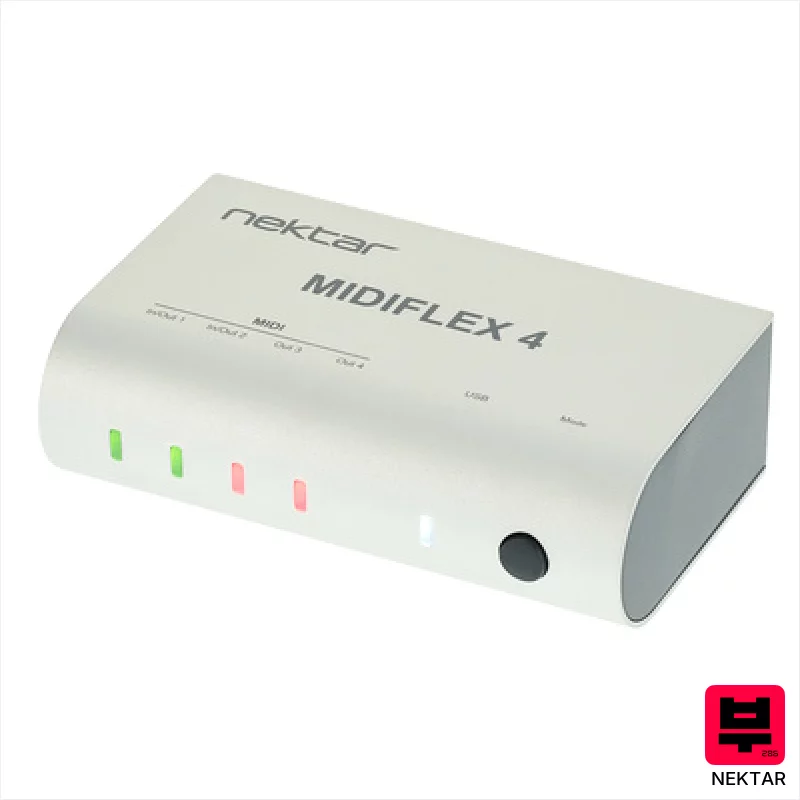
Nektar MIDIFLEX 4
- • Robust aluminum housing provides excellent durability for studio use
- • Flexible routing options (merge/split) offer surprising versatility
- • Autosense functionality simplifies setup and eliminates compatibility headaches
- • Included Bitwig 8-Track is a solid bonus for beginners
- • Limited number of MIDI ports might restrict complex setups
- • Compact size could be a challenge in cramped workspaces
- • USB power only limits use outside of computer-powered scenarios

CME C2MIDI Pro
- • Retractable USB-C simplifies cable management and reduces clutter.
- • Standalone filtering/mapping removes computer dependency for basic tasks.
- • HxMIDI Tools software provides powerful, accessible MIDI manipulation.
- • Compact, lightweight design (89g) enhances portability and convenience.
- • Single MIDI In/Out limits complexity for larger studio setups.
- • USB-C only connectivity restricts compatibility with older devices.
- • Plastic housing feels somewhat budget-oriented, not premium.
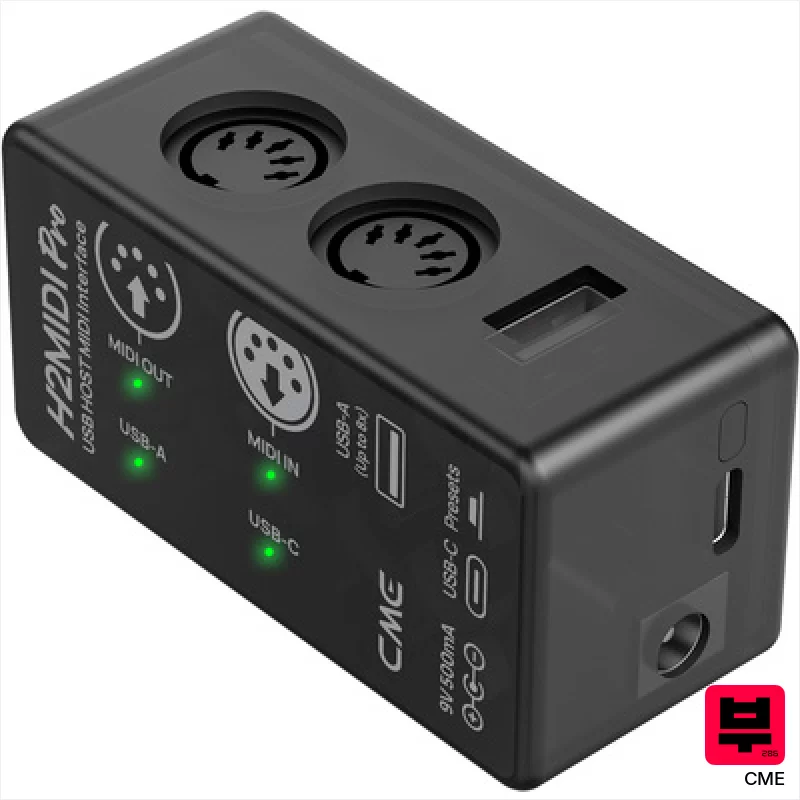
CME H2MIDI Pro
- • Extremely compact and lightweight, ideal for travel setups.
- • HxMIDI Tools software offers surprisingly robust routing capabilities.
- • Dual USB-C and USB-A connections provide flexible host/client options.
- • Bus-powered via USB-C simplifies integration with laptops and mobile devices.
- • Limited MIDI ports; only one input and one output.
- • 9V DC power option requires sourcing a separate power supply.
- • Plastic enclosure feels a bit fragile for constant gigging.
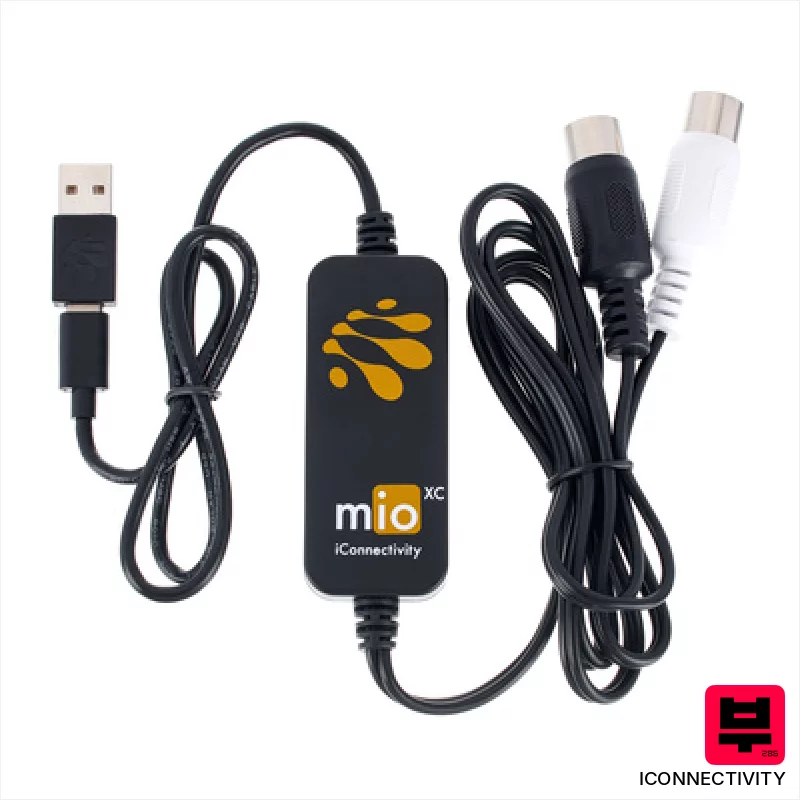
iConnectivity mioXC
- • Robust iConnectivity build quality, known for reliability
- • Truly plug-and-play operation across multiple platforms
- • Compact size makes it ideal for mobile setups
- • USB-C compatibility ensures future-proofing and convenience
- • Single MIDI port limits complex routing scenarios
- • Bus-powered only; no external power option
- • Basic functionality; lacks advanced features like tempo sync
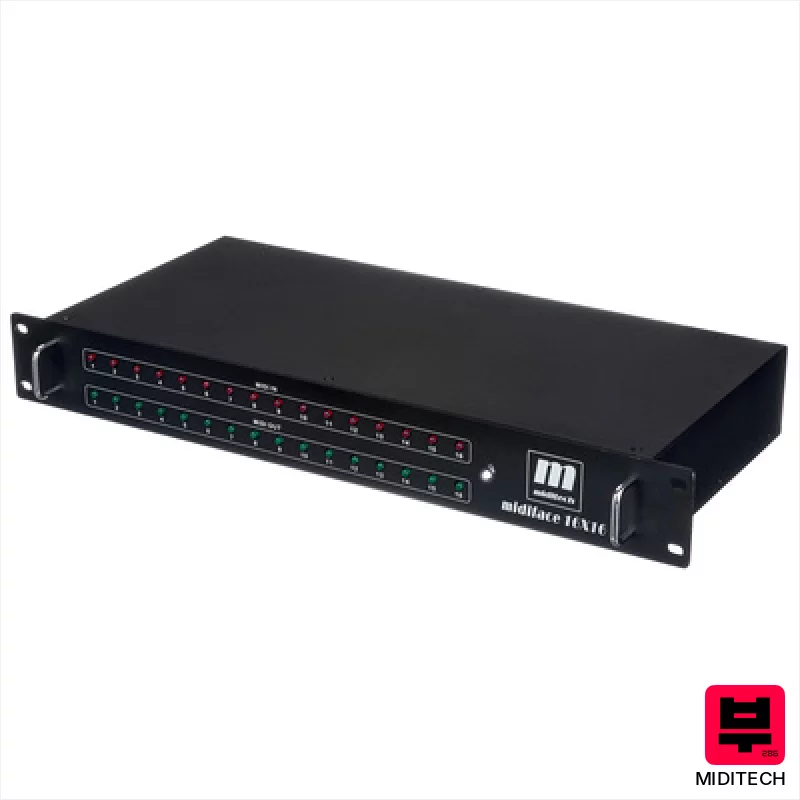
Miditech Midiface 16x16
- • Metal housing provides robust protection and a professional feel
- • 16x16 port count is excellent for complex MIDI setups
- • Class-compliant USB simplifies connectivity across various systems
- • Activity LEDs offer clear visual feedback on MIDI traffic
- • Size (483 x 6 x 205 mm) makes it less portable than smaller interfaces
- • Limited operating system support; older systems aren't guaranteed compatibility
- • USB 1.1 compatibility might restrict bandwidth for some applications

Miditech MIDIface 2x2
- • Solid aluminum enclosure provides unexpected durability for the price
- • Class-compliant drivers simplify setup across various operating systems
- • Compact size makes it ideal for travel or limited space setups
- • Includes essential MIDI cables, a nice touch for budget users
- • Limited to two MIDI ports restricts more complex setups
- • USB bus-powered only – no external power option
- • Status LEDs are basic and offer limited diagnostic information

Miditech MIDIface 4x4
- • Affordable entry point for basic MIDI expansion.
- • Class-compliant USB simplifies setup across operating systems.
- • Compact size makes it ideal for portable setups.
- • Solid plastic housing feels surprisingly robust for the price.
- • Limited MIDI channel support compared to higher-end interfaces.
- • Plastic enclosure lacks premium feel of metal alternatives.
- • No dedicated power supply; relies solely on USB bus power.

ESI M4U eX
- • 8 ports offer exceptional flexibility for complex setups
- • USB 3.0 ensures rock-solid latency for demanding projects
- • Thru/Merge capabilities expand routing options significantly
- • Compact size makes it ideal for portable or tight studio spaces
- • Plastic enclosure feels a bit budget-oriented, lacks premium heft
- • LED indicators, while colorful, can be overly bright in a dark room
- • Limited advanced routing customization beyond basic thru/merge

Miditech MIDIface 8x8
- • Eight MIDI inputs/outputs offer extensive connectivity for complex setups
- • Class-compliant USB simplifies setup across various operating systems
- • Compact size and bus-powered design enhance portability and convenience
- • Solid build quality for a budget-friendly MIDI interface.
- • Plastic enclosure feels somewhat budget compared to metal alternatives
- • Limited advanced routing capabilities compared to higher-end interfaces
- • No dedicated power adapter – reliance on USB power can be limiting.
How to Choose the Best MIDI Interfaces
Latency
This is the big one. Noticeable latency kills your groove, especially when playing keys or drums. We're looking for sub-10ms roundtrip latency at 96kHz, ideally lower. Anything higher and you'll feel it.
Port Count & Type
Do you need 1x1, 2x2, or more? Are you working with older gear that needs DIN connectors? A mix of DIN and USB/MIDI is a bonus, but be aware that DIN ports can sometimes introduce a little more noise.
Build Quality
A flimsy plastic box isn't going to survive a gig bag. We're looking for something that feels solid, with robust connectors and a decent weight. It doesn't need to be aircraft aluminum, but it shouldn't feel like it'll fall apart.
Driver Stability
The best interface is useless if the drivers are buggy. We're evaluating driver stability across different operating systems (Windows and macOS) and testing for dropouts and glitches.
Power Supply
An external power supply is usually a sign of a more reliable interface, especially if you're gigging. Internal power supplies can be more prone to noise and instability, particularly in venues with dodgy power.
Buying Guide
At this price point, you're making trade-offs. Don't expect pristine audio conversion or a boatload of features. Focus on latency and driver stability first. DIN ports are great for legacy gear, but USB/MIDI is generally cleaner and more flexible. Also, consider future expandability - a few extra ports now could save you headaches later.
How This List Is Built
We don't play these instruments — we're a catalog, not a review desk, and we'd rather say so than pretend otherwise. This page ranks 15 midi interfaces from the Thomann catalogue, which is the largest single source of specification data in this category.
Position is computed, not curated. Four signals, in order of weight: how completely the manufacturer documents the instrument (number of published specifications), where it sits in the price range, how specific the model designation is — which filters out generic accessories — and whether a product image exists. The same inputs always produce the same order, so nothing here is shuffled to look fresh.
What this list is good for: narrowing a category down to a shortlist by spec and budget. What it isn't: a substitute for hearing an instrument. Before you buy, read hands-on reviews and, where you can, play it. Full methodology.

