
Best CME MIDI Interfaces 2026
So you're diving into the MIDI world? Smart move-it opens up a universe of sonic possibilities. CME has quietly become a serious contender in the MIDI interface game, especially if you're looking for something a bit more... European. They've got a history rooted in hardware synths and controllers, and that translates to a thoughtful approach to MIDI routing and functionality you won't always find elsewhere.
Last updated: September 28, 2026
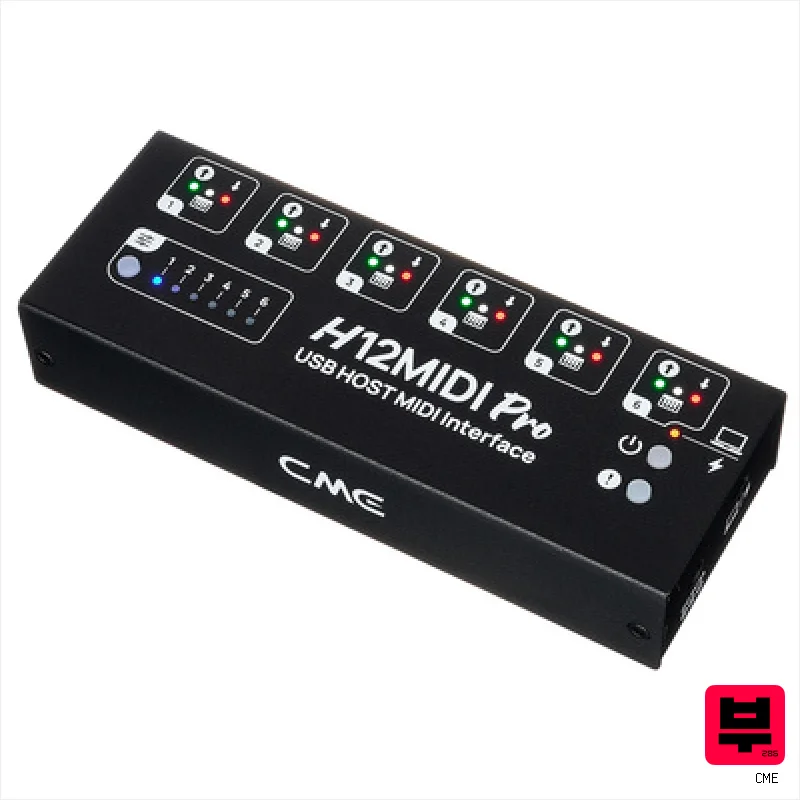
CME H12MIDI Pro
- • Switchable 3.5mm MIDI ports work with Type A and B connectors.
- • Internal memory lets you route MIDI without any computer.
- • Aluminium housing feels solid and durable for the price.
- • 25 LEDs show exactly what is happening inside the unit.
- • No dedicated analog audio inputs or outputs for sound.
- • Bluetooth requires the separate WIDI accessory to work.
- • Only one power adapter option is available for the unit.
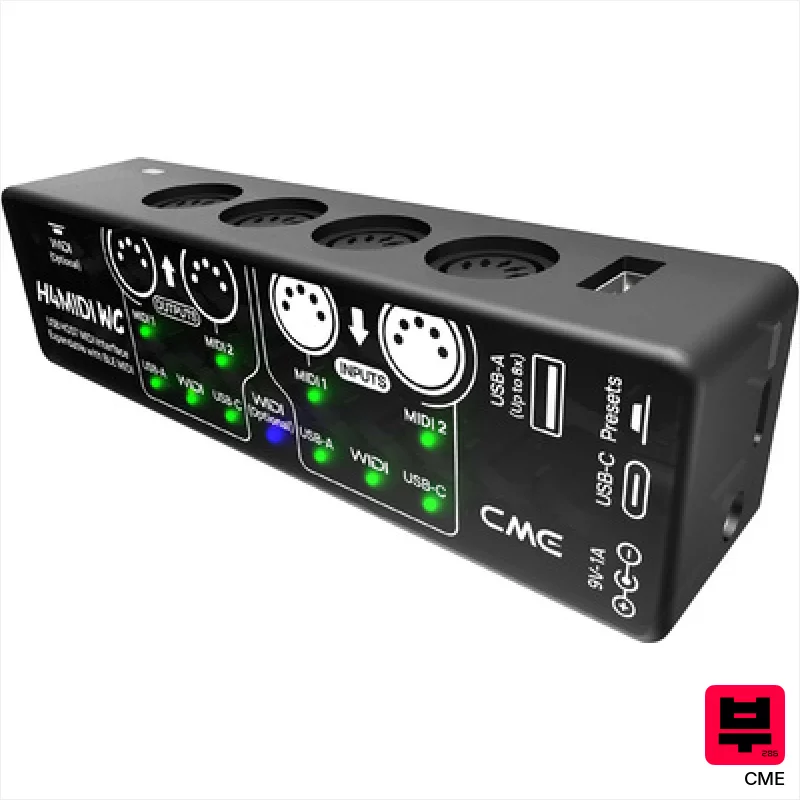
CME H4MIDI WC
- • Dual MIDI In/Out simplifies complex studio routing setups.
- • HxMIDI Tools software provides genuinely useful routing flexibility.
- • Compact size and lightweight design are ideal for travel or pedalboard use.
- • USB-C power option allows seamless integration with existing pedalboard power supplies.
- • Plastic enclosure feels somewhat fragile compared to metal alternatives.
- • Limited MIDI channel count (16) might restrict larger setups.
- • Bluetooth MIDI requires separate WIDI Core module, adding to overall cost.
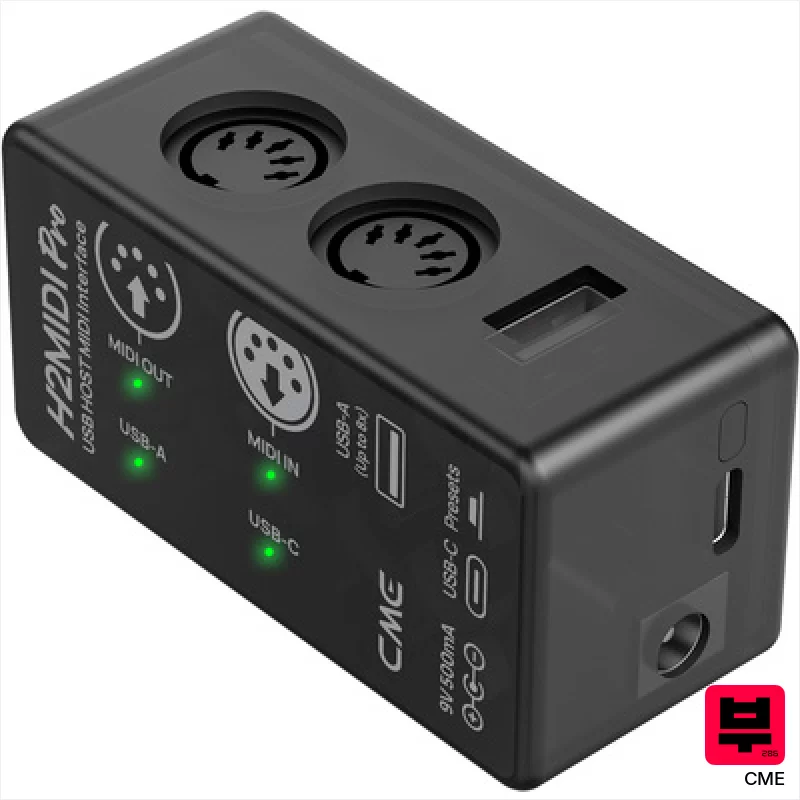
CME H2MIDI Pro
- • Extremely compact and lightweight, ideal for travel setups.
- • HxMIDI Tools software offers surprisingly robust routing capabilities.
- • Dual USB-C and USB-A connections provide flexible host/client options.
- • Bus-powered via USB-C simplifies integration with laptops and mobile devices.
- • Limited MIDI ports; only one input and one output.
- • 9V DC power option requires sourcing a separate power supply.
- • Plastic enclosure feels a bit fragile for constant gigging.

CME U4MIDI WC
- • Excellent value for the number of MIDI ports offered.
- • HxMIDI Tools software provides surprisingly deep routing capabilities.
- • Compact size makes it ideal for mobile setups and pedalboards.
- • USB-C power option simplifies integration with modern equipment.
- • Plastic enclosure feels a bit flimsy for frequent travel or heavy use.
- • Bluetooth MIDI requires the separate WIDI Core extension, adding cost.
- • Limited physical controls beyond the LED indicators.

CME C2MIDI Pro
- • Retractable USB-C simplifies cable management and reduces clutter.
- • Standalone filtering/mapping removes computer dependency for basic tasks.
- • HxMIDI Tools software provides powerful, accessible MIDI manipulation.
- • Compact, lightweight design (89g) enhances portability and convenience.
- • Single MIDI In/Out limits complexity for larger studio setups.
- • USB-C only connectivity restricts compatibility with older devices.
- • Plastic housing feels somewhat budget-oriented, not premium.
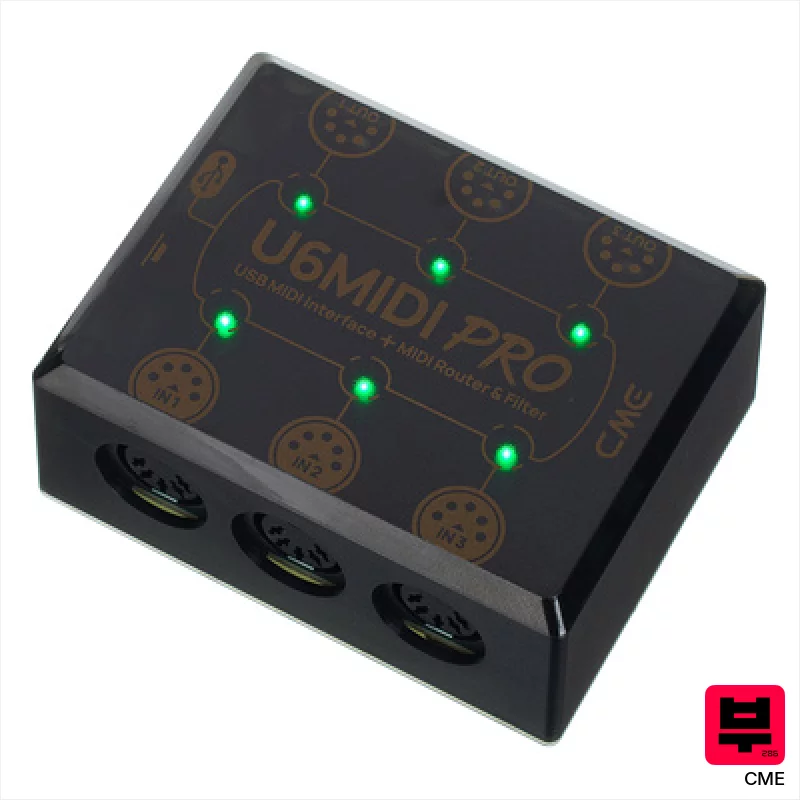
CME U6 MIDI Pro
- • Excellent port density for a compact unit; robust USB-C connection.
- • UxMIDI Tools offers genuinely useful routing and filtering capabilities.
- • Chromebook and Linux compatibility expands its usability significantly.
- • Very lightweight and portable; ideal for travel or small studios.
- • Plastic enclosure feels somewhat flimsy; lacks premium build feel.
- • Software dependency limits flexibility without the UxMIDI Tools.
- • Limited to USB bus power; no external power option available.

CME U2 MIDI Pro
- • Compact size minimizes desk clutter, ideal for mobile setups.
- • UxMIDI Tools software provides robust routing and filtering capabilities.
- • Class-compliant operation removes driver installation hassle.
- • USB-A connectivity offers broad compatibility with older devices.
- • Single MIDI In/Out limits complexity of routing scenarios.
- • USB-A connection feels dated compared to USB-C alternatives.
- • Plastic construction feels less premium than metal-encased interfaces.
MIDI Interfaces by the numbers
Measured across all 28 models in this category, so «wide», «short» or «expensive» mean something you can check.
How to Choose the Best MIDI Interfaces
Latency
CME interfaces consistently deliver low latency-critical for expressive playing, especially with virtual instruments. We're talking sub-3ms here, which means you're not fighting the interface; it's responding to your nuance. A sluggish interface kills the vibe, plain and simple.
Routing Flexibility
CME's software is where they really shine. It's not just A to B; you can create complex MIDI chains, split signals, and trigger multiple instruments based on a single input-a lifesaver for live performance or intricate studio setups.
Build Quality & Reliability
These aren't flimsy plastic boxes. CME's hardware feels solid, with robust connectors and a generally well-built feel. They've proven reliable in demanding gigging situations-we've seen them take a beating and keep ticking.
Driver Stability
Let's be honest, MIDI drivers can be a nightmare. CME's drivers are remarkably stable across different operating systems and DAWs, minimizing frustration and maximizing uptime. This is a huge deal when you're trying to get into the creative flow.
Tone Characteristics (MIDI Data)
Okay, MIDI doesn't have a tone, but the way a MIDI interface handles data transmission affects how your virtual instruments respond. CME's interfaces deliver clean, precise MIDI data, avoiding those frustrating glitches or missed notes that can ruin a performance.
Buying Guide
CME interfaces aren't the cheapest on the market, but you're paying for thoughtful design and reliable performance. The entry-level models are great for bedroom producers, but if you're gigging or running a complex studio, invest in a model with more ports and robust routing capabilities. Don't skimp on power-USB power isn't always enough; a dedicated power supply is a worthwhile investment to avoid dropouts.
How This List Is Built
We don't play these instruments — we're a catalog, not a review desk, and we'd rather say so than pretend otherwise. This page covers 7 of 28 midi interfaces from the Thomann catalogue, which is the largest single source of specification data in this category: 7 in detail, the rest listed with their specifications.
Position is computed, not curated. We parse the manufacturer's own description into actual values — nut width, scale, fret count, fingerboard radius, size, alloy — and rank on them: how many specifications a model has published, how many of them are measurable numbers, and how precisely it meets this page's criterion. A product image adds a little. Price is not a ranking signal: it tells you nothing about whether a neck fits your hand. The same inputs always produce the same order, so nothing here is shuffled to look fresh.
What this list is good for: narrowing a category down to a shortlist by spec and budget. What it isn't: a substitute for hearing an instrument. Before you buy, read hands-on reviews and, where you can, play it. Full methodology.

