
Best MIDI Interfaces Under $200 2026
So, you need MIDI connectivity but your bank account's looking a little thin? Been there. Getting decent MIDI data into your DAW or triggering hardware synths doesn't have to cost a fortune. We've hunted down the best MIDI interfaces you can snag for under $200 - stuff that won't leave you wrestling with latency and phantom noises during a gig or a late-night recording session.
Last updated: September 29, 2026
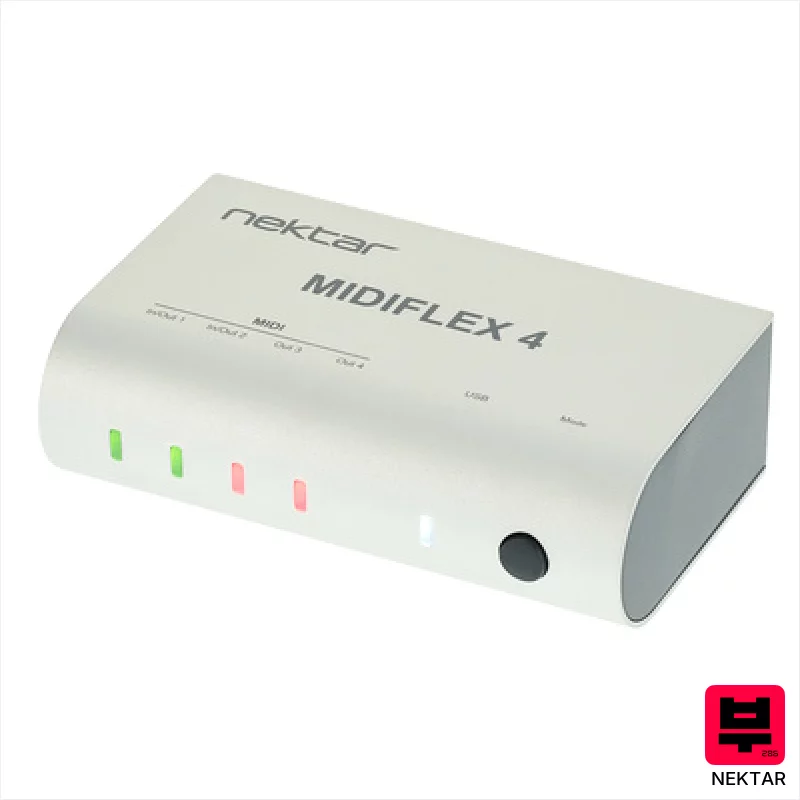
Nektar MIDIFLEX 4
- • Robust aluminum housing provides excellent durability for studio use
- • Flexible routing options (merge/split) offer surprising versatility
- • Autosense functionality simplifies setup and eliminates compatibility headaches
- • Included Bitwig 8-Track is a solid bonus for beginners
- • Limited number of MIDI ports might restrict complex setups
- • Compact size could be a challenge in cramped workspaces
- • USB power only limits use outside of computer-powered scenarios
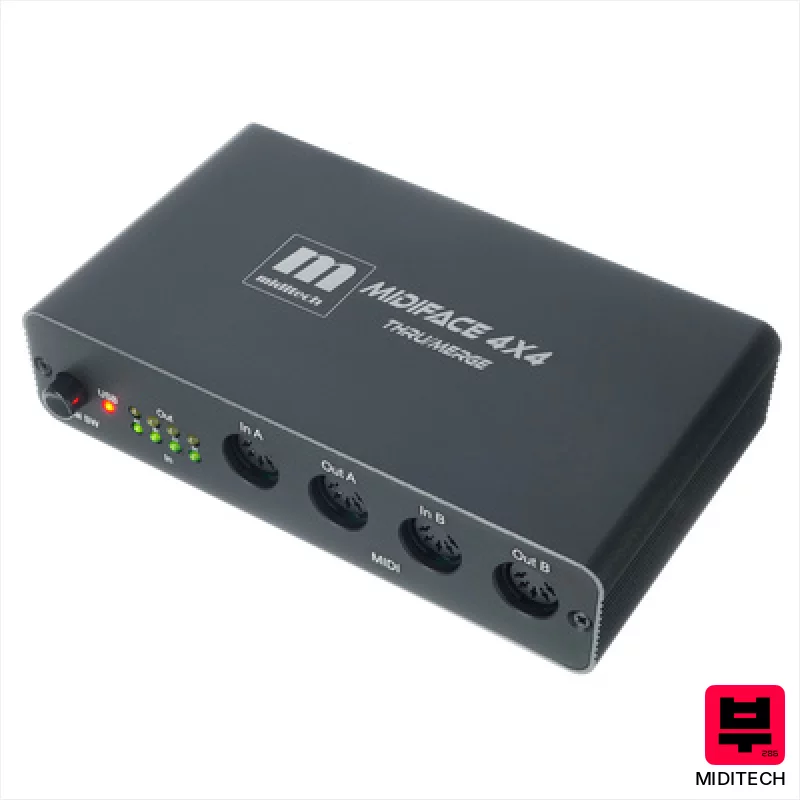
Miditech MIDIface 4x4 thru/merge
- • Four MIDI inputs offer flexibility for complex setups.
- • Standalone merge/thru functionality is genuinely useful and convenient.
- • Compact size makes it easy to integrate into tight studio spaces.
- • Class-compliant USB simplifies connection to modern computers.
- • Plastic enclosure feels a bit cheap for prolonged, gigging use.
- • Standalone mode requires external power, adding to cable clutter.
- • Limited channel count (64) could be restrictive for very large rigs.
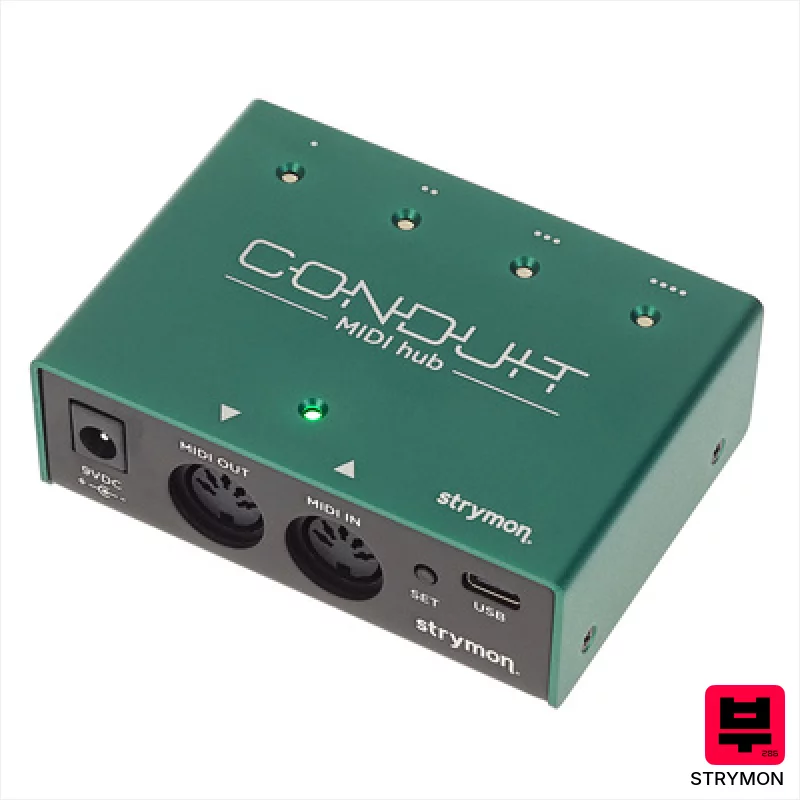
Strymon Conduit MIDI Hub
- • Four 6.3mm jacks simplify pedal chaining, a Strymon hallmark.
- • Robust build quality reflects Strymon's reputation for durability.
- • Seamless computer integration for advanced preset manipulation and SysEx.
- • Unified MIDI merging streamlines complex pedalboard setups effectively.
- • Limited channel count compared to more expensive, full-featured interfaces.
- • Power adapter dependency restricts portability and adds a cable.
- • 6.3mm jacks can be less secure than standard MIDI DIN connectors.

ESI M4U eX
- • 8 ports offer exceptional flexibility for complex setups
- • USB 3.0 ensures rock-solid latency for demanding projects
- • Thru/Merge capabilities expand routing options significantly
- • Compact size makes it ideal for portable or tight studio spaces
- • Plastic enclosure feels a bit budget-oriented, lacks premium heft
- • LED indicators, while colorful, can be overly bright in a dark room
- • Limited advanced routing customization beyond basic thru/merge

Miditech MIDIface 8x8
- • Eight MIDI inputs/outputs offer extensive connectivity for complex setups
- • Class-compliant USB simplifies setup across various operating systems
- • Compact size and bus-powered design enhance portability and convenience
- • Solid build quality for a budget-friendly MIDI interface.
- • Plastic enclosure feels somewhat budget compared to metal alternatives
- • Limited advanced routing capabilities compared to higher-end interfaces
- • No dedicated power adapter – reliance on USB power can be limiting.
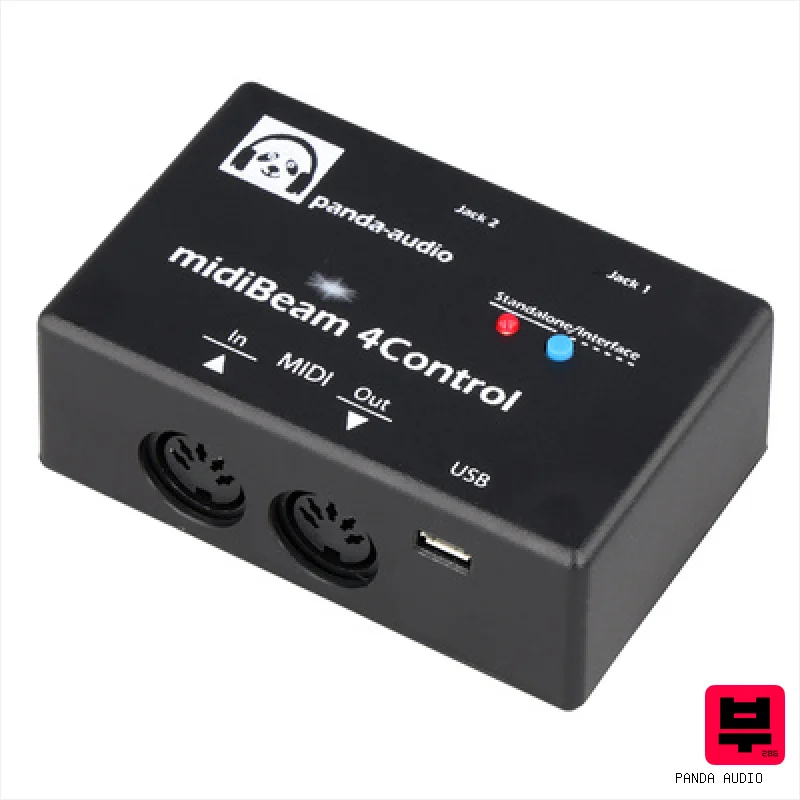
panda audio midiBeam 4Control
- • Seamlessly connects passive pedals to any MIDI gear
- • Supports momentary and latching switch modes
- • Generates full Note On/Off and Aftertouch commands
- • Lightweight compact design at only 55 grams
- • Requires external editor software for setup
- • No power adapter included in the box
- • Limited to two pedal input channels
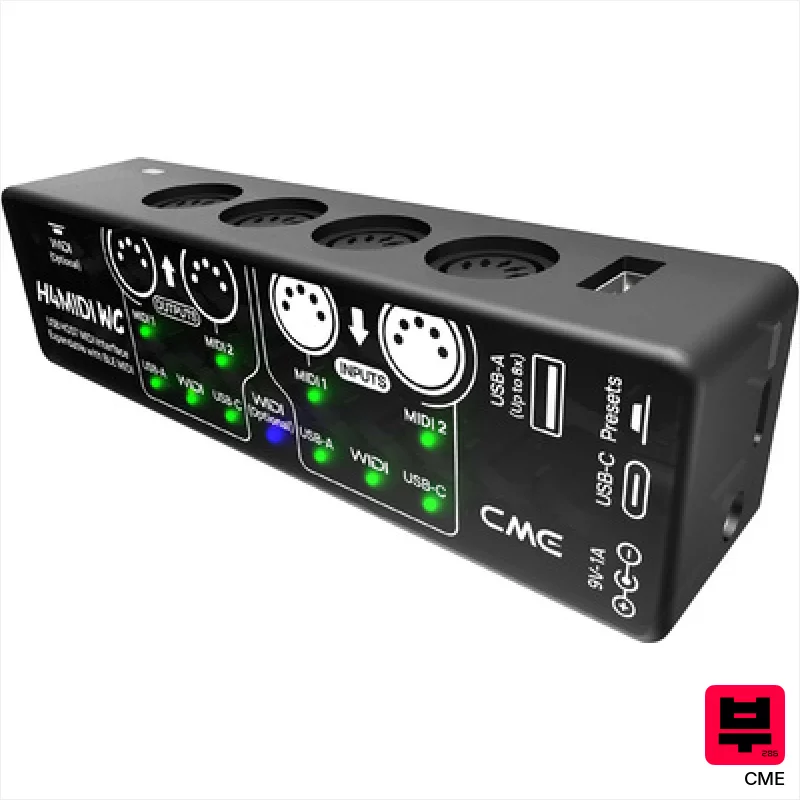
CME H4MIDI WC
- • Dual MIDI In/Out simplifies complex studio routing setups.
- • HxMIDI Tools software provides genuinely useful routing flexibility.
- • Compact size and lightweight design are ideal for travel or pedalboard use.
- • USB-C power option allows seamless integration with existing pedalboard power supplies.
- • Plastic enclosure feels somewhat fragile compared to metal alternatives.
- • Limited MIDI channel count (16) might restrict larger setups.
- • Bluetooth MIDI requires separate WIDI Core module, adding to overall cost.
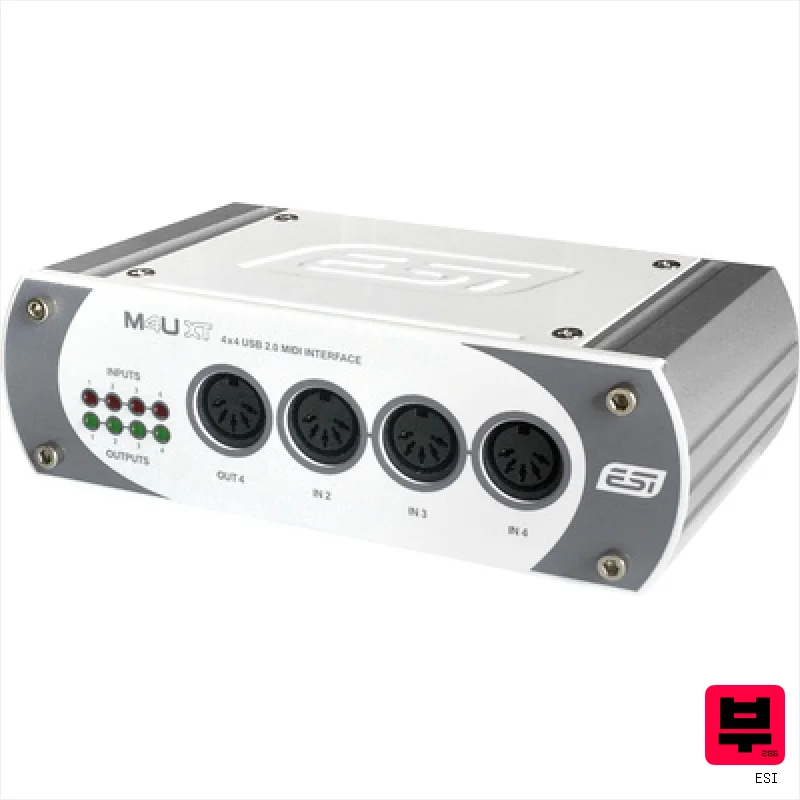
ESI M4U XT
- • Works immediately without needing any extra drivers installed.
- • Uses standard USB 2.0 connections for reliable data transfer.
- • Fits easily into small cases thanks to its compact size.
- • Runs directly from your computer without a separate power brick.
- • No detailed driver options are available for Linux users.
- • Does not list how many MIDI ports are included inside.
- • Missing information about how many audio channels it supports.

Miditech MIDIface 4x4
- • Affordable entry point for basic MIDI expansion.
- • Class-compliant USB simplifies setup across operating systems.
- • Compact size makes it ideal for portable setups.
- • Solid plastic housing feels surprisingly robust for the price.
- • Limited MIDI channel support compared to higher-end interfaces.
- • Plastic enclosure lacks premium feel of metal alternatives.
- • No dedicated power supply; relies solely on USB bus power.

Miditech MIDIface 2x2
- • Solid aluminum enclosure provides unexpected durability for the price
- • Class-compliant drivers simplify setup across various operating systems
- • Compact size makes it ideal for travel or limited space setups
- • Includes essential MIDI cables, a nice touch for budget users
- • Limited to two MIDI ports restricts more complex setups
- • USB bus-powered only – no external power option
- • Status LEDs are basic and offer limited diagnostic information
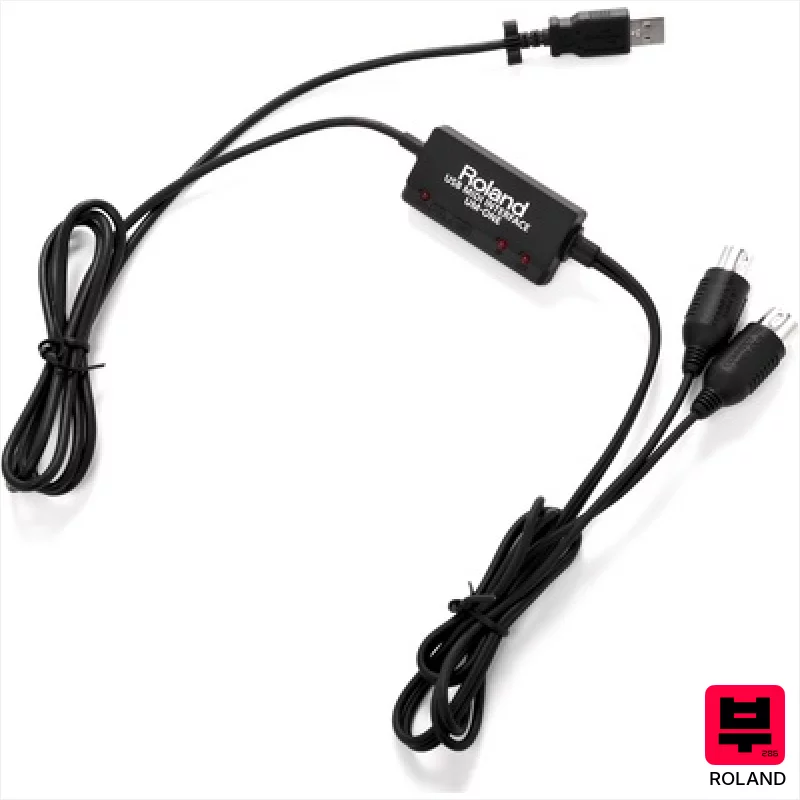
Roland UM-One MkII
- • Compact size makes it incredibly portable for studio or live use
- • Roland’s FPT technology delivers reliable, low-latency MIDI communication
- • Permanently attached cable eliminates the risk of connection issues
- • Simple plug-and-play operation, ideal for beginners and quick setups
- • Limited to a single input and output restricts complex routing options
- • Relies on USB power, potentially drawing from laptop battery life
- • iPad compatibility requires a separate, additional Apple adapter
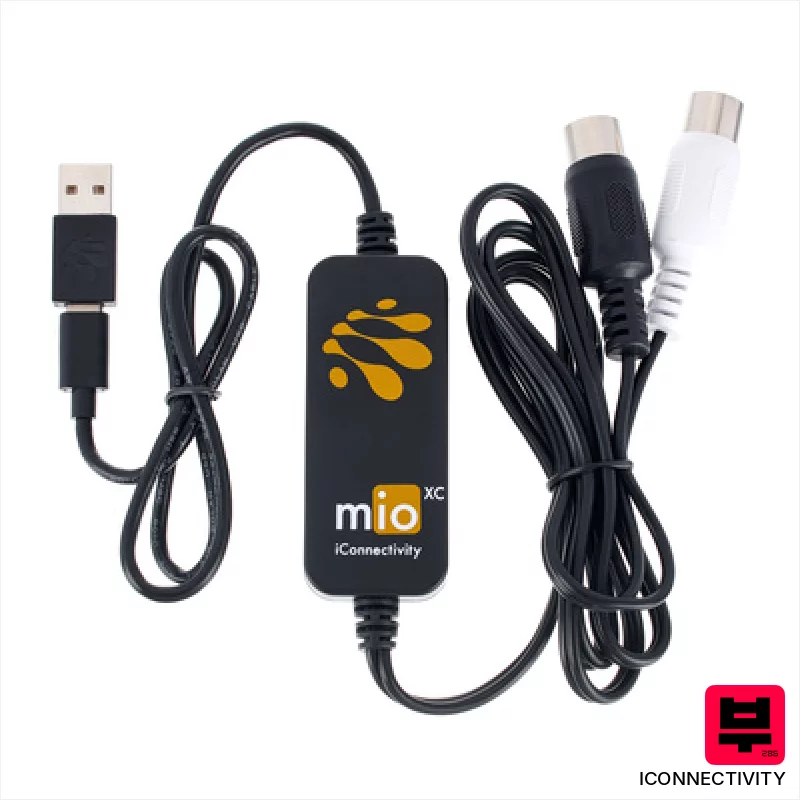
iConnectivity mioXC
- • Robust iConnectivity build quality, known for reliability
- • Truly plug-and-play operation across multiple platforms
- • Compact size makes it ideal for mobile setups
- • USB-C compatibility ensures future-proofing and convenience
- • Single MIDI port limits complex routing scenarios
- • Bus-powered only; no external power option
- • Basic functionality; lacks advanced features like tempo sync
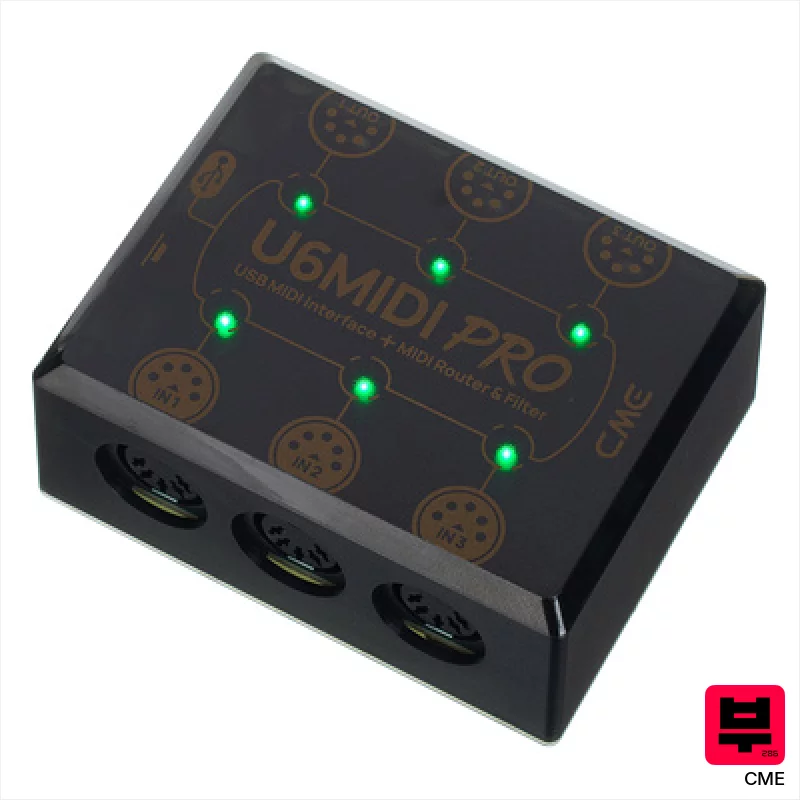
CME U6 MIDI Pro
- • Excellent port density for a compact unit; robust USB-C connection.
- • UxMIDI Tools offers genuinely useful routing and filtering capabilities.
- • Chromebook and Linux compatibility expands its usability significantly.
- • Very lightweight and portable; ideal for travel or small studios.
- • Plastic enclosure feels somewhat flimsy; lacks premium build feel.
- • Software dependency limits flexibility without the UxMIDI Tools.
- • Limited to USB bus power; no external power option available.
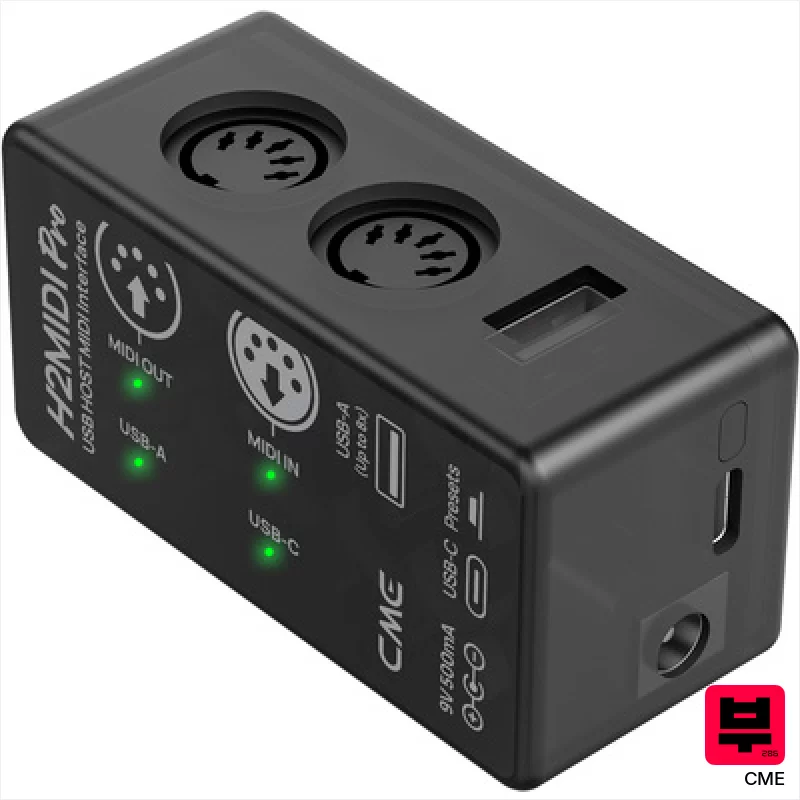
CME H2MIDI Pro
- • Extremely compact and lightweight, ideal for travel setups.
- • HxMIDI Tools software offers surprisingly robust routing capabilities.
- • Dual USB-C and USB-A connections provide flexible host/client options.
- • Bus-powered via USB-C simplifies integration with laptops and mobile devices.
- • Limited MIDI ports; only one input and one output.
- • 9V DC power option requires sourcing a separate power supply.
- • Plastic enclosure feels a bit fragile for constant gigging.

CME U4MIDI WC
- • Excellent value for the number of MIDI ports offered.
- • HxMIDI Tools software provides surprisingly deep routing capabilities.
- • Compact size makes it ideal for mobile setups and pedalboards.
- • USB-C power option simplifies integration with modern equipment.
- • Plastic enclosure feels a bit flimsy for frequent travel or heavy use.
- • Bluetooth MIDI requires the separate WIDI Core extension, adding cost.
- • Limited physical controls beyond the LED indicators.
Every midi interfaces that matches
21 models match this page. The 15 above are covered in detail; the rest are listed here with their published specifications.
| # | Model | Specifications | Price |
|---|---|---|---|
| 16 | ESI MidiMate eX | not published | $32 |
| 17 | CME C2MIDI Pro | not published | $31 |
| 18 | Miditech Midilink mini C | not published | $23 |
| 19 | CME U2 MIDI Pro | not published | $21 |
| 20 | Thomann Midi USB 1x1 | not published | $19 |
| 21 | Swissonic MidiConnect 2 | not published | $17 |
MIDI Interfaces by the numbers
Measured across all 21 models in this category, so «wide», «short» or «expensive» mean something you can check.
How to Choose the Best MIDI Interfaces
Latency
This is the big one. A noticeable delay between pressing a key and hearing the sound kills the feel. We're looking for interfaces consistently under 5ms at 96kHz, especially important for virtual instruments and drum machines.
Number of Ports
Two-in, two-out is usually the sweet spot for most home studios, but if you're running a full-on modular rig, you'll need more. Think about your current and future needs.
Build Quality
Let's be real, plastic enclosures are the norm at this price point. We're checking for solidity and how well the ports are secured - you don't want a port popping out mid-song.
Driver Stability
Nothing worse than a MIDI interface that randomly drops connection. We've tested these on both Windows and macOS to ensure reliable performance.
Power Delivery (for synths)
Some synths need external power, and a MIDI interface with 5V power delivery can be a lifesaver, especially for smaller modular units or vintage gear.
Buying Guide
Under $200, you're making compromises. Don't expect robust metal cases or USB-C connectivity - USB 2.0 is pretty standard. Latency is the biggest area to pay attention to; anything above 10ms starts to feel sluggish. Also, check compatibility with your operating system; older interfaces can sometimes be finicky with newer macOS versions. A basic interface will get you going, but if you need power delivery or multiple ports, factor that into your budget.
How This List Is Built
We don't play these instruments — we're a catalog, not a review desk, and we'd rather say so than pretend otherwise. This page covers 21 midi interfaces from the Thomann catalogue, which is the largest single source of specification data in this category: 15 in detail, the rest listed with their specifications.
Position is computed, not curated. We parse the manufacturer's own description into actual values — nut width, scale, fret count, fingerboard radius, size, alloy — and rank on them: how many specifications a model has published, how many of them are measurable numbers, and how precisely it meets this page's criterion. A product image adds a little. Price is not a ranking signal: it tells you nothing about whether a neck fits your hand. The same inputs always produce the same order, so nothing here is shuffled to look fresh.
What this list is good for: narrowing a category down to a shortlist by spec and budget. What it isn't: a substitute for hearing an instrument. Before you buy, read hands-on reviews and, where you can, play it. Full methodology.

