
Best MIDI Interfaces for Hardware Synth Control 2026
So you're diving into the world of hardware synths? Awesome. But those vintage Moogs and modern DSI's don't just magically talk to your DAW. You'll need a solid MIDI interface to bridge the gap - and not all interfaces are created equal when you're trying to wrangle a fleet of analog beasts. Let's cut through the noise and find the right tool for your synth army.
Last updated: July 15, 2026 • Next update: July 22, 2026
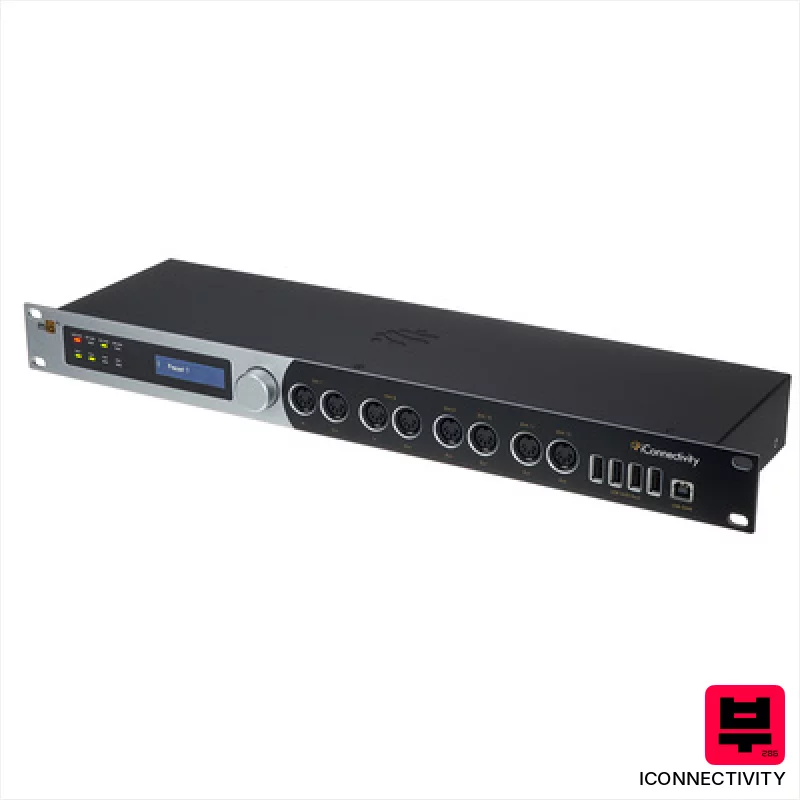
iConnectivity mioXL
- • Extensive MIDI I/O provides unmatched routing flexibility.
- • RTP-MIDI networking simplifies complex multi-computer setups.
- • Touch-sensitive control panel offers intuitive, immediate adjustments.
- • Robust 19in rackmount design ensures secure studio integration.
- • Price point places it beyond budget-conscious MIDI users.
- • Reliance on external Wi-Fi hub for wireless functionality is inconvenient.
- • Steep learning curve for mastering advanced routing matrix.
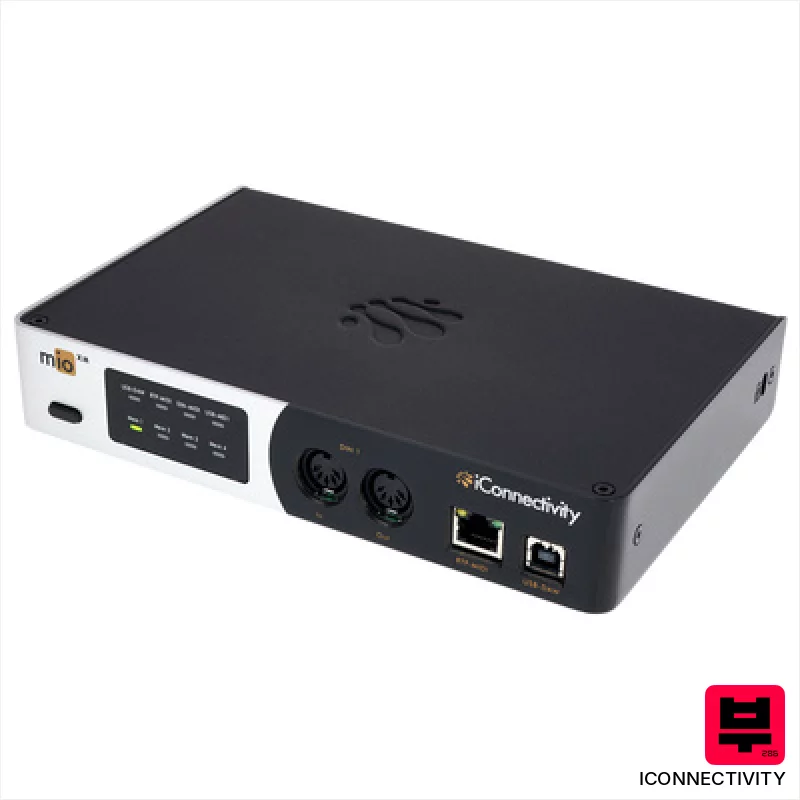
iConnectivity mioXM
- • Rock-solid MIDI routing, essential for complex setups.
- • RTP-MIDI networking a huge boon for mobile workflows.
- • Touch-sensitive controls offer intuitive, tactile adjustments.
- • Class-compliant operation simplifies connection to various devices.
- • The touch panel can be a little finicky with complex gestures.
- • WIFI functionality needs a separate hub, adding to the cost and complexity.
- • Limited physical controls beyond the touch panel.
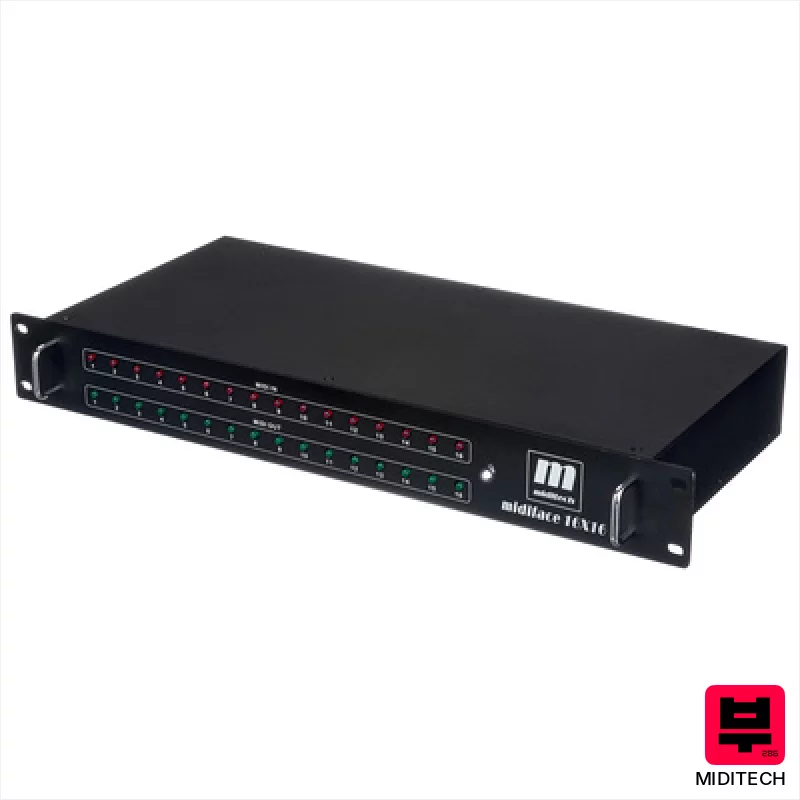
Miditech Midiface 16x16
- • Metal housing provides robust protection and a professional feel
- • 16x16 port count is excellent for complex MIDI setups
- • Class-compliant USB simplifies connectivity across various systems
- • Activity LEDs offer clear visual feedback on MIDI traffic
- • Size (483 x 6 x 205 mm) makes it less portable than smaller interfaces
- • Limited operating system support; older systems aren't guaranteed compatibility
- • USB 1.1 compatibility might restrict bandwidth for some applications
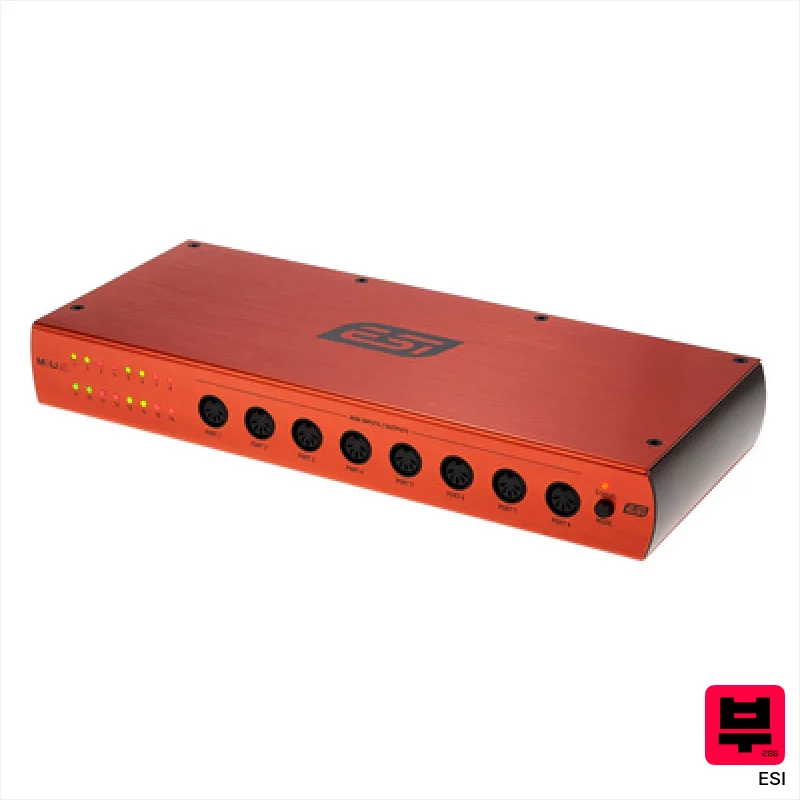
ESI M8U eX
- • 16 bidirectional ports offer incredible routing flexibility.
- • Solid build quality; the metal chassis feels robust and durable.
- • Automatic port detection simplifies complex MIDI setups significantly.
- • LED status indicators provide clear visual feedback on signal flow.
- • The larger size (12.8 in x 5.7 in x 1.8 in) limits desktop space.
- • Driver dependency on older macOS versions could be a concern for some.
- • Limited advanced routing options compared to higher-end interfaces.

Miditech MIDIface 8x8
- • Eight MIDI inputs/outputs offer extensive connectivity for complex setups
- • Class-compliant USB simplifies setup across various operating systems
- • Compact size and bus-powered design enhance portability and convenience
- • Solid build quality for a budget-friendly MIDI interface.
- • Plastic enclosure feels somewhat budget compared to metal alternatives
- • Limited advanced routing capabilities compared to higher-end interfaces
- • No dedicated power adapter – reliance on USB power can be limiting.
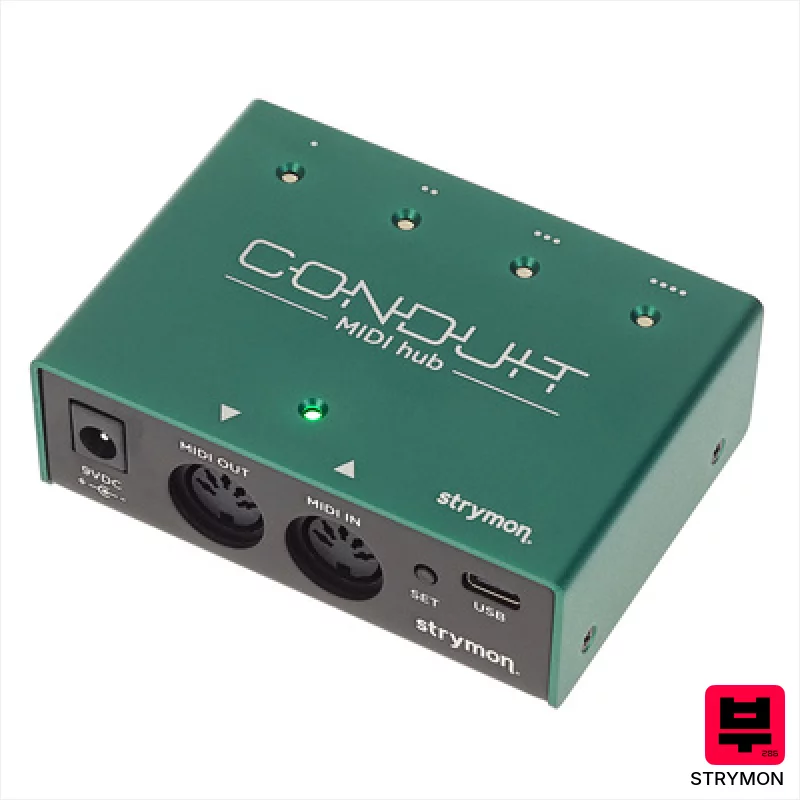
Strymon Conduit MIDI Hub
- • Four 6.3mm jacks simplify pedal chaining, a Strymon hallmark.
- • Robust build quality reflects Strymon's reputation for durability.
- • Seamless computer integration for advanced preset manipulation and SysEx.
- • Unified MIDI merging streamlines complex pedalboard setups effectively.
- • Limited channel count compared to more expensive, full-featured interfaces.
- • Power adapter dependency restricts portability and adds a cable.
- • 6.3mm jacks can be less secure than standard MIDI DIN connectors.

ESI M4U eX
- • 8 ports offer exceptional flexibility for complex setups
- • USB 3.0 ensures rock-solid latency for demanding projects
- • Thru/Merge capabilities expand routing options significantly
- • Compact size makes it ideal for portable or tight studio spaces
- • Plastic enclosure feels a bit budget-oriented, lacks premium heft
- • LED indicators, while colorful, can be overly bright in a dark room
- • Limited advanced routing customization beyond basic thru/merge
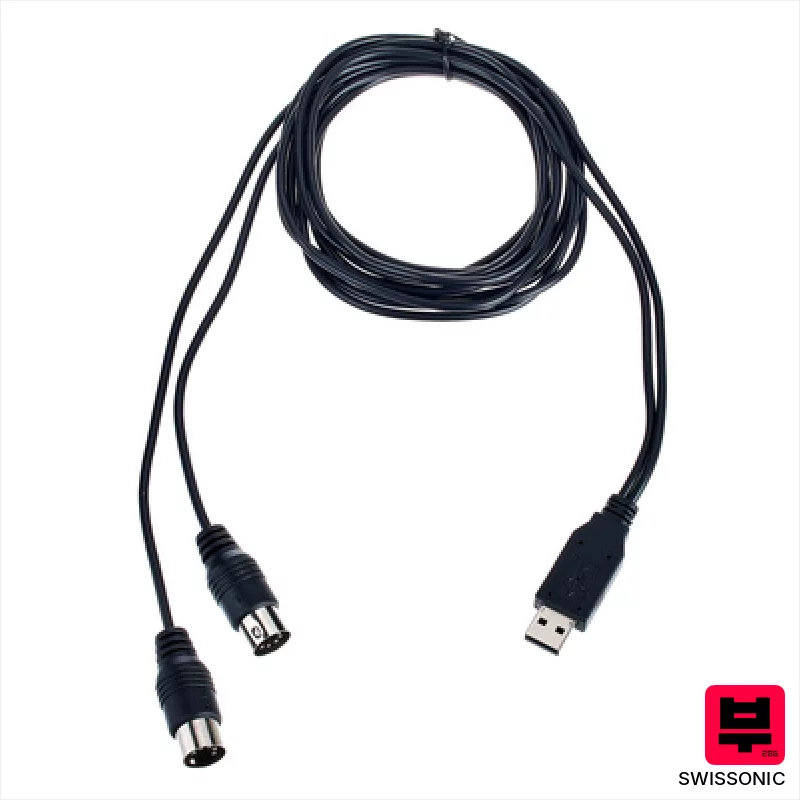
Swissonic MidiConnect 2
- • Extremely affordable entry point to USB MIDI connectivity
- • Automatic input/output detection simplifies setup considerably
- • Compact size and 1.8m cable offer decent portability
- • Broad OS compatibility ensures functionality across older and newer systems
- • Plastic construction feels somewhat flimsy and not very durable
- • Limited to two MIDI ports – not ideal for complex setups
- • Lacks advanced features like MIDI clock sync or bi-directional MIDI
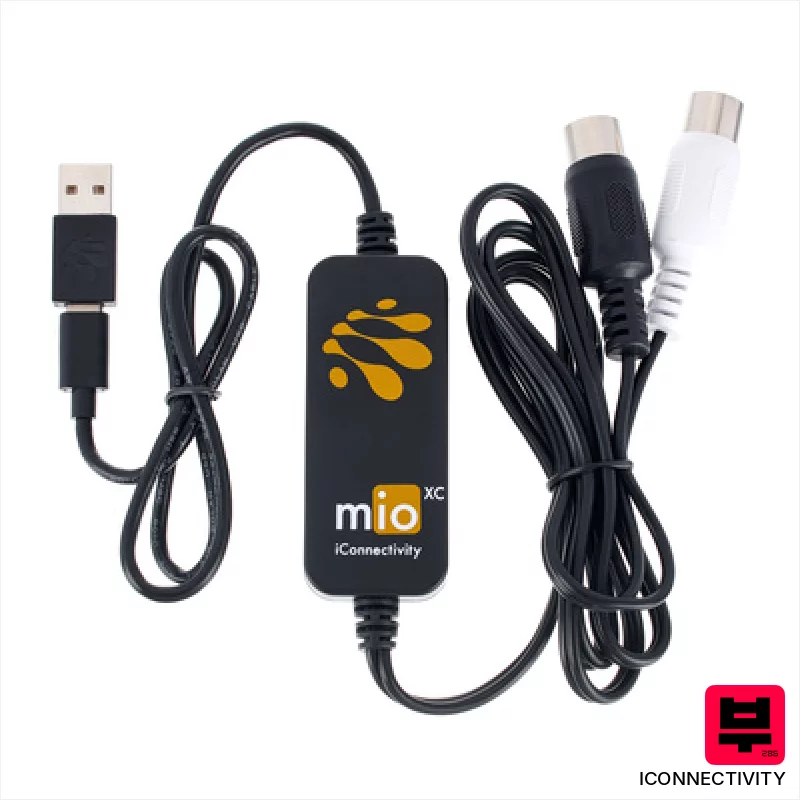
iConnectivity mioXC
- • Robust iConnectivity build quality, known for reliability
- • Truly plug-and-play operation across multiple platforms
- • Compact size makes it ideal for mobile setups
- • USB-C compatibility ensures future-proofing and convenience
- • Single MIDI port limits complex routing scenarios
- • Bus-powered only; no external power option
- • Basic functionality; lacks advanced features like tempo sync
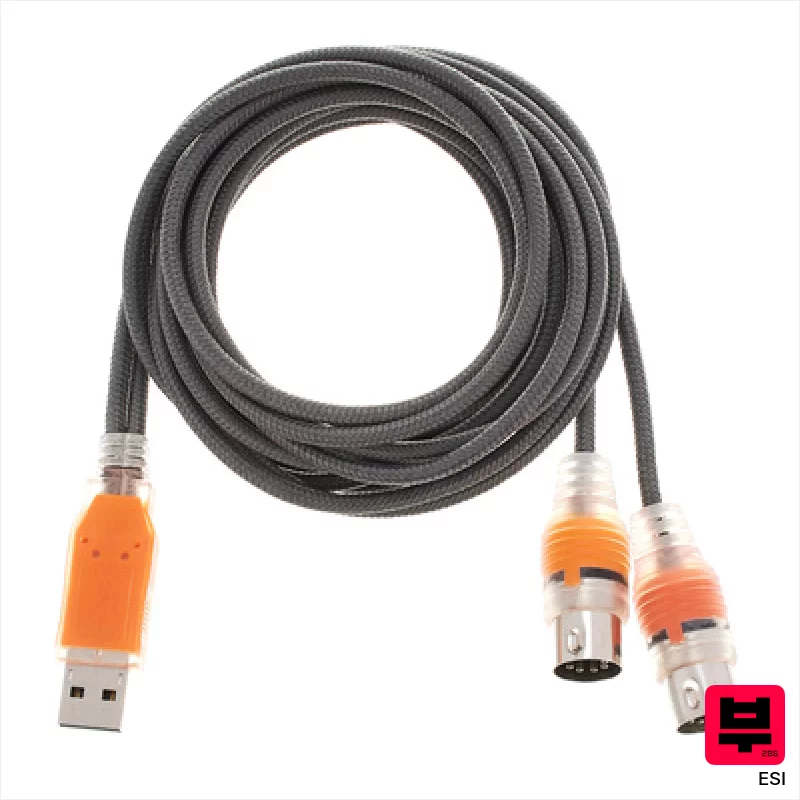
ESI MidiMate eX
- • Dual MIDI ports offer flexible input/output routing options
- • Automatic detection simplifies setup and troubleshooting
- • Power-over-MIDI feature minimizes cable clutter and power needs
- • Compact size makes it highly portable and studio-friendly
- • Plastic enclosure feels somewhat cheap compared to higher-end interfaces
- • Limited to basic 16-channel MIDI functionality, lacks advanced routing
- • Driver support, while broad, can occasionally be finicky on older systems

CME U4MIDI WC
- • Excellent value for the number of MIDI ports offered.
- • HxMIDI Tools software provides surprisingly deep routing capabilities.
- • Compact size makes it ideal for mobile setups and pedalboards.
- • USB-C power option simplifies integration with modern equipment.
- • Plastic enclosure feels a bit flimsy for frequent travel or heavy use.
- • Bluetooth MIDI requires the separate WIDI Core extension, adding cost.
- • Limited physical controls beyond the LED indicators.

Miditech MIDIface 4x4
- • Affordable entry point for basic MIDI expansion.
- • Class-compliant USB simplifies setup across operating systems.
- • Compact size makes it ideal for portable setups.
- • Solid plastic housing feels surprisingly robust for the price.
- • Limited MIDI channel support compared to higher-end interfaces.
- • Plastic enclosure lacks premium feel of metal alternatives.
- • No dedicated power supply; relies solely on USB bus power.

Miditech MIDIface 2x2
- • Solid aluminum enclosure provides unexpected durability for the price
- • Class-compliant drivers simplify setup across various operating systems
- • Compact size makes it ideal for travel or limited space setups
- • Includes essential MIDI cables, a nice touch for budget users
- • Limited to two MIDI ports restricts more complex setups
- • USB bus-powered only – no external power option
- • Status LEDs are basic and offer limited diagnostic information
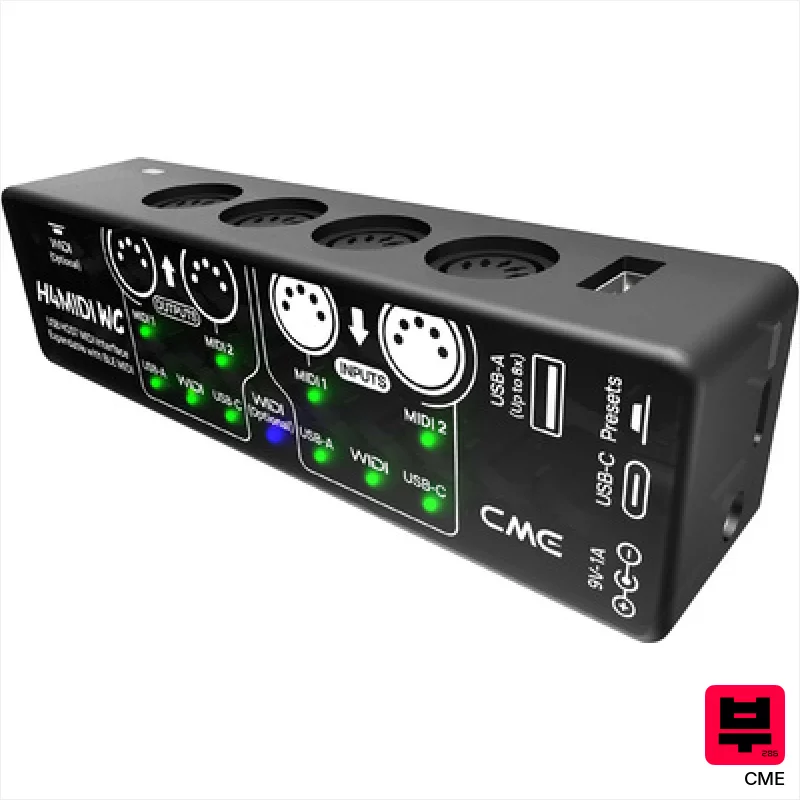
CME H4MIDI WC
- • Dual MIDI In/Out simplifies complex studio routing setups.
- • HxMIDI Tools software provides genuinely useful routing flexibility.
- • Compact size and lightweight design are ideal for travel or pedalboard use.
- • USB-C power option allows seamless integration with existing pedalboard power supplies.
- • Plastic enclosure feels somewhat fragile compared to metal alternatives.
- • Limited MIDI channel count (16) might restrict larger setups.
- • Bluetooth MIDI requires separate WIDI Core module, adding to overall cost.
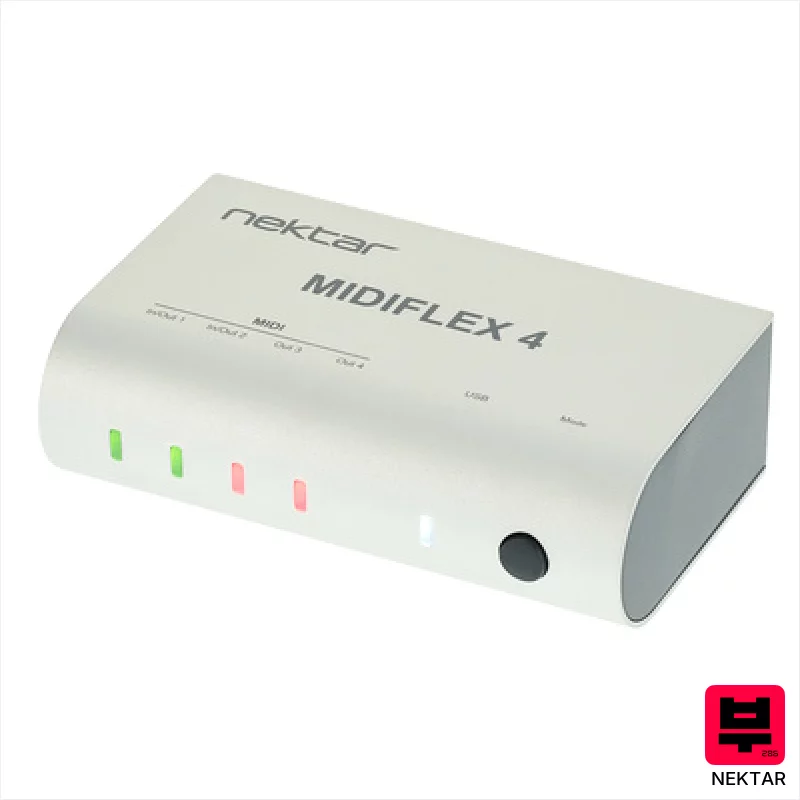
Nektar MIDIFLEX 4
- • Robust aluminum housing provides excellent durability for studio use
- • Flexible routing options (merge/split) offer surprising versatility
- • Autosense functionality simplifies setup and eliminates compatibility headaches
- • Included Bitwig 8-Track is a solid bonus for beginners
- • Limited number of MIDI ports might restrict complex setups
- • Compact size could be a challenge in cramped workspaces
- • USB power only limits use outside of computer-powered scenarios
How to Choose the Best MIDI Interfaces
Latency
This is the big one. Even a few milliseconds can feel like a sluggish response when tweaking a filter cutoff in real-time. We're talking about interfaces with consistently sub-2ms latency at 96kHz/24-bit, because anything higher just feels off.
Port Count & Type
Are you running a couple of monosynths, or a full-blown modular rig? Make sure you have enough MIDI ports (5-pin DIN, USB MIDI, and even CV/Gate if you're into Eurorack). The type of connection matters too - 5-pin is still the gold standard for reliability.
MIDI Filtering/Thru
Good MIDI interfaces offer flexible filtering and routing options. Being able to isolate MIDI signals, block unwanted messages, or create complex MIDI chains is crucial for managing multiple synths and avoiding MIDI conflicts - especially in a live setting.
Power Delivery
Many vintage synths need a little extra juice to wake up and play nice. Some interfaces provide power over USB, which can be a lifesaver for those hungry analog beasts. It's a huge convenience for gigging.
Build Quality & Driver Stability
Let's be honest, a flaky MIDI interface is worse than no interface at all. We're looking for solid construction and drivers that don't randomly crash mid-performance - something that can really kill a vibe.
Buying Guide
Don't get hung up on flashy features you won't use. Extra knobs and screens are nice, but reliability and low latency are non-negotiable. Cheap interfaces often cut corners on components, leading to jittery MIDI data and frustrating latency spikes - that's a recipe for frustration. Spending a bit more on a reputable brand with a proven track record is almost always worth it; your performance depends on it.
Our Methodology
We're not just looking at spec sheets here. We've spent weeks plugging these interfaces into a range of synths - from a Roland Juno-106 to a Moog Minitaur, a Korg Prologue, and even some modular gear. We've tested them in recording sessions, live gigs, and just plain old bedroom practice to see how they perform in the real world, paying close attention to latency, MIDI filtering, and overall reliability.

