
Best MIDI, Digital & Modelling Guitars Under $2,000 2026
So, you want a MIDI guitar, a modelling amp in a box, or a digital Swiss Army knife for your axe, but you're not looking to drop five grand? It's totally doable. We've been there - lugging around heavy rigs, chasing tone, and needing flexibility for gigs and recording. This list focuses on getting you serious sonic options under $2000, without completely sacrificing feel or functionality.
Last updated: April 11, 2026
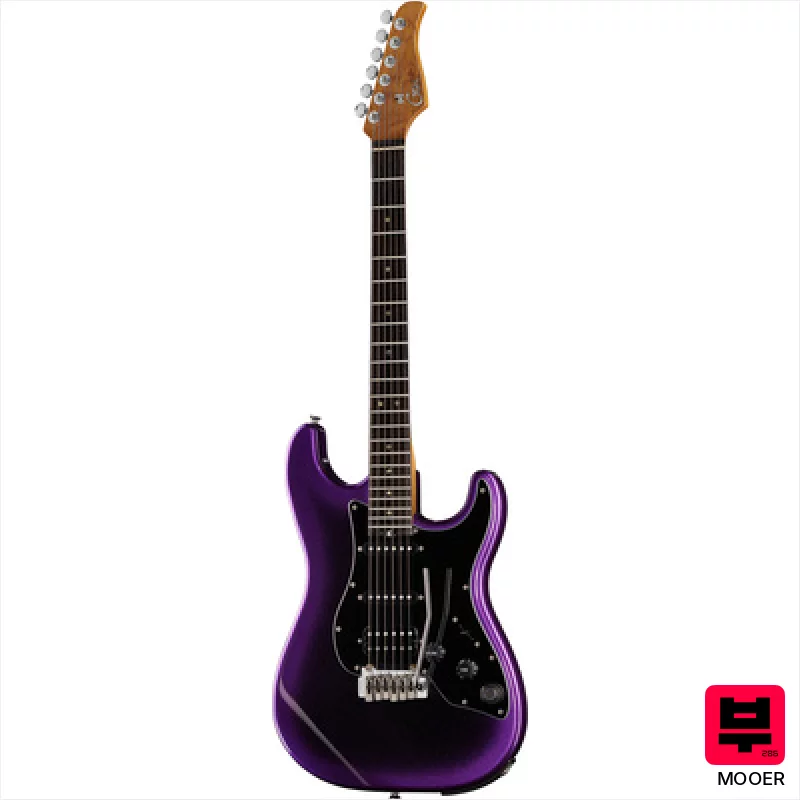
Mooer GTRS Guitars int. Prof. 800 DP
- • American alder body delivers a balanced, resonant tone.
- • Roasted maple neck offers stability and a smooth, fast feel.
- • SCN single coils provide authentic, clear Strat-style articulation.
- • Super-Knob simplifies preset switching and output level adjustments.
- • Bolt-on neck construction may lack the sustain of a set-neck design.
- • Rosewood fretboard might feel less smooth than some modern alternatives.
- • Reliance on the GTRS app for full functionality can be a barrier.

Mooer GTRS Guitars int. Prof. 800 DN
- • American alder body provides a balanced, resonant foundation.
- • Roasted maple neck offers exceptional stability and smooth playability.
- • SCN single coils deliver articulate, vintage-inspired tones.
- • Super-Knob simplifies preset switching and output control.
- • Bolt-on neck construction may lack the sustain of a set-neck design.
- • Rosewood fretboard might feel less smooth compared to ebony for some players.
- • Reliance on the GTRS app limits flexibility without it.

Mooer GTRS Guitars int. Prof. 800 DS
- • American alder body delivers solid resonance and sustain.
- • Roasted maple neck provides exceptional stability and a smooth feel.
- • SCN single coils offer articulate, vintage-style clarity and warmth.
- • Super-knob offers intuitive preset switching and output control.
- • Bolt-on neck construction might lack the sustain of a set-neck design.
- • Rosewood fretboard may require more frequent oiling for optimal playability.
- • Reliance on the GTRS app for full functionality can be a barrier for some.
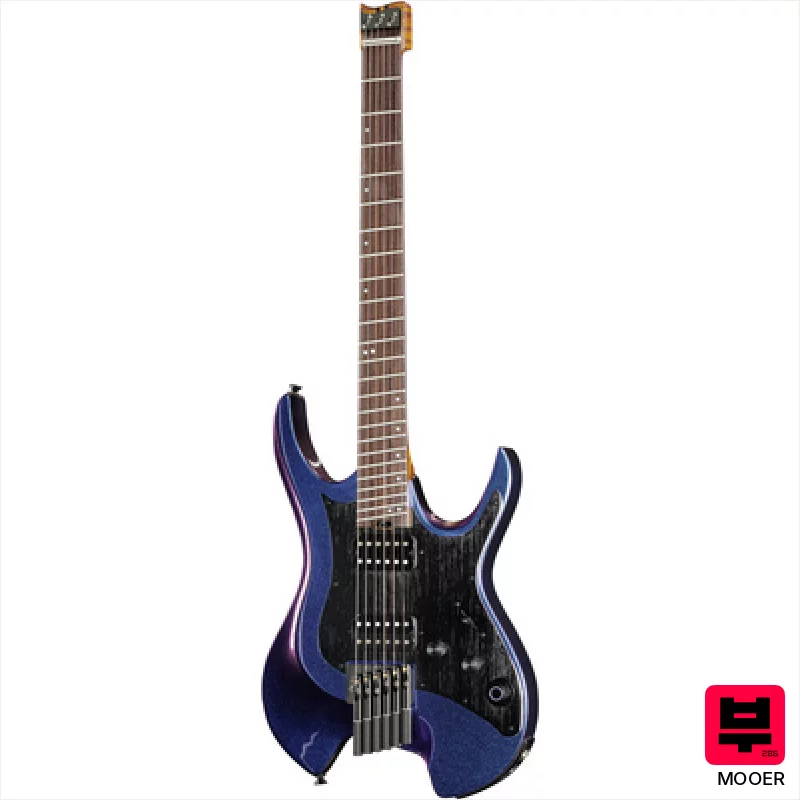
Mooer GTRS Guitars Wing 900 Int APU
- • Roasted maple neck provides exceptional stability and feel.
- • Multi-scale design optimizes string tension for varied tunings.
- • Custom HM-2N pickups deliver a surprisingly versatile high-gain tone.
- • Integrated wireless transmitter simplifies stage setups and eliminates cable clutter.
- • Headless design might feel awkward for players accustomed to traditional guitars.
- • Reliance on the GTRS app for editing could be limiting for some users.
- • American alder body, while good, isn’t as premium as mahogany or korina.
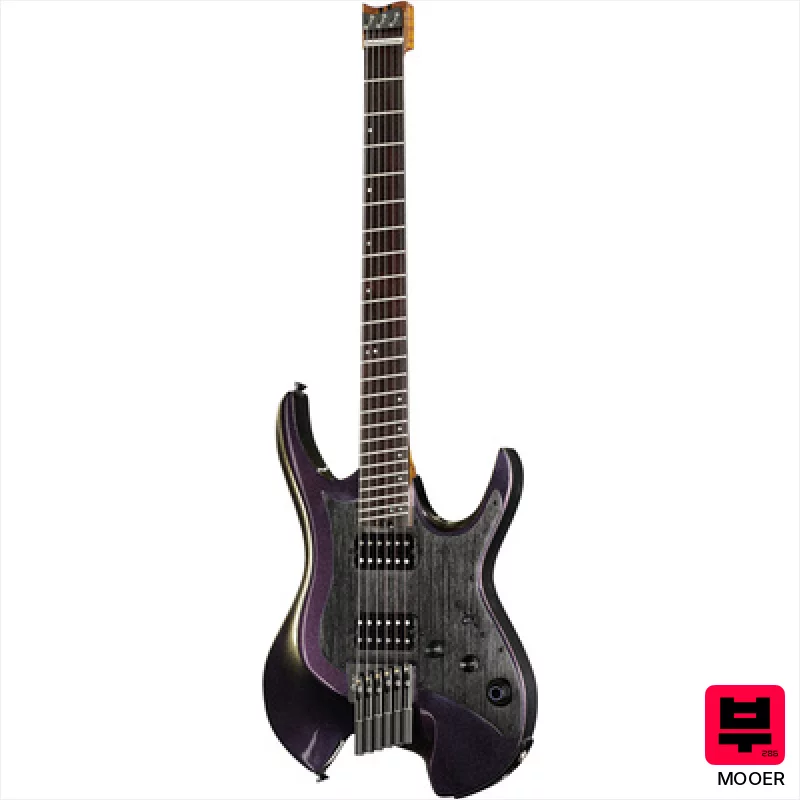
Mooer GTRS Guitars Wing 900 Int API
- • American alder body delivers a resonant, balanced tonal foundation.
- • Multi-scale design enhances intonation accuracy and string flexibility across the fretboard.
- • GTRS Intelligent Process System offers extensive digital modeling and preset options.
- • Roasted maple/rosewood neck provides stability and a comfortable, familiar feel.
- • Bolt-on neck construction might lack the sustain of a set-neck design.
- • Reliance on the GTRS app for editing can be a barrier for some users.
- • Headless design might not appeal to players accustomed to traditional guitars.

Mooer GTRS Guitars Wing 900 Int AGR
- • Roasted maple neck offers excellent stability and feel.
- • Custom HM-2N pickups deliver high-gain, modern metal tones.
- • Multiscale design optimizes string tension across the fretboard.
- • Integrated GTRS system provides incredible tonal flexibility and wireless control.
- • Bolt-on neck construction may lack the sustain of a set-neck design.
- • Wireless functionality requires an optional, additional purchase.
- • Alder body, while resonant, might be a bit too lightweight for some players.
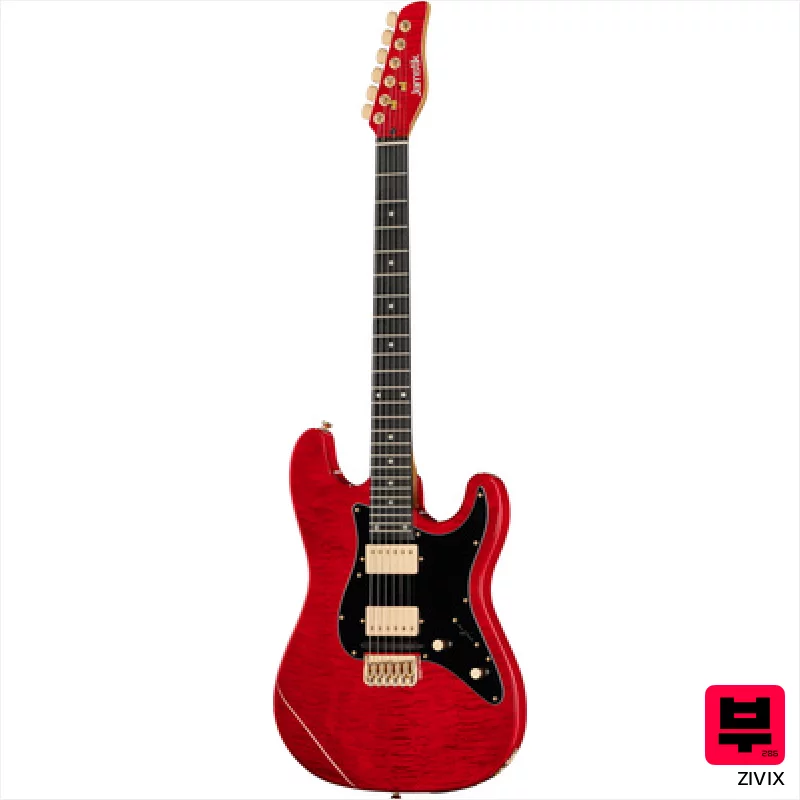
Zivix Jamstik Deluxe Red/Black
- • Swamp ash body provides resonant, balanced tone with flamed maple top
- • Roasted maple neck offers exceptional stability and smooth playability
- • Jamstik humbuckers deliver a versatile range from clean to high-gain
- • Solid hardware – locking tuners and stainless steel frets enhance tuning stability.
- • The synthetic ebony fingerboard lacks the feel of traditional wood
- • High-end price point puts it out of reach for many beginner players
- • MIDI functionality relies heavily on software, limiting standalone use.
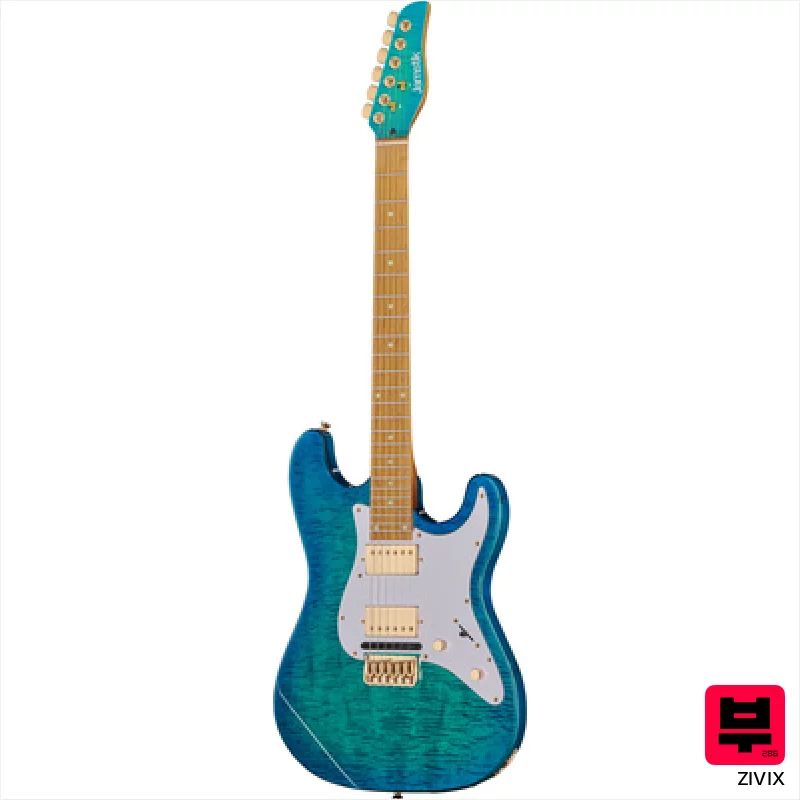
Zivix Jamstik Deluxe Blueburst
- • Swamp ash body delivers a resonant, balanced tone with excellent sustain
- • Roasted maple neck provides stability and a smooth, fast playing experience
- • Jamstik humbuckers offer a versatile range from clean to driven tones
- • Purple heart stripe adds visual flair and a touch of premium craftsmanship
- • The MIDI functionality, while innovative, might be overwhelming for traditional guitarists
- • High-end price point places it out of reach for many aspiring musicians
- • Limited pickup options restrict tonal sculpting beyond the humbucker range

Mooer GTRS Soloist 810 Purple Burst
- • Mahogany body provides warmth and sustain, a great foundation.
- • Roasted maple neck offers stability and a smooth, fast feel.
- • GTRS SL-1 pickups deliver a versatile range of tones, from clean to crunch.
- • Super knob simplifies preset switching and volume control, very intuitive.
- • Active pickups demand battery power, adding a maintenance consideration.
- • Limited pickup configurations might restrict tonal flexibility for some.
- • The 'Super Knob' functionality, while convenient, might feel basic for experienced users.

Mooer GTRS Guitars Wing 800 Int PW
- • American alder body provides excellent resonance and sustain.
- • Roasted maple/rosewood neck offers stability and a smooth feel.
- • Custom GTRS HM-2N pickups deliver a versatile, modern tone.
- • Multiscale design enhances intonation and expands playing range.
- • Headless design may take some getting used to for traditional players.
- • Reliance on digital processing could limit appeal for purists.
- • App-based editing, while powerful, introduces a layer of complexity.
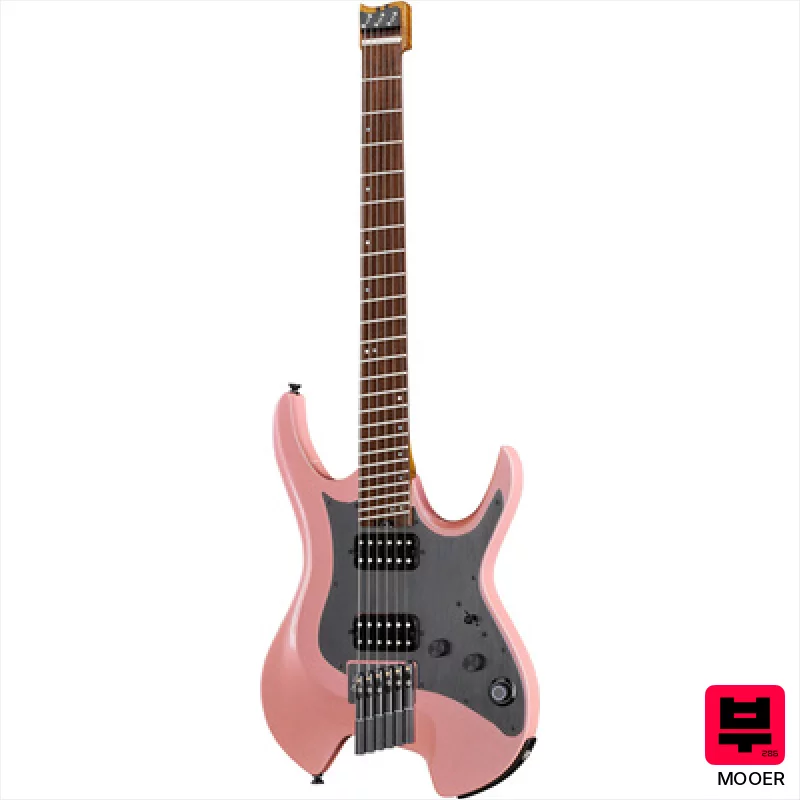
Mooer GTRS Guitars Wing 800 Int PP
- • American alder body provides a balanced, resonant foundation for diverse tones.
- • Roasted maple/rosewood neck offers stability and a smooth, comfortable playing feel.
- • GTRS HM-2N pickups deliver a modern high-output sound with clarity and articulation.
- • Multiscale design improves intonation and expands playing range across the fretboard.
- • Headless design might take some getting used to for traditional players.
- • Reliance on the GTRS app for full functionality introduces potential software dependency.
- • Bolt-on neck construction, while practical, may lack the sustain of a set-neck.

Mooer GTRS Guitars Standard 900 W PB
- • Excellent integrated modeling system offers vast sonic possibilities.
- • Wireless connectivity and app control streamline workflow significantly.
- • The GLB-P1 battery provides impressive playtime and convenience.
- • Solid build quality, especially considering the innovative design.
- • The app-dependent nature limits standalone functionality somewhat.
- • The weight, likely due to the battery and electronics, might be a factor.
- • The preset selection, while versatile, could feel restrictive to some.
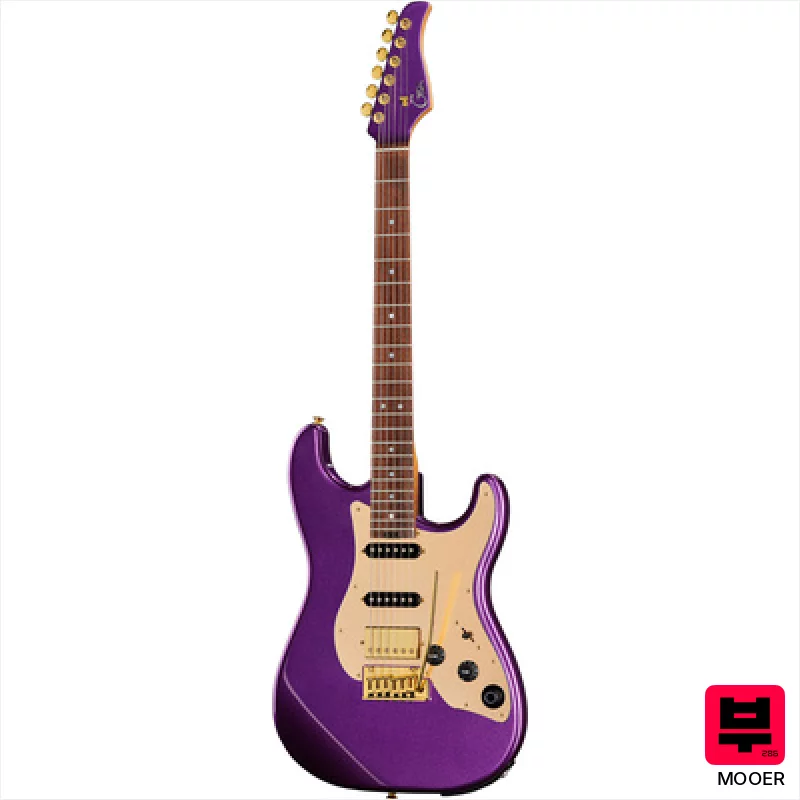
Mooer GTRS Guitars Standard 900 W PP
- • Excellent integrated digital modeling; broad sonic palette available.
- • Wireless functionality and USB-OTG recording offer immense creative flexibility.
- • Impressive battery life simplifies gigging and practice scenarios.
- • The Super Knob provides intuitive, on-the-fly preset switching.
- • Reliance on the app for full functionality can be a workflow hurdle.
- • Potential latency issues with complex effect chains are possible.
- • The overall build quality, while decent, might not match high-end alternatives.

Mooer GTRS Guitars Standard 900 W RG
- • American basswood body delivers a balanced, resonant tone.
- • Roasted maple neck provides stability and a smooth playing feel.
- • Versatile pickup configuration (SC-1N/M/HM-1B) covers a wide range of styles.
- • Integrated GTRS system unlocks extensive digital tone shaping possibilities.
- • The bolt-on neck construction might lack the sustain of a set-neck design.
- • Reliance on the GTRS app for full functionality introduces a software dependency.
- • Rosewood fretboard, while traditional, may be a drawback for some players.
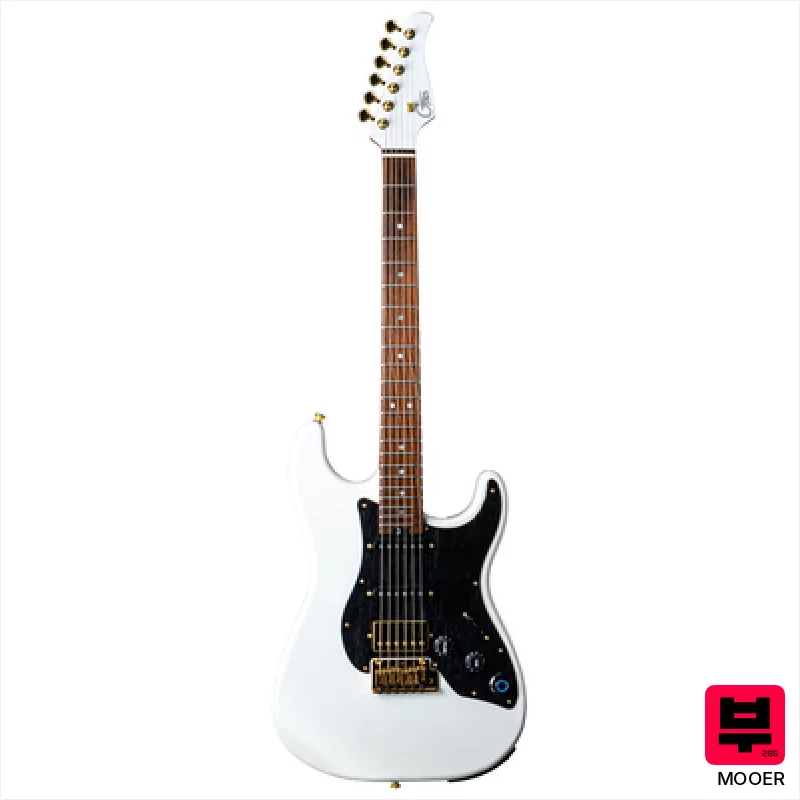
Mooer GTRS Guitars Standard 900 W PW
- • American basswood body offers a balanced, resonant tone.
- • Roasted maple neck provides stability and a smooth playing feel.
- • Versatile pickup configuration handles clean tones to high-gain rock.
- • Integrated GTRS system unlocks extensive digital sound design possibilities.
- • Wireless footswitch is a separate purchase, adding to the overall cost.
- • Rosewood fretboard may require more frequent oiling for optimal playability.
- • American basswood can be a bit on the heavier side for some players.
How to Choose the Best MIDI, Digital & Modelling Guitars
MIDI Implementation
Beyond just sending note data, look for aftertouch, pitch bend, and polyphonic expression. A basic MIDI output is fine, but the deeper you go, the more creative possibilities open up.
Modelling Quality
It's not just about having a ton of amp models; it's about how good they sound. Listen for authentic speaker interaction, dynamic response, and that elusive 'tube' feel. Some models will have that brittle, digital edge - avoid those if possible.
Playability
A digital guitar needs to feel good. Neck profile, fretwork, action - these things still matter. A digital platform can't fix a poorly setup or uncomfortable instrument.
Connectivity & Routing
Consider how the guitar integrates with your existing setup. USB, MIDI DIN, expression pedal inputs, aux in - the more versatile the connectivity, the more useful it will be. Think about recording direct versus going through an amp sim.
Build Quality & Durability
Let's be honest, you're gigging. Plastic knobs and flaky finishes won't cut it. A solid build is essential for the inevitable bumps and bruises of the road.
Buying Guide
At this price point, you're making compromises. Often, that means a slightly less premium build - expect some plastic parts where a higher-end guitar would have metal. Focus on the modelling/MIDI functionality first, and then prioritize playability. Don't chase the sheer number of models; find a few that genuinely inspire you, because that's where the real tone comes from.
How This List Is Built
We don't play these instruments — we're a catalog, not a review desk, and we'd rather say so than pretend otherwise. This page ranks 15 midi, digital & modelling guitars from the Thomann catalogue, which is the largest single source of specification data in this category.
Position is computed, not curated. Four signals, in order of weight: how completely the manufacturer documents the instrument (number of published specifications), where it sits in the price range, how specific the model designation is — which filters out generic accessories — and whether a product image exists. The same inputs always produce the same order, so nothing here is shuffled to look fresh.
What this list is good for: narrowing a category down to a shortlist by spec and budget. What it isn't: a substitute for hearing an instrument. Before you buy, read hands-on reviews and, where you can, play it. Full methodology.

