
Best MIDI, Digital & Modelling Guitars for Versatile Sounds 2026
So, you're chasing sounds, huh? Not just one genre, but everything from glassy cleans to gritty blues, maybe even some synth textures thrown in for good measure. MIDI, digital modelling, and hybrid guitars are the way to go, but wading through the options can be brutal. This isn't about chasing the 'best' - it's about finding the right tool for your sonic toolbox, the one that'll actually deliver what you need on stage or in the studio.
Last updated: July 22, 2026 • Next update: July 29, 2026
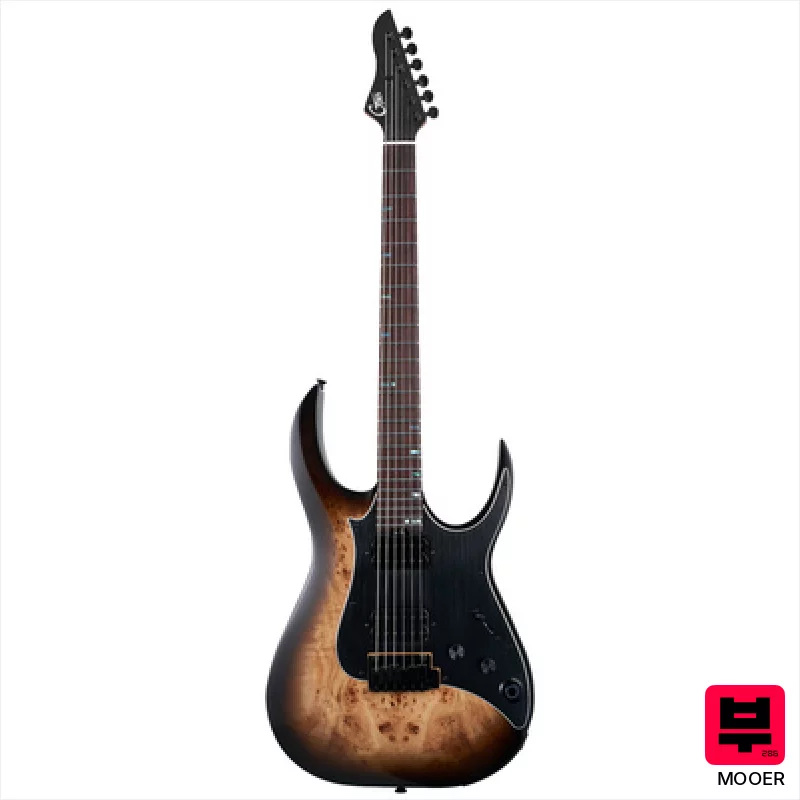
Mooer GTRS Guitars Modern 810 NB
- • Integrated GTRS processor offers incredible tonal flexibility and effects.
- • Li-Ion battery provides substantial playtime for practice and performance.
- • USB OTG recording simplifies direct capture to mobile devices.
- • Super knob provides intuitive preset selection and parameter adjustment.
- • Reliance on the GTRS app limits standalone functionality and adds complexity.
- • Build quality, while decent, might not match premium-priced instruments.
- • Digital nature may not appeal to players seeking purely analog tone.
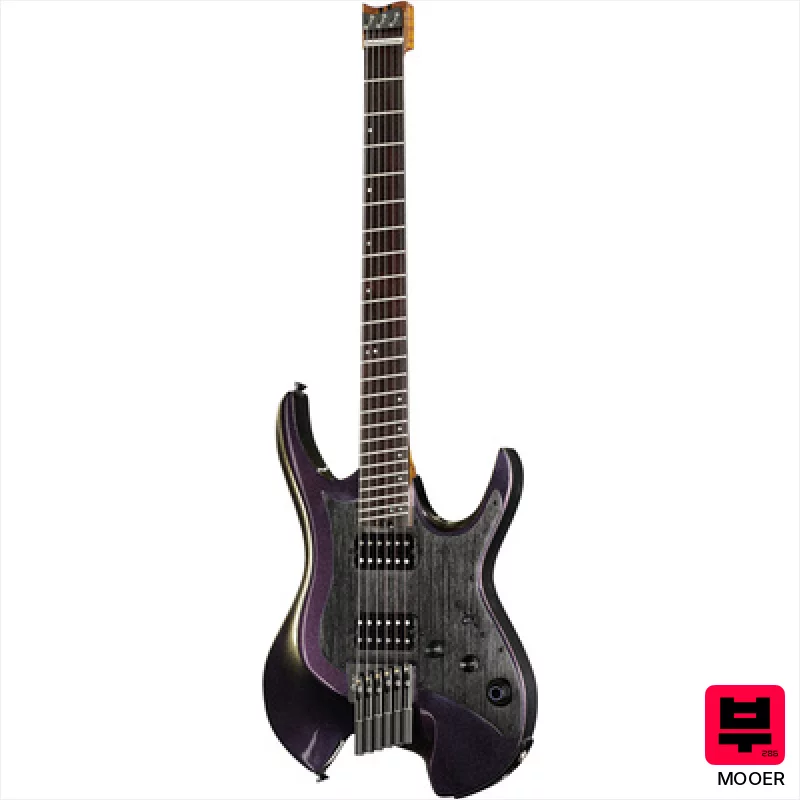
Mooer GTRS Guitars Wing 900 Int API
- • American alder body delivers a resonant, balanced tonal foundation.
- • Multi-scale design enhances intonation accuracy and string flexibility across the fretboard.
- • GTRS Intelligent Process System offers extensive digital modeling and preset options.
- • Roasted maple/rosewood neck provides stability and a comfortable, familiar feel.
- • Bolt-on neck construction might lack the sustain of a set-neck design.
- • Reliance on the GTRS app for editing can be a barrier for some users.
- • Headless design might not appeal to players accustomed to traditional guitars.
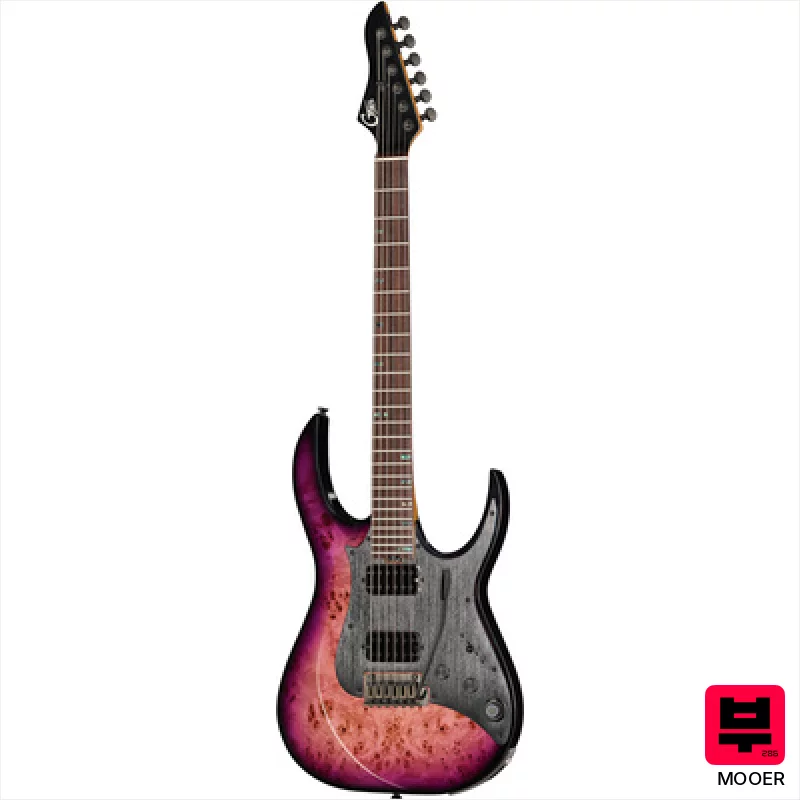
Mooer GTRS Guitars Modern 810 PB
- • Excellent onboard processor offers vast sonic possibilities.
- • Solid build quality; feels surprisingly substantial for a digital instrument.
- • Convenient silent practice with headphone jack and built-in battery.
- • App integration expands functionality beyond basic guitar playing.
- • The digital nature might not satisfy purists seeking a purely analog experience.
- • Reliance on the app for many features creates a potential point of failure.
- • Battery life, while decent, requires planning for longer gigs.
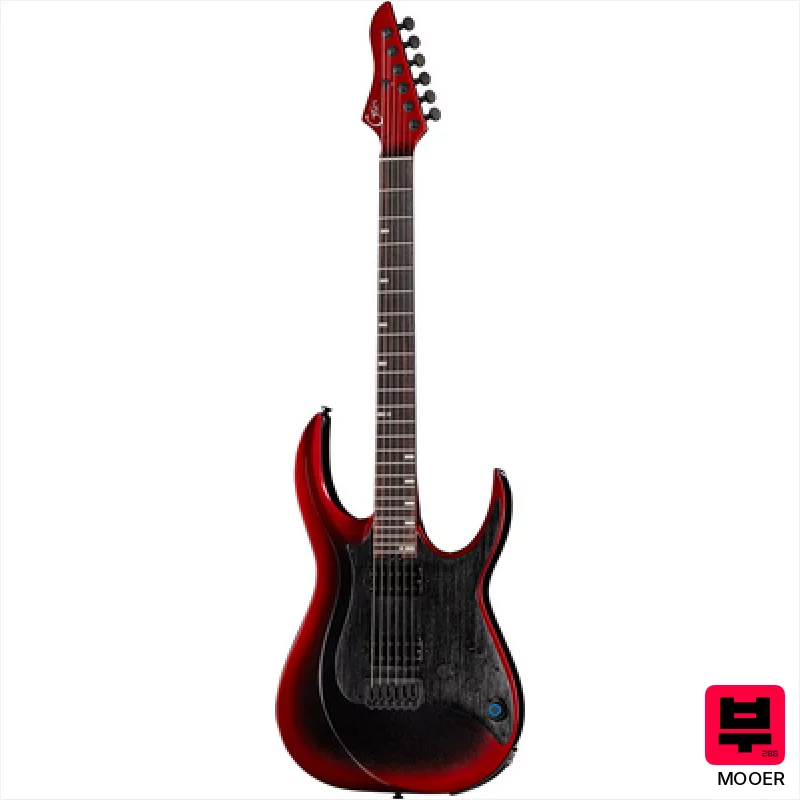
Mooer GTRS Guitars Modern 800 DRD
- • Alder body provides a balanced, resonant foundation for tone.
- • Roasted maple neck offers stability and a smooth, fast playing experience.
- • GTRS HMT pickups deliver a modern, high-output sound with clarity.
- • Super Knob offers intuitive preset switching and output level control.
- • The bolt-on neck construction might lack the sustain of a set-neck design.
- • Reliance on the GTRS app for full functionality can be limiting for some users.
- • Rosewood fretboard might require more frequent maintenance compared to maple.
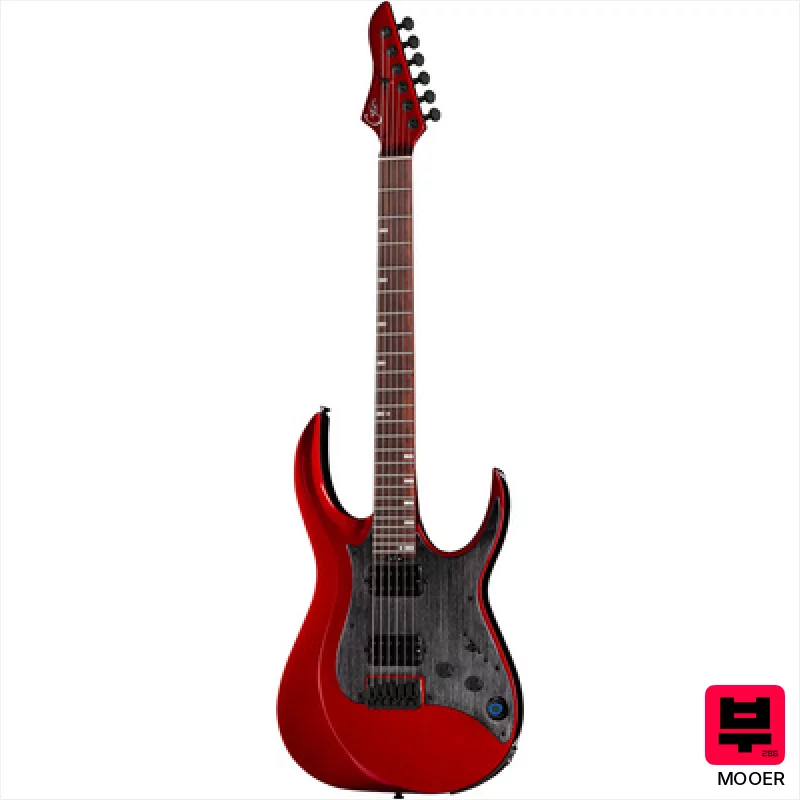
Mooer GTRS Guitars Modern 800 MRD
- • Alder body delivers a balanced, resonant tone with good sustain.
- • Roasted maple neck offers stability and a smooth, fast playing experience.
- • GTRS HMT pickups provide a versatile range, from crunchy rhythm to searing leads.
- • The 'Super Knob' simplifies preset switching and output control.
- • The bolt-on neck construction, while practical, might lack the premium feel of a set neck.
- • Reliance on the GTRS app for full functionality could be a barrier for some users.
- • Rosewood fretboards, while common, may require more frequent maintenance.
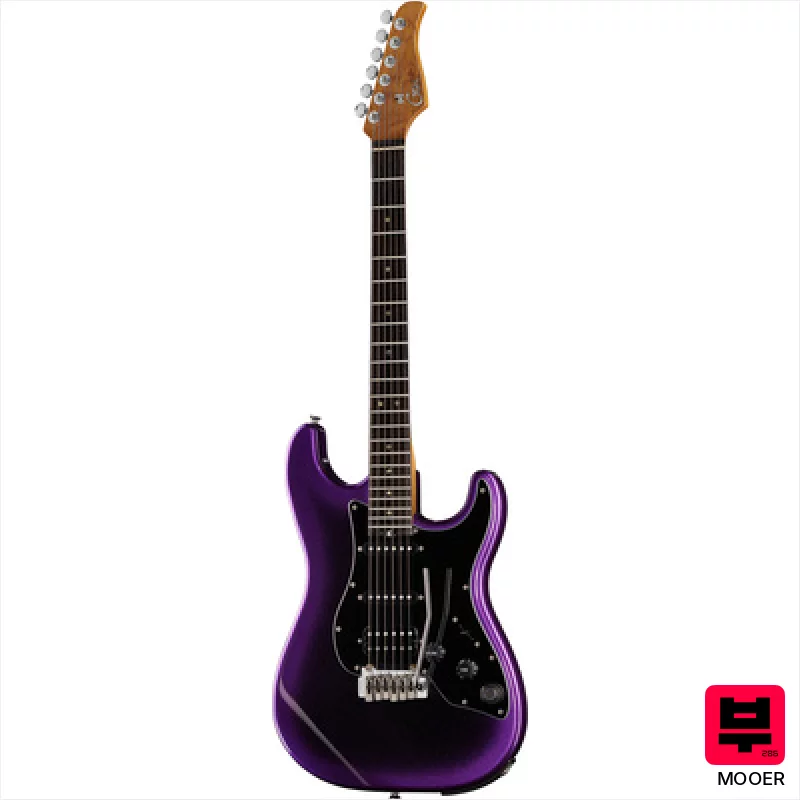
Mooer GTRS Guitars int. Prof. 800 DP
- • American alder body delivers a balanced, resonant tone.
- • Roasted maple neck offers stability and a smooth, fast feel.
- • SCN single coils provide authentic, clear Strat-style articulation.
- • Super-Knob simplifies preset switching and output level adjustments.
- • Bolt-on neck construction may lack the sustain of a set-neck design.
- • Rosewood fretboard might feel less smooth than some modern alternatives.
- • Reliance on the GTRS app for full functionality can be a barrier.

Mooer GTRS Guitar Profess. 801 FP
- • American alder body provides excellent resonance and sustain.
- • Roasted maple neck offers stability and a smooth, fast feel.
- • SCN pickups deliver a versatile range from clean to high-gain tones.
- • Integrated GTRS processor unlocks a vast library of amp and effect models.
- • Bolt-on neck construction might lack the sustain of a set-neck design.
- • Super knob control could feel less intuitive than dedicated knobs.
- • The GTRS app, while powerful, relies on Mooer's continued software support.
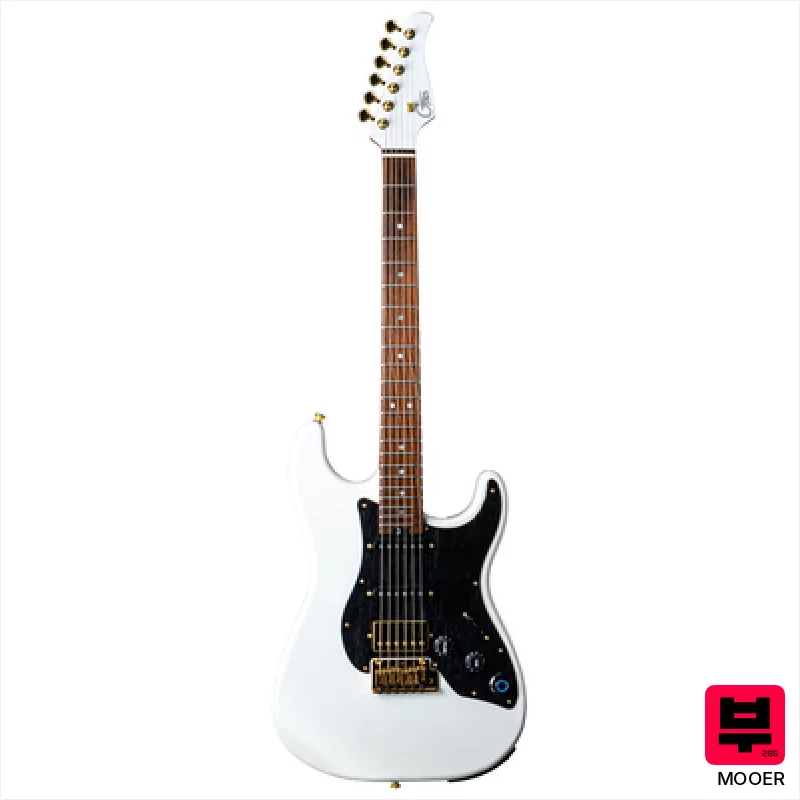
Mooer GTRS Guitars Standard 900 W PW
- • American basswood body offers a balanced, resonant tone.
- • Roasted maple neck provides stability and a smooth playing feel.
- • Versatile pickup configuration handles clean tones to high-gain rock.
- • Integrated GTRS system unlocks extensive digital sound design possibilities.
- • Wireless footswitch is a separate purchase, adding to the overall cost.
- • Rosewood fretboard may require more frequent oiling for optimal playability.
- • American basswood can be a bit on the heavier side for some players.
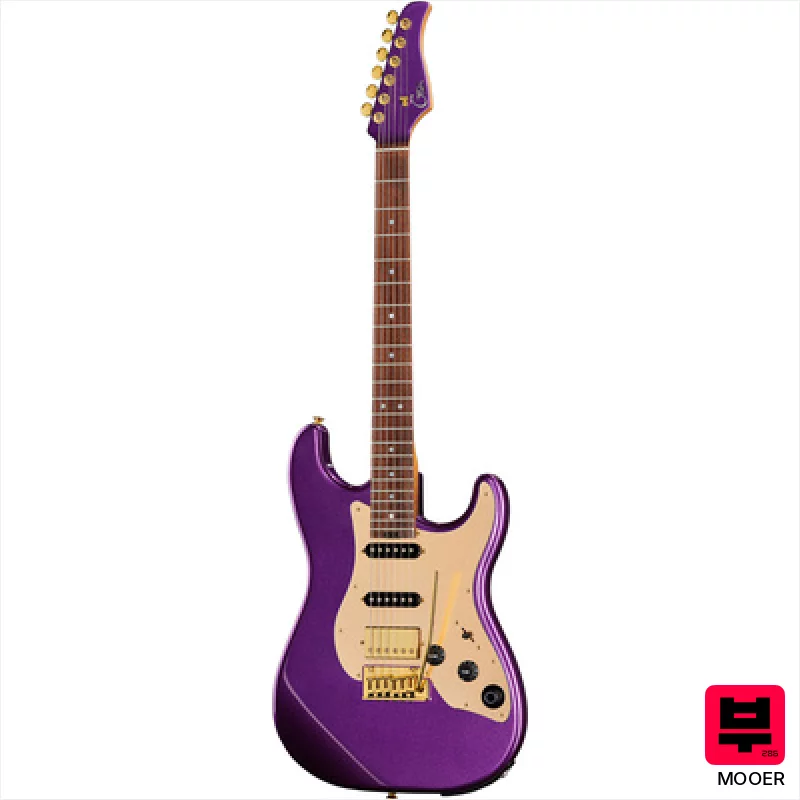
Mooer GTRS Guitars Standard 900 W PP
- • Excellent integrated digital modeling; broad sonic palette available.
- • Wireless functionality and USB-OTG recording offer immense creative flexibility.
- • Impressive battery life simplifies gigging and practice scenarios.
- • The Super Knob provides intuitive, on-the-fly preset switching.
- • Reliance on the app for full functionality can be a workflow hurdle.
- • Potential latency issues with complex effect chains are possible.
- • The overall build quality, while decent, might not match high-end alternatives.

Mooer GTRS Guitars Standard 900 W PB
- • Excellent integrated modeling system offers vast sonic possibilities.
- • Wireless connectivity and app control streamline workflow significantly.
- • The GLB-P1 battery provides impressive playtime and convenience.
- • Solid build quality, especially considering the innovative design.
- • The app-dependent nature limits standalone functionality somewhat.
- • The weight, likely due to the battery and electronics, might be a factor.
- • The preset selection, while versatile, could feel restrictive to some.
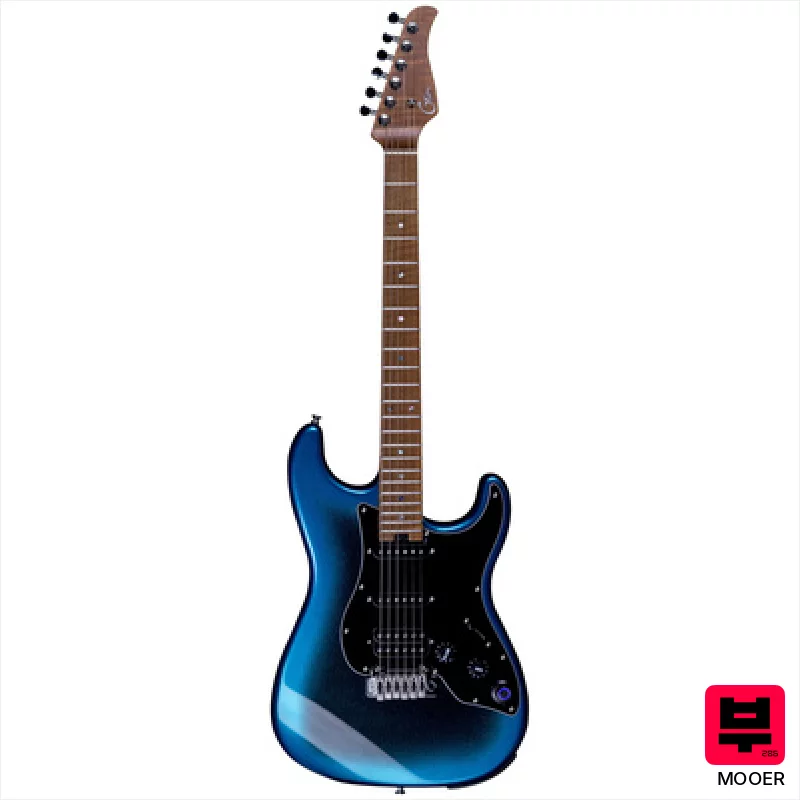
Mooer GTRS Guitar Profess. 801 DN
- • American alder body provides excellent resonance and sustain.
- • Roasted maple neck and fretboard offer stability and a smooth feel.
- • SCN pickups deliver a versatile, chimey, and modern tone palette.
- • Integrated GTRS processor unlocks vast sonic possibilities and preset recall.
- • Bolt-on neck construction might not appeal to players preferring set-neck feel.
- • The 'Super Knob' functionality could feel limiting for complex tone shaping.
- • While versatile, the digital nature might not satisfy purists seeking purely analog tones.

Mooer GTRS Guitars Modern 800 PWH
- • Alder body provides a balanced, resonant tone with good sustain.
- • Roasted maple neck offers stability and a smooth, fast playing experience.
- • GTRS system unlocks a vast library of amp and effects models.
- • Nickel silver jumbo frets facilitate effortless bending and comfortable playability.
- • Bolt-on neck construction may lack the inherent sustain of a set-neck design.
- • Rosewood fretboard, while classic, can show wear more quickly than alternatives.
- • Reliance on the GTRS app introduces a potential point of failure for preset management.
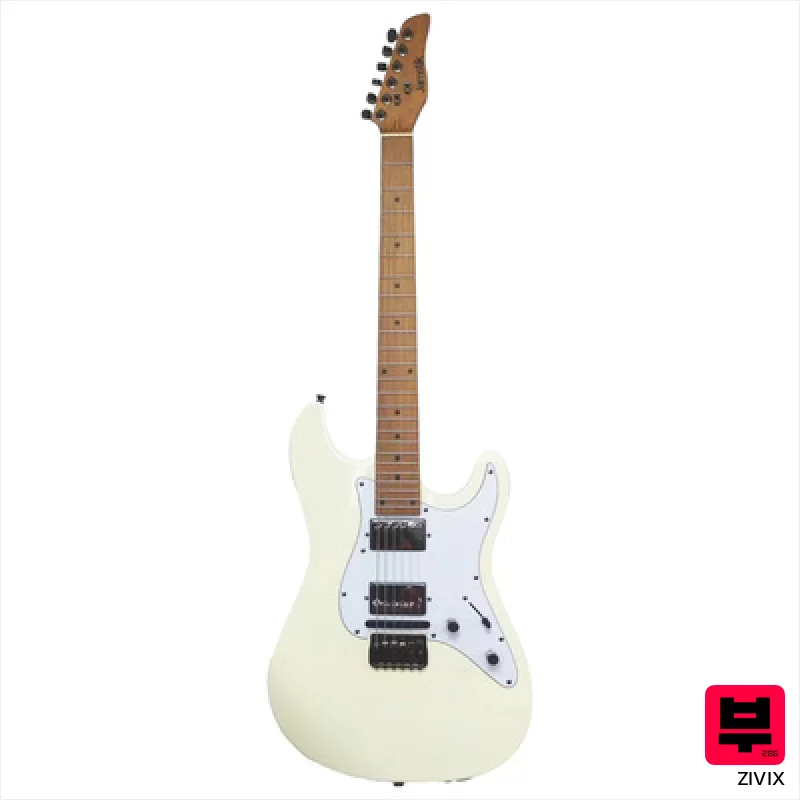
Zivix Jamstik Standard WH
- • Roasted maple neck offers excellent stability and feel.
- • KD humbuckers deliver a surprisingly thick, versatile tone.
- • Comprehensive MIDI connectivity opens a world of creative possibilities.
- • Bolt-on neck construction provides a snappy, responsive playing feel.
- • The poplar body, while lightweight, lacks the resonance of more premium woods.
- • MIDI functionality requires a learning curve and potentially additional software.
- • The 356mm radius fingerboard is quite flat, not ideal for all players.
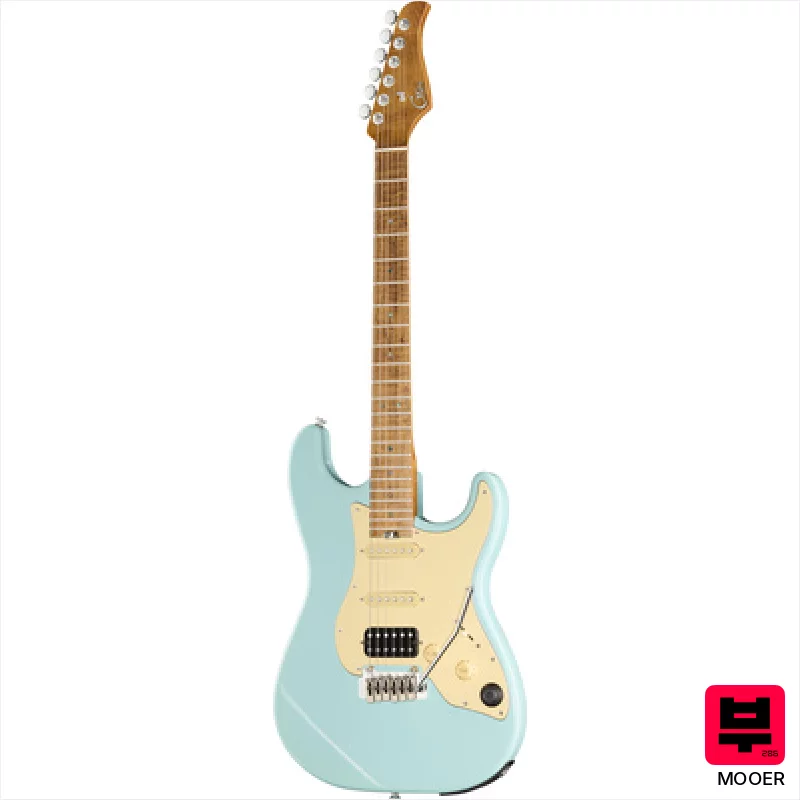
Mooer GTRS Guitar Profess. 801 TB
- • American alder body provides a resonant, balanced tonal foundation.
- • Roasted maple neck and fingerboard offer stability and a smooth playing feel.
- • SCN pickups deliver a surprisingly authentic, nuanced single-coil character.
- • Integrated GTRS processor unlocks a vast range of digital sounds and effects.
- • Bolt-on neck construction may not appeal to players seeking a more integrated feel.
- • The 'Super Knob' functionality could be more intuitive and streamlined in practice.
- • Reliance on the GTRS app for full feature access introduces a software dependency.
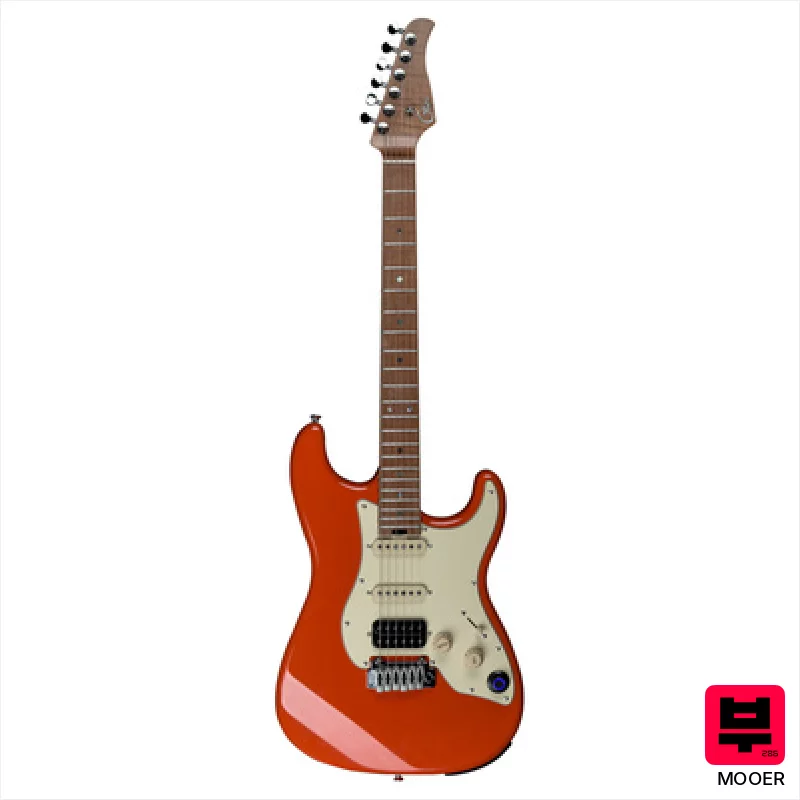
Mooer GTRS Guitar Profess. 801 FRD
- • American alder body provides a balanced, resonant foundation for a wide range of tones.
- • Roasted maple neck and fingerboard offer stability and a smooth, fast playing experience.
- • SCN-1 pickups deliver a versatile, hum-free core sound, adaptable to many genres.
- • Integrated GTRS processor unlocks a massive library of amp and effects models.
- • Bolt-on neck construction, while practical, may lack the sustain of a set-neck design.
- • The 'Super Knob' control scheme might require a learning curve for some users.
- • While versatile, the digital nature might not satisfy purists seeking purely analog tones.
How to Choose the Best MIDI, Digital & Modelling Guitars
Tonal Palette
It's not just about having a lot of amp models; it's about the quality of those models. Do they convincingly nail a '60s Vox AC30 breakup, or just sound like a digital approximation? A versatile guitar needs a broad range of usable tones, from sparkling cleans to thick, saturated overdrive.
MIDI Implementation
Beyond just sending note data, look for features like aftertouch, expression pedal control, and polyphonic aftertouch if you're serious about synth sounds. A basic MIDI output is fine for simple stuff, but a robust implementation unlocks serious creative potential.
Playability & Feel
Modelling guitars can sometimes feel disconnected, but a comfortable neck profile, good action, and responsive feel are non-negotiable. A stiff, unresponsive neck will kill your vibe, regardless of how good the amp models sound.
Effects Integration
Many modern modelling guitars have built-in effects. While these can be convenient, assess their quality - are they adding to the sound or just masking deficiencies? Seamless integration with external effects pedals is a huge plus.
Dynamic Response
A good modelling guitar should react to your playing dynamics. Can it go from a whisper-quiet clean to a screaming lead without sounding compressed or artificial? This is crucial for expressive playing and cutting through a mix.
Buying Guide
Don't get blinded by the sheer number of presets. Focus on the core engine and how well it handles the sounds you want. Cheaper models often cut corners on the modelling algorithms, resulting in a sterile, lifeless tone. Paying a bit more for a guitar with a more responsive feel and genuinely convincing amp models is almost always worth it - it'll save you frustration down the line.
Our Methodology
We're not relying on spec sheets here. We've spent hours plugging these guitars into various amps and interfaces, A/B'ing them against real-deal vintage gear, and putting them through the paces of gigging, recording, and late-night jam sessions. It's about how they feel and sound in a real-world context, not just the numbers on a page.

