
Best MIDI, Digital & Modelling Guitars for Beginner 2026
So, you're just starting out and you're eyeing up those modelling guitars and MIDI setups? Smart move. They can be a huge shortcut to exploring tones and learning styles, but they're not all created equal. Let's cut through the hype and figure out which ones will actually help you grow as a player, not just overwhelm you with menus and flashing lights.
Last updated: September 30, 2026
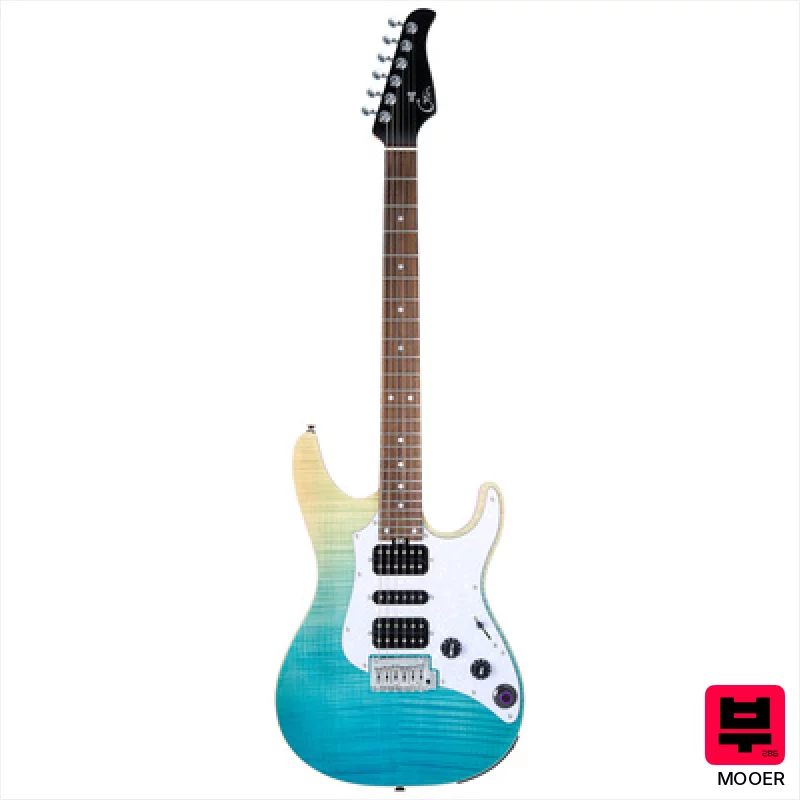
Mooer GTRS Soloist 810 Blue Burst
- • Mahogany body provides a warm, resonant foundation for diverse tones.
- • Roasted maple neck offers stability and a smooth, fast playing experience.
- • GTRS SL-1 pickups deliver a surprisingly articulate and powerful sound.
- • Integrated battery system allows for true wireless operation and extended playtime.
- • The 'Super Knob' functionality might feel limiting for experienced users wanting granular control.
- • Bolt-on neck construction, while stable, lacks the inherent warmth of a set-neck.
- • Flamed maple top, while attractive, may be a thin veneer.
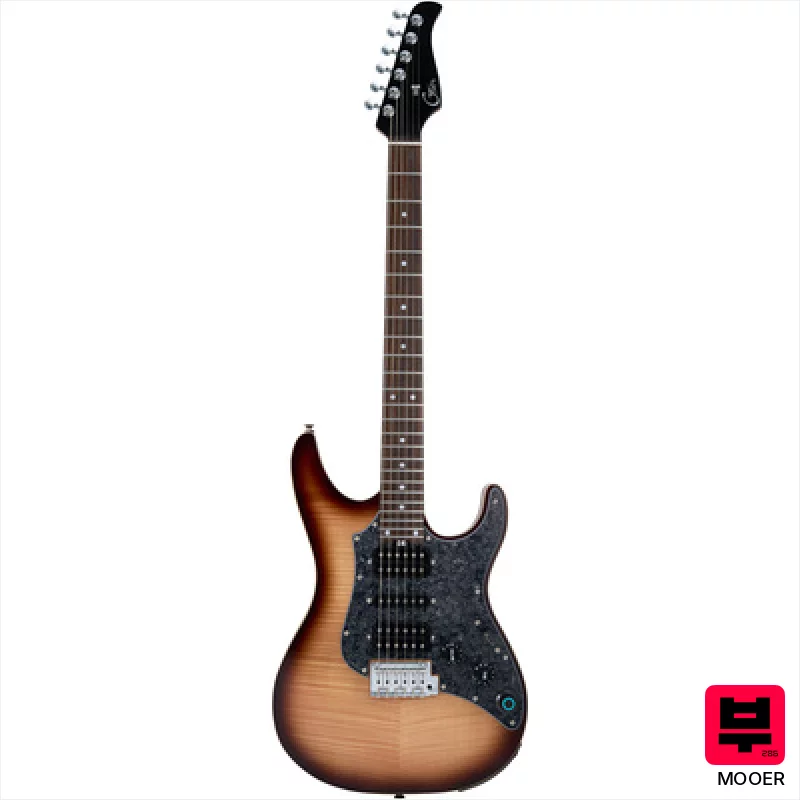
Mooer GTRS Soloist 810 Brown Burst
- • Mahogany body delivers warmth and sustain, a solid foundation.
- • Roasted maple neck offers stability and a smooth playing feel.
- • GTRS SL-1 pickups provide a versatile range of tones, from clean to grit.
- • Integrated digital system opens up vast sonic possibilities via the app.
- • Mahogany body can make it feel a bit heavier than some players prefer.
- • The 'Super Knob' functionality might feel limiting for complex effects chains.
- • Reliance on the app for full feature access could be a drawback for some.
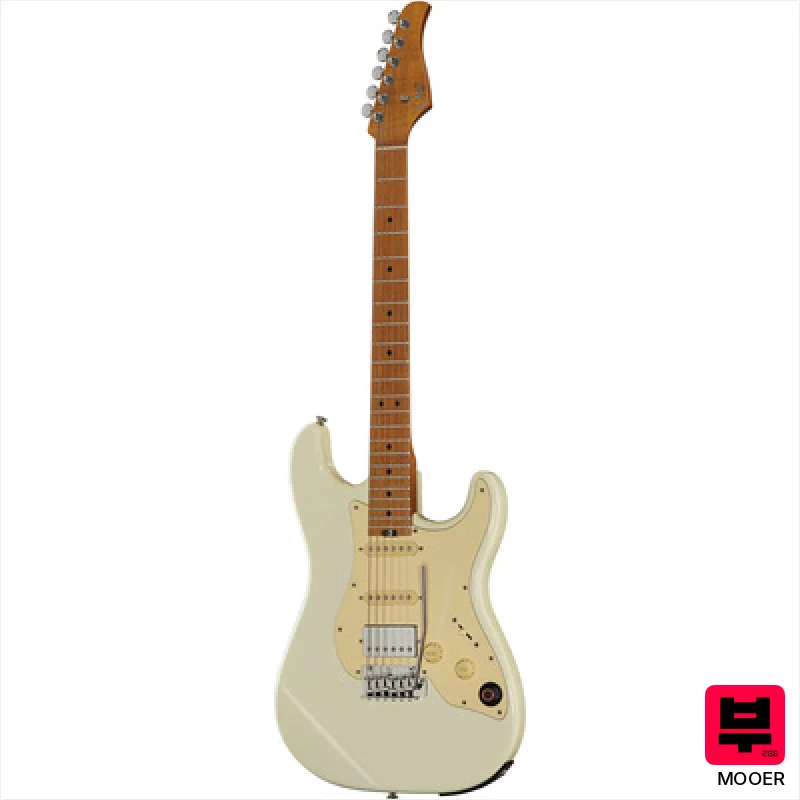
Mooer GTRS Guitars Standard 801 VW
- • Roasted maple neck provides excellent stability and feel.
- • AlNiCo V pickups deliver a versatile range from chime to grit.
- • American basswood body offers a balanced, resonant tone.
- • Super Knob simplifies preset switching and output control.
- • Basswood body, while resonant, lacks the premium feel of mahogany.
- • Relies heavily on the GTRS app for full functionality; potential learning curve.
- • Bridge design may not appeal to players seeking vintage tremolo functionality.
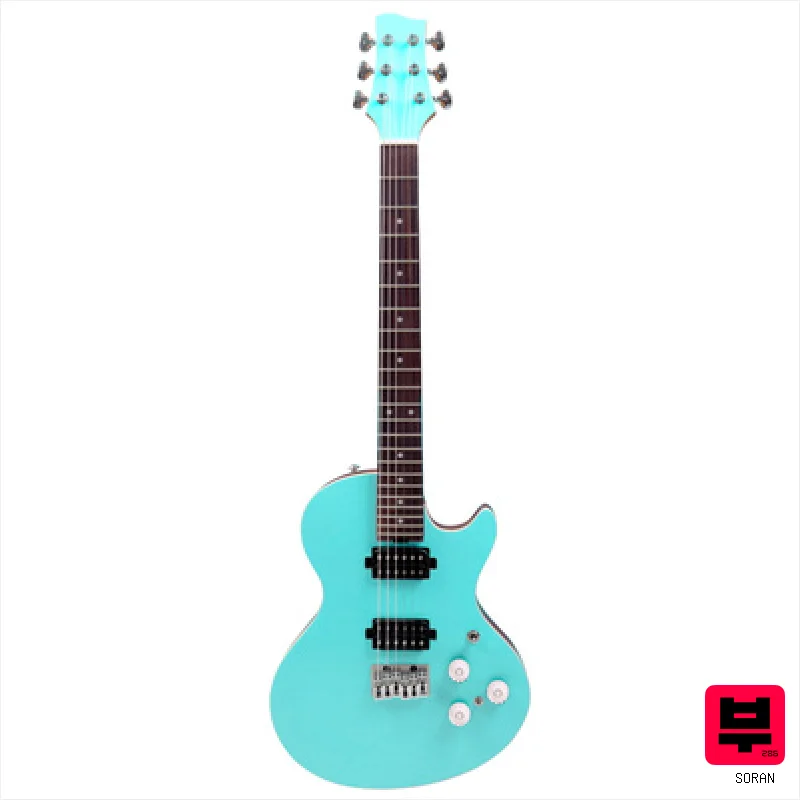
Soran Verser VP 2200 SG
- • Built-in Bluetooth MIDI and audio for easy app control
- • Neem wood body paired with roasted maple neck
- • Two custom Alnico V humbuckers for warm tone
- • Six hours playtime on a single lithium battery
- • No bridge material or type listed in the description
- • Missing weight spec makes balance unknown to players
- • Only one volume and tone control available
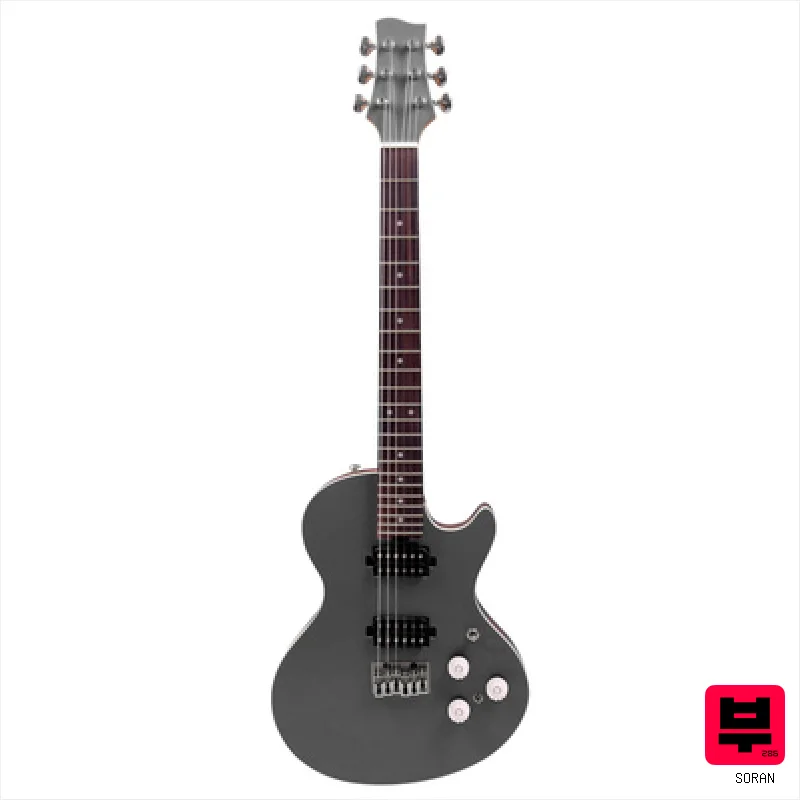
Soran Verser VP 2200 VG
- • Built-in multi-effects processor with nine distinct modules
- • Custom-design Alnico V humbucker pickups for warm tone
- • Up to six hours of playtime on built-in lithium battery
- • Neem wood body offers a unique tonal character
- • Only two tone controls limit equalizer customization
- • Single volume knob lacks dedicated output blending
- • No specified bridge type or weight details
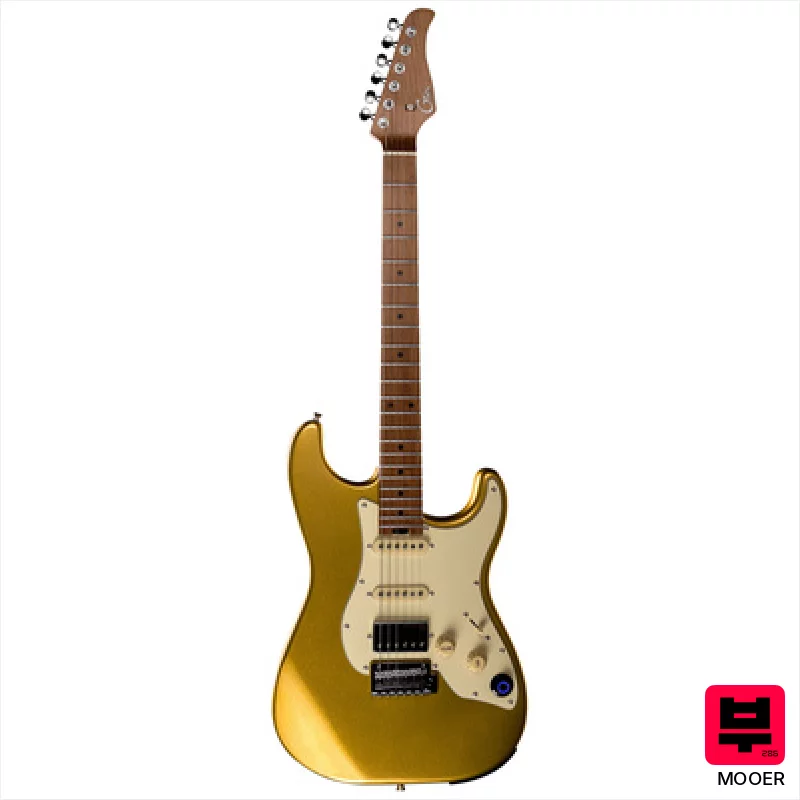
Mooer GTRS Guitar Standard S801 Gold
- • American basswood body delivers a balanced, resonant tone.
- • Roasted maple neck provides exceptional stability and smooth playability.
- • GTRS system unlocks incredible versatility for digital sound design.
- • Bone nut improves sustain and tuning stability compared to plastic.
- • Super Knob functionality might feel limiting for experienced users.
- • Basswood body, while versatile, lacks the premium sustain of mahogany.
- • Reliance on the GTRS app for full feature access can be a drawback.

Mooer GTRS Guitars Standard 800 MR
- • Roasted maple neck offers excellent stability and a smooth, fast feel.
- • The AlNiCo V pickups deliver a versatile range from chimey cleans to crunchy distortion.
- • Integrated GTRS system unlocks immense tonal possibilities via the free app.
- • American basswood body provides a balanced tone with good resonance and sustain.
- • The Super Knob functionality might feel limiting for experienced users.
- • Rosewood fretboard, while classic, may require more frequent oiling.
- • Reliance on the app for full feature access could be a drawback for some.

Mooer GTRS Guitars Standard 801 SB
- • American basswood body provides a balanced, resonant tone.
- • Roasted maple neck offers stability and a smooth, fast playing feel.
- • Versatile pickup configuration covers from clean to high-gain tones.
- • Integrated GTRS system opens a world of digital sound design possibilities.
- • Basswood body, while versatile, lacks the premium sustain of mahogany.
- • Bolt-on neck construction may not appeal to players seeking a more integrated feel.
- • Reliance on the GTRS app introduces potential software dependency.

Mooer GTRS Guitars Standard 801 SG
- • American basswood body provides a balanced, resonant tone.
- • Roasted maple neck offers stability and a smooth playing feel.
- • Versatile pickup configuration (SC-1N/SC-1M/HM-1B) covers a wide range of styles.
- • Integrated GTRS system unlocks immense tonal flexibility and digital control.
- • Bolt-on neck construction, while functional, lacks the premium feel of a set neck.
- • Super knob functionality might feel limiting for players accustomed to dedicated controls.
- • Relies heavily on the GTRS app for full feature access, potentially a barrier for some.
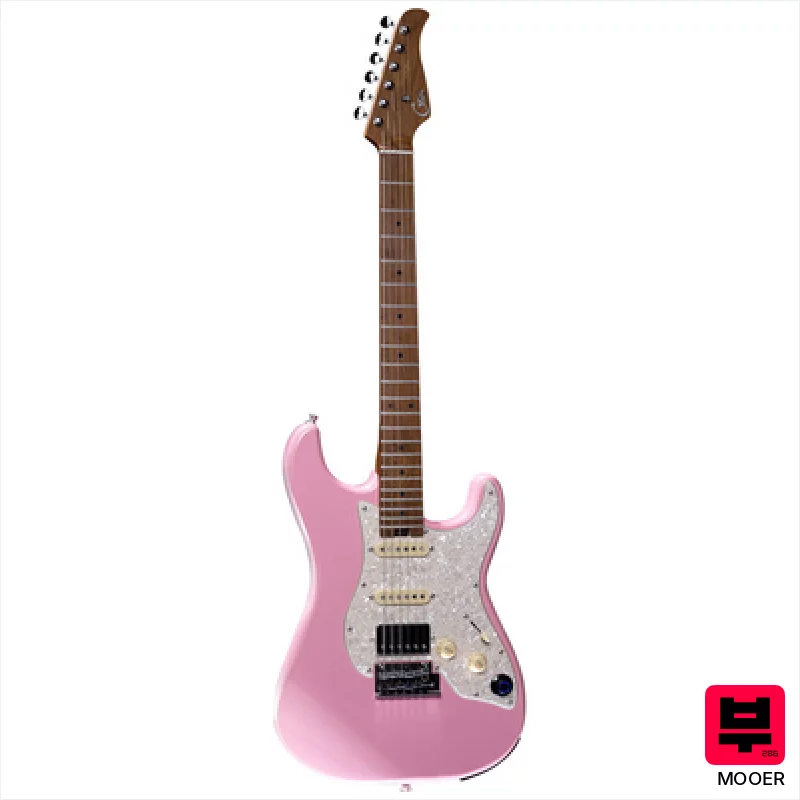
Mooer GTRS Guitars Standard 801 SP
- • American basswood body offers a balanced, resonant tone.
- • Roasted maple neck provides excellent stability and a smooth feel.
- • GTRS SC-1 pickups deliver versatile tones, from clean to driven.
- • Super knob provides intuitive preset switching and output control.
- • Basswood body, while balanced, lacks the premium feel of mahogany or ash.
- • Reliance on the app for full functionality introduces potential software dependencies.
- • Bridge type isn't specified, potentially limiting advanced tremolo capabilities.

Mooer GTRS Guitars Standard 800 SG
- • American basswood body offers a balanced, resonant tone.
- • Roasted maple neck provides excellent stability and a smooth feel.
- • GTRS SC/HM pickups deliver a versatile range from chime to crunch.
- • Super-Knob simplifies preset switching and overall volume control.
- • The rosewood fretboard may feel a bit dry to some players.
- • The GTRS system’s full potential requires app integration and experimentation.
- • Bolt-on neck construction might not appeal to purists seeking a more vintage feel.

Mooer GTRS Guitars Standard S 800 G
- • Roasted maple neck provides excellent stability and a smooth playing feel.
- • The GTRS system offers incredible tonal flexibility and preset recall.
- • AlNiCo V pickups deliver a versatile range of classic tones, from clean to driven.
- • American basswood body provides a balanced and resonant foundation for the guitar.
- • Reliance on the GTRS system might limit appeal to players preferring traditional setups.
- • Rosewood fretboard may require more frequent oiling to prevent dryness.
- • The 'Super Knob' functionality, while innovative, could feel complex to some users.

Mooer GTRS Guitars Standard 800 VW
- • Roasted maple neck provides excellent stability and feel.
- • AlNiCo V pickups deliver a versatile range, from clean to driven.
- • American basswood body offers a balanced, resonant tone.
- • Integrated GTRS system unlocks immense digital sound design potential.
- • The rosewood fretboard may require more frequent oiling to prevent dryness.
- • The 'Super Knob' functionality might take some getting used to; learning curve.
- • While versatile, the pickup configuration leans towards brighter tones.
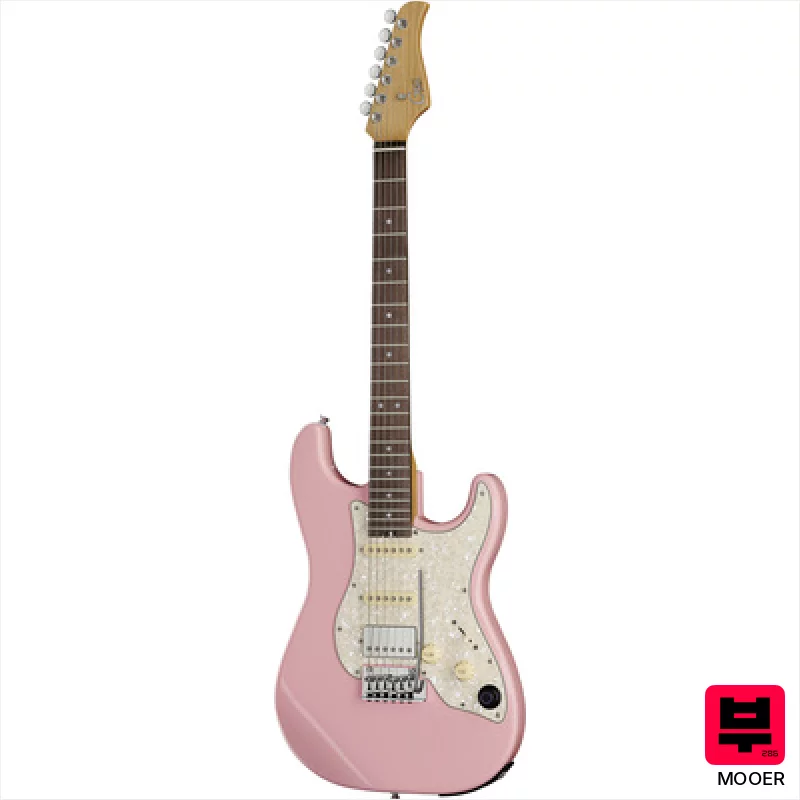
Mooer GTRS Guitars Standard 800 SP
- • Roasted maple neck provides excellent stability and feel.
- • AlNiCo V pickups deliver a versatile, warm, and articulate tone.
- • The GTRS system offers extensive digital sound shaping possibilities.
- • American basswood body provides a balanced and resonant foundation.
- • The 'Super Knob' functionality might feel limiting for experienced users.
- • Rosewood fretboard might require more frequent oiling depending on climate.
- • Wireless footswitch is a separate purchase, adding to the overall cost.

Mooer GTRS Soloist 810 Red Burst
- • Mahogany body delivers a warm, resonant foundation.
- • Roasted maple neck provides stability and a smooth playing feel.
- • GTRS SL-1 pickups offer a surprisingly versatile, modern tone.
- • Tremolo system allows for expressive vibrato and dive bombs.
- • The 'Super Knob' functionality might feel limiting for experienced users.
- • Active pickups necessitate battery management, though life is decent.
- • Flamed maple top is cosmetic – doesn't significantly impact tone.
Every midi, digital & modelling guitars that matches
50 models match this page. The 15 above are covered in detail; the rest are listed here with their published specifications.
| # | Model | Specifications | Price |
|---|---|---|---|
| 16 | Zivix Jamstik Standard BK | Nut width 42 mm (1.65") · Scale 648 mm (25.51") · Frets 24 frets · Fingerboard radius 356 mm (14.02") · Neck profile C-shape neck · Body Poplar body · Fingerboard Maple fingerboard | $1,361 |
| 17 | Zivix Jamstik Core WH | Nut width 41.9 mm (1.65") · Scale 648 mm (25.51") · Frets 22 frets · Fingerboard radius 356 mm (14.02") · Neck profile C-shape neck · Body Poplar body · Fingerboard Maple fingerboard | $850 |
| 18 | Zivix Jamstik Core BK | Nut width 41.9 mm (1.65") · Scale 648 mm (25.51") · Frets 22 frets · Fingerboard radius 356 mm (14.02") · Neck profile C-shape neck · Body Poplar body · Fingerboard Maple fingerboard | $850 |
| 19 | Mooer GTRS Guitars Standard 900 W PP | Nut width 41.3 mm (1.63") · Scale 648 mm (25.51") · Fingerboard radius 305 mm (12.01") · Body Basswood body · Fingerboard Rosewood fingerboard · Weight 3.4 kg | $567 |
| 20 | Mooer GTRS Guitars Standard 900 W PB | Nut width 41.3 mm (1.63") · Scale 648 mm (25.51") · Fingerboard radius 305 mm (12.01") · Body Basswood body · Fingerboard Rosewood fingerboard · Weight 3.4 kg | $567 |
| 21 | Mooer GTRS Soloist 810 Purple Burst | Nut width 42 mm (1.65") · Scale 647.7 mm (25.5") · Fingerboard radius 304.8 mm (12") · Body Mahogany body · Fingerboard Rosewood fingerboard · Weight 3.8 kg | $567 |
| 22 | Mooer GTRS Guitars Wing 800 Int PW | Nut width 42 mm (1.65") · Frets 24 frets · Body Alder body · Fingerboard Rosewood fingerboard · Weight 2.7 kg | $657 |
| 23 | Mooer GTRS Guitars Modern 810 PB | Nut width 42 mm (1.65") · Fingerboard radius 305 mm (12.01") · Body Alder body · Fingerboard Rosewood fingerboard · Weight 3.8 kg | $646 |
| 24 | Mooer GTRS Guitars Modern 810 NB | Nut width 42 mm (1.65") · Fingerboard radius 305 mm (12.01") · Body Alder body · Fingerboard Rosewood fingerboard · Weight 3.8 kg | $646 |
| 25 | Mooer GTRS Guitars Modern 810 GB | Nut width 42 mm (1.65") · Scale 647.7 mm (25.5") · Body Alder body · Fingerboard Rosewood fingerboard · Weight 3.8 kg | $646 |
| 26 | Mooer GTRS Guitars Modern 810 BB | Nut width 42 mm (1.65") · Scale 647.7 mm (25.5") · Body Alder body · Fingerboard Rosewood fingerboard · Weight 3.8 kg | $606 |
| 27 | Mooer GTRS Guitars Modern 800 BLC | Nut width 42 mm (1.65") · Scale 647.7 mm (25.5") · Body Alder body · Fingerboard Rosewood fingerboard · Weight 3.8 kg | $567 |
| 28 | Mooer GTRS Guitars Modern 800 DN | Nut width 42 mm (1.65") · Scale 647.7 mm (25.5") · Body Alder body · Fingerboard Rosewood fingerboard · Weight 3.8 kg | $567 |
| 29 | Mooer GTRS Guitars Modern 800 DPP | Nut width 42 mm (1.65") · Scale 647.7 mm (25.5") · Body Alder body · Fingerboard Rosewood fingerboard · Weight 3.8 kg | $567 |
| 30 | Mooer GTRS Guitars Modern 800 DRD | Nut width 42 mm (1.65") · Scale 647.7 mm (25.5") · Body Alder body · Fingerboard Rosewood fingerboard · Weight 3.8 kg | $567 |
| 31 | Mooer GTRS Guitars Modern 800 DSI | Nut width 42 mm (1.65") · Scale 647.7 mm (25.5") · Body Alder body · Fingerboard Rosewood fingerboard · Weight 3.8 kg | $555 |
| 32 | Mooer GTRS Guitars Modern 800 PWH | Nut width 42 mm (1.65") · Scale 647.7 mm (25.5") · Body Alder body · Fingerboard Rosewood fingerboard · Weight 3.8 kg | $533 |
| 33 | Mooer GTRS Guitars Modern 800 PBK | Nut width 42 mm (1.65") · Scale 647.7 mm (25.5") · Body Alder body · Fingerboard Rosewood fingerboard · Weight 3.8 kg | $521 |
| 34 | Mooer GTRS Guitars Wing 900 Int AGR | Nut width 42 mm (1.65") · Frets 24 frets · Fingerboard Rosewood fingerboard · Weight 2.7 kg | $771 |
| 35 | Mooer GTRS Guitars Wing 900 Int API | Nut width 42 mm (1.65") · Frets 24 frets · Fingerboard Rosewood fingerboard · Weight 2.7 kg | $771 |
| 36 | Mooer GTRS Guitars Wing 900 Int APU | Nut width 42 mm (1.65") · Frets 24 frets · Fingerboard Rosewood fingerboard · Weight 2.7 kg | $771 |
| 37 | Mooer GTRS Guitars Wing 800 Int PB | Nut width 42 mm (1.65") · Frets 24 frets · Body Alder body · Weight 2.7 kg | $657 |
| 38 | Mooer GTRS Guitars int. Prof. 800 DP | Nut width 42 mm (1.65") · Scale 648 mm (25.51") · Body Alder body · Fingerboard Rosewood fingerboard | $680 |
| 39 | Mooer GTRS Guitars int. Prof. 800 DN | Nut width 42 mm (1.65") · Scale 648 mm (25.51") · Body Alder body · Fingerboard Rosewood fingerboard | $680 |
| 40 | Mooer GTRS Guitars Prof. 800 OW | Nut width 42 mm (1.65") · Scale 648 mm (25.51") · Body Alder body · Fingerboard Rosewood fingerboard | $646 |
| 41 | Mooer GTRS Guitars Standard 900 W PW | Nut width 41.3 mm (1.63") · Scale 647.7 mm (25.5") · Body Basswood body · Fingerboard Rosewood fingerboard | $567 |
| 42 | Mooer GTRS Guitars Standard 900 W RG | Nut width 41.3 mm (1.63") · Scale 647.7 mm (25.5") · Body Basswood body · Fingerboard Rosewood fingerboard | $567 |
| 43 | Mooer GTRS Guitar Profess. 801 DN | Nut width 42 mm (1.65") · Scale 647.7 mm (25.5") · Body Alder body | $680 |
| 44 | Mooer GTRS Guitars int. Prof. 800 DS | Nut width 42 mm (1.65") · Scale 648 mm (25.51") · Body Alder body | $657 |
| 45 | Mooer GTRS Guitar Profess. 801 FRD | Nut width 42 mm (1.65") · Scale 647.7 mm (25.5") · Body Alder body | $646 |
| 46 | Mooer GTRS Guitar Profess. 801 FP | Nut width 42 mm (1.65") · Scale 647.7 mm (25.5") · Body Alder body | $646 |
| 47 | Mooer GTRS Guitar Profess. 801 MG | Nut width 42 mm (1.65") · Scale 647.7 mm (25.5") · Body Alder body | $646 |
| 48 | Mooer GTRS Guitar Profess. 801 OW | Nut width 42 mm (1.65") · Scale 647.7 mm (25.5") · Body Alder body | $646 |
| 49 | Mooer GTRS Guitar Profess. 801 TB | Nut width 42 mm (1.65") · Scale 647.7 mm (25.5") · Body Alder body | $635 |
| 50 | Mooer GTRS Guitars Prof. 800 FP | Scale 648 mm (25.51") · Body Alder body · Fingerboard Rosewood fingerboard | $646 |
MIDI, Digital & Modelling Guitars by the numbers
Measured across all 50 models in this category, so «wide», «short» or «expensive» mean something you can check.
How to Choose the Best MIDI, Digital & Modelling Guitars
Playability
It's the foundation. A chunky neck profile or high action will kill your progress faster than you can say 'pentatonic scale.' We're looking for comfortable neck shapes, reasonable action, and a general feel that encourages you to keep playing.
Tone Variety & Quality
Modelling is great for access, but the sounds need to be usable. A cheap modeler might give you a hundred amp simulations, but if they all sound like muddy, fizzy garbage, what's the point? We're listening for convincing cleans, usable overdrive, and a decent range of tones.
Ease of Use
Too many menus and complicated routing can be paralyzing for a beginner. We're prioritizing models with intuitive interfaces and clear, logical layouts. You want to be making music, not reading a manual.
MIDI Functionality (if applicable)
MIDI opens up a world of possibilities, but it adds complexity. We're looking for guitars with straightforward MIDI implementation and decent integration with common software platforms. Don't get bogged down in MIDI routing headaches.
Durability & Build Quality
Let's be honest, you're probably not being super careful with your gear right now. We want something that can take a few knocks and still keep playing reliably - cheap plastic knobs and flimsy hardware are a red flag.
Buying Guide
Don't chase the latest features - focus on playability and usable tones. Many beginner-friendly modelling guitars cut corners on the pickups, which can impact the overall feel and responsiveness. Also, be wary of 'infinite' amp and effect libraries; most of them are just filler. A simpler, well-built guitar with a handful of great sounds is far more valuable than a digital Swiss Army knife you never understand.
How This List Is Built
We don't play these instruments — we're a catalog, not a review desk, and we'd rather say so than pretend otherwise. This page covers 50 midi, digital & modelling guitars from the Thomann catalogue, which is the largest single source of specification data in this category: 15 in detail, the rest listed with their specifications.
Position is computed, not curated. We parse the manufacturer's own description into actual values — nut width, scale, fret count, fingerboard radius, size, alloy — and rank on them: how many specifications a model has published, how many of them are measurable numbers, and how precisely it meets this page's criterion. A product image adds a little. Price is not a ranking signal: it tells you nothing about whether a neck fits your hand. The same inputs always produce the same order, so nothing here is shuffled to look fresh.
What this list is good for: narrowing a category down to a shortlist by spec and budget. What it isn't: a substitute for hearing an instrument. Before you buy, read hands-on reviews and, where you can, play it. Full methodology.

