
Best MIDI, Digital & Modelling Guitars for Recording 2026
So, you're looking to dial in some killer tones for your recordings, huh? MIDI, digital modelling, and hybrid guitars have come a long way, and they're often a secret weapon for producers and session players. Forget the stigma - these aren't just bedroom toys anymore; they're legitimate tools for crafting sounds you just can't get from a standard Strat or Les Paul, especially when you need instant recall and a massive palette of tones at your fingertips.
Last updated: July 22, 2026 • Next update: July 29, 2026

Mooer GTRS Guitars Wing 900 Int AGR
- • Roasted maple neck offers excellent stability and feel.
- • Custom HM-2N pickups deliver high-gain, modern metal tones.
- • Multiscale design optimizes string tension across the fretboard.
- • Integrated GTRS system provides incredible tonal flexibility and wireless control.
- • Bolt-on neck construction may lack the sustain of a set-neck design.
- • Wireless functionality requires an optional, additional purchase.
- • Alder body, while resonant, might be a bit too lightweight for some players.
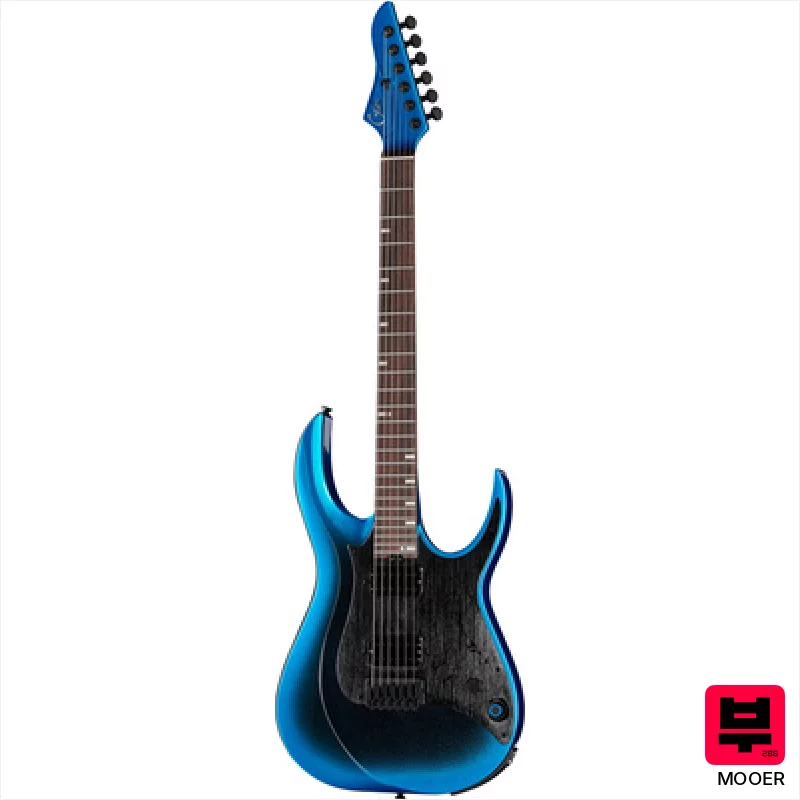
Mooer GTRS Guitars Modern 800 DN
- • Alder body provides a balanced, resonant tone with good sustain.
- • Roasted maple neck offers stability and a smooth, fast playing experience.
- • GTRS HMT pickups deliver a high-output, modern rock/metal tone.
- • Integrated GTRS processor unlocks a vast palette of digital sounds and effects.
- • The 'Super Knob' functionality, while versatile, may feel limiting for experienced users.
- • Alder body, while good, isn't the premium tonewood some players might desire.
- • Reliance on the GTRS app for full functionality might deter those preferring standalone gear.
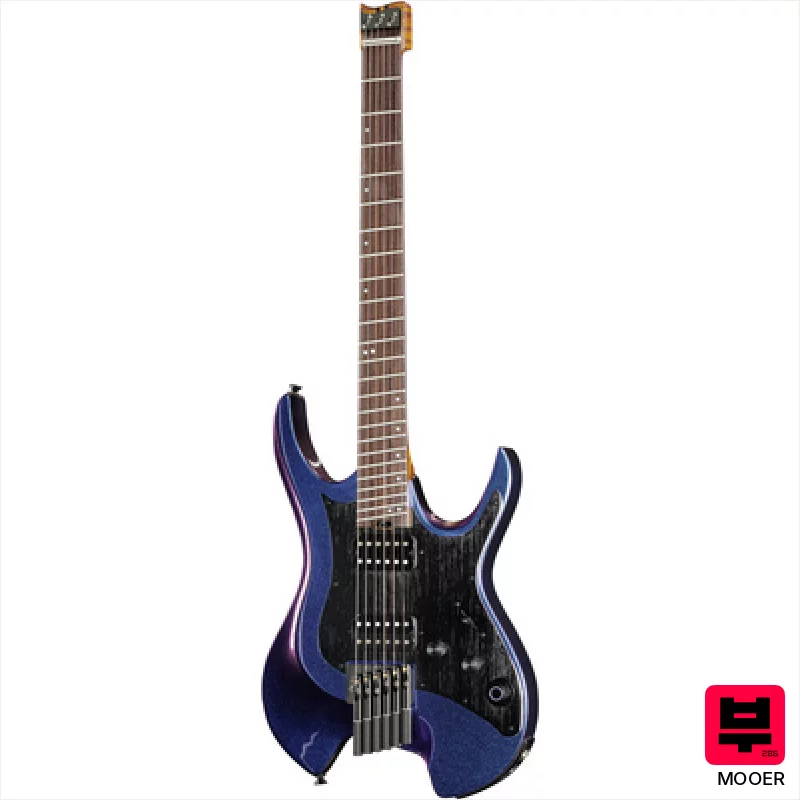
Mooer GTRS Guitars Wing 900 Int APU
- • Roasted maple neck provides exceptional stability and feel.
- • Multi-scale design optimizes string tension for varied tunings.
- • Custom HM-2N pickups deliver a surprisingly versatile high-gain tone.
- • Integrated wireless transmitter simplifies stage setups and eliminates cable clutter.
- • Headless design might feel awkward for players accustomed to traditional guitars.
- • Reliance on the GTRS app for editing could be limiting for some users.
- • American alder body, while good, isn’t as premium as mahogany or korina.
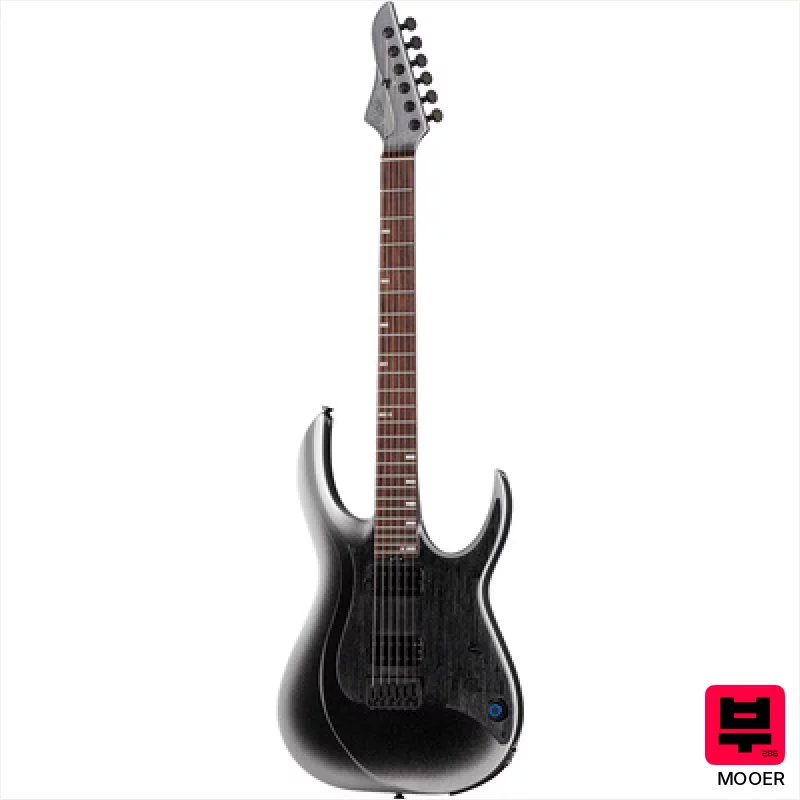
Mooer GTRS Guitars Modern 800 DSI
- • Alder body delivers a balanced, resonant tone with good sustain.
- • Roasted maple neck provides exceptional stability and a smooth playing feel.
- • GTRS HMT pickups offer a modern, high-output sound with clarity.
- • Super knob provides convenient preset switching and output control.
- • The rosewood fretboard might feel a bit dry to some players, requiring conditioning.
- • Limited pickup selection compared to guitars with coil-splitting options.
- • Wireless footswitch is an optional extra, adding to the overall cost.
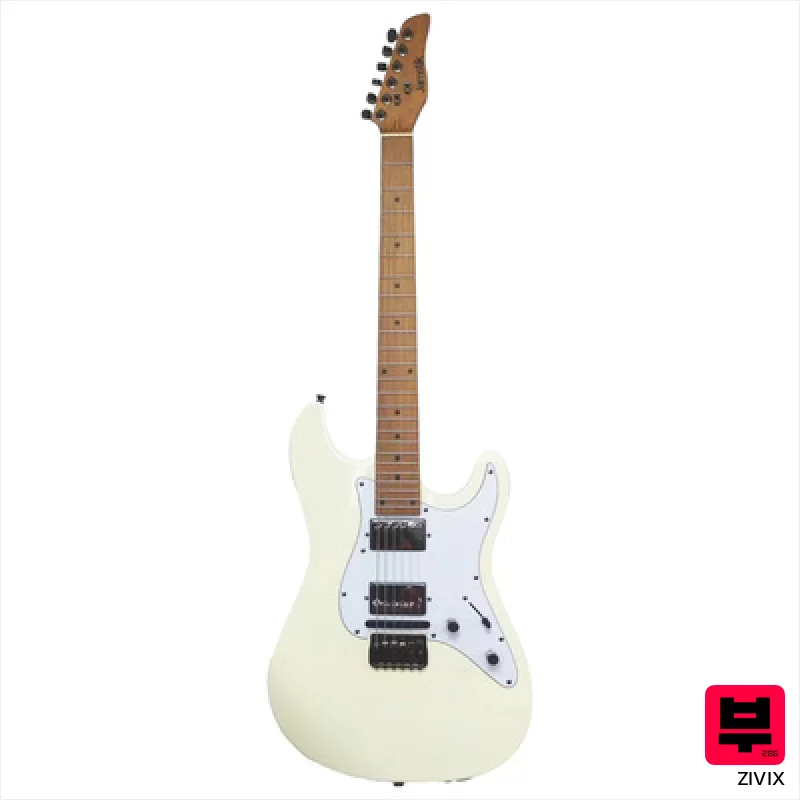
Zivix Jamstik Standard WH
- • Roasted maple neck offers excellent stability and feel.
- • KD humbuckers deliver a surprisingly thick, versatile tone.
- • Comprehensive MIDI connectivity opens a world of creative possibilities.
- • Bolt-on neck construction provides a snappy, responsive playing feel.
- • The poplar body, while lightweight, lacks the resonance of more premium woods.
- • MIDI functionality requires a learning curve and potentially additional software.
- • The 356mm radius fingerboard is quite flat, not ideal for all players.
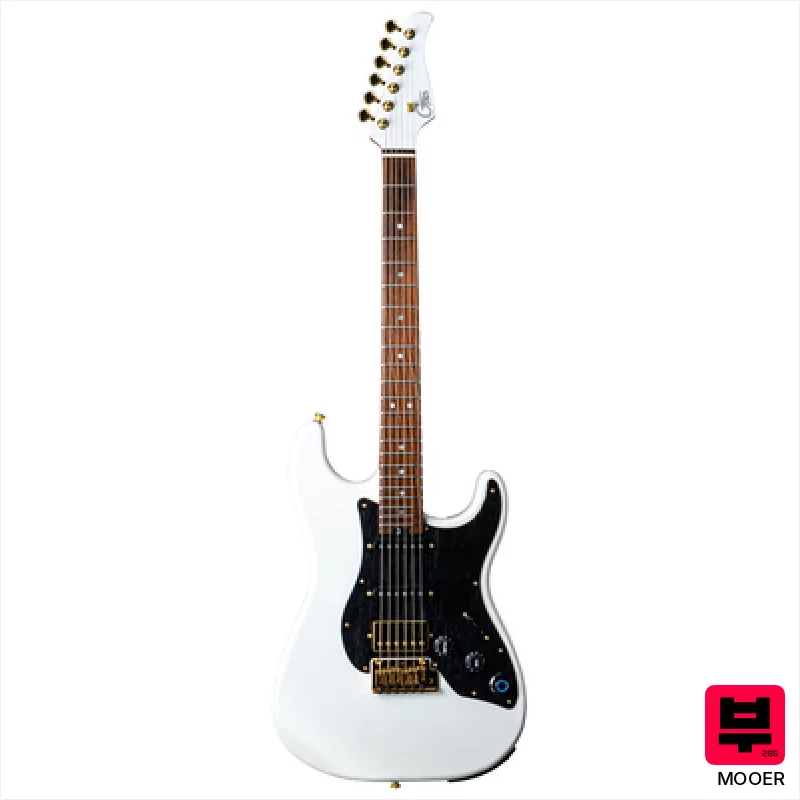
Mooer GTRS Guitars Standard 900 W PW
- • American basswood body offers a balanced, resonant tone.
- • Roasted maple neck provides stability and a smooth playing feel.
- • Versatile pickup configuration handles clean tones to high-gain rock.
- • Integrated GTRS system unlocks extensive digital sound design possibilities.
- • Wireless footswitch is a separate purchase, adding to the overall cost.
- • Rosewood fretboard may require more frequent oiling for optimal playability.
- • American basswood can be a bit on the heavier side for some players.
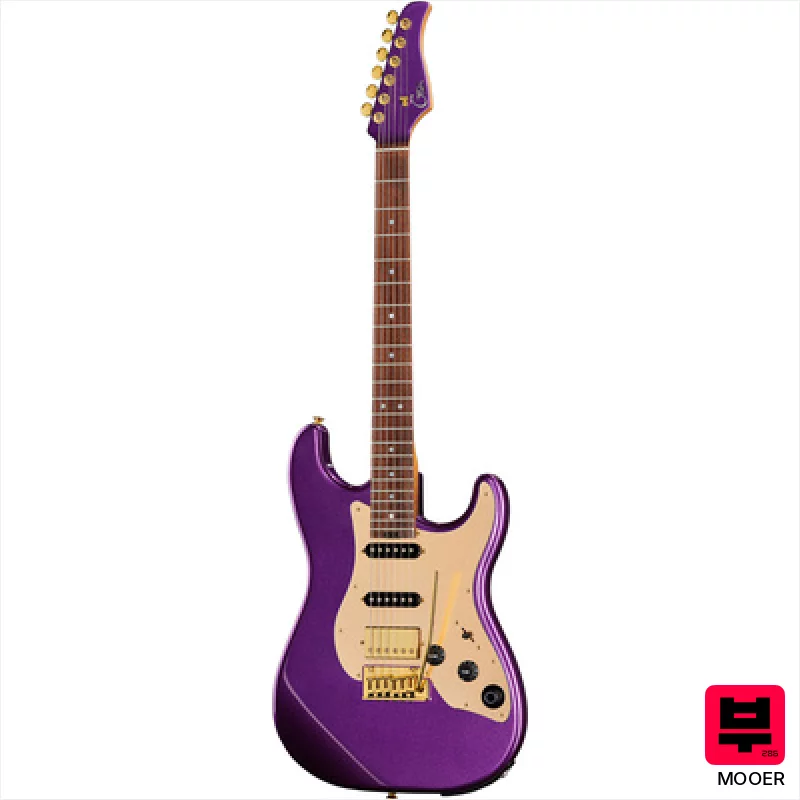
Mooer GTRS Guitars Standard 900 W PP
- • Excellent integrated digital modeling; broad sonic palette available.
- • Wireless functionality and USB-OTG recording offer immense creative flexibility.
- • Impressive battery life simplifies gigging and practice scenarios.
- • The Super Knob provides intuitive, on-the-fly preset switching.
- • Reliance on the app for full functionality can be a workflow hurdle.
- • Potential latency issues with complex effect chains are possible.
- • The overall build quality, while decent, might not match high-end alternatives.

Mooer GTRS Guitar Profess. 801 MG
- • American alder body provides excellent resonance and sustain.
- • Roasted maple neck and fretboard offer stability and a smooth feel.
- • SCN pickups deliver versatile tones from clean to high-gain.
- • Integrated GTRS processor unlocks a vast library of amp and effect models.
- • Bolt-on neck construction might lack the sustain of a set-neck design.
- • Super knob functionality could feel limiting for experienced users.
- • The integrated processor adds weight, potentially making it less comfortable for some.
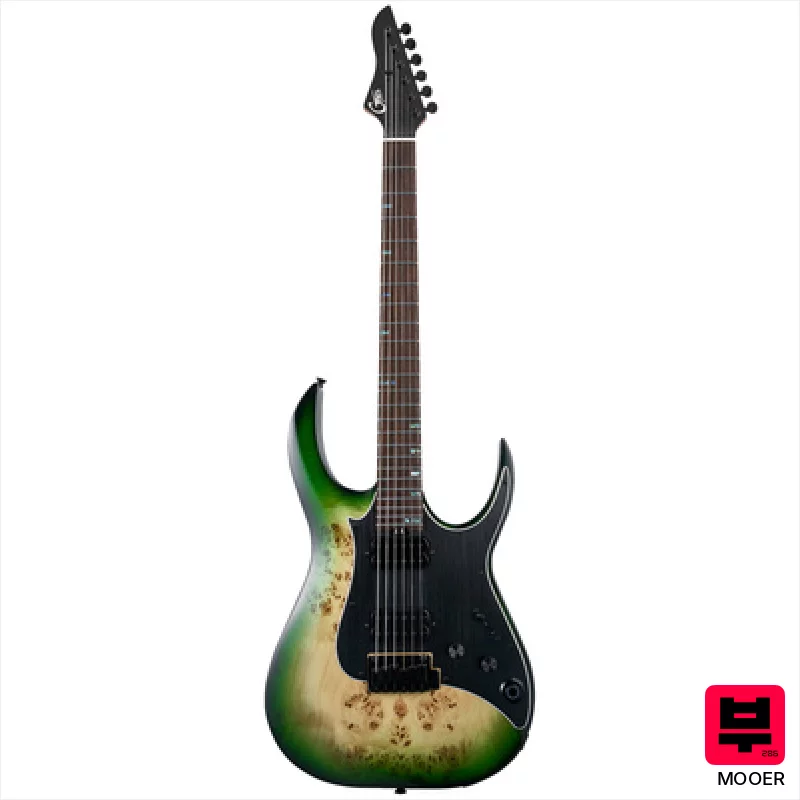
Mooer GTRS Guitars Modern 810 GB
- • Alder/Poplar combo delivers a balanced, resonant tone with good sustain.
- • Roasted maple neck offers stability and a smooth, comfortable playing feel.
- • GTRS system unlocks immense tonal possibilities beyond standard pickups.
- • Abalone inlays and burl top elevate the aesthetic with a premium look.
- • Bolt-on neck construction might not appeal to players preferring set or neck-through designs.
- • Reliance on the GTRS app for full functionality could be a barrier for some.
- • Alder body may make it slightly heavier than guitars with lighter woods.
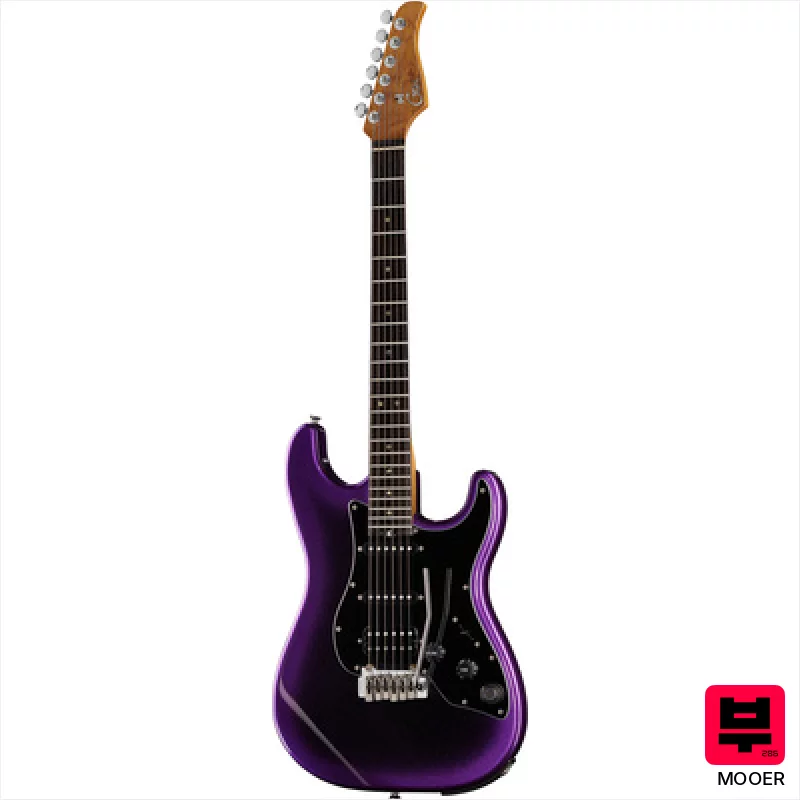
Mooer GTRS Guitars int. Prof. 800 DP
- • American alder body delivers a balanced, resonant tone.
- • Roasted maple neck offers stability and a smooth, fast feel.
- • SCN single coils provide authentic, clear Strat-style articulation.
- • Super-Knob simplifies preset switching and output level adjustments.
- • Bolt-on neck construction may lack the sustain of a set-neck design.
- • Rosewood fretboard might feel less smooth than some modern alternatives.
- • Reliance on the GTRS app for full functionality can be a barrier.
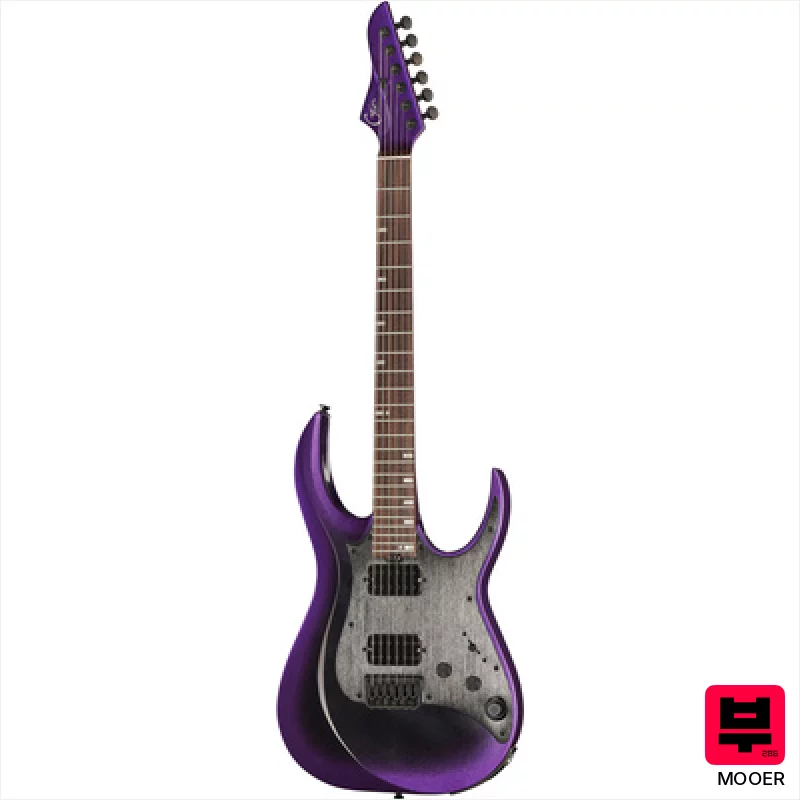
Mooer GTRS Guitars Modern 800 DPP
- • Alder body provides a balanced, resonant tone with good sustain.
- • Roasted maple neck offers stability and a smooth, fast playing feel.
- • GTRS system unlocks vast tonal possibilities beyond standard pickups.
- • Nickel silver jumbo frets allow for effortless bending and comfortable playability.
- • Bolt-on neck construction may lack the sustain of a set-neck design.
- • Rosewood fretboard can be susceptible to wear without proper care.
- • Reliance on the GTRS app might be a drawback for some purists.
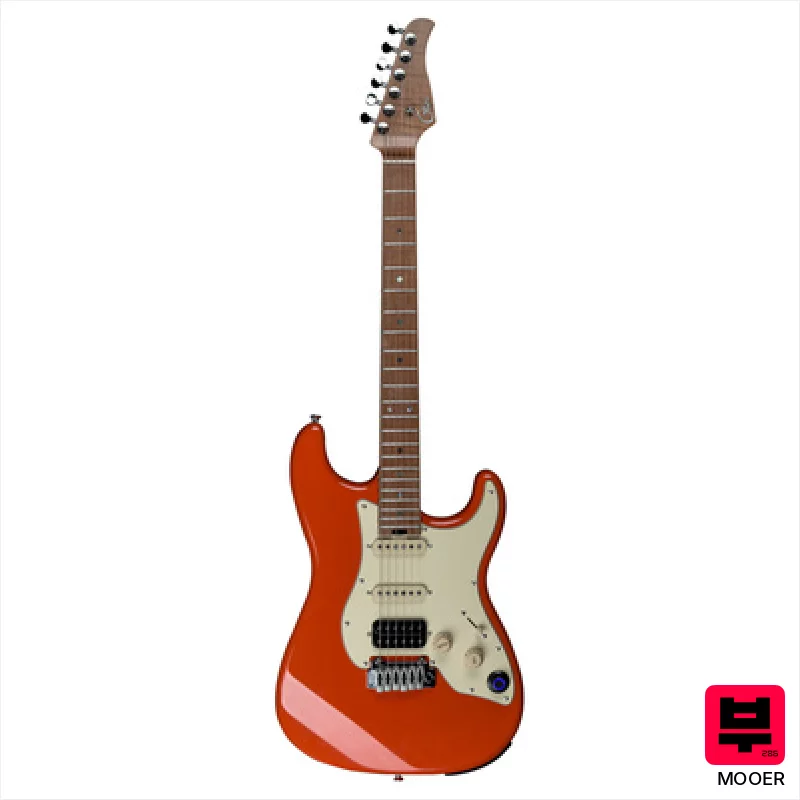
Mooer GTRS Guitar Profess. 801 FRD
- • American alder body provides a balanced, resonant foundation for a wide range of tones.
- • Roasted maple neck and fingerboard offer stability and a smooth, fast playing experience.
- • SCN-1 pickups deliver a versatile, hum-free core sound, adaptable to many genres.
- • Integrated GTRS processor unlocks a massive library of amp and effects models.
- • Bolt-on neck construction, while practical, may lack the sustain of a set-neck design.
- • The 'Super Knob' control scheme might require a learning curve for some users.
- • While versatile, the digital nature might not satisfy purists seeking purely analog tones.
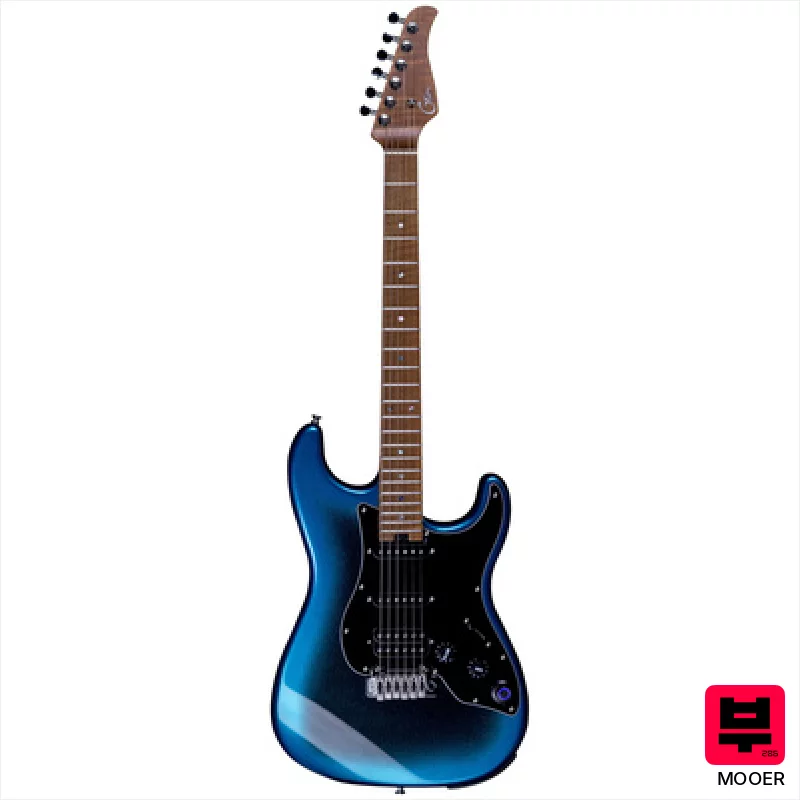
Mooer GTRS Guitar Profess. 801 DN
- • American alder body provides excellent resonance and sustain.
- • Roasted maple neck and fretboard offer stability and a smooth feel.
- • SCN pickups deliver a versatile, chimey, and modern tone palette.
- • Integrated GTRS processor unlocks vast sonic possibilities and preset recall.
- • Bolt-on neck construction might not appeal to players preferring set-neck feel.
- • The 'Super Knob' functionality could feel limiting for complex tone shaping.
- • While versatile, the digital nature might not satisfy purists seeking purely analog tones.
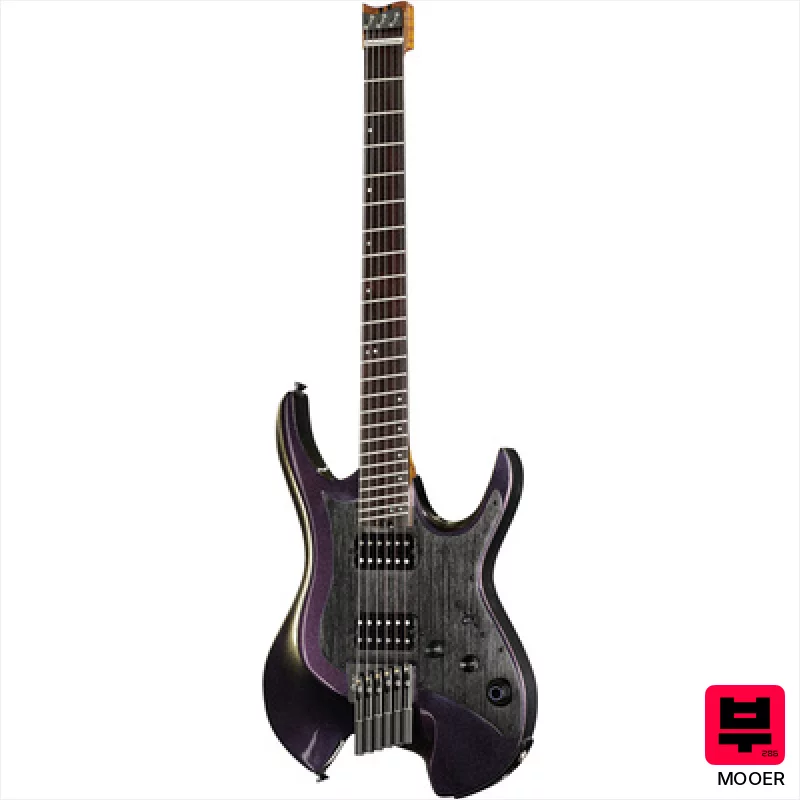
Mooer GTRS Guitars Wing 900 Int API
- • American alder body delivers a resonant, balanced tonal foundation.
- • Multi-scale design enhances intonation accuracy and string flexibility across the fretboard.
- • GTRS Intelligent Process System offers extensive digital modeling and preset options.
- • Roasted maple/rosewood neck provides stability and a comfortable, familiar feel.
- • Bolt-on neck construction might lack the sustain of a set-neck design.
- • Reliance on the GTRS app for editing can be a barrier for some users.
- • Headless design might not appeal to players accustomed to traditional guitars.
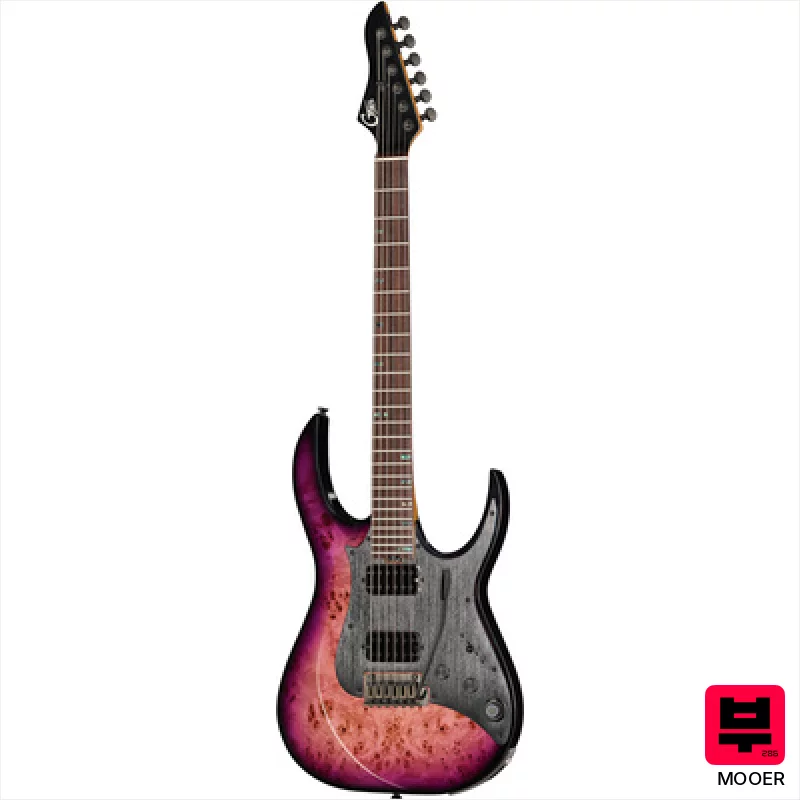
Mooer GTRS Guitars Modern 810 PB
- • Excellent onboard processor offers vast sonic possibilities.
- • Solid build quality; feels surprisingly substantial for a digital instrument.
- • Convenient silent practice with headphone jack and built-in battery.
- • App integration expands functionality beyond basic guitar playing.
- • The digital nature might not satisfy purists seeking a purely analog experience.
- • Reliance on the app for many features creates a potential point of failure.
- • Battery life, while decent, requires planning for longer gigs.
How to Choose the Best MIDI, Digital & Modelling Guitars
Tonal Versatility
This isn't just about having a lot of presets. It's about the quality of those tones and how well they respond to your playing dynamics. A good modelling guitar should be able to nail a vintage Vox AC30 breakup or a modern Mesa Boogie high-gain roar, and do it convincingly.
MIDI Implementation
Seamless MIDI control is key. Are the MIDI channels discrete? Does the pitch bend respond accurately? Can you easily map controls to your DAW for granular control over effects and amp sims? A clumsy MIDI implementation is a massive frustration.
Noise Floor & Cleanliness
Digital modelling can sometimes introduce unwanted hiss or digital artifacts. We're listening for that - a low noise floor and a clean, pristine signal are essential for recording, especially when layering tracks.
Playability & Feel
Let's be honest, a guitar that feels awkward to play will kill your performance, regardless of how good it sounds. Neck profile, action, and overall ergonomics matter just as much as the tones it produces. A bulky, uncomfortable body will make tracking a song tedious.
Latency
This is a big one. Excessive latency between your pick attack and the sound coming out of your monitors can throw off your timing and feel. Low-latency performance is non-negotiable for serious recording work.
Buying Guide
Don't fall for the 'infinite tones' hype. Many budget models cut corners on the modelling algorithms, resulting in sterile, lifeless sounds. Spend a little more for a guitar with a well-regarded modelling engine - Fractal, Kemper, and Line 6 are generally safe bets. Pay attention to MIDI mapping capabilities, too; a guitar with limited MIDI control is less useful than it looks.
Our Methodology
We're not just looking at spec sheets here. We've spent countless hours playing these guitars through a variety of interfaces - from pristine tube amps to sterile DAW emulations - to see how they actually sound and behave. We've A/B'd them against classic guitars, scrutinized their MIDI implementation, and considered how they'll cut through a mix, because that's what matters when you're tracking.

