
Best MIDI, Digital & Modelling Guitars for Sound Design 2026
So, you're not just after a guitar that sounds like a Strat or a Les Paul. You're building textures, sculpting soundscapes, and need a palette beyond standard guitar tones. MIDI guitars, digital modelling, and hybrid instruments are your new best friends for sound design - but not all are created equal. Let's break down what to look for when you're chasing those bizarre, evolving, and utterly unique sounds.
Last updated: July 22, 2026 • Next update: July 29, 2026
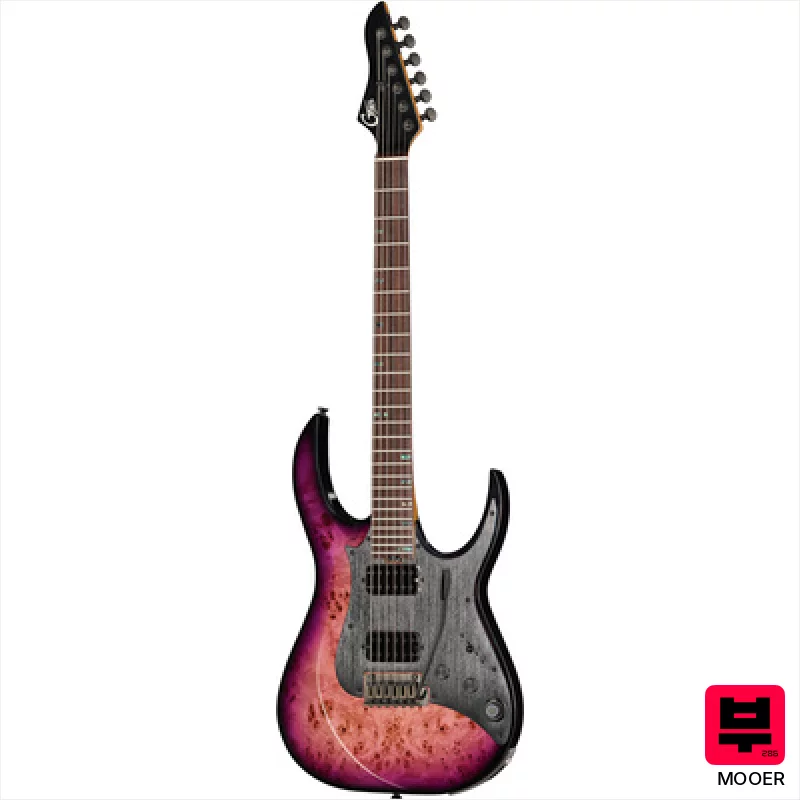
Mooer GTRS Guitars Modern 810 PB
- • Excellent onboard processor offers vast sonic possibilities.
- • Solid build quality; feels surprisingly substantial for a digital instrument.
- • Convenient silent practice with headphone jack and built-in battery.
- • App integration expands functionality beyond basic guitar playing.
- • The digital nature might not satisfy purists seeking a purely analog experience.
- • Reliance on the app for many features creates a potential point of failure.
- • Battery life, while decent, requires planning for longer gigs.
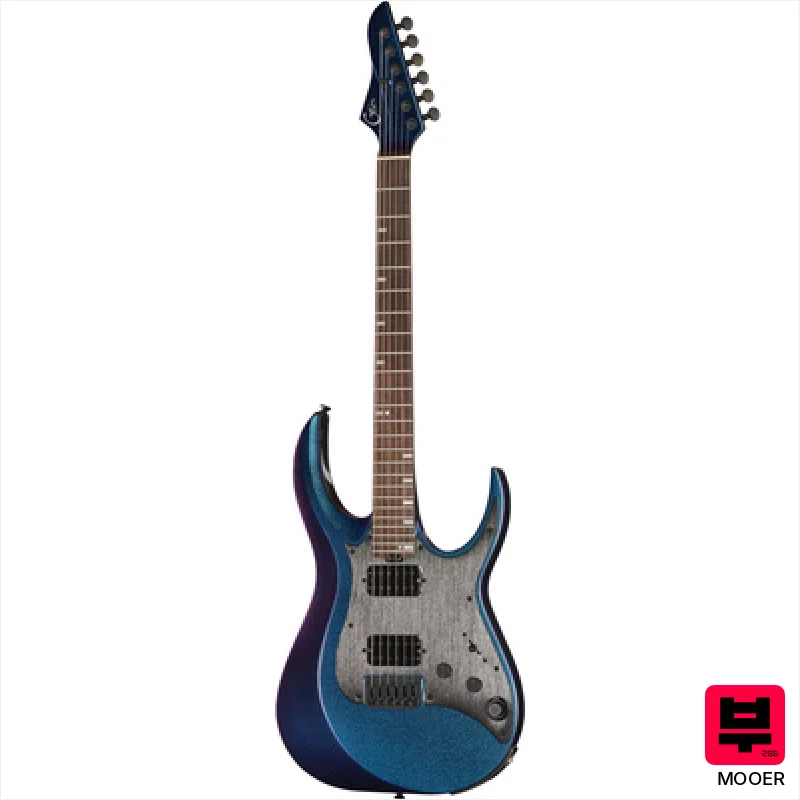
Mooer GTRS Guitars Modern 800 BLC
- • Alder body provides a balanced, resonant tone with good sustain.
- • Roasted maple neck offers excellent stability and a smooth, fast feel.
- • GTRS system unlocks immense tonal flexibility and preset recall.
- • Nickel silver jumbo frets facilitate effortless bending and comfortable playability.
- • Rosewood fingerboard might feel a bit dry for some players.
- • Bolt-on neck construction, while practical, lacks the complexity of a set-neck.
- • Reliance on the GTRS app could be a limiting factor for some users.

Mooer GTRS Guitars Modern 800 PBK
- • Alder body provides a balanced, resonant tone with good sustain.
- • Roasted maple neck offers stability and a smooth, fast playing experience.
- • GTRS system unlocks a massive range of tones and effects without external pedals.
- • Nickel silver jumbo frets facilitate effortless bending and comfortable playability.
- • Bolt-on neck construction, while practical, lacks the complexity of a set neck’s resonance.
- • Rosewood fretboard might feel slightly dry for players preferring a more oiled feel.
- • Reliance on the GTRS app for full functionality could be a barrier for some users.

Mooer GTRS Guitars Standard 900 W PB
- • Excellent integrated modeling system offers vast sonic possibilities.
- • Wireless connectivity and app control streamline workflow significantly.
- • The GLB-P1 battery provides impressive playtime and convenience.
- • Solid build quality, especially considering the innovative design.
- • The app-dependent nature limits standalone functionality somewhat.
- • The weight, likely due to the battery and electronics, might be a factor.
- • The preset selection, while versatile, could feel restrictive to some.
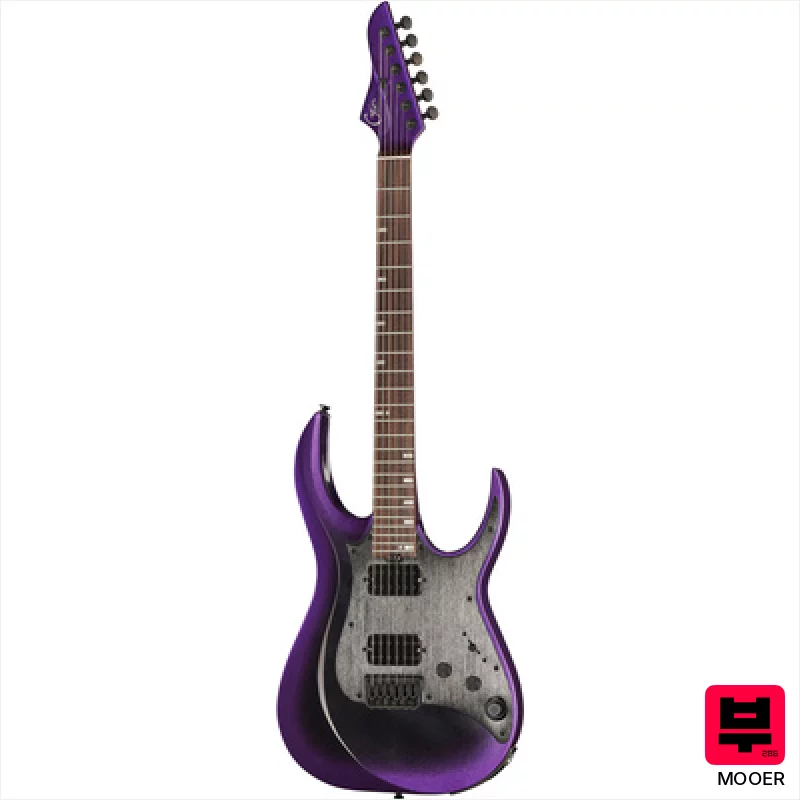
Mooer GTRS Guitars Modern 800 DPP
- • Alder body provides a balanced, resonant tone with good sustain.
- • Roasted maple neck offers stability and a smooth, fast playing feel.
- • GTRS system unlocks vast tonal possibilities beyond standard pickups.
- • Nickel silver jumbo frets allow for effortless bending and comfortable playability.
- • Bolt-on neck construction may lack the sustain of a set-neck design.
- • Rosewood fretboard can be susceptible to wear without proper care.
- • Reliance on the GTRS app might be a drawback for some purists.
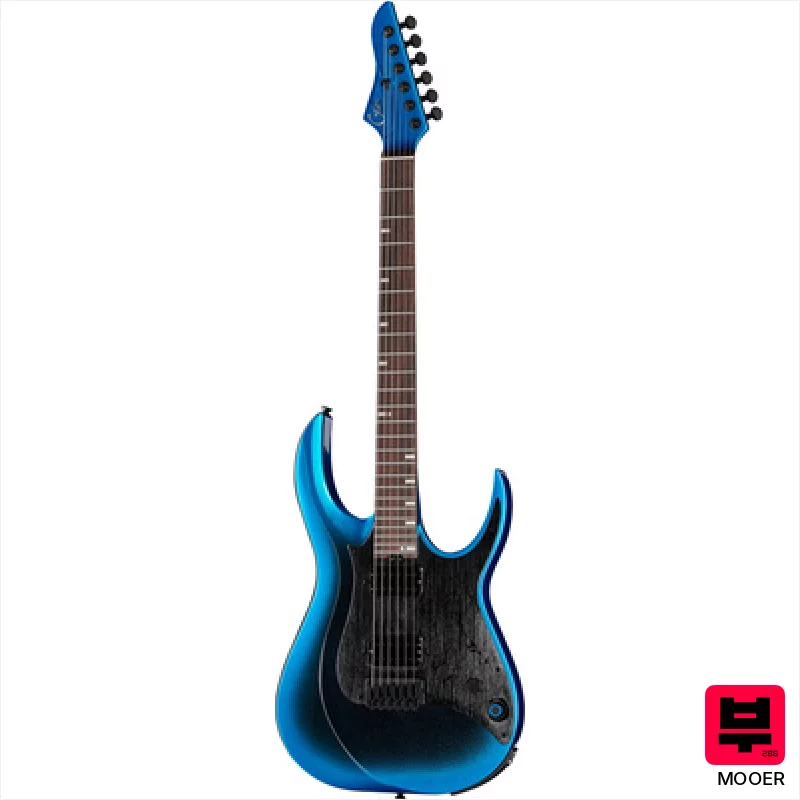
Mooer GTRS Guitars Modern 800 DN
- • Alder body provides a balanced, resonant tone with good sustain.
- • Roasted maple neck offers stability and a smooth, fast playing experience.
- • GTRS HMT pickups deliver a high-output, modern rock/metal tone.
- • Integrated GTRS processor unlocks a vast palette of digital sounds and effects.
- • The 'Super Knob' functionality, while versatile, may feel limiting for experienced users.
- • Alder body, while good, isn't the premium tonewood some players might desire.
- • Reliance on the GTRS app for full functionality might deter those preferring standalone gear.

Mooer GTRS Guitars Wing 900 Int AGR
- • Roasted maple neck offers excellent stability and feel.
- • Custom HM-2N pickups deliver high-gain, modern metal tones.
- • Multiscale design optimizes string tension across the fretboard.
- • Integrated GTRS system provides incredible tonal flexibility and wireless control.
- • Bolt-on neck construction may lack the sustain of a set-neck design.
- • Wireless functionality requires an optional, additional purchase.
- • Alder body, while resonant, might be a bit too lightweight for some players.

Flamma E1000 Pearl Black
- • Roasted maple neck provides excellent stability and feel.
- • FSS-1N/FSH-1B pickup combo offers versatile tonal options.
- • The Super-Knob simplifies preset switching and output control.
- • Poplar body delivers a balanced and resonant foundation.
- • The bolt-on neck construction lacks the sustain of a set-neck design.
- • Rosewood fingerboard may feel a little dry for some players.
- • The free app’s functionality might be limited compared to dedicated software.
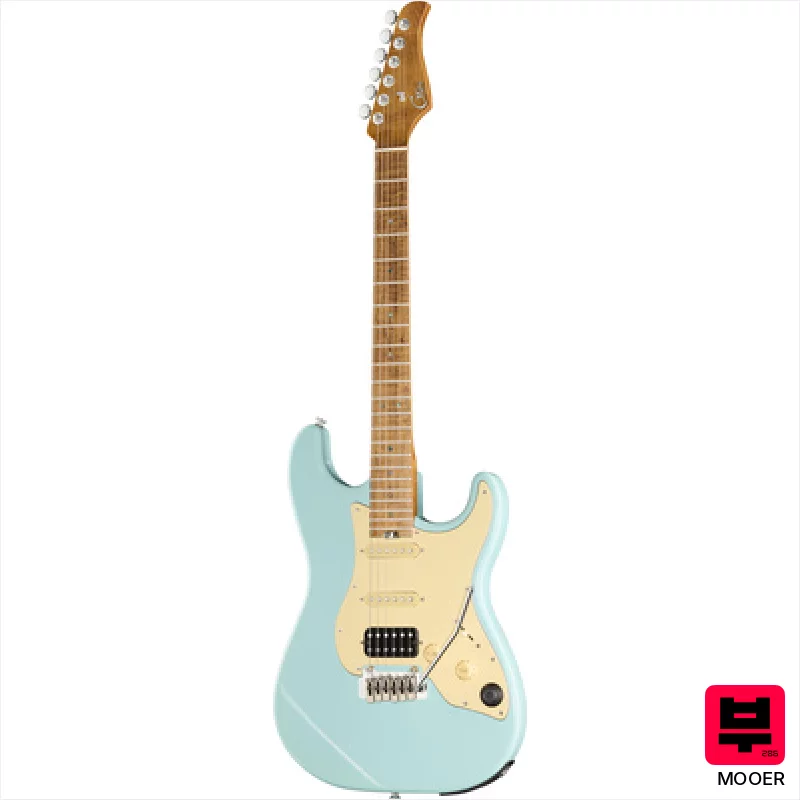
Mooer GTRS Guitar Profess. 801 TB
- • American alder body provides a resonant, balanced tonal foundation.
- • Roasted maple neck and fingerboard offer stability and a smooth playing feel.
- • SCN pickups deliver a surprisingly authentic, nuanced single-coil character.
- • Integrated GTRS processor unlocks a vast range of digital sounds and effects.
- • Bolt-on neck construction may not appeal to players seeking a more integrated feel.
- • The 'Super Knob' functionality could be more intuitive and streamlined in practice.
- • Reliance on the GTRS app for full feature access introduces a software dependency.
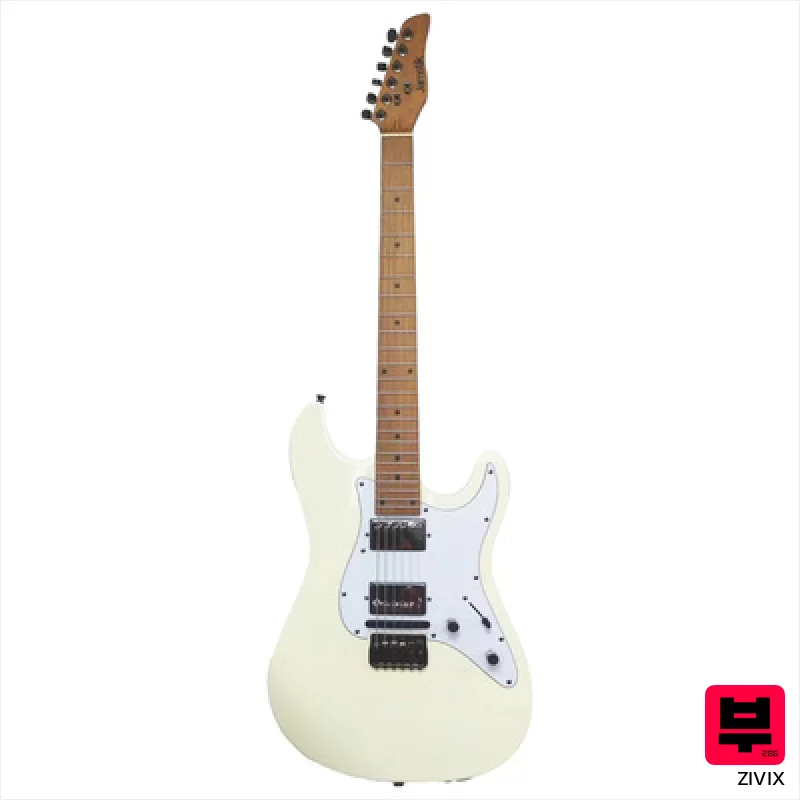
Zivix Jamstik Standard WH
- • Roasted maple neck offers excellent stability and feel.
- • KD humbuckers deliver a surprisingly thick, versatile tone.
- • Comprehensive MIDI connectivity opens a world of creative possibilities.
- • Bolt-on neck construction provides a snappy, responsive playing feel.
- • The poplar body, while lightweight, lacks the resonance of more premium woods.
- • MIDI functionality requires a learning curve and potentially additional software.
- • The 356mm radius fingerboard is quite flat, not ideal for all players.

Mooer GTRS Guitar Profess. 801 OW
- • American alder body provides a balanced, resonant foundation.
- • Roasted maple neck and fretboard offer stability and smooth playability.
- • SCN pickups deliver authentic single-coil tones with reduced hum.
- • Integrated GTRS processor unlocks a vast range of amp and effects modeling.
- • Bolt-on neck construction may lack the sustain of a set-neck design.
- • Super knob's multifunctionality could prove slightly unintuitive initially.
- • Wireless foot switch (GWF4) is an added expense if not already owned.
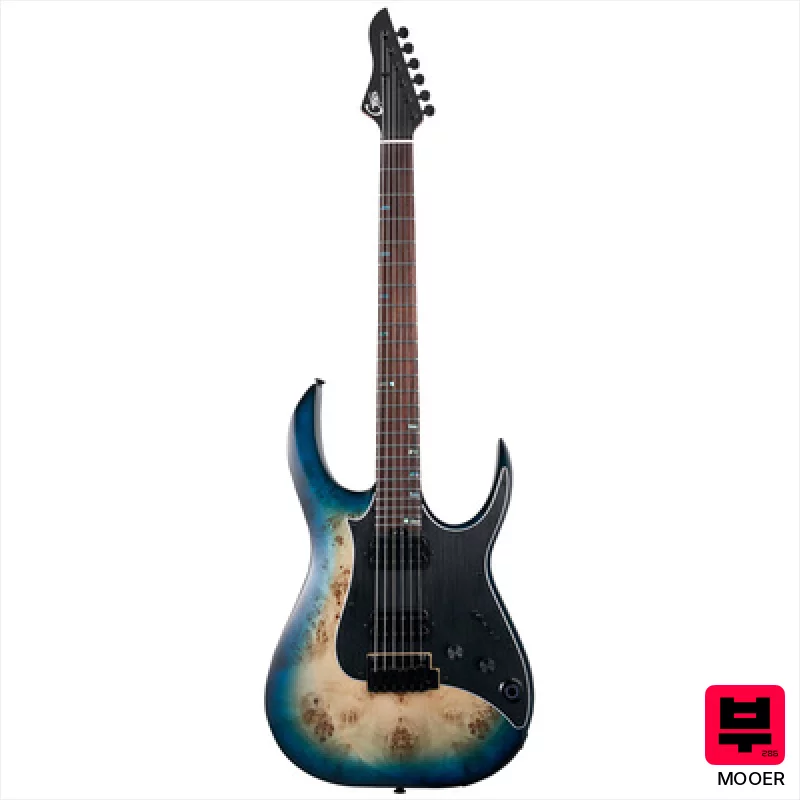
Mooer GTRS Guitars Modern 810 BB
- • Alder/Poplar body provides excellent resonance and sustain.
- • Roasted maple neck offers stability and a smooth, fast feel.
- • GTRS HMT pickups deliver a versatile range, from clean to high-gain.
- • Abalone inlays and burl top add a touch of premium aesthetic appeal.
- • Bolt-on neck construction might lack the sustain of a set-neck design.
- • Rosewood fingerboard may require more frequent oiling to prevent dryness.
- • Reliance on the GTRS app could be limiting for users preferring traditional controls.

Mooer GTRS Guitars Standard 900 W RG
- • American basswood body delivers a balanced, resonant tone.
- • Roasted maple neck provides stability and a smooth playing feel.
- • Versatile pickup configuration (SC-1N/M/HM-1B) covers a wide range of styles.
- • Integrated GTRS system unlocks extensive digital tone shaping possibilities.
- • The bolt-on neck construction might lack the sustain of a set-neck design.
- • Reliance on the GTRS app for full functionality introduces a software dependency.
- • Rosewood fretboard, while traditional, may be a drawback for some players.
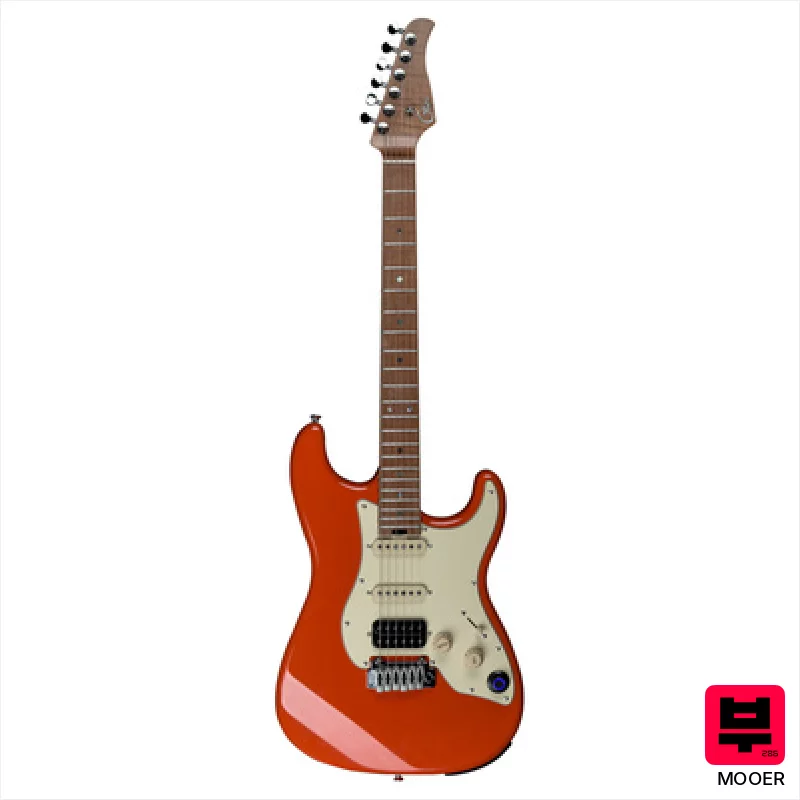
Mooer GTRS Guitar Profess. 801 FRD
- • American alder body provides a balanced, resonant foundation for a wide range of tones.
- • Roasted maple neck and fingerboard offer stability and a smooth, fast playing experience.
- • SCN-1 pickups deliver a versatile, hum-free core sound, adaptable to many genres.
- • Integrated GTRS processor unlocks a massive library of amp and effects models.
- • Bolt-on neck construction, while practical, may lack the sustain of a set-neck design.
- • The 'Super Knob' control scheme might require a learning curve for some users.
- • While versatile, the digital nature might not satisfy purists seeking purely analog tones.
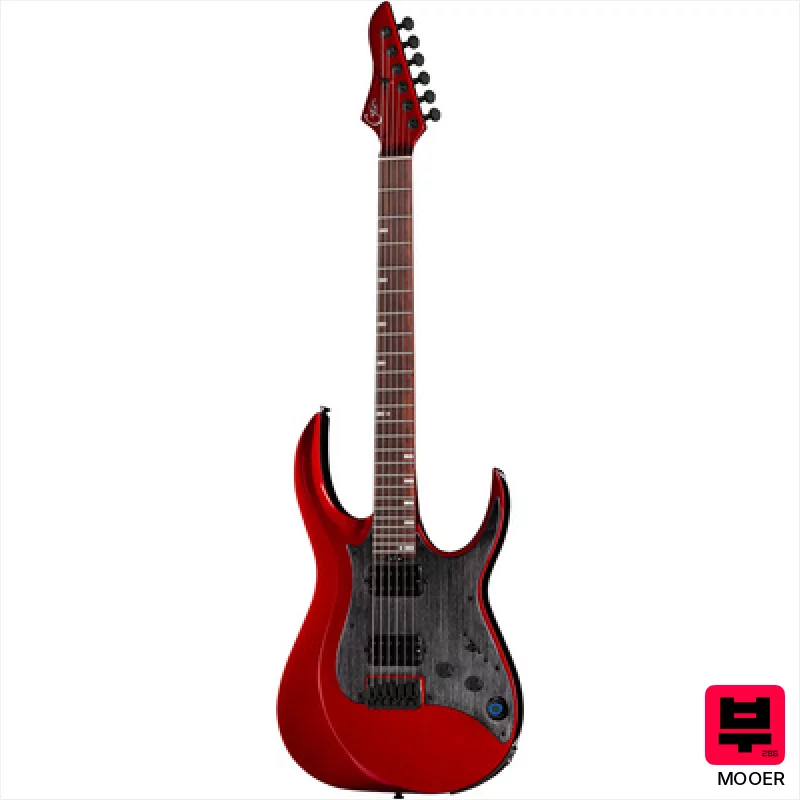
Mooer GTRS Guitars Modern 800 MRD
- • Alder body delivers a balanced, resonant tone with good sustain.
- • Roasted maple neck offers stability and a smooth, fast playing experience.
- • GTRS HMT pickups provide a versatile range, from crunchy rhythm to searing leads.
- • The 'Super Knob' simplifies preset switching and output control.
- • The bolt-on neck construction, while practical, might lack the premium feel of a set neck.
- • Reliance on the GTRS app for full functionality could be a barrier for some users.
- • Rosewood fretboards, while common, may require more frequent maintenance.
How to Choose the Best MIDI, Digital & Modelling Guitars
MIDI Capabilities
Beyond just triggering synth sounds, look for deep MIDI CC control - expression, aftertouch, pitch bend - to modulate parameters in your DAW or external gear. A simple note-on/note-off MIDI signal is fine for basic stuff, but nuanced control is where the magic happens.
Modelling Engine Versatility
A decent modelling guitar will offer a range of amp and cabinet emulations, but a great one will let you dive into the guts of the algorithms, tweaking EQ, gain staging, and even effects routing. That fat midrange honk you're after? You need to be able to dial it in.
Synthesis Integration
Some guitars offer built-in synthesis engines, allowing you to create entirely new sounds beyond traditional guitar tones. These often involve complex routing and modulation, but the possibilities are genuinely mind-blowing - think shimmering pads, granular textures, or evolving drones.
Dynamic Range & Articulation
Sound design isn't just about crazy sounds; it's about subtlety. A guitar with a wide dynamic range will respond to your playing with nuance, allowing you to sculpt textures with your picking attack. Poor articulation can muddy up complex soundscapes.
Ergonomics & Playability
Let's be honest, some of these instruments are weird. A comfortable neck profile and decent action are critical, especially when you're spending hours tweaking parameters and experimenting. A guitar that fights you will quickly stifle your creativity.
Buying Guide
Don't fall for the hype. Many 'digital' guitars rely on clever marketing and middling modelling engines. The cheap ones often skimp on the MIDI implementation, giving you limited control. Spending a bit more usually gets you better modeling, more MIDI CC options, and a more playable experience - but always prioritize hands-on testing. A great sound design guitar is an investment in your sonic palette, not just a gadget.
Our Methodology
We're not just staring at spec sheets here. We've spent countless hours playing these instruments through various digital audio workstations (DAWs), synthesizers, and effects chains - everything from Ableton to Logic to Max/MSP. The real test? Can it actually create usable, inspiring sounds in a production setting, and does it hold up to the demands of a live performance?

