
Best MIDI, Digital & Modelling Guitars for Electronic Music 2026
So, you're diving into the world of electronic music and want a guitar that does more than just strum chords. Forget about classic rock tones - we're talking about crafting textures, manipulating sounds, and integrating seamlessly with synths and drum machines. MIDI, digital modelling, and hybrid guitars are the key, but choosing the right one can be overwhelming. Let's cut through the noise and find a guitar that'll actually inspire your productions.
Last updated: July 22, 2026 • Next update: July 29, 2026
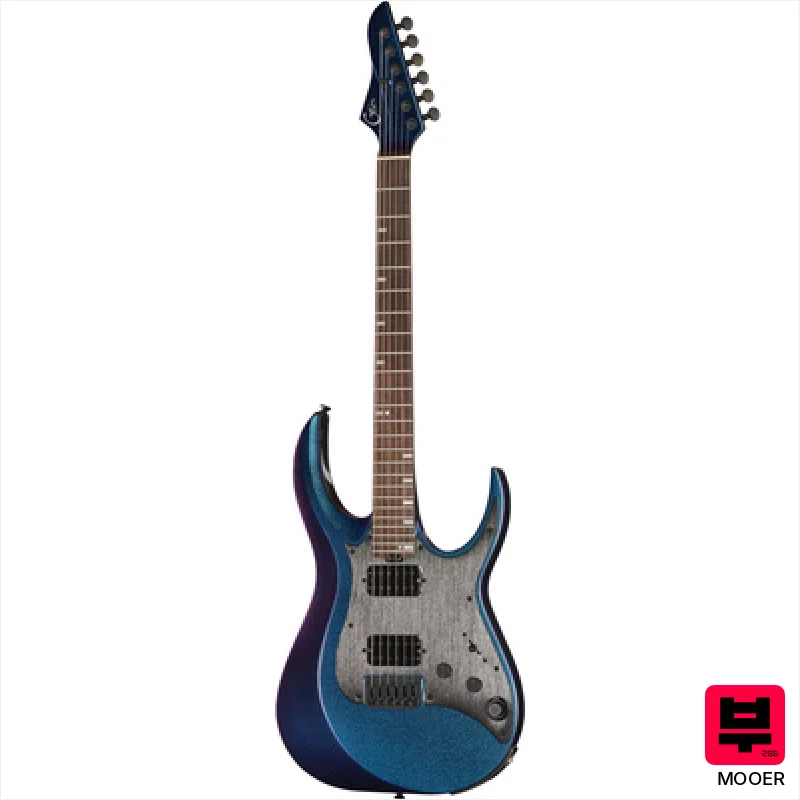
Mooer GTRS Guitars Modern 800 BLC
- • Alder body provides a balanced, resonant tone with good sustain.
- • Roasted maple neck offers excellent stability and a smooth, fast feel.
- • GTRS system unlocks immense tonal flexibility and preset recall.
- • Nickel silver jumbo frets facilitate effortless bending and comfortable playability.
- • Rosewood fingerboard might feel a bit dry for some players.
- • Bolt-on neck construction, while practical, lacks the complexity of a set-neck.
- • Reliance on the GTRS app could be a limiting factor for some users.
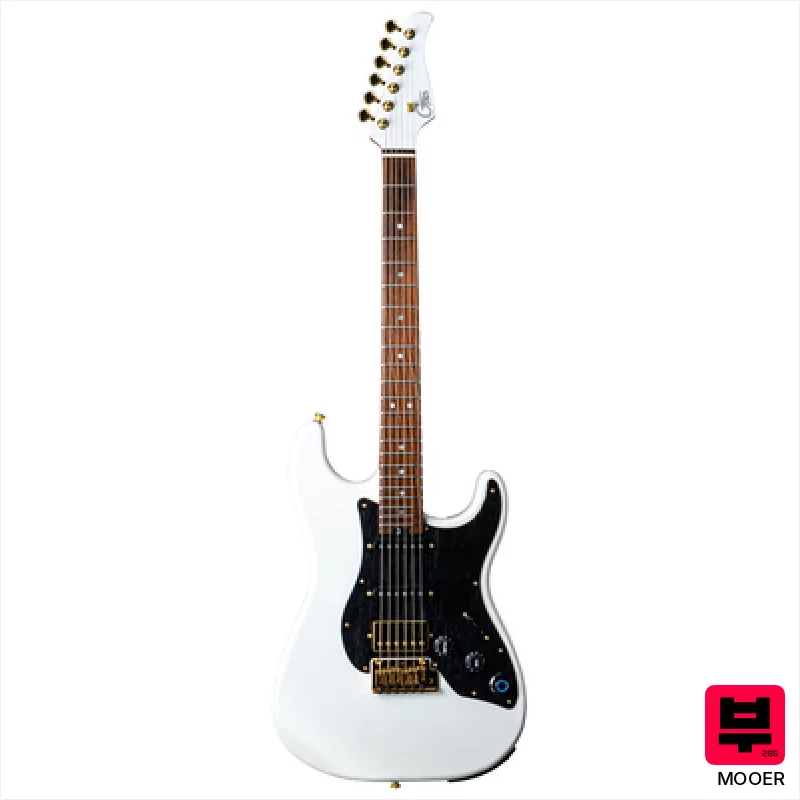
Mooer GTRS Guitars Standard 900 W PW
- • American basswood body offers a balanced, resonant tone.
- • Roasted maple neck provides stability and a smooth playing feel.
- • Versatile pickup configuration handles clean tones to high-gain rock.
- • Integrated GTRS system unlocks extensive digital sound design possibilities.
- • Wireless footswitch is a separate purchase, adding to the overall cost.
- • Rosewood fretboard may require more frequent oiling for optimal playability.
- • American basswood can be a bit on the heavier side for some players.
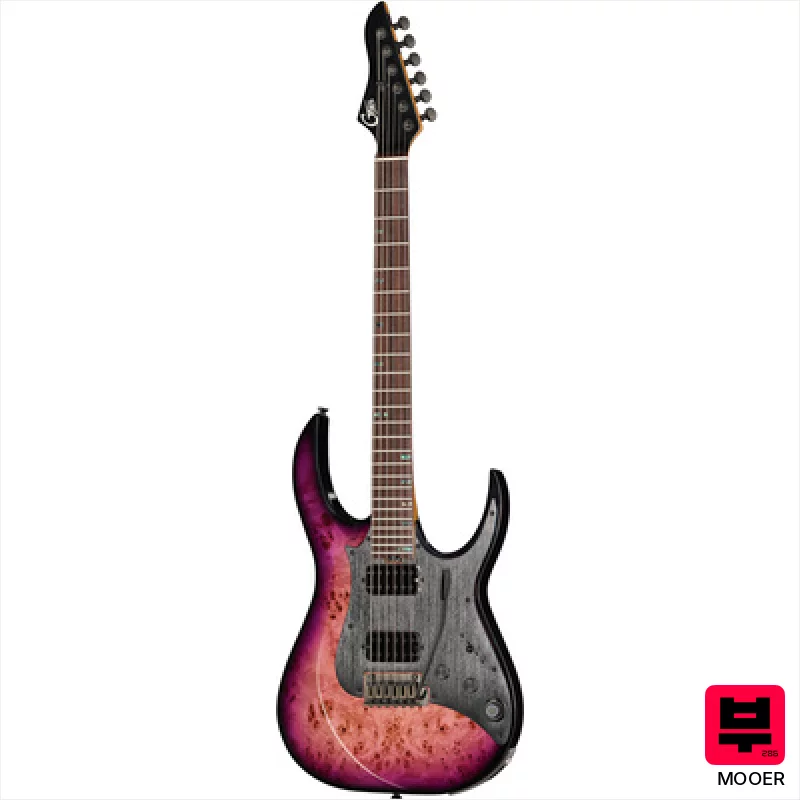
Mooer GTRS Guitars Modern 810 PB
- • Excellent onboard processor offers vast sonic possibilities.
- • Solid build quality; feels surprisingly substantial for a digital instrument.
- • Convenient silent practice with headphone jack and built-in battery.
- • App integration expands functionality beyond basic guitar playing.
- • The digital nature might not satisfy purists seeking a purely analog experience.
- • Reliance on the app for many features creates a potential point of failure.
- • Battery life, while decent, requires planning for longer gigs.
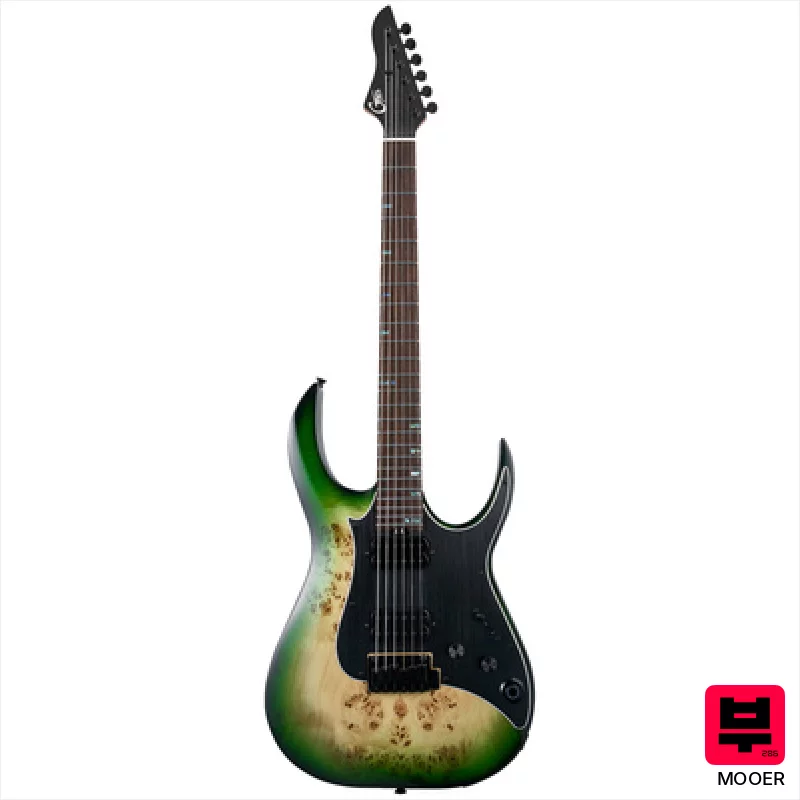
Mooer GTRS Guitars Modern 810 GB
- • Alder/Poplar combo delivers a balanced, resonant tone with good sustain.
- • Roasted maple neck offers stability and a smooth, comfortable playing feel.
- • GTRS system unlocks immense tonal possibilities beyond standard pickups.
- • Abalone inlays and burl top elevate the aesthetic with a premium look.
- • Bolt-on neck construction might not appeal to players preferring set or neck-through designs.
- • Reliance on the GTRS app for full functionality could be a barrier for some.
- • Alder body may make it slightly heavier than guitars with lighter woods.
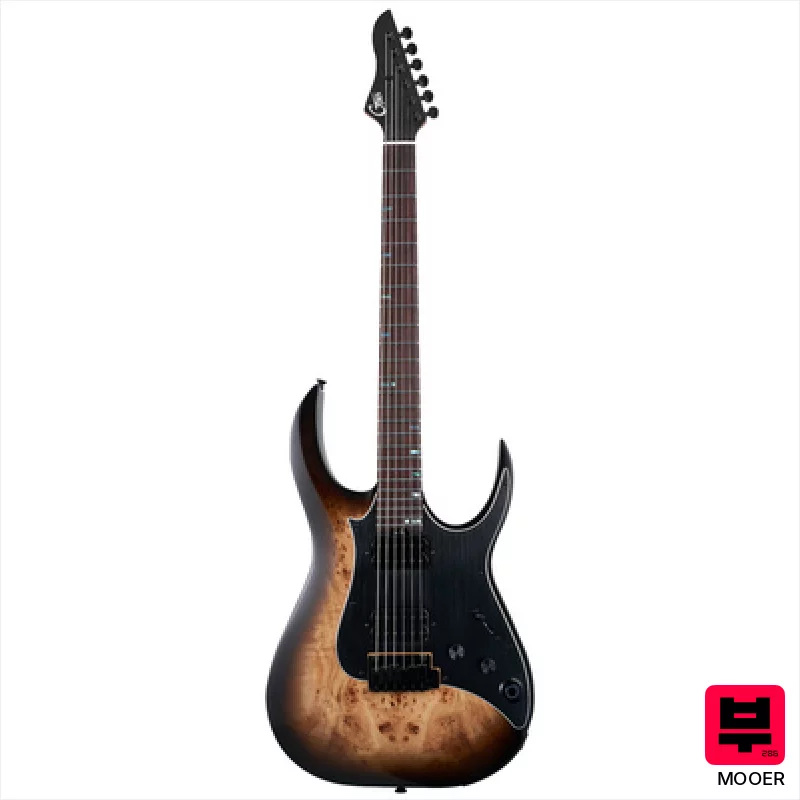
Mooer GTRS Guitars Modern 810 NB
- • Integrated GTRS processor offers incredible tonal flexibility and effects.
- • Li-Ion battery provides substantial playtime for practice and performance.
- • USB OTG recording simplifies direct capture to mobile devices.
- • Super knob provides intuitive preset selection and parameter adjustment.
- • Reliance on the GTRS app limits standalone functionality and adds complexity.
- • Build quality, while decent, might not match premium-priced instruments.
- • Digital nature may not appeal to players seeking purely analog tone.

Mooer GTRS Guitars Modern 800 PBK
- • Alder body provides a balanced, resonant tone with good sustain.
- • Roasted maple neck offers stability and a smooth, fast playing experience.
- • GTRS system unlocks a massive range of tones and effects without external pedals.
- • Nickel silver jumbo frets facilitate effortless bending and comfortable playability.
- • Bolt-on neck construction, while practical, lacks the complexity of a set neck’s resonance.
- • Rosewood fretboard might feel slightly dry for players preferring a more oiled feel.
- • Reliance on the GTRS app for full functionality could be a barrier for some users.

Mooer GTRS Guitar Profess. 801 MG
- • American alder body provides excellent resonance and sustain.
- • Roasted maple neck and fretboard offer stability and a smooth feel.
- • SCN pickups deliver versatile tones from clean to high-gain.
- • Integrated GTRS processor unlocks a vast library of amp and effect models.
- • Bolt-on neck construction might lack the sustain of a set-neck design.
- • Super knob functionality could feel limiting for experienced users.
- • The integrated processor adds weight, potentially making it less comfortable for some.
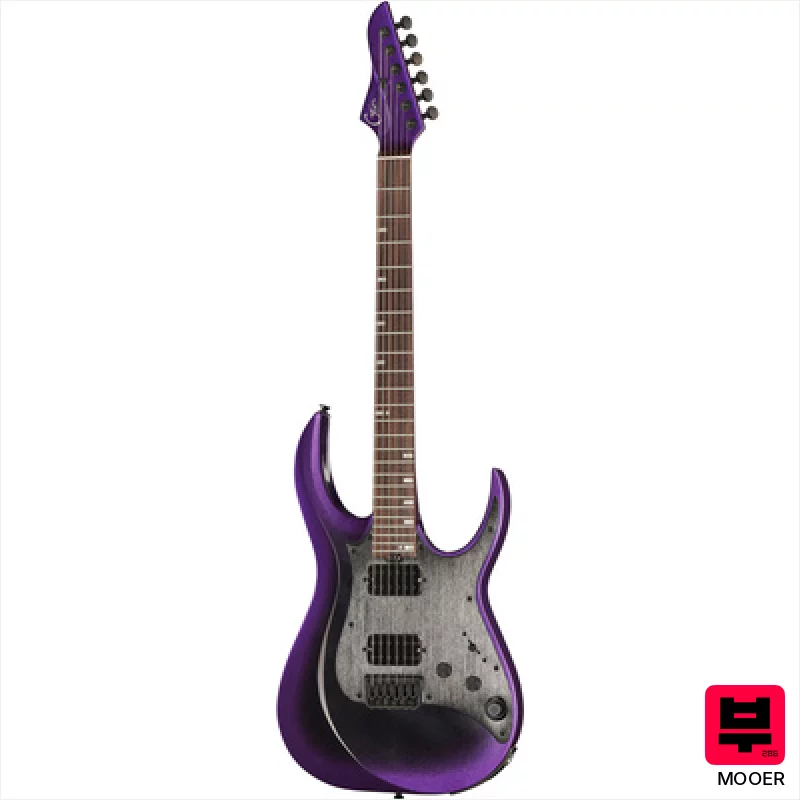
Mooer GTRS Guitars Modern 800 DPP
- • Alder body provides a balanced, resonant tone with good sustain.
- • Roasted maple neck offers stability and a smooth, fast playing feel.
- • GTRS system unlocks vast tonal possibilities beyond standard pickups.
- • Nickel silver jumbo frets allow for effortless bending and comfortable playability.
- • Bolt-on neck construction may lack the sustain of a set-neck design.
- • Rosewood fretboard can be susceptible to wear without proper care.
- • Reliance on the GTRS app might be a drawback for some purists.
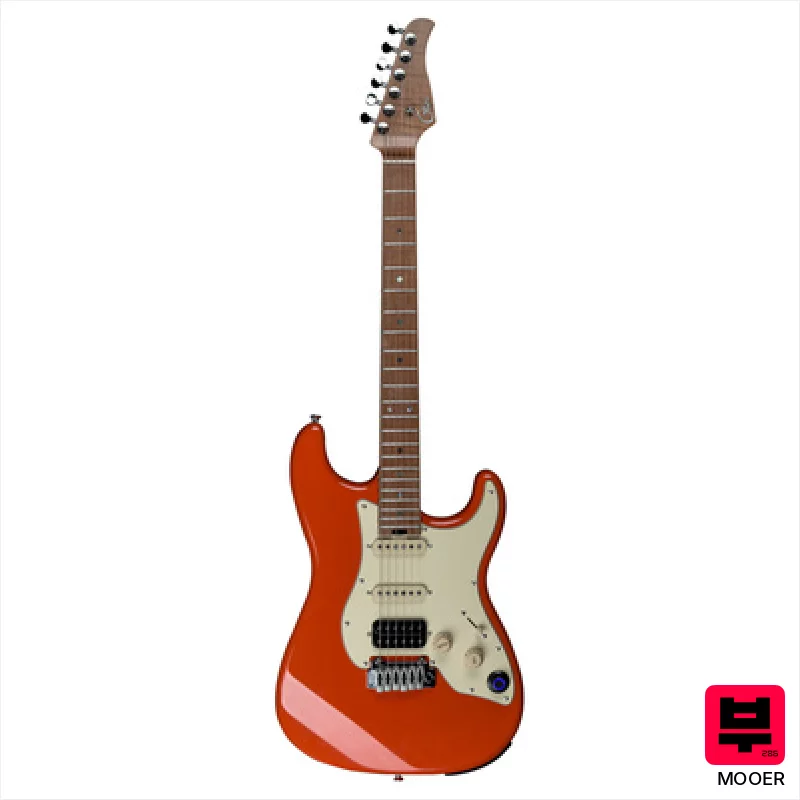
Mooer GTRS Guitar Profess. 801 FRD
- • American alder body provides a balanced, resonant foundation for a wide range of tones.
- • Roasted maple neck and fingerboard offer stability and a smooth, fast playing experience.
- • SCN-1 pickups deliver a versatile, hum-free core sound, adaptable to many genres.
- • Integrated GTRS processor unlocks a massive library of amp and effects models.
- • Bolt-on neck construction, while practical, may lack the sustain of a set-neck design.
- • The 'Super Knob' control scheme might require a learning curve for some users.
- • While versatile, the digital nature might not satisfy purists seeking purely analog tones.
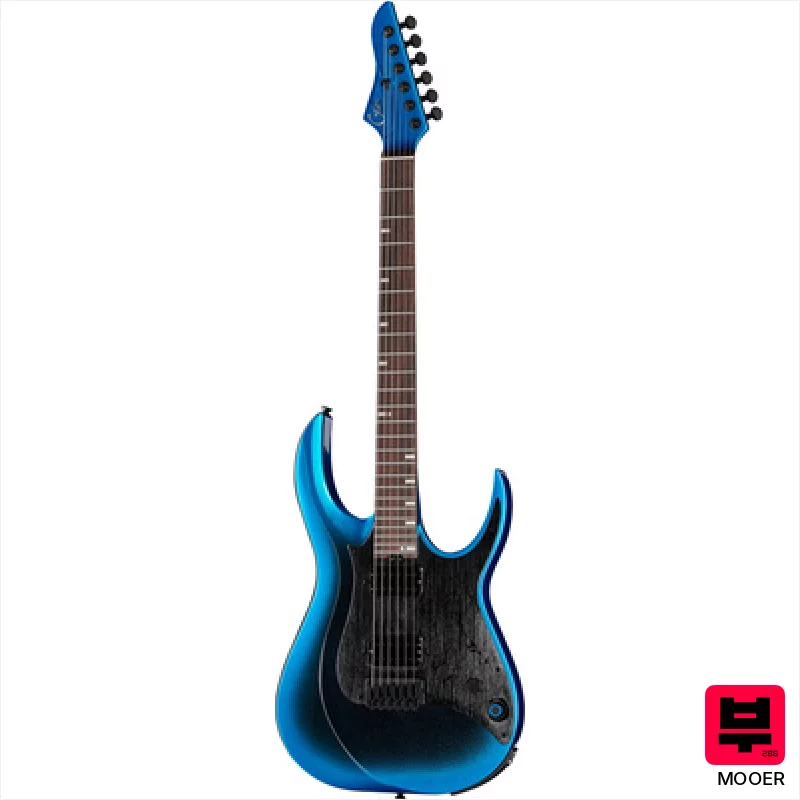
Mooer GTRS Guitars Modern 800 DN
- • Alder body provides a balanced, resonant tone with good sustain.
- • Roasted maple neck offers stability and a smooth, fast playing experience.
- • GTRS HMT pickups deliver a high-output, modern rock/metal tone.
- • Integrated GTRS processor unlocks a vast palette of digital sounds and effects.
- • The 'Super Knob' functionality, while versatile, may feel limiting for experienced users.
- • Alder body, while good, isn't the premium tonewood some players might desire.
- • Reliance on the GTRS app for full functionality might deter those preferring standalone gear.

Mooer GTRS Guitars Prof. 800 FR
- • American alder body provides excellent resonance and balanced tonal foundation.
- • Roasted maple neck offers stability and a smooth, fast playing experience.
- • SCN single coils deliver authentic, articulate clean tones and convincing vintage character.
- • GTRS system unlocks vast tonal possibilities, offering flexibility for diverse genres.
- • Bolt-on neck construction, while practical, might lack the sustain of a set-neck design.
- • Rosewood fretboard can be prone to wear and tear with heavy use, requiring occasional maintenance.
- • Reliance on the GTRS app for full functionality could be a barrier for some users.
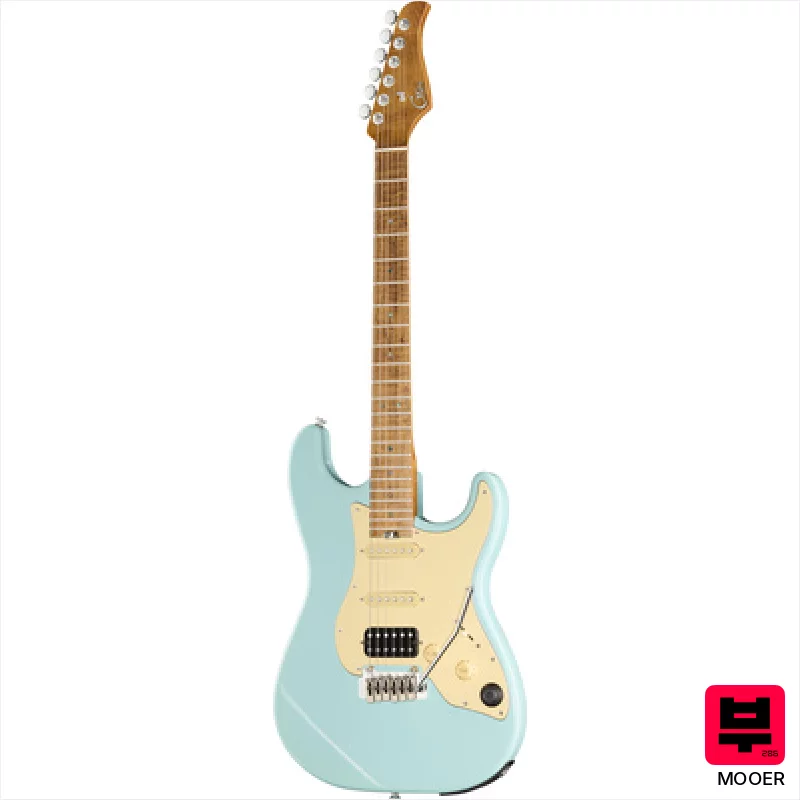
Mooer GTRS Guitar Profess. 801 TB
- • American alder body provides a resonant, balanced tonal foundation.
- • Roasted maple neck and fingerboard offer stability and a smooth playing feel.
- • SCN pickups deliver a surprisingly authentic, nuanced single-coil character.
- • Integrated GTRS processor unlocks a vast range of digital sounds and effects.
- • Bolt-on neck construction may not appeal to players seeking a more integrated feel.
- • The 'Super Knob' functionality could be more intuitive and streamlined in practice.
- • Reliance on the GTRS app for full feature access introduces a software dependency.
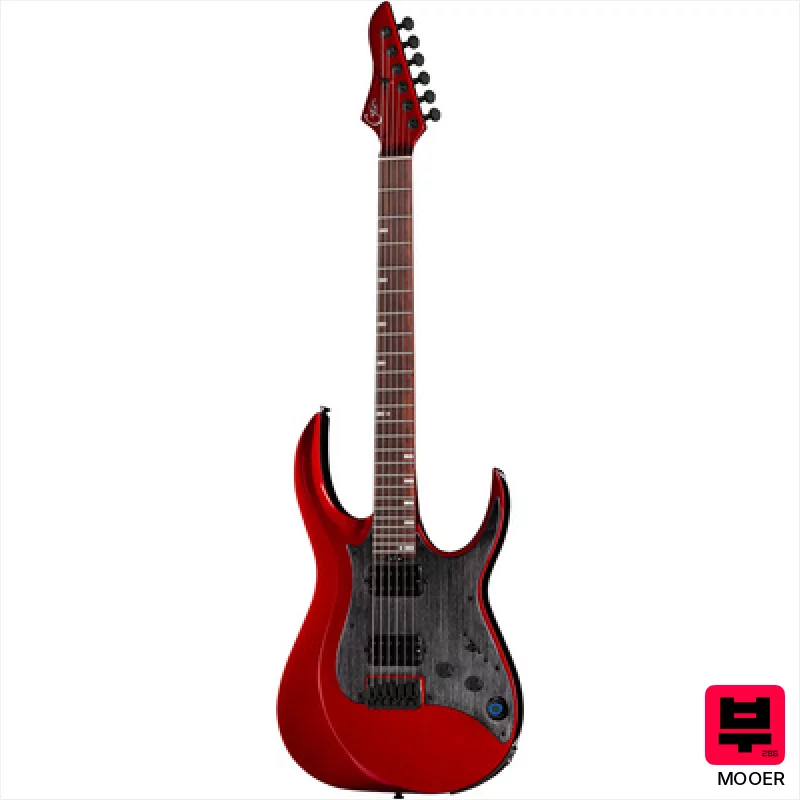
Mooer GTRS Guitars Modern 800 MRD
- • Alder body delivers a balanced, resonant tone with good sustain.
- • Roasted maple neck offers stability and a smooth, fast playing experience.
- • GTRS HMT pickups provide a versatile range, from crunchy rhythm to searing leads.
- • The 'Super Knob' simplifies preset switching and output control.
- • The bolt-on neck construction, while practical, might lack the premium feel of a set neck.
- • Reliance on the GTRS app for full functionality could be a barrier for some users.
- • Rosewood fretboards, while common, may require more frequent maintenance.
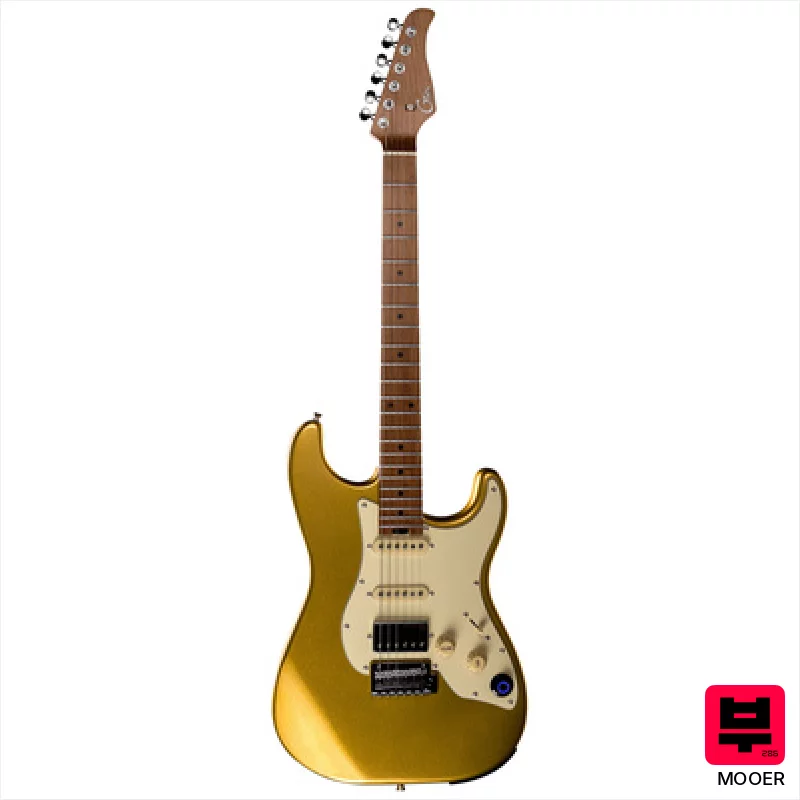
Mooer GTRS Guitar Standard S801 Gold
- • American basswood body delivers a balanced, resonant tone.
- • Roasted maple neck provides exceptional stability and smooth playability.
- • GTRS system unlocks incredible versatility for digital sound design.
- • Bone nut improves sustain and tuning stability compared to plastic.
- • Super Knob functionality might feel limiting for experienced users.
- • Basswood body, while versatile, lacks the premium sustain of mahogany.
- • Reliance on the GTRS app for full feature access can be a drawback.

Mooer GTRS Guitars Modern 800 PWH
- • Alder body provides a balanced, resonant tone with good sustain.
- • Roasted maple neck offers stability and a smooth, fast playing experience.
- • GTRS system unlocks a vast library of amp and effects models.
- • Nickel silver jumbo frets facilitate effortless bending and comfortable playability.
- • Bolt-on neck construction may lack the inherent sustain of a set-neck design.
- • Rosewood fretboard, while classic, can show wear more quickly than alternatives.
- • Reliance on the GTRS app introduces a potential point of failure for preset management.
How to Choose the Best MIDI, Digital & Modelling Guitars
MIDI Implementation
It's not just about sending notes. Look for robust MIDI CC mapping - being able to control synth parameters like filter cutoff or LFO rate directly from your guitar's knobs or expression pedal is a game-changer.
Modelling Engine Versatility
Electronic music demands a wide palette of sounds. A good modelling guitar needs to go beyond basic amps; think gritty distortion, ambient reverbs, and even synth-like tones-the more sounds, the less you need to layer in your DAW.
Expression and Dynamics
Electronic music thrives on subtle nuances. A guitar that responds well to your playing-sensitive pickup voicing, responsive dynamics-allows for more expressive performances and avoids a sterile, robotic feel.
Latency
This is HUGE. High latency ruins the feel of playing with synths and loops. Digital guitars are notorious for latency issues, so research carefully and consider an audio interface with low-latency drivers.
Ergonomics & Playability
Let's be honest, you'll be tweaking knobs and menus a lot. A comfortable neck profile, good action, and intuitive layout are essential for long studio sessions or energetic live performances.
Buying Guide
Don't chase the newest bells and whistles. A lot of these digital guitars trade off build quality for features-expect plastic parts and sometimes questionable pots. Prioritize low latency above all else; a little less variety in sounds is better than a frustrating delay. Also, factor in the cost of a good audio interface if you're going digital - it's a crucial part of the equation.
Our Methodology
We didn't just read spec sheets here. We spent weeks with each guitar, plugging them into various DAWs, synths, and effects chains. We A/B'd them against each other, ran them through live loops, and even dragged a few to band rehearsals to see how they held up in a real-world scenario - because a great sound on YouTube doesn't always translate to a killer gig.

