
Best Microphones for Toms Under $200 2026
Okay, so you're trying to get a decent tom sound without blowing your entire gig budget on microphones? I get it. Most entry-level kits come with absolute garbage drum mics, and sometimes even seasoned pros need to stretch a dollar. This list isn't about studio-grade perfection; it's about getting usable, punchy tom tones that cut through a live mix or add some thump to your bedroom recording - all under $200 a pop.
Last updated: September 29, 2026
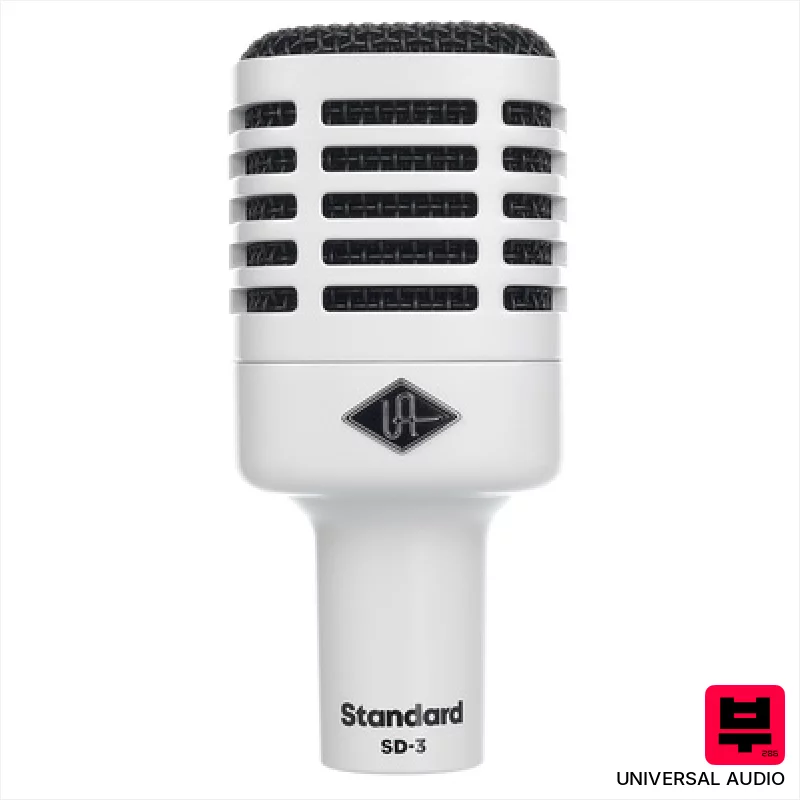
Universal Audio SD-3
- • Robust all-metal construction provides excellent durability for demanding stage use.
- • Hemisphere modelling offers surprising flexibility in shaping tom sounds post-recording.
- • Cardioid pattern effectively isolates the tom from bleed and room noise.
- • Relatively lightweight compared to many traditional tom mics; easy on stand stability.
- • 250-ohm output impedance may require a preamp with ample clean gain.
- • Modelling, while clever, won’t fully replicate the nuances of genuine vintage mics.
- • Frequency response, while adequate, lacks the extended highs of some premium options.
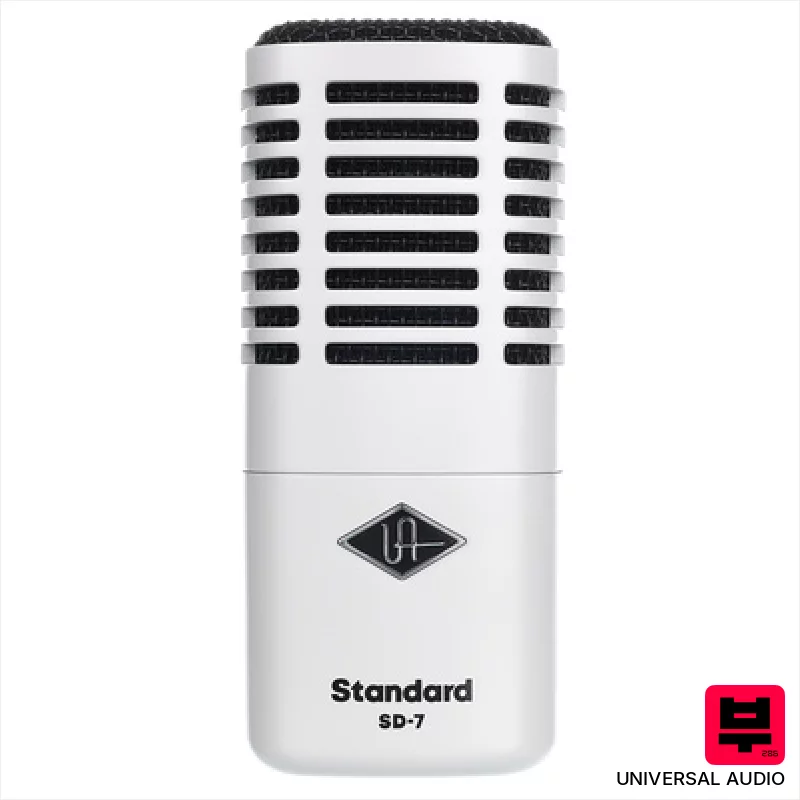
Universal Audio SD-7
- • Solid all-metal build inspires confidence and long-term durability.
- • Hypercardioid pattern excels at isolating toms in busy mixes.
- • Hemisphere modeling offers surprising flexibility for tonal shaping.
- • Integrated stand mount simplifies setup and reduces additional costs.
- • 600-ohm impedance requires a preamp with adequate gain and impedance matching.
- • Hypercardioid pattern demands precise mic placement to avoid feedback.
- • While versatile, it's not a 'one-mic-does-all' solution.
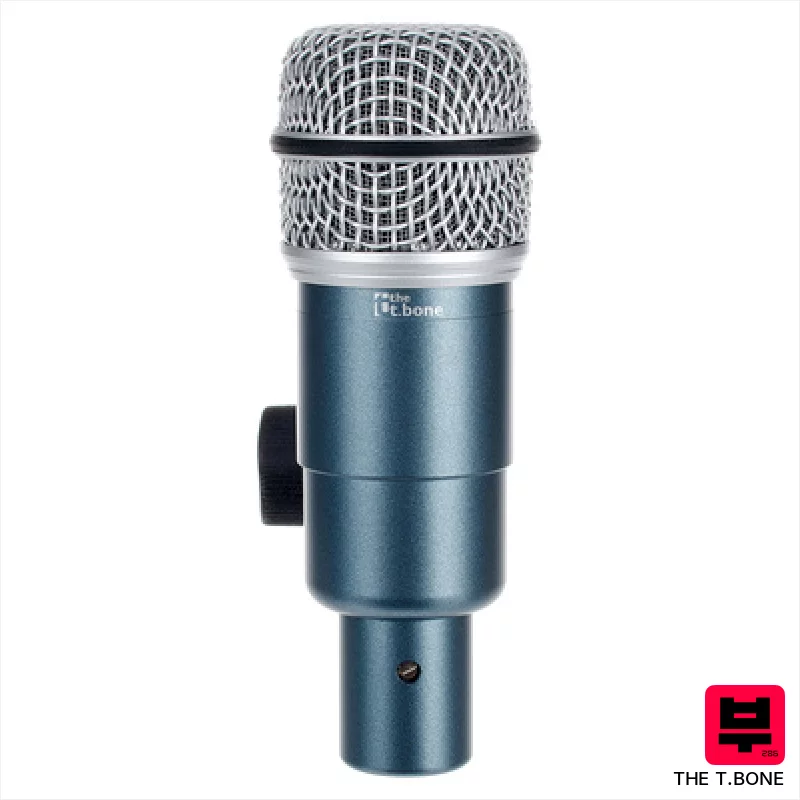
the t.bone CD 56 beta
- • Tight, focused sound ideal for cutting through dense drum mixes
- • Supercardioid pattern effectively rejects bleed from other drums
- • Robust, all-metal construction feels surprisingly durable for the price
- • Handles high SPLs well, suitable for louder tom hits and snare
- • Lacks the refined detail of higher-end tom microphones
- • Supercardioid pattern can be tricky to position consistently
- • 300Ω impedance might require a preamp with sufficient gain
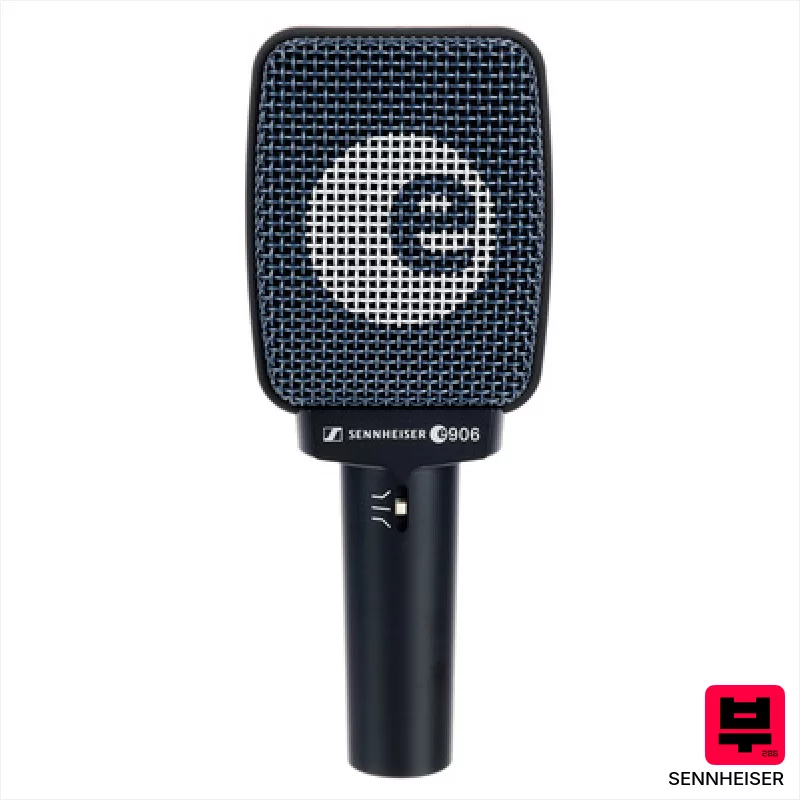
Sennheiser E 906
- • Tight, focused sound ideal for snare and toms
- • Supercardioid pattern minimizes bleed from other drums
- • Robust metal construction feels built to withstand gigging
- • Hi-cut switch tames harsh frequencies on brass instruments
- • Supercardioid pattern requires precise mic placement
- • Can be a bit harsh on lower-mid frequencies with some sources
- • Lacks the warmth of some more expensive tom mics
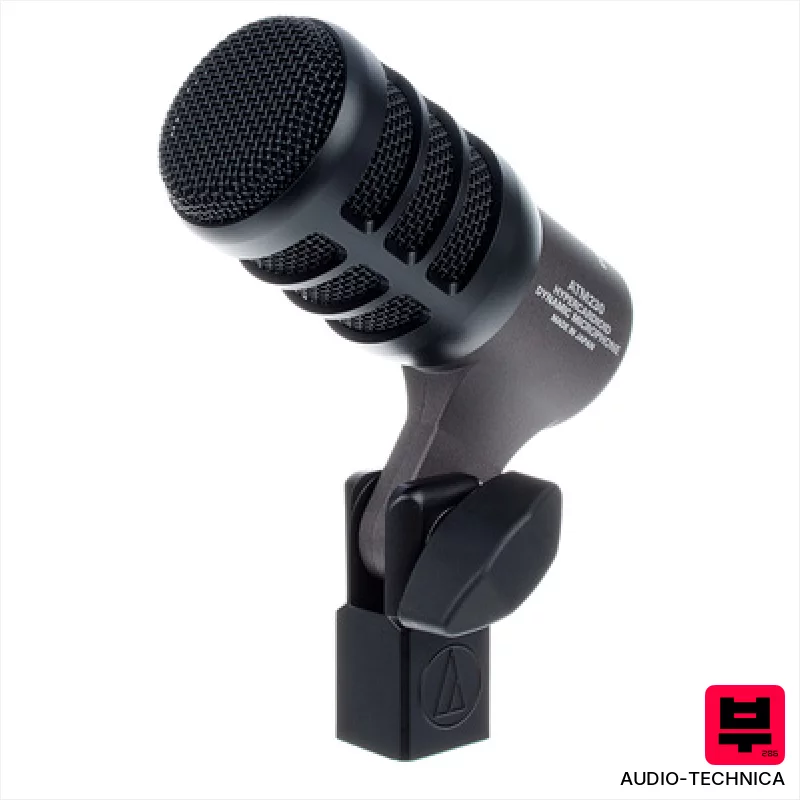
Audio-Technica ATM230
- • Rugged build handles serious tom abuse and stage life
- • Hypercardioid rejects bleed, isolates toms beautifully
- • Clear, punchy low-mids provide excellent tom body
- • Includes a solid, functional AT8665 clip for easy mounting
- • Hypercardioid pattern requires precise mic placement
- • 600Ω impedance needs a preamp with sufficient gain
- • Lacks the extended high-end sparkle of some premium mics
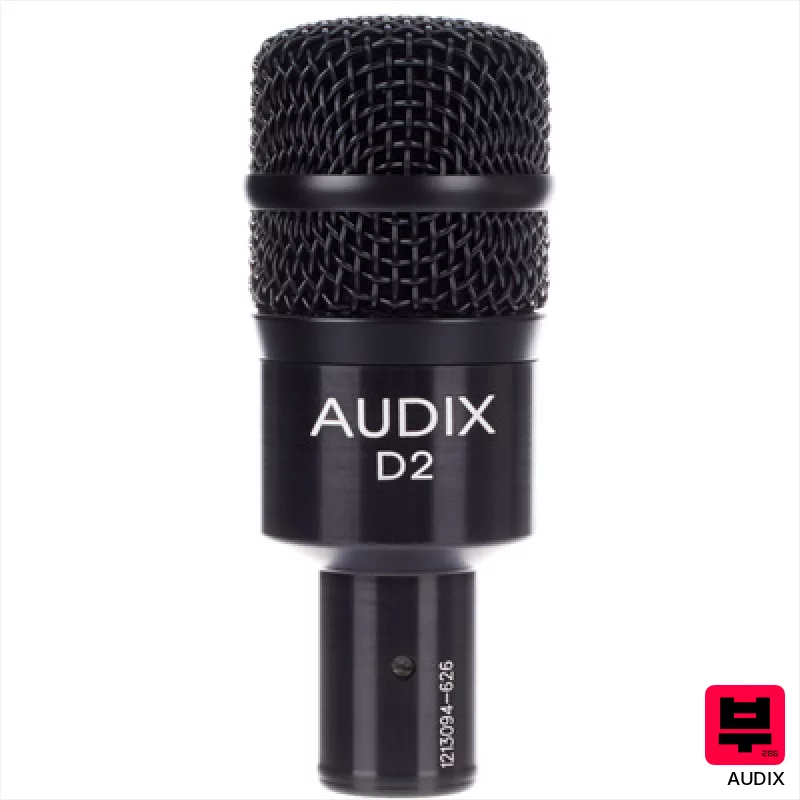
Audix D2
- • Hypercardioid pattern isolates well, cuts through dense drum mixes
- • Robust construction handles serious tom thumping and abuse
- • Smooth mid-range presence enhances tom body and attack
- • Affordable price point makes it accessible for gigging and studio work
- • Hypercardioid's narrow pickup requires precise mic placement
- • Lacks the extended high-frequency detail of condenser mics
- • Can sound boxy on smaller toms without careful EQ
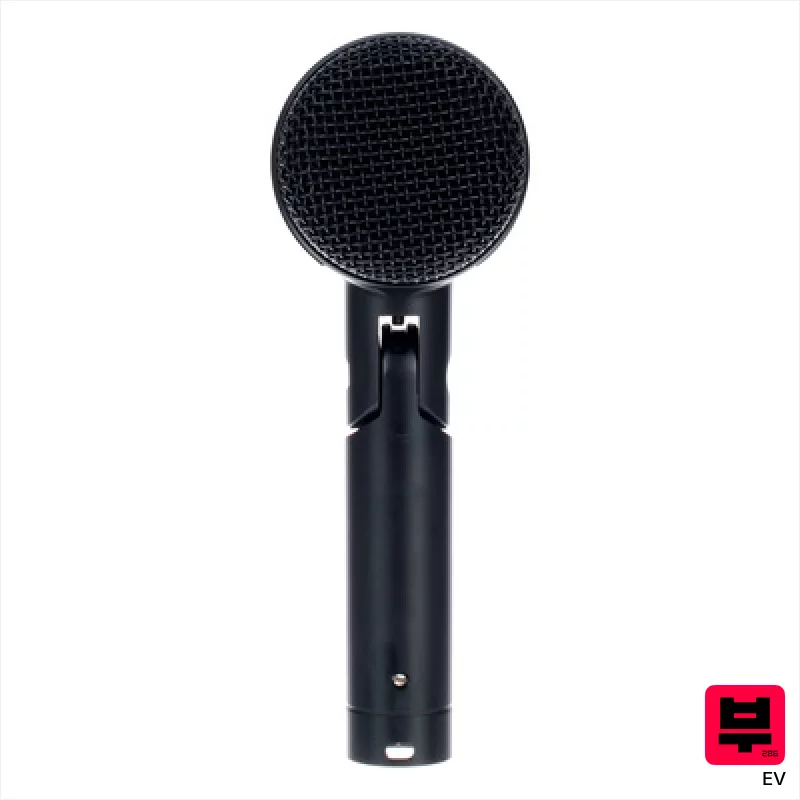
EV ND44
- • Robust zinc die-cast housing inspires confidence and durability.
- • Cardioid pattern effectively isolates toms in busy mixes.
- • DRX-2 rim clamp simplifies mounting and reduces setup time.
- • Handles high SPLs, ideal for powerful drummers and loud kits.
- • Somewhat heavy, may require a sturdy stand or rim clamp.
- • Frequency response lacks refinement for nuanced acoustic sounds.
- • Limited polar pattern options restrict versatility for other applications.
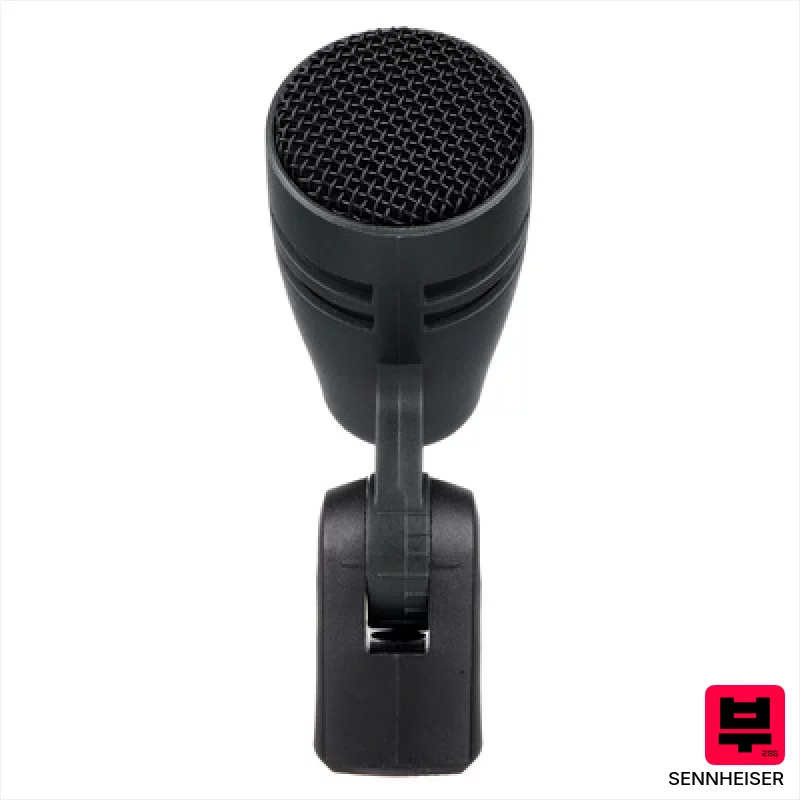
Sennheiser E604
- • Robust glass-fibre housing shrugs off stage abuse
- • Cardioid pattern isolates toms well in busy mixes
- • Compact size allows for tight mic placement
- • Integrated tripod mount simplifies quick setup and positioning
- • Lacks the detail of condenser mics for nuanced tones
- • Cardioid pattern can be problematic with bleed if not careful
- • Lower sensitivity requires a decent preamp for best results

EV PL 35
- • Robust metal body handles serious tom hits without issue
- • Supercardioid pattern isolates well, minimizing bleed from other drums
- • Integrated swivel provides flexible positioning options on the rim
- • Surprisingly tight low-end response for a microphone in this price bracket
- • Supercardioid pattern can be tricky to position consistently
- • 600Ω impedance requires a decent preamp for optimal gain
- • Lacks the refined detail of higher-end tom microphones
- • Can be a bit heavy for extended use on lighter toms

Audix i-5
- • Rugged build handles loud snare drum transients well
- • Clear, focused sound avoids muddiness on snare
- • Versatile enough for electric guitar and other loud sources
- • Affordable price point makes it accessible to many drummers
- • Lacks the detail of higher-end snare microphones
- • Cardioid pattern limits stereo imaging options
- • Can be overly aggressive with heavily processed drum sounds
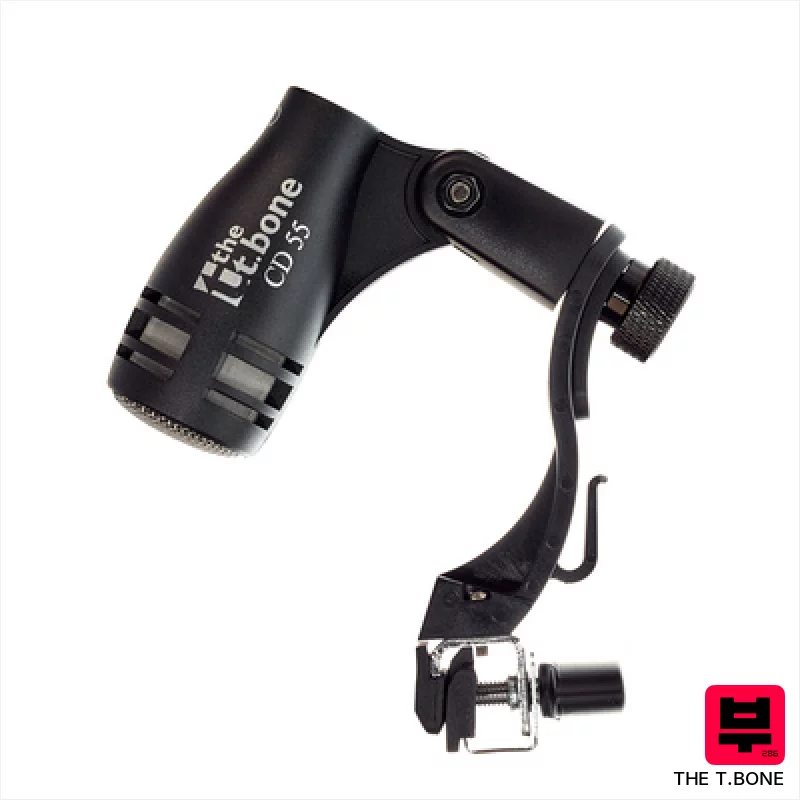
the t.bone CD 55
- • Robust zinc housing offers surprising durability for the price.
- • Cardioid pattern effectively isolates toms in a live setting.
- • Rim clamp bracket simplifies mounting and reduces unwanted vibrations.
- • Surprisingly decent transient response for a budget dynamic mic.
- • Limited frequency response restricts nuanced tom articulation.
- • 600Ω impedance requires a decent preamp for optimal signal.
- • The clamp, while functional, feels a bit plasticky and basic.
Microphones for Toms by the numbers
Measured across all 11 models in this category, so «wide», «short» or «expensive» mean something you can check.
How to Choose the Best Microphones for Toms
Frequency Response
In this price range, you're not expecting a perfectly flat response. We're looking for mics that capture the low-end thump of the floor tom and the articulate attack of the rack toms - without getting overly muddy or brittle. A slight bump in the mids can help them cut through the mix.
Polar Pattern
Almost all of these will be hypercardioid or cardioid. Hypercardioid offers more isolation, which is a huge help in loud band situations, but can also sound a little more directional. Cardioid is a safer bet for more controlled environments.
Build Quality
Let's be honest, sub-$200 mics aren't built like tanks. We're assessing how well they'll handle the bumps and bruises of gigging - the robustness of the capsule, the quality of the housing, and the durability of the cable. A mic that falls apart after a few gigs isn't a bargain.
Sensitivity
Lower sensitivity means you'll need more gain, which can introduce noise. We're looking for mics that provide a decent signal without needing a massive preamp boost, reducing hiss and unwanted artifacts. Good sensitivity is key for quieter rehearsal spaces or tracking acoustic drums.
Off-Axis Response
How does the mic sound when something is not directly in front of it? A mic with a harsh off-axis response will pick up bleed from other drums and vocals, muddying the mix. We're looking for mics that maintain reasonable clarity even when not perfectly positioned.
Buying Guide
At this price point, you're making trade-offs. Don't expect pristine, studio-quality sound. You'll likely sacrifice some low-end extension or a perfectly smooth frequency response. Focus on getting a mic that delivers a usable, punchy sound that cuts through the mix - and that can withstand the rigors of gigging. A robust clip and a decent shock mount are worth the extra few bucks; they'll extend the life of your mic and improve the sound.
How This List Is Built
We don't play these instruments — we're a catalog, not a review desk, and we'd rather say so than pretend otherwise. This page covers 11 microphones for toms from the Thomann catalogue, which is the largest single source of specification data in this category: 11 in detail, the rest listed with their specifications.
Position is computed, not curated. We parse the manufacturer's own description into actual values — nut width, scale, fret count, fingerboard radius, size, alloy — and rank on them: how many specifications a model has published, how many of them are measurable numbers, and how precisely it meets this page's criterion. A product image adds a little. Price is not a ranking signal: it tells you nothing about whether a neck fits your hand. The same inputs always produce the same order, so nothing here is shuffled to look fresh.
What this list is good for: narrowing a category down to a shortlist by spec and budget. What it isn't: a substitute for hearing an instrument. Before you buy, read hands-on reviews and, where you can, play it. Full methodology.

